Singapore is by far no secret gem no more, but a jewel of a city nevertheless. It´s clean, it´s safe, it´s diverse – modern but cultural. It offers everything you could ask for in a city-state of six million inhabitants. It keeps its promises and will find one way or another to amaze you.
About my trip: I visited Singapore in early November 2025 for just two days. Those two days were packed with sightseeing, and I wouldn’t have minded an extra day in this extraordinary city. This would have allowed me to not just rush through it, but to truly savor one of its many recreational areas.
It wasn’t entirely fair to Singapore that I had visited Malaysia beforehand, which had left me absolutely speechless and set my expectations rather high. While Kuala Lumpur hit me by surprise, Singapore „just“ met all expactions. However, Singapore is rightly so known as one of the most outstanding green cities in the world. It was, in fact, green. And clean. And anything but disappointing.
Compared to other cities and countries in SEA, Singapore is relatively expensive. Food and drink prices were on par with central Europe: a bit higher than in Germany but slightly lower than in Ireland (using my own personal reference). Despite Singapore’s modern, sometimes even “futuristic” reputation, you should carry cash, though. On multiple occasions I found myself in desperate need of it.
Green City
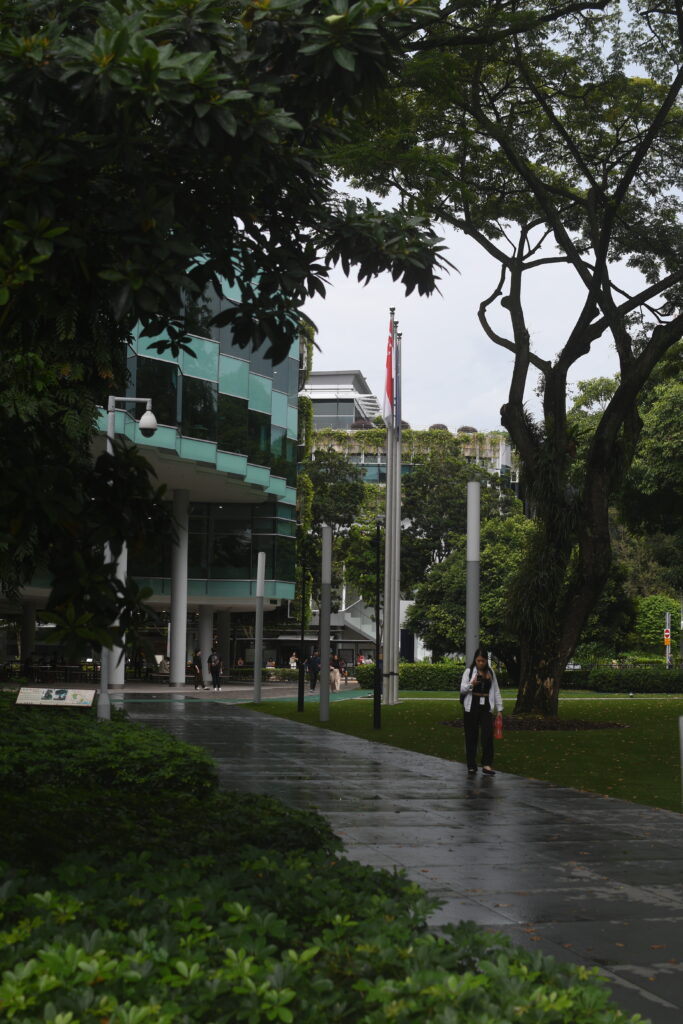
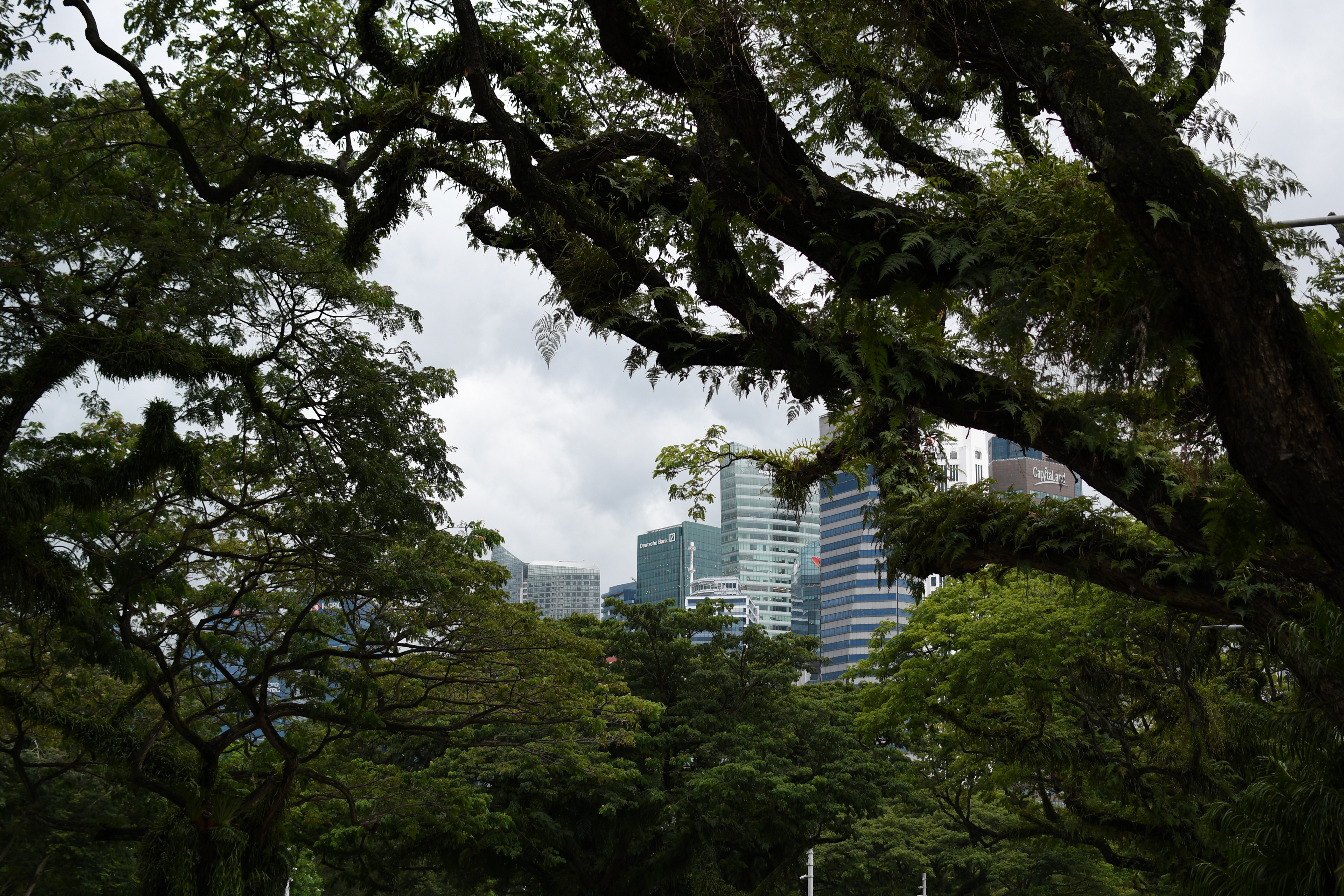
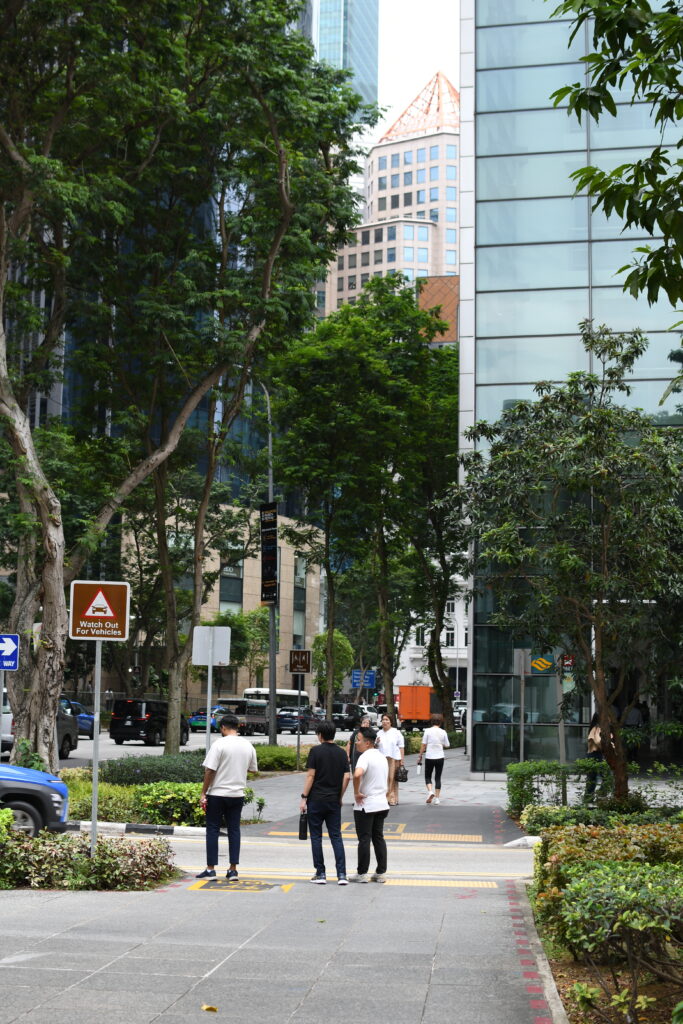
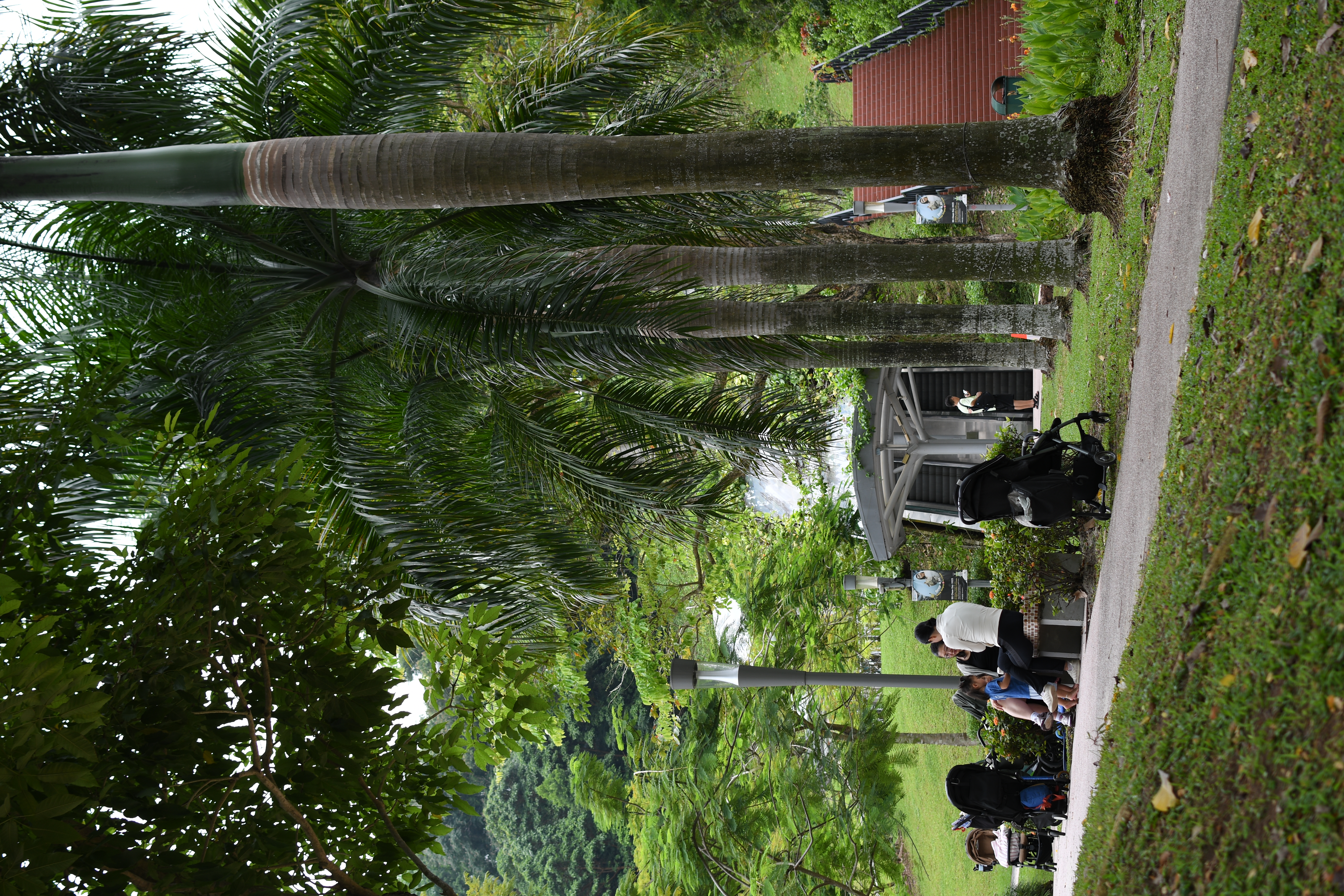
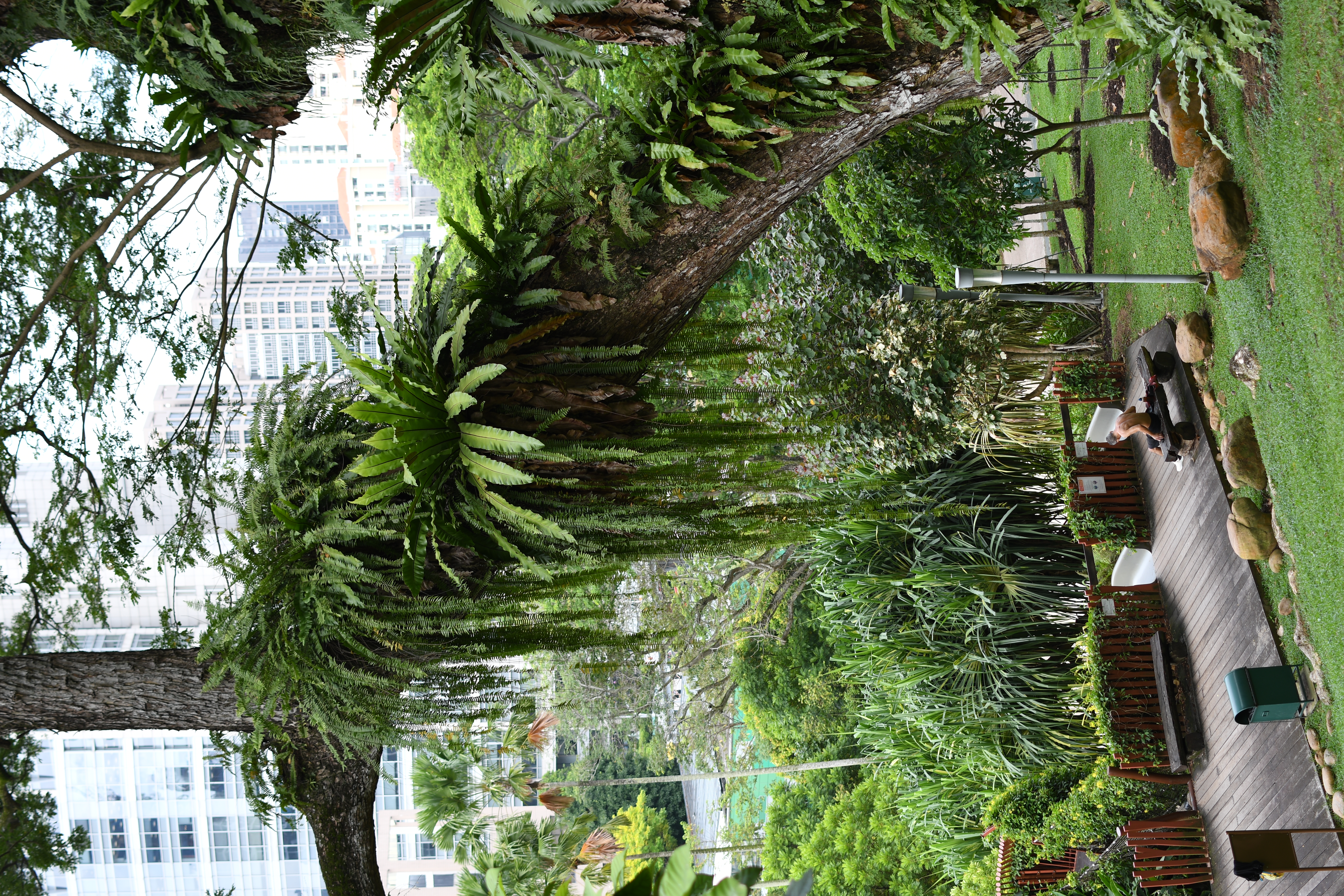
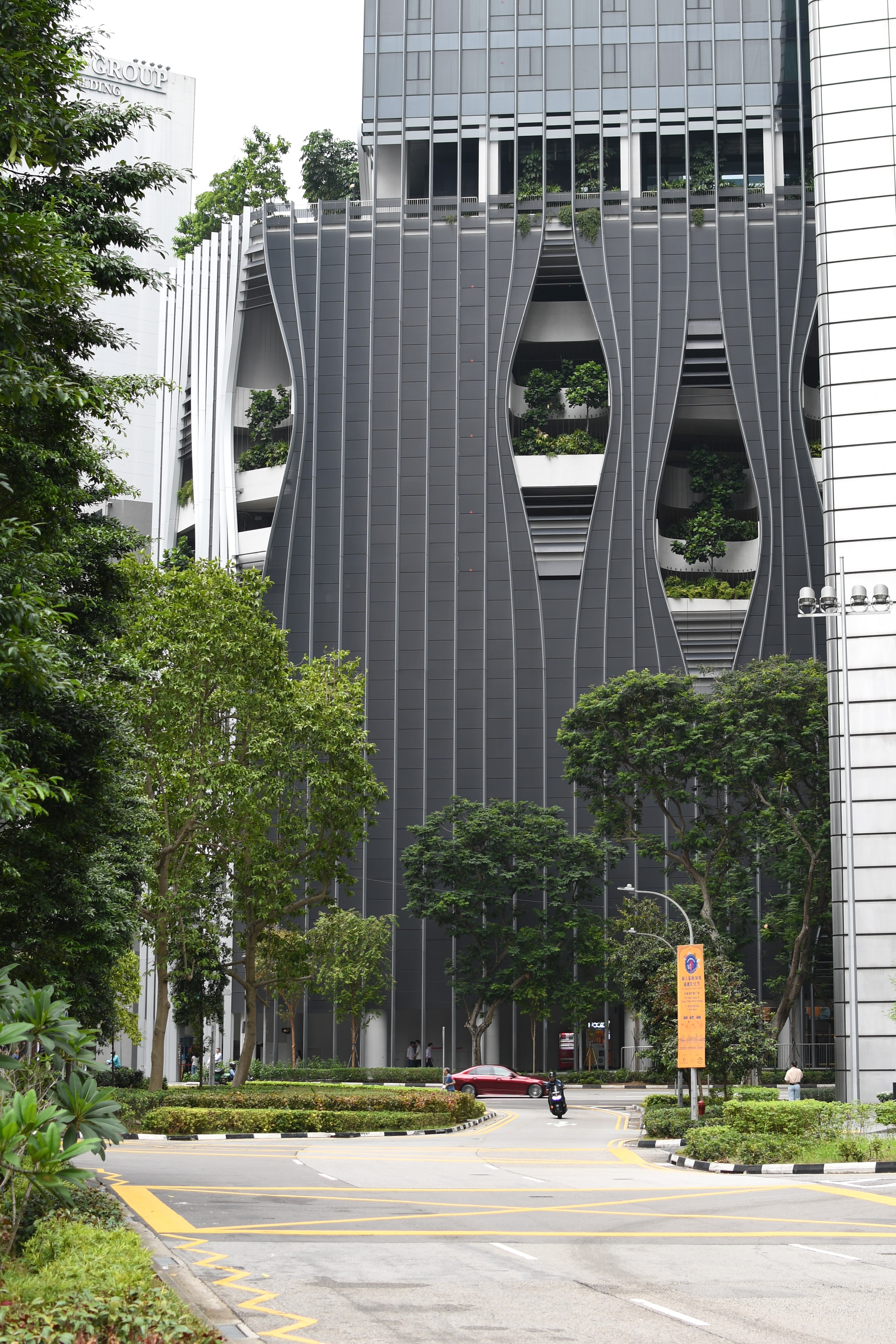
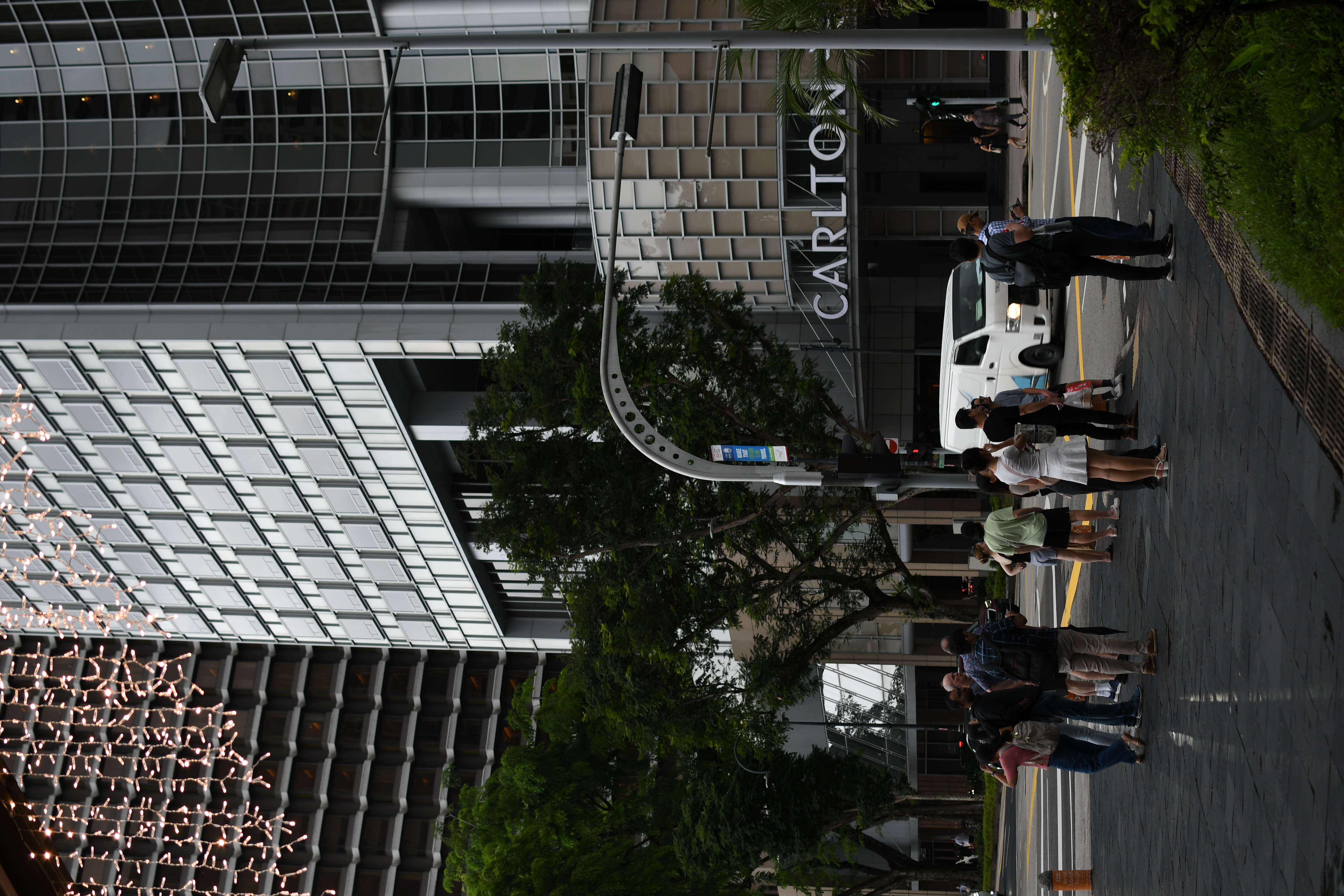
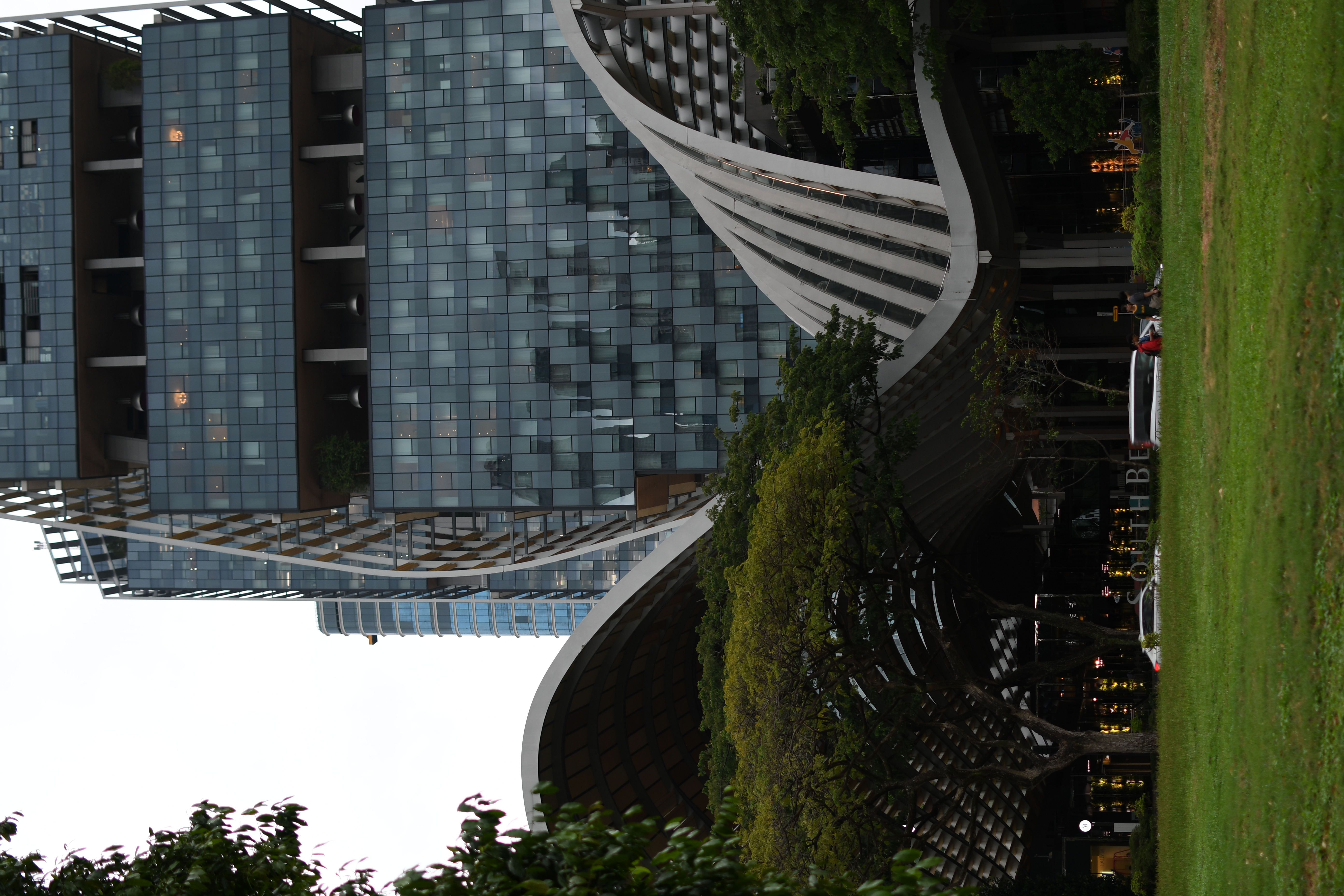
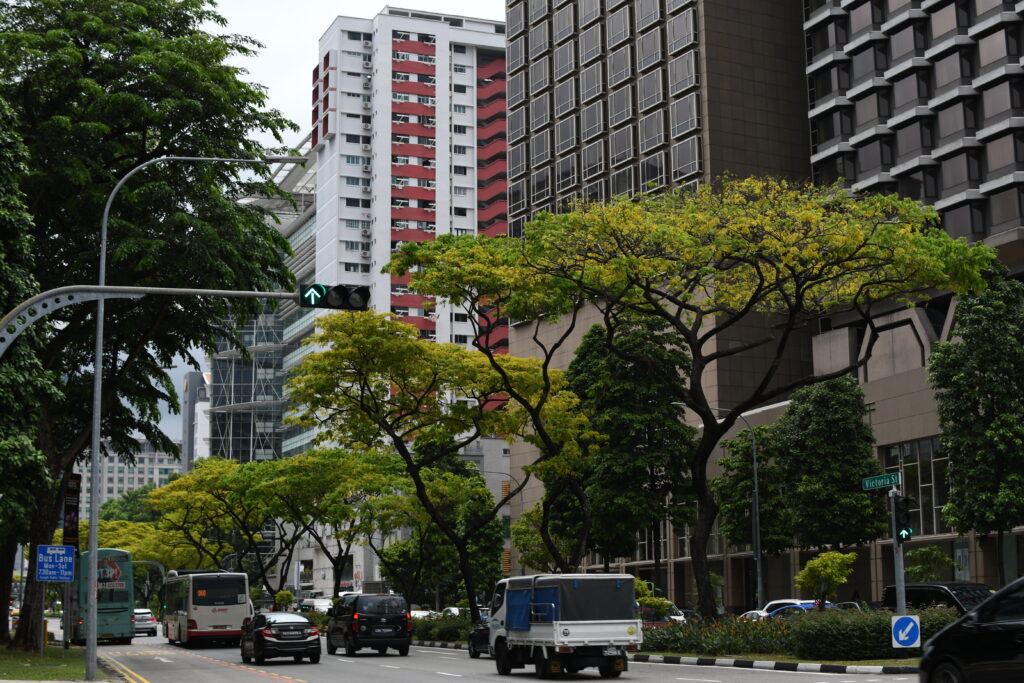
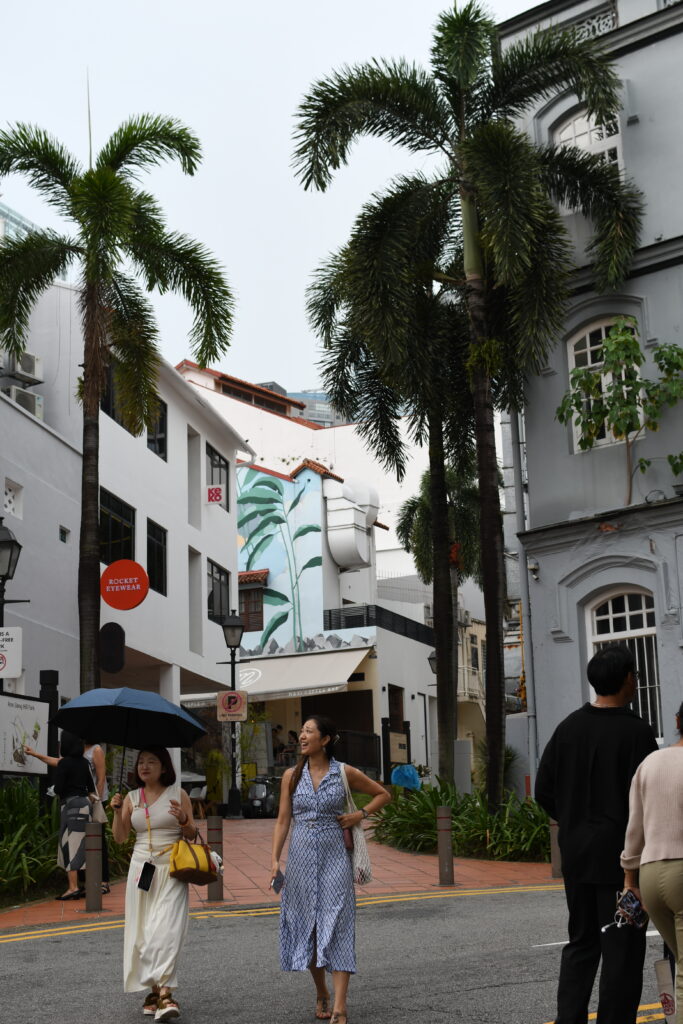
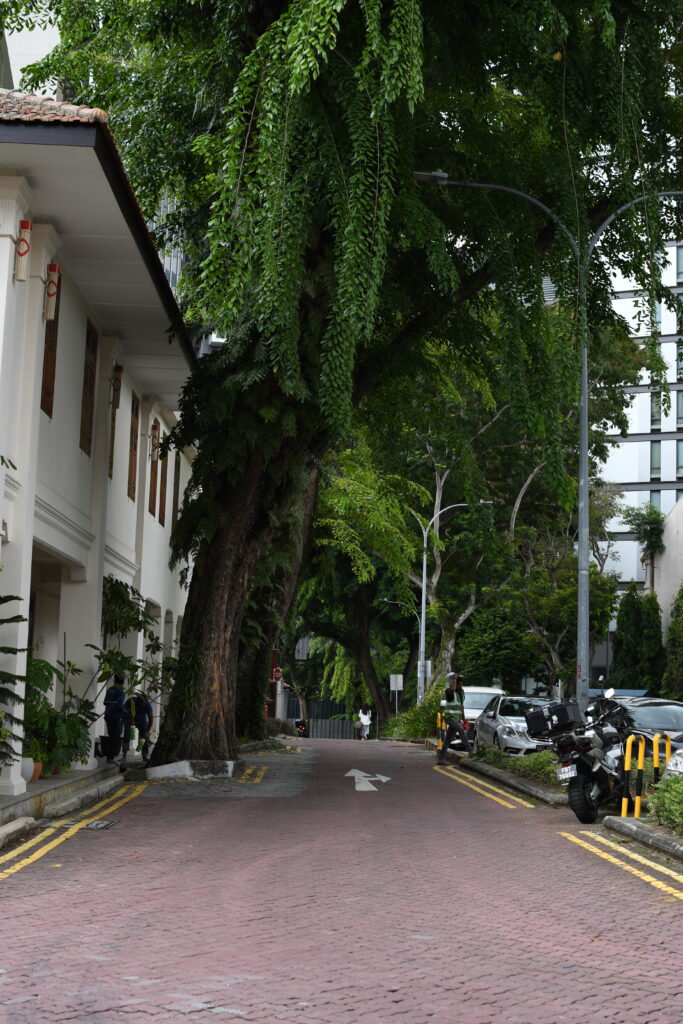
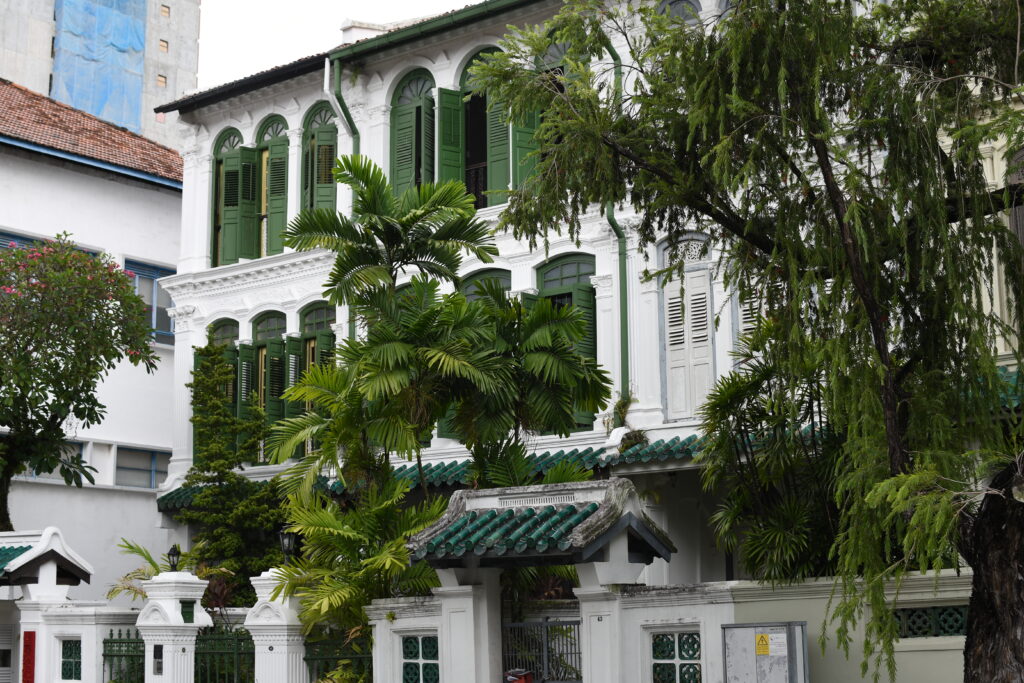
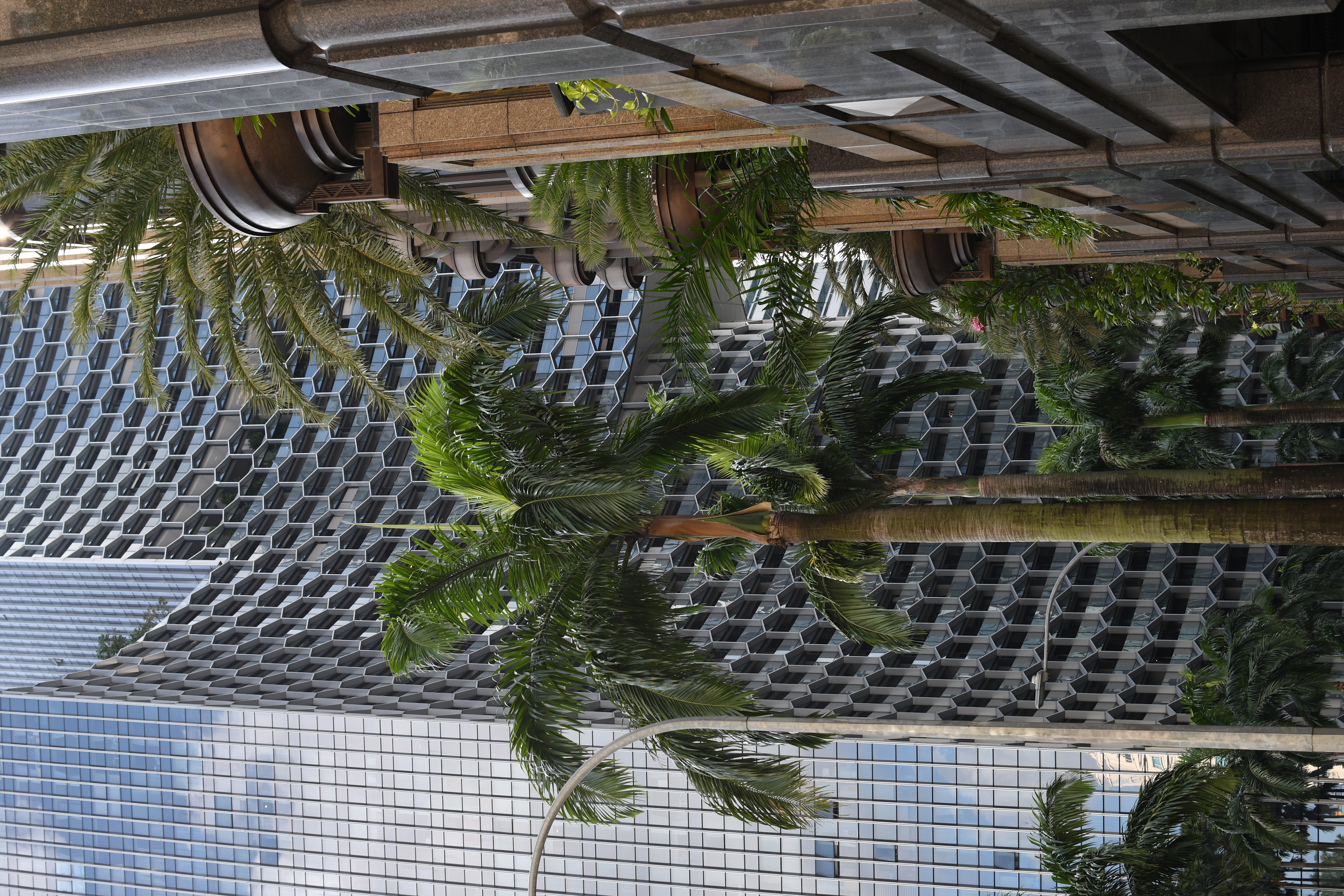
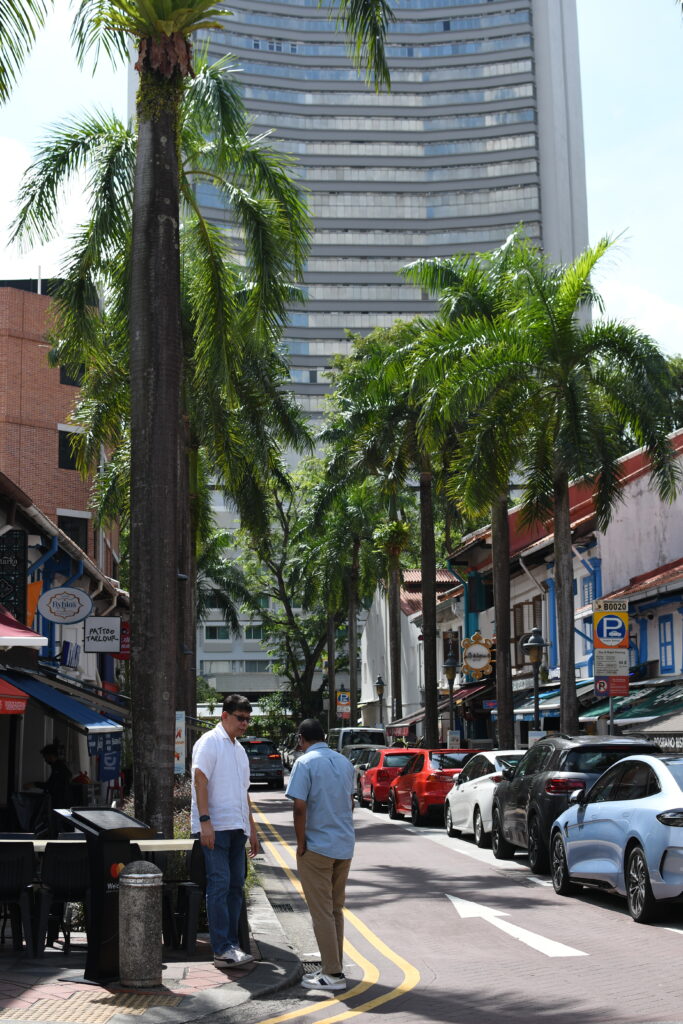
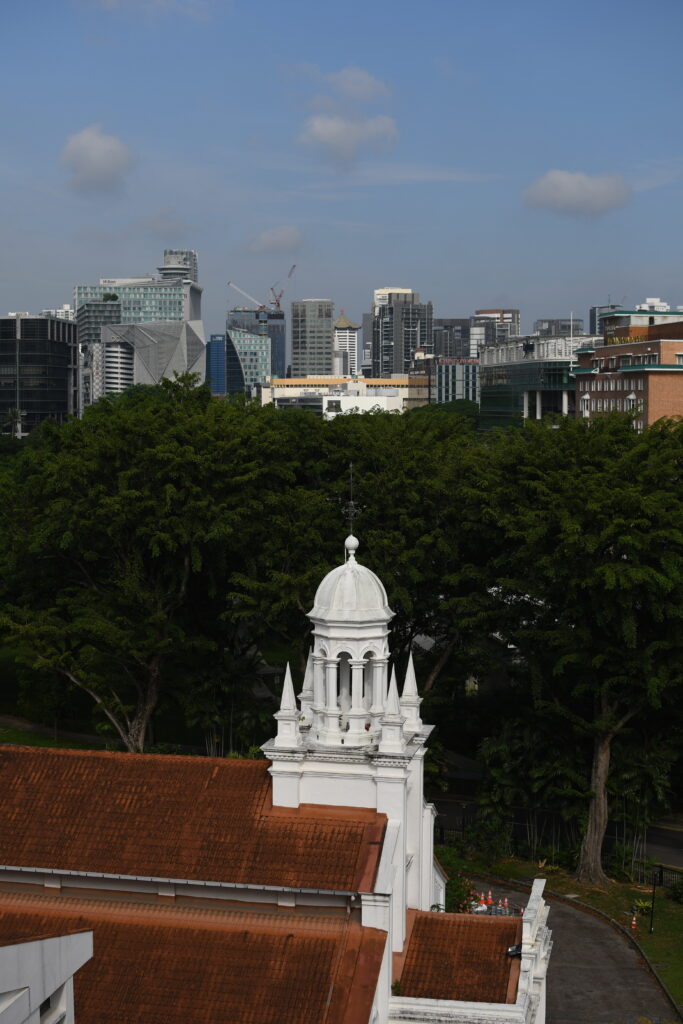
Singapore is widely recognized as a green and sustainable city – a “City in Nature.” Strolling through Singapore, you’ll quickly discover that this is not an empty marketing trap but a lived reality. Everywhere you go, the scenery blends modernity with lush greenery, colourfully dotted with traces of cultural heritage
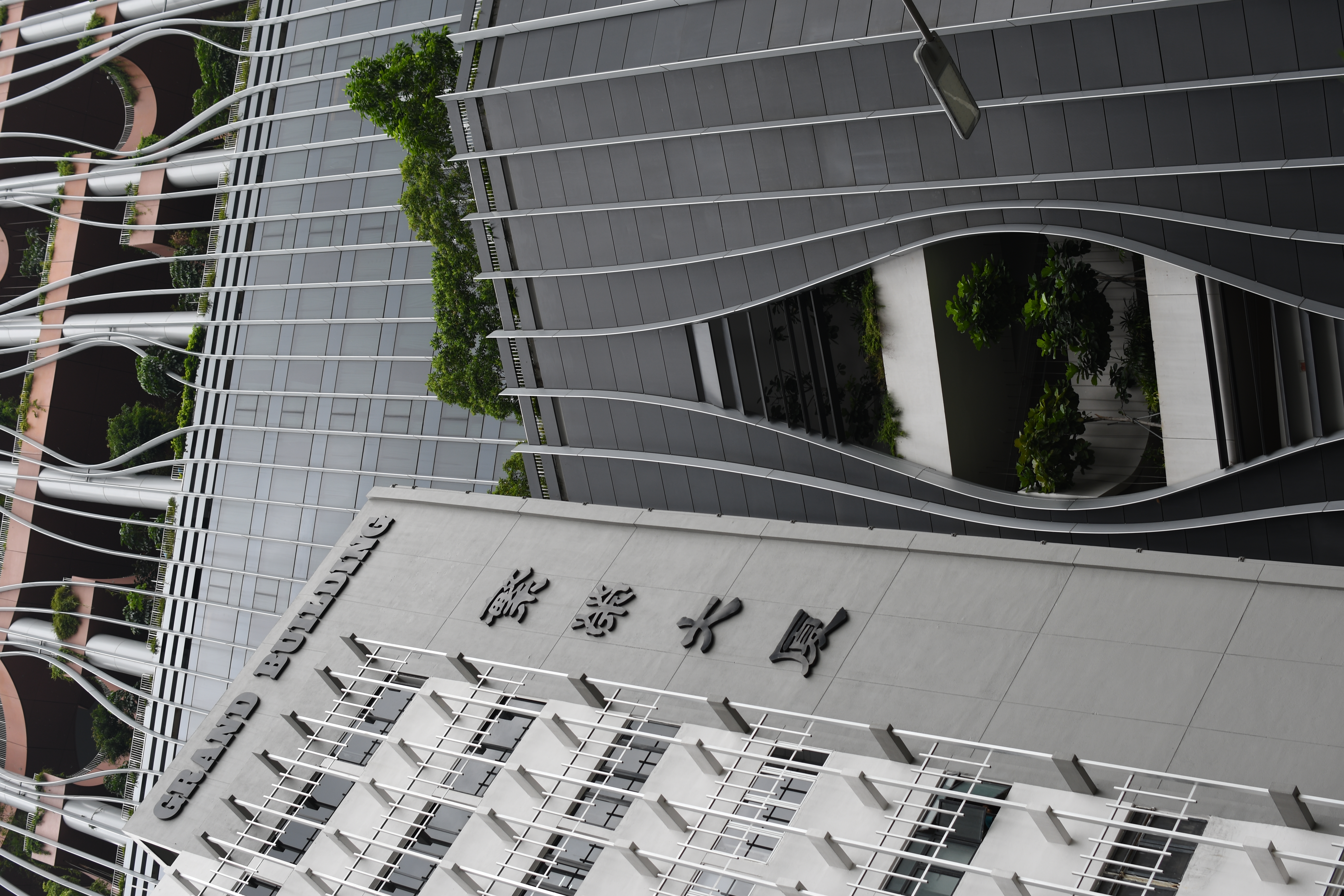
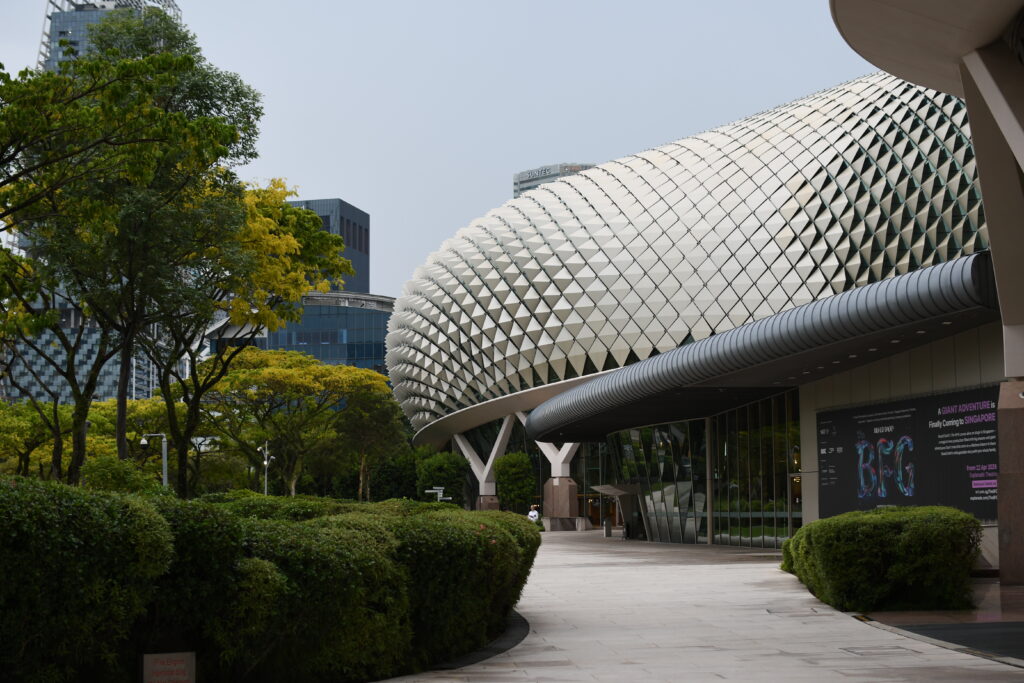
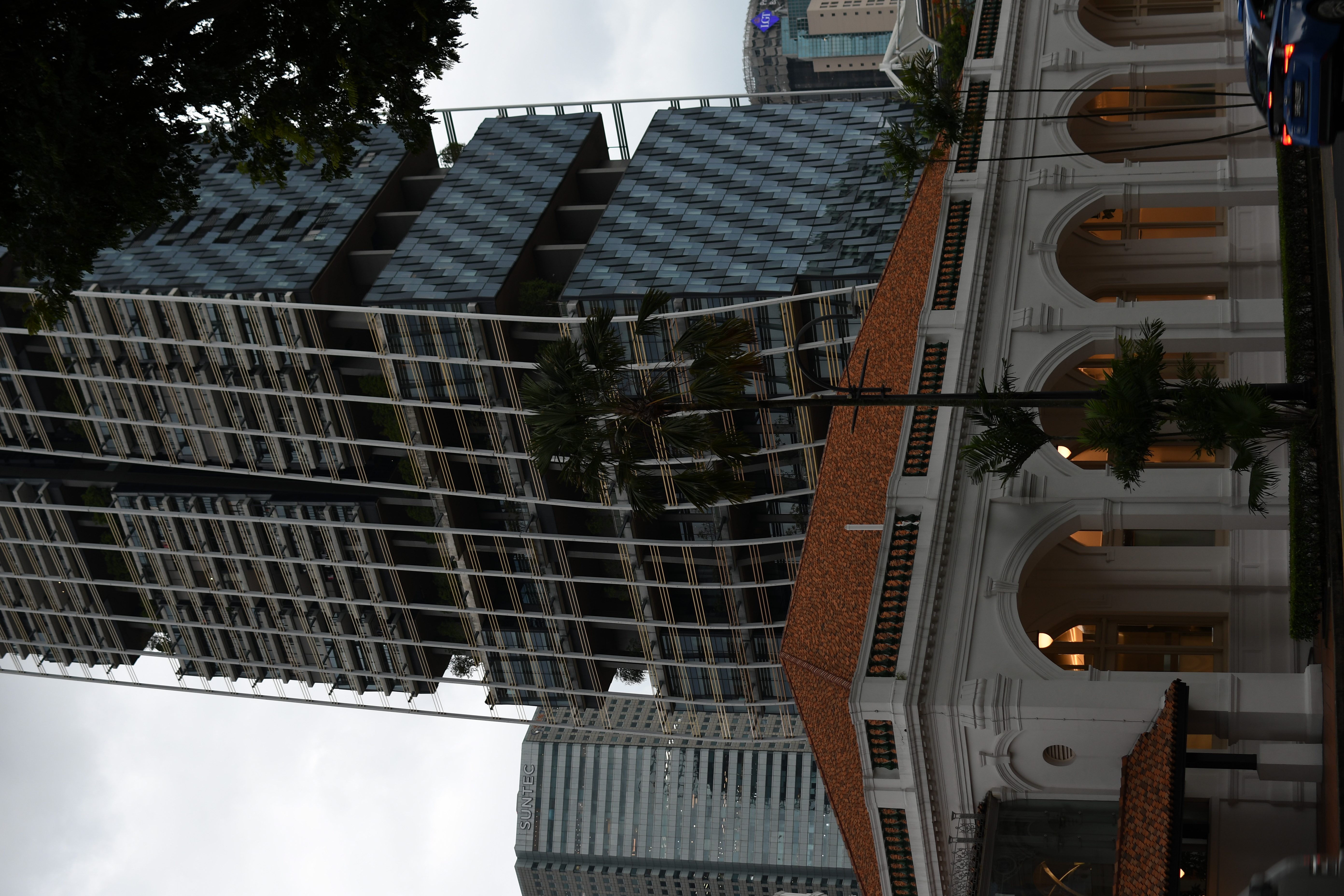
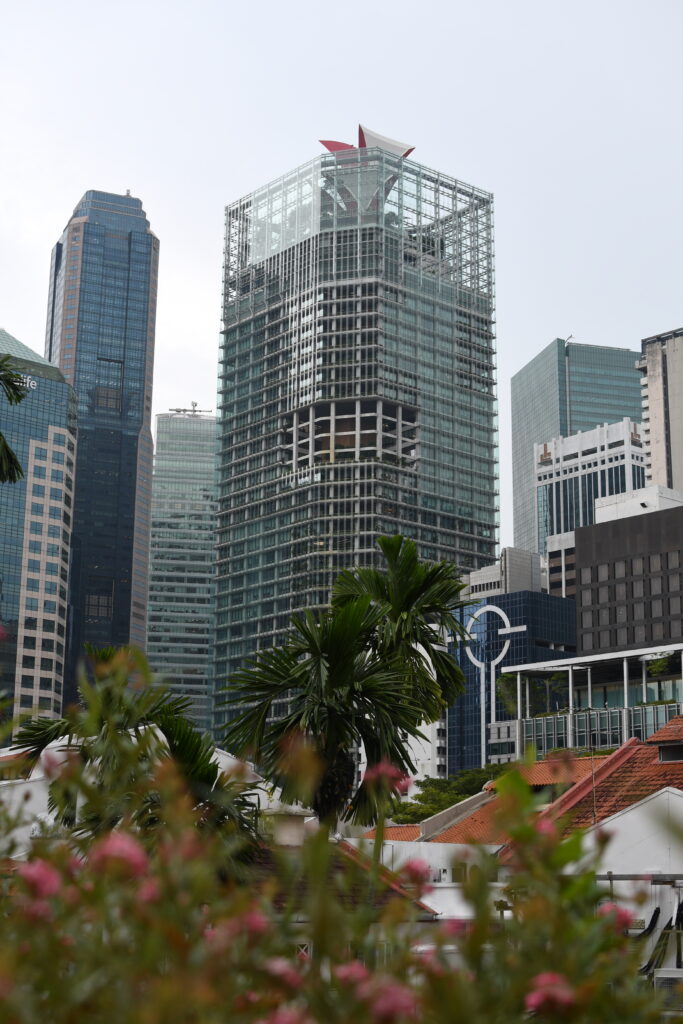
The architecture and the interplay of cement, stone, glass, and flora is outstanding, creating a picturesque urban landscape and an atmosphere that is genuinely enjoyable. The vibe´s unreal. If you read my blog entry about Malaysia, you might recall how I described Kuala Lumpur as a post-apocalyptic Gotham. Now, Singapore could be seen as a glimpse of human society 100 years into the future from that. Nature´s a bit more tamed, yet still deeply respected, almost worshipped as the source of all life, while humanity has found a way to live in harmony with it and with one another.
singapore in well organized quarters
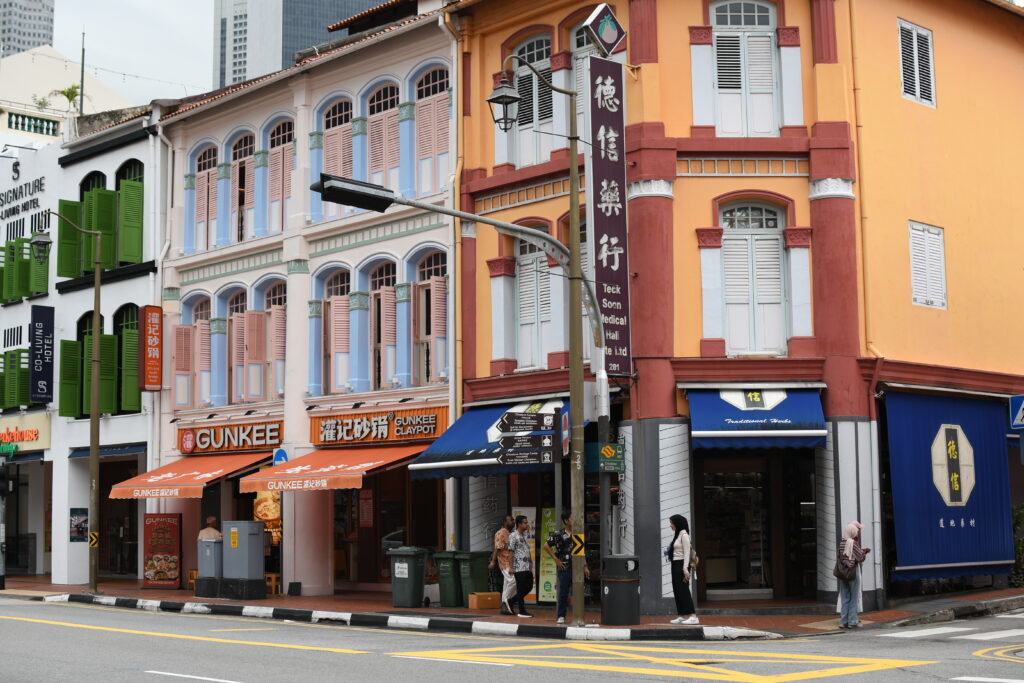
Singapore is not only handsomely designed but also sociologically thoughtful in its planning. While rich in culture and diversity, the city -perhaps- has long been aware of potential conflicts. I don’t want to delve neither into a political debate nor the question of nature or nurture, but however Singapore became the city it is today, the result is a mosaic of districts where different major ethnicities reside – alongside their religious institutions, centers of commerce, and traditional eateries.
Broadly speaking, you can divide Singapore into the north and south of the Singapore River. In the north, you’ll find a huge shopping district, Little India, the Muslim Quarter, and Christian influences. In the south, you’ll encounter Chinatown and the financial district. However, this separation is not fully rigid and you might also find Buddhist temples in the north, and Hindu temples in the south.
Chinese influence
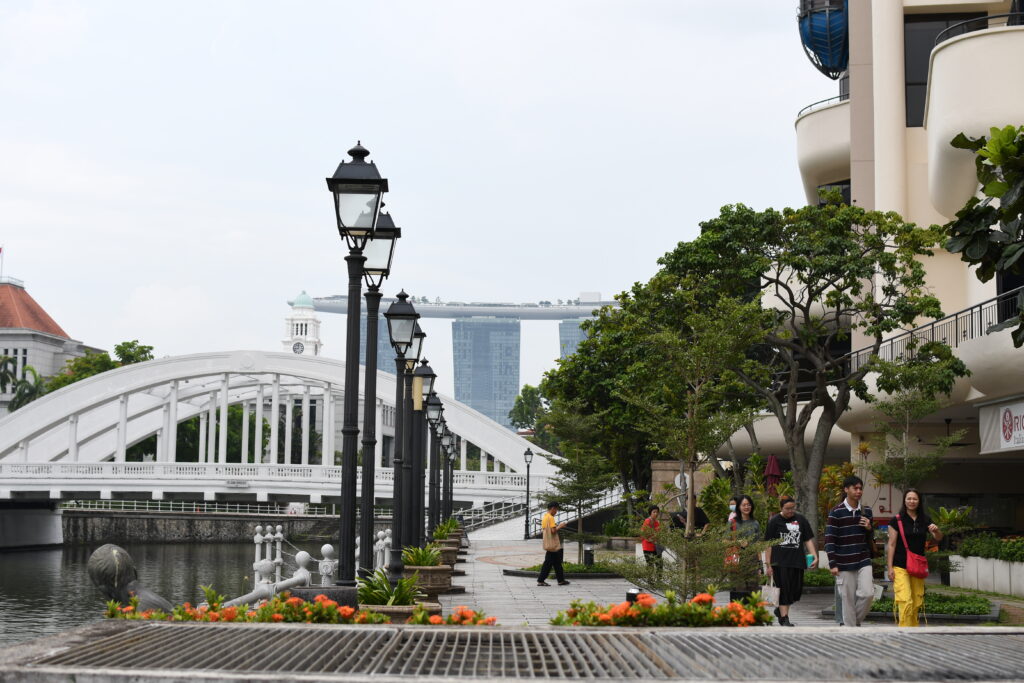
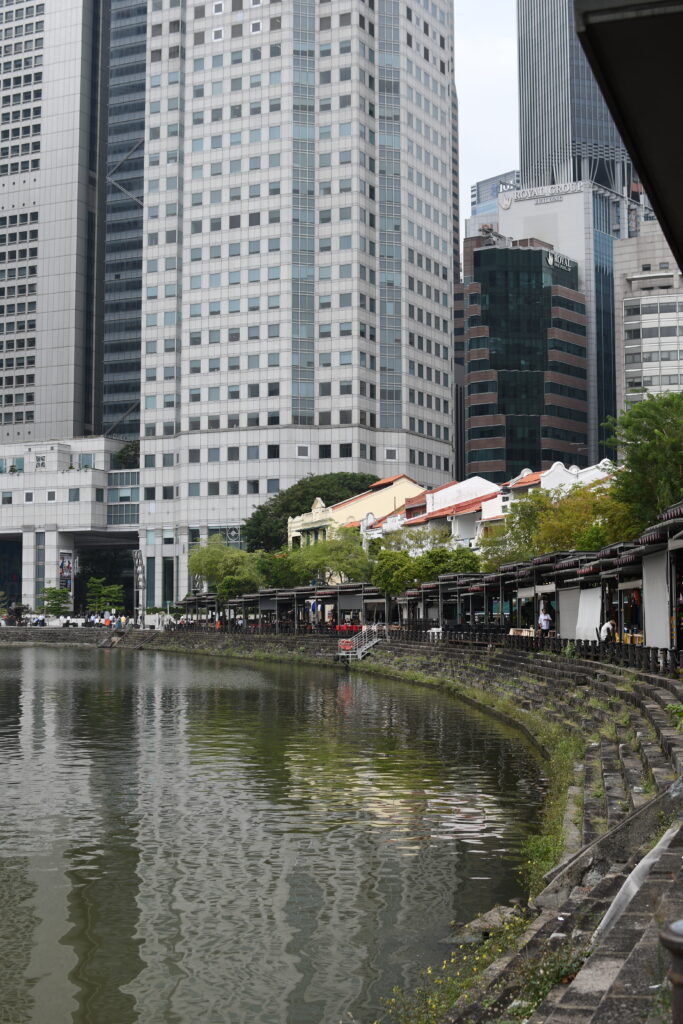
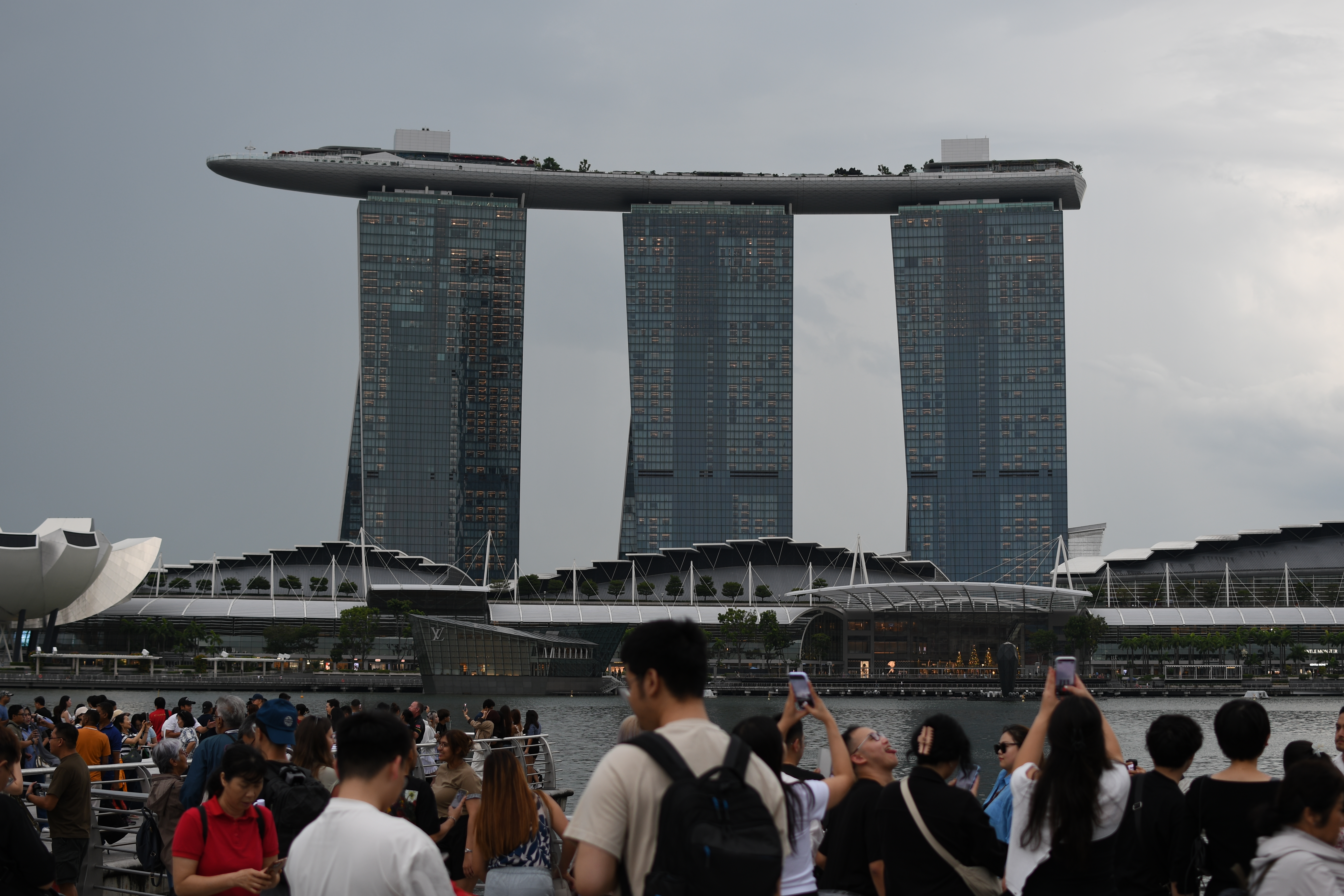
Starting our little city tour from the “middle” and heading south, with the river as our imaginary line of orientation, your journey begins at Boat Quay. Along the river you’ll find all sorts of restaurants and bars, and you might indulge in a Singapore Sling – the city’s signature cocktail. Looking east, you’ll catch your first glimpse of Marina Bay Sands, while to the south the impressive financial district comes into view.
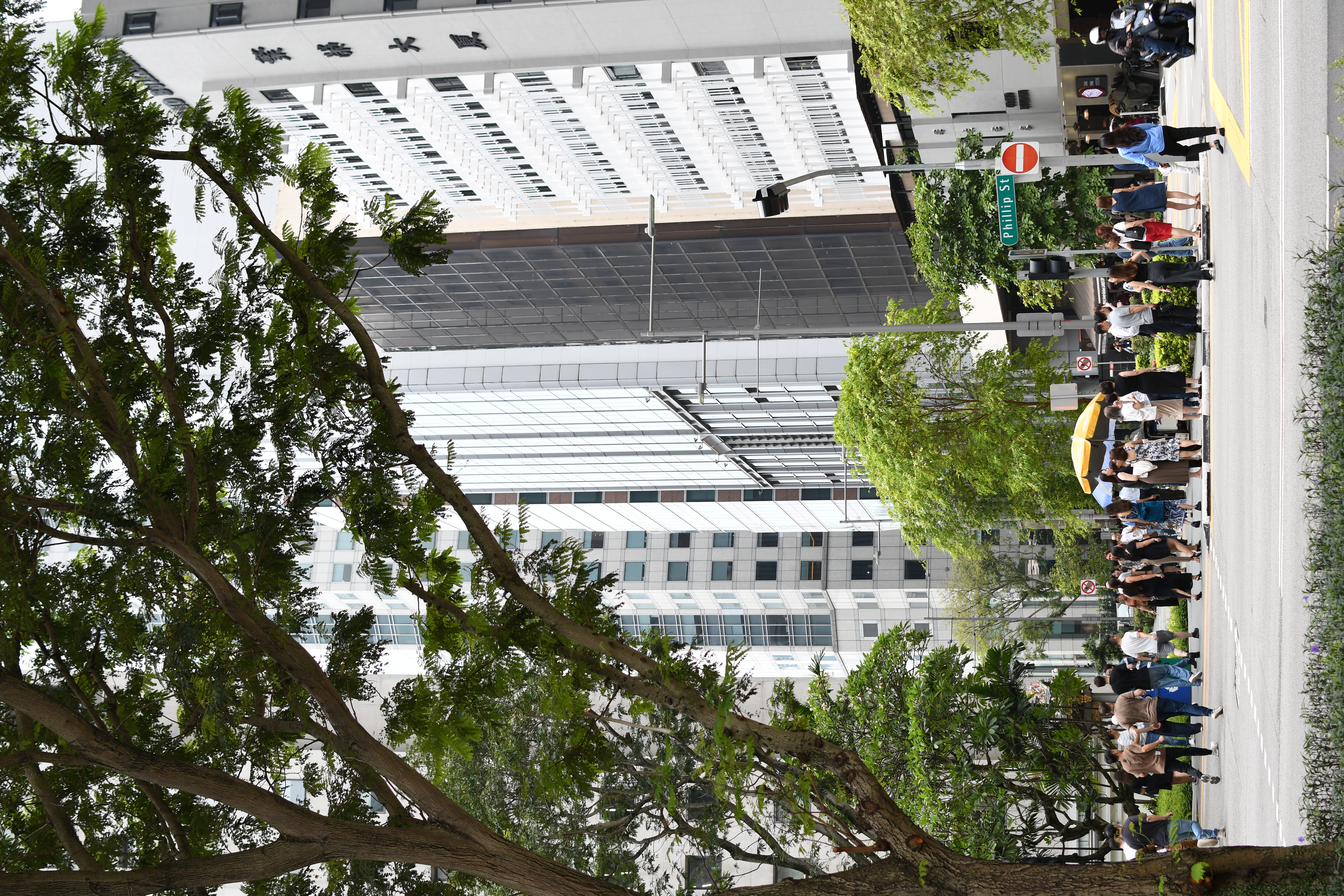
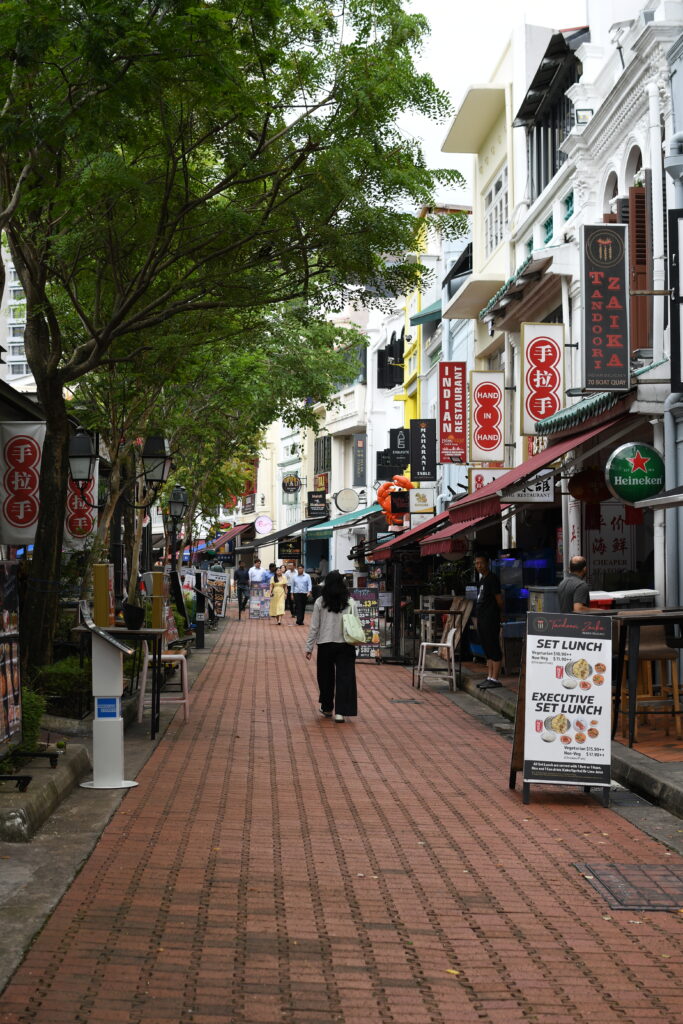
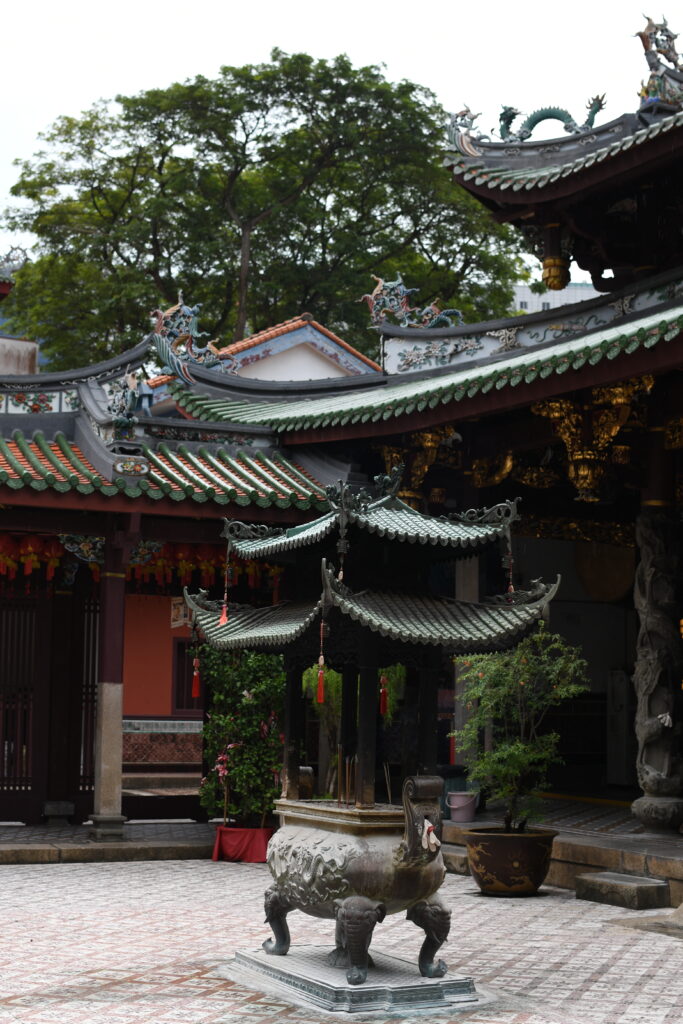
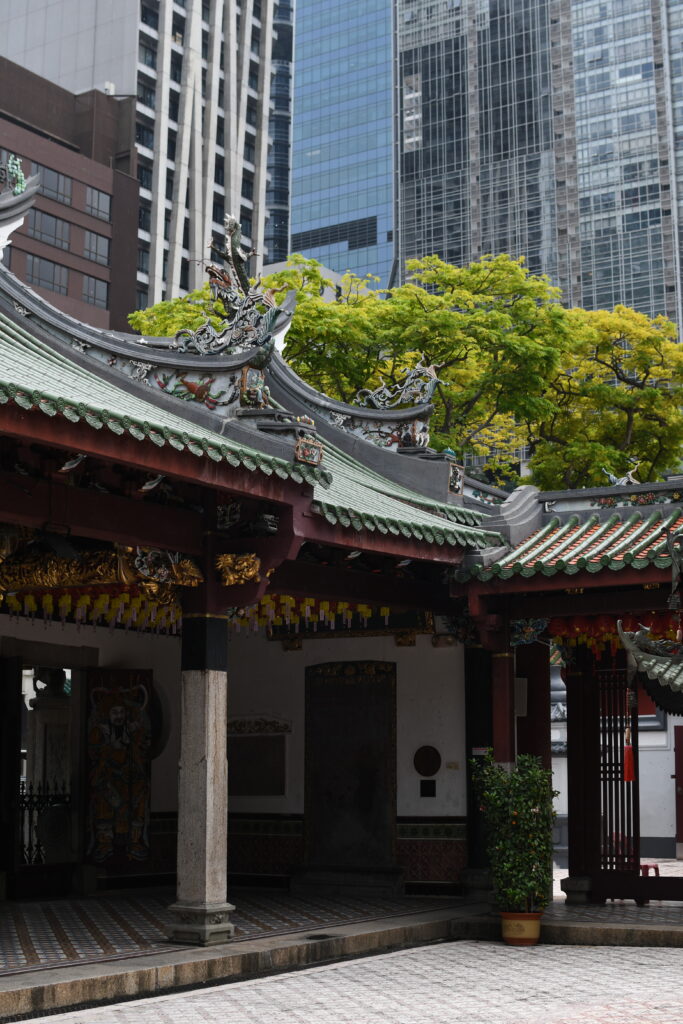
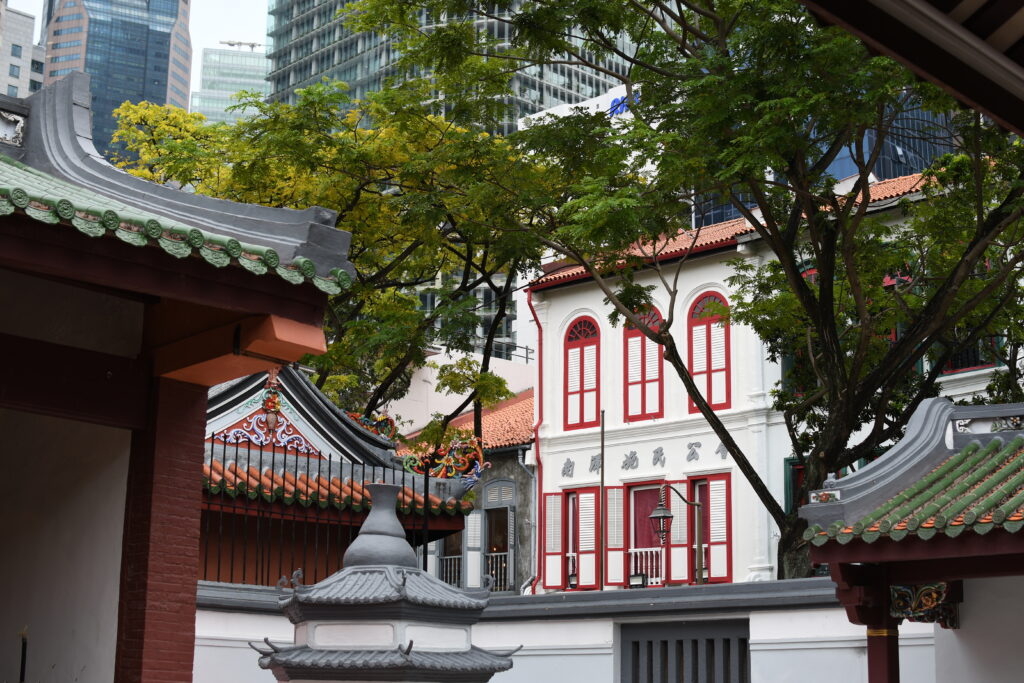
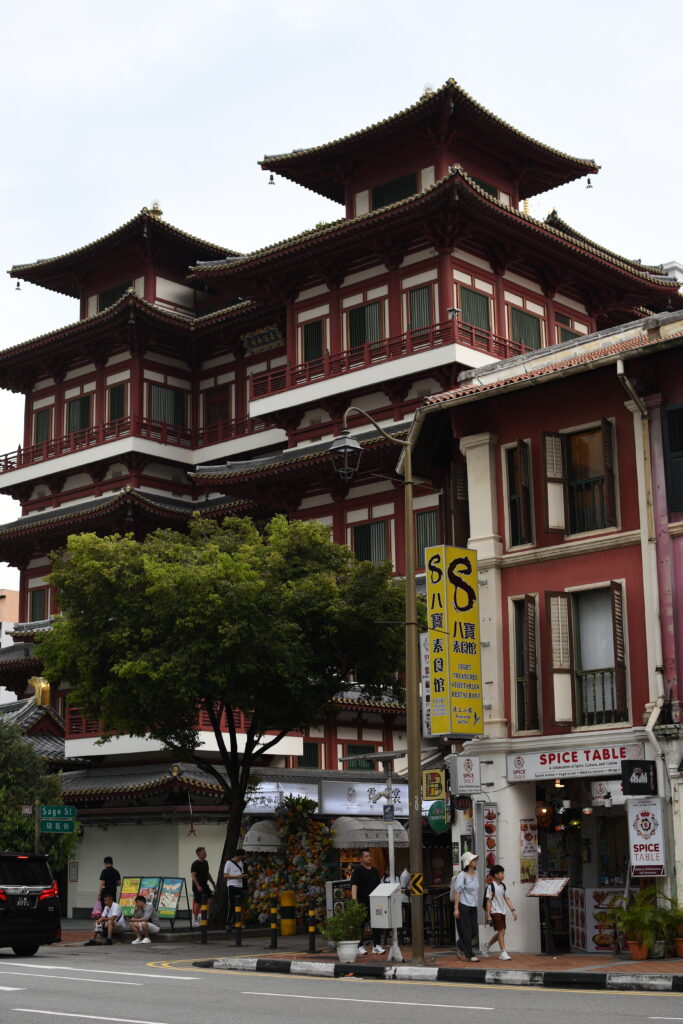
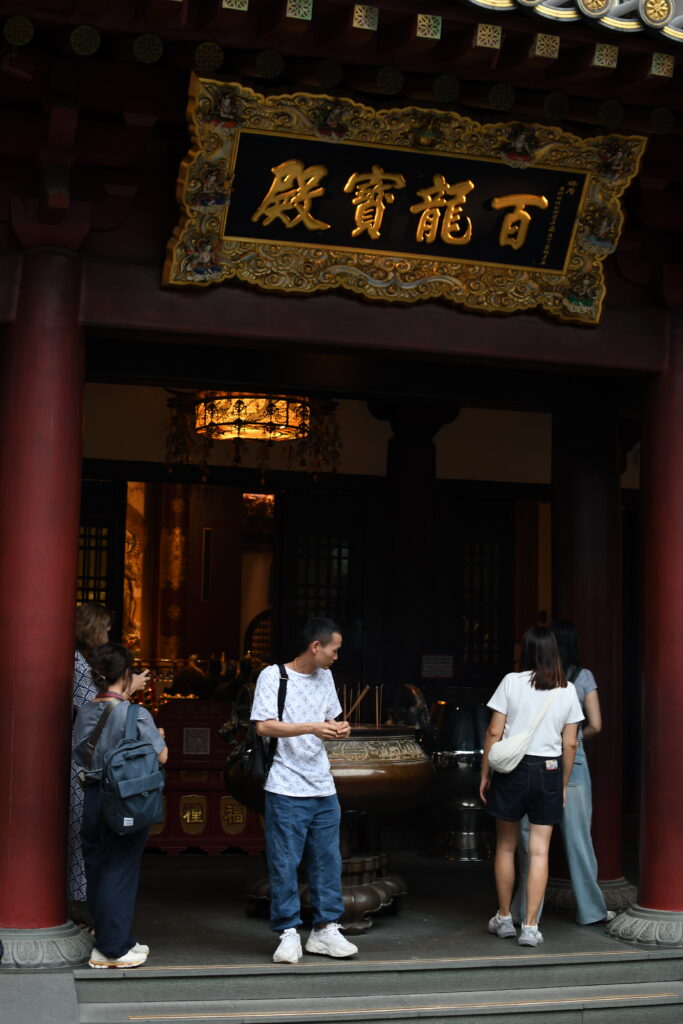
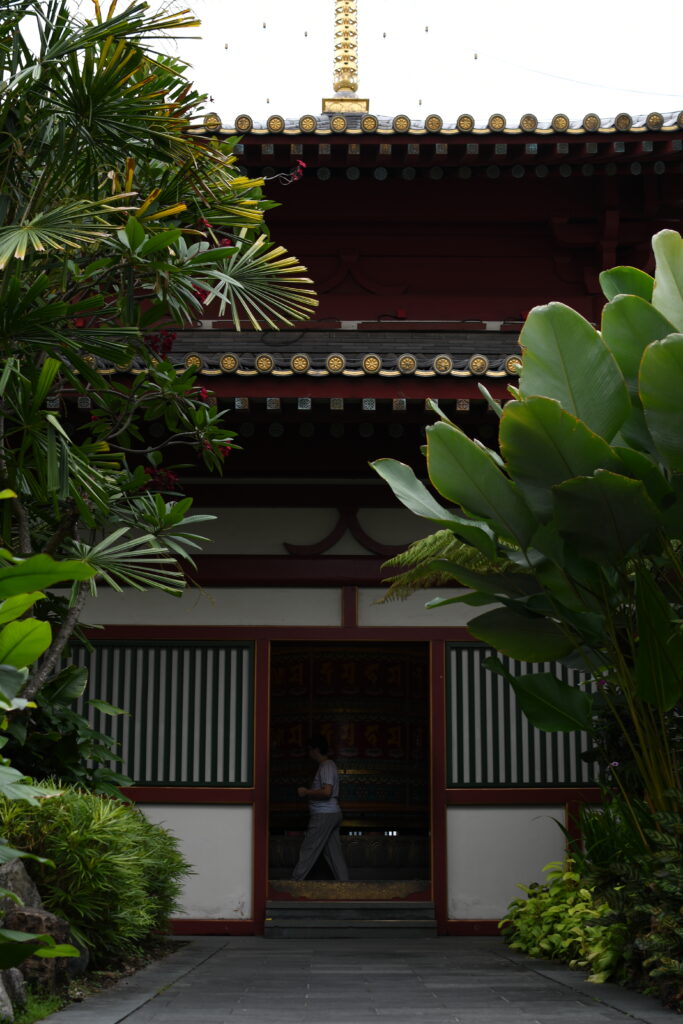
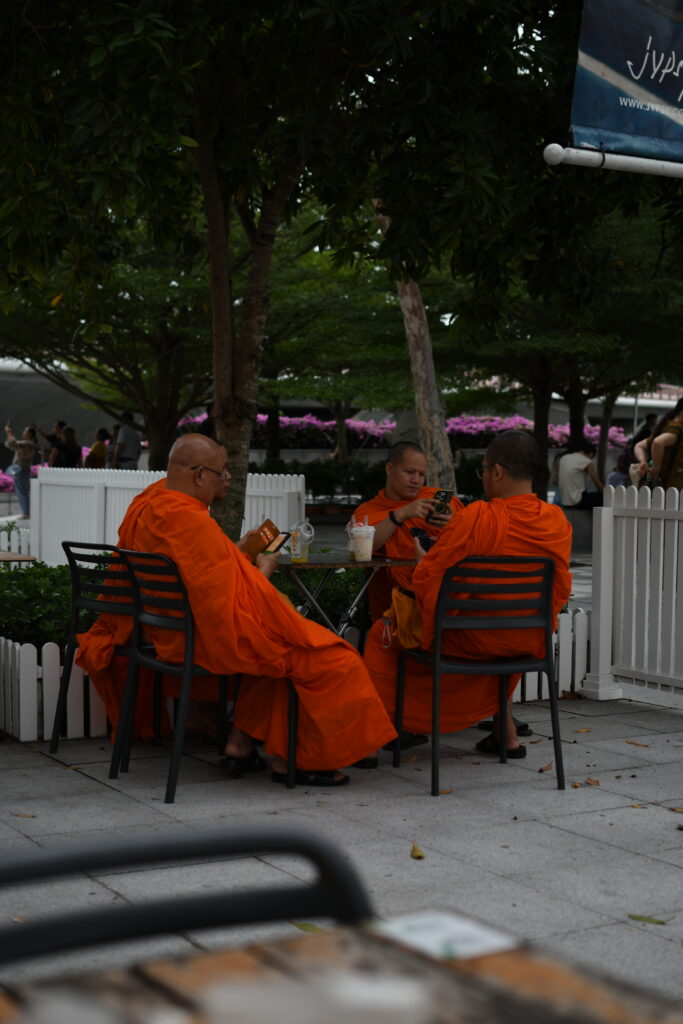
Passing through the towering bank buildings, you’ll enter Chinatown. Singapore’s population is predominantly Chinese, making up about 74% as of 2025. I found it spectacular to see gorgeous Chinese temples nestled among The Wolf of Wall Street like office towers. To my astonishment, I found myself inside temples alongside neatly dressed business wo/men – me taking photos, while they paused for their lunch prayers.
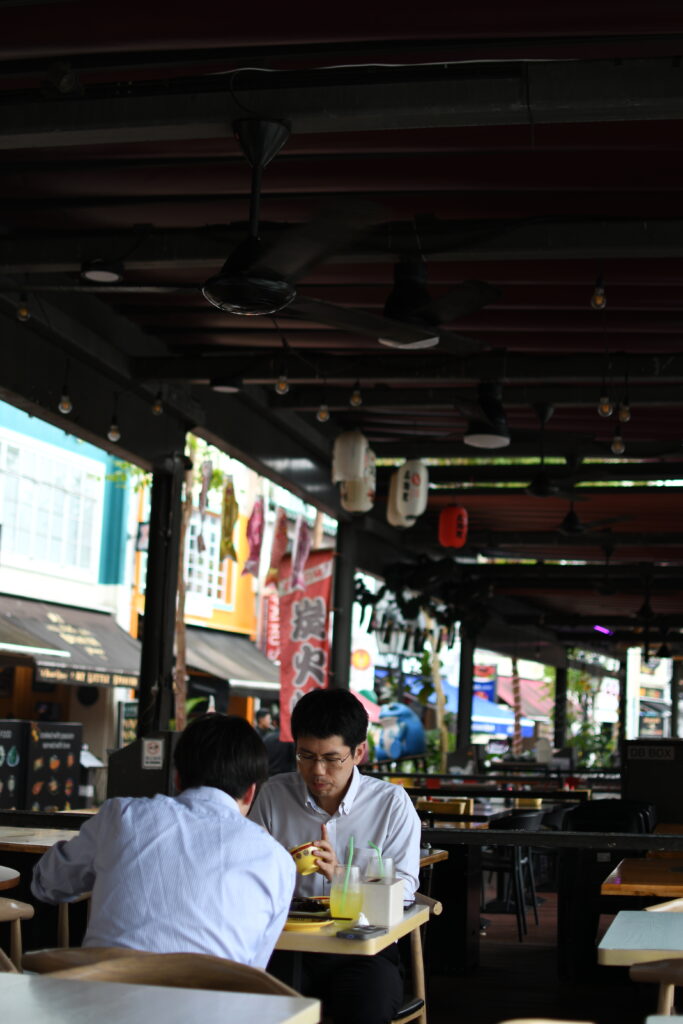
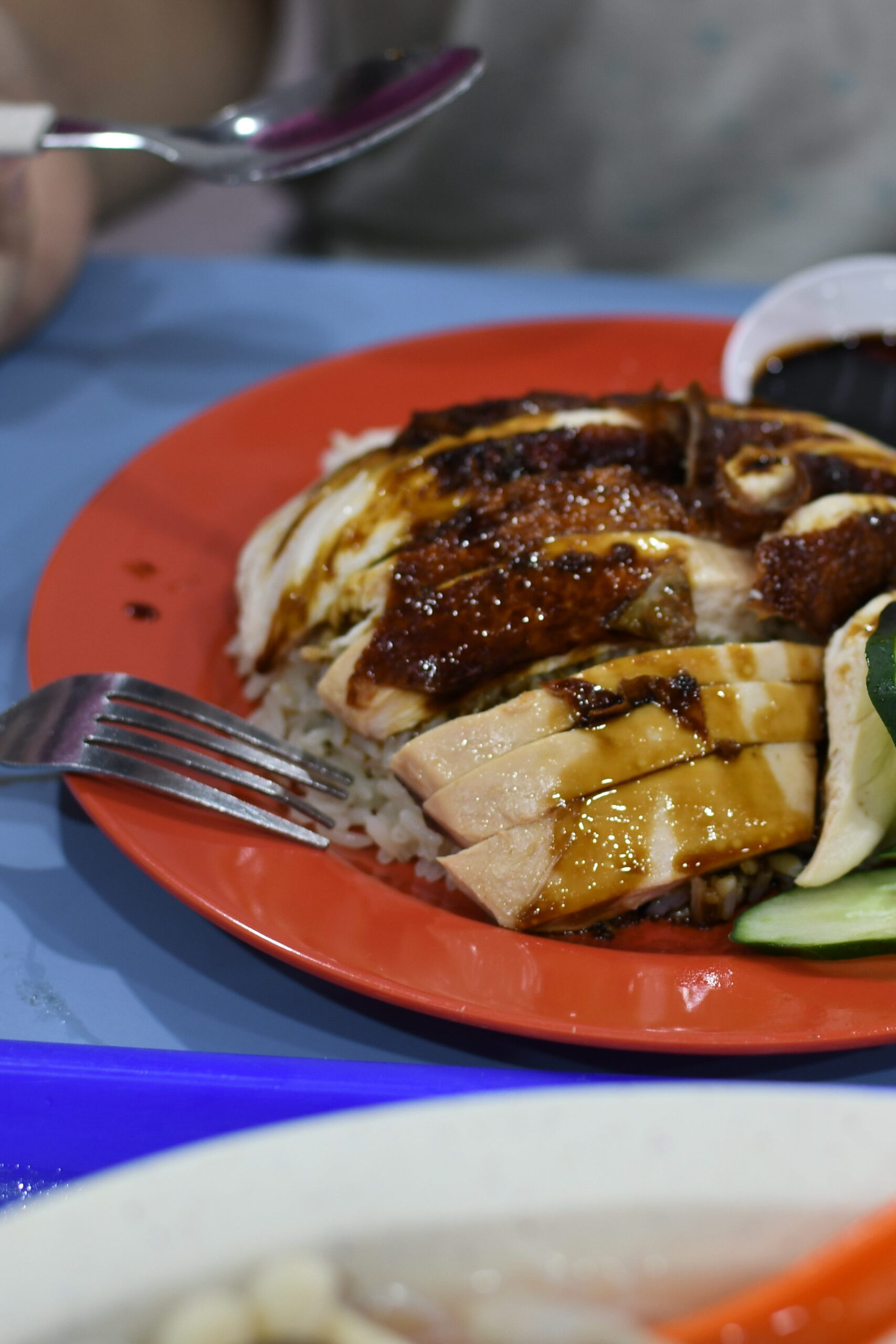
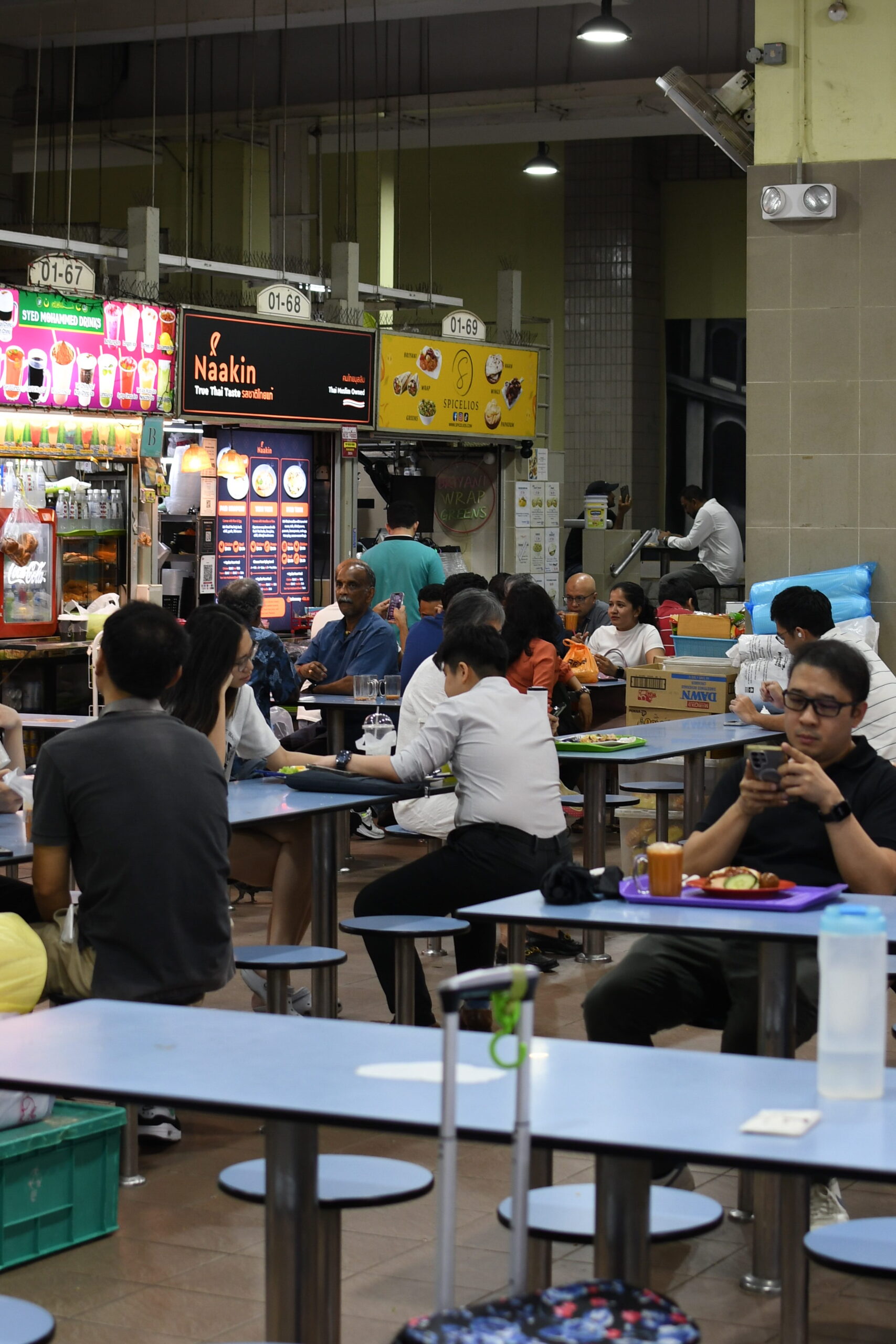
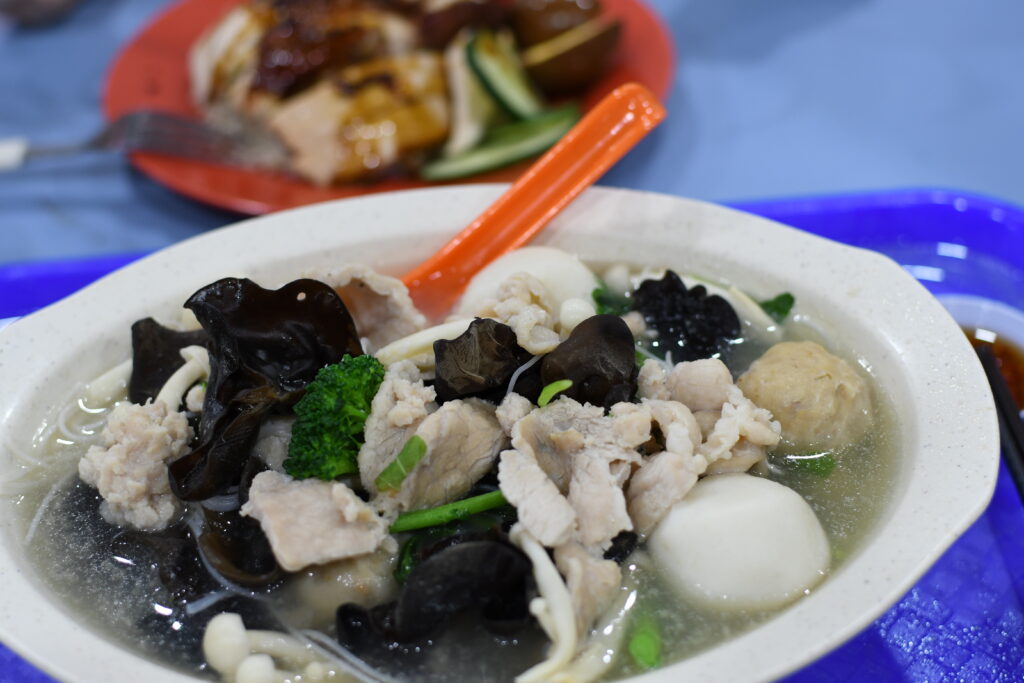
After the prayer or meditation, it´s time for lunch. I can highly recommend one of the food courts in Chinatown, also known as Hawker Centres. Don´t be shy and try local food. I can’t give any guarantees, but everything I tried was deliciously tasty, and it was great fun to mingle with locals on their lunch breaks.
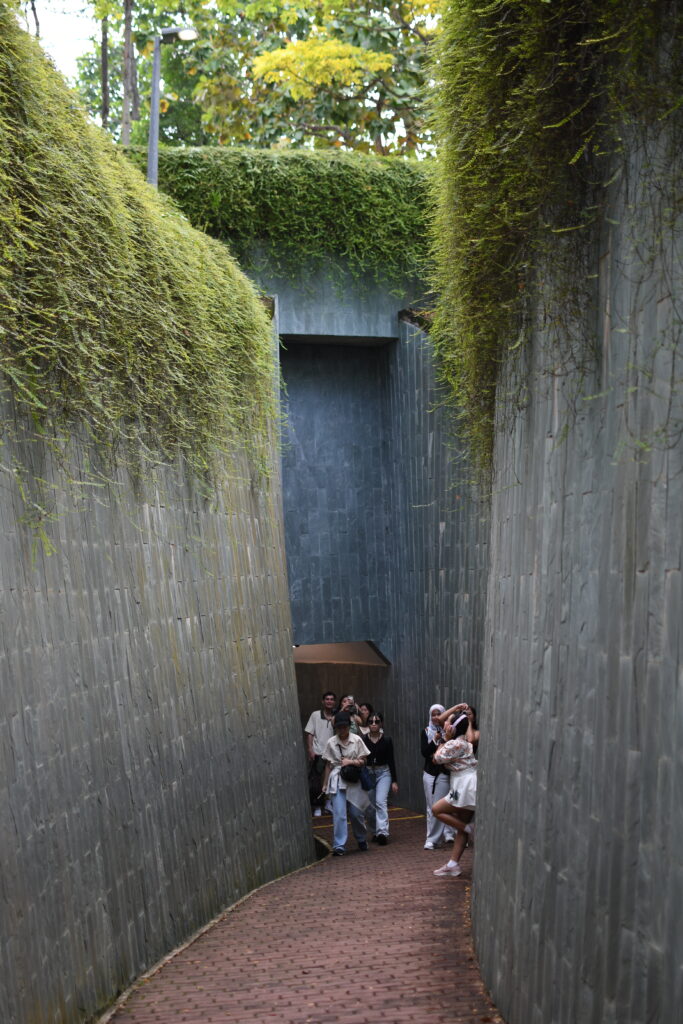
If you can, make your way to Ann Siang Hill. We reached it through a hidden, roofed alley just behind Amoy Street Food Centre, then walked downhill toward the Buddha Tooth Relic Temple.
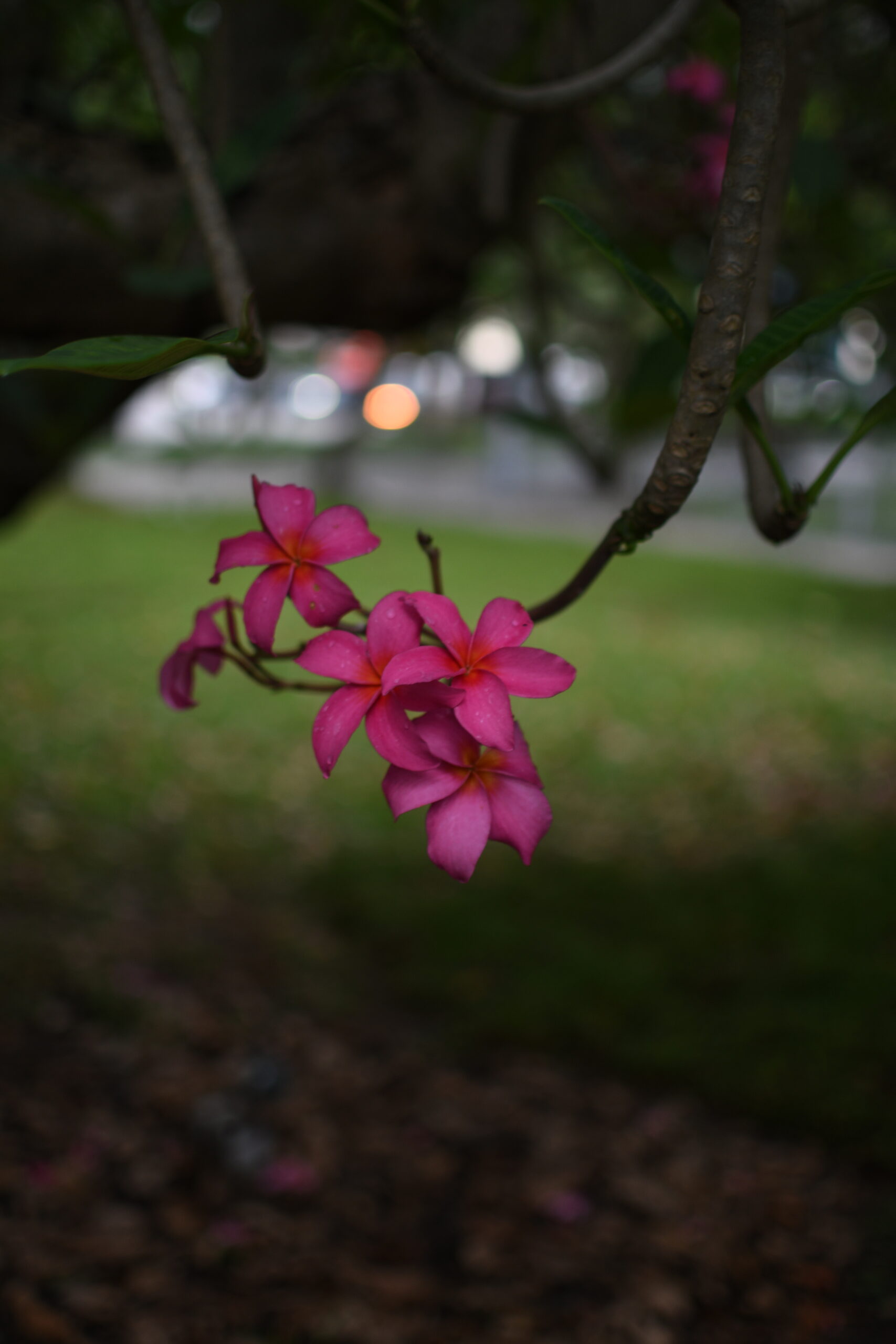
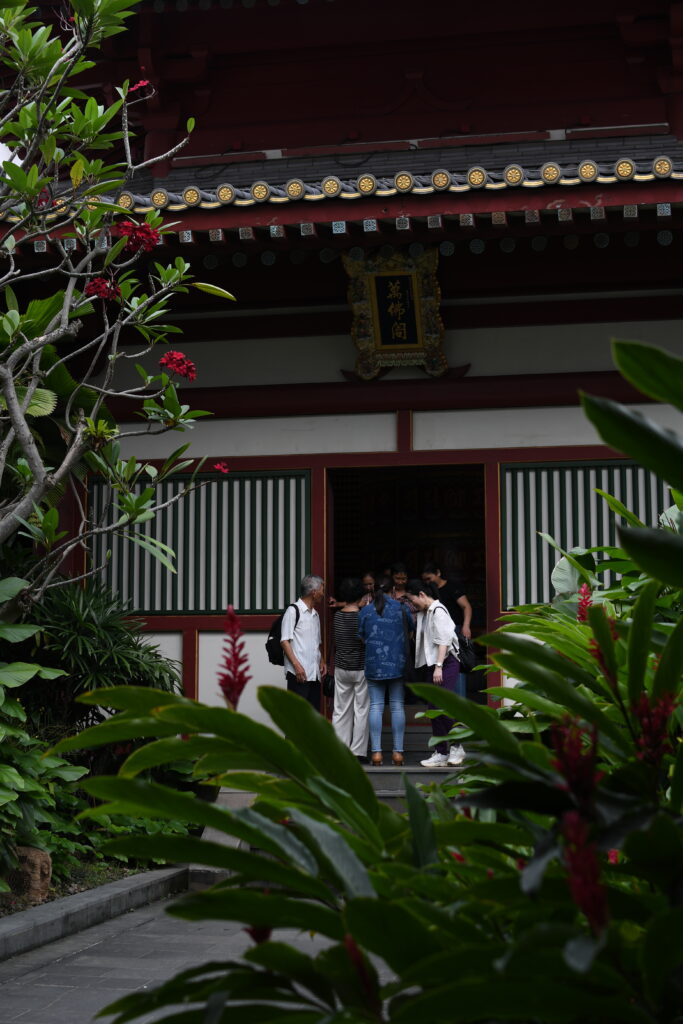
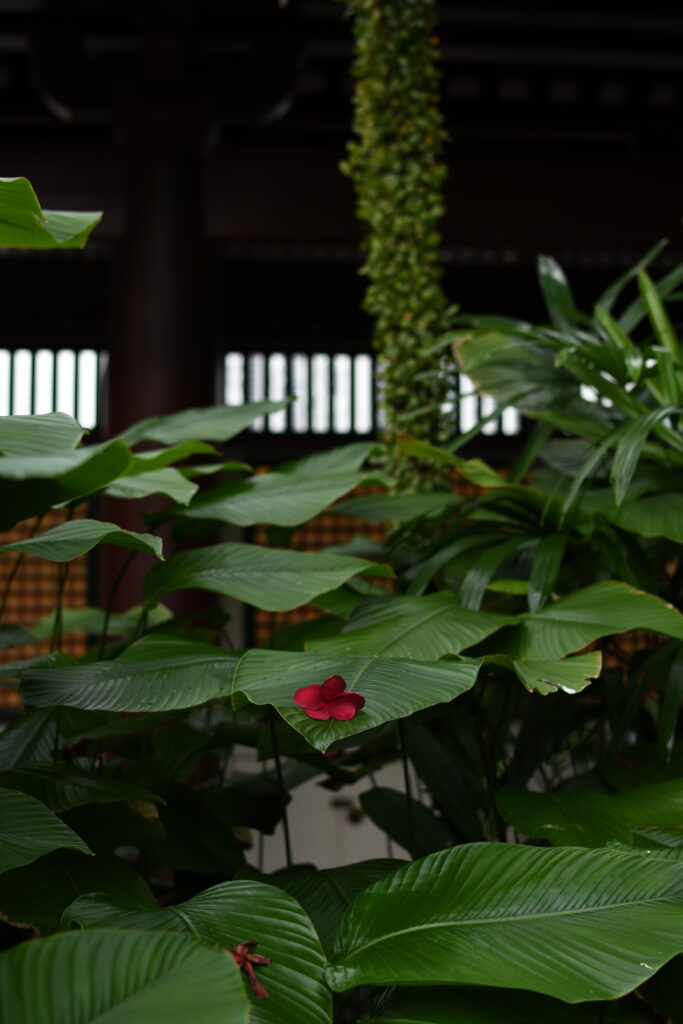
The Buddha Tooth Relic Temple was my personal highlight. Massive, free to enter, and full of things to explore, it offered a truly memorable experience. On the ground level, an ongoing ceremony filled the air with Buddhist chanting; on the mid-level, an intriguing Buddha museum awaited; higher up, a meditation hall invited reflection; and on the roof, a garden with a prayer bell crowned the temple. The rooftop garden was gorgeous, adorned with red frangipani, while the meditation hall deeply inspired me. It was a peaceful haven in the midst of the buzz of this metropolis. Men and women of all ages seemed to come here – whether from home or during their workday – to find a quiet moment for themselves. I could relate to them more than ever, reminded once again that humans, regardless of background or roots, share more in common than we sometimes realize.
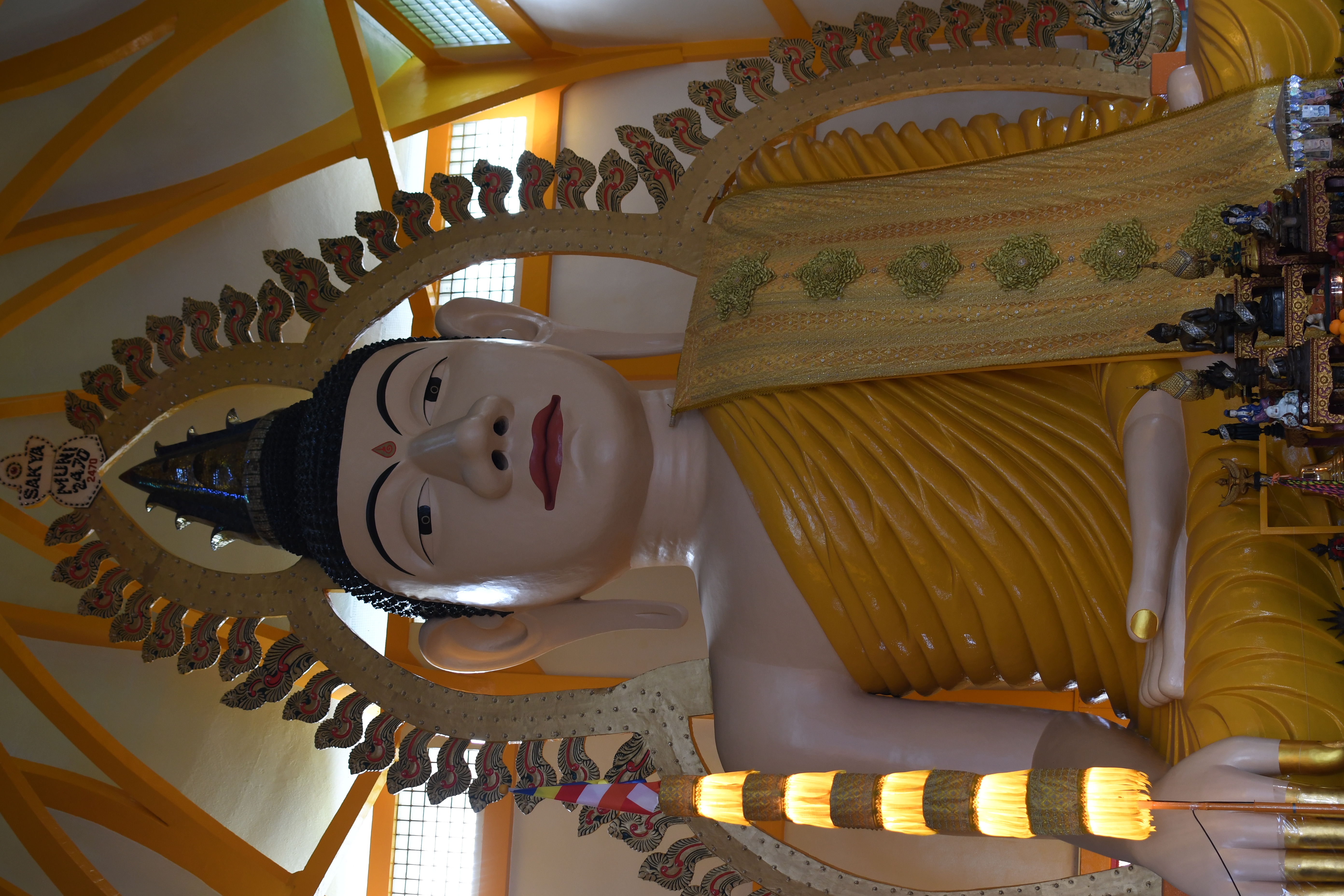
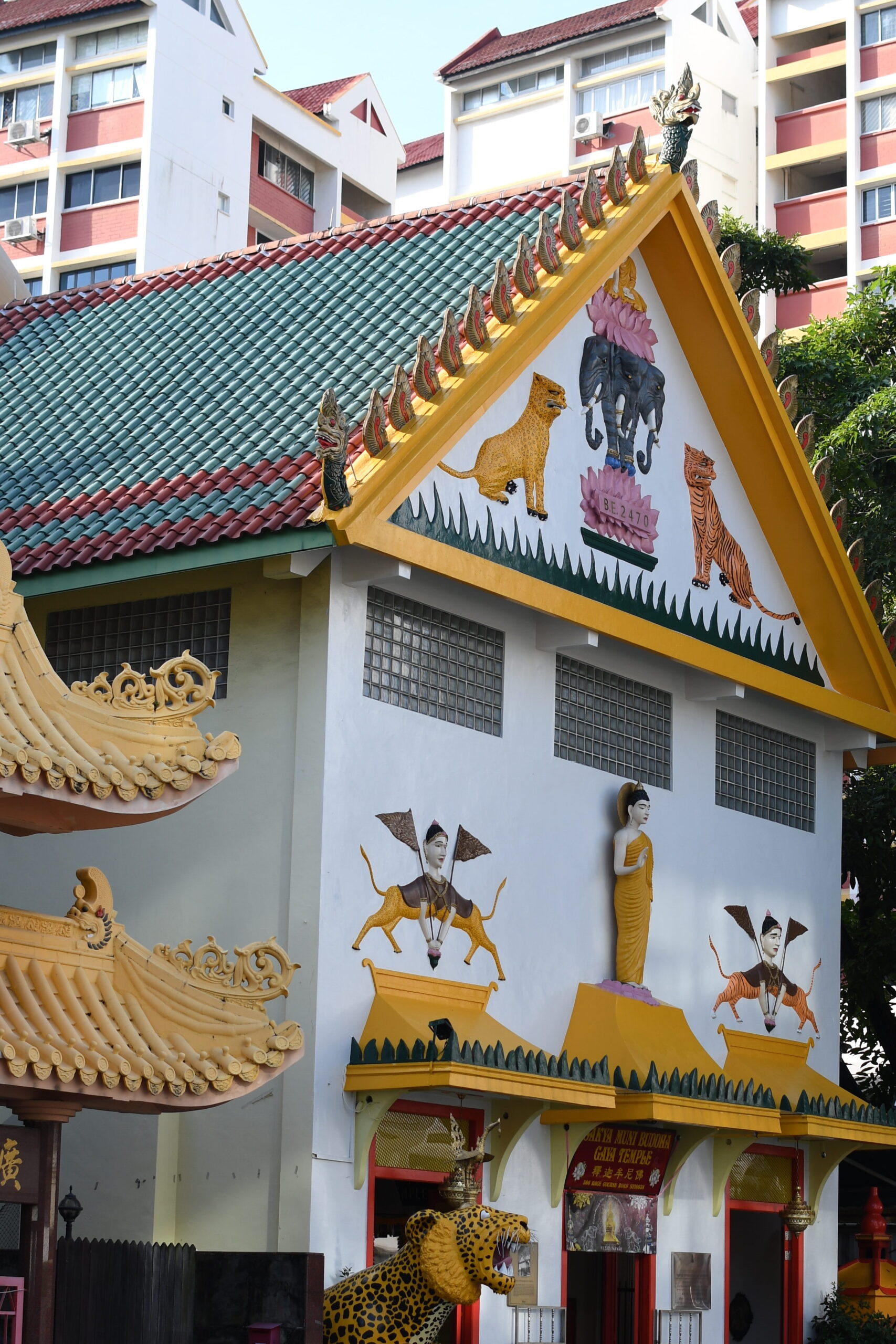
Two other memorable Buddhist temples are the Sakya Muni Buddha Gaya Temple and, right across the street, the Leong San See Temple. Both are located north of the river and are best combined with a visit to Little India.
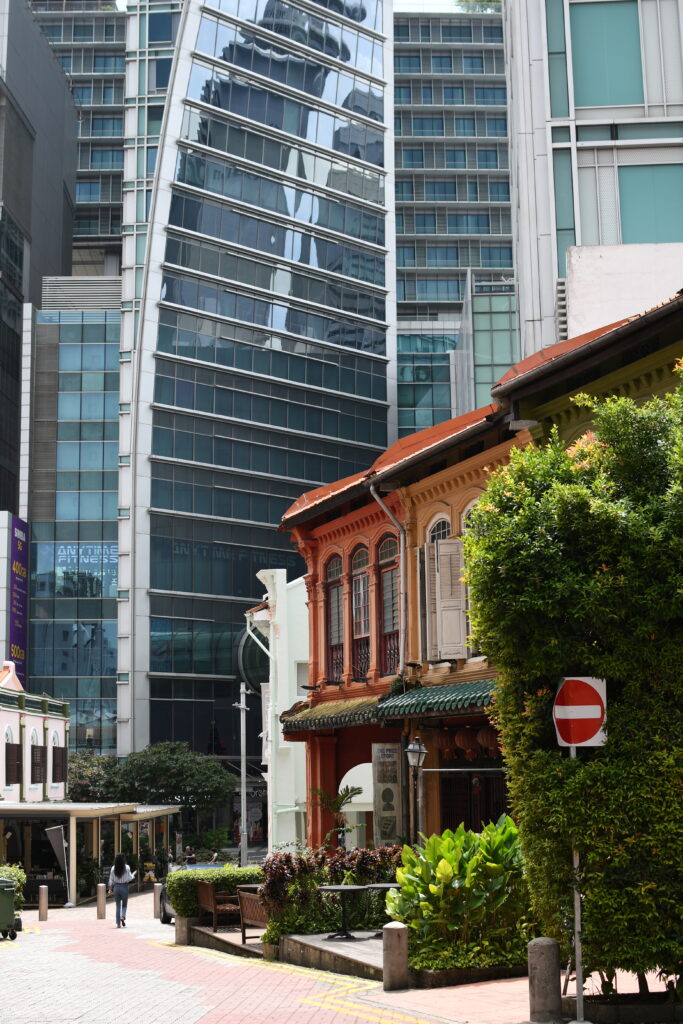
Another cute little area northwest of the river is Emerald Hill. Don’t miss it when you visit Orchard Road.
Indian Influence
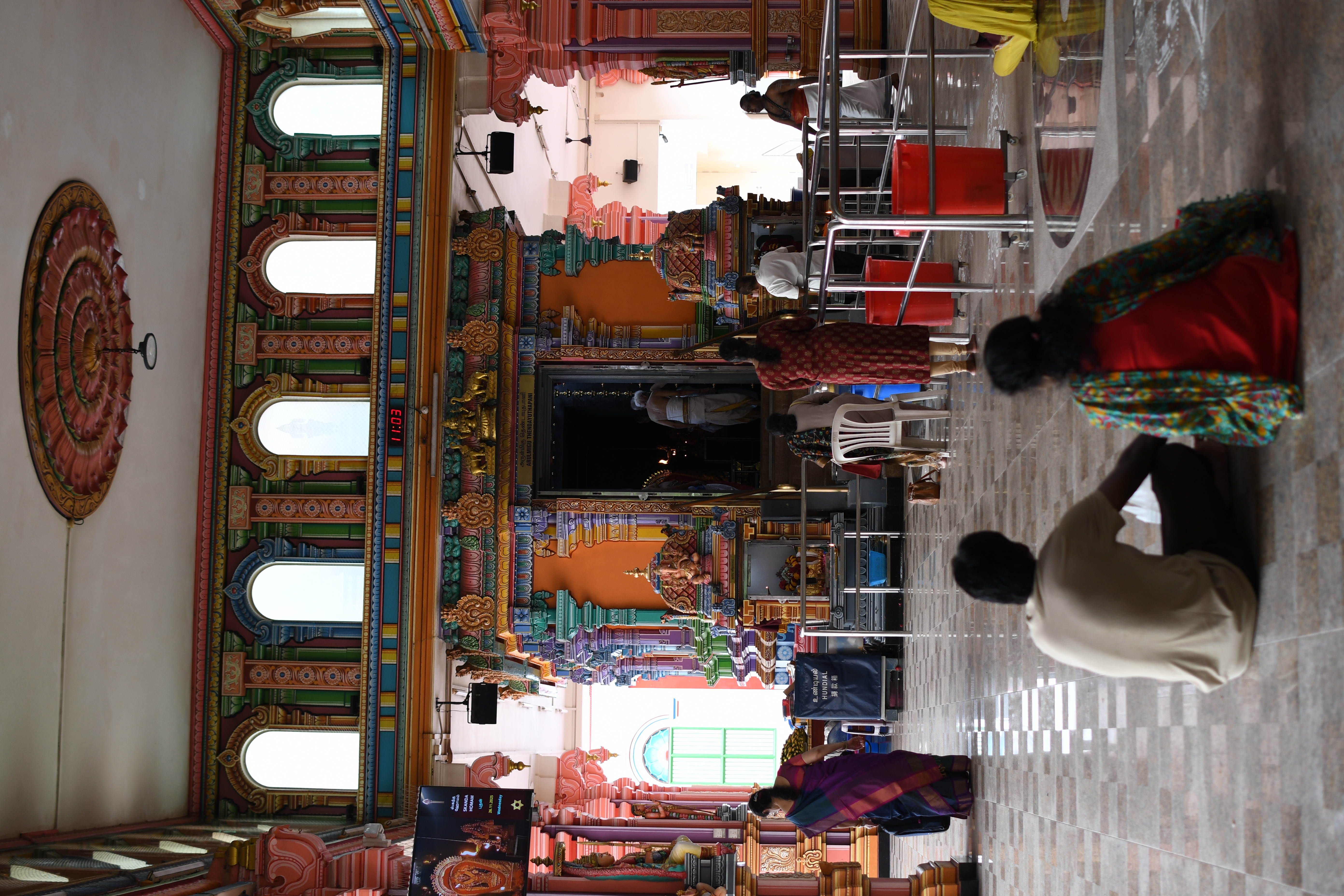
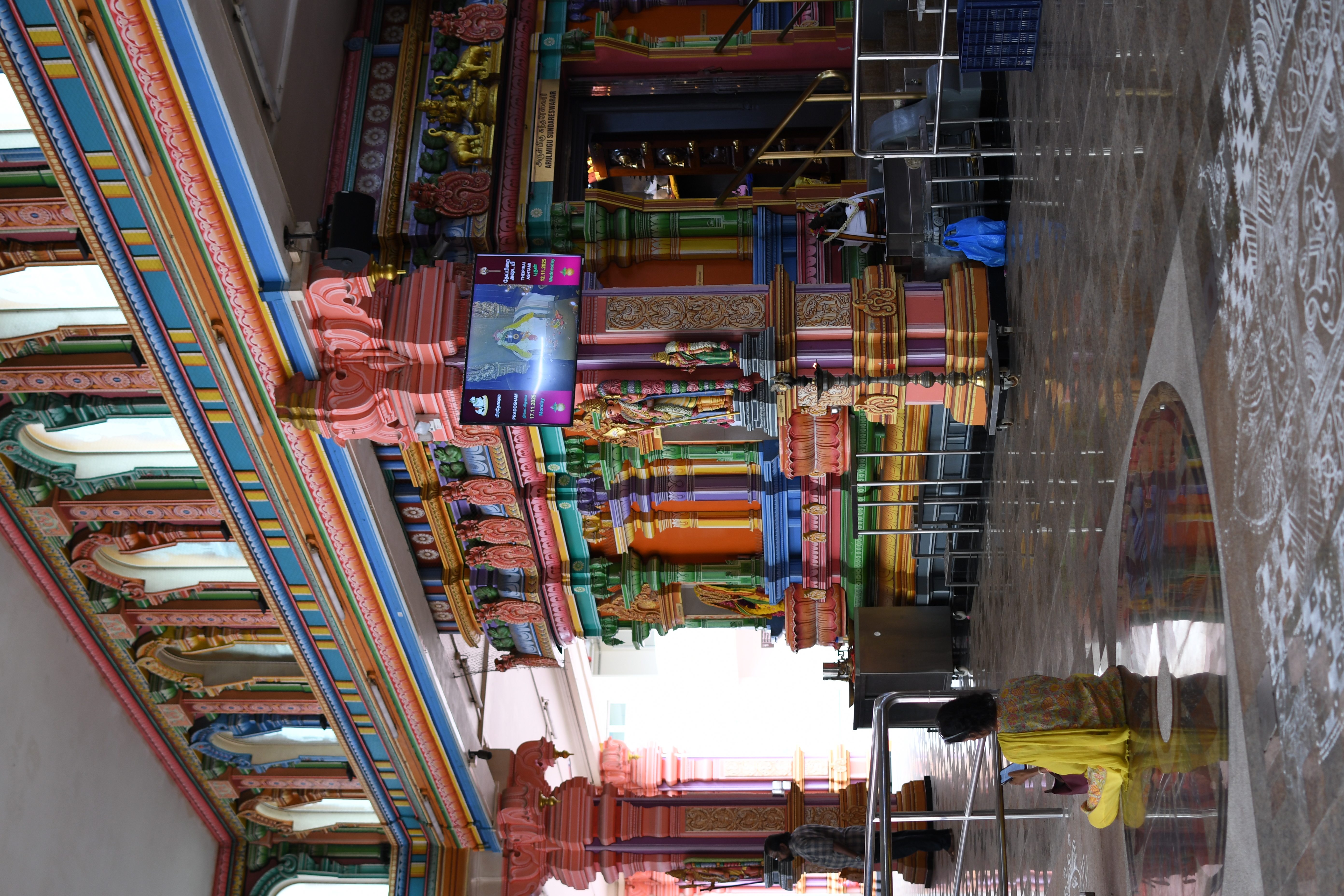
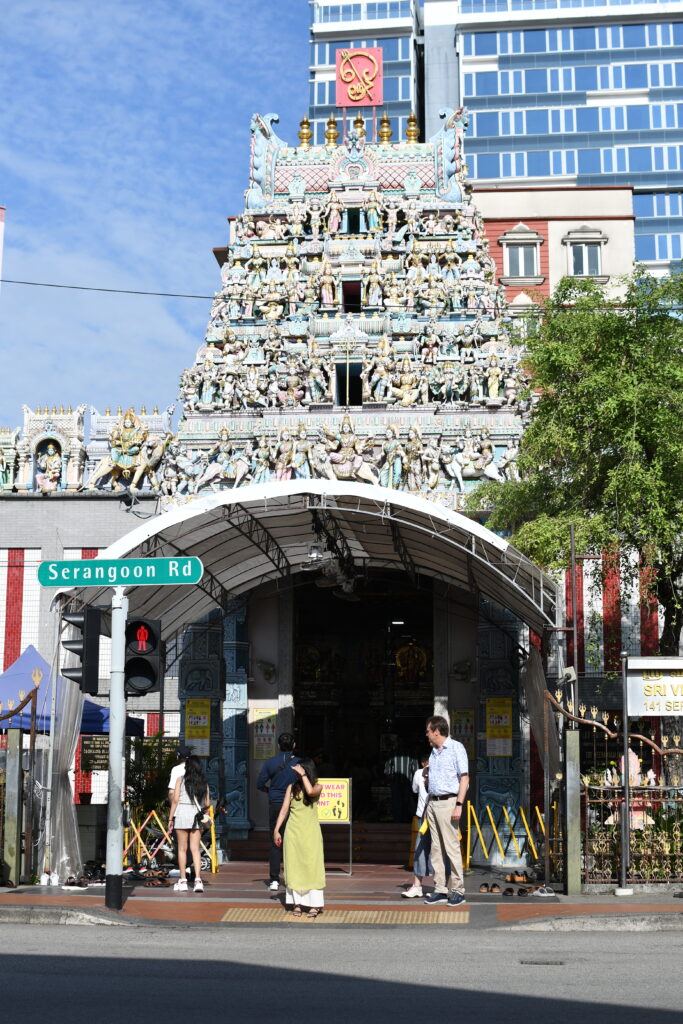
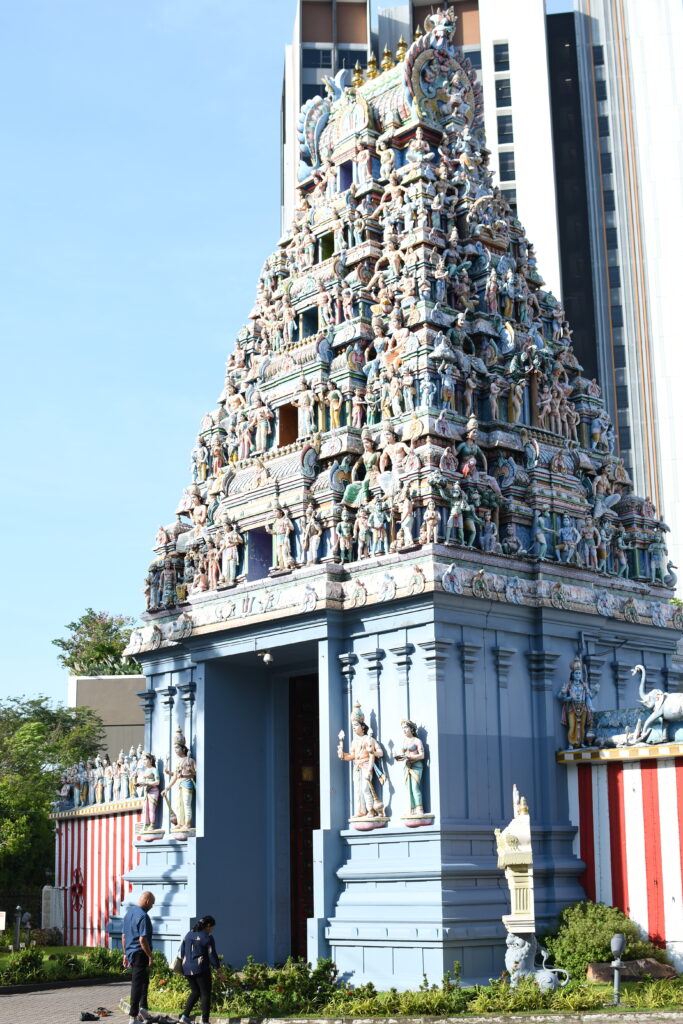
The Indian population in Singapore makes up about 9% as of 2025. As mentioned earlier, you’ll find Little India north of the river. You can either walk there or take the subway. If you choose to walk, don’t miss the Sri Thendayuthapani Temple, located north of the river but just south of Little India.
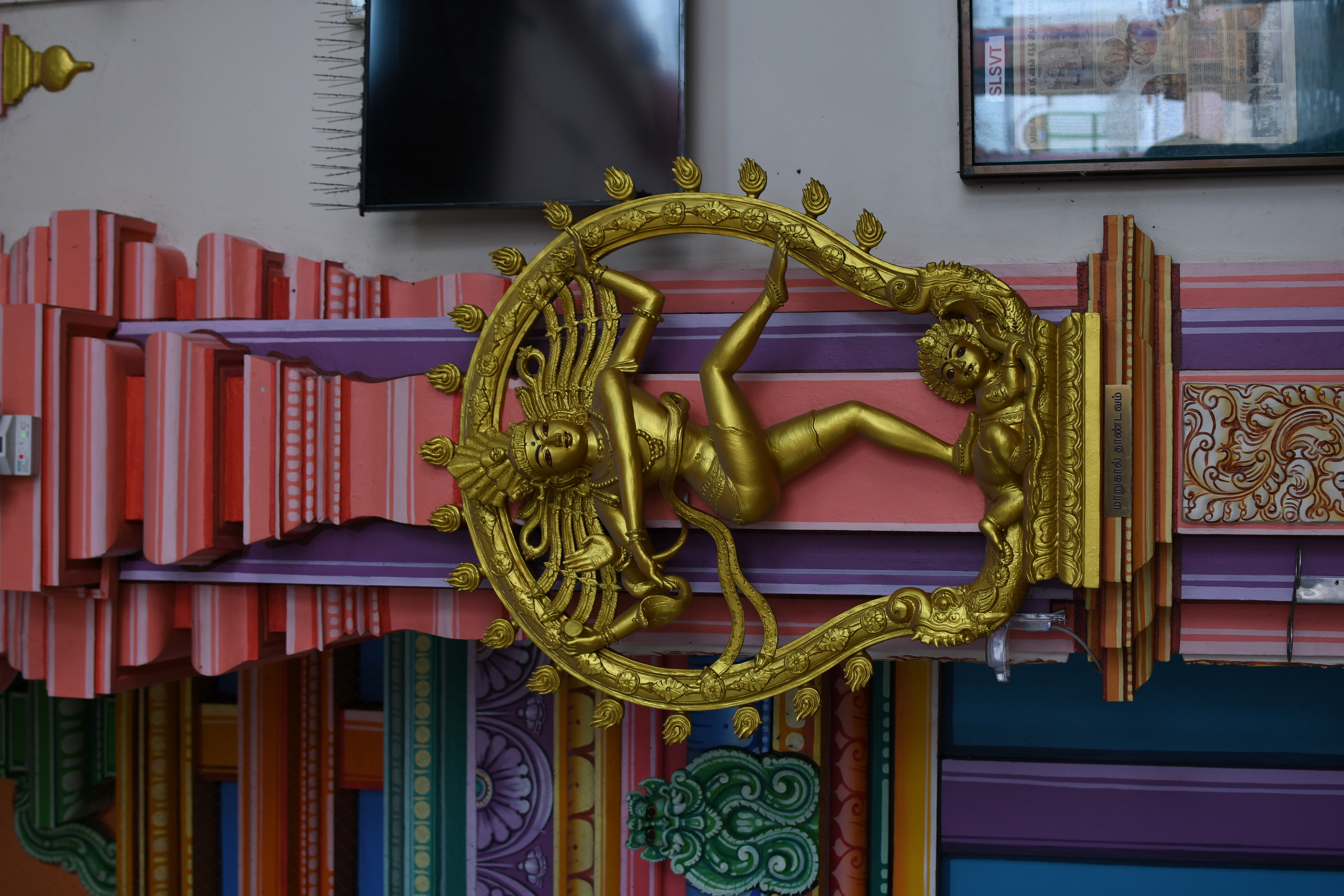
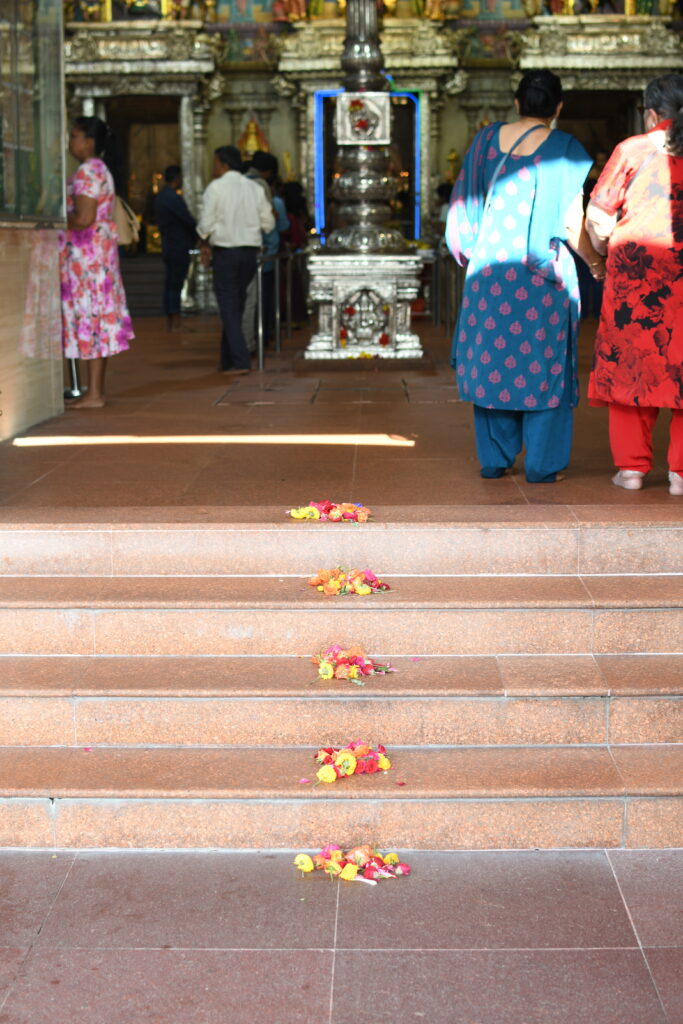
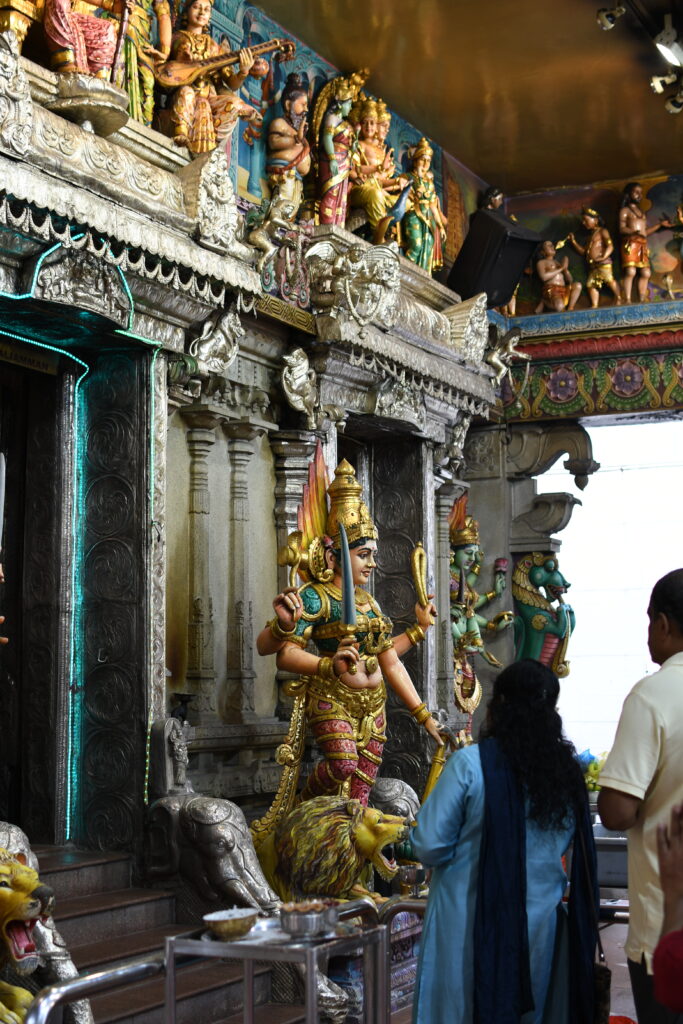
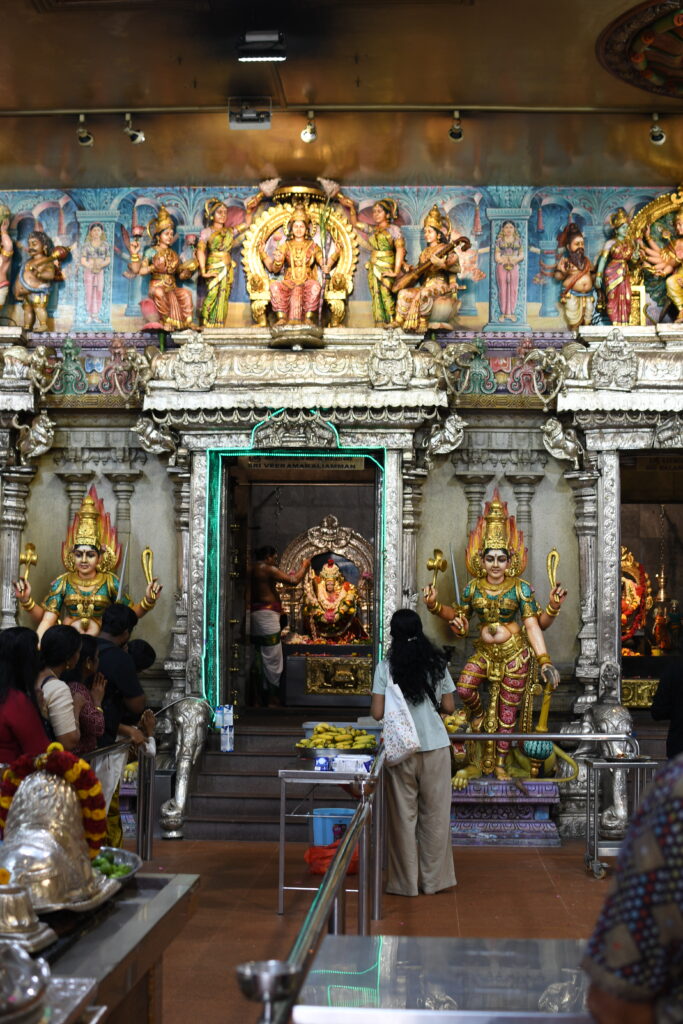
In Little India itself, the most outstanding temples were the Sri Srinivasa Perumal Temple and the Sri Veeramakaliamman Temple. At the latter, we were warmly encouraged to take plenty of photos and share them with the world.
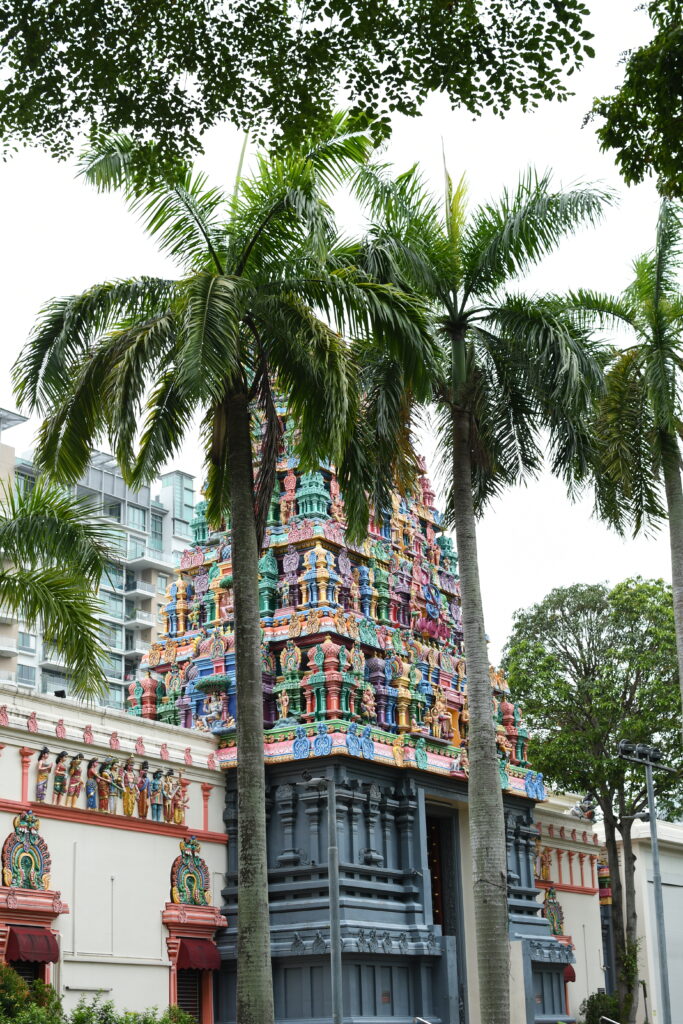
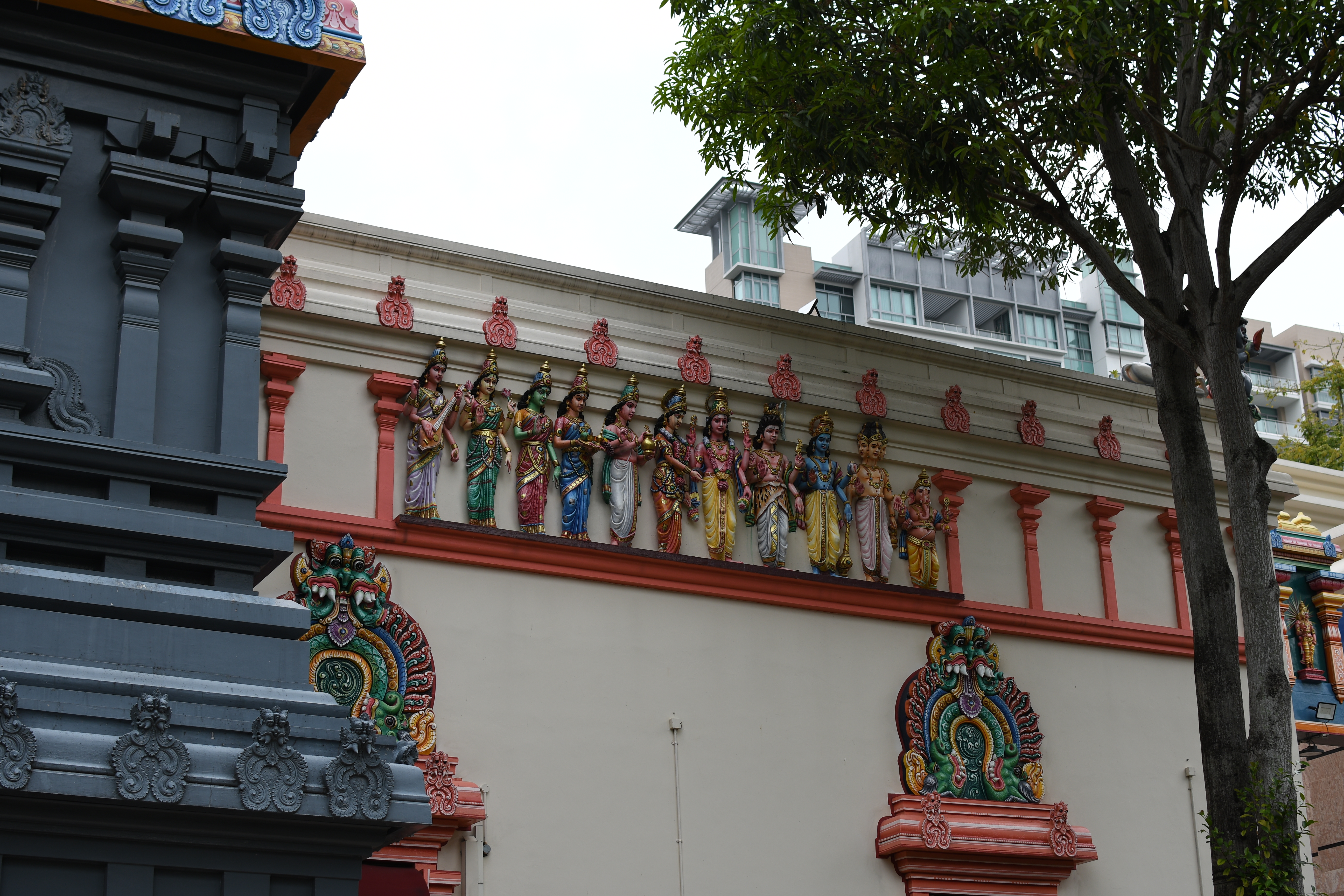
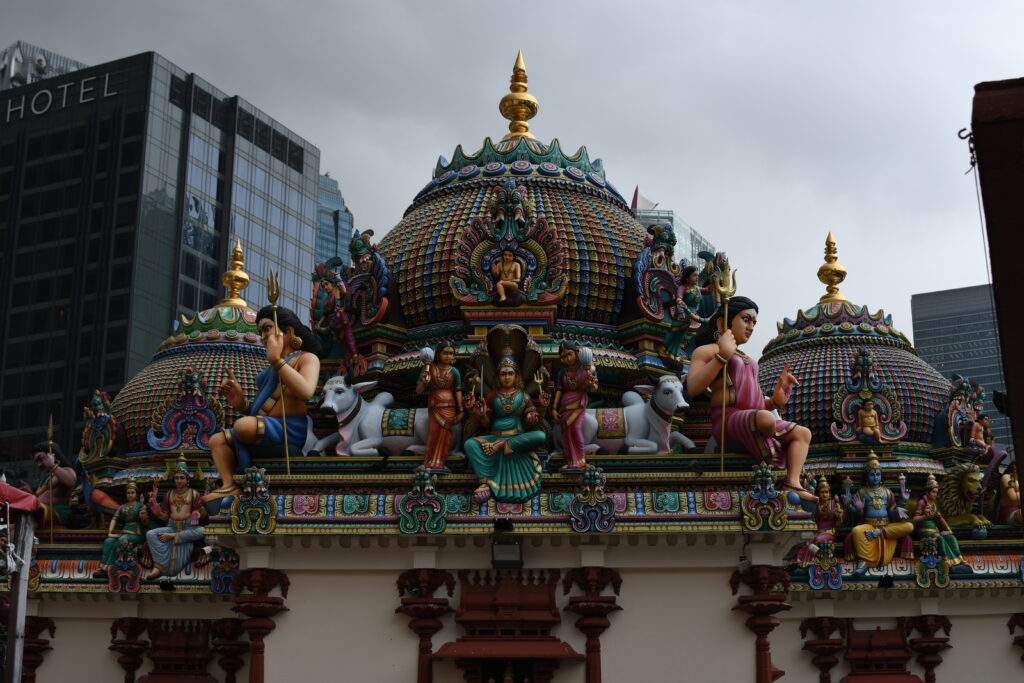
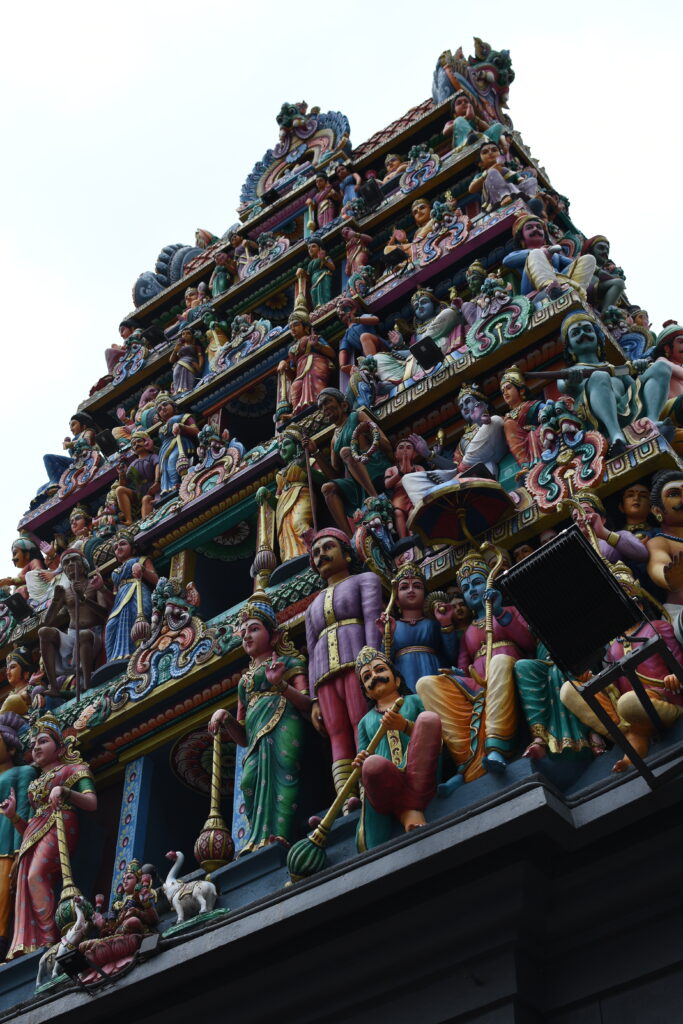
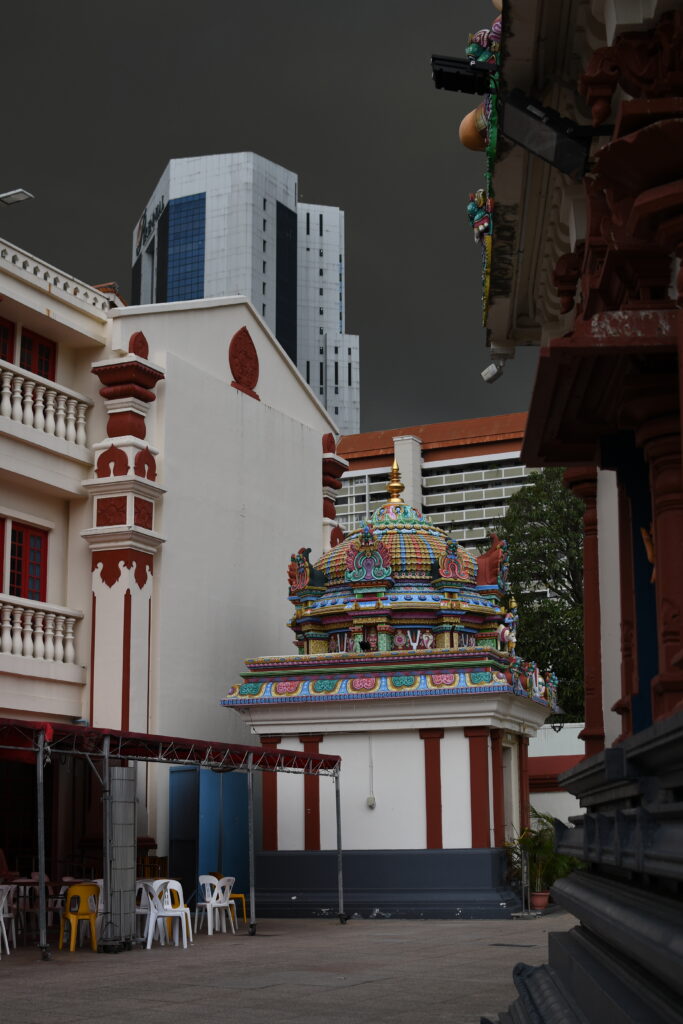
A rather futuristic-looking Hindu temple can be found in Chinatown. The Sri Mariamman Temple lies between Chinatown Station and the Buddha Tooth Relic Temple. This large city complex kindly offered us refuge just before the rain poured down.
Malay influence
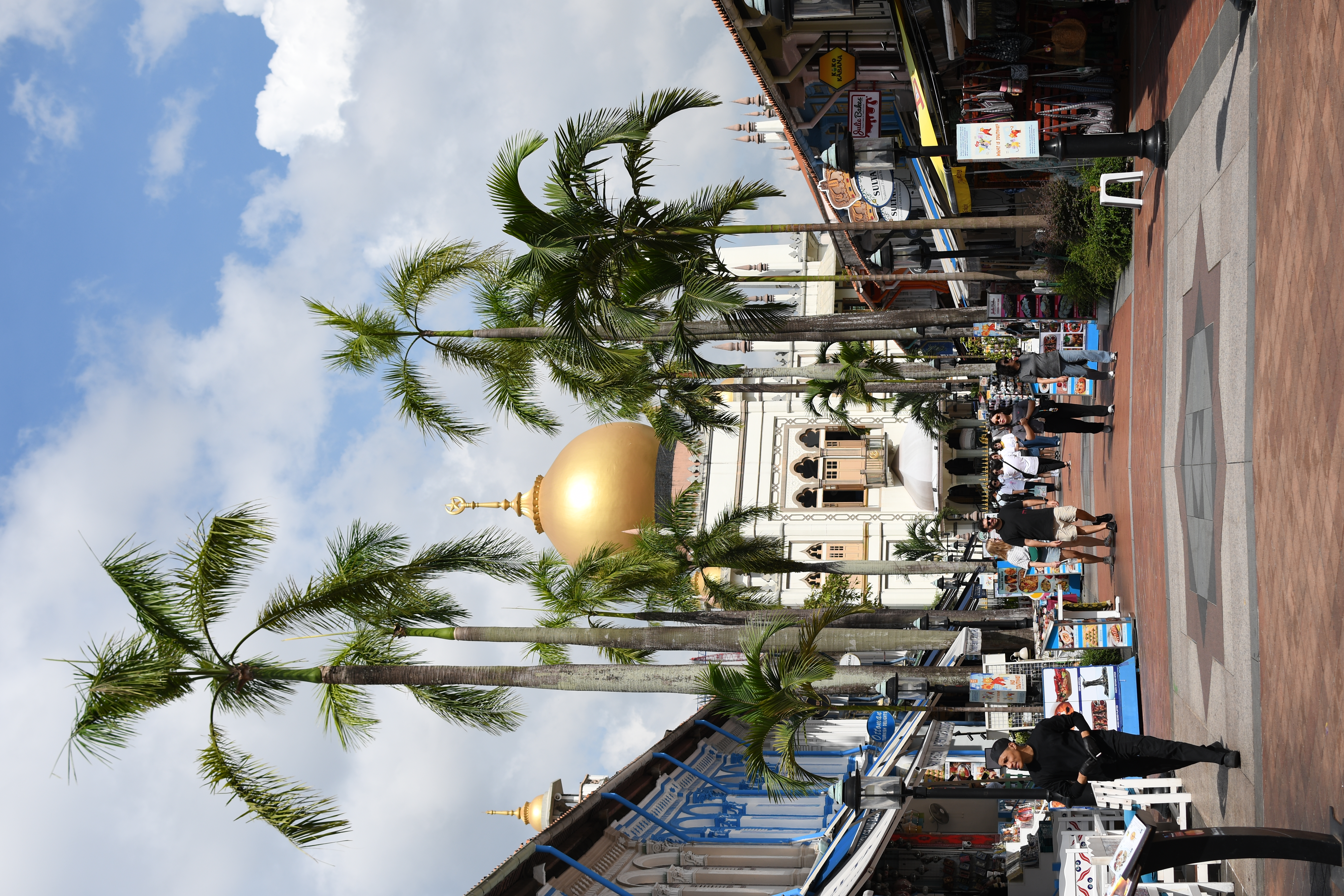
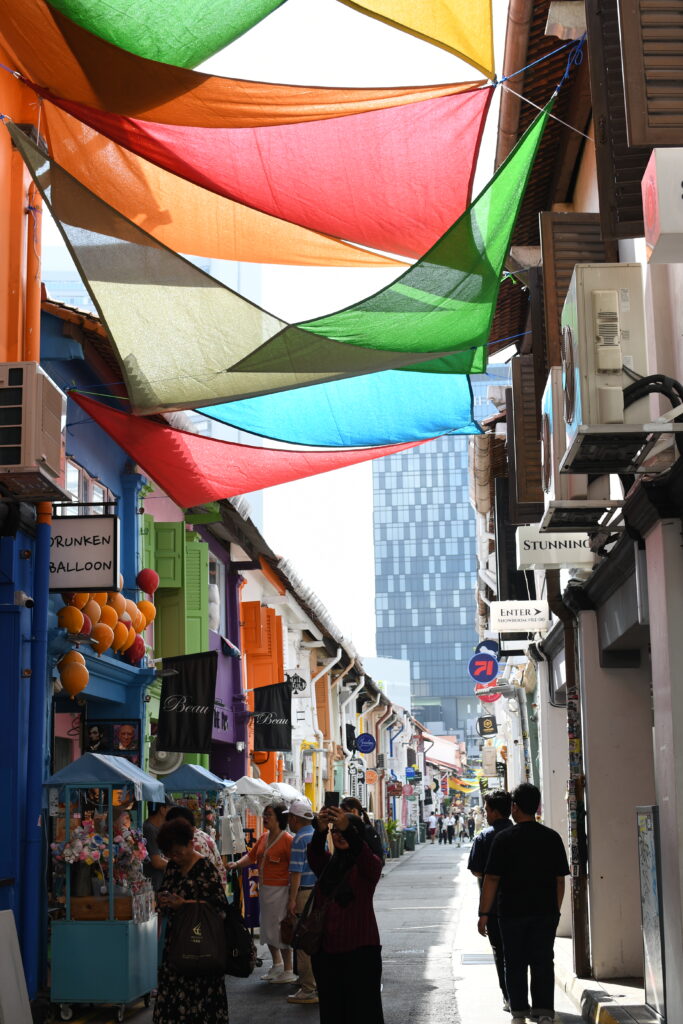
A little over 13% of Singapore’s population is Malay, and their presence has left a notable cultural footprint. Personally, I found the best place to explore Islamic influence in Singapore to be Kampong Glam. The district is beautifully maintained, with charming shops along Arab Street and, at its heart, the stunning Sultan Mosque.
Christian Influence
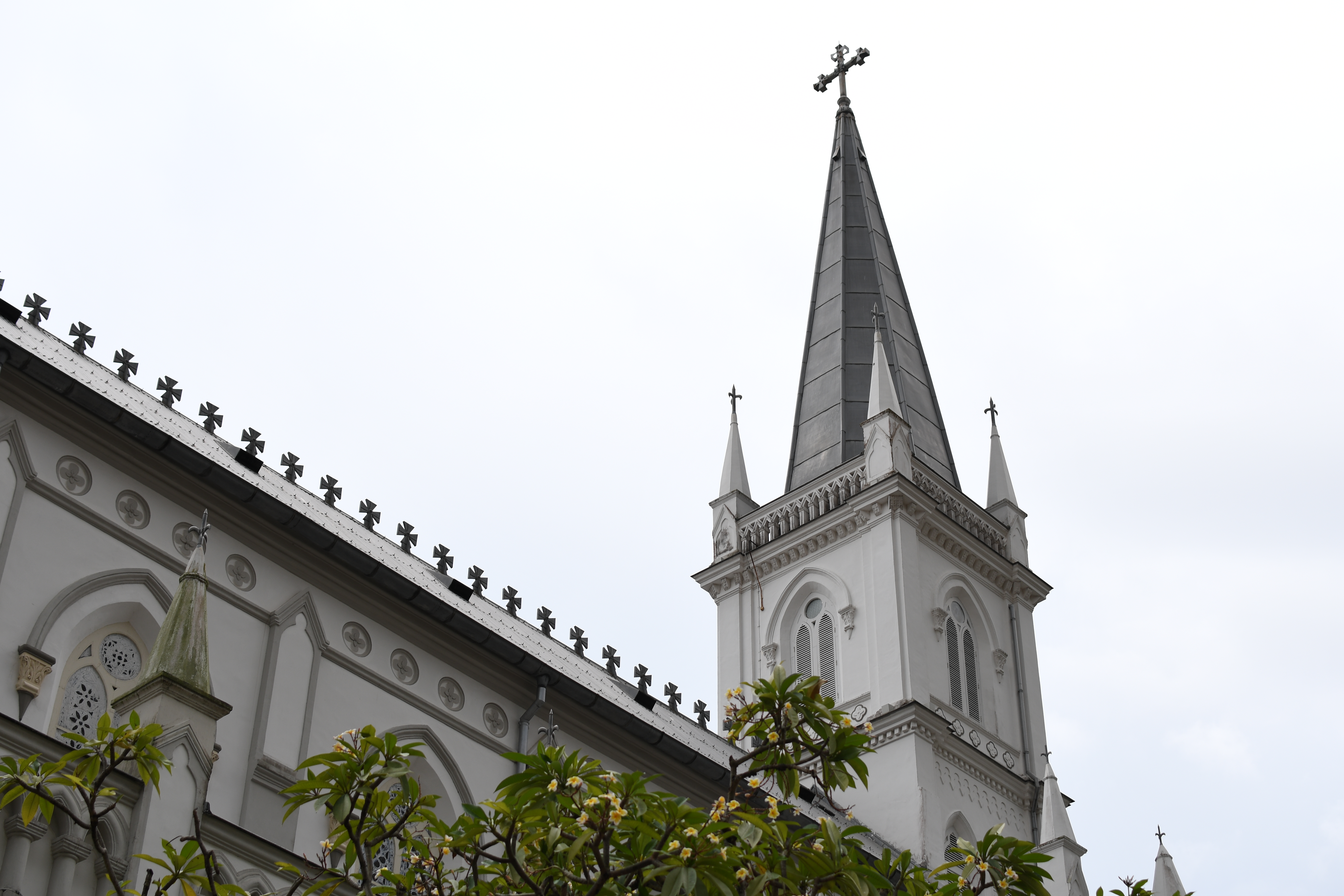
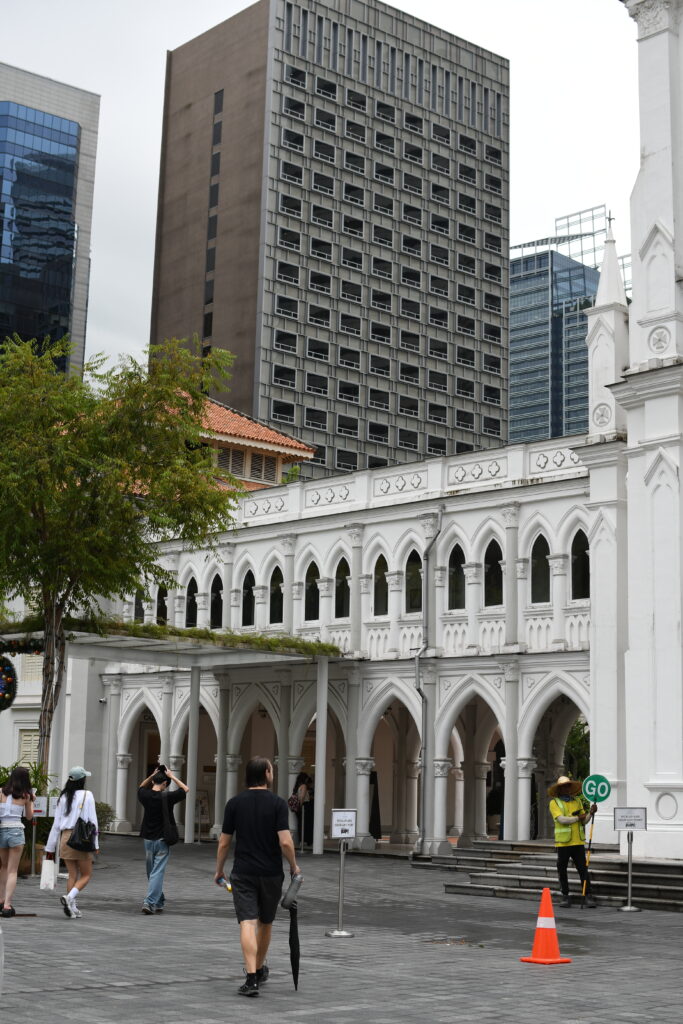
Last but not least, Christians were also granted a voice in Singapore and gradually made their influence felt. If you want to dwell with Jesus or just explore this piece of Christian heritage, you can visit CHIJMES and the area around St. Andrew’s Cathedral.
Modern Influence
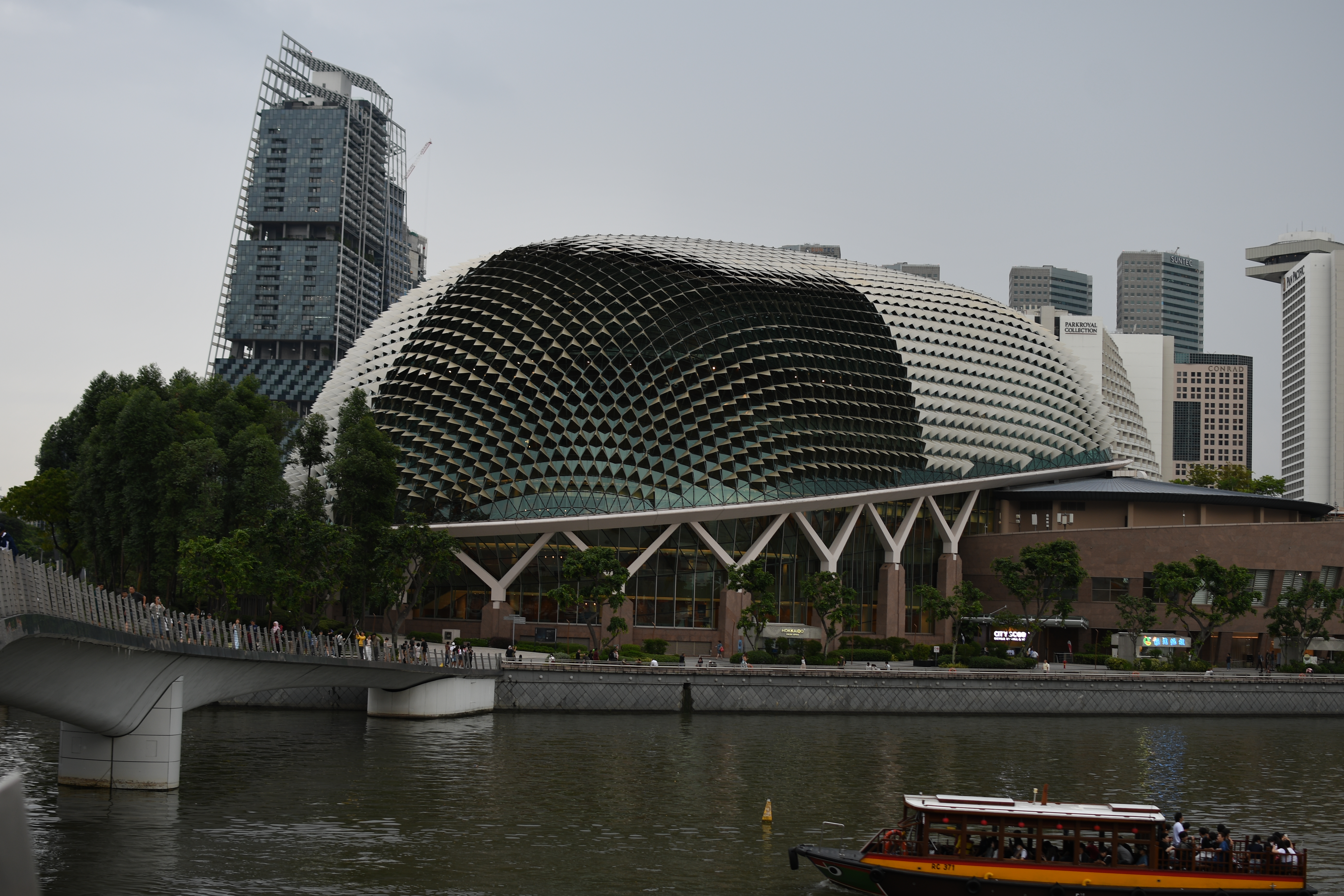
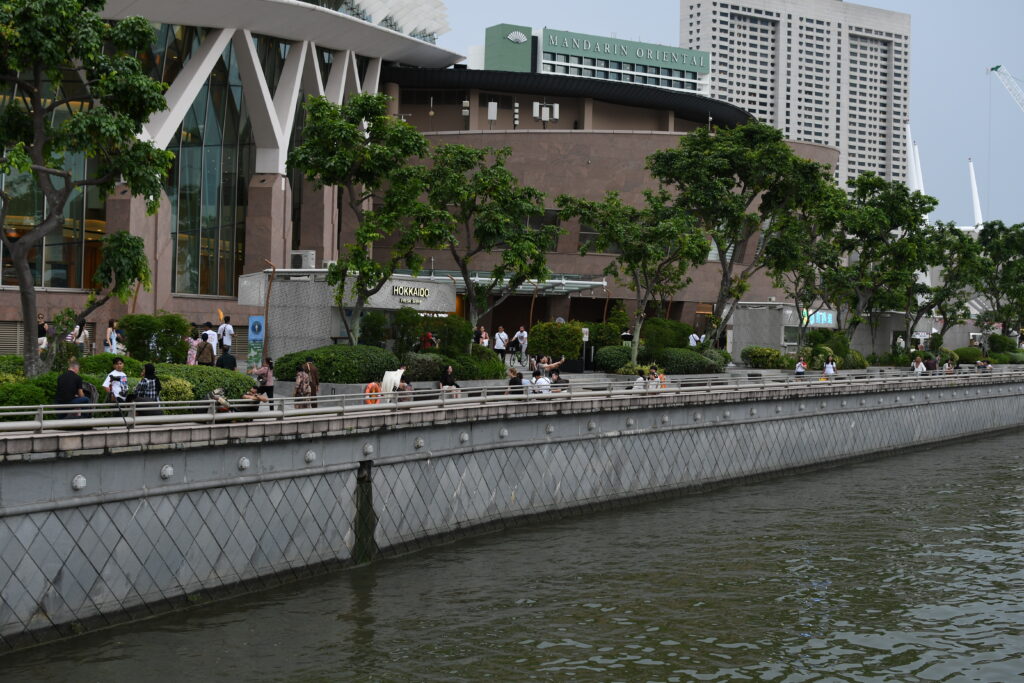
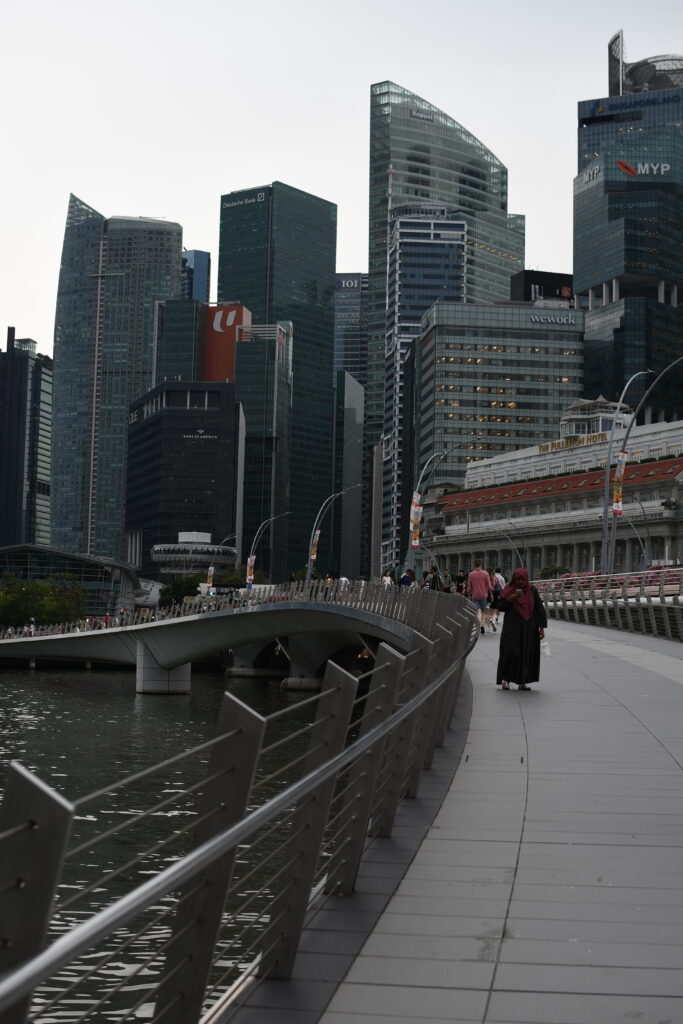
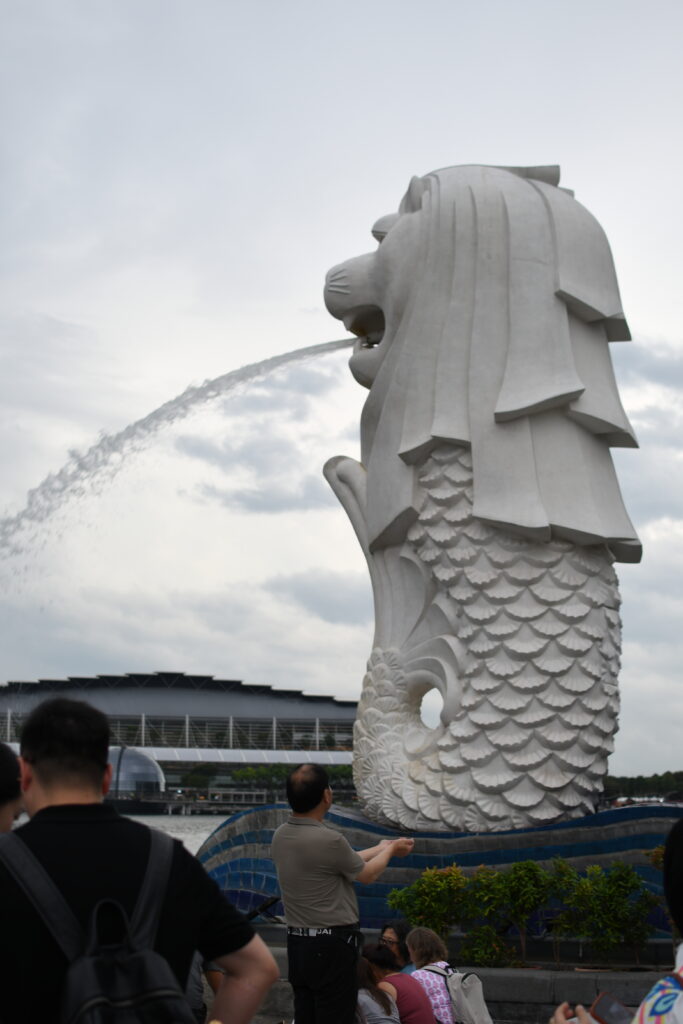
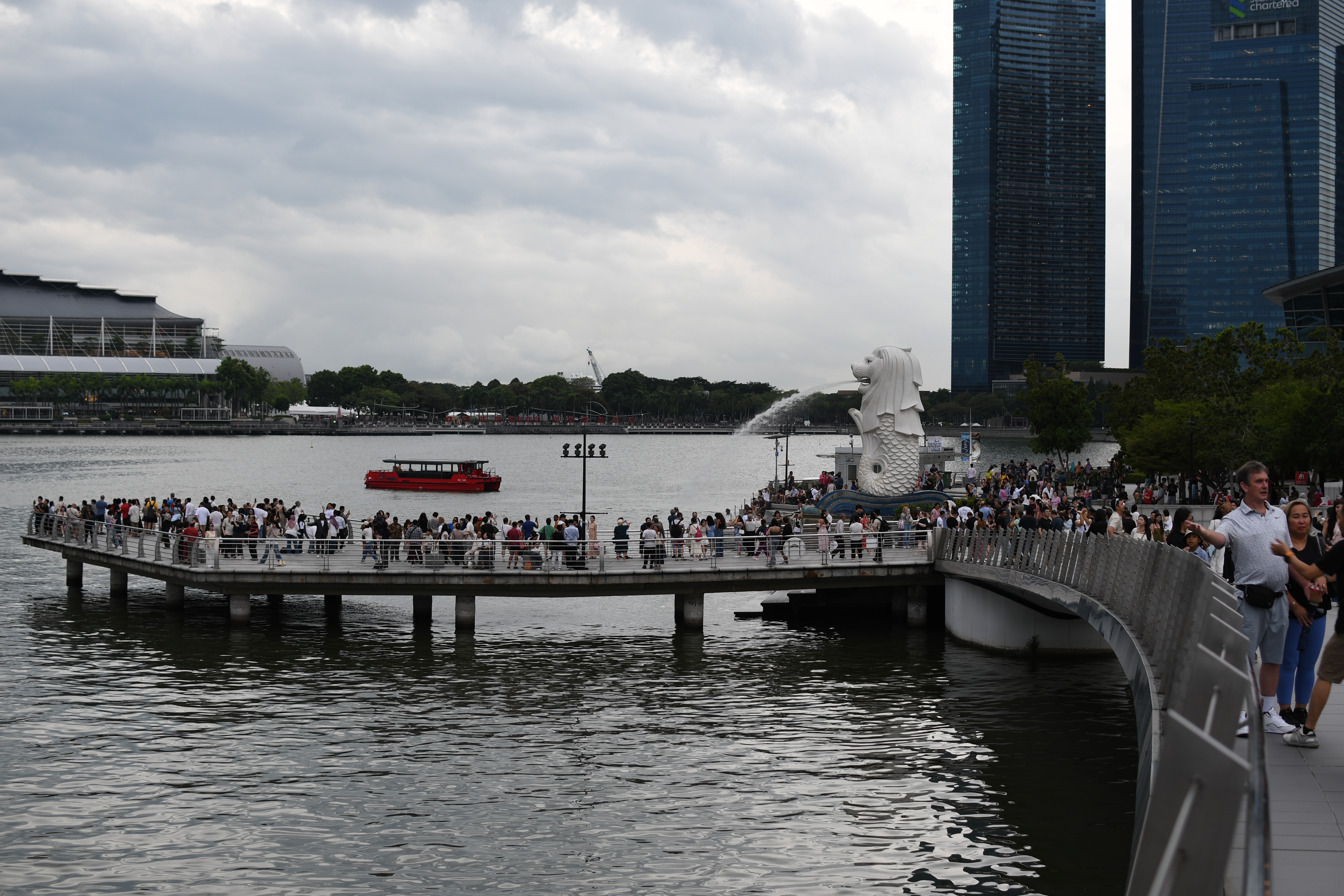
Singapore wouldn’t be the same without its modern, almost futuristic outlook. To truly experience it, I’d recommend a stroll beginning at the famous Raffles Hotel, continuing through Esplanade Park, crossing the Jubilee Bridge, and pausing for a photo at the iconic Merlion fountain. From there, head toward Marina Boulevard, wander through the Marina Bay Sands Mall, and finish at the breathtaking Gardens by the Bay. This route covers the area that Singapore is perhaps most renowned for, allowing you to tick many landmarks off your list.
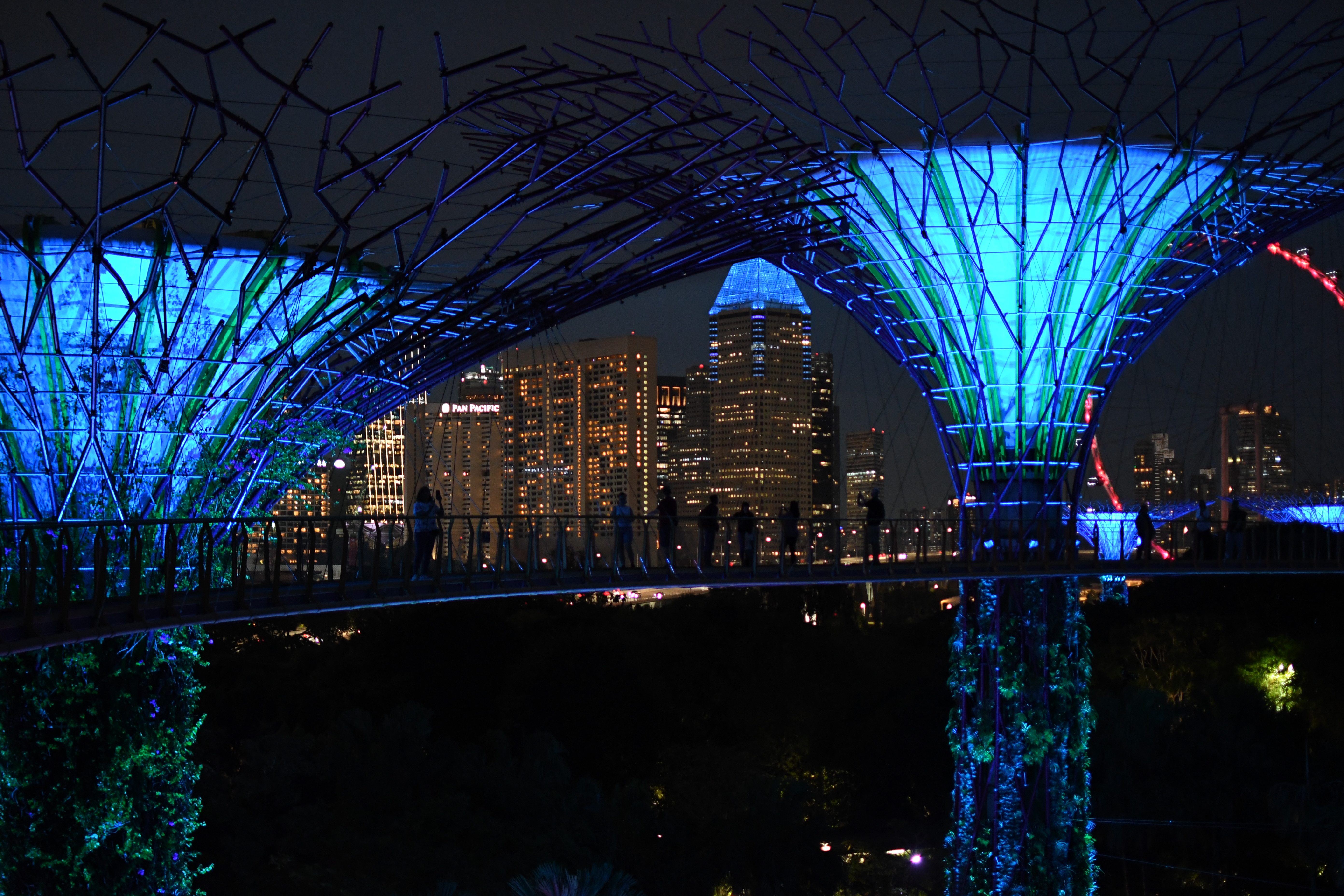
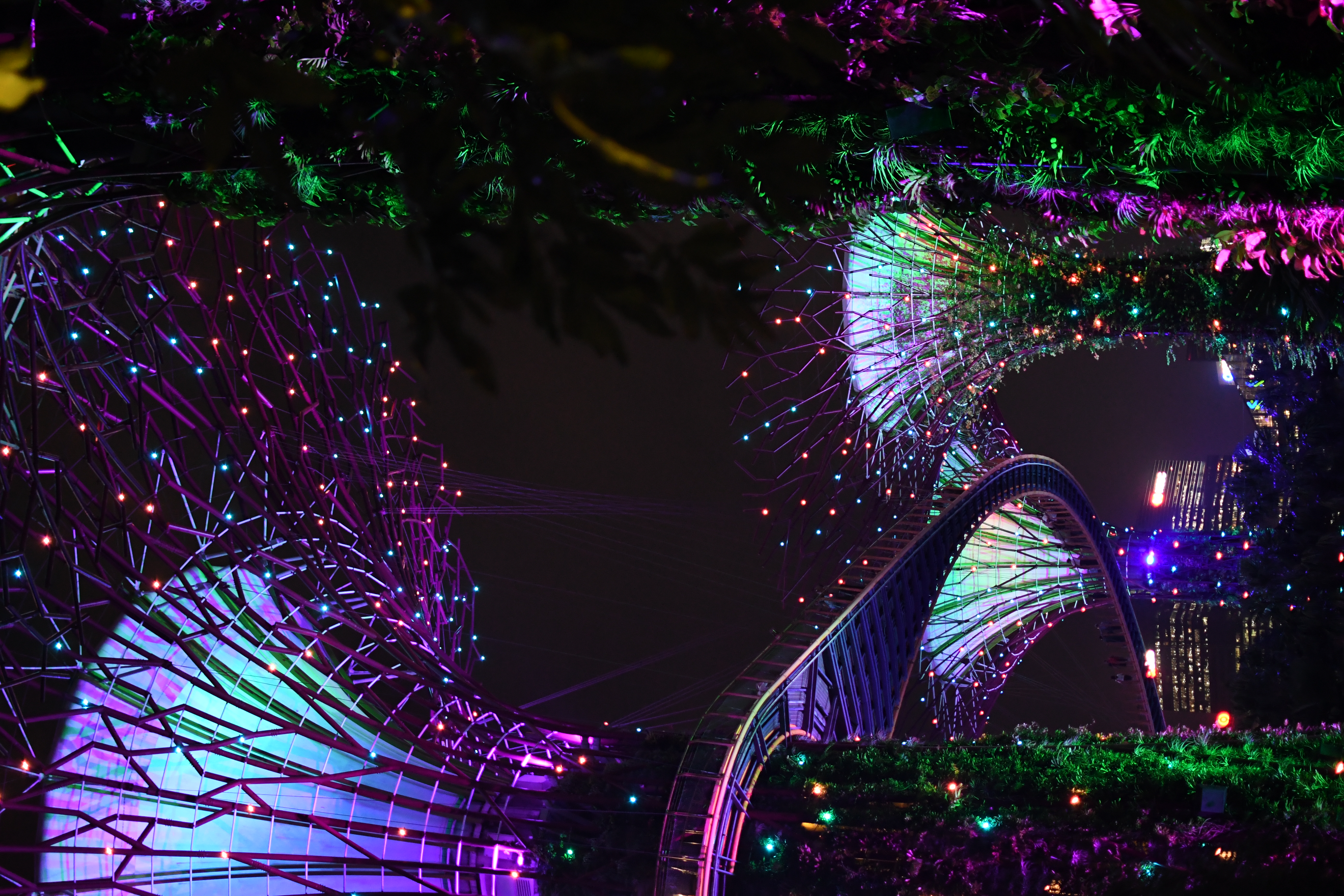
The Gardens by the Bay go without saying. What Singapore has built here is first-class city planning – a true spectacle for young and old, day and night. It’s undoubtedly a must-see. There are light-shows every night, twice. If you want to see one, you should check times online and consider booking a ticket for the skywalk.
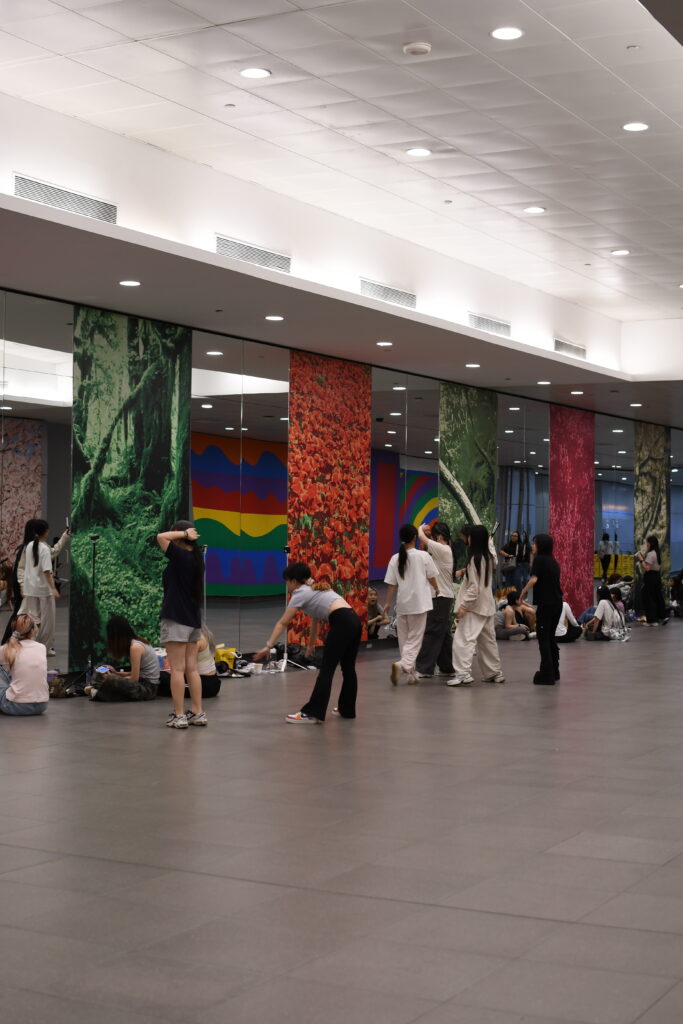
What I didn´t expect, venturing to the gardens for the first time, was the underground world beneath it. Below the gardens, at Bayfront Station, you’ll find a TikToker’s paradise and realization what Gen Z is doing after school. Hundreds of kids and teenagers practice dance choreographies in front of the many mirrors lining the underground walkway.
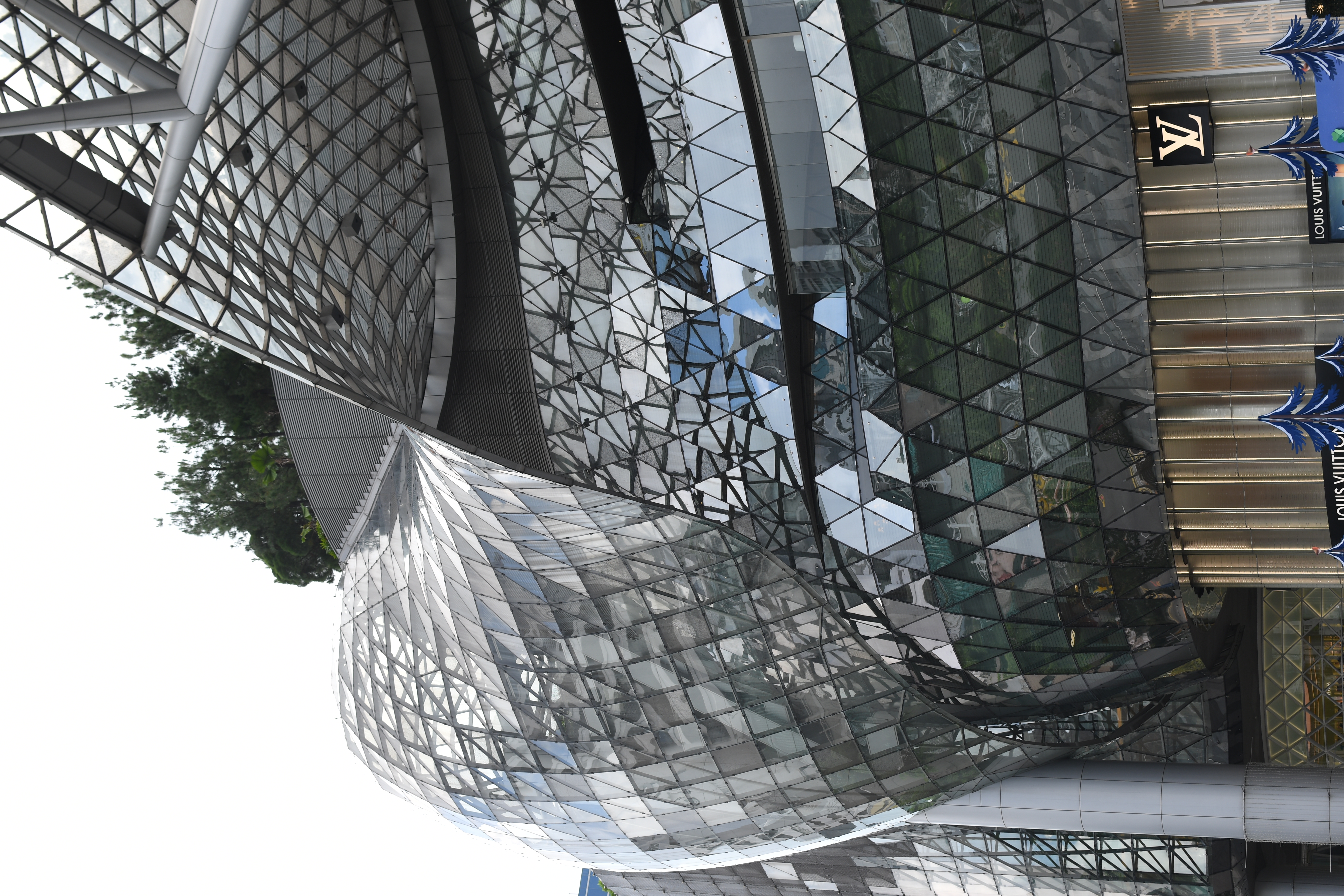
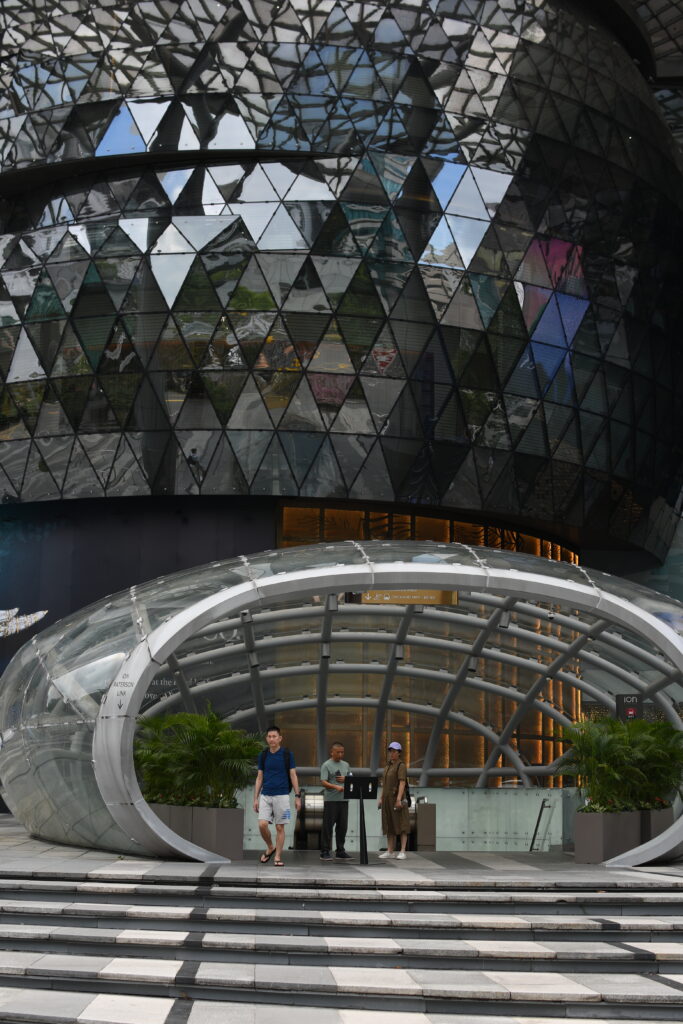
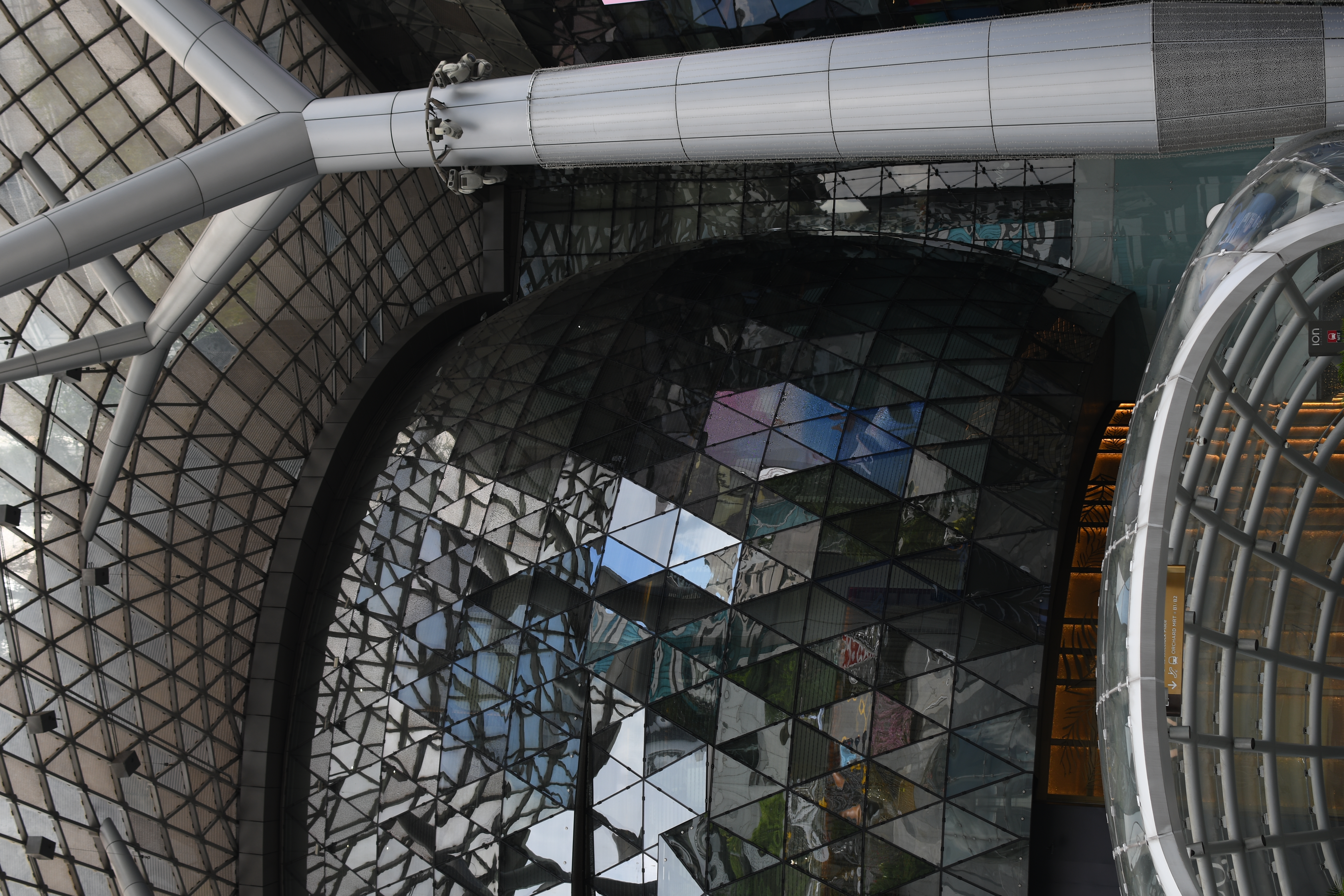
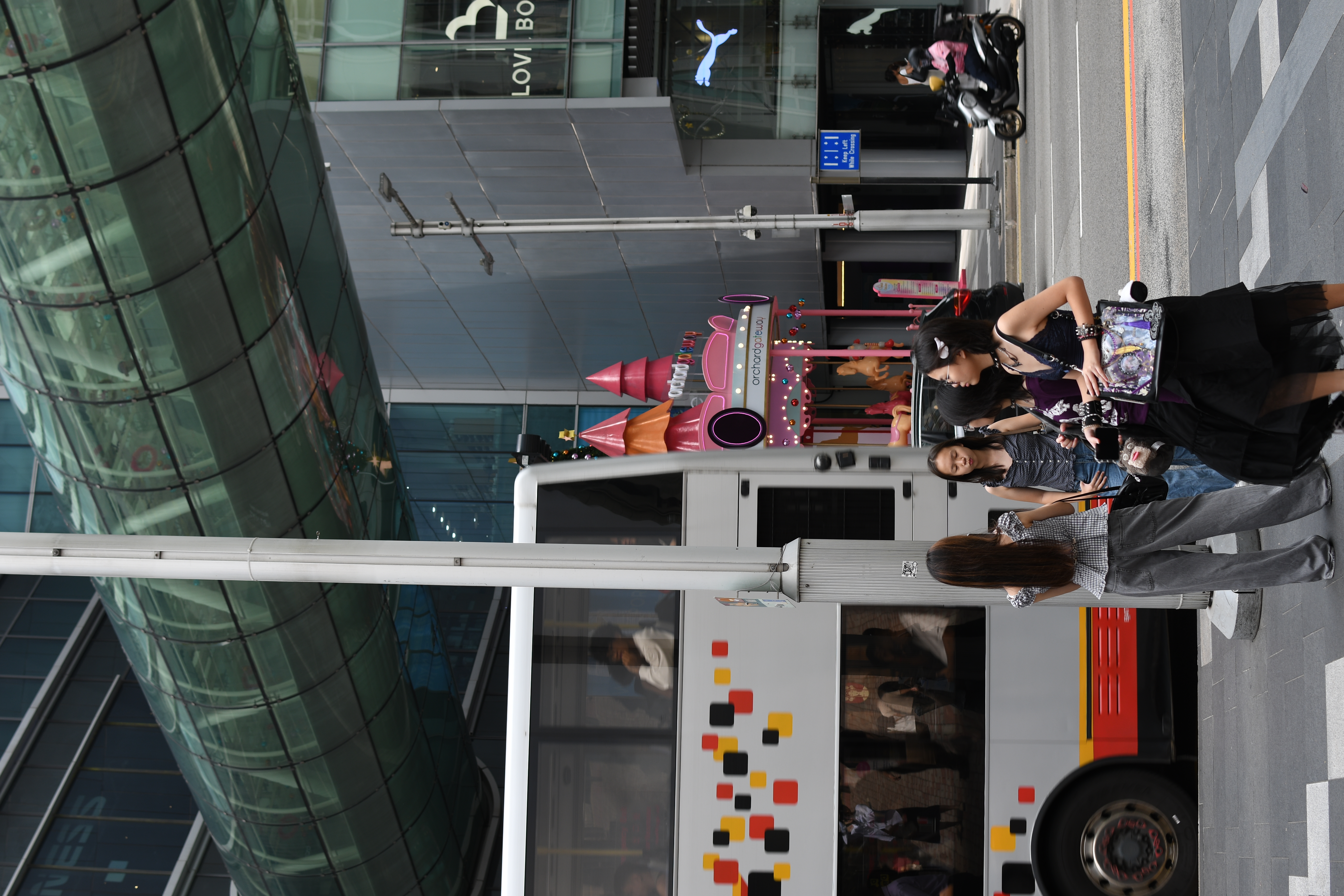
Perhaps not as popular, yet equally a symbol of modernity, is Singapore’s Orchard Road. Along this bustling stretch, you’ll find one mall after another, each unique in style and tone. The most impressive to me was the striking ION Orchard building, with its sleek design and upscale flair.
influencer influence
Overall, Singapore has been a wonderful travel destination: diverse in culture and architecture, clean and safe in comfort, and rich in taste. It is a picture-perfect city, which is one of the reasons for its popularity, and why it is, for example, far more visited than its neighboring capital, Kuala Lumpur. Yet I cannot help but view this perfection with a touch of skepticism. Singapore is undeniably a well-designed city, but I cannot help but wonder: at what price?
There are many admirable aspects of city planning and sustainability that other countries could learn from. Still, Singapore is a relatively small city-state, more easily managed and regulated by its government. Where there is so much order, there is often less freedom. Conversations with locals revealed their worries and struggles. Ideally, every action taken by the government is meant to benefit the people of Singapore and, in a broader sense, our planet.
Yet Singapore is a wealthy country with increasingly high living costs. Salaries, however, are not rising as quickly nor equally in all sectors. It is a trend that raises concerns, and one can only hope for adjustments that benefit everyone and minds the gap between poor and rich.
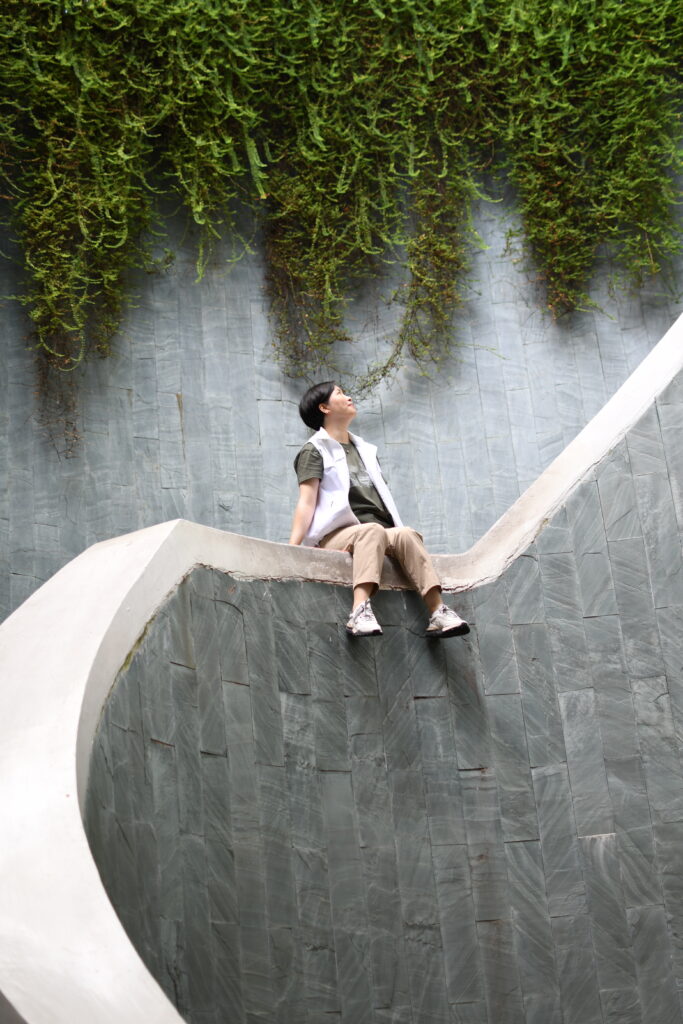
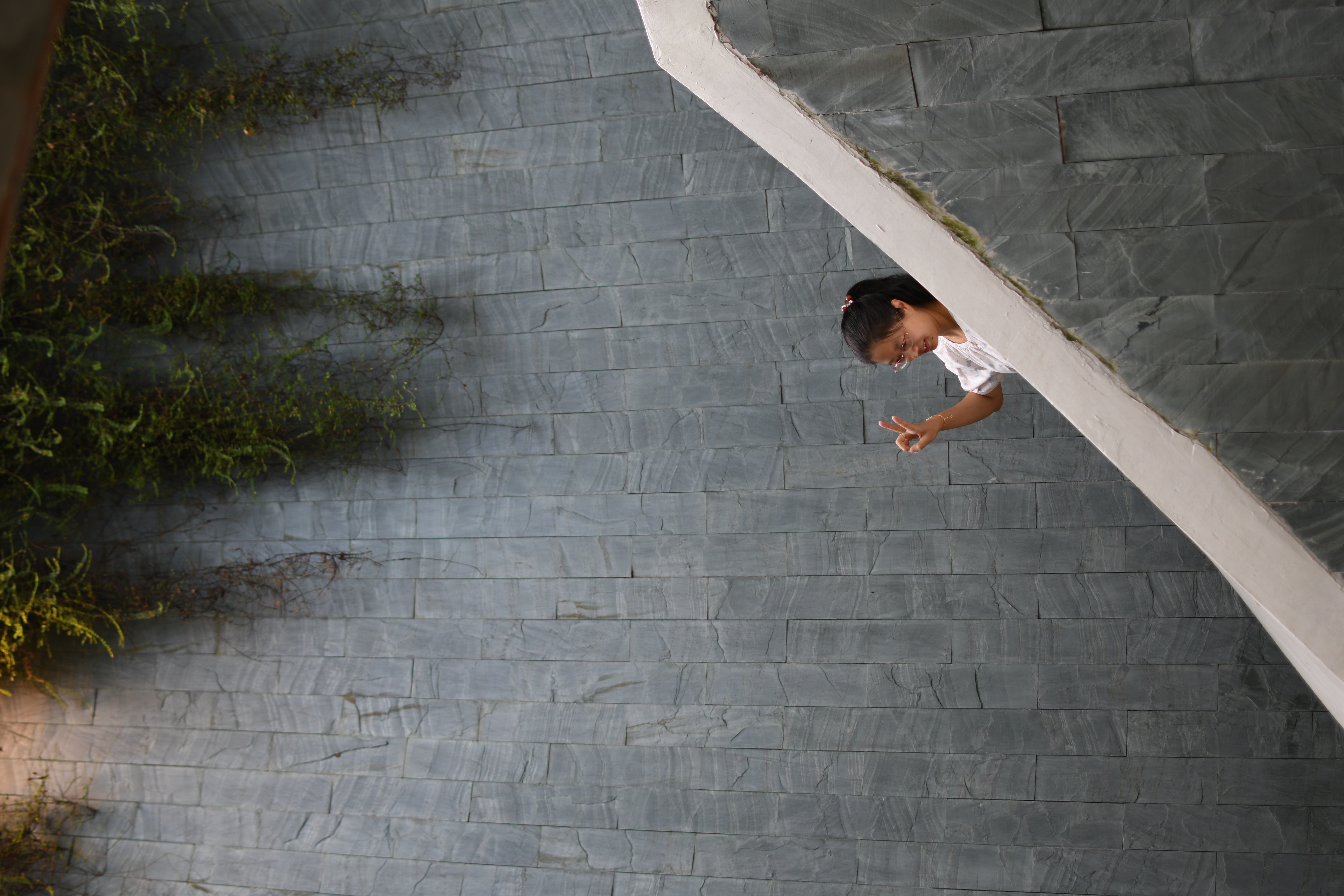
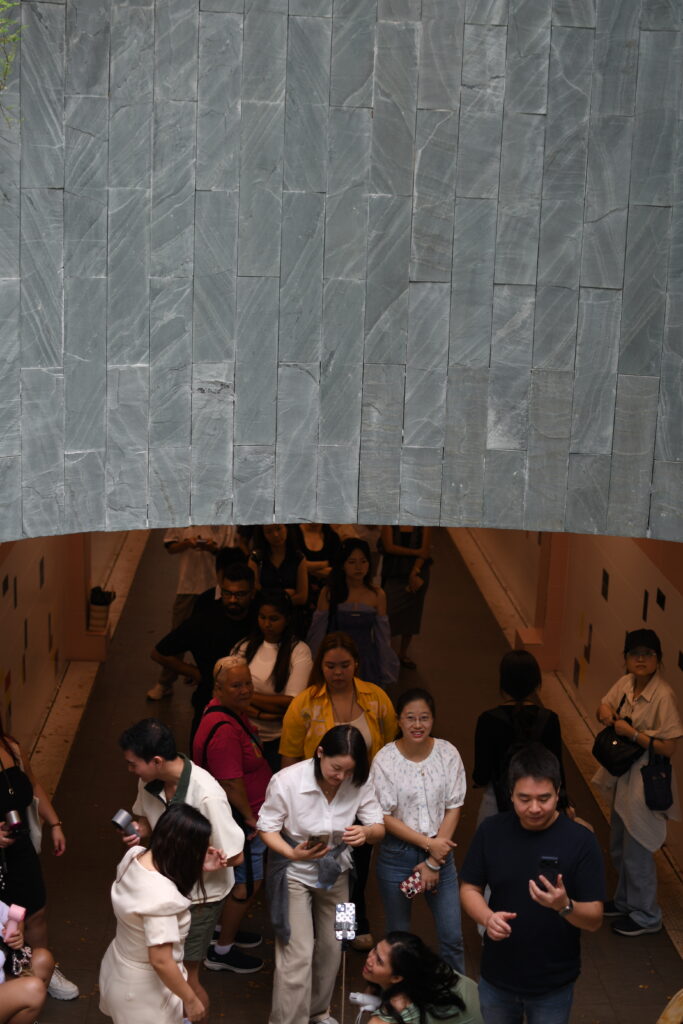
Singapore´s reputation also draws countless tourists. While I did not encounter overwhelming crowds at temples or cultural landmarks, I did find them at the most unexpected places. What these spots had in common was their picture-perfect quality. After some research, we discovered they were popular on Instagram or TikTok. It is another curious trend – one I hesitate to judge, but leaves me thinking: will travel change for future generations? Will cultural heritage and monuments be neglected over time, as money -in a capitalist world?- is spent on maintaining “Insta-spots” rather than restoring old relics?
I admit I write this with a sense of negativity, but I am not sure one way of traveling is better than another. Is it more sophisticated to explore temples of gods you do not personally believe in, or to visit trendy spots you’ve seen online? Perhaps what matters most is not what brings us to a place, but what we bring home: ideally, a broadened horizon, greater tolerance and empathy, and a deeper understanding of the world we live in.