
Japan is truly an extraordinary country, with stunning nature, high-quality cuisine, and an unparalleled culture. It was even more beautiful—and surprisingly, less expensive—than I had anticipated. I wholeheartedly recommend a trip to the Far East; it’s an experience you won’t regret.
About my trip: I traveled through Japan in September and October 2024 in a group of four. We mostly shared accommodations, which helped keep our costs down significantly. In most areas on Honshu Island, it was still humid enough that we started each day sweaty. I can’t imagine how unbearably hot it must get during the summer months. However, no matter how hot it got, there was always a time and place for a very enjoyable EUR 6 ramen.
Our journey lasted 22 days, with 17 days spent on Honshu and 5 days on Okinawa. The first 5 days were solely spent in Tokyo. However, „solely“ in Tokyo means an area so vast that it makes NYC seem walkable.
We traveled exclusively by public transport and were never disappointed. While the famous Shinkansen is definitely worth trying, it is also rather expensive. Fortunately, there are various regional offers that allow foreigners to use multiple routes for a discounted price during a set period. I highly recommend checking out these options and planning your travel accordingly (https://japanrailpass.net/en/).
Aside from the Shinkansen, the regional trains and buses also operate very reliably. If you’re a train geek, you might want to check out themed trains on special routes, such as the ones from Tokyo to Nikko or from Kyoto to Osaka.
Before diving into the places we visited, I have to mention Japanese toilets. I’ve never encountered such a convenient and comfortable way to relieve yourself on any other trip. Anywhere in Japan, whether in the city or a remote area, you’ll find brilliantly clean, state-of-the-art restrooms with enough hooks and shelves to store your belongings while you do your business.
Staying in the realm of body hygiene, there are also many free toiletries available. Japanese hotels and hosts generally provide everything you need. The basics include toothbrushes, toothpaste, and reusable pajamas. You won’t need to bring shower gel, shampoo, or conditioner either — high-quality products are available in every shower. We also found cute, portable hairbrushes, nose strips for better breathing, earplugs, razors, AND pijamas! Of course, you shouldn’t use a new toothbrush every day and should aim to reduce disposable plastic, but it’s reassuring to know you’ll always be covered. I especially loved the PJs — they were stylish and very comfortable.
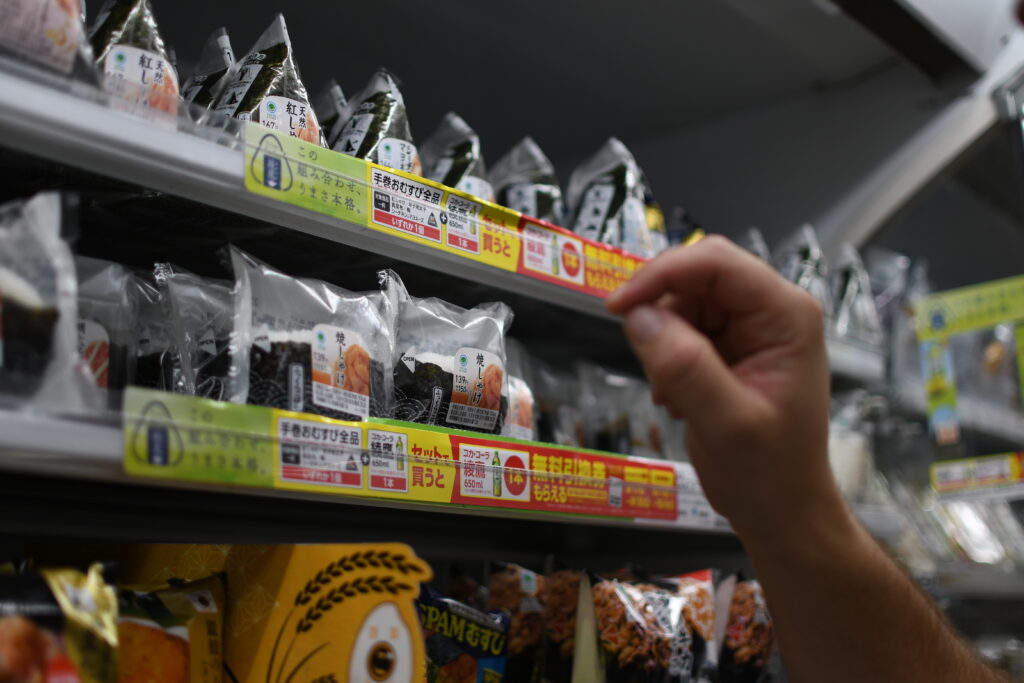
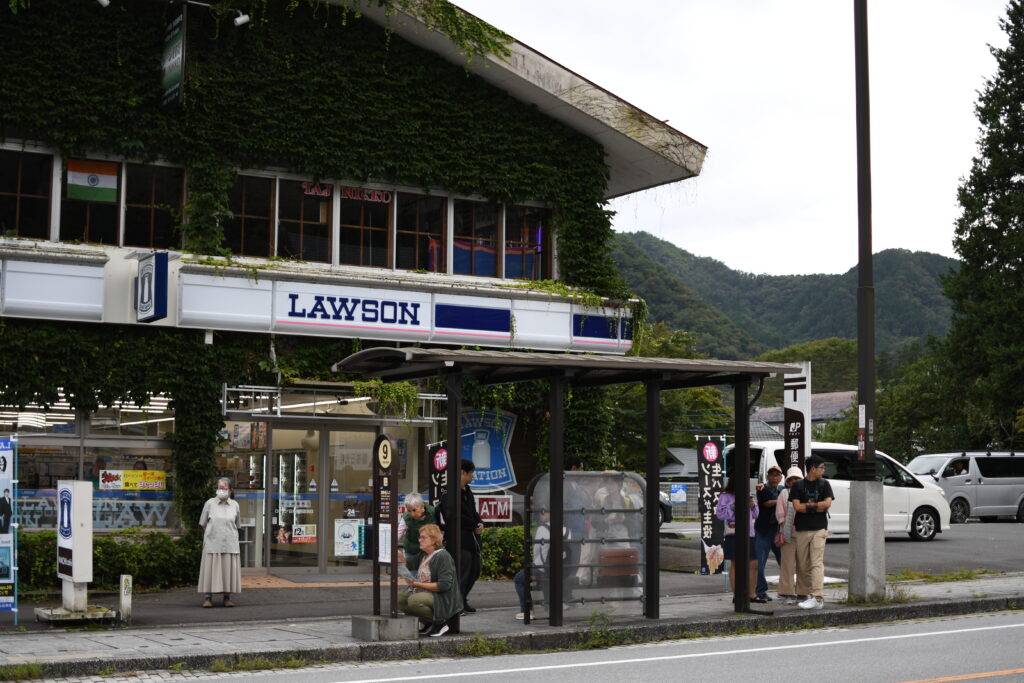
While the body hygiene situation is exceptional, the lack of bins is a bit bothersome. In Japan, there are no public trash bins, so you’ll need to carry your waste with you and dispose of it at your accommodation. This can be tricky when snacking on delicious treats from Japan’s famous convenience stores. Btw, you won´t have truly experienced Japan if you haven’t tried an Onigiri from Family Mart or Lawson.
Tokyo
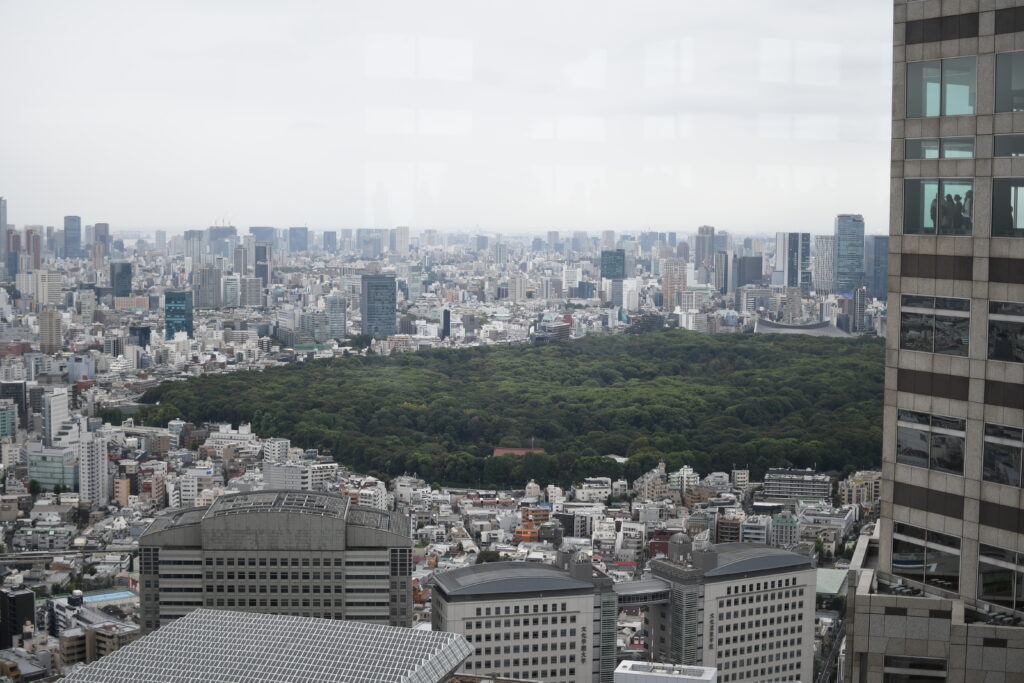
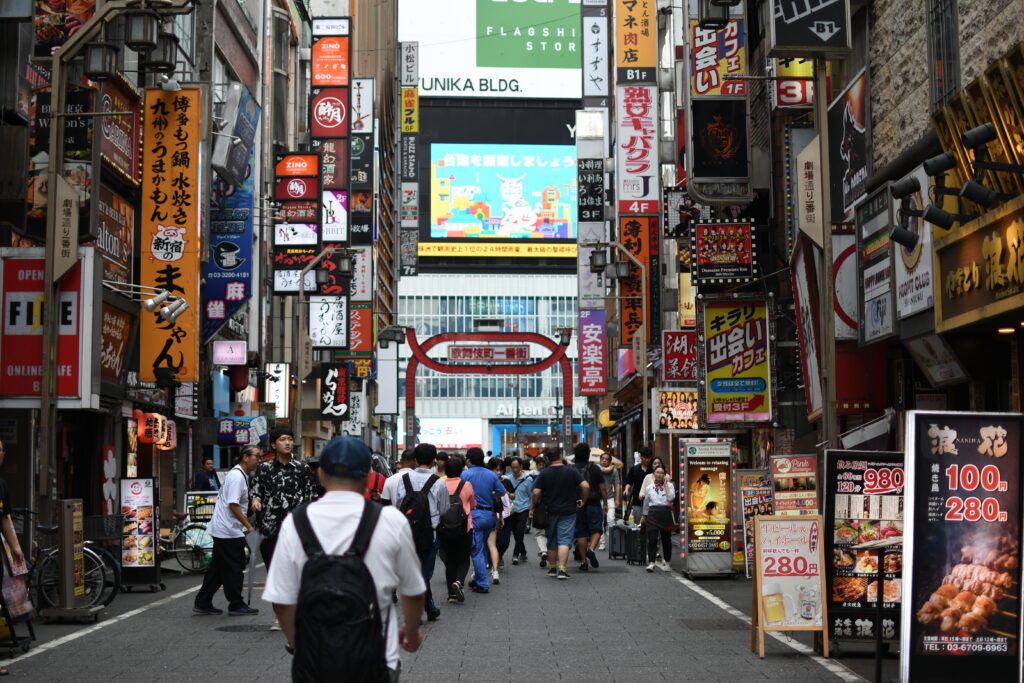
Amazingly structured in a maze of lights, Tokyo is bright and dazzling. But the Japanese, with their manners, manage to make this vast metropolis feel more organized than chaotic. There are so many districts to explore, and deciding where to stay and for how long requires tough decision-making.
We decided to stay in Asakusa and visited Shibuya, Shinjuku, Ueno, Akihabara, the area around the Imperial Palace, Yokohama, and Kamakura. Honestly, you could spend a week there and never get bored. I’m anything but a city girl, but Tokyo has a special kind of magic that remains unmatched.
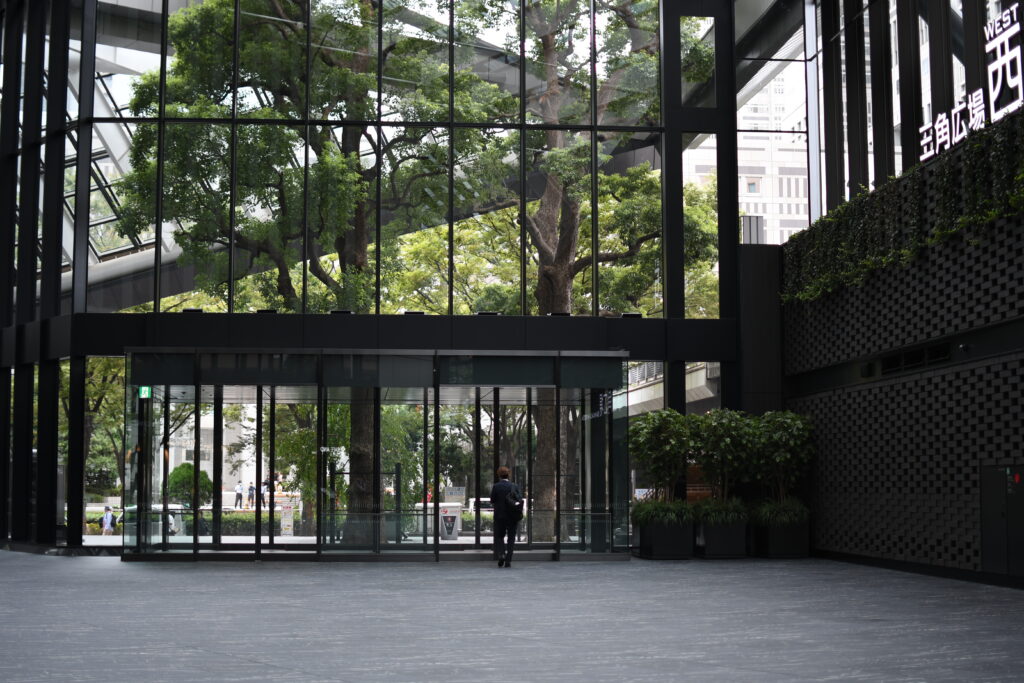
You’ll find traditional shrines and temples next to skyscrapers and bright billboards. While the color palette of the ads and mangas looking down at you varies greatly, the city itself is mostly green and grey. You won’t know where to look or what to do first. But what you should do is get lost and explore as much as you can by simply walking around.
Even though the city is jarring, the people are not. They are very respectful and considerate — and so should you be. Generally, don’t creep or rush, don’t eat or drink while walking, and don’t scream or shout. Following a few simple rules is what keeps Tokyo running with such well-maintained structure. Wherever you travel, it’s crucial to respect local customs, but that was one I honestly enjoyed.
We did a free walking tour, as we usually do, and it was very interesting and a lot of fun. Unfortunately, it was also the only occasion in three weeks where we got to interact with a local more than just exchanging pleasantries. While the Japanese are very respectful, they’re not really eager to get involved with tourists, but they appreciate everyone keeping to themselves.
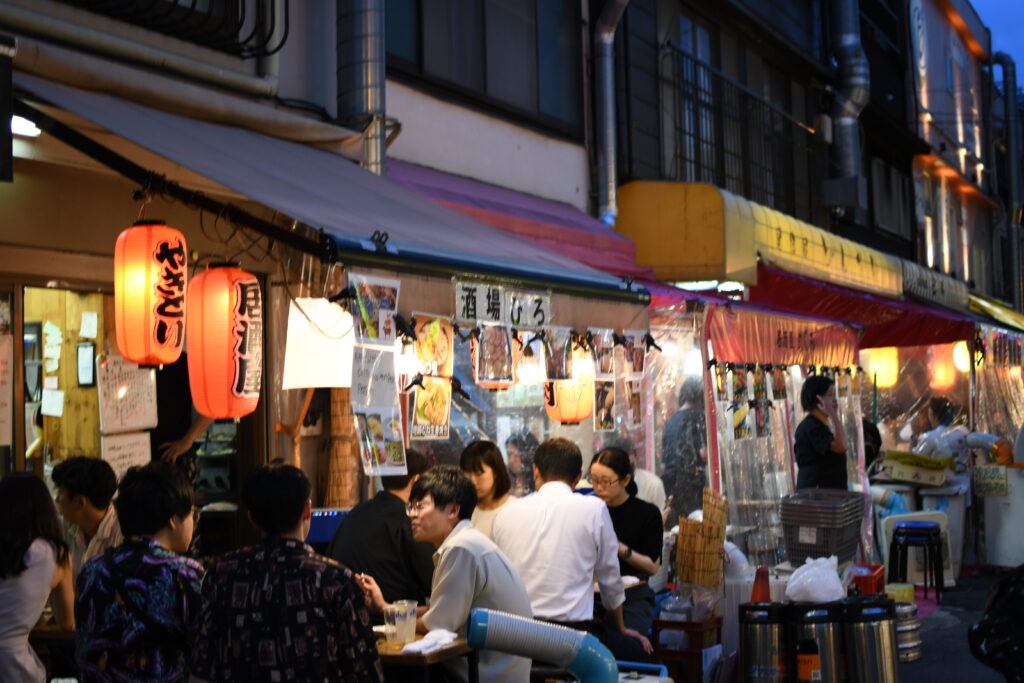
It’s hard to give recommendations for Tokyo, as there’s so much to see, but some memorable experiences include: getting to the top of the Government Building for fantastic views over the city, strolling through the Ueno street market, visiting Meiji Jingu Shrine, having dinner in a simple izakaya, exploring the heart of Asakusa, having a night out in Shinjuku’s Golden Gai, enjoying lunch in Yokohama’s Chinatown, and taking a trip to Kamakura.
Kamakura
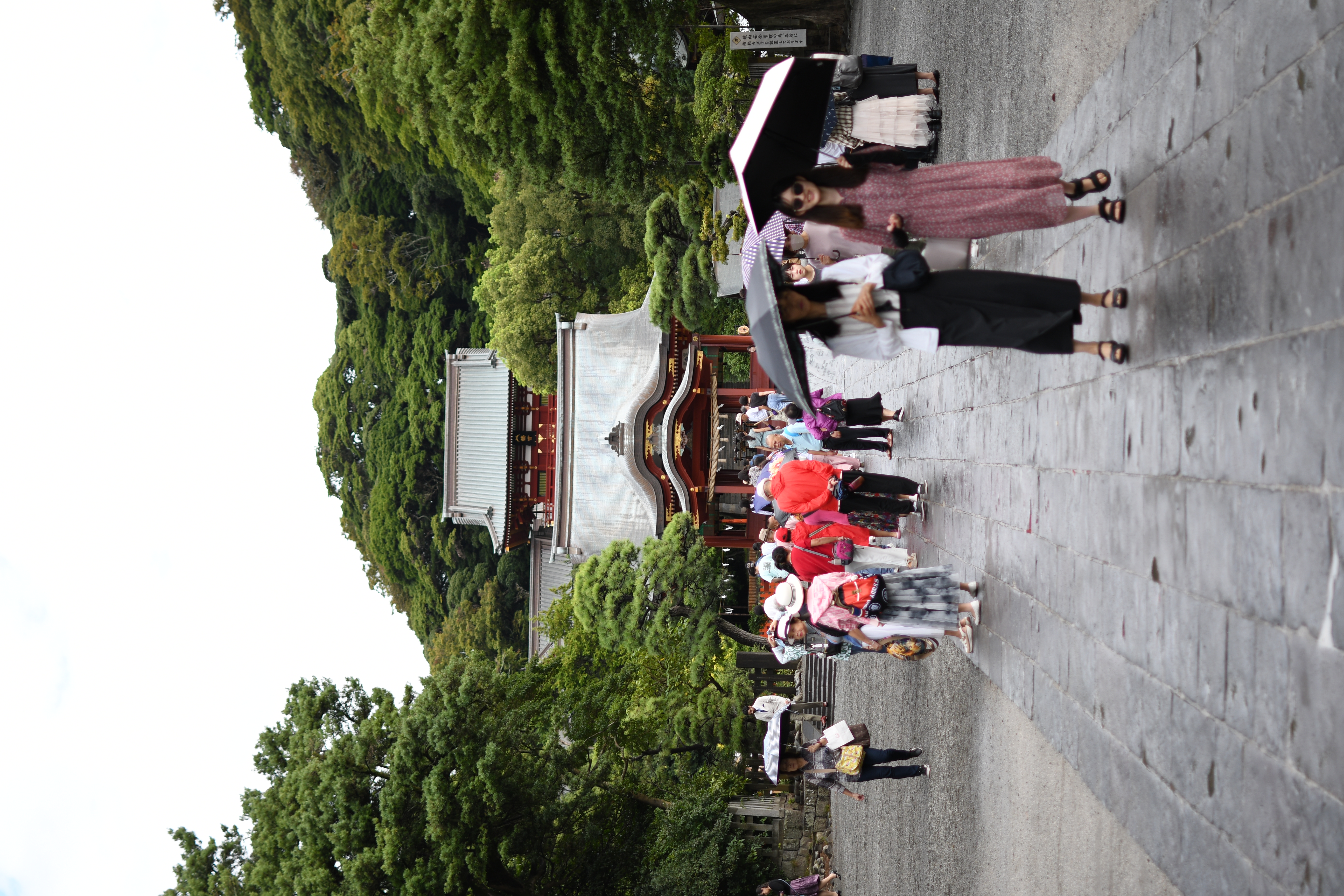
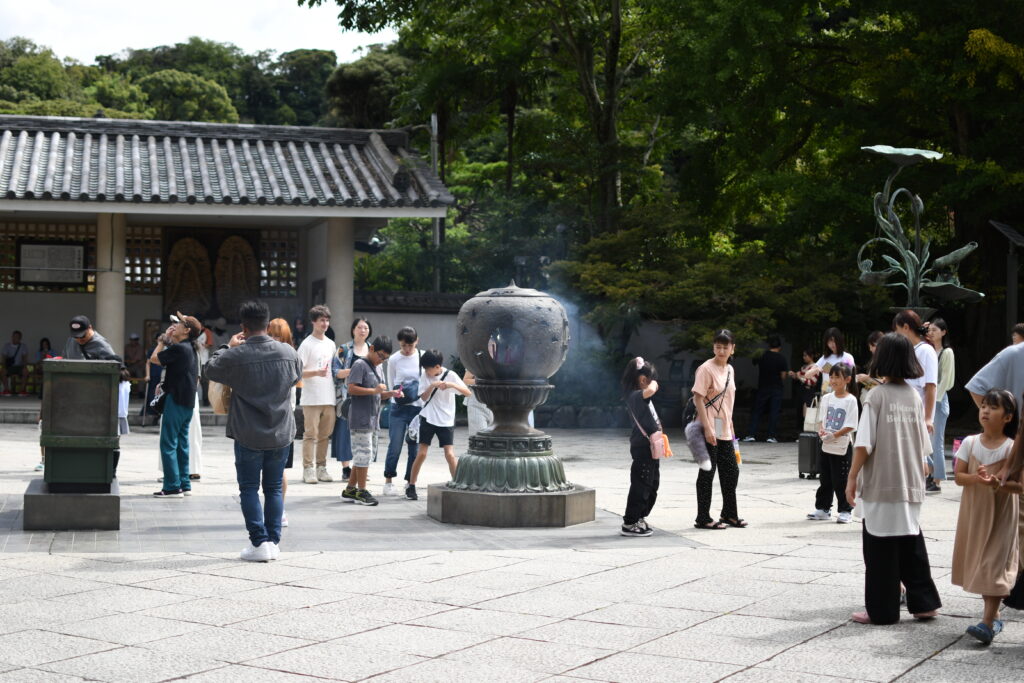
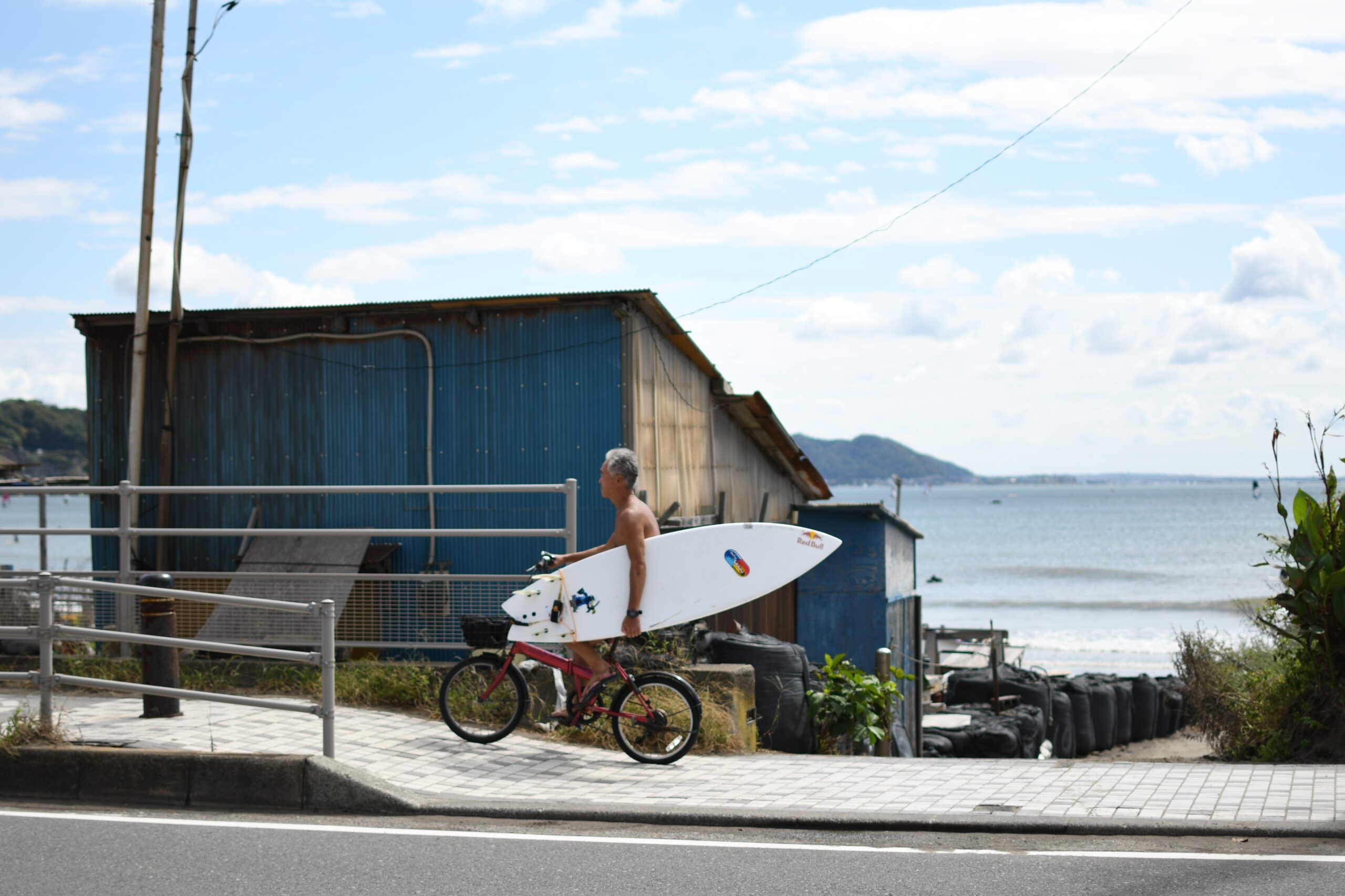
As mentioned before, the Tokyo metropolitan area is enormous. It also includes some coastal districts. We took the metro to Yokohama and Kamakura. Kamakura was very cute, with a picturesque shrine, a huge Buddha, and a sandy beach (more for surfing than for swimming, though).
Nikko
From Tokyo, we did a day trip to Nikko by train. It was rather spontaneous, as we were originally planning to „go to Mount Fuji.“ However, we quickly realized there’s no such thing as just “going to Mount Fuji.” If you don’t want to hike it — which, unfortunately, we couldn’t, since it was already off-season — you might consider trying to catch a glimpse of its majesty from a good viewpoint. We spent hours searching for the perfect spot, but eventually decided it wouldn’t be worth our limited time. Given the weather conditions and the high probability that Fuji would be covered in clouds, we decided to move on.
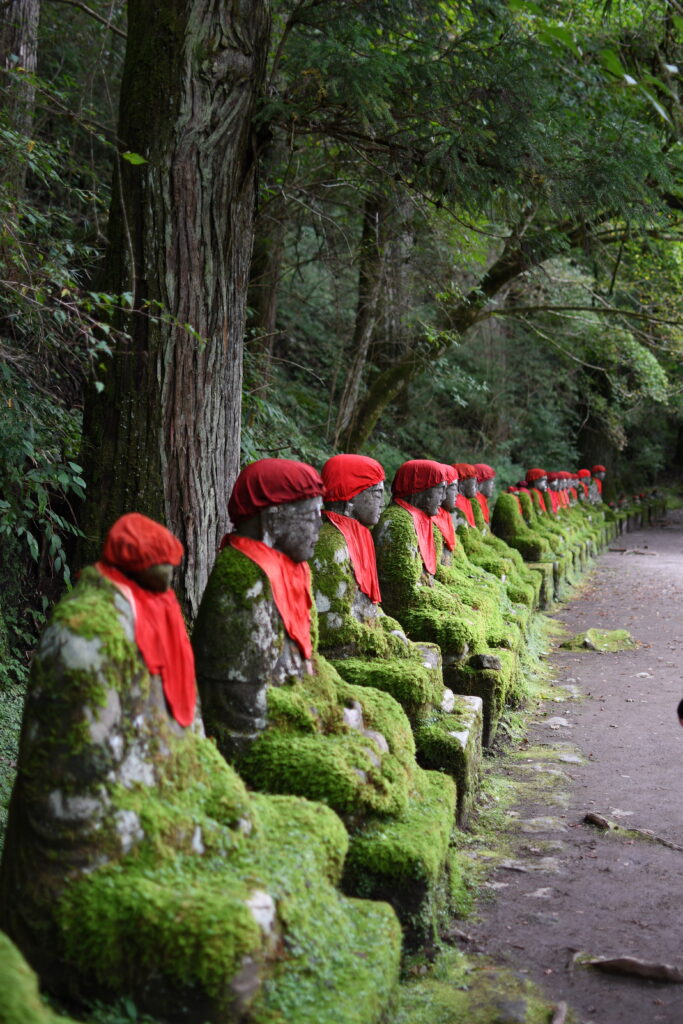
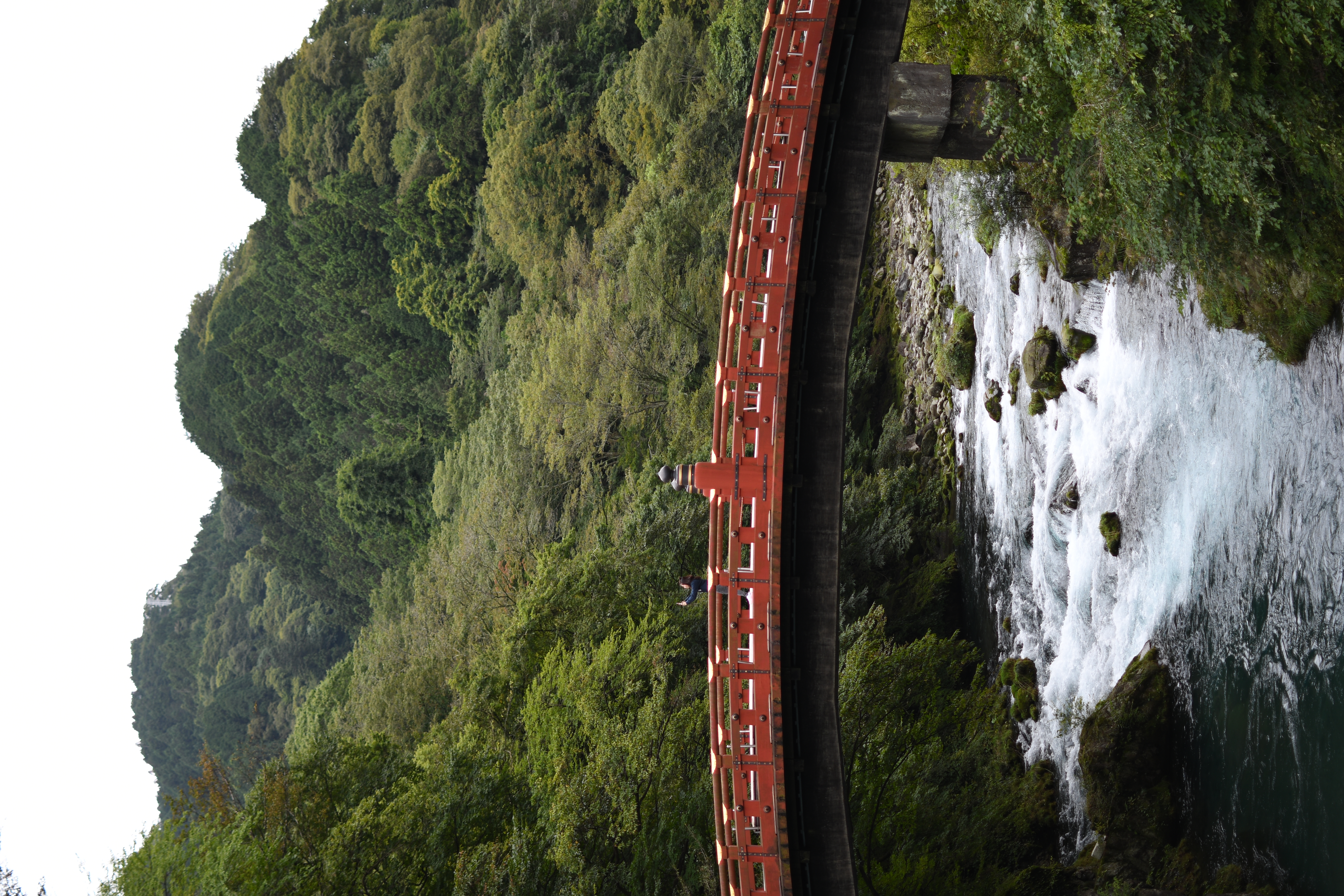
We went to Nikko instead, and we don’t regret it. Nikko is a small village and a great starting point for hiking. It also offers a huge shrine and temple complex in the forest. We spent hours exploring, and the atmosphere was incredibly peaceful. My personal highlight was the climb to the Toshogu Shrine.
Matsumoto
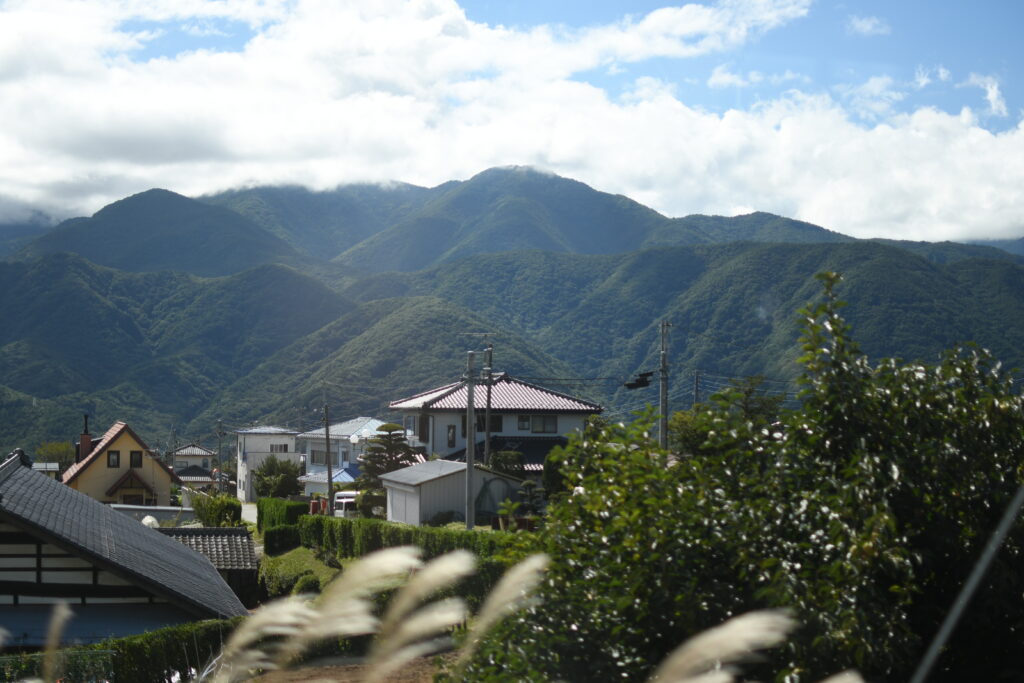
We took the train from Tokyo to Matsumoto, and the ride was accompanied by marvelous scenery. After a night out the day before, we really appreciated the silence on the train. In Japan, people tend to be quiet on public transport. What initially seemed odd to us evolved into another one of those Japanese traits that we came to appreciate. No one speaking on speakerphone, no one watching videos without headphones — it was awesome!
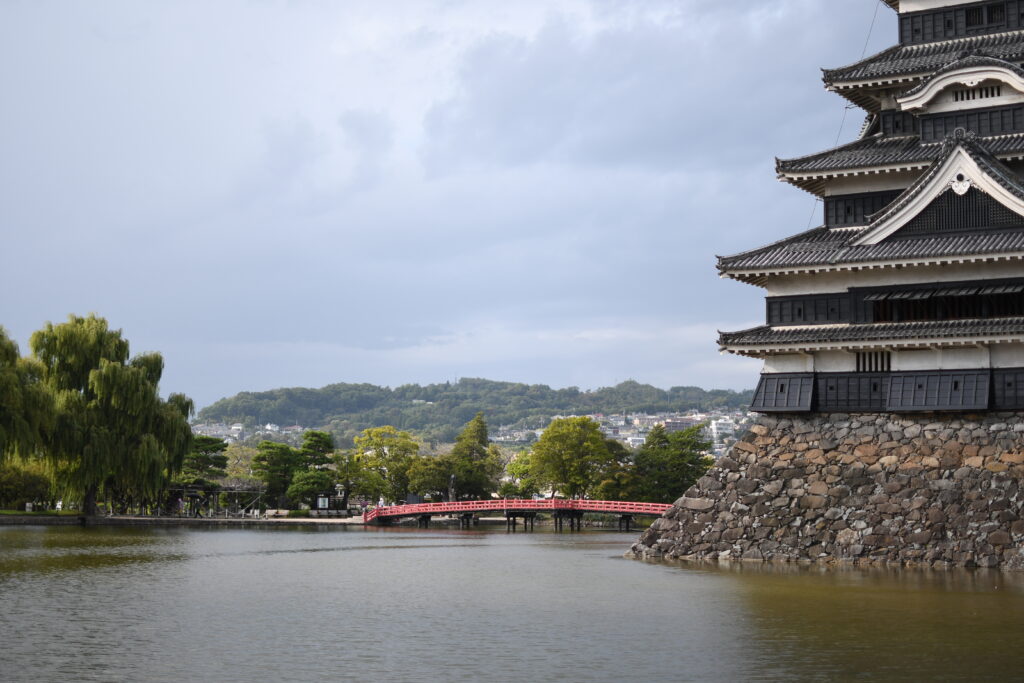
We had planned to stay in Matsumoto for two nights. However, despite Matsumoto Castle being, in retrospect, the most stunning castle of our entire journey, the city itself didn’t offer much else. So, we decided to head to Takayama instead.
KamIkochi
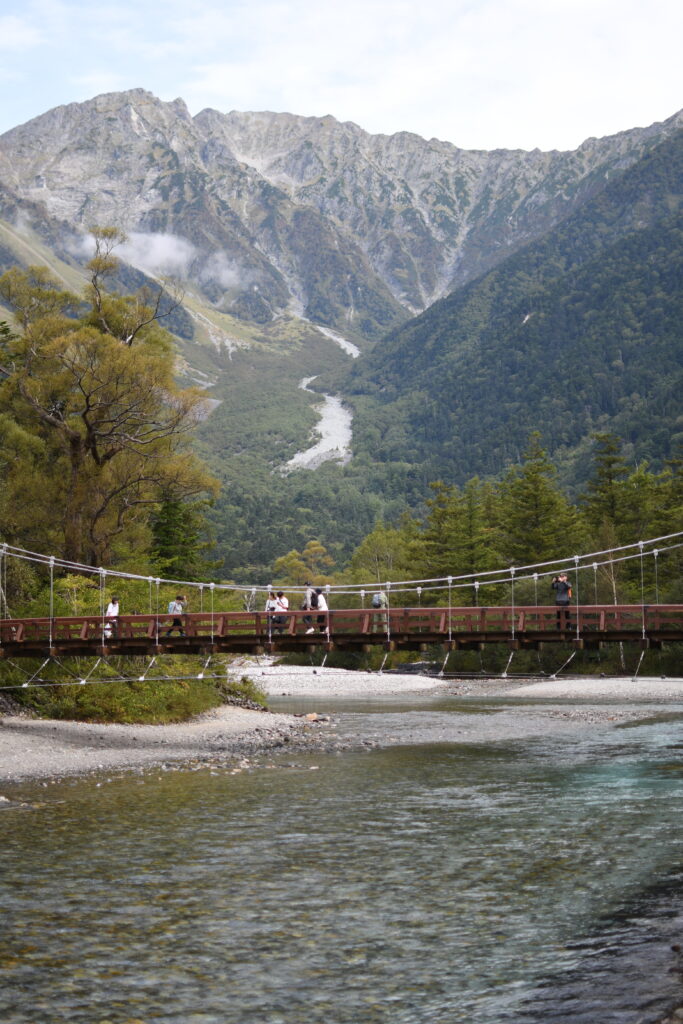
In the Japanese Alps, between Matsumoto and Takayama, lies every hiker’s paradise: Kamikochi.
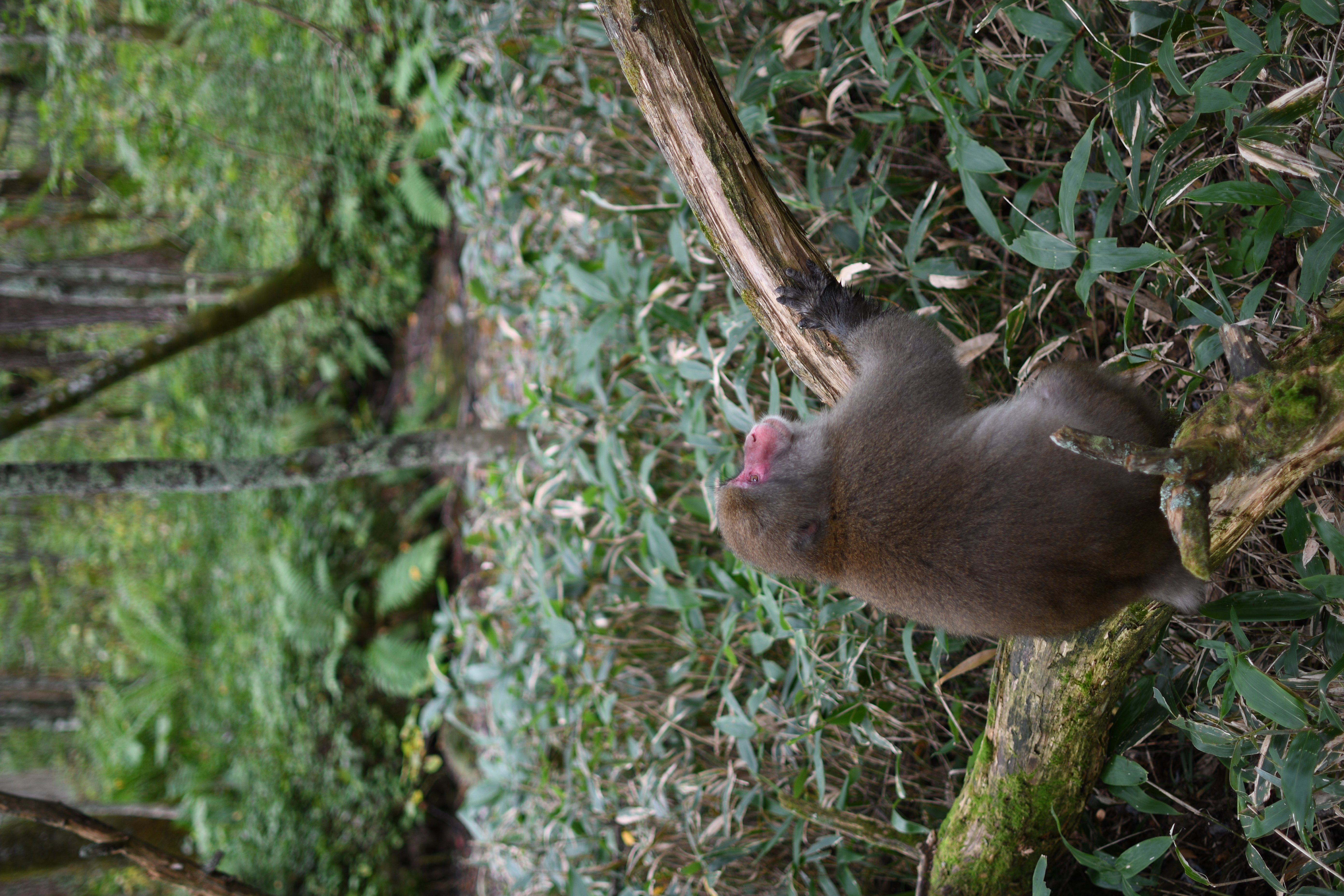
Due to the rocky conditions, villages in this area are only accessible by bus. We went early in the morning, planning to hike for the day and then catch the last bus to Takayama. It was a proper retreat. Surrounded by towering peaks, the river flows through the valley so beautifully it could only be topped by the curious monkeys who paid us a visit.
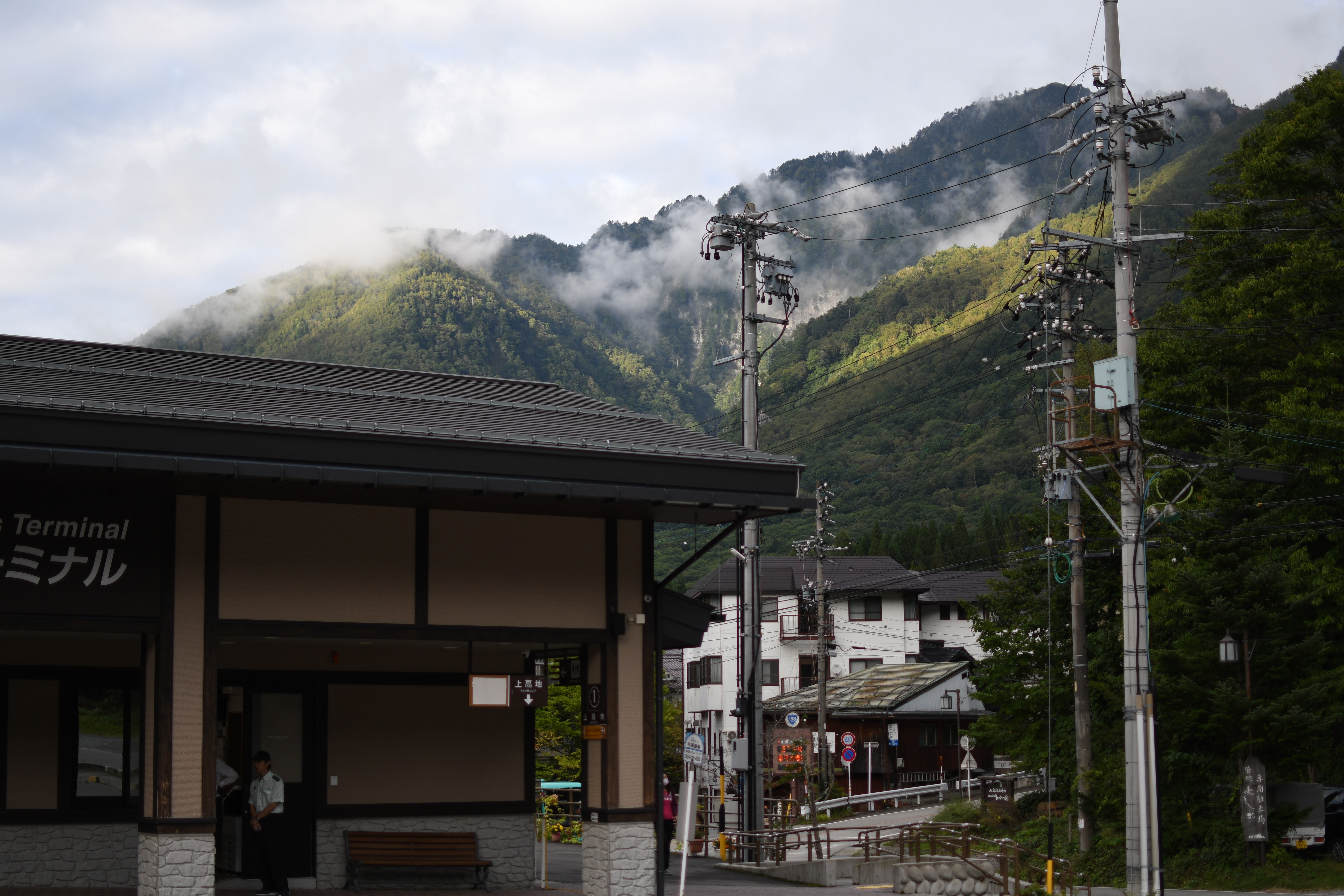
We equipped ourselves with bear bells after getting slightly intimidated by the bear sighting notices posted along our route. We would have loved to stay longer in Kamikochi and climb one of the mountains. However, we had another stop to make before heading to Takayama, so we took the bus to Hirayu Onsen.
Onsen
We went to Hirayu Onsen with no expectations at all. We knew we wanted to visit an onsen at some point, but we couldn’t really imagine the details.
I was slightly worried I wouldn’t be allowed in after reading about bans for tattooed people. However, our free walking tour guide from Tokyo eased my fears when he explained that the rule mainly existed to keep the Yakuza out. He also recommended that we simply not mention our tattoos. So, I didn’t, and we had the most relaxing time.
Onsens like the one we went to aren’t designed for tourists — they’re actually frequently used by Japanese locals. So, don’t forget to take your shoes off before entering!
The first surprise for us was the price. For a towel and entry, I paid just EUR 4.50. Like in many other Japanese venues — for example, authentic ramen places — you don’t have to interact with anyone. Instead, you’ll find a simple vending machine with pictures of the different services and products. You just select what you need, pay by card, and collect your items with your ticket.
Shyly shuffling across tatami mats, we found our changing rooms. We said goodbye to our male companions and dived into a scene straight out of Shogun. The building was very basic, almost shed-like, but that perfectly matched the eight stone pools in the backyard, each surrounded by maple trees.
Takayama
Takayama happened by accident — and it turned out to be a truly pleasant one.
I had jotted it down on my list of possible alternatives, just in case we ever wanted to change our rugged schedule. After we decided to shorten our stay in Matsumoto, we booked the cutest last-minute apartment in Takayama for a fair price (around €25 per person).
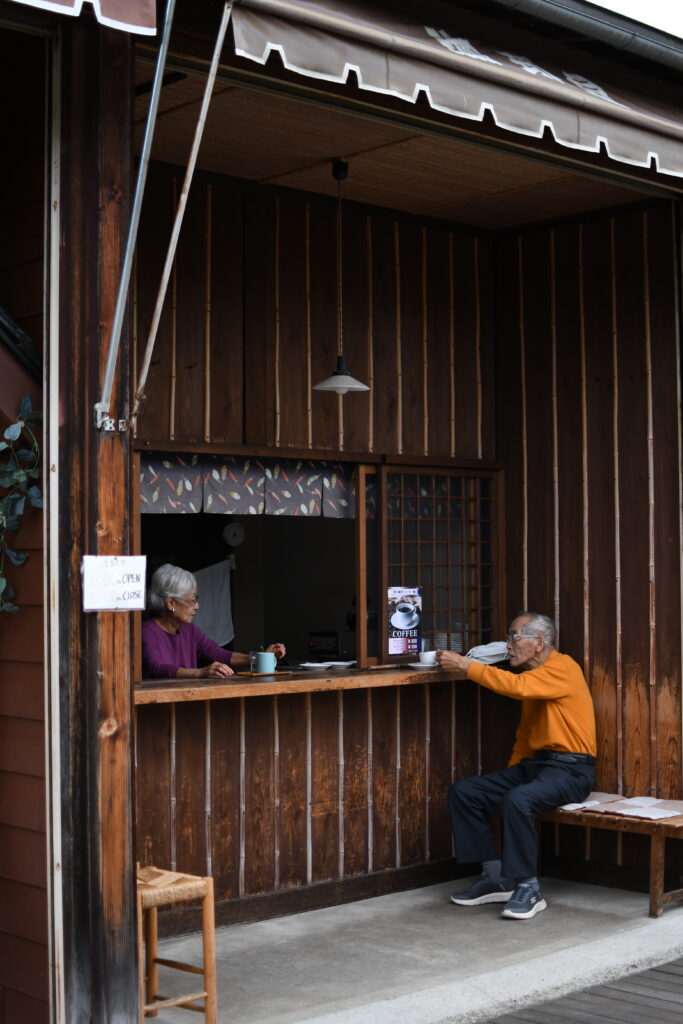
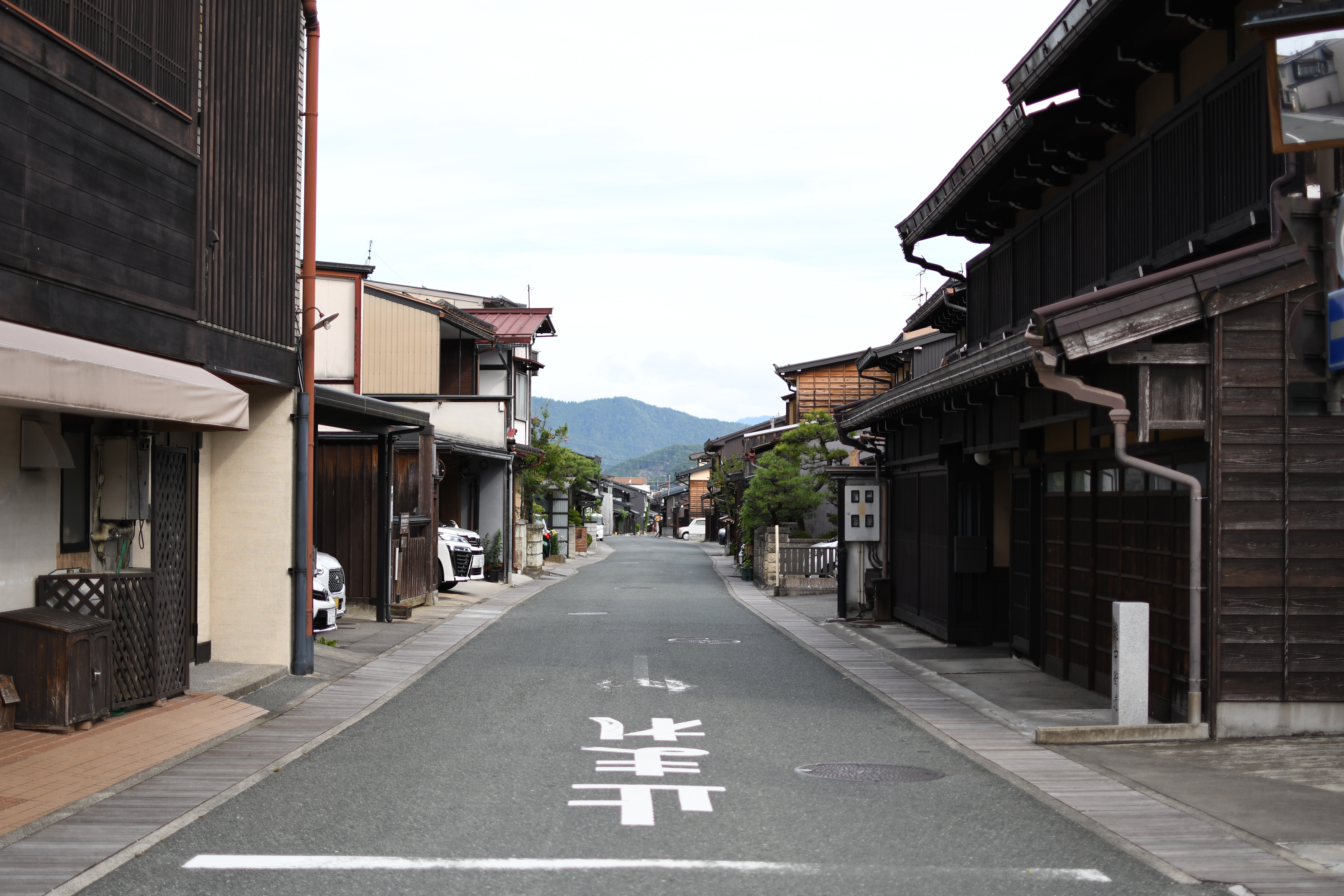
You could easily spend two full days in Takayama. We tried to get the full experience in just 10 hours.
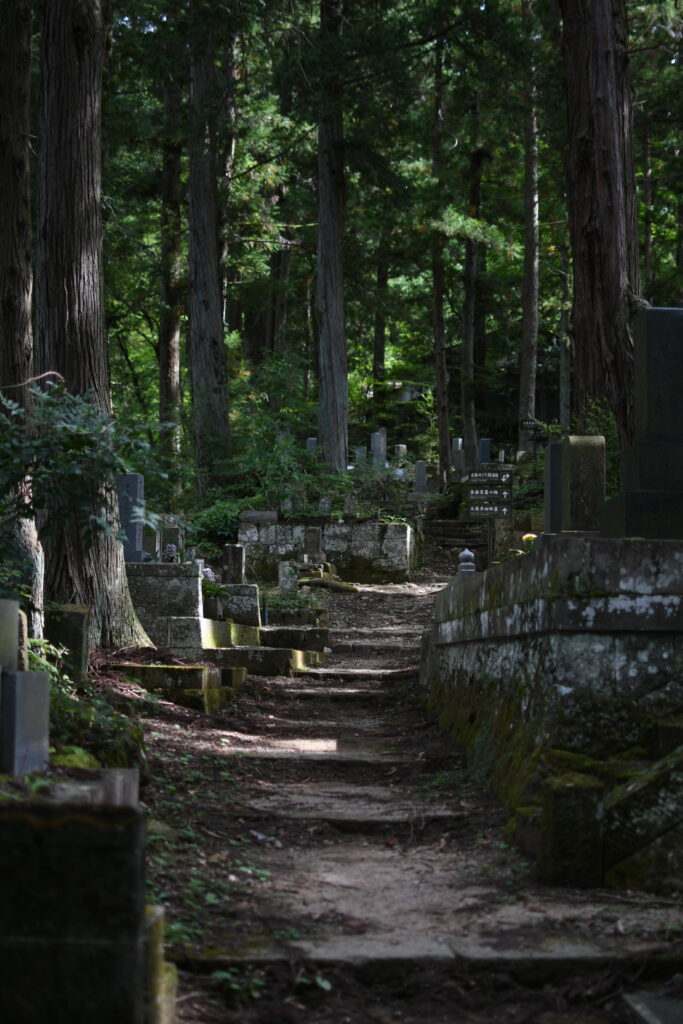
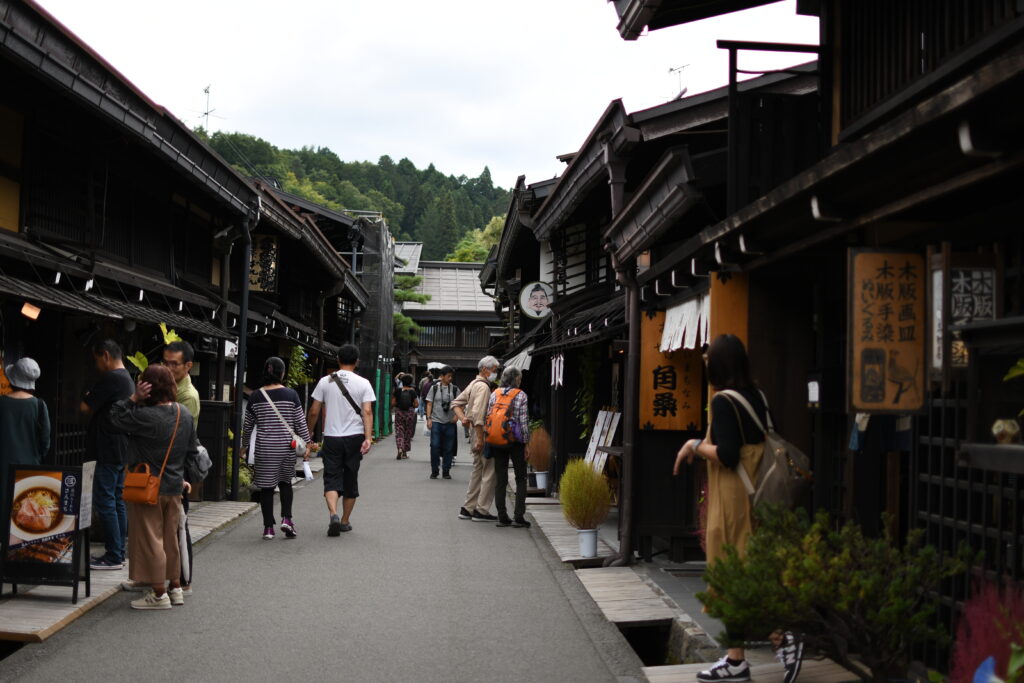
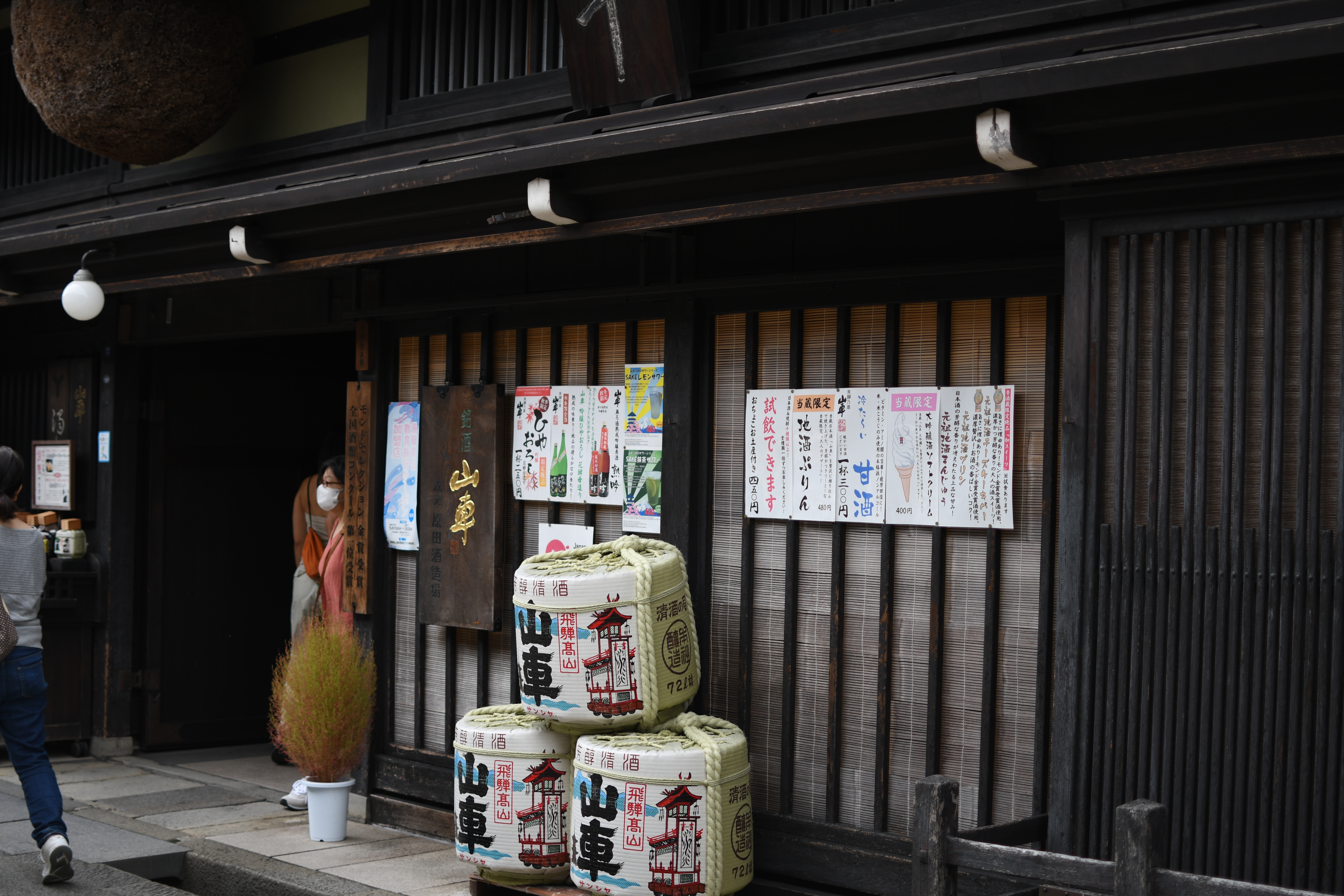
There’s so much to see: countless temples and shrines, an evocative graveyard on the hillside, the chance to visit a ryokan from the inside (which you should definitely do if you don’t get the chance to stay in one overnight), an open-air museum showcasing a traditional village, a fantastic market with delicious food, and historic buildings offering the best opportunities for an unforgettable sake tasting.
And then — there’s Hida beef. I’d say it’s second only to the famous Kobe beef (which I didn’t try), but Hida beef was divine.
Sake Tasting
In Takayama, you can purchase a sake cup for only around EUR 0.80 — which also makes a great souvenir — and use it to try all the different sakes they put out for tasting. We tried 10 different ones, and honestly, we don’t remember if they were any good… but we had an absolute blast.
Another great spot for a fun sake tasting is the Sake Village near Kyoto. It’s slightly more expensive, but you can order tasting platters of 18 varieties and get a bit more information about each sake as you go.
Kanazawa
We traveled to Kanazawa from Takayama by train. We had purchased the Shinkansen West Pass for a week and were excited for our first Shinkansen trip.
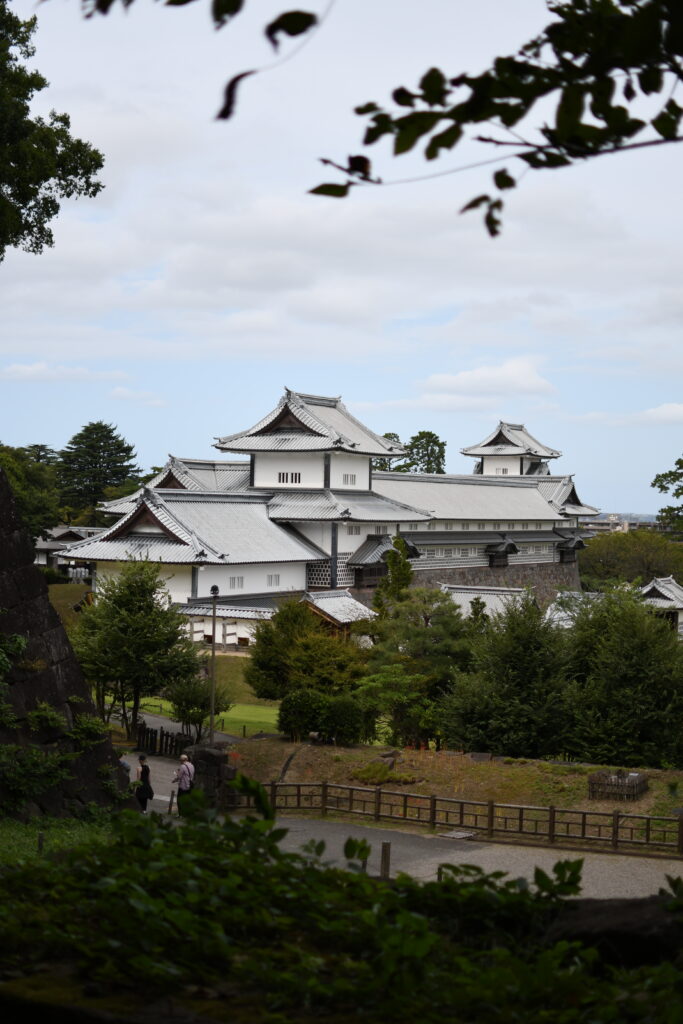
I have to admit, I don’t remember much about Kanazawa other than the good feeling it left me with: a cool fish market, more sushi than any person could possibly eat, and a lovely castle (second only to Matsumoto). There’s also a huge park and a beautiful Japanese garden. Overall, it was a calm and peaceful escape after the sensory overload of Takayama.
There’s also an old district with historic buildings. Both Takayama and Kanazawa have done an impressive job preserving large parts of their medieval old towns. While many other cities were destroyed during the Second World War, Kanazawa and Takayama survived. Back then, they offered refuge to people from the East; now, they offer tourists a chance to travel back in time — or at least catch a glimpse of life in centuries past.
Shinkansen Sushi
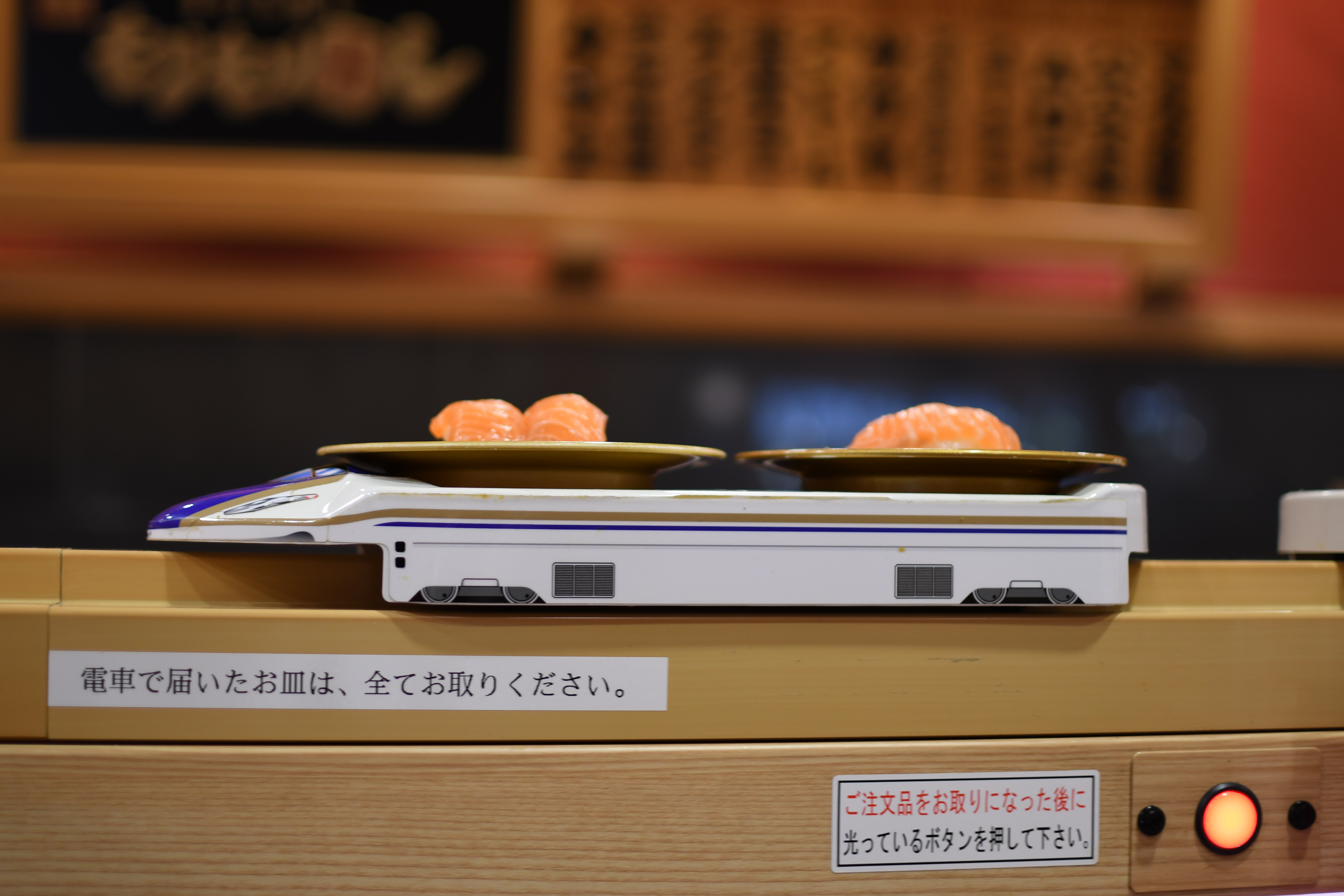
Shinkansen Sushi isn’t a technical term — it’s just what we called it. In Europe, you might know it better as running sushi. The concept is basically the same: there’s a little conveyor belt with plates of sushi passing by.
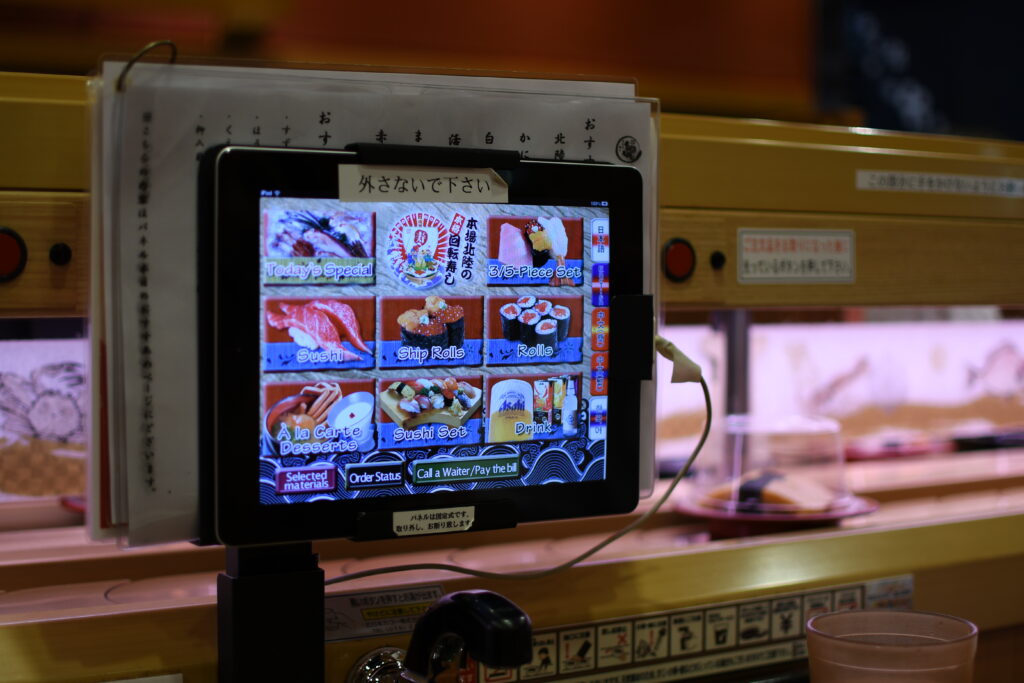
There are different chains, but our favorite was the one where miniature Shinkansen trains delivered freshly made sushi from the chefs straight to your booth. While the conveyor belt carries only shelf-stable sushi dishes, you can order any kind of raw fish or specialty sushi directly from the tablet at your table. The quality is surprisingly good for the price. My favorite was the very simple salmon nigiri, for only around EUR 0.80 per piece. And if you’ve got a sweet tooth, the desserts are definitely worth trying too.
Another clever highlight was how they determined the final bill. Each dish comes on a plate with a specific color, indicating its price. While we made an effort to stack the plates by color, we were seriously impressed when the waiter simply hovered a little plastic wand over our table and instantly calculated the total.
Like in most Japanese restaurants, you also get free tap water and green tea — something I found incredibly generous and just another reason to love dining in Japan.
Hiroshima
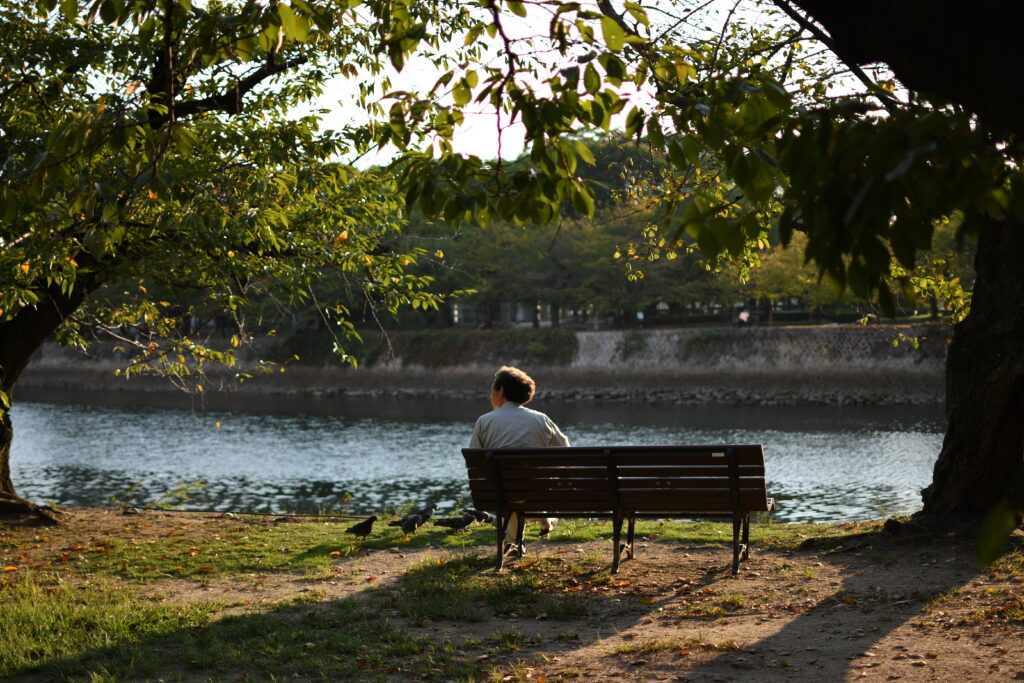
Hiroshima inspired me. It’s a city with an incomparable past that has managed to find beauty in life again. The vibe in Hiroshima was unique, and like many people from near and far, we sat by the river in Peace Memorial Park, looking at the A-bomb Dome and watching the sun set.
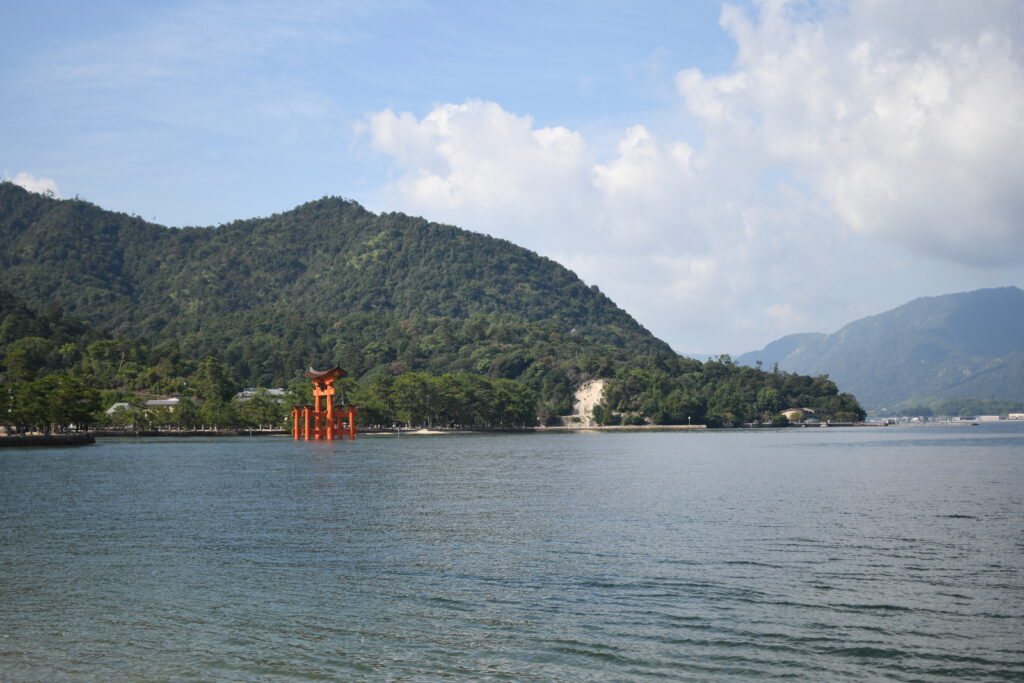
We took the ferry to Miyajima Island and were greeted by wild deer. The animals are very trusting and might try to steal food or water from you. There’s a great, brilliantly red torii in the water, which many people visit during low tide. There’s also a cable car that takes you to the mountaintop, where you’ll have beautiful views over the bay and green hills. Additionally, there’s a nice, shaded trail through the jungle that allows you to hike to the top, passing a few toriis and shrines along the way.
The whole trip was a wonderful — almost tropical — escape from the city. If you decide to go, just keep timing in mind, because the ferries only operate during high tide, and you wouldn’t want to miss the last one.
There’s also a lovely market street on Miyajima Island where you can try Hiroshima’s famous oysters. And in the city, you should definitely try Hiroshima-style okonomiyaki.
Kyoto
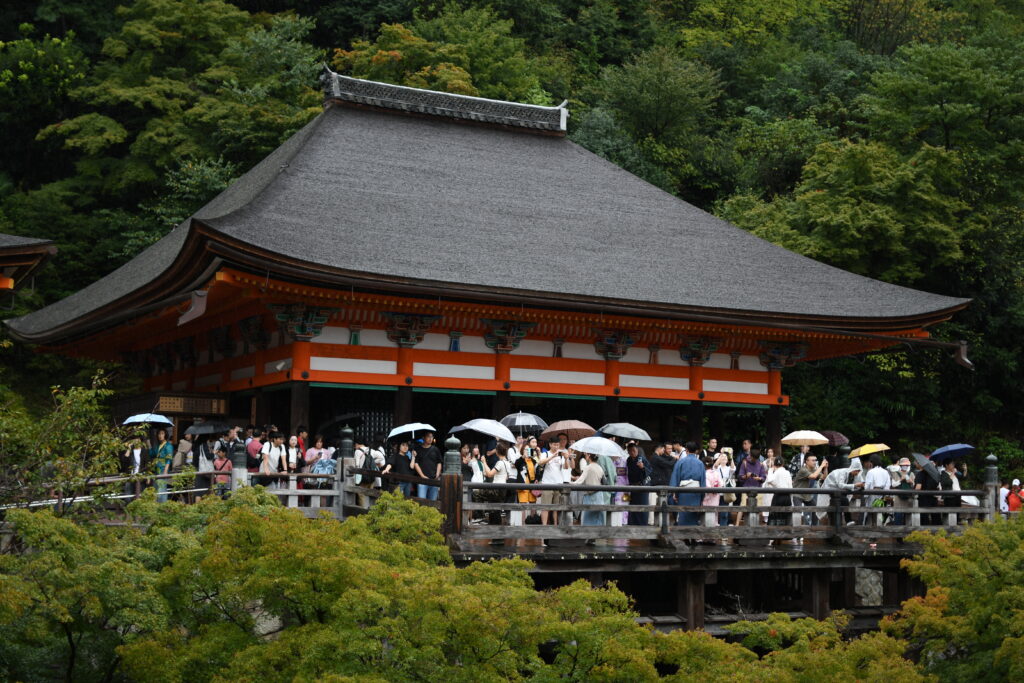
Once we arrived in Kyoto by Shinkansen, we had already been in the country for 11 days. However, in Kyoto, it was the first time we experienced the issue of over-tourism. Until then, we hadn’t even realized how spoiled we’d been.
Kyoto is exactly like what you see online: people pushing through crowds at famous sights, leaving little room for peaceful appreciation. Of course, there’s a reason why Kyoto is so busy — and I would still absolutely recommend visiting.
There are so many shrines and temples to explore in and around Kyoto that you can simply open Google Maps and pick a route.
In Kyoto, we stayed for the first and only time in an iconic capsule hotel — men and women separated. It was definitely an interesting experience, and nothing like European hostels. It felt more like a hostel from the future: well-ventilated, spotless, with curry for breakfast and an open bar… from a vending machine!
My personal highlight was the in-house sento and washing facilities. I can’t emphasize enough how clean everything was (me, still traumatized by English hostels!). There were also free cosmetic products of all kinds. The sento had two hot-water pools — one inside and one outside — along with a sauna and a steam bath.
The social washing situation is definitely something very unfamiliar for foreigners, but one you won’t easily forget. Imagine 10 vanity stations lined up, each with a mirror, a little plastic chair, endless beauty products, and a shower head at hip height. Sitting confidently on those chairs, you witness the pure, simple reality of humankind — naked, unbothered, brushing their hair or cleansing their skin.
Osaka
I don’t know if it was because our time on Honshu was coming to an end, but I didn’t like Osaka too much.
Of course, it’s a vibrant city — bright and busy, with great street food. The lights reflected in the canal create a cinematic spot to gather with friends and have drinks at one of the many izakayas along the promenade.
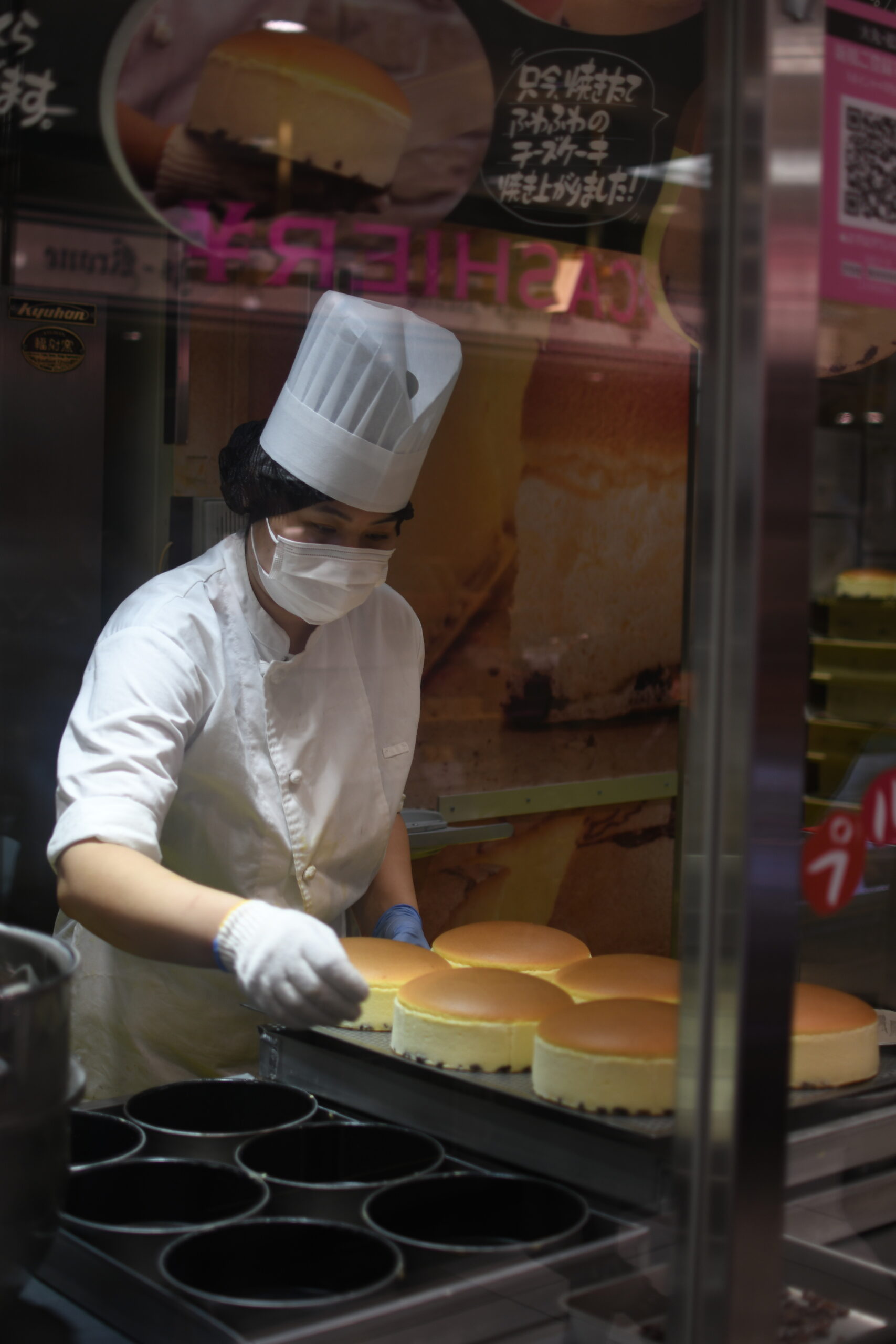
We tried the famous Osaka cheesecake, which was absolutely delicious — the fluffiest thing I’ve ever tasted. The queue was insane, though, so it was definitely a good call to try it „early“ in the morning, right after the bakery opened.
Like Kyoto, Osaka was incredibly crowded, and that got tiring. Maybe because it’s smaller than Tokyo, you feel the massive number of tourists even more. I’m pretty convinced that’s also why Osaka felt so chaotic in comparison. It’s noisy, tourists are either rushing past or blocking your path because they’re eating while walking (how dare they?!).
Maybe I’m painting an unfair picture, but as I mentioned before — I didn’t become Osaka’s biggest fan.
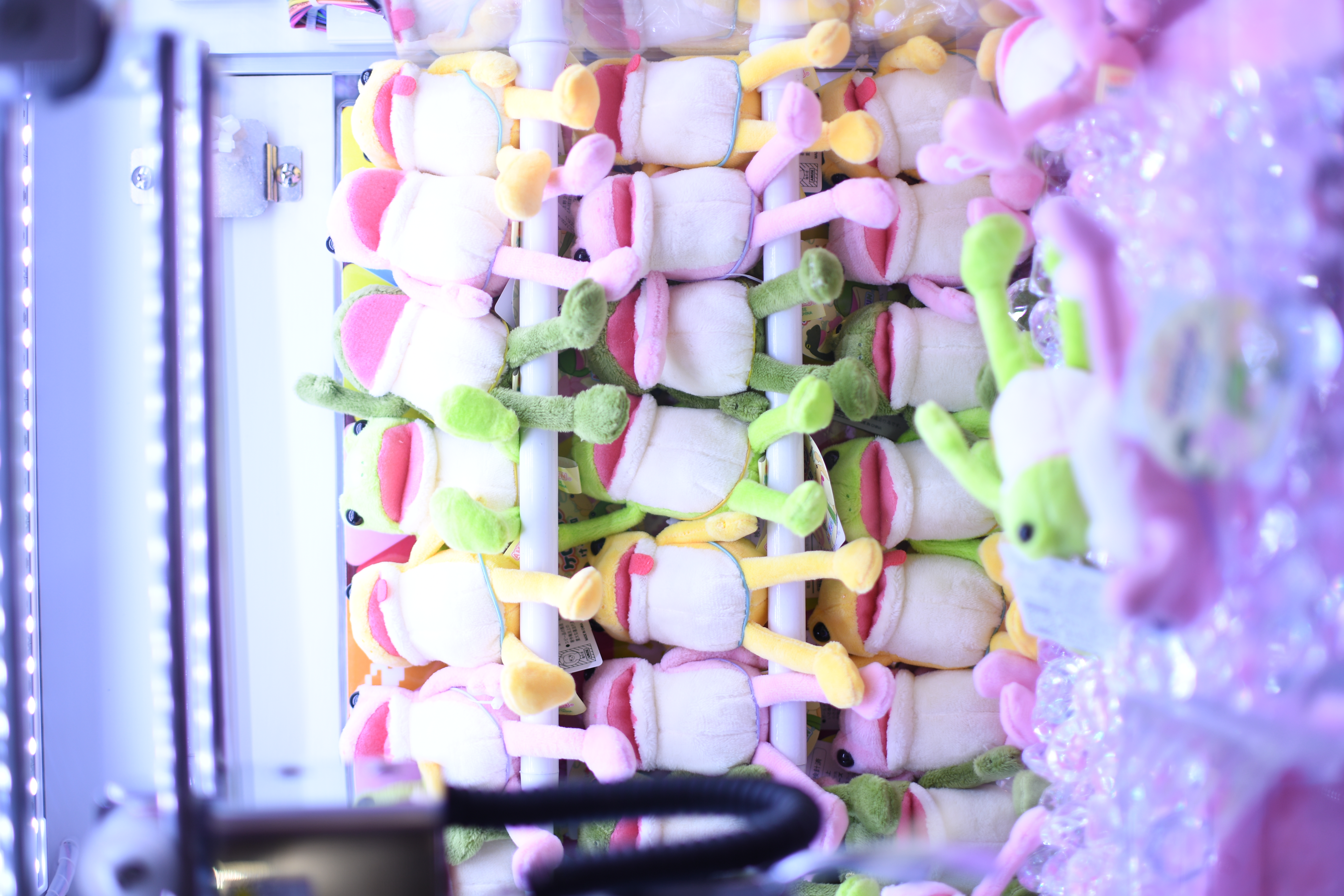
Trying to end on a positive note: we went to Taito Station and spent way too much money on video games and vending machines, which was a lot of fun.
Okinawa
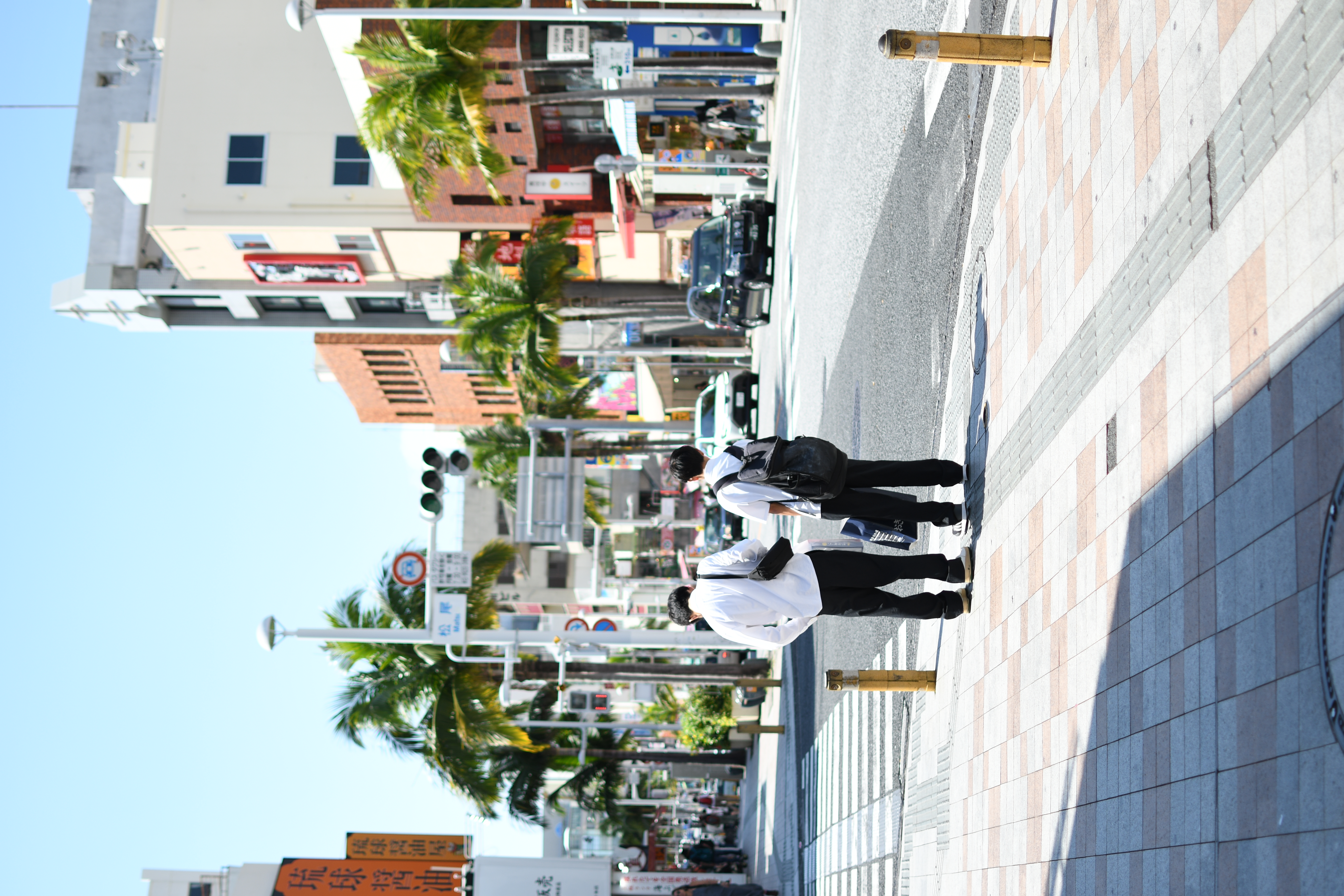
A tropical island, they say. But for me, it felt predominantly like an American occupation zone. We stayed in Naha, and jet fighters flew overhead almost hourly.
Nevertheless, it was a great experience. I felt like I was in a Japanese version of Beverly Hills. The American district is open to the public and about an hour’s bus ride from Naha city. You can say what you want about Americans, but they certainly know how to American-ize anything. I say that with a bit of irony — but honestly, I enjoyed it. It’s perhaps an unwelcome reality, but it’s also living evidence of the recent past and ongoing presence.
On Okinawa, renting a car would have been very helpful. We didn’t, because we procrastinated too long on checking the foreigner driving regulations. If you’re planning to rent a car, check the rules for your national license well in advance and make the necessary arrangements before setting off on the trip of a lifetime.
Temple and Shrine
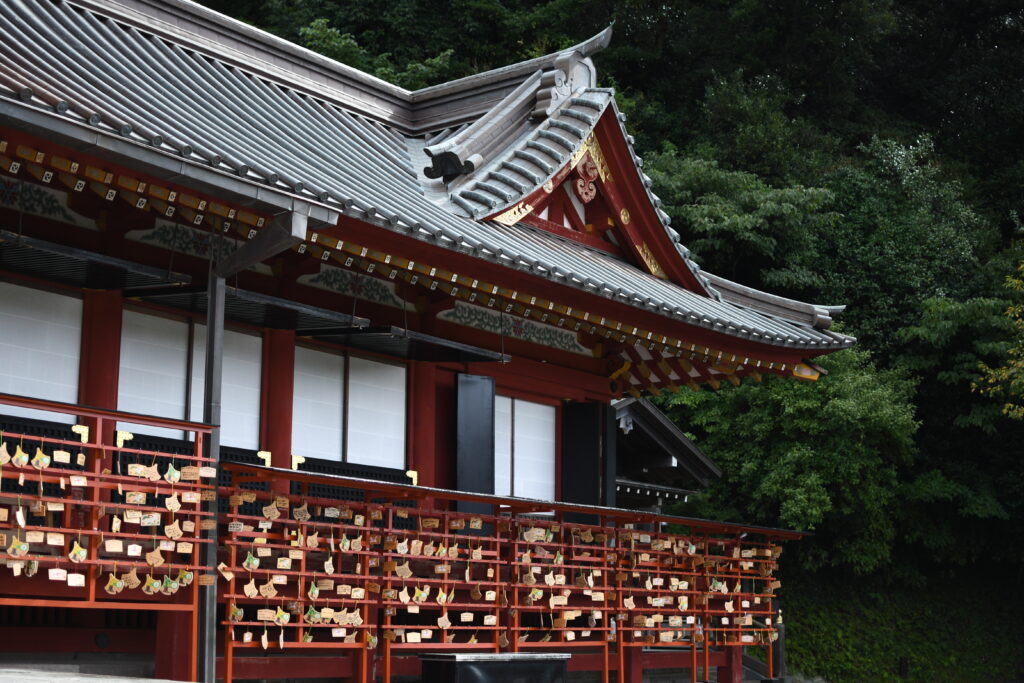
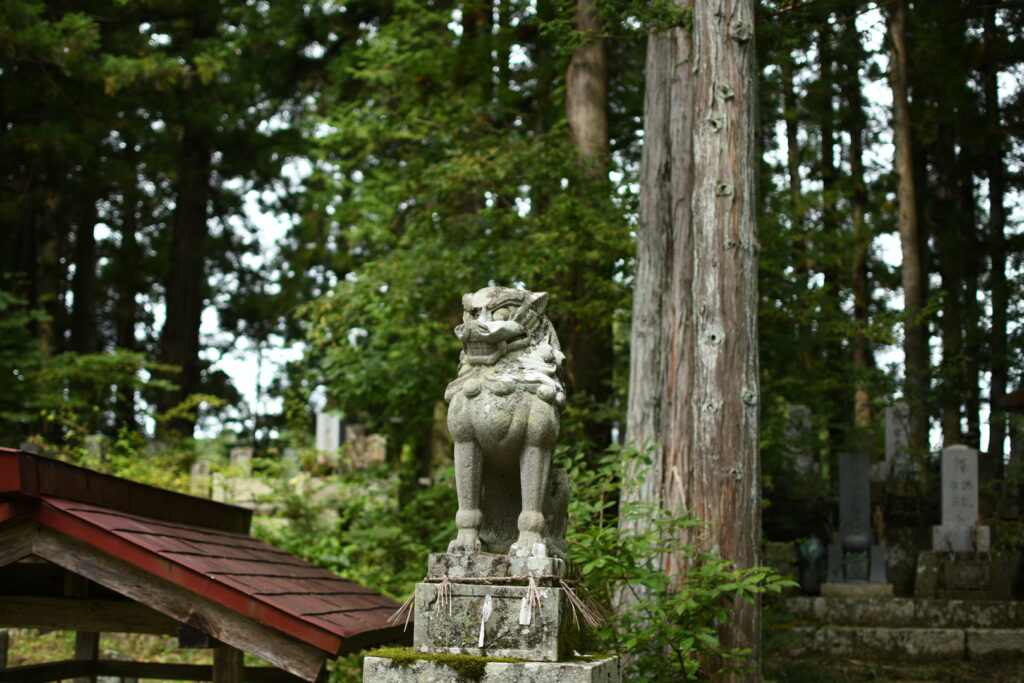
In Japan, you’ll find countless temple-ish looking houses of worship, but you might wonder why some are called temples while others are referred to as shrines. It’s because they’re two different things — but they’re actually easy to tell apart once you know what to look for.
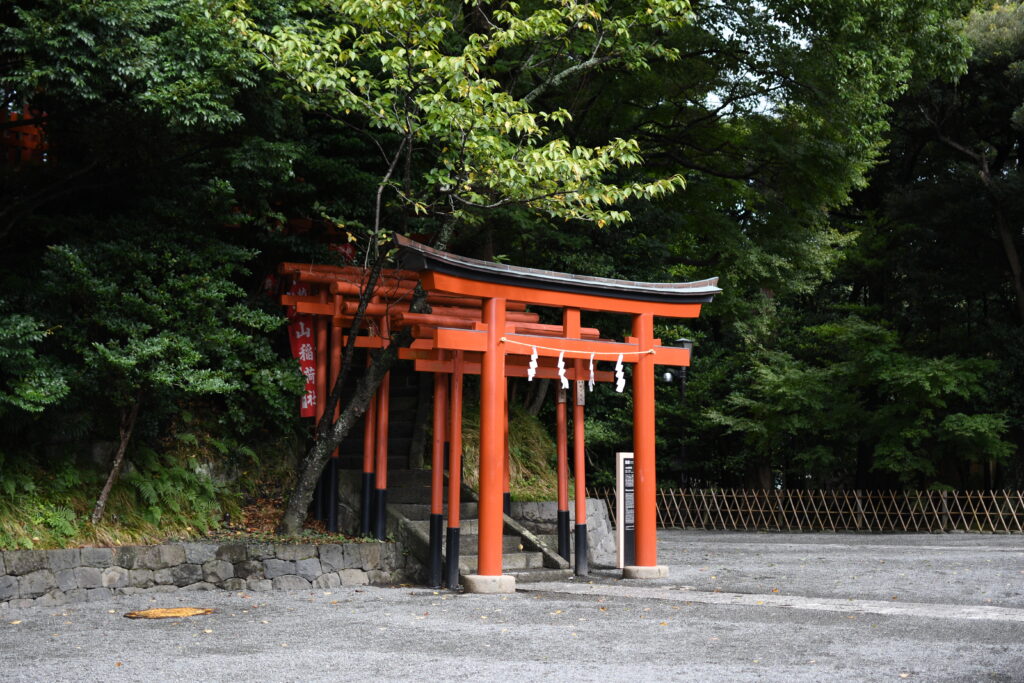
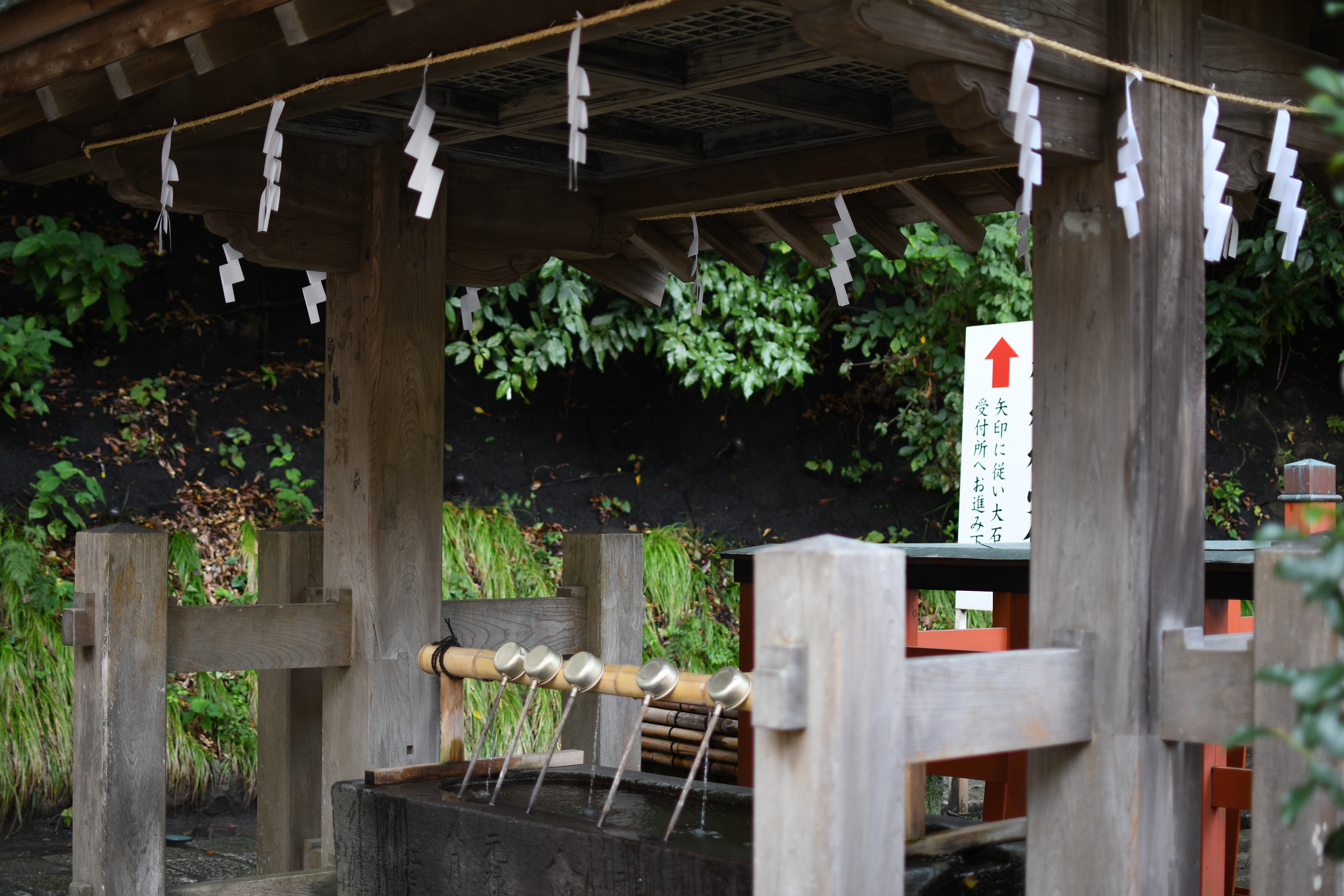
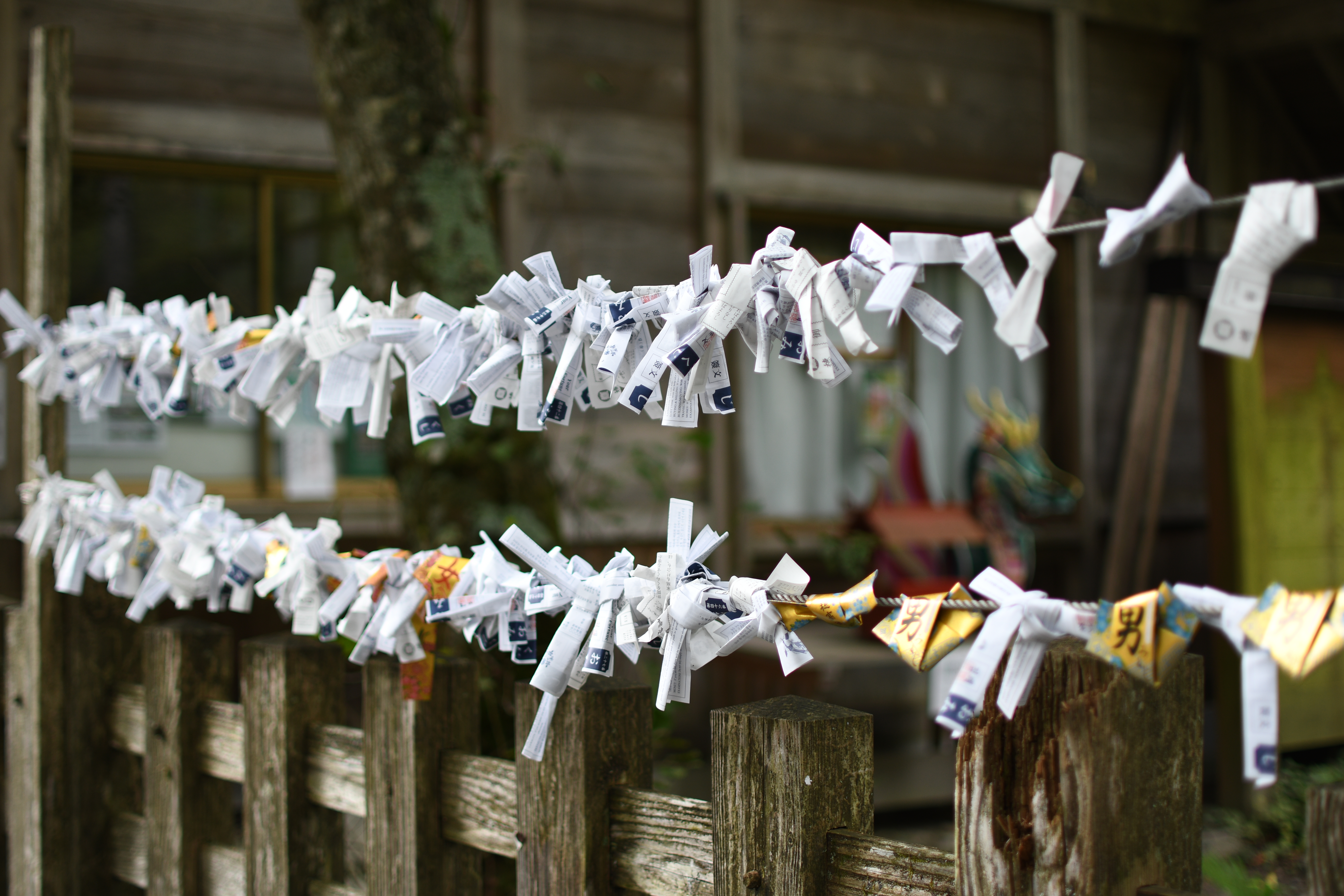
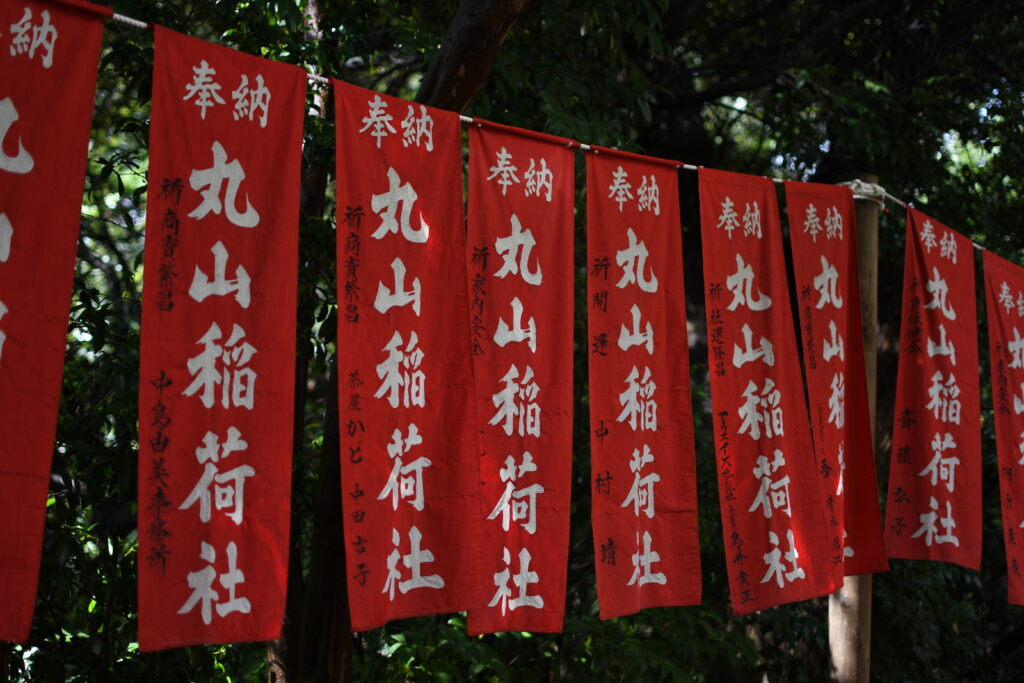
Shrines are usually Shinto shrines, and you’ll always pass through a gate — a torii — before stepping onto their sacred grounds. In front of a torii, it’s customary to pause for a moment and bow respectfully before entering. Another thing you might notice are the wells and scoops, which are used for purification. Worshippers use them to wash their hands and mouth before approaching the shrine. If you want to do it properly, be sure not to pour the used, “dirty” water back into the well — always let it drain away.
Temples, on the other hand, are Buddhist places of worship. You won’t enter through a torii; instead, you’ll likely be greeted by the scent of incense used for purification. That smell is a pretty good giveaway that you’re at a Buddhist temple.