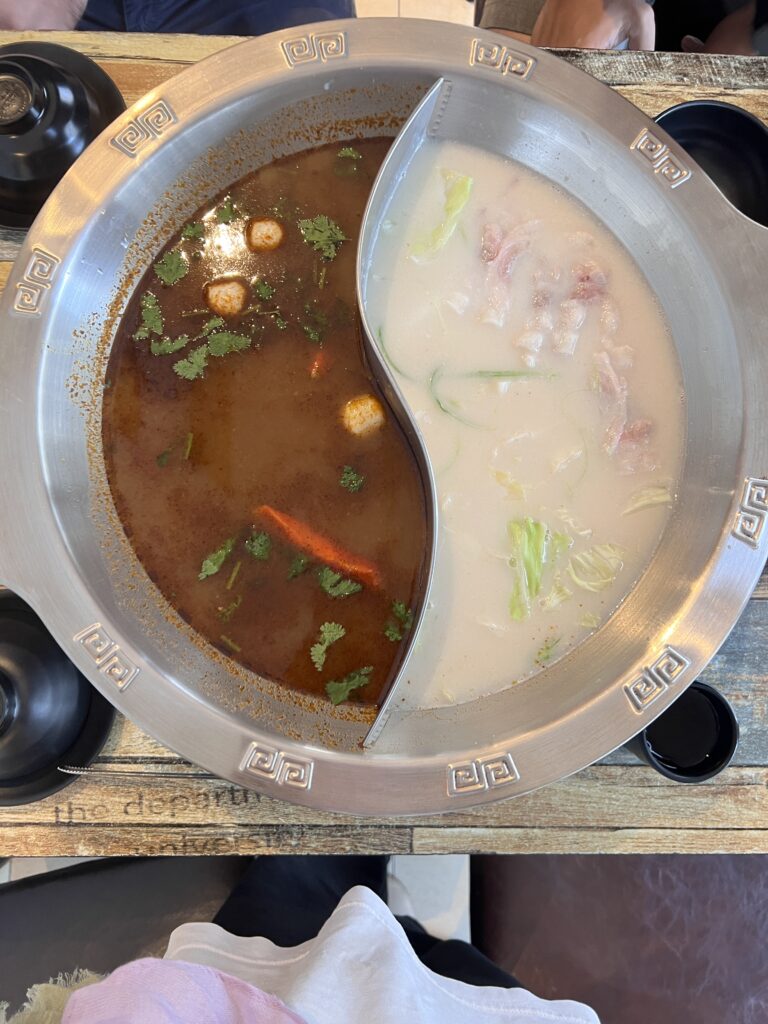
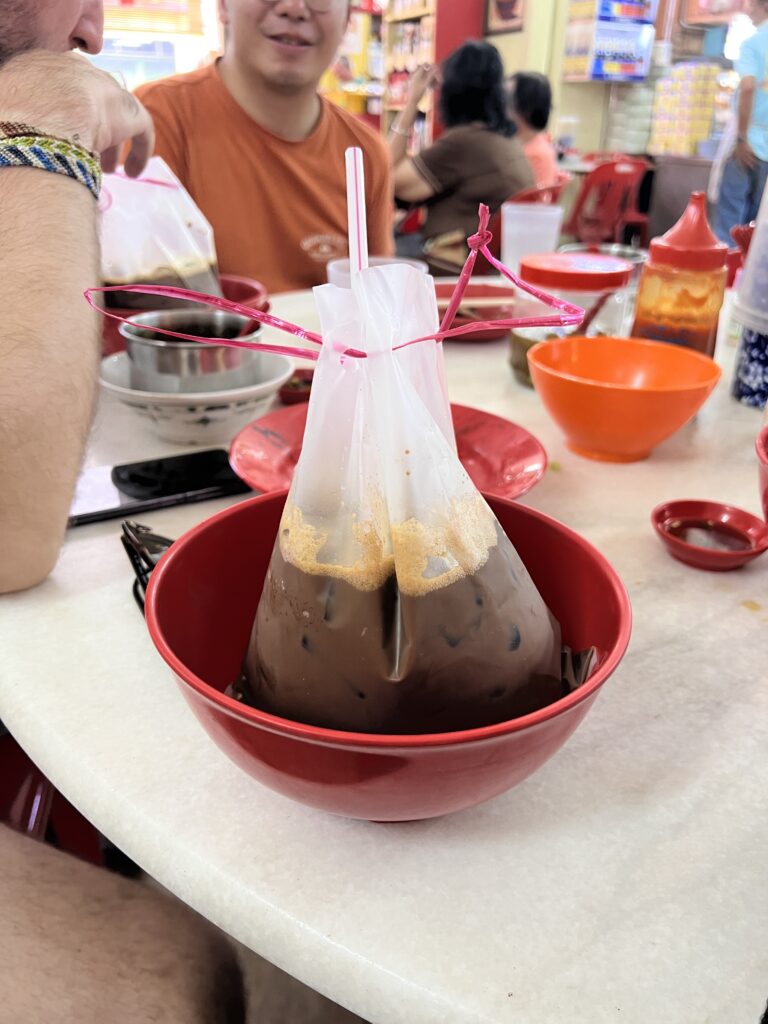
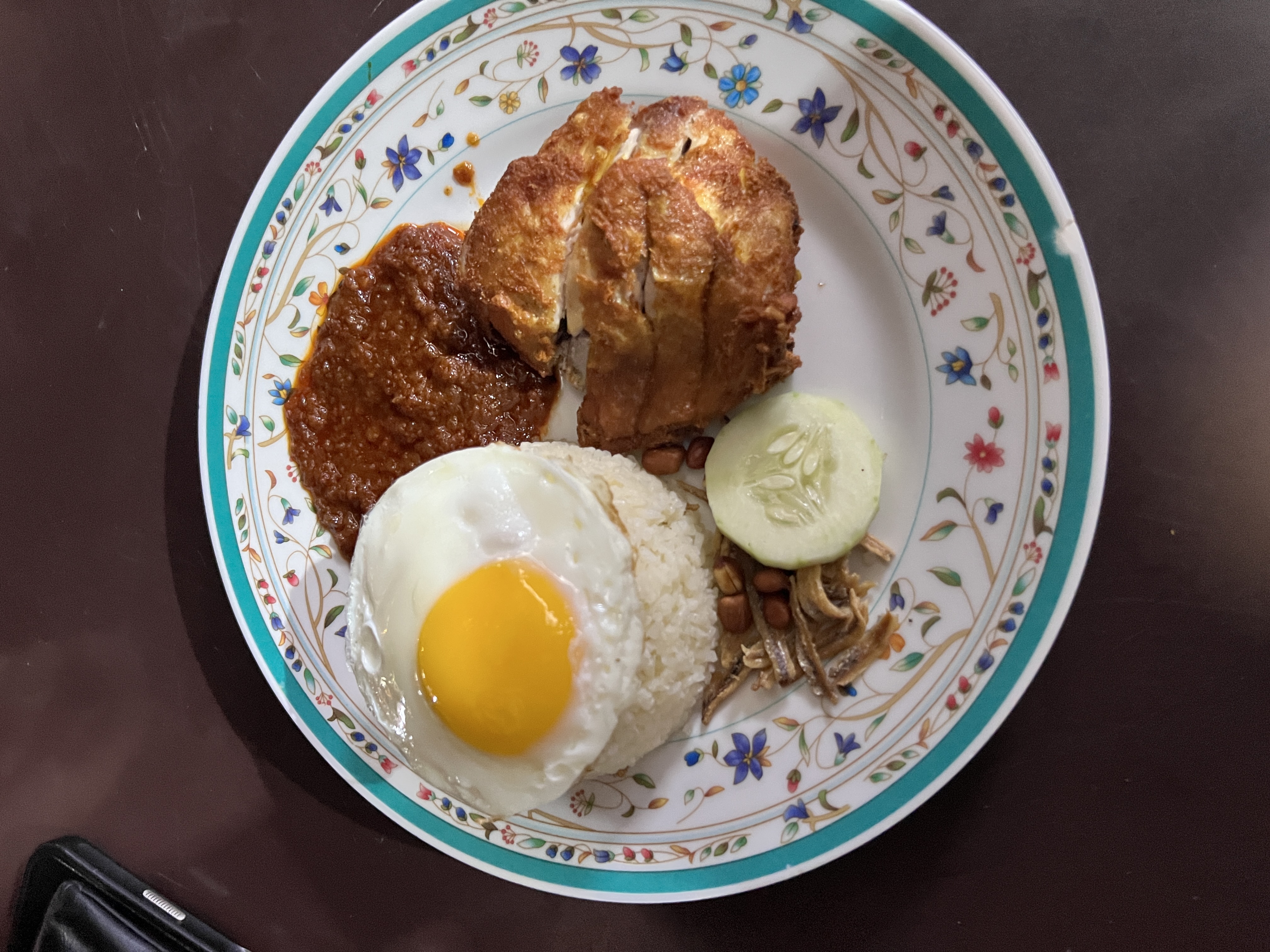
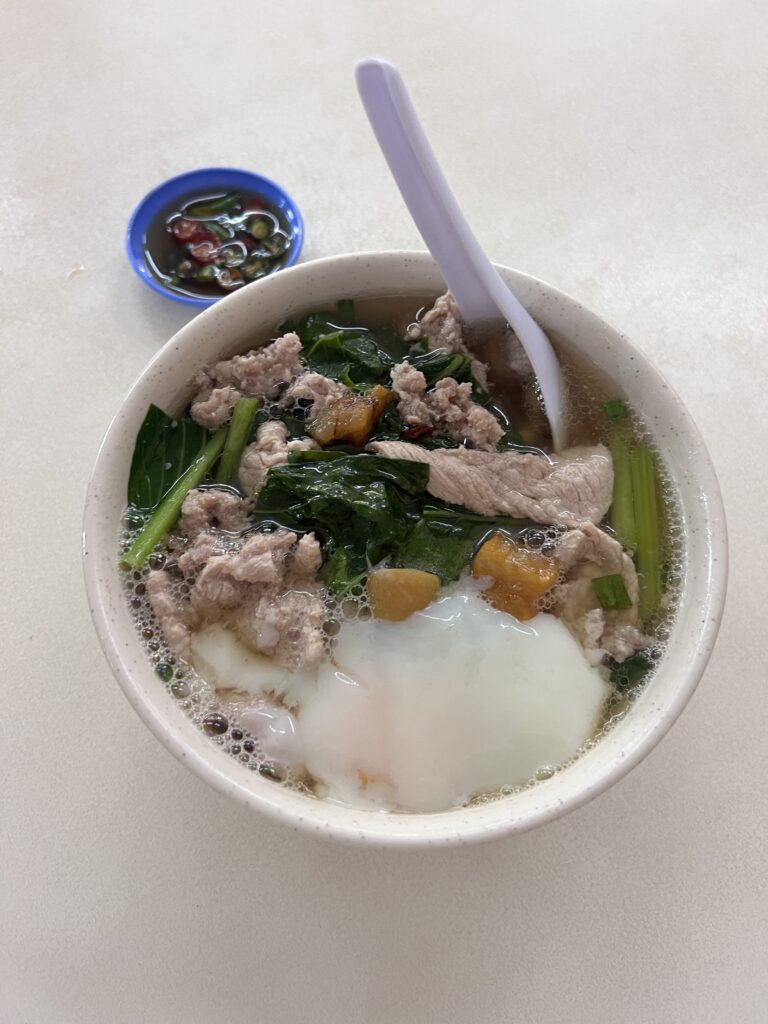
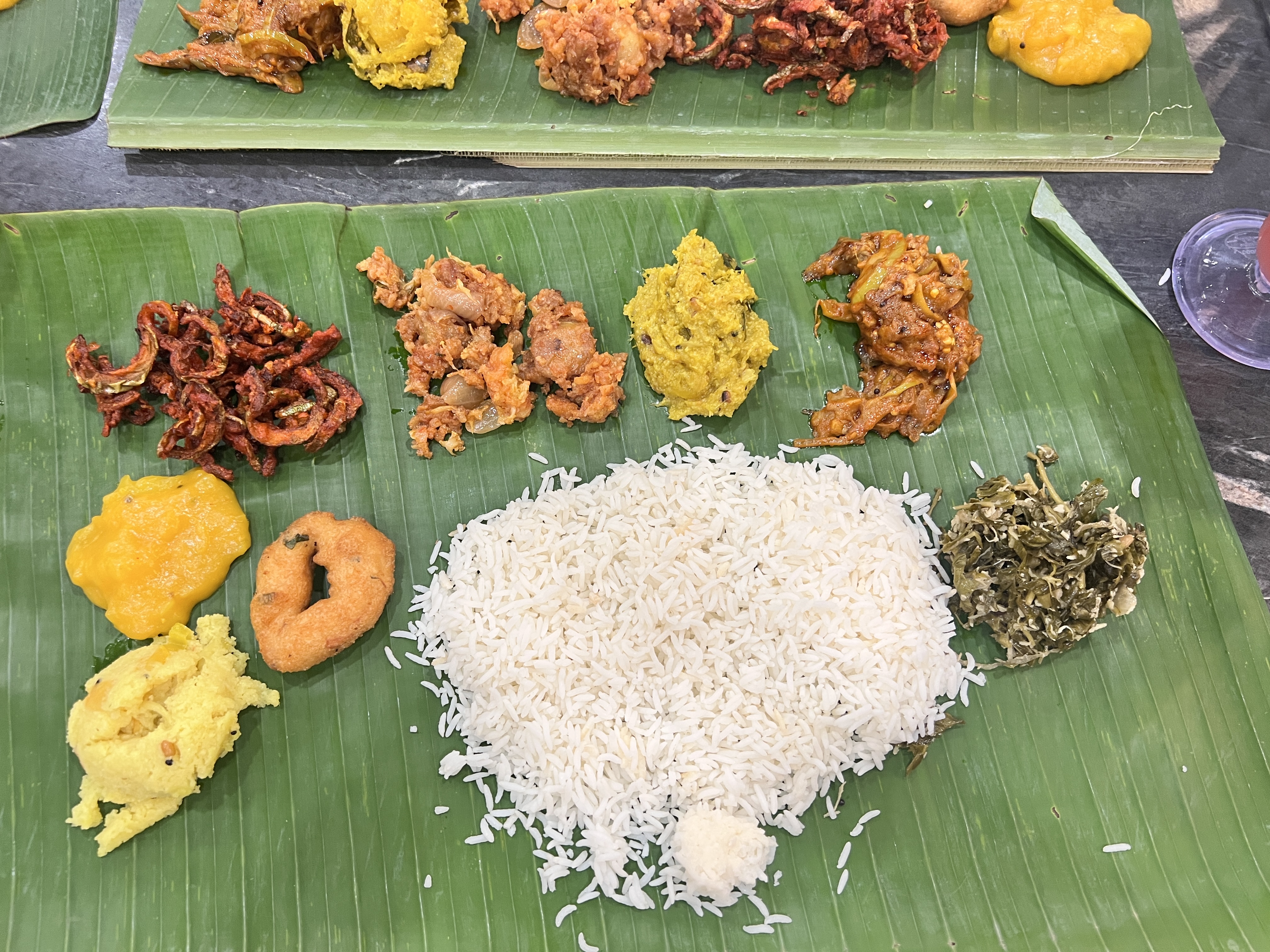
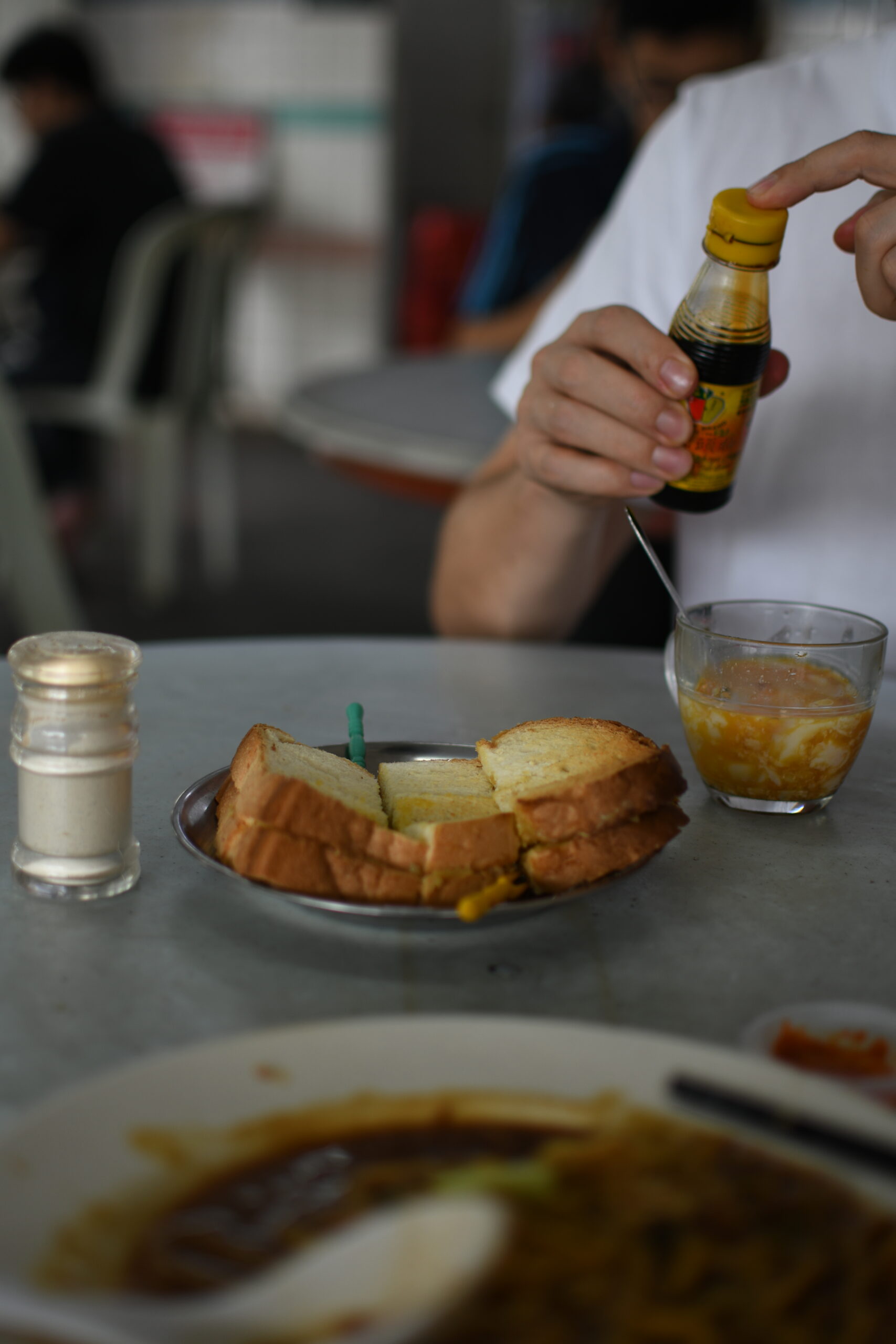
Malaysia can take you by surprise as an often underrated travel destination. Nestled between Thailand and Singapore, it is too often overlooked. Yet Malaysia is a well-developed and clean country, with breathtaking landscapes, a diverse culture, delicious food, and friendly people. Thanks to its cultural richness, you can visit a mosque, a Buddhist temple, and a Hindu temple not only on the same day but even within the same district.
About my trip: I went to Malaysia in October 2025 and stayed for about three weeks until mid-November. I spent the first two weeks mostly in Kuala Lumpur and the last week on Penang.
During my trip, the exchange rate to the euro was 1:5. For example, a Grab ride costing 10 MYR was just 2 EUR. The low prices made it easy to move around comfortably and to sample as much food as I possibly could.
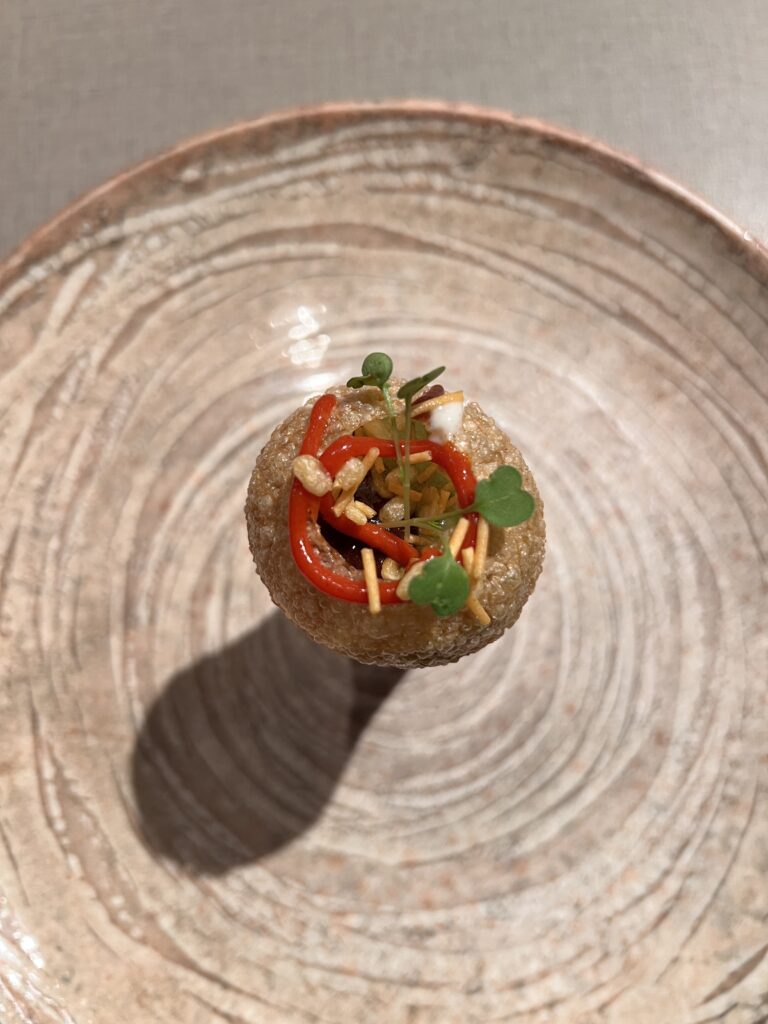
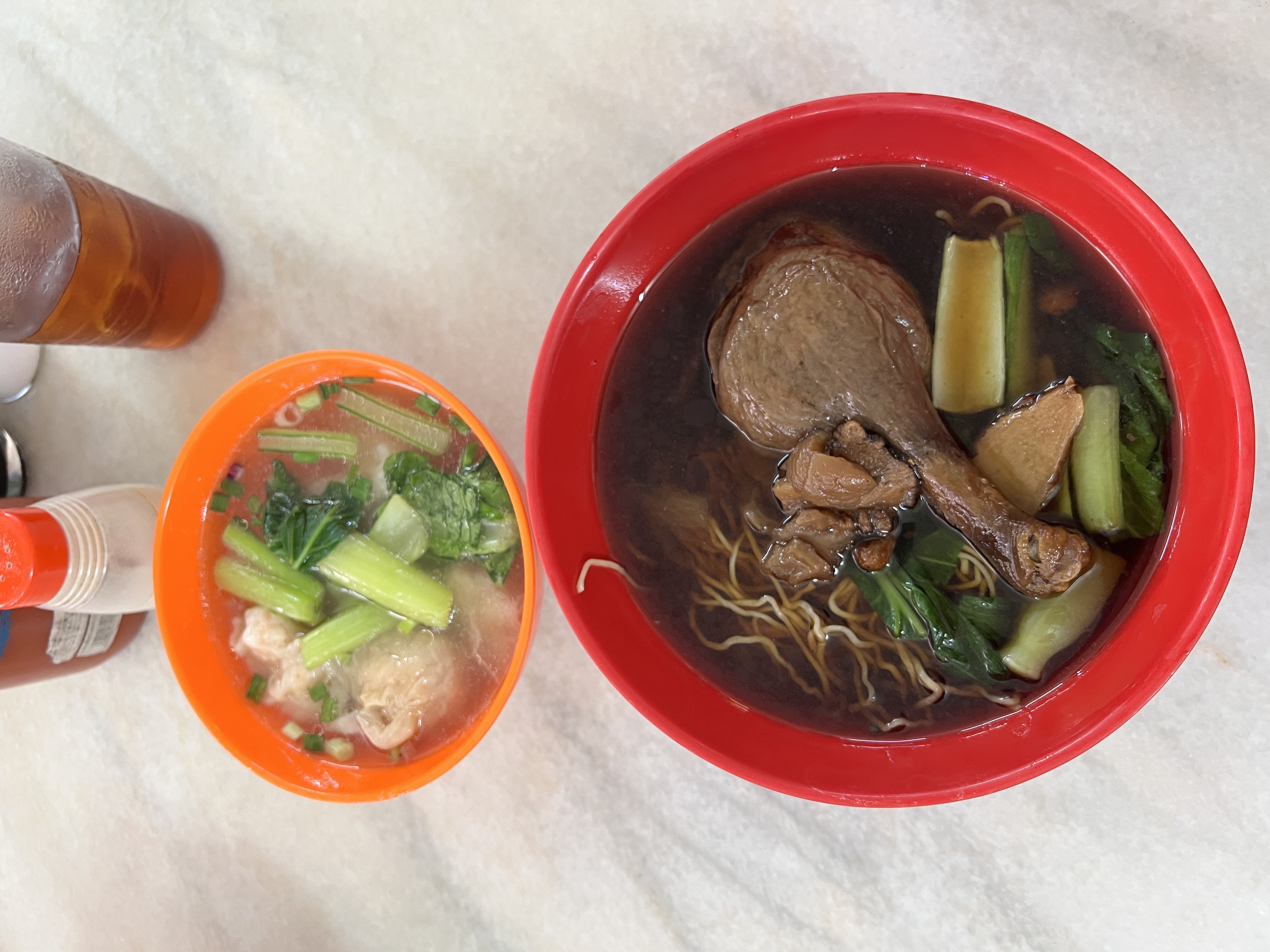
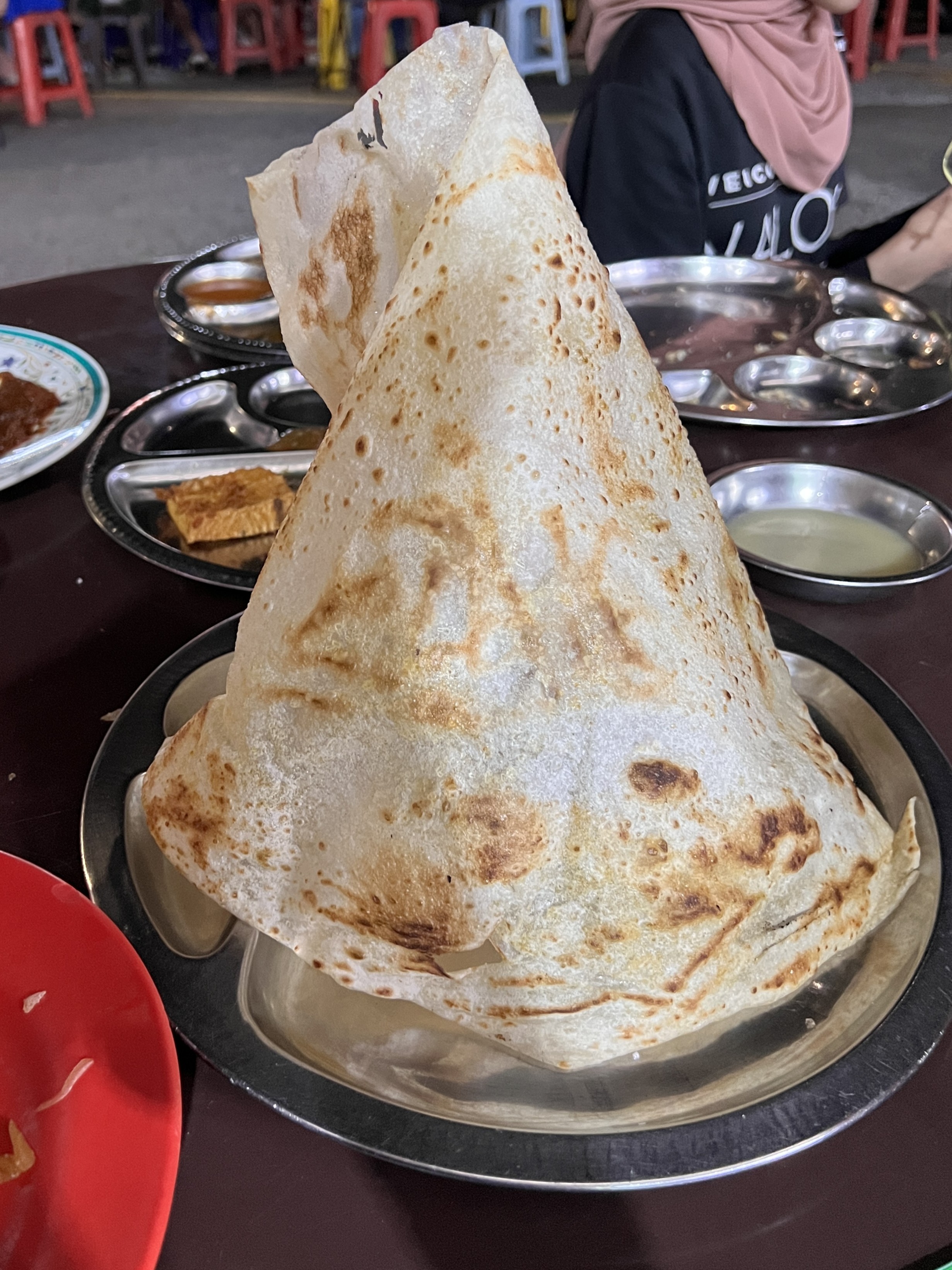
I was very fortunate to know some wonderful locals. Their hospitality was incredible, and the experience I had was truly unforgettable. The Malaysian people represent many ethnicities, the largest being Malay, Malaysian Chinese, and Malaysian Indian. This diversity creates a rich culture and cuisine. I was spoiled with introductions to the best delicacies multiple times every day. There wasn’t a single dish I didn’t enjoy – the most outstanding ones were though:
The Indian Starter: Pani Puri
The Chinese Main: Duck Noodle
The Malay Dessert: Roti Tissue
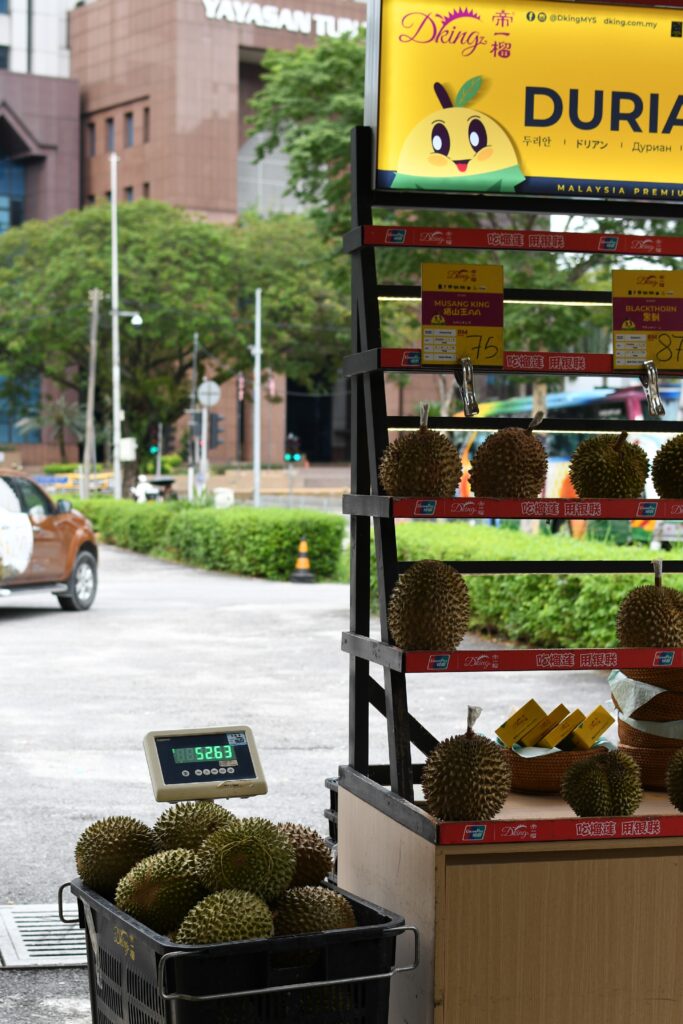
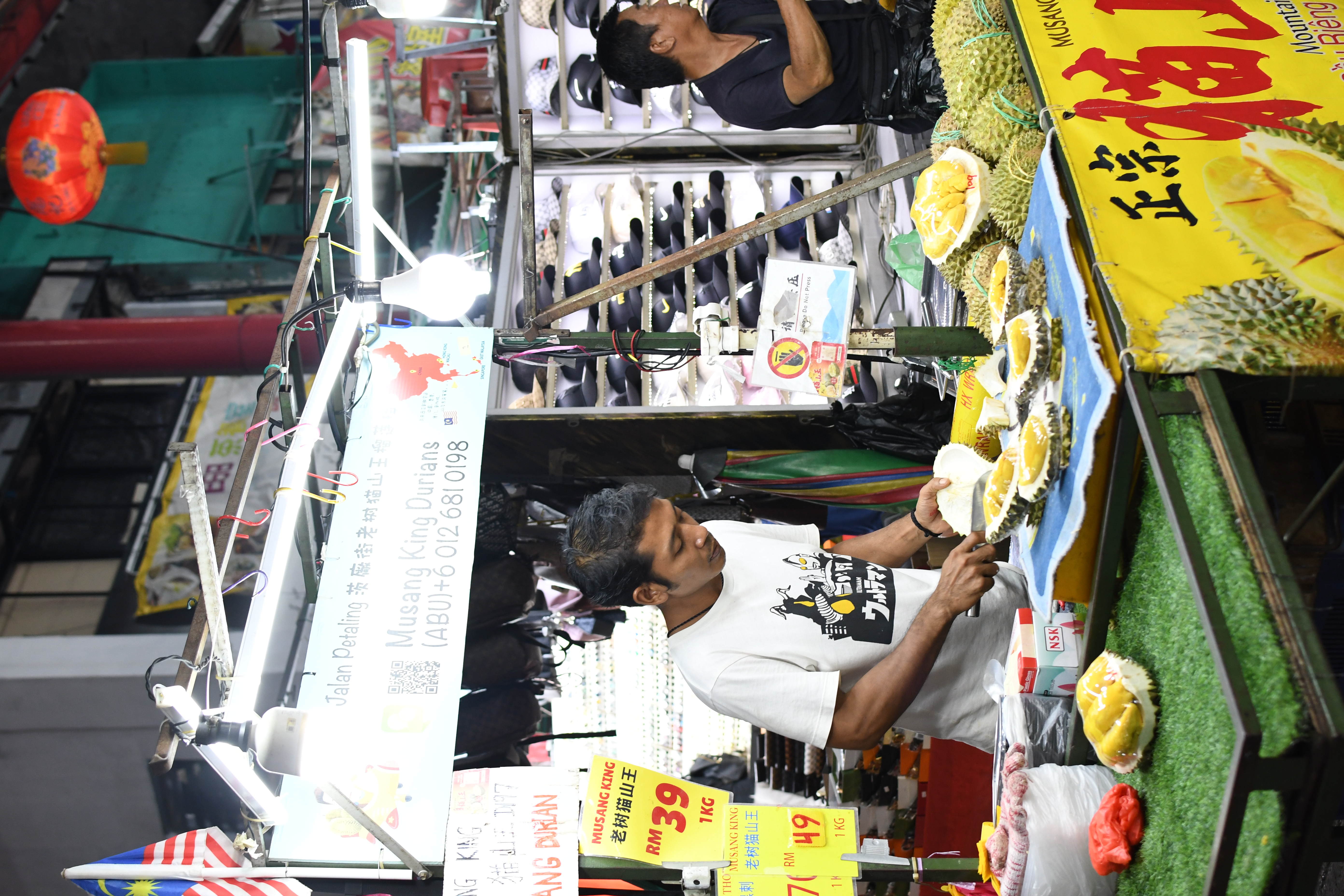
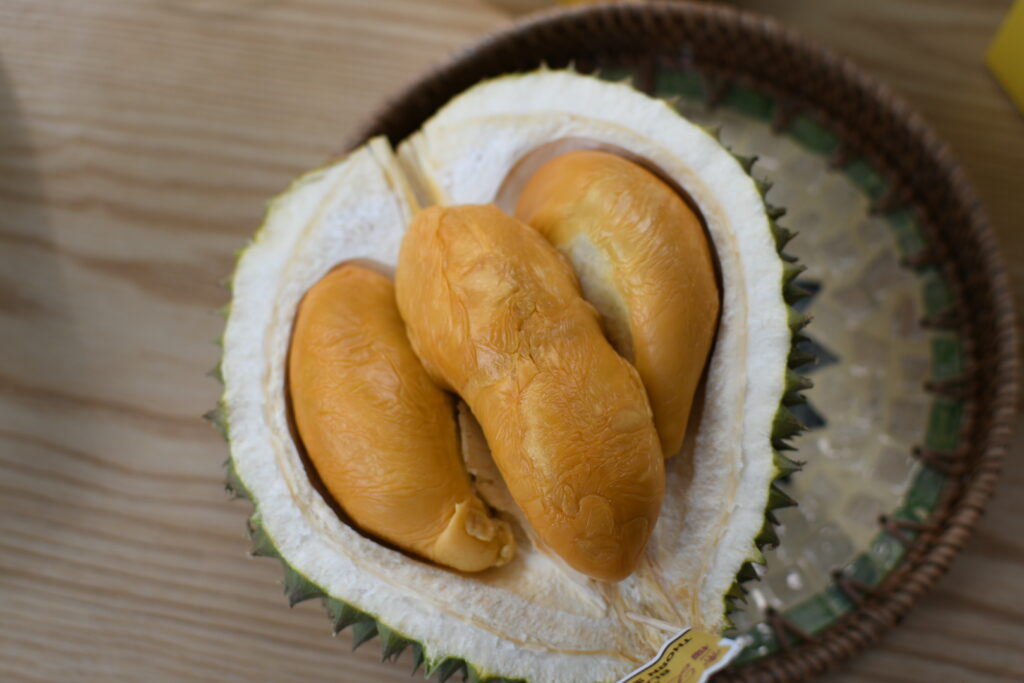
National fruit: Durian
People told me I’d either love it or hate it. I liked it. It’s not going to be my favorite fruit of all time, but I’d happily have it again and again. The texture takes some getting used to, as does the smell. Generally, though, it has a rich taste. Don’t be too cheap with your first purchase – I was told the difference between the fruits on sale can be huge. My favorite was the Black Thorn.
Before I begin, let me share one more piece of information that not everyone may know: while the official language is Malay, English is a very important second language. Malaysia uses the Latin alphabet, and although everyone learns Malay in school, the country’s many ethnic groups often communicate with each other in English. “Manglish,” a blend of Malay and English, is considered an unofficial language and makes traveling in Malaysia even more accommodating.
Kuala Lumpur
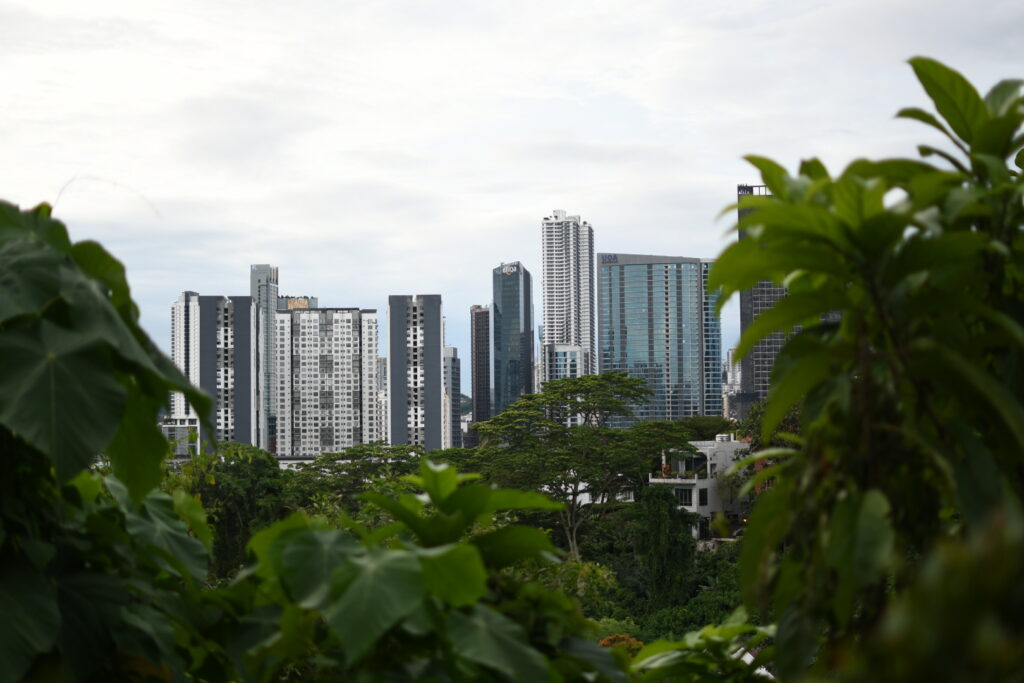
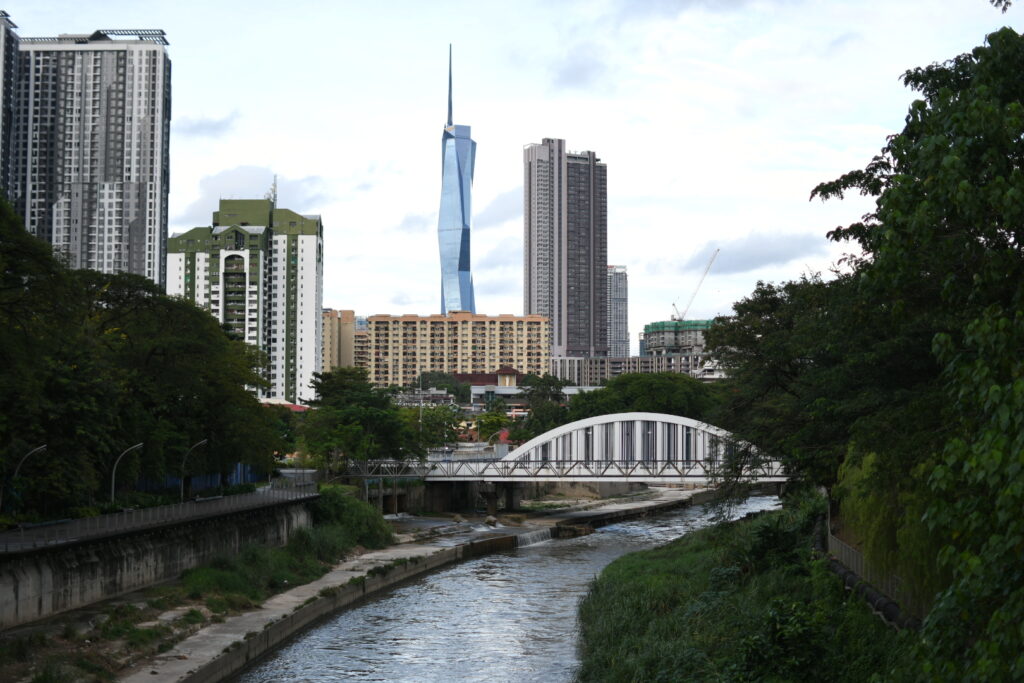
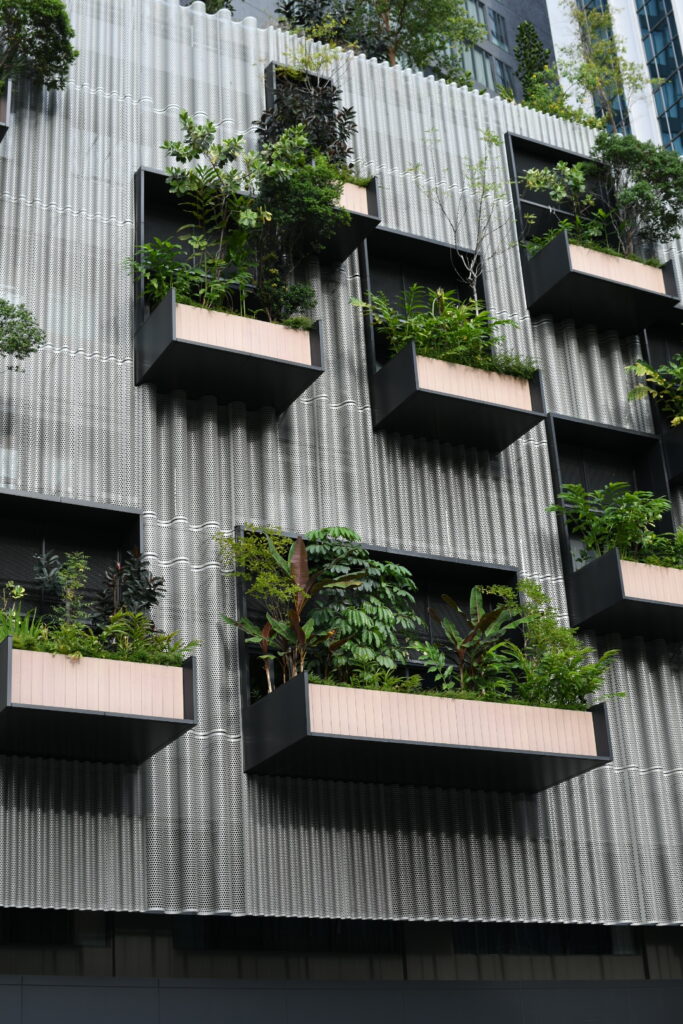
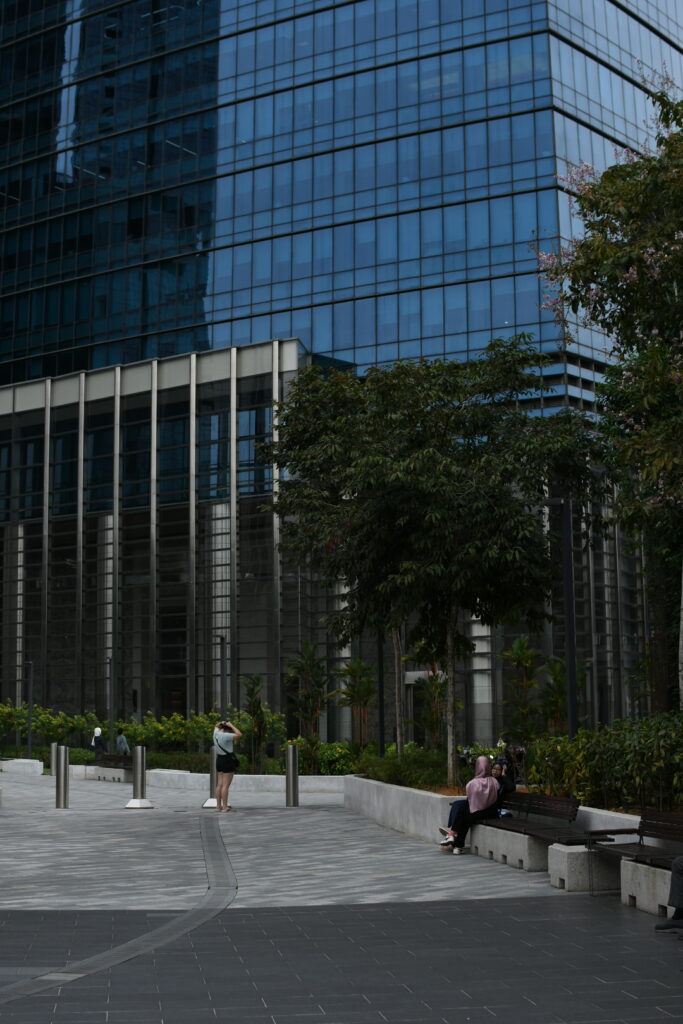
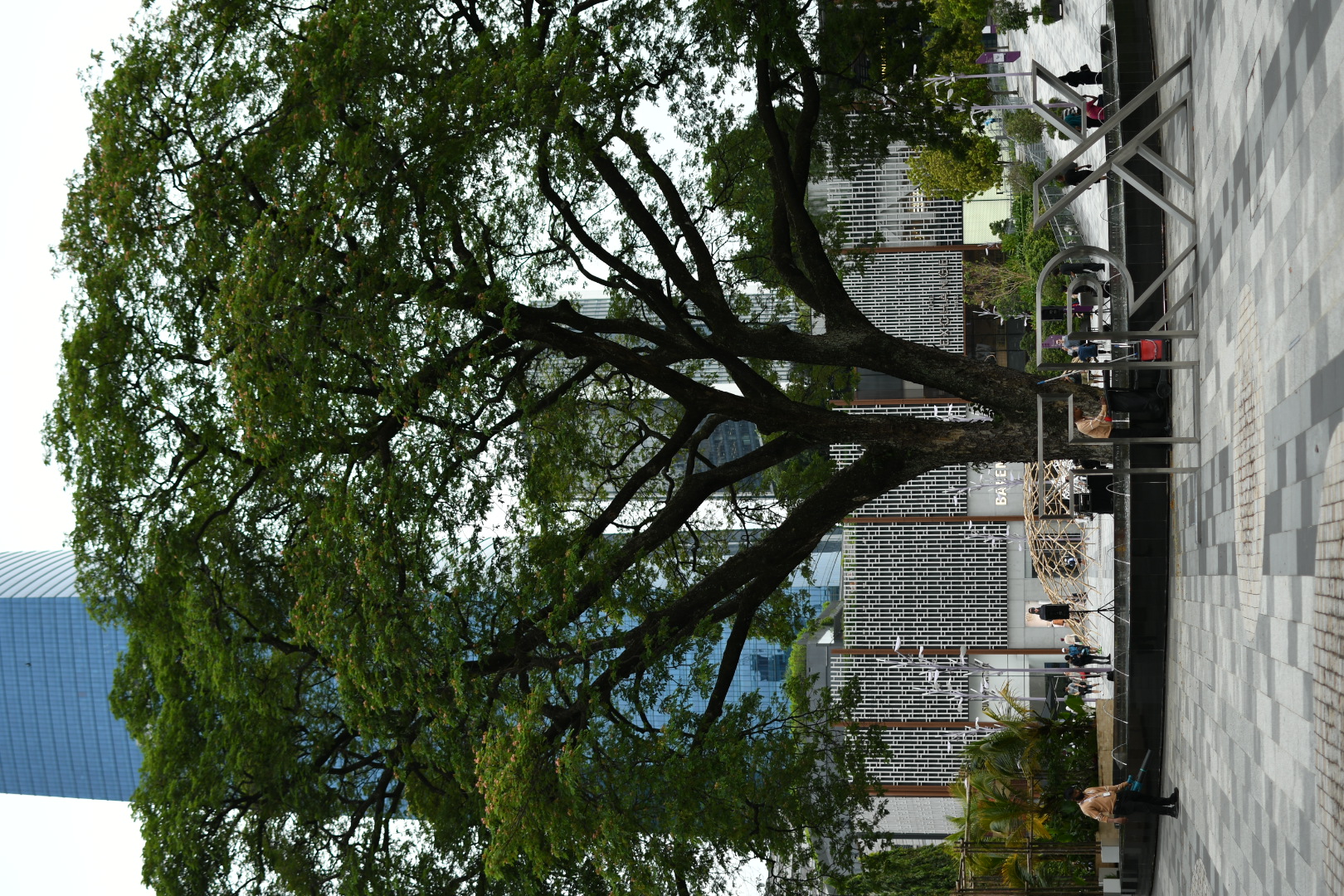
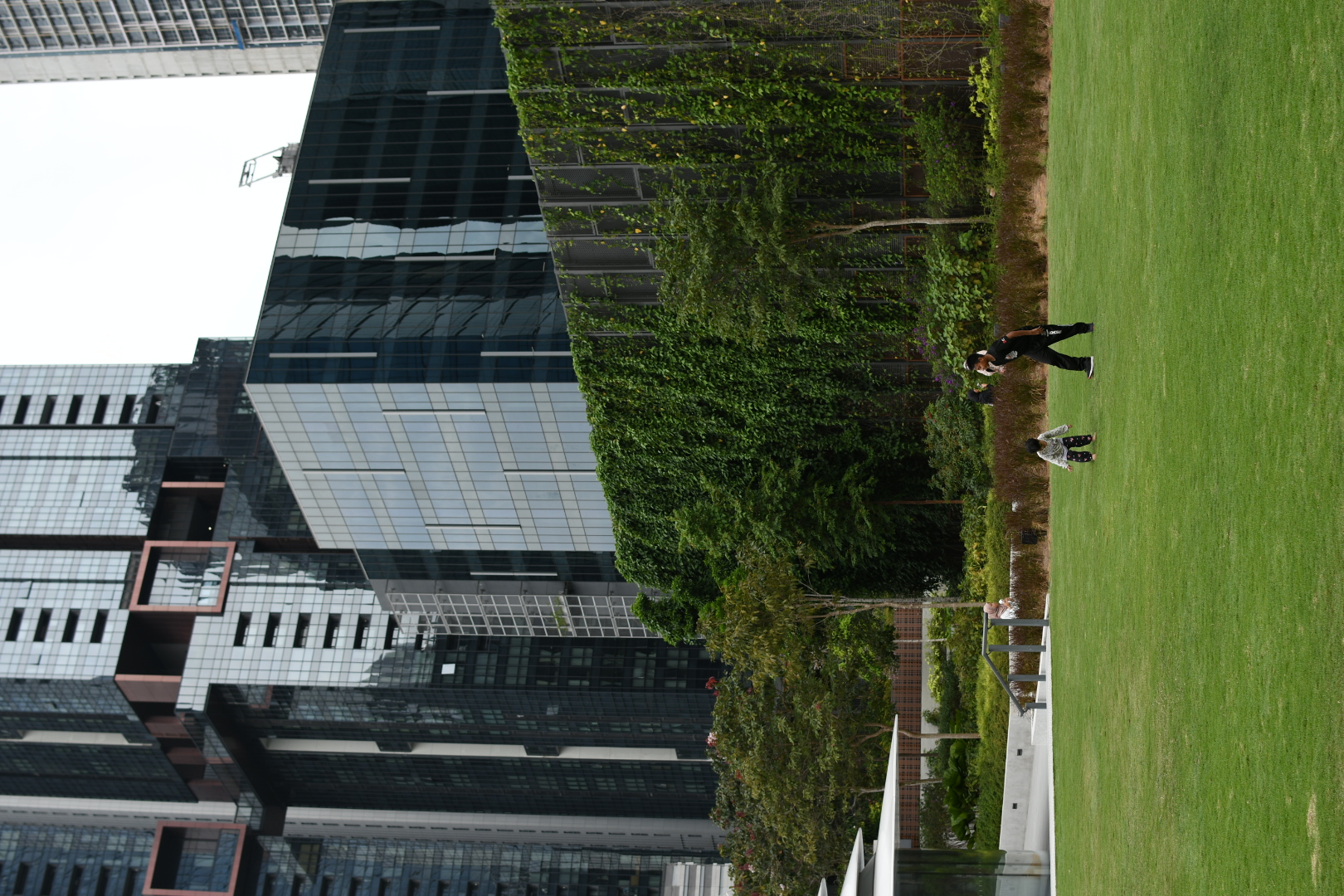
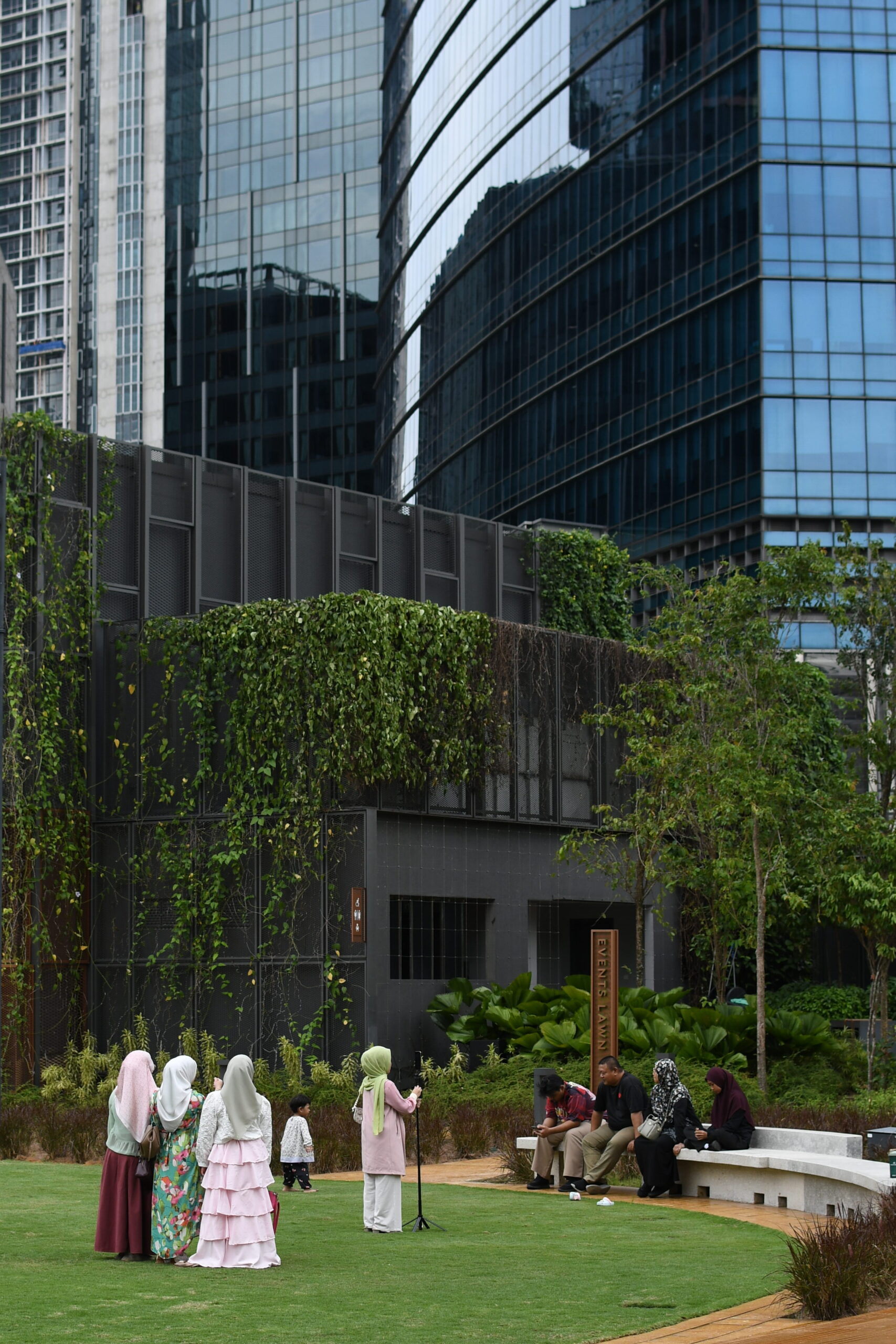
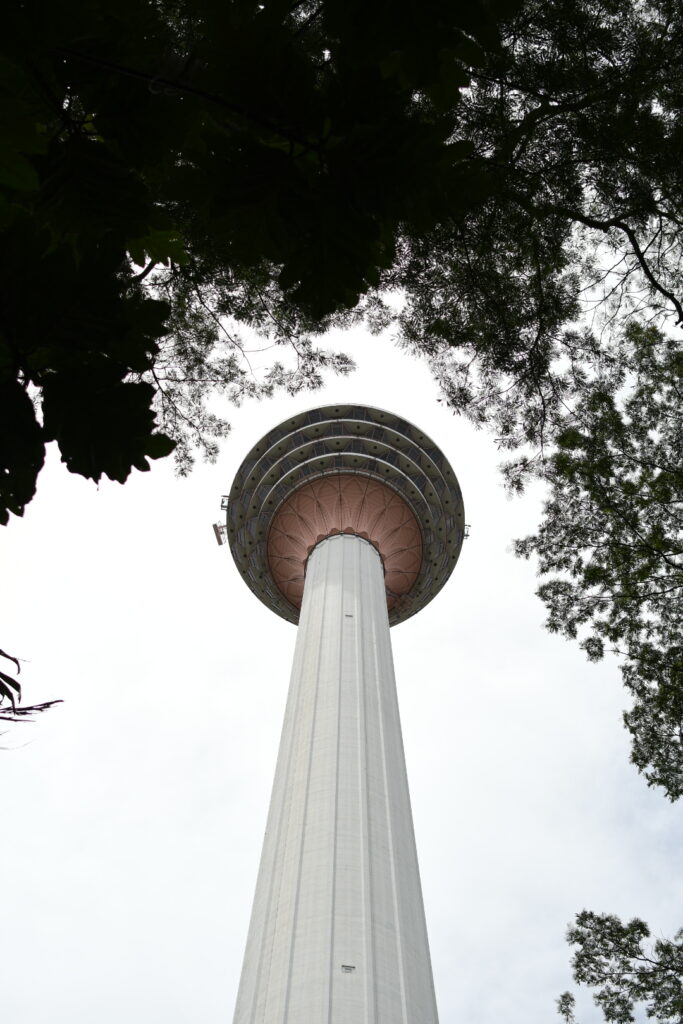
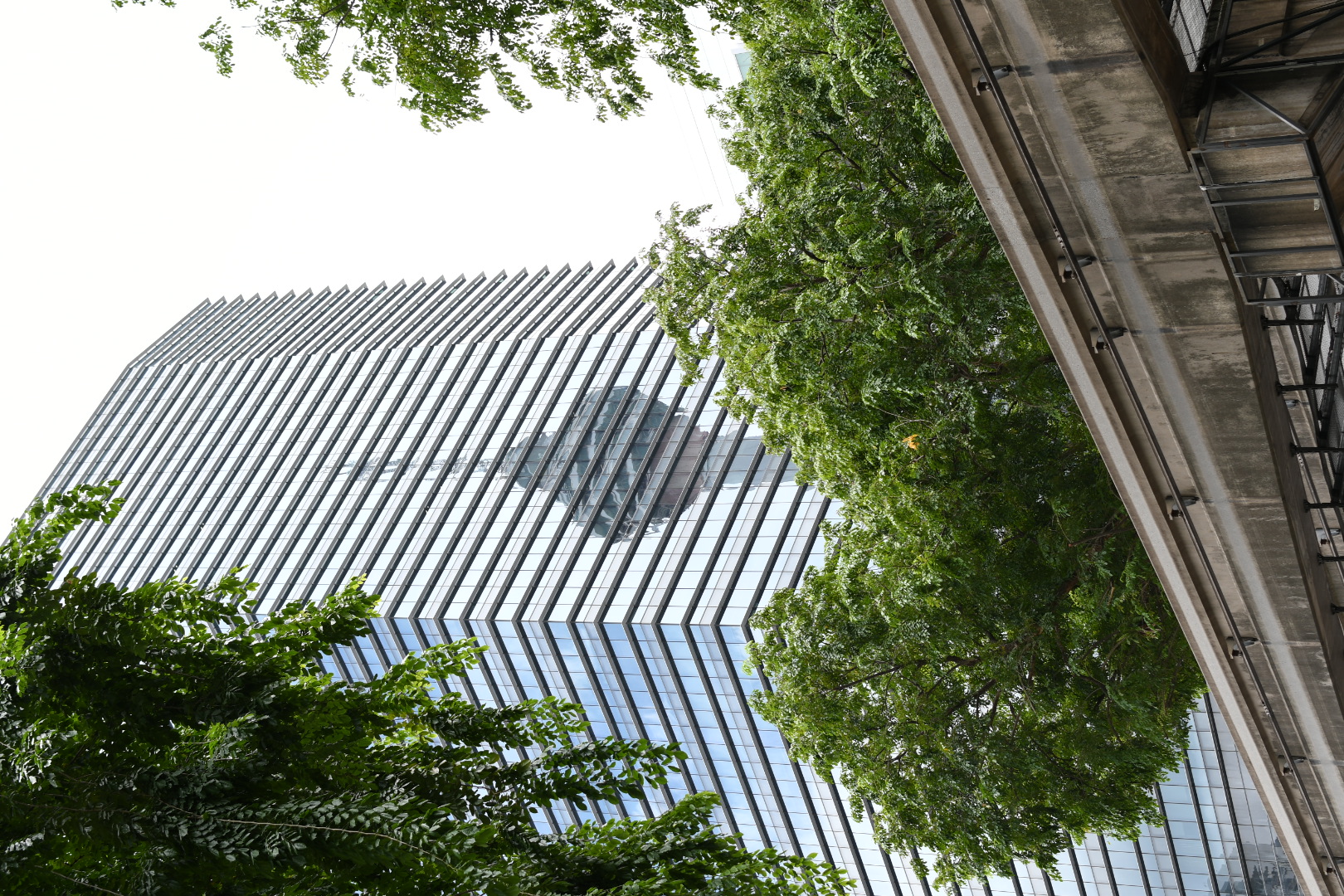
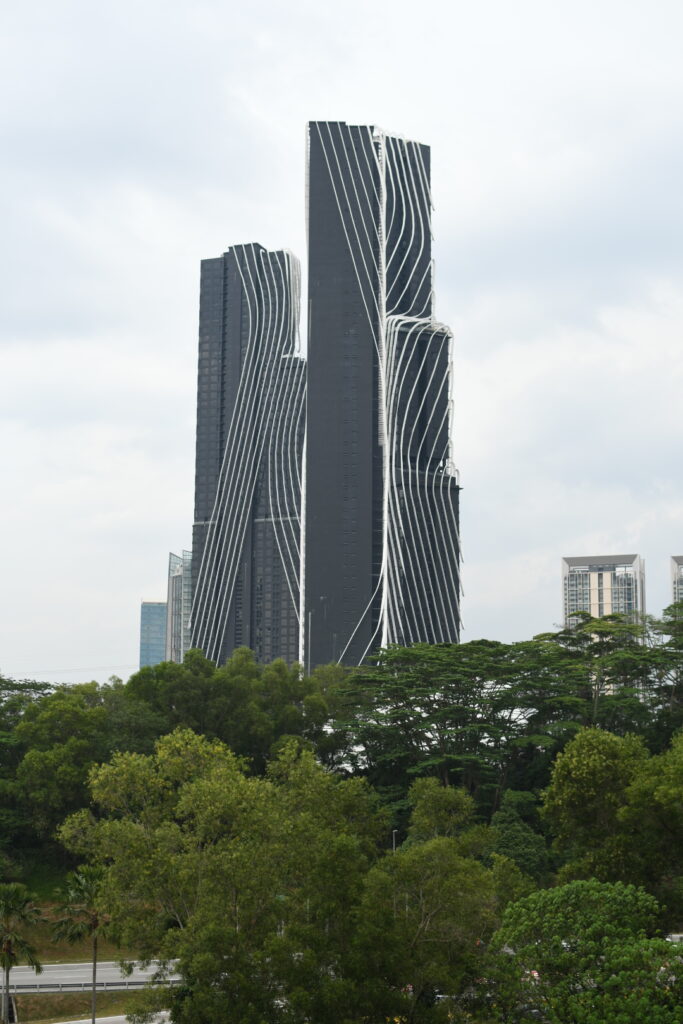
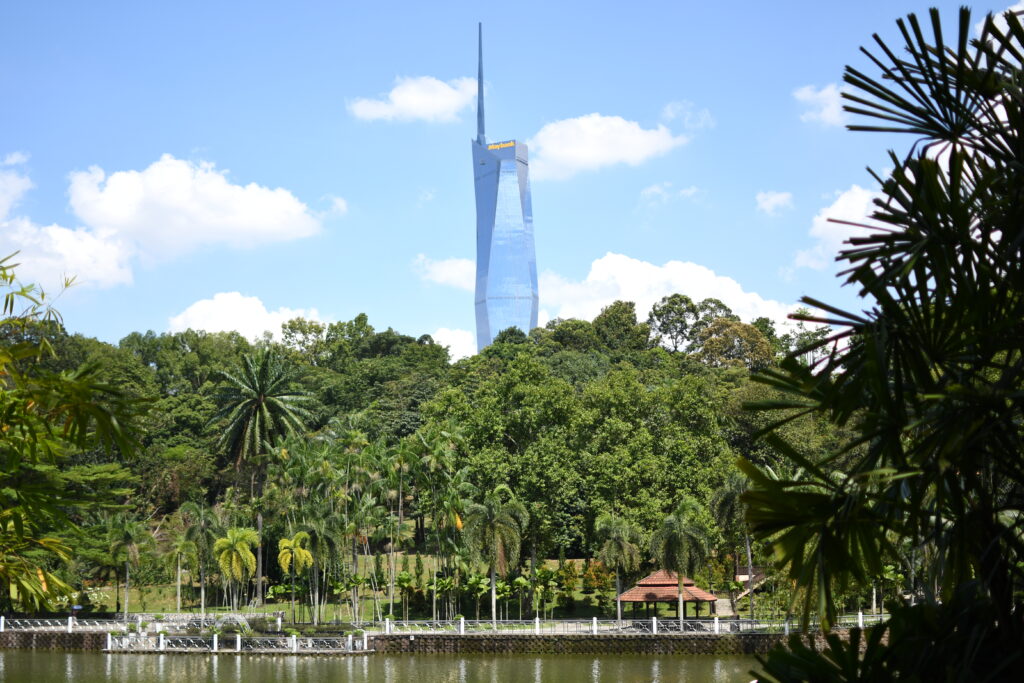
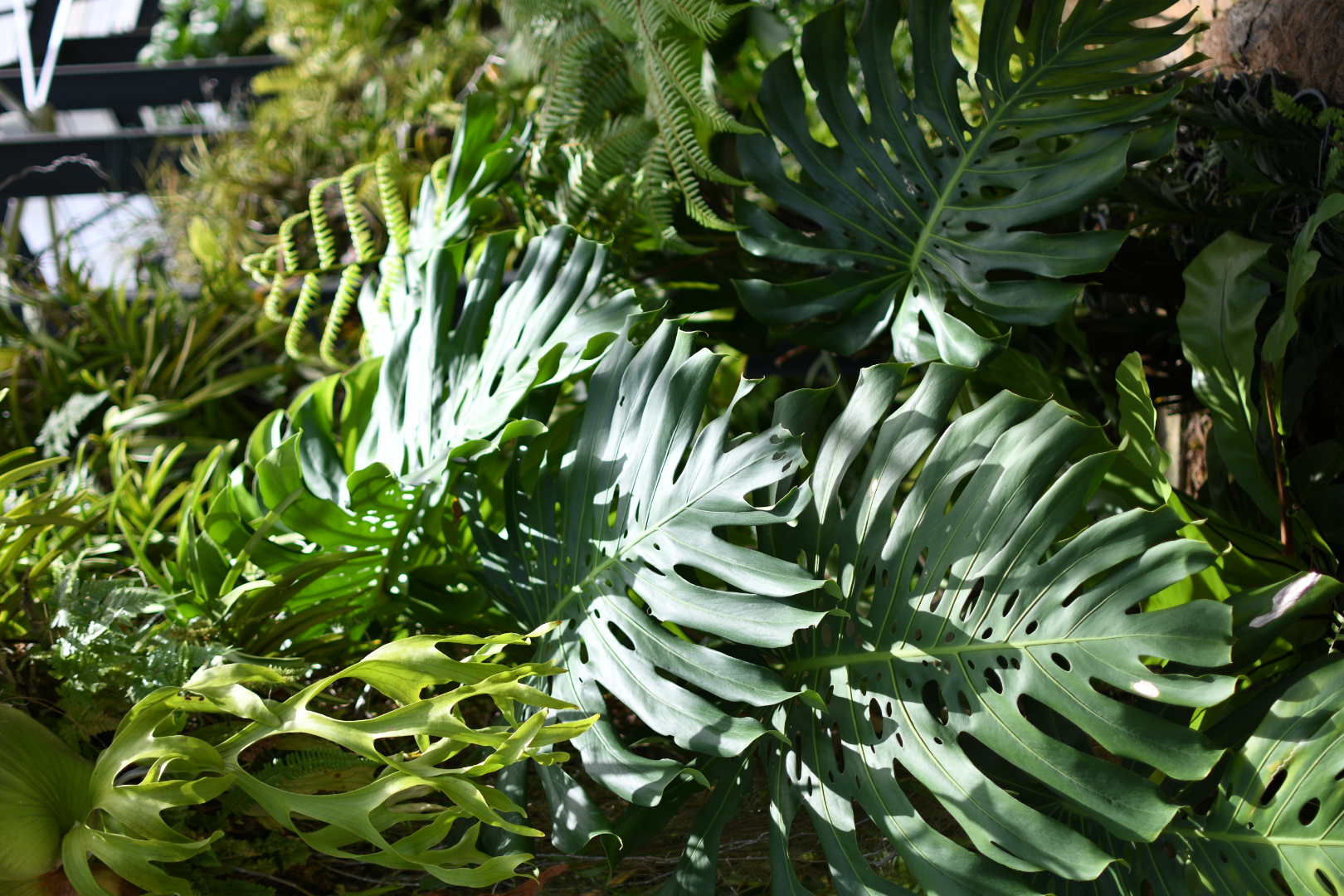
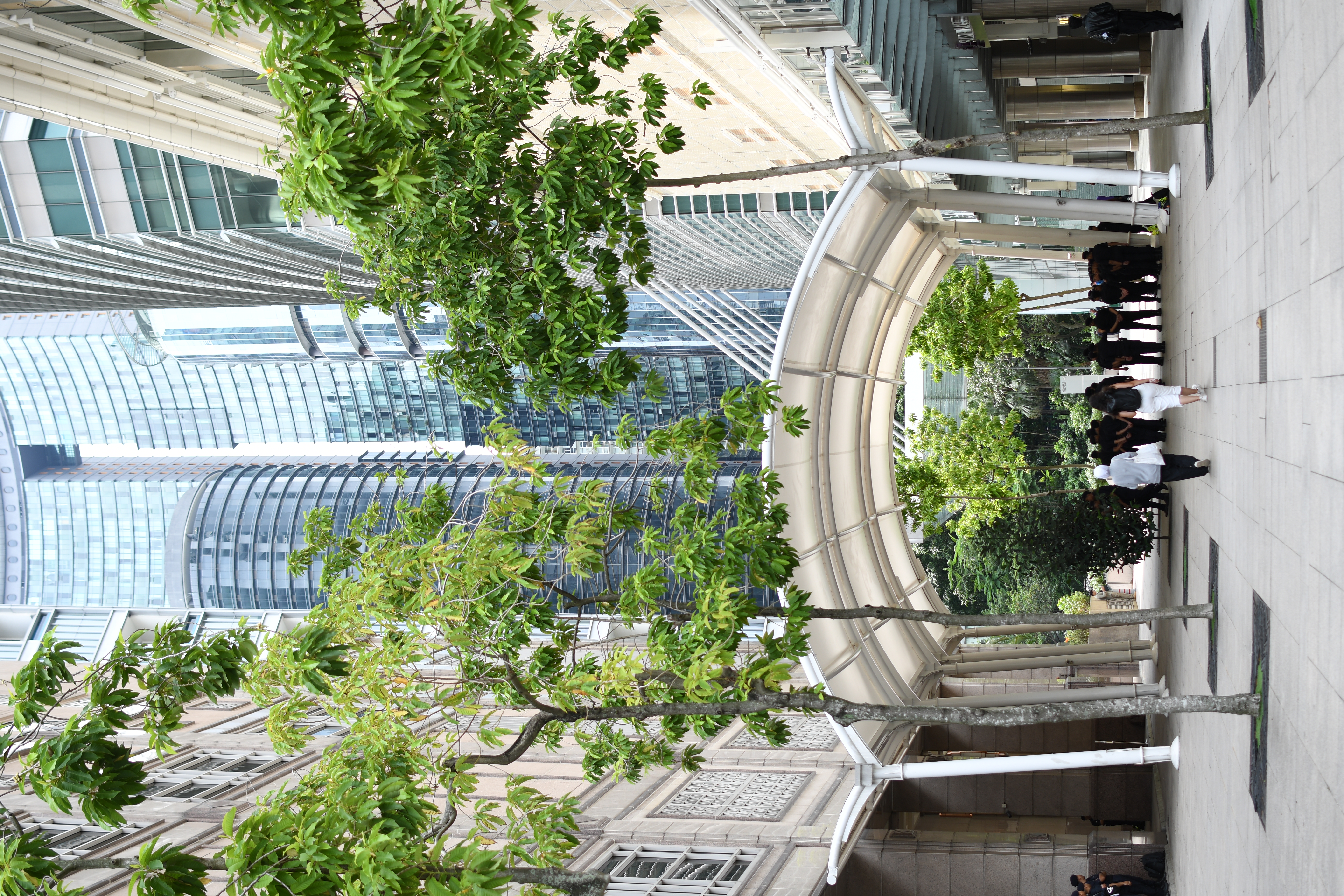
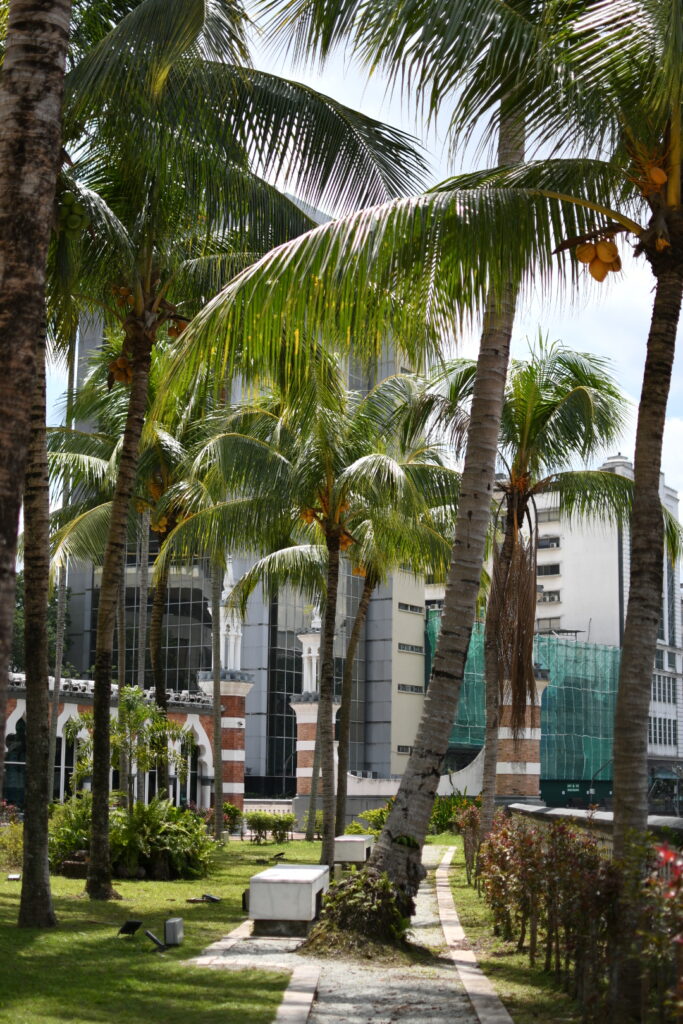
Kuala Lumpur, on a colour palette, is filled with lush greens and countless shades of gray. Towering skyscrapers rise dramatically amid the great greenery of KLCC. The urban landscape is thoughtfully designed – you can find some of the tallest buildings in the world standing alongside ancient trees and hanging gardens. Every evening, during the golden hour as the sun sets behind KLCC, you can watch and listen to flocks of birds circling the skies, gliding between the tall buildings, and returning home to the pockets of green in between.
KLCC
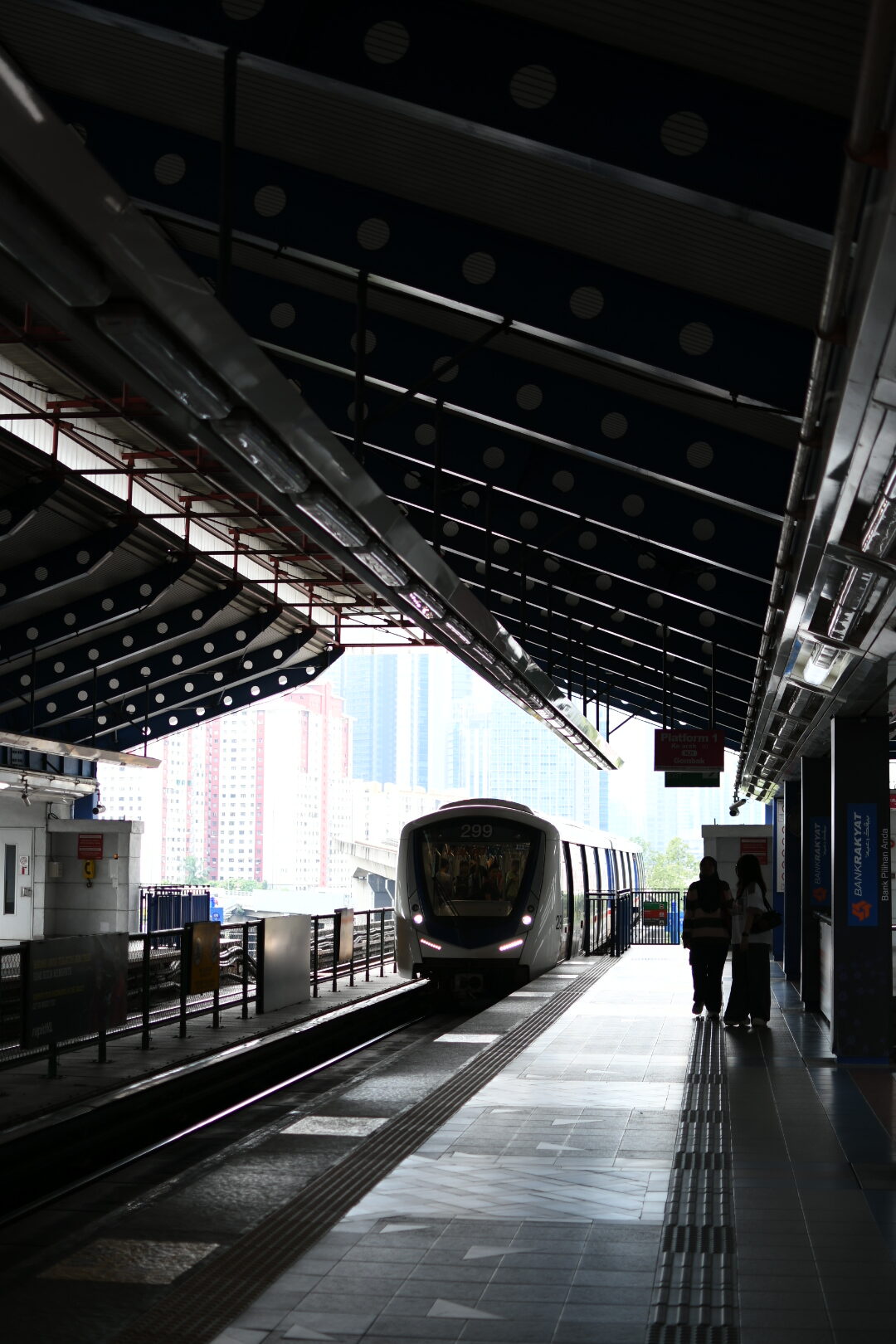
Personally, I think Kuala Lumpur City Center (KLCC) is just the right size. If there were sufficient sidewalks, I’d even call it a walkable city. Since it doesn’t quite have that, you’ll likely use Grab (the ride-hailing app) or take the metro. Within the city center, the metro runs mostly above ground and offers fantastic views of the skyline. If you’ve been to Chicago before, you can imagine a similar Gotham-like vibe – but set in a green, post-apocalyptic universe where nature fights to reclaim space and take over human-built structures.
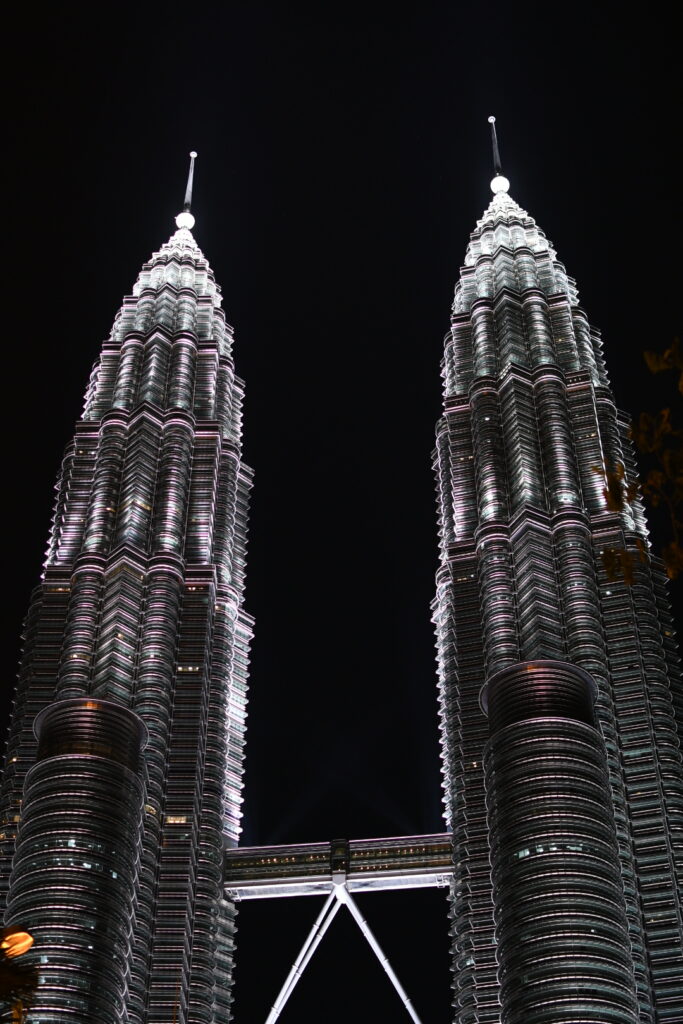
KLCC and the famous petronas twin towers
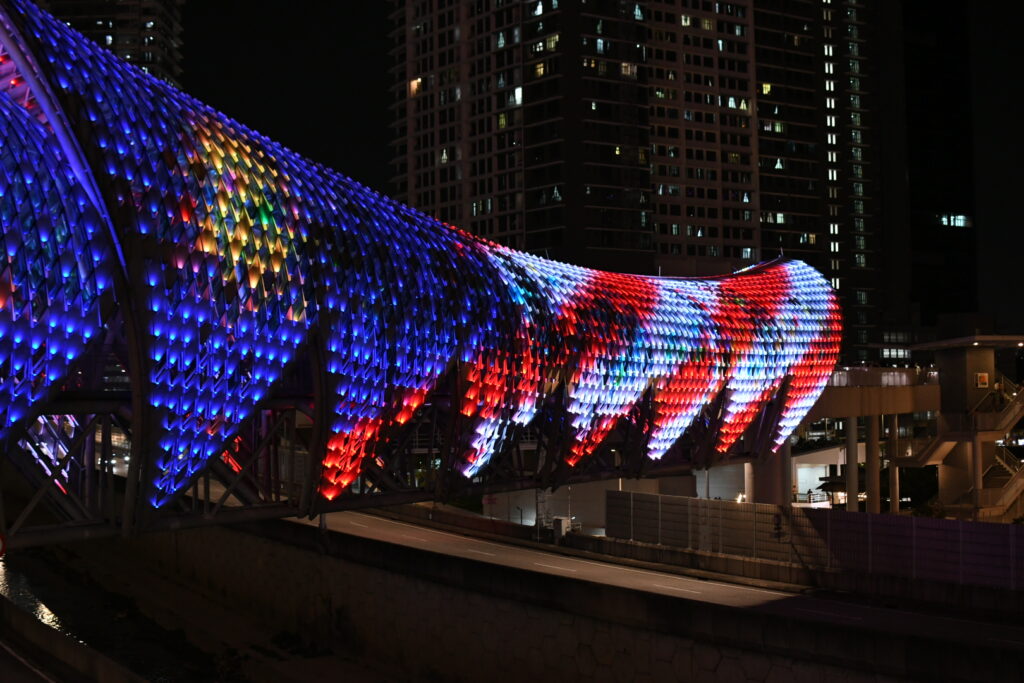
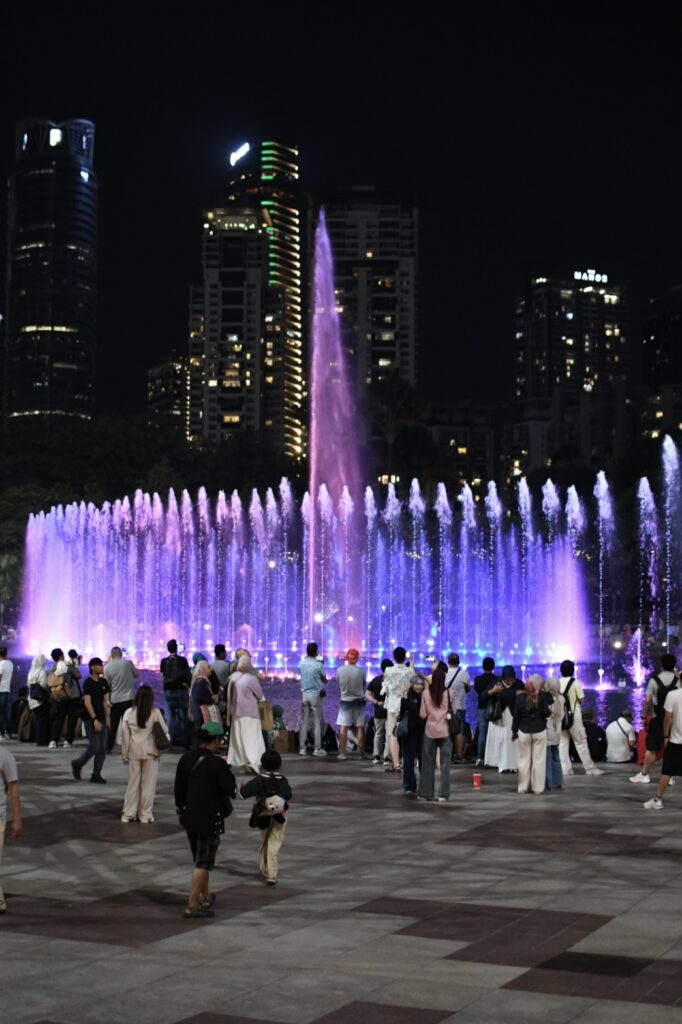
KLCC Park is probably the most popular spot in Kuala Lumpur, located in front of the famous Petronas Towers. It’s a lively area – well maintained, clean, and offering musical light and water shows almost every night. I’d recommend visiting KLCC at night. Starting at the Saloma Link, you can walk toward the Petronas Twin Towers, which are beautifully illuminated, and finish your evening stroll at KLCC Park.
Botanical Gardens
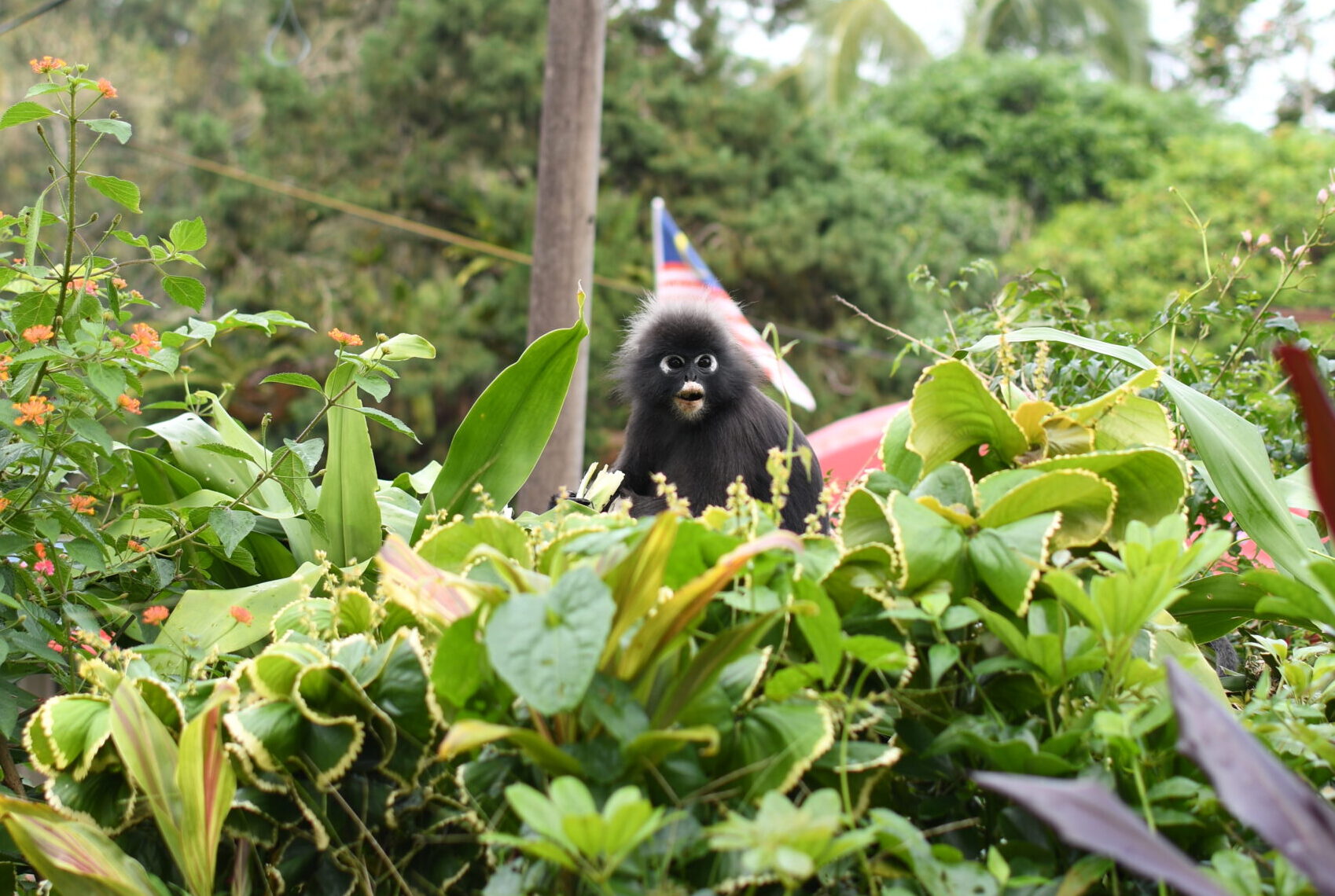
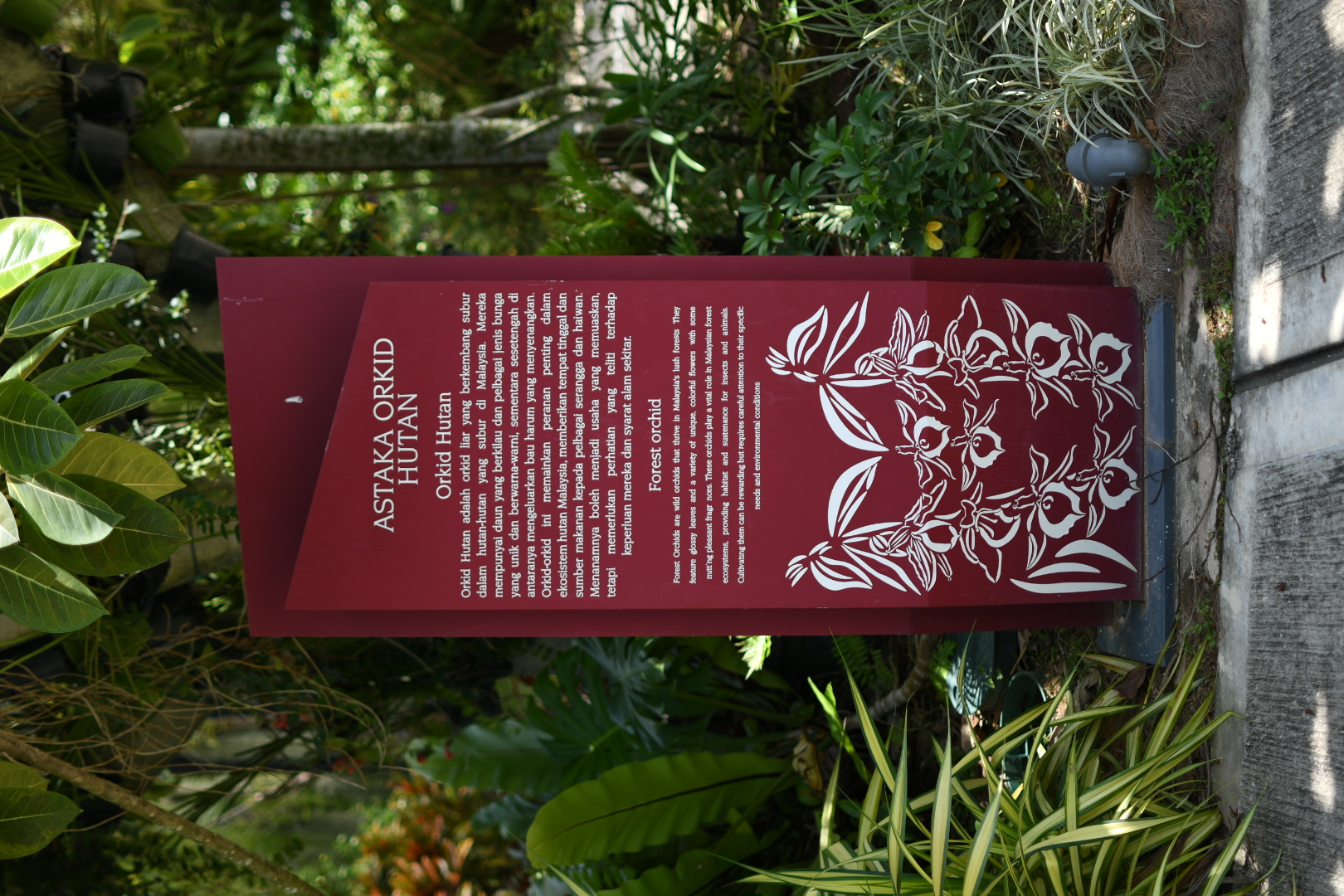
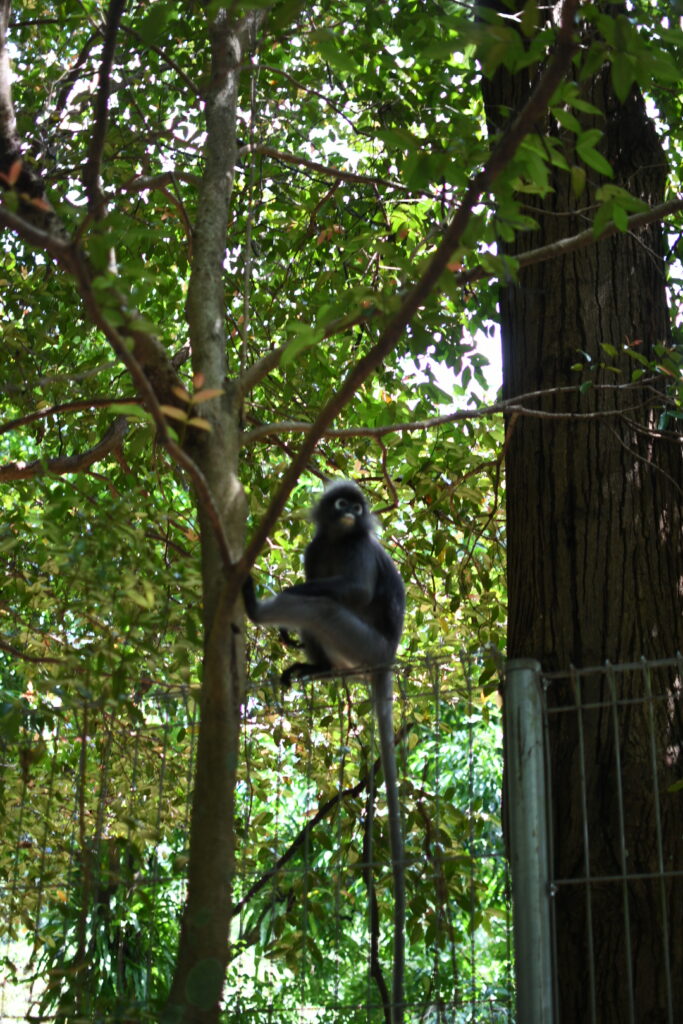
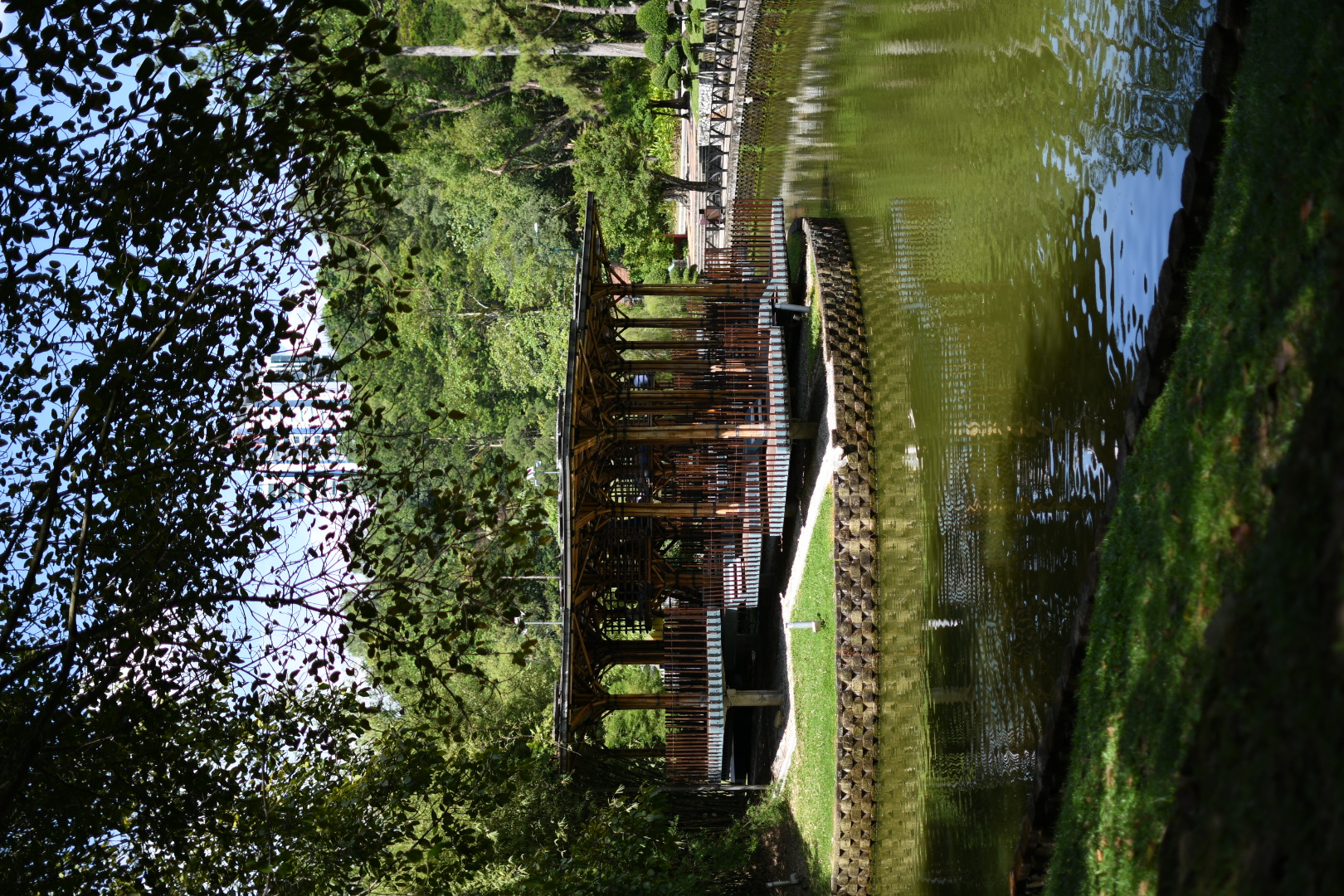
One of my highlights when strolling around Kuala Lumpur was the Botanical Gardens. Looking at Google Maps, I’m referring to the entire green area surrounding the Planetarium. You can easily spend three to four hours there. The area is vast, and if you’re lucky, you might meet some fluffy friends along the way. I got lost for a moment while searching for the entrance to the main park and stumbled upon a curious langur. This little fellow definitely made my day. Little did I know that s/he wouldn’t be the last cute encounter during my time in Malaysia.
islamic culture
If I understood correctly, by state rule all Malay people are Muslim. Hence, Malaysia is considered a Muslim country, following aspects of Sharia law, with high taxes on alcohol and an abundance of halal restaurants. Malay women are expected to dress almost fully covered. However, given the presence of other ethnic groups, the overall picture you’ll get is mixed and mostly tolerant. It’s not unusual to see a fully covered Malay girl chatting with a Malaysian Chinese girl in a cute mini skirt over a matcha latte. I learned that Sharia law is not fully enforced in Kuala Lumpur, but that the younger generation today tends to cover themselves more than women did only two generations ago. Personally, I find this a curious trend.
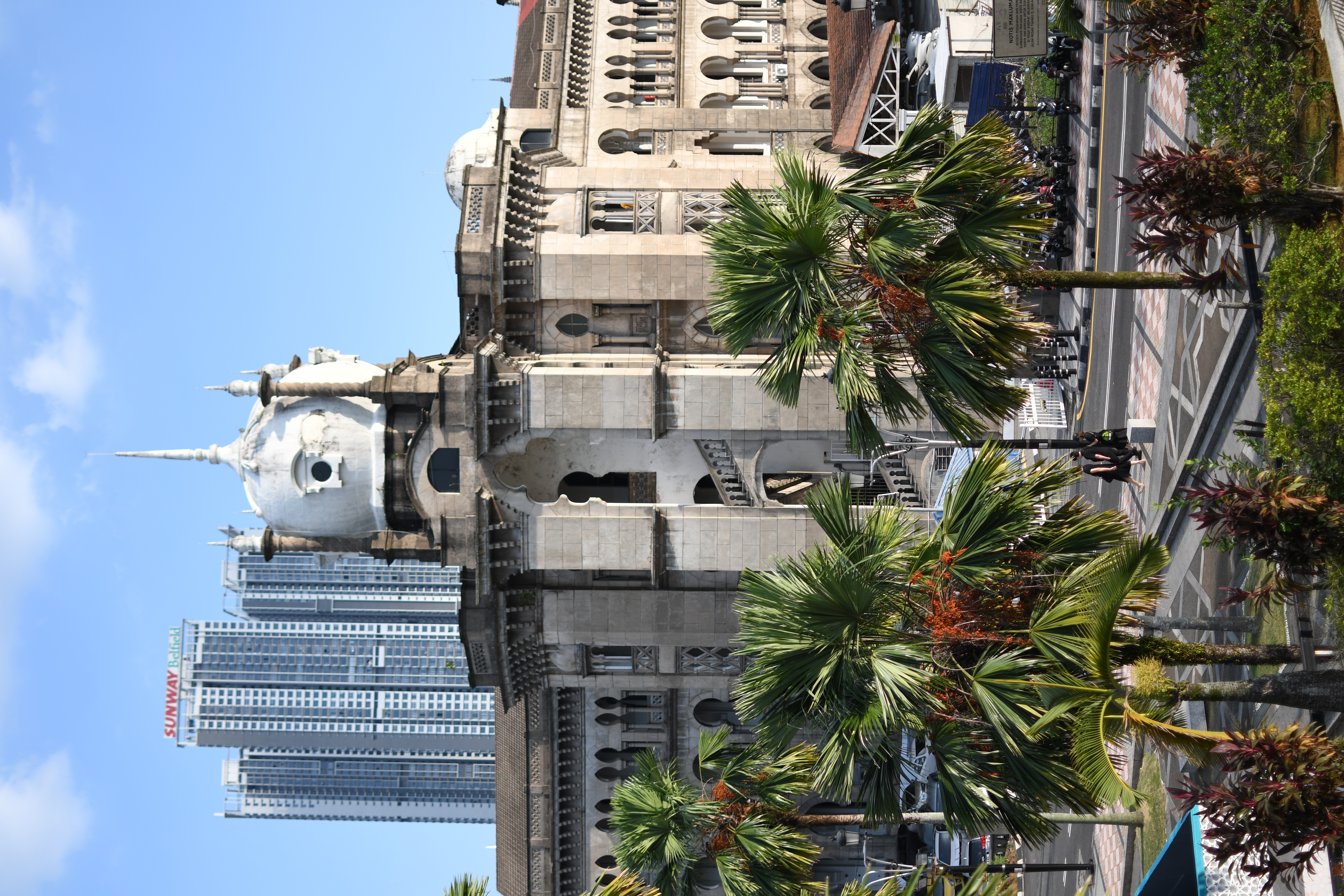
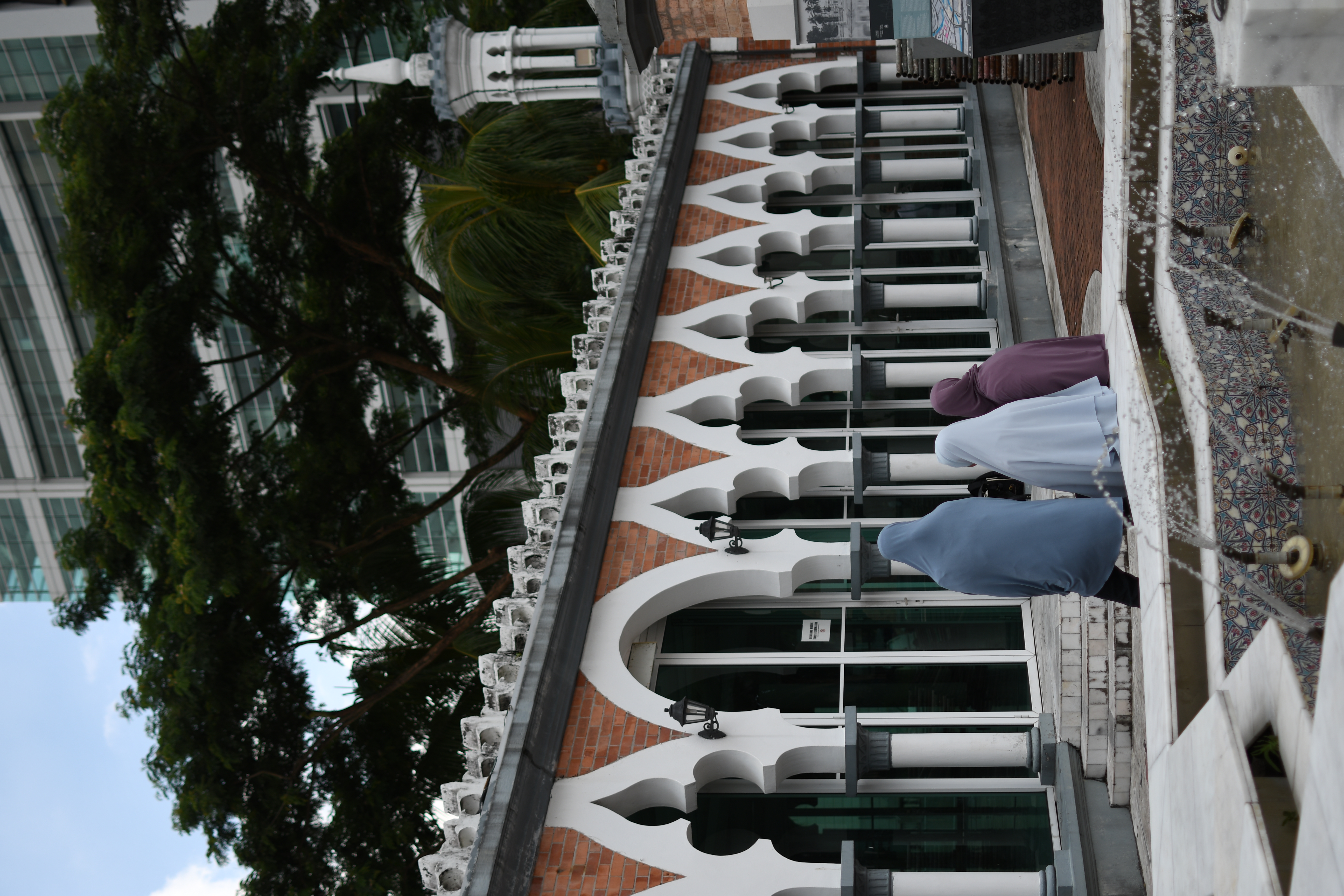
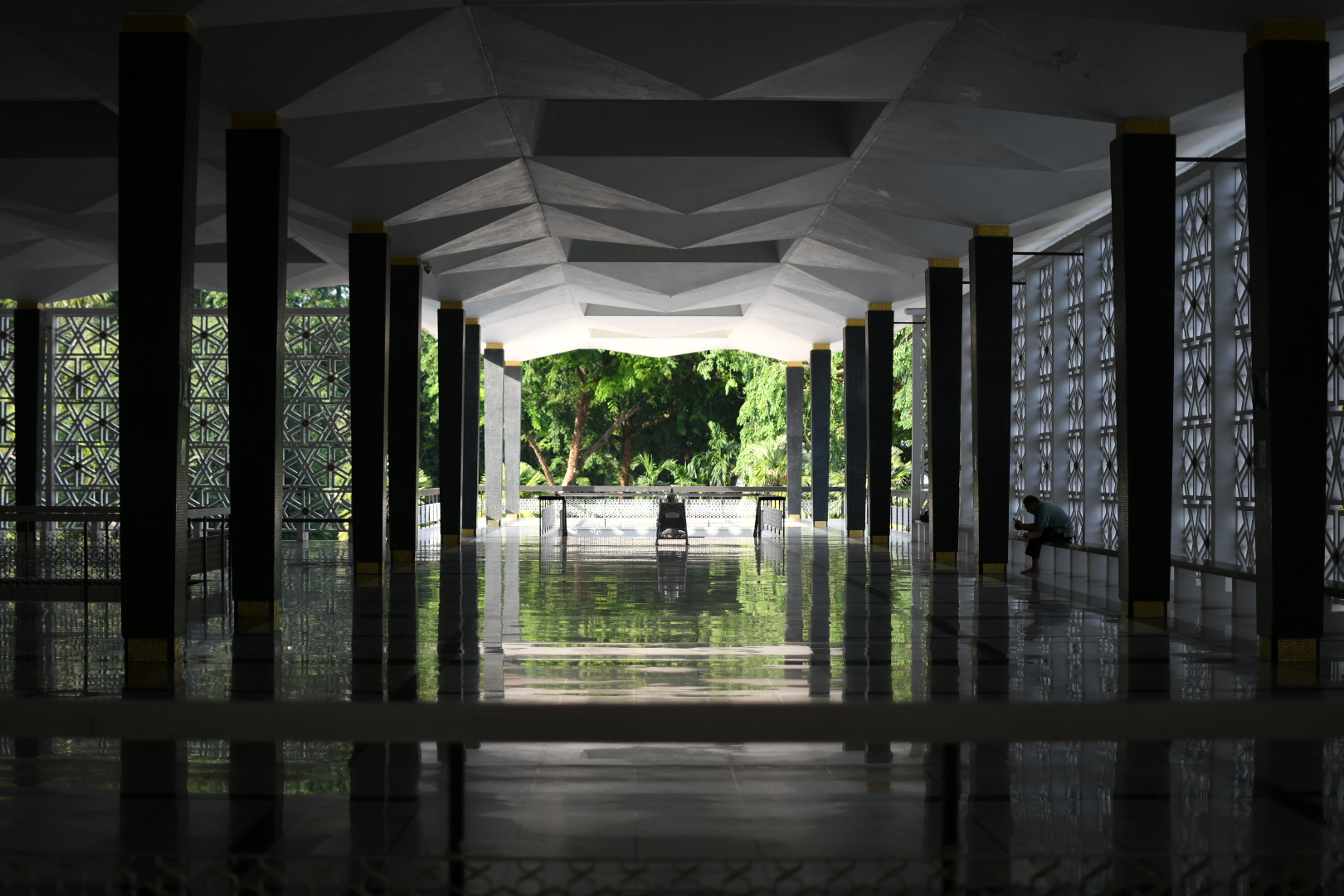
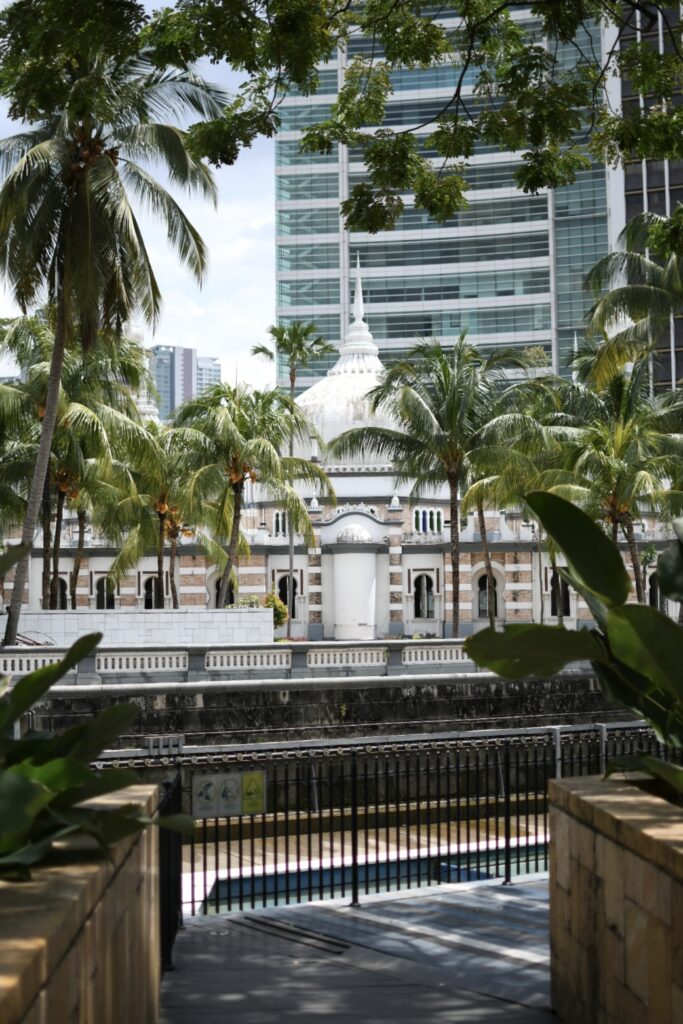
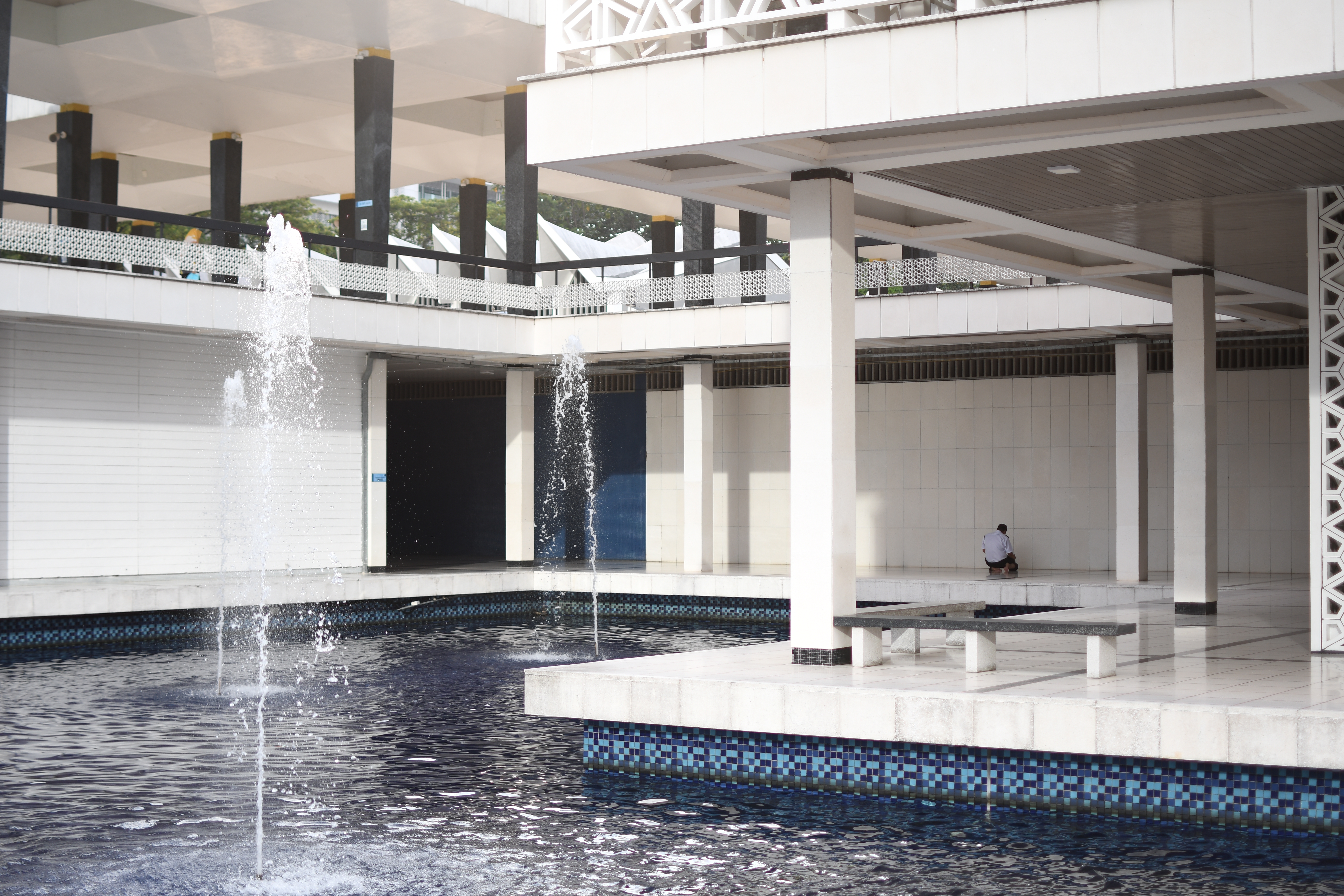
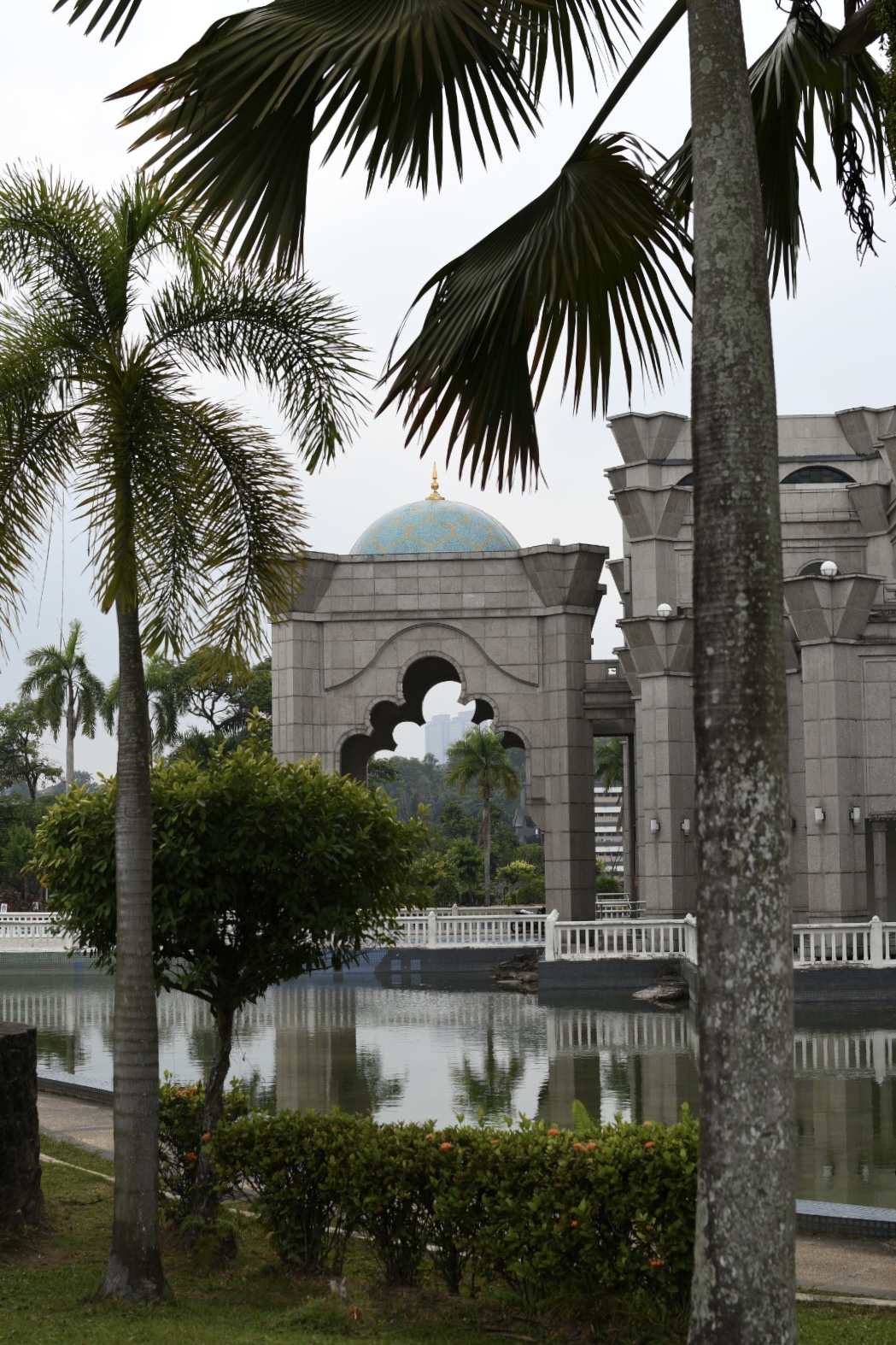
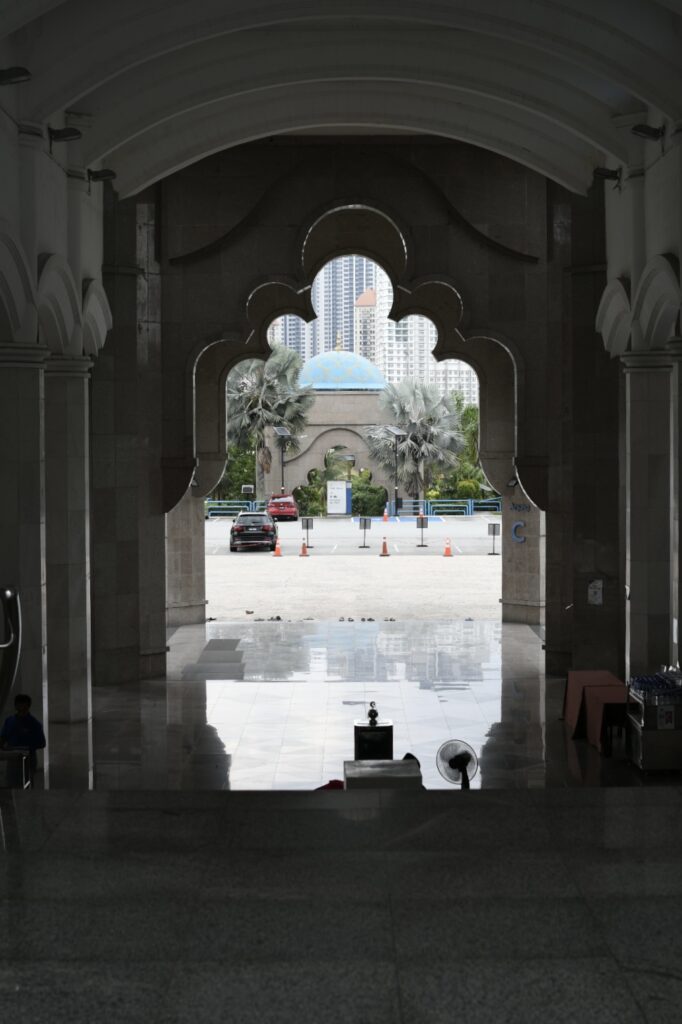
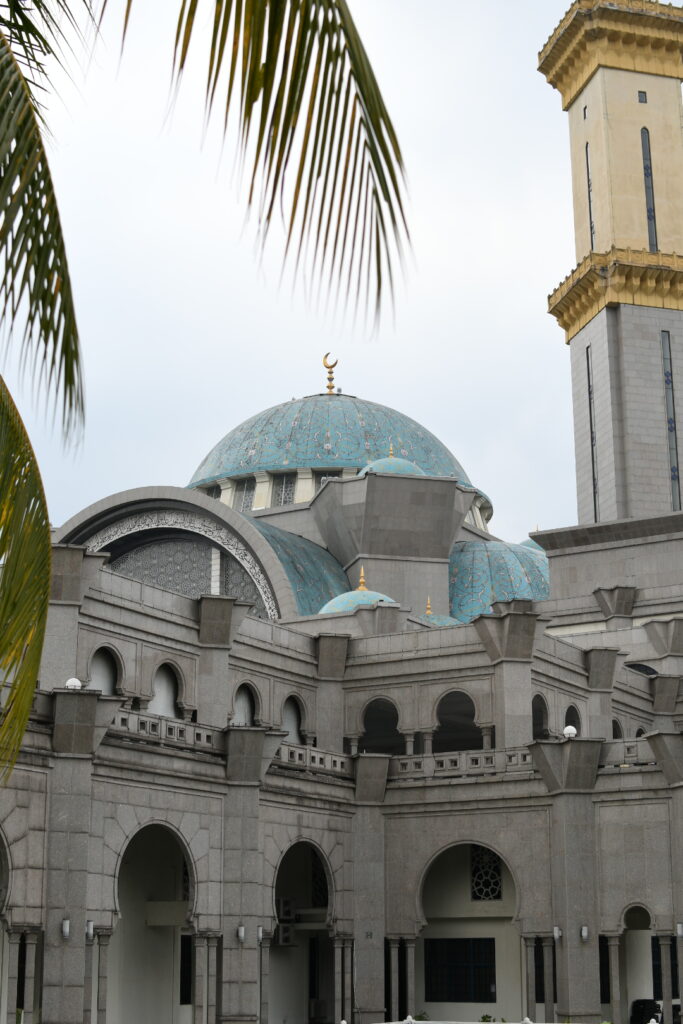
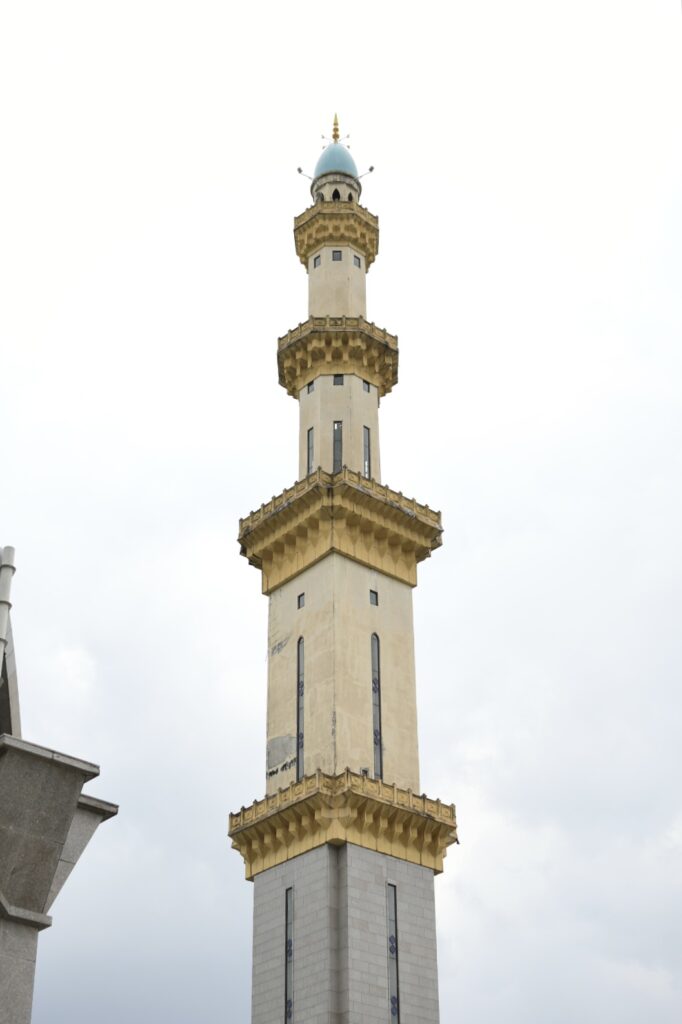
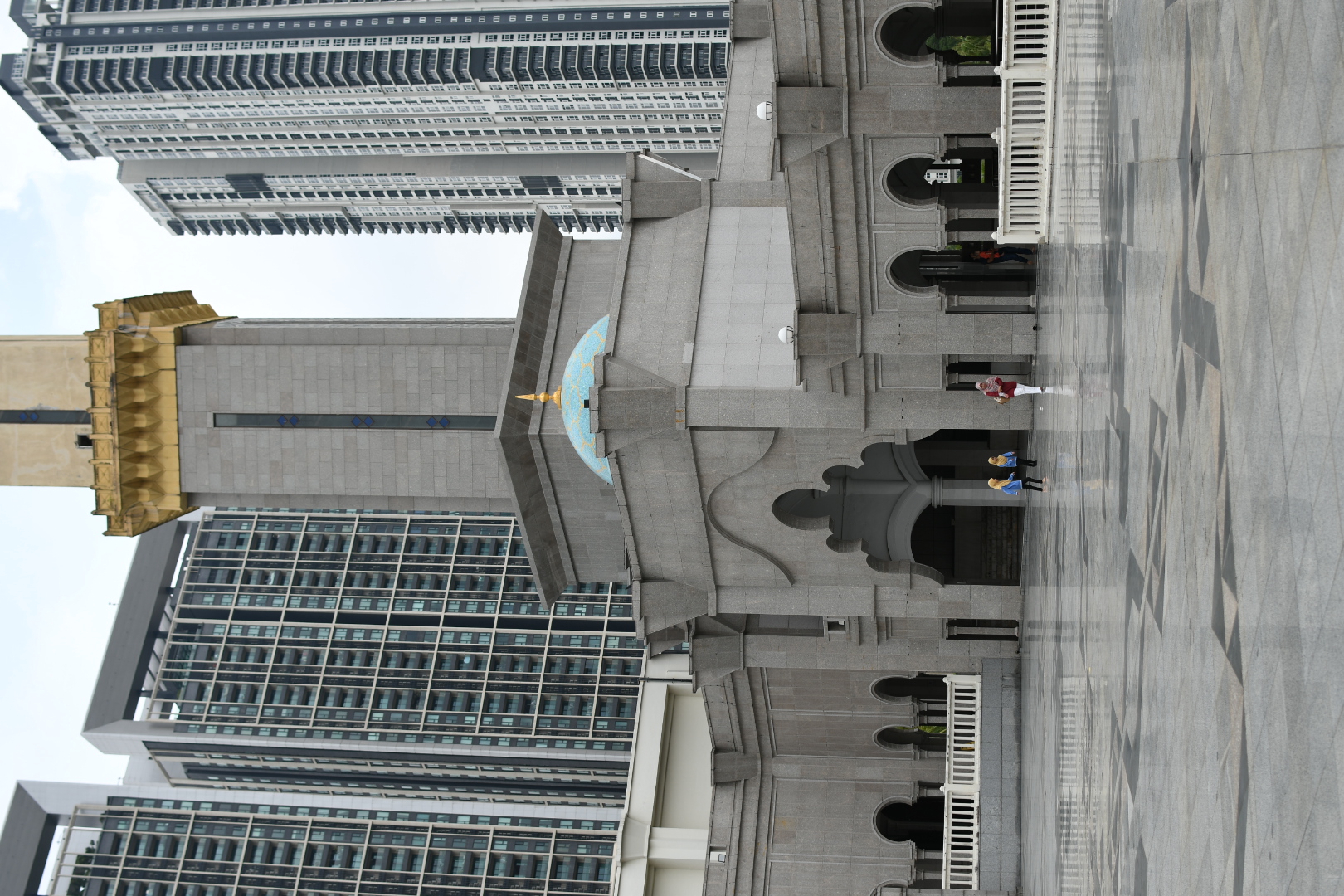
Given the Islamic influence in Malaysia, Kuala Lumpur is home to many impressive mosques as well as a beautifully designed Museum of Islamic Arts. I visited Masjid Jamek, Masjid Negara, and Masjid Wilayah. The latter left the most memorable impression. Although the mosque is located a bit farther out, you’ll find fewer crowds there and can even enjoy a free tour.
chinese culture
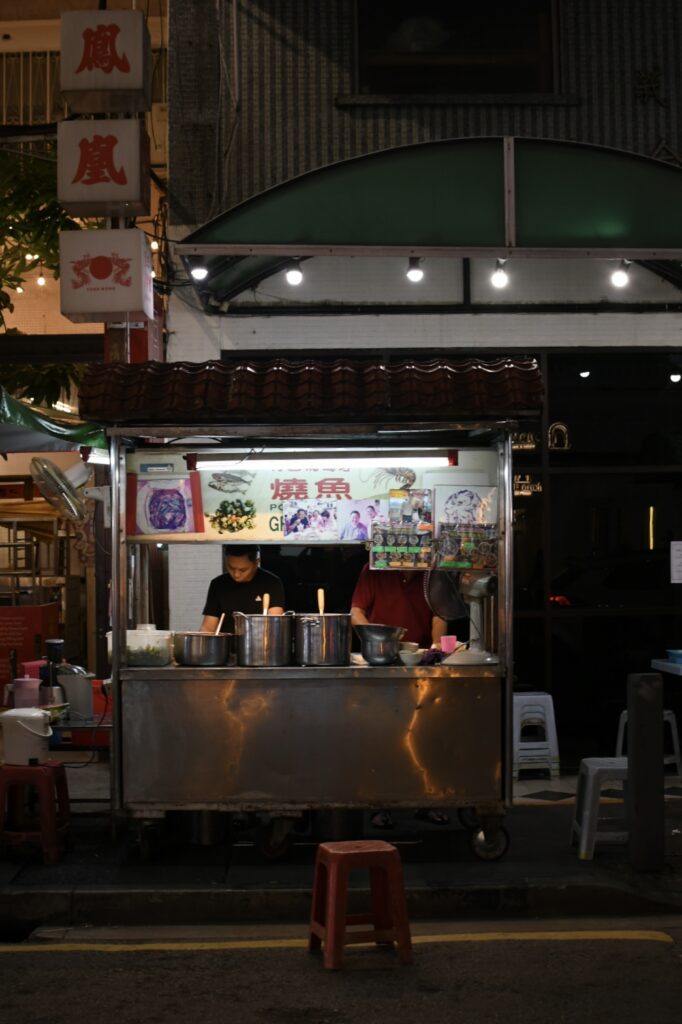
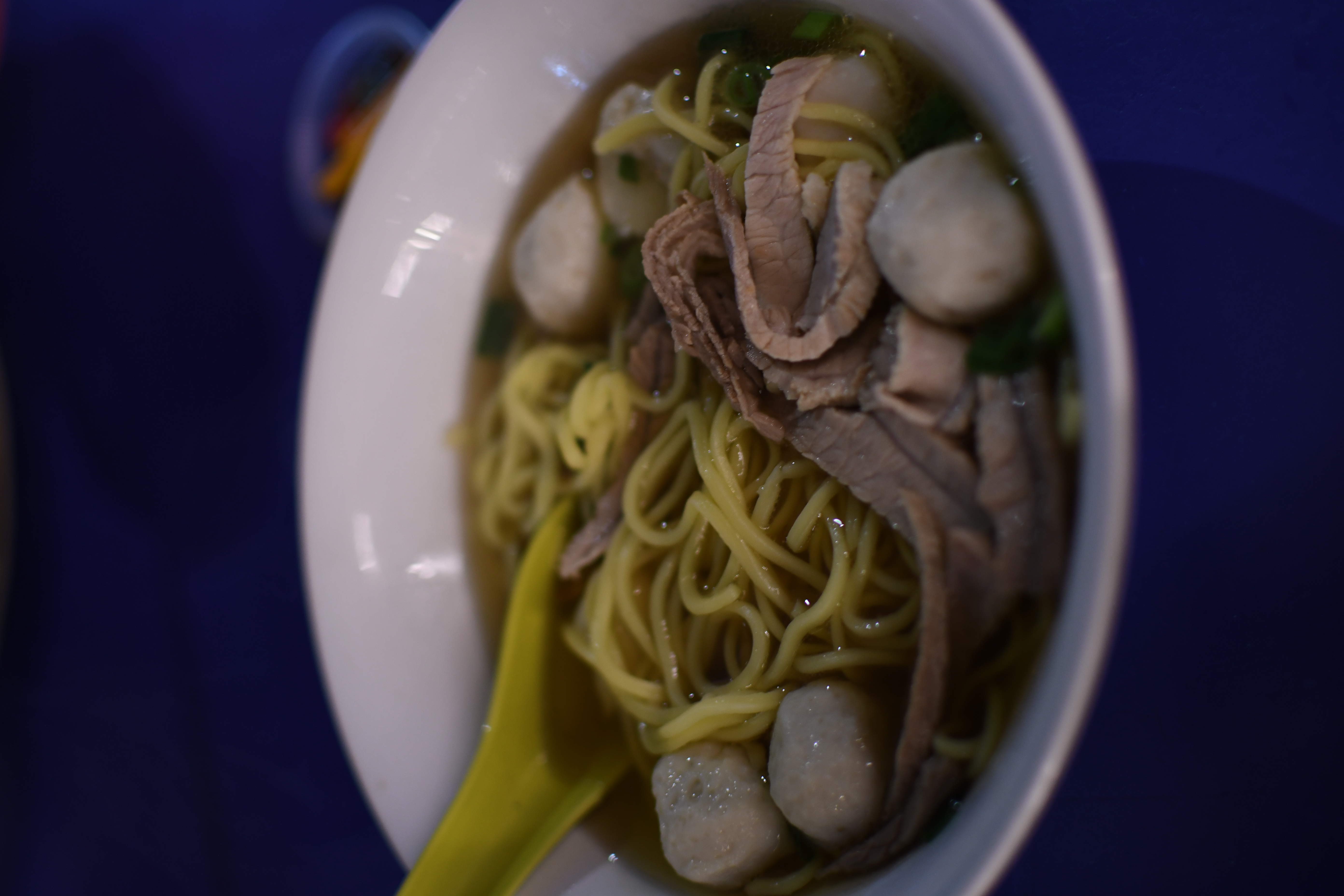
The Malaysian Chinese population was the second largest in 2025, making up about 23%. You can feel the Chinese influence around almost every corner – and you should taste it! From dim sum to pork noodles, clams, crab, and shrimp, please do yourself a favor and try as much as your diet allows. Be brave and open to new flavors, and you’ll be rewarded. I know that’s easy for me to say, since I was surrounded by locals most of the time and followed their recommendations. However, even if you’re not as lucky, don’t be shy – ask for a personal recommendation. I believe most people will be thrilled by your curiosity and happy to help.
Beyond the food, you can explore Malaysian Chinese culture in other ways. A nighttime visit to Chinatown is a must. It’s a bit touristy- perhaps the most touristy spot in KL – but still worth experiencing in my opinion. If you enjoy a drink, you might treat yourself to some traditional tuak.
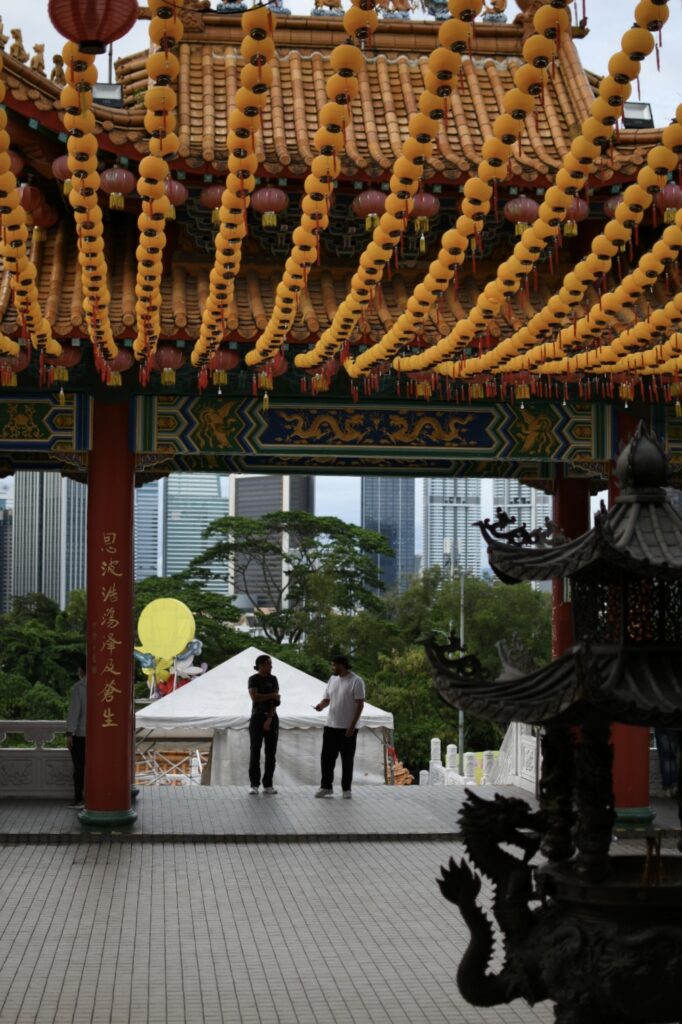
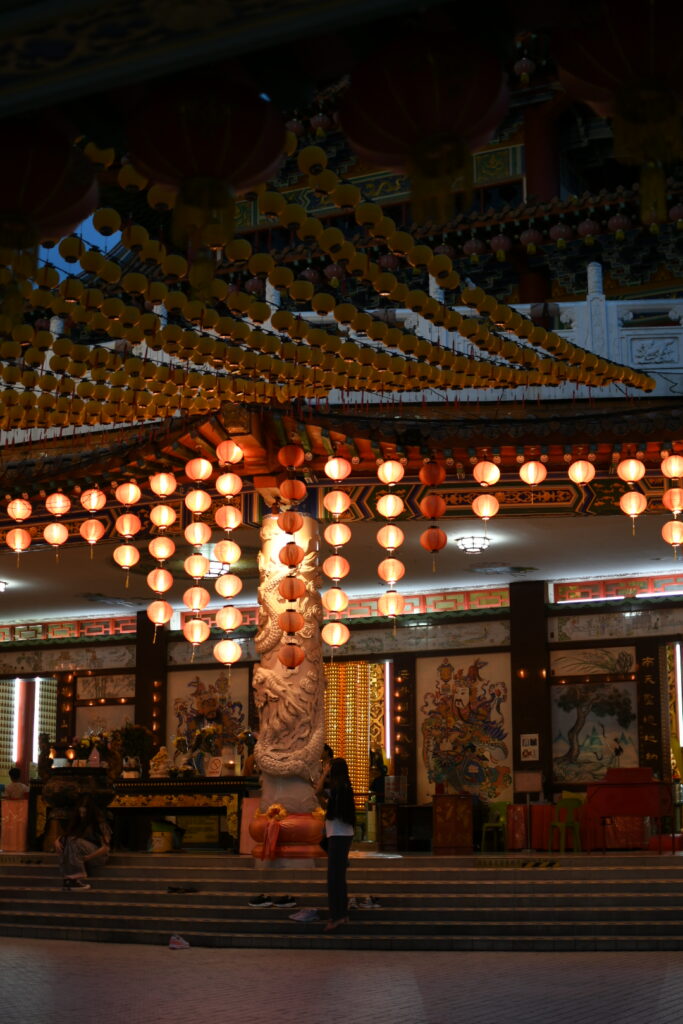
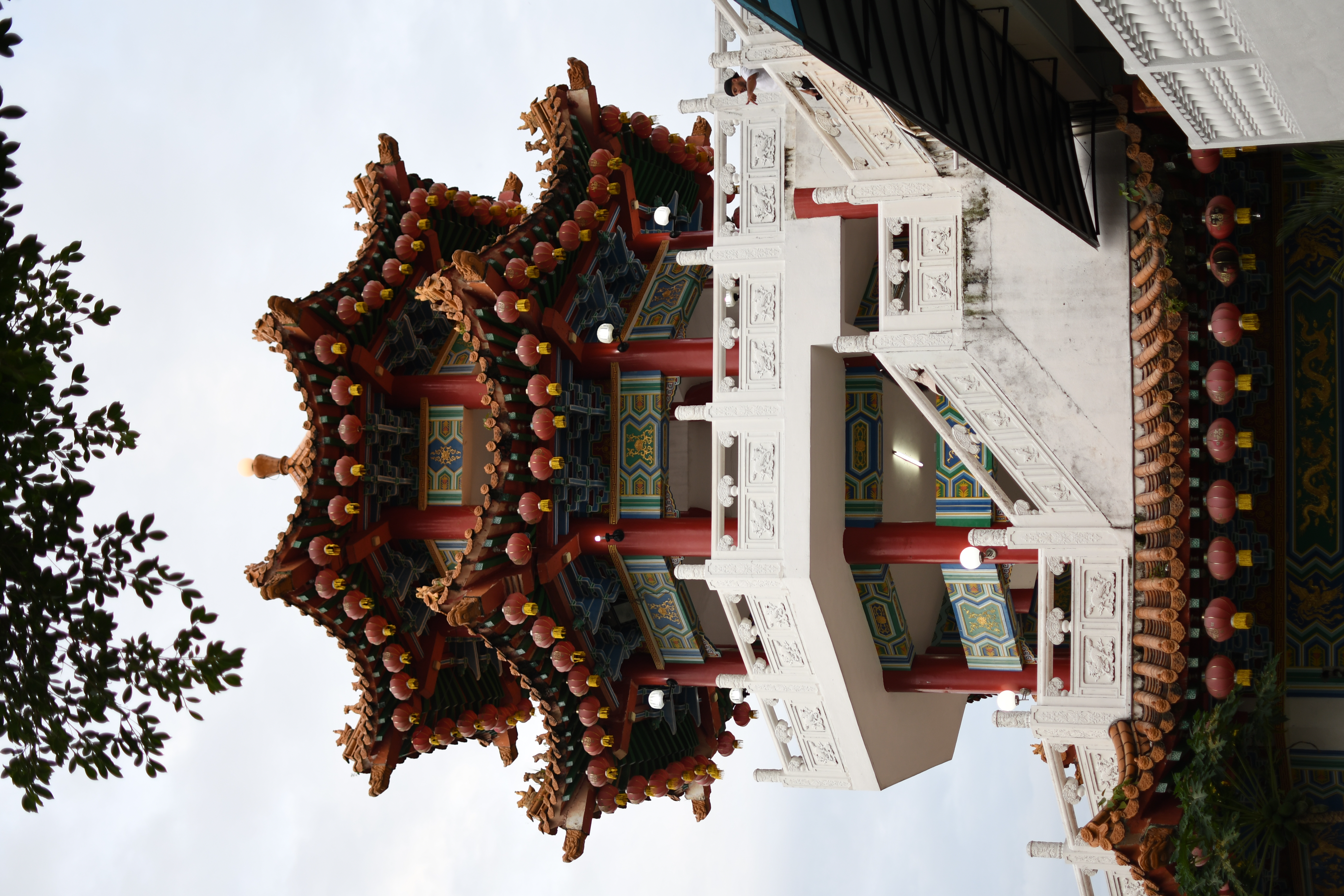
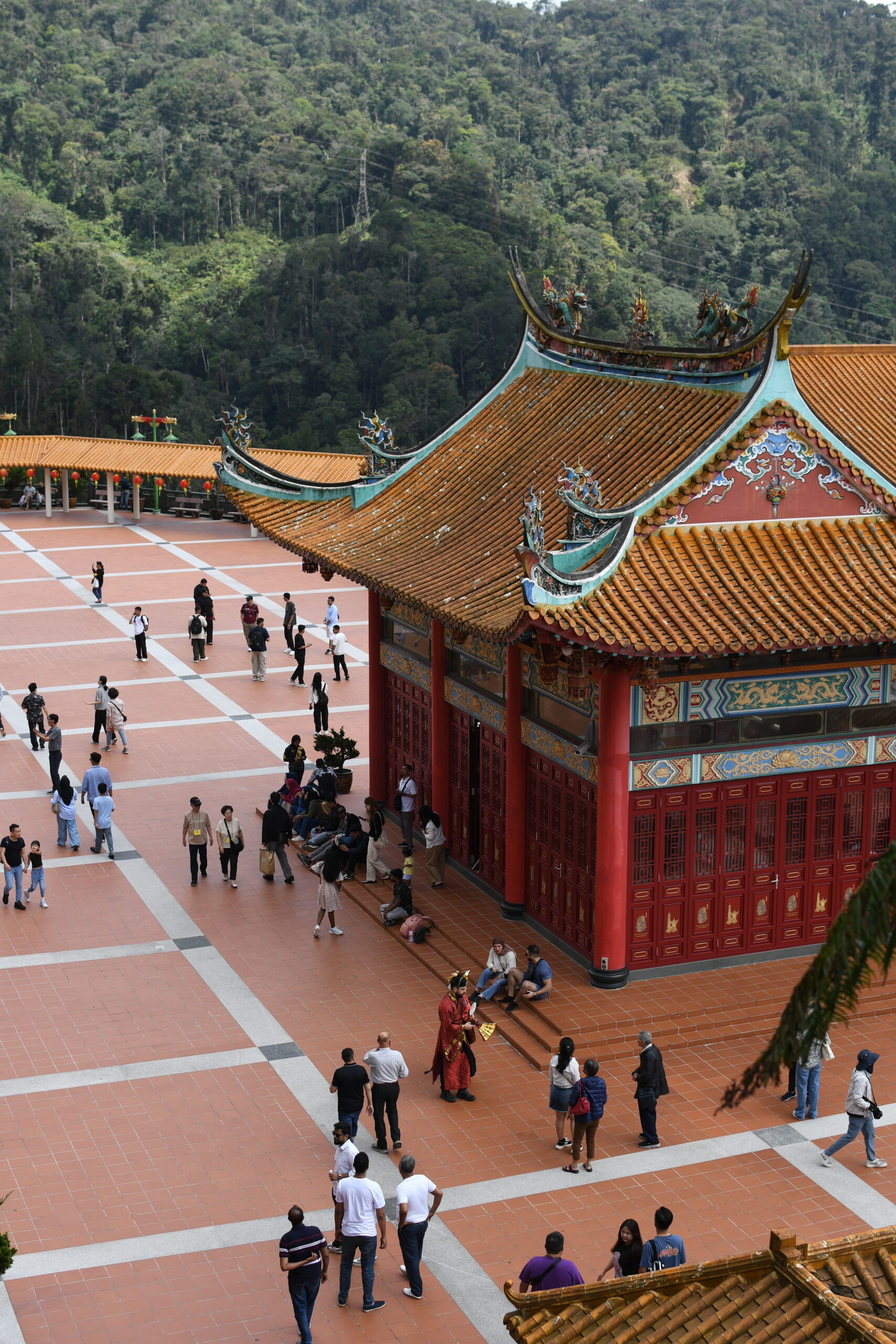
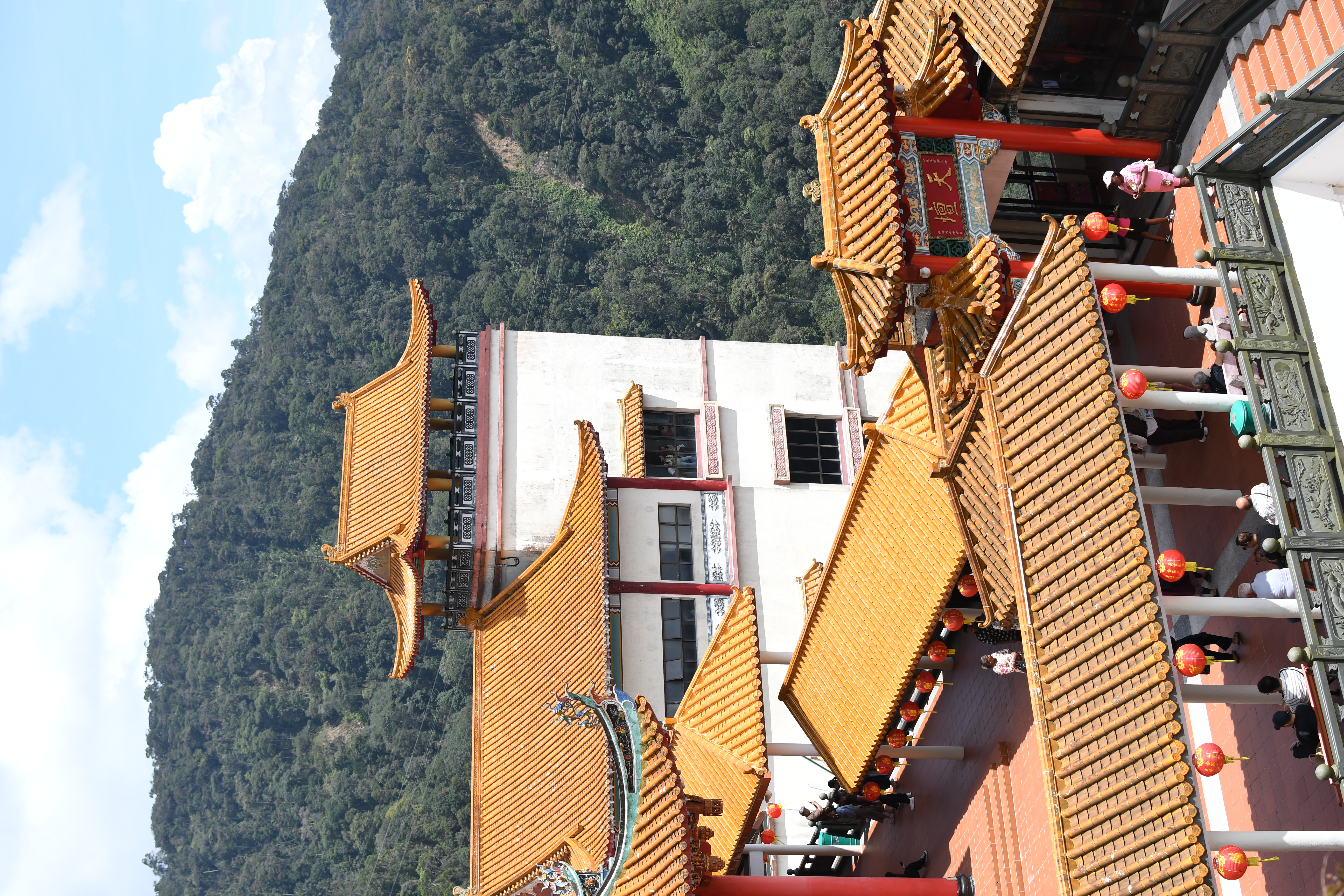
The most famous Chinese temple in KL is, I believe, the Thean Hou Temple. It’s definitely worth a visit if you’re nearby. The complex is quite large, beautifully designed, and free of charge.
Indian Culture
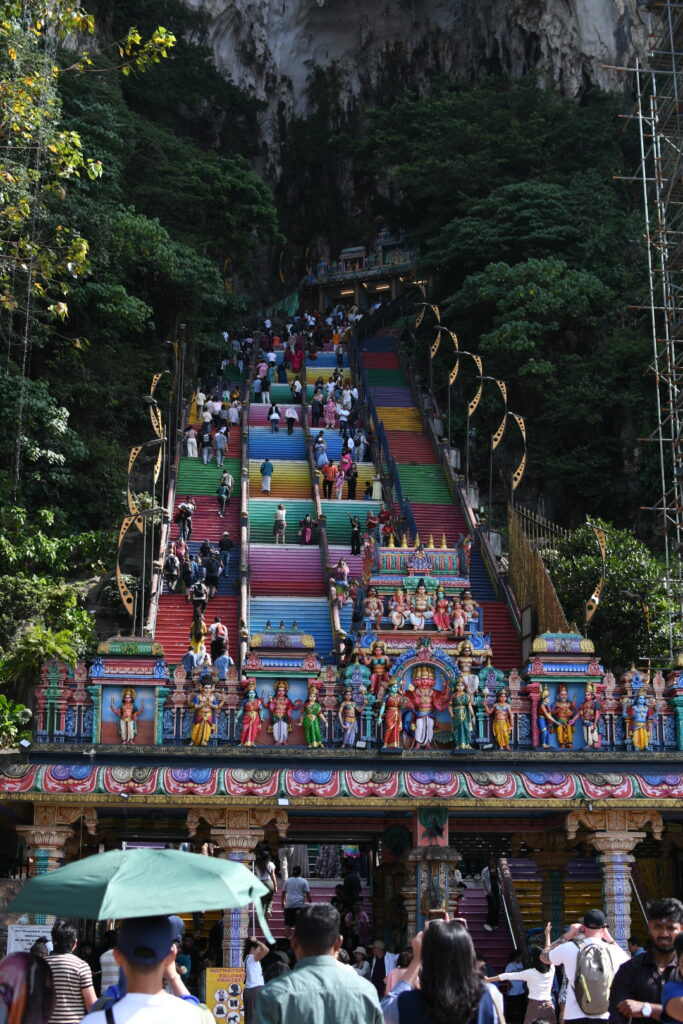
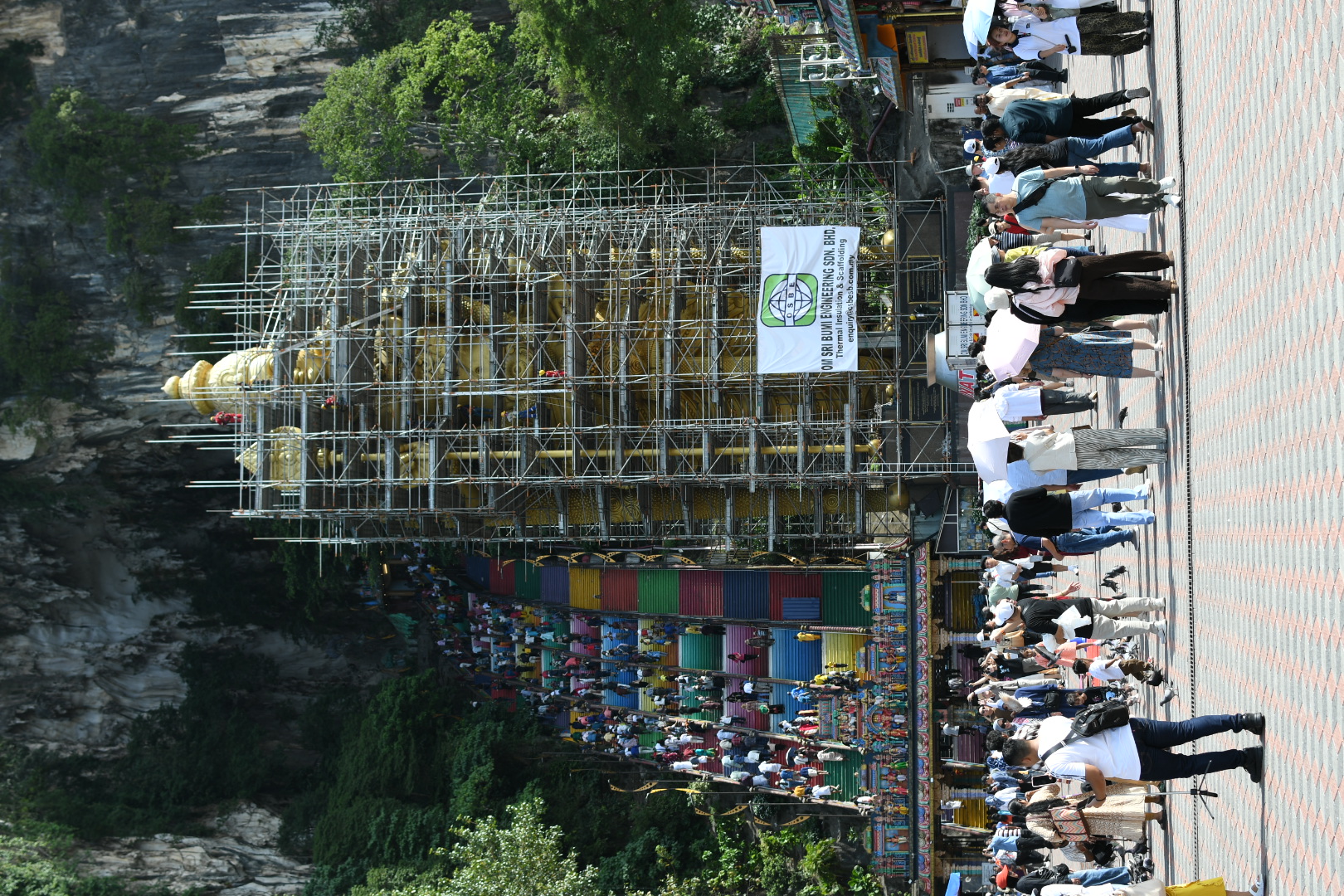
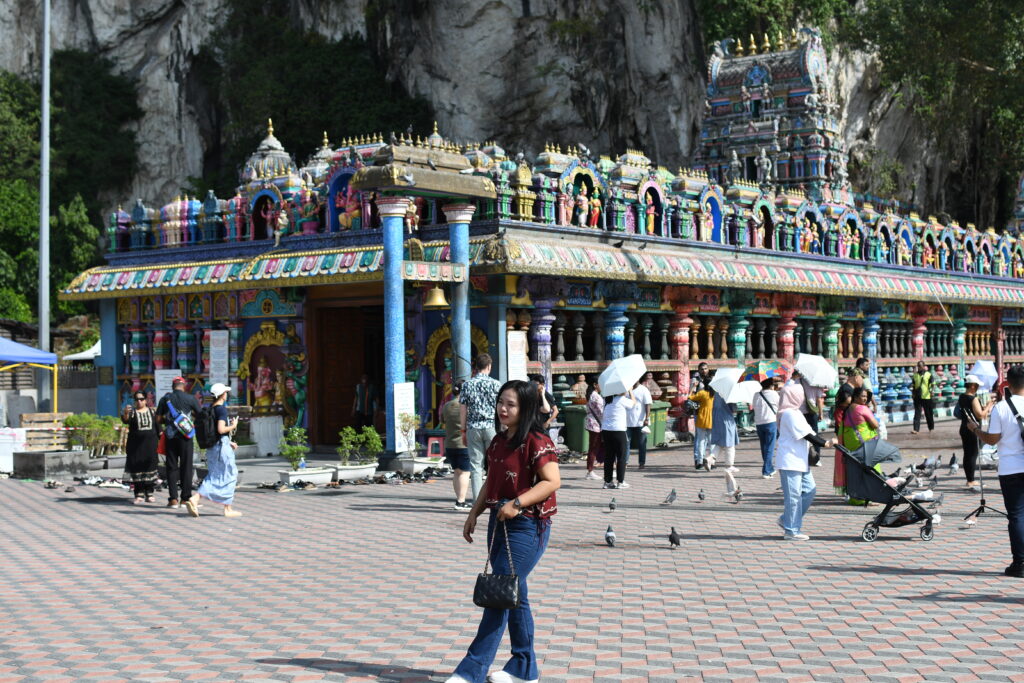
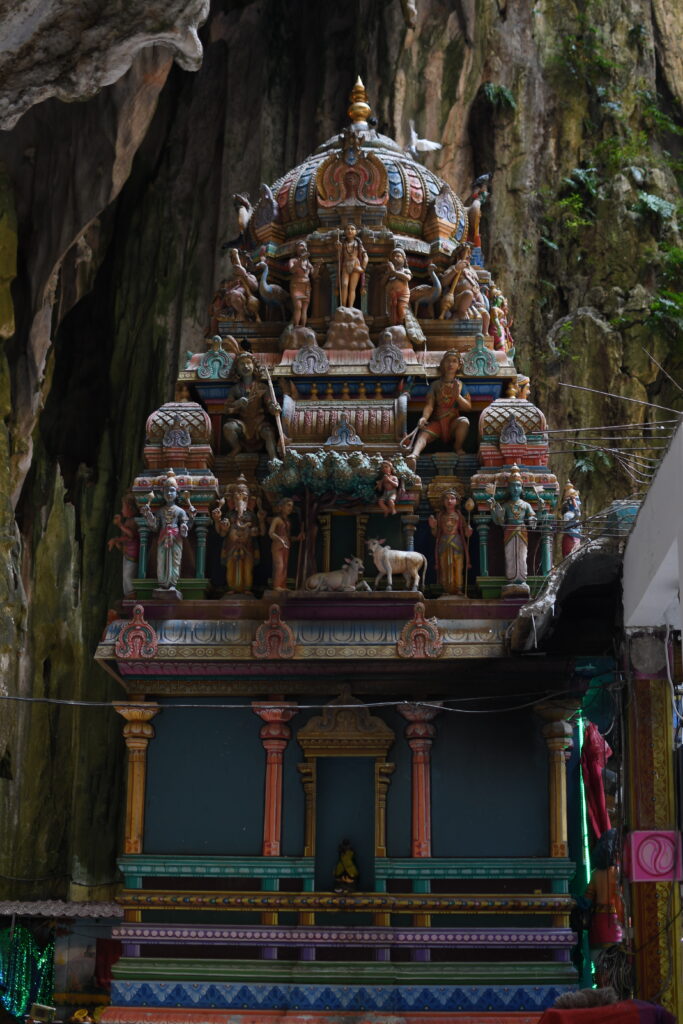
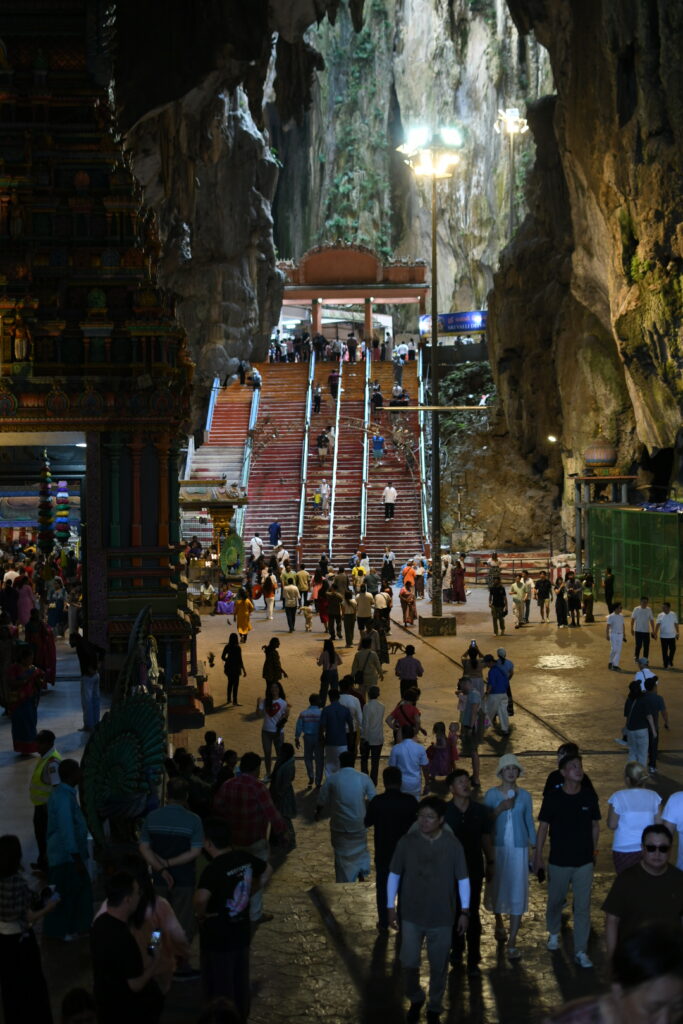
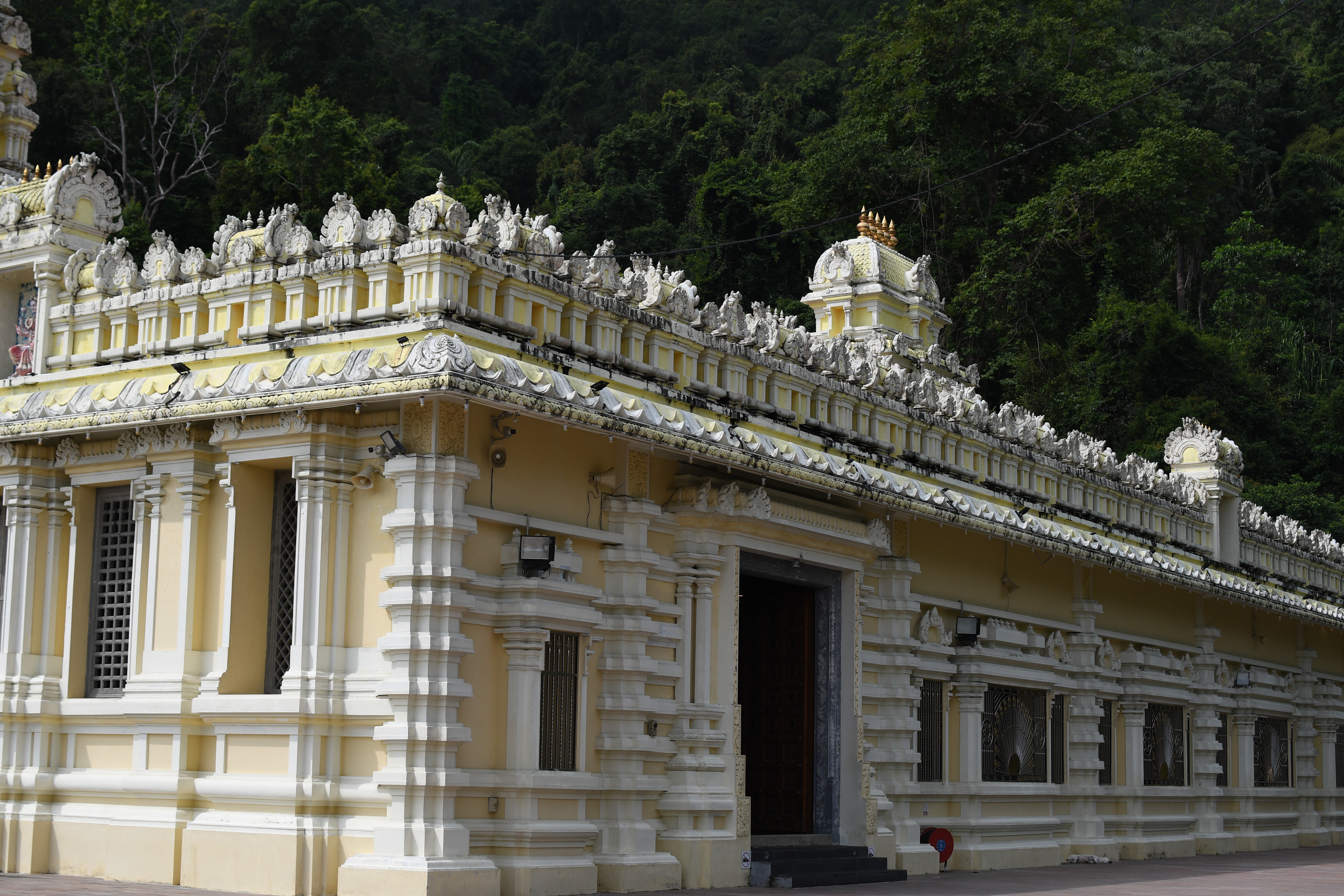
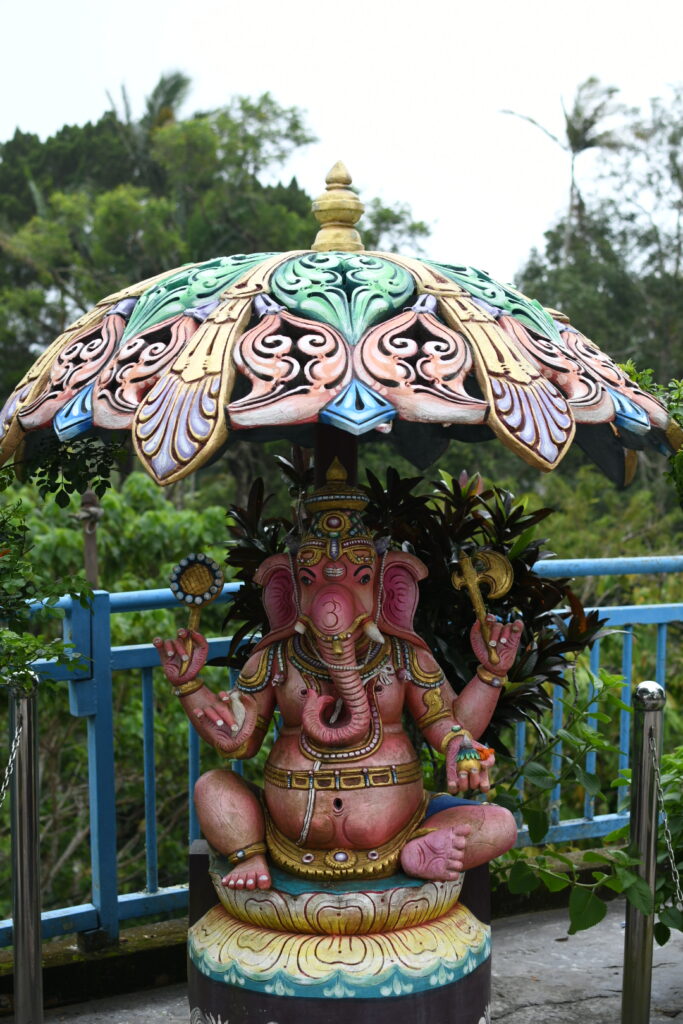
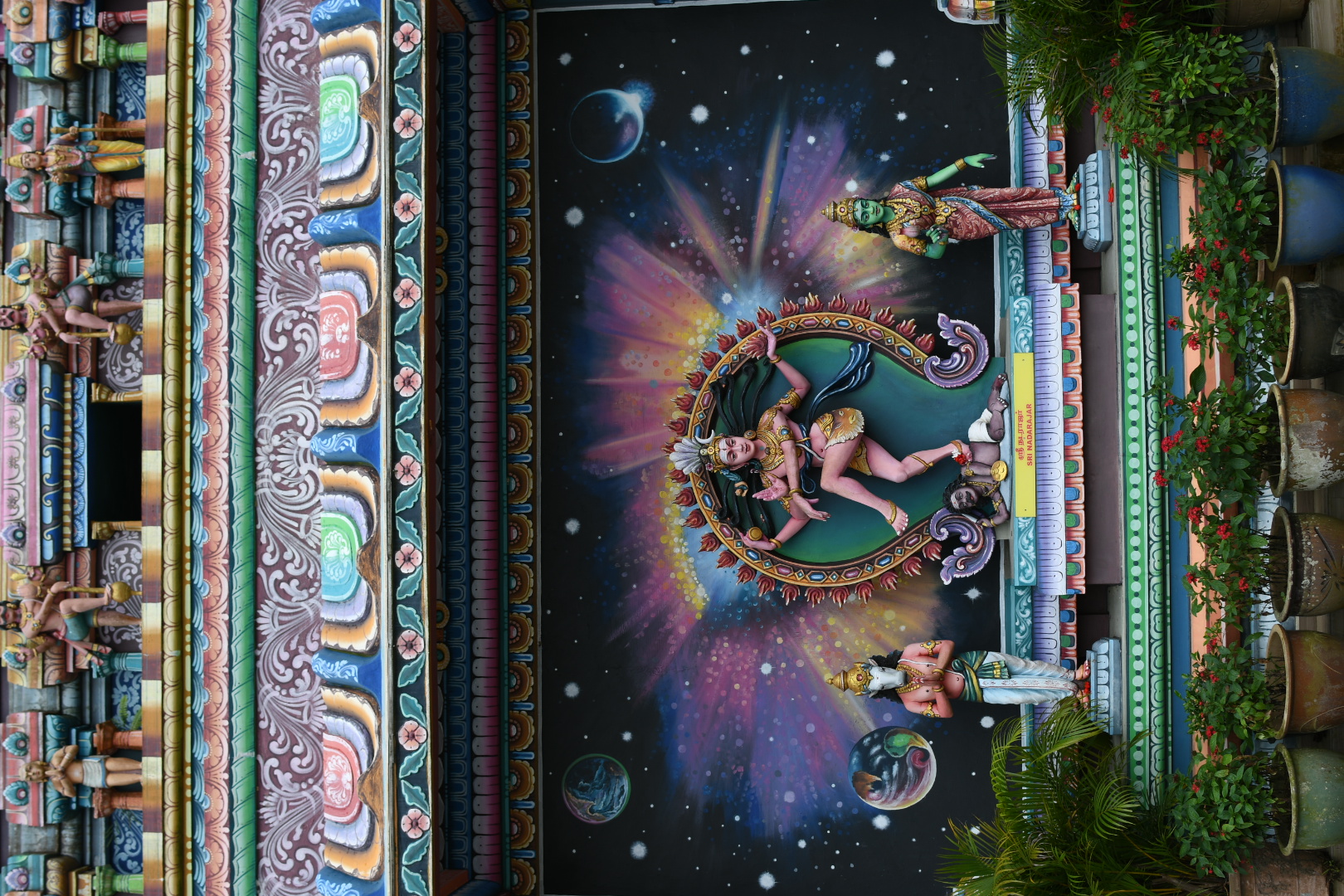
The third largest minority group in Malaysia are the Malaysian Indians. You can find “Little Indias” – colourful districts with excellent dining opportunities – throughout the country. On the outskirts of Kuala Lumpur lie the Batu Caves. Vibrant stairways lead up into the limestone rock, where you’ll find usually busy Hindu temple. At the base of the stairs stands a huge statue dedicated to the deity Murugan. When I visited in early November 2025, the statue was unfortunately under restoration. This actually seemed to be the case for many major attractions in Malaysia, and I heard it was due to preparations for 2026, which will be Malaysia’s Tourism Year.
Genting
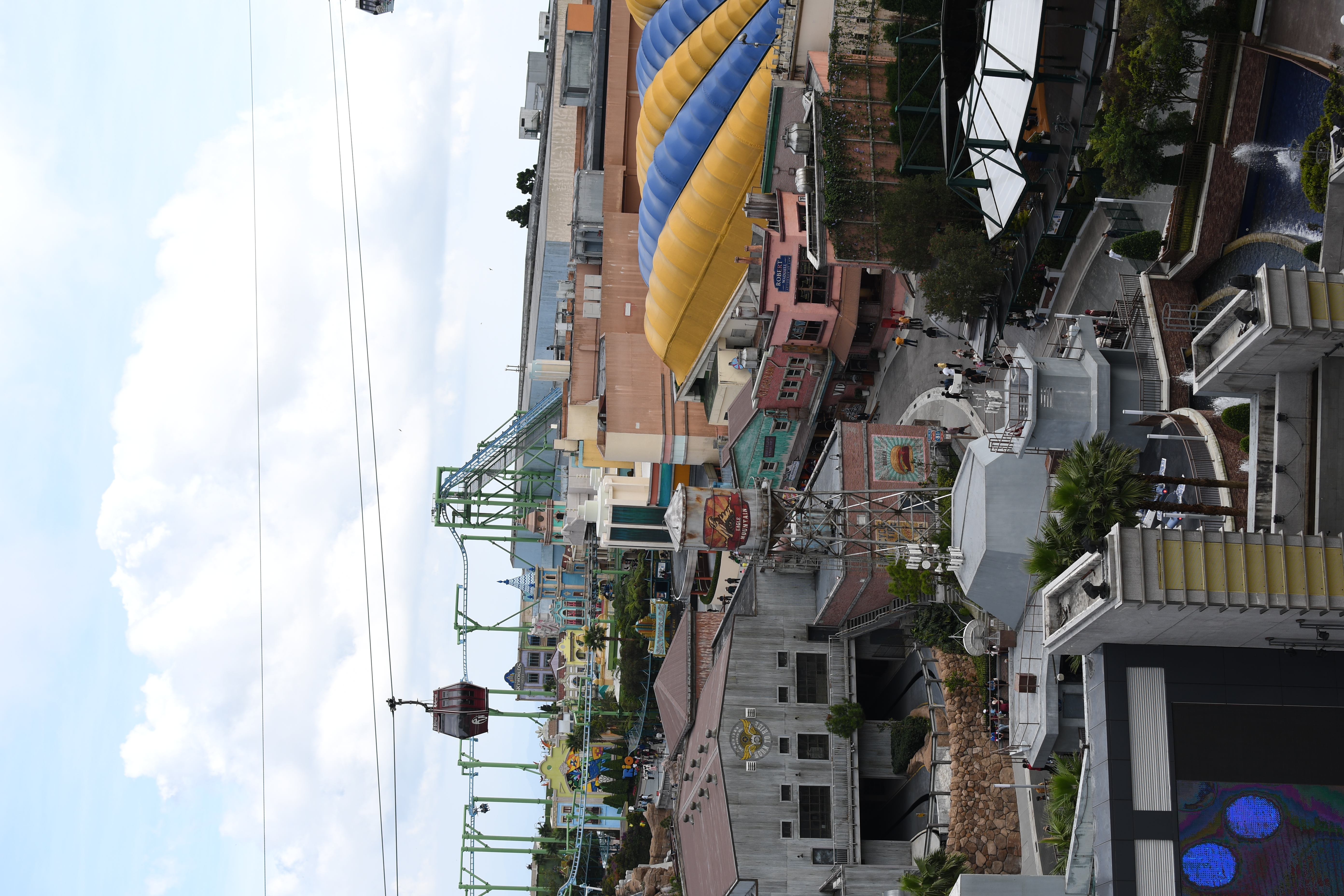
When I first heard about Genting, I didn’t know what to expect. Most people I met only mentioned its famous casino (the only one in Malaysia, since gambling is prohibited under Sharia law). The other thing I often heard was that Genting is a refreshing retreat from the humid, hot climate of KLCC. After more than two weeks, I needed exactly that, and my dear co-worker and her husband took us on a fantastic Saturday-trip to Genting.
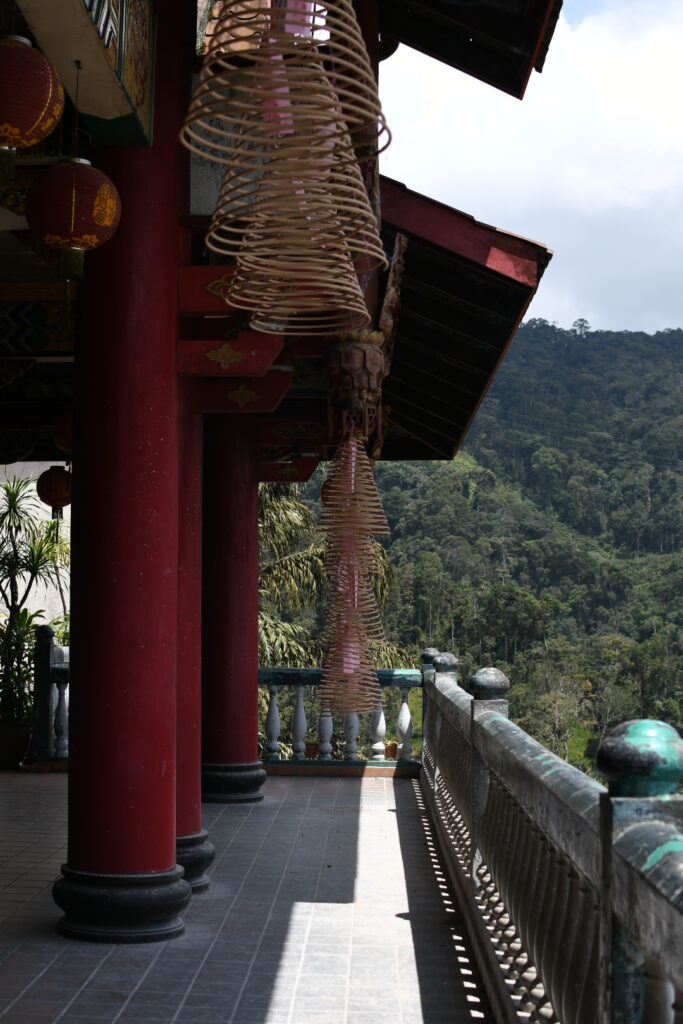
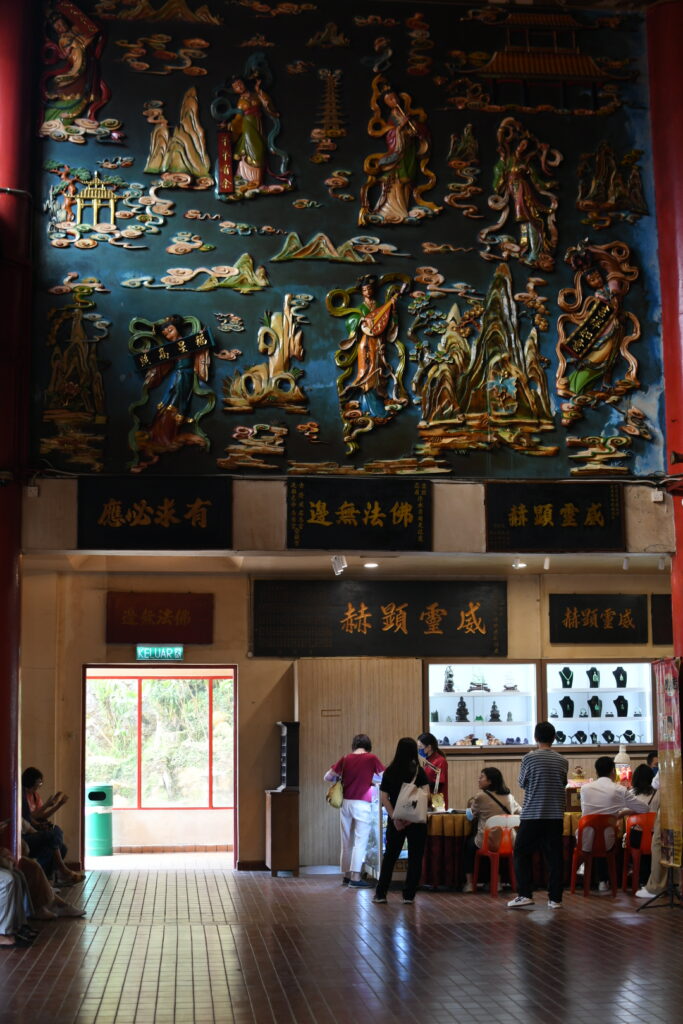
On our steep drive up the hill, we stopped for delicious Chinese food, durian, and even a Chinese cave temple. Honestly, I didn’t expect much when stepping into a small elevator tucked inside a tiny parking garage. All the greater was my surprise when I emerged into a vast, temple-like village with breathtaking views. For the first time in a long while, I felt mild air, an enjoyable breeze, and sunshine that warmed my skin rather than burned it (though of course, it could still burn you – so this is my sweet reminder to use sunscreen at all times).
Finally, at the top of the hill we reached the famous casino – and lost some money. The casino is housed inside a massive mall that also features an indoor fun park. Outside, there’s another theme park along with many high-class hotels. The entire setup felt unreal and offered a fascinating contrast to the Kuala Lumpur valley below.
Cameron Highlands
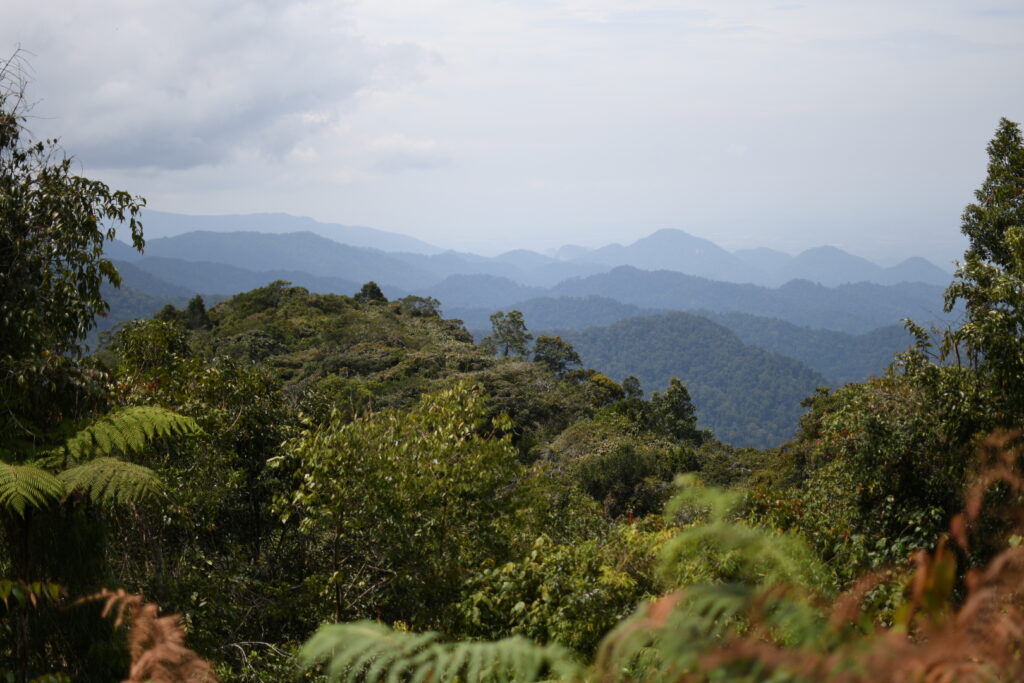
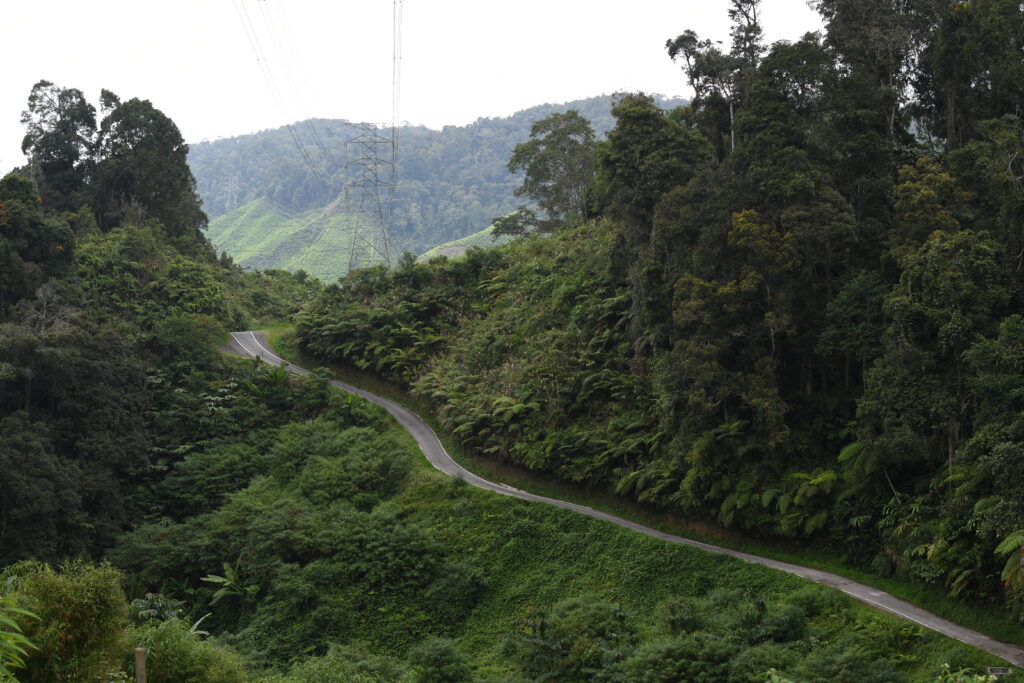
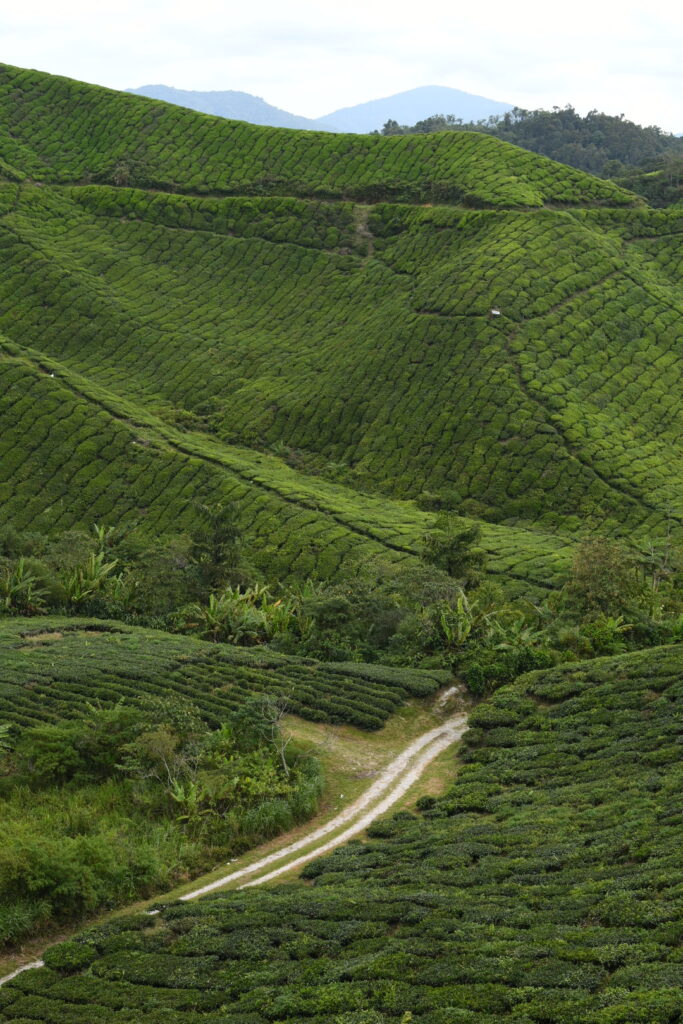
The travel guide I bought for Malaysia was a rather thin booklet, but it listed the Cameron Highlands as a must-see. The Cameron Highlands are famous for hiking, tea plantations, and strawberries. I went there on a weekend trip by car and tried all of the above. My travel companions – two co-workers, two extraordinary kind souls, that made the trip even more so special.
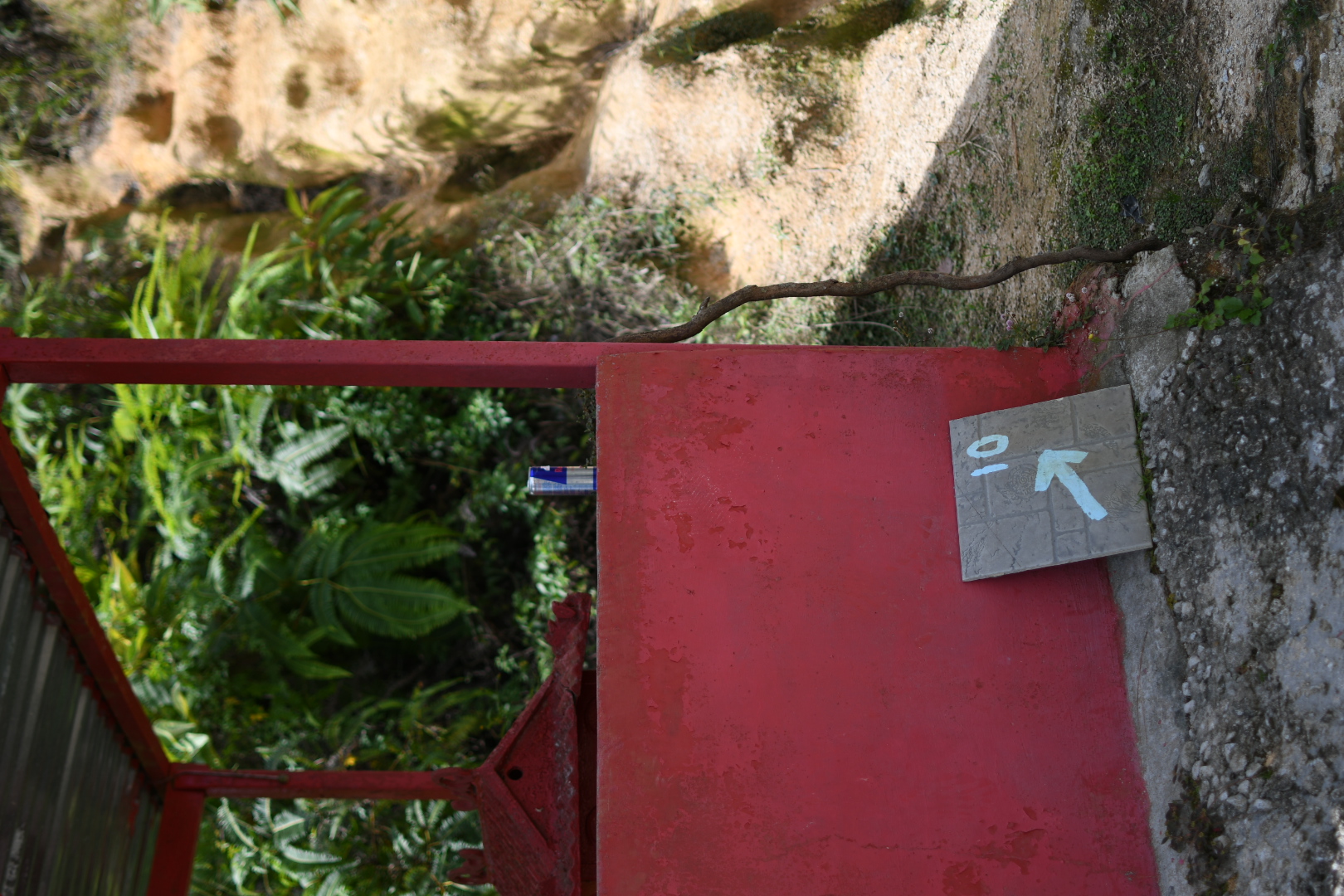
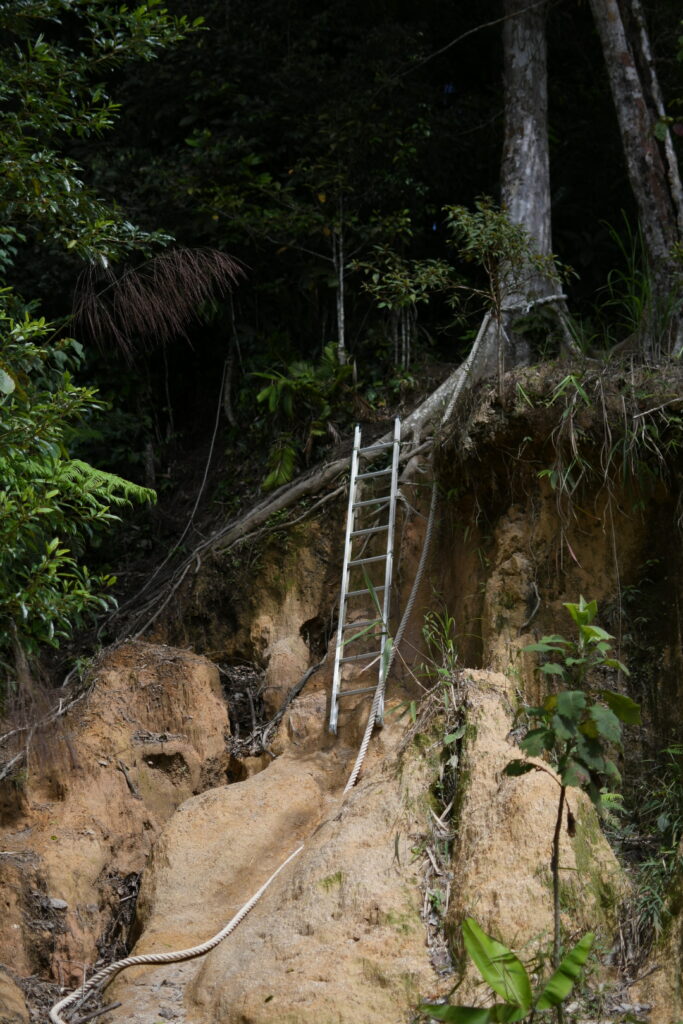
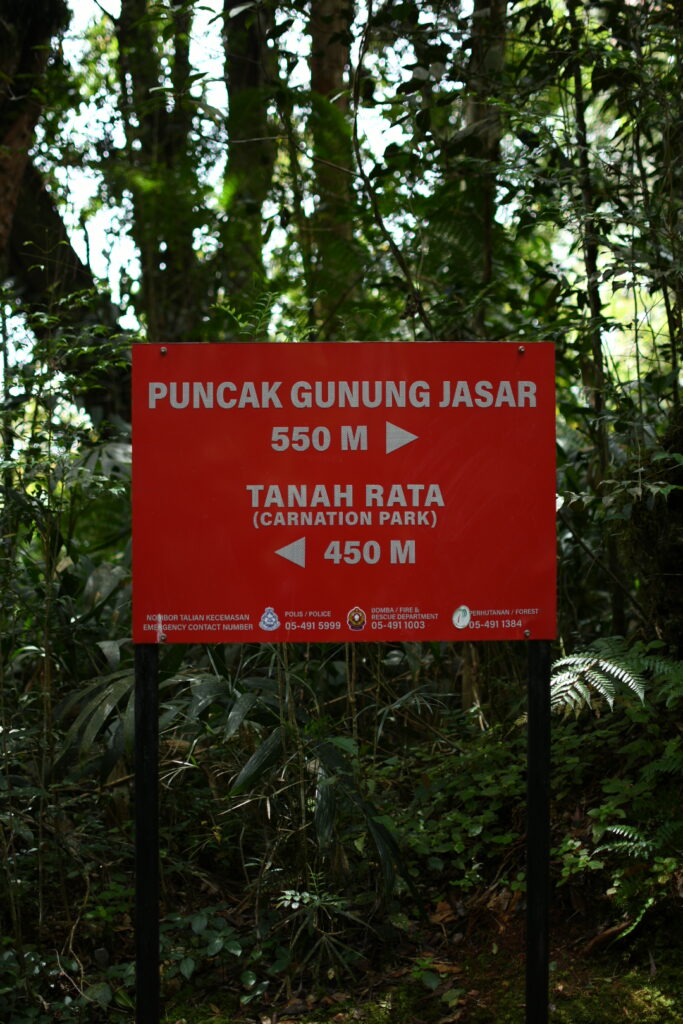
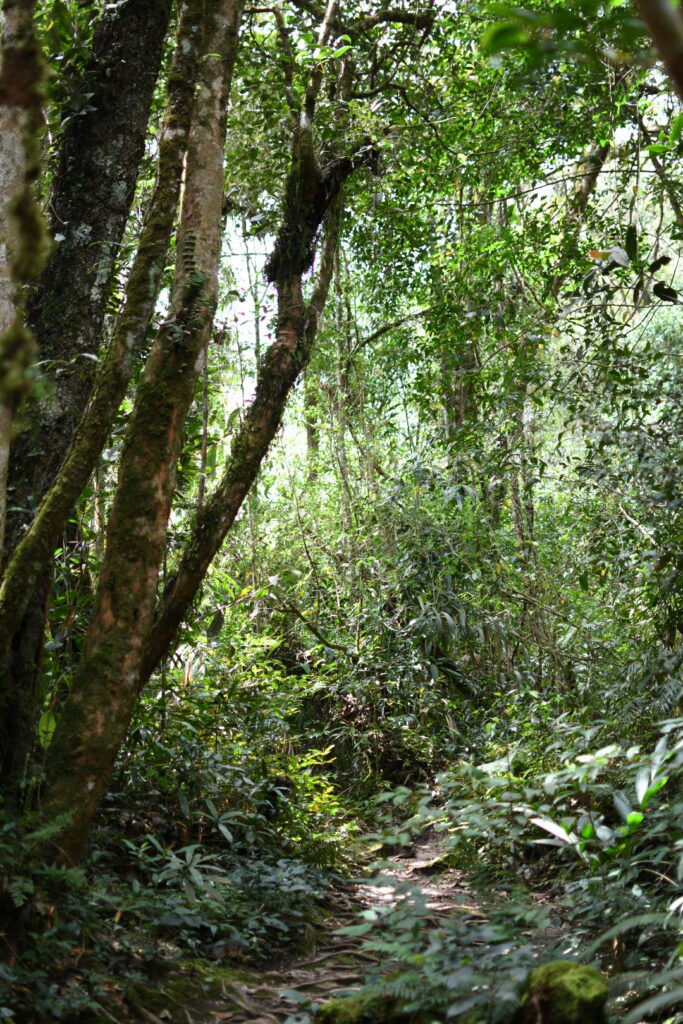
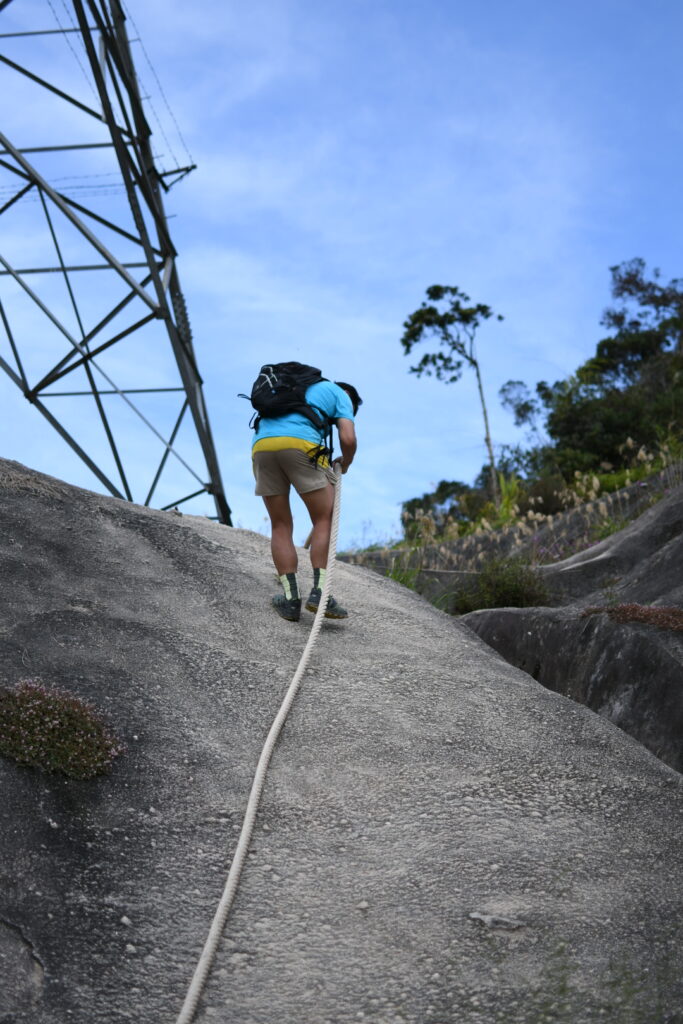
We decided to hike Trails 10 and 6, combining them into one day-hike. Trail 10 took us about two to three hours uphill on a rather improvised – and therefore adventurous – path. Solid footwear (no sandals) and a moderate fitness level are essential to enjoy this trek. I enjoyed it very much, as it was quite different from most hikes I had done in the past, and the views from the top of the hill were truly rewarding.
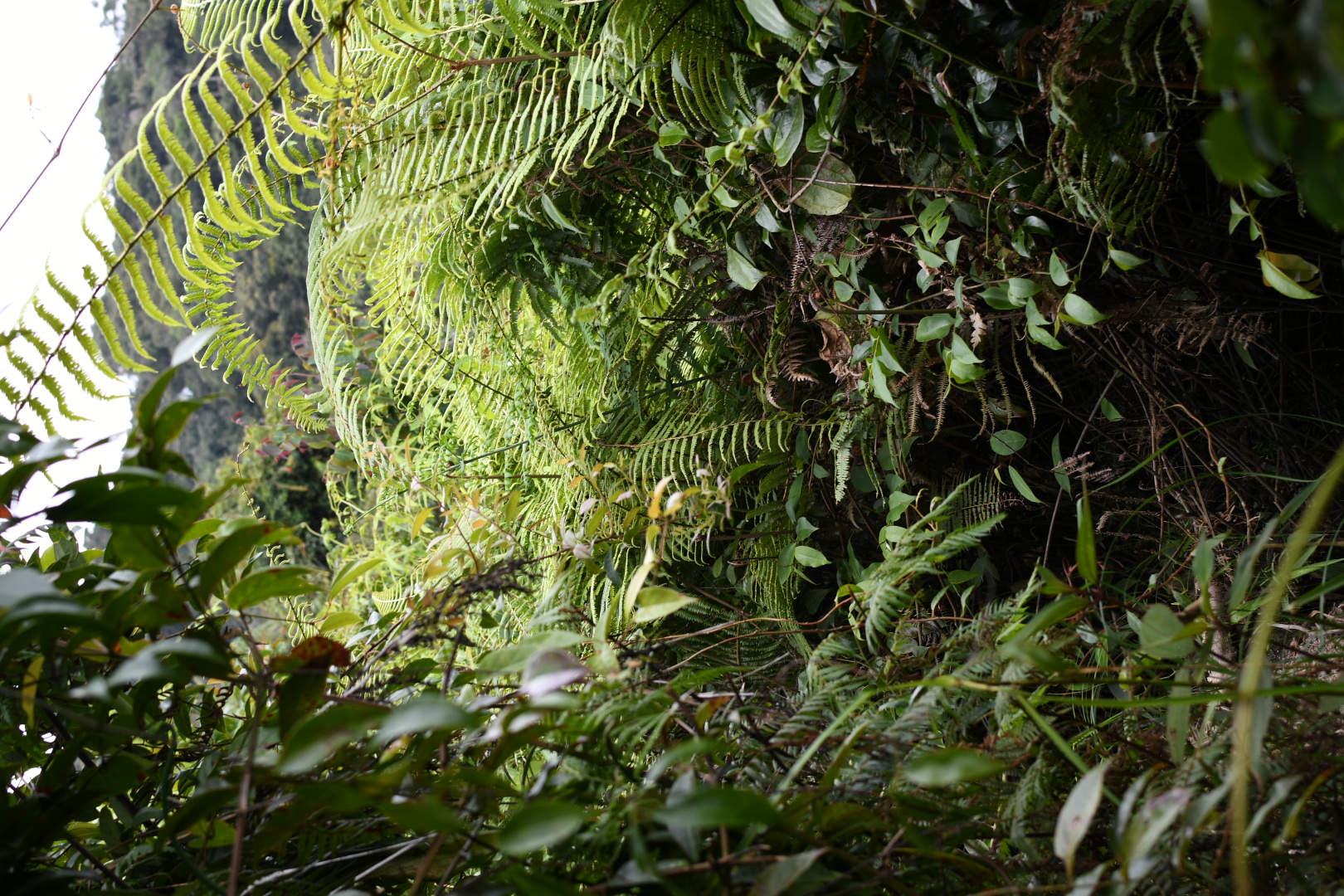
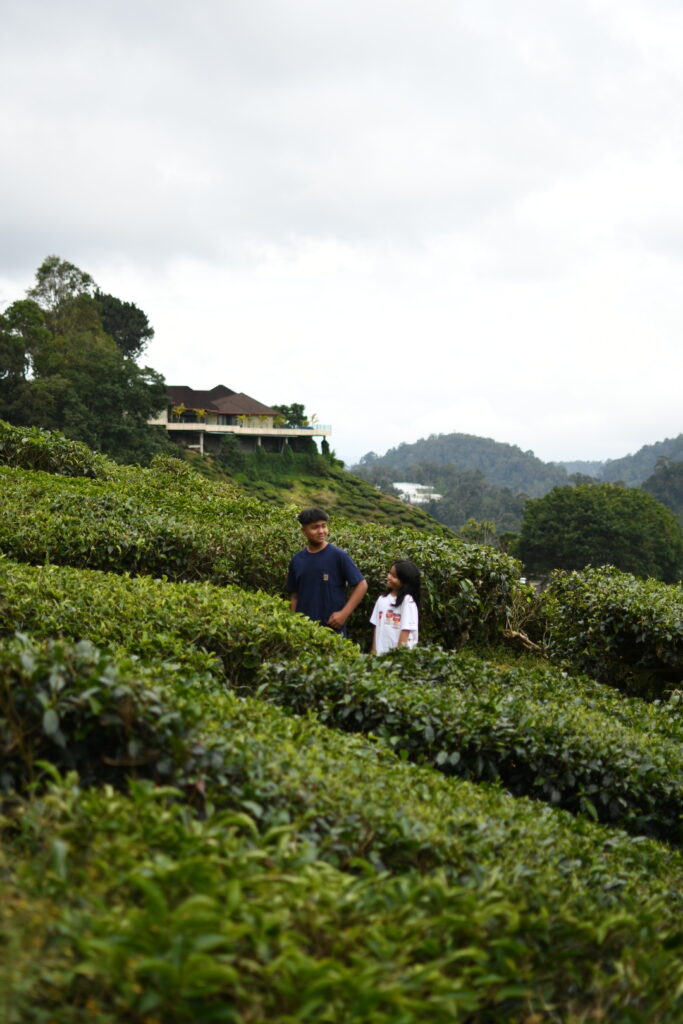
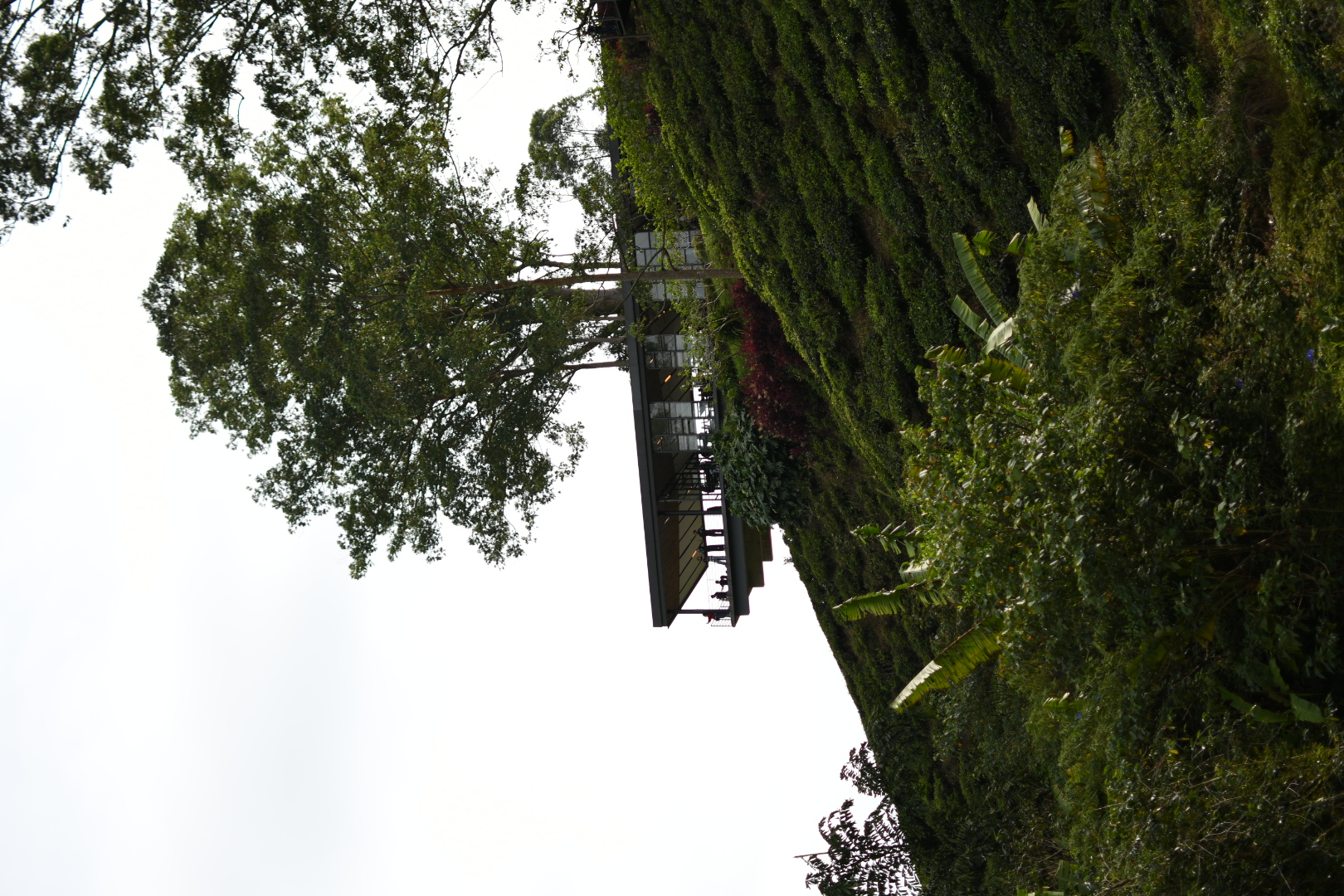
Going back downhill, we took another turn at a junction and entered Trail 6. This trail brought us down in about two to three hours. It was again quite adventurous, as we had to make our way through the jungle and its thick undergrowth. The trail ended on a narrow street, and after only 15 minutes of walking we discovered a “little tea house” that turned out to be part of a rather large tea plantation. For a small entry fee, you could visit the plantation itself. Alternatively, you could simply enjoy a cup(pa) of tea while taking in the views from the tea house’s terrace.
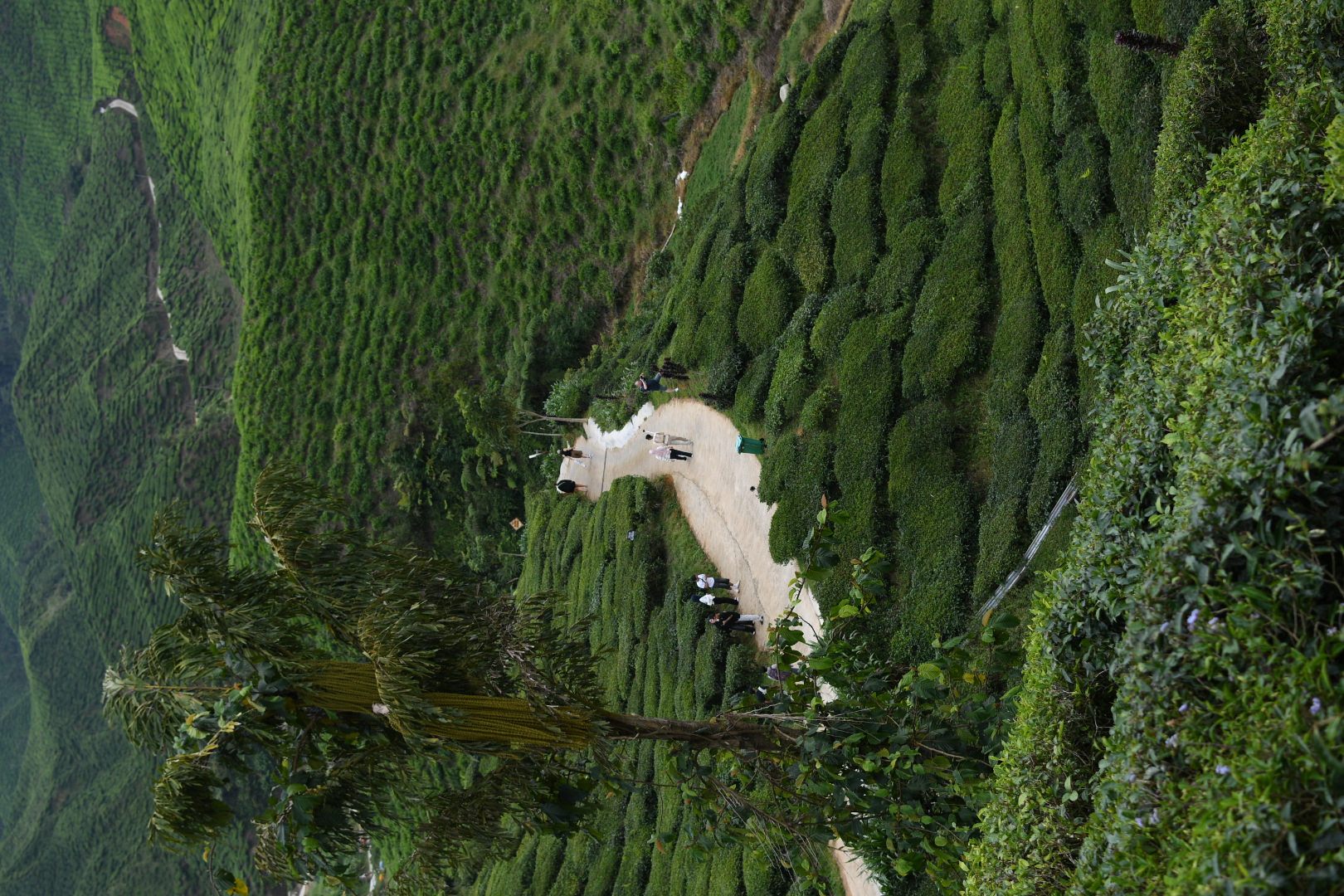
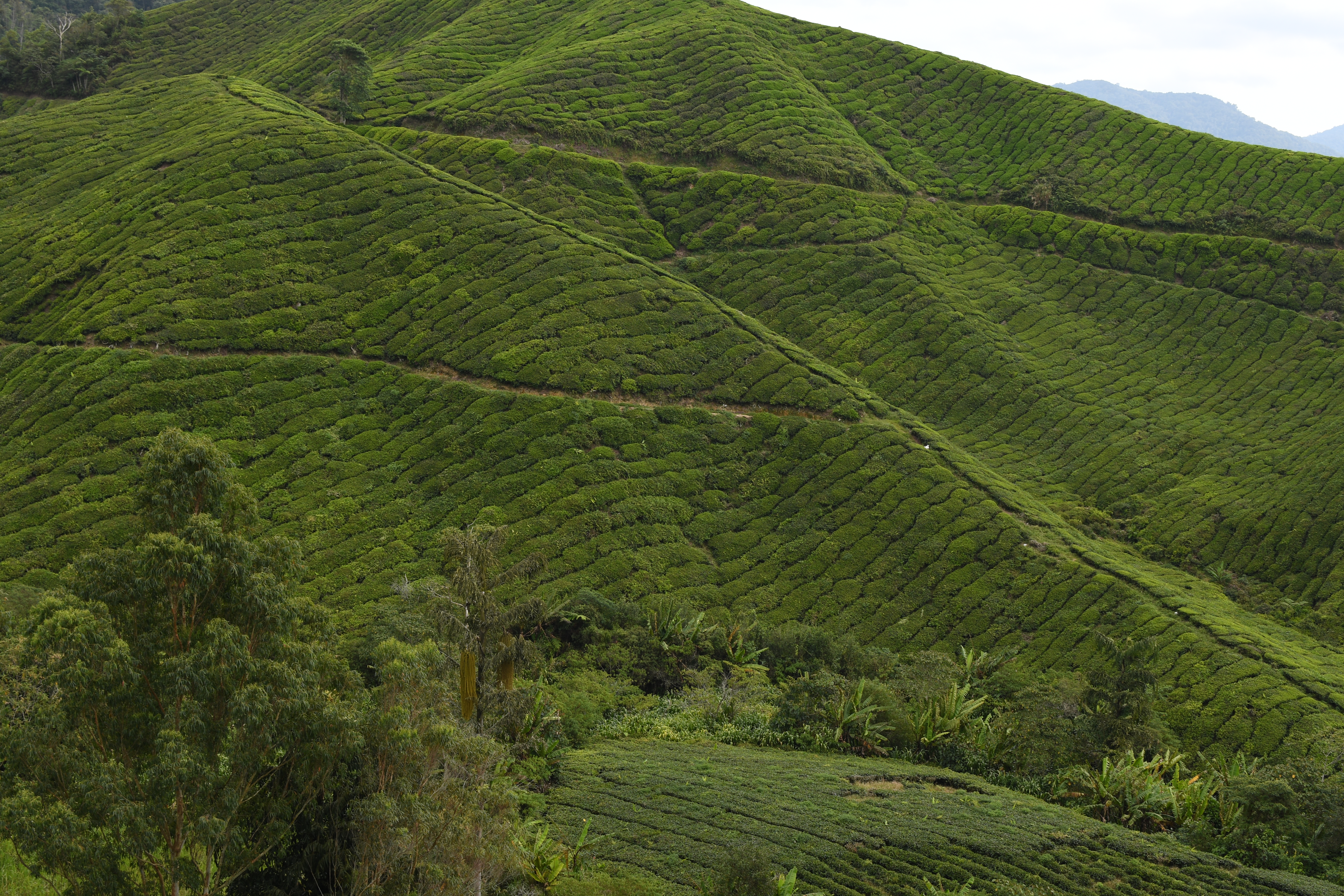
The next day we ventured to the BOH Tea Plantation. I expected this plantation to be the highlight of the trip. It wasn’t. This wasn’t BOH’s fault, though, but ours alone – we hadn’t researched properly about tours and the best times to visit. Because of the rainy season, only one tour was offered early in the morning. The plantation was still very picturesque, and the tea house’s famous terrace provided fantastic views. If you want to visit the tea fields themselves, it’s worth doing some research beforehand. I later read that there are also independent local providers who offer tours of the tea fields combined with a trip to the Mossy Forest. That might be worthwhile to look into.
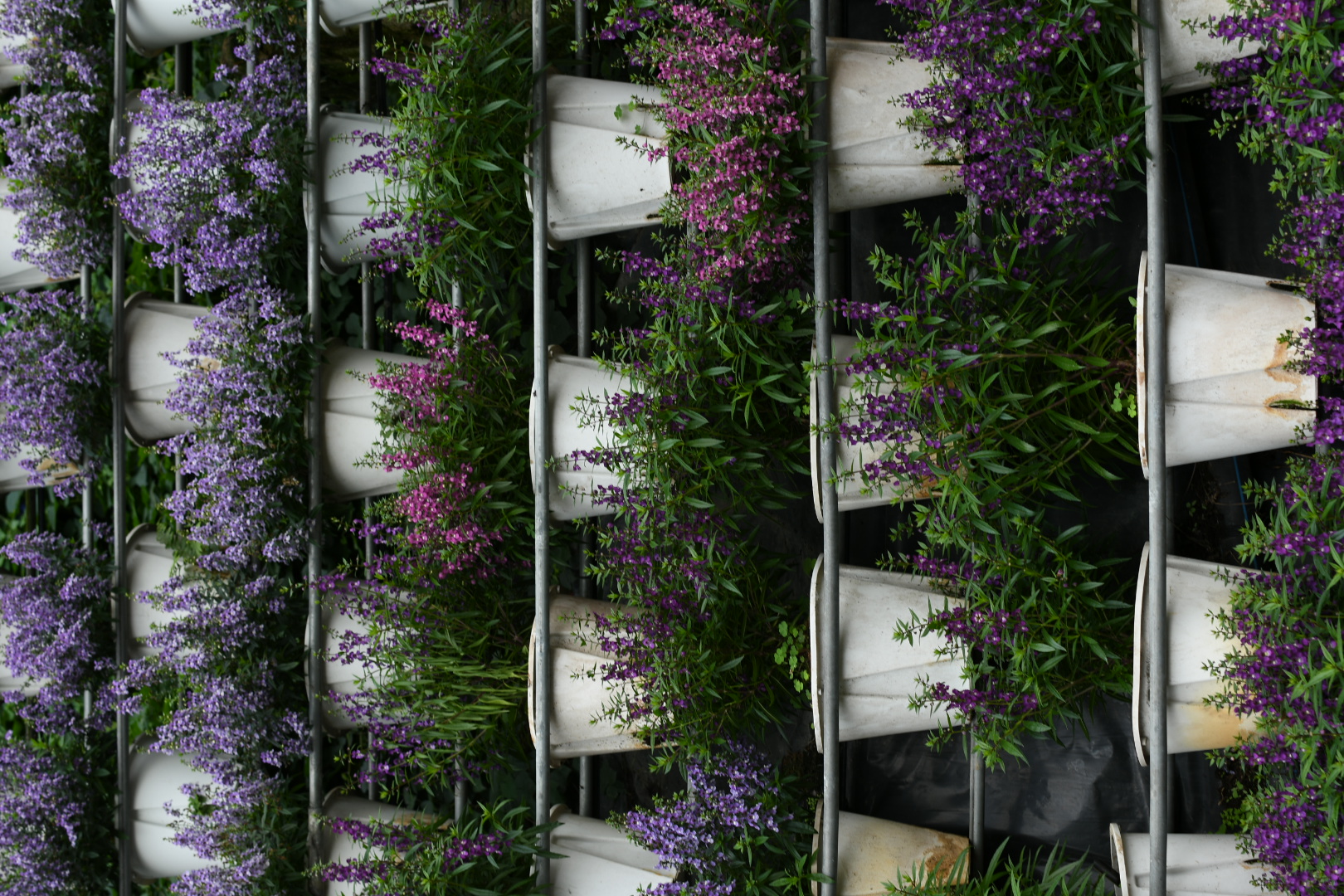
Given our personal setback at BOH, we had some time left before heading back to KLCC and decided to visit a lavender farm. There were plenty of flowers, strawberries, and a somewhat cheesy but undeniably cute children’s theme park. It was truly heartwarming to see domestic tourists – mostly families – exploring the farm’s little castle and taking pictures under floral walkways.
Penang
Famous Penang. Penang is a charming little island northwest of Kuala Lumpur. You can reach it by car, bus, or plane. Before leaving for Penang, I had to say goodbye to my colleagues and friends – and was given one final mandate: try as much food as possible! Penang is known as a food heaven, and it truly lived up to its reputation.
Georgetown
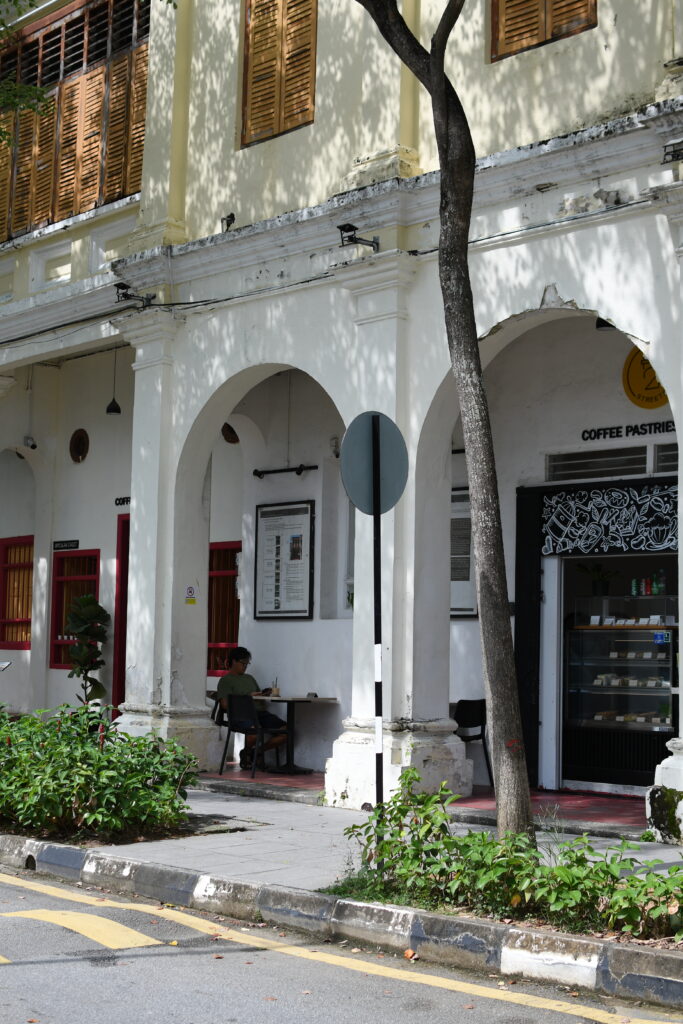
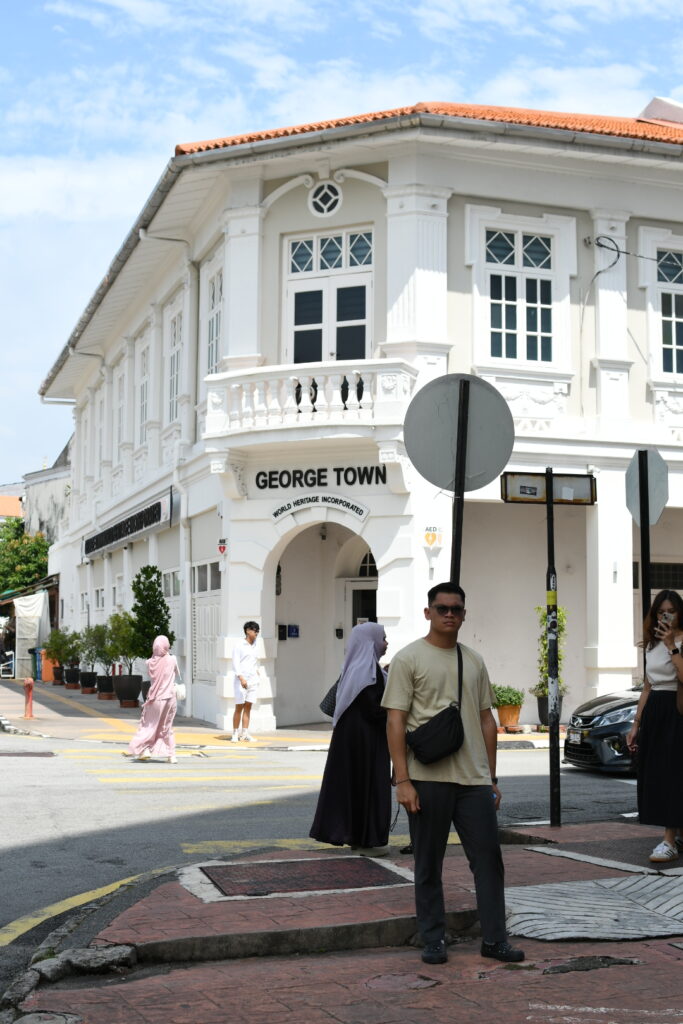
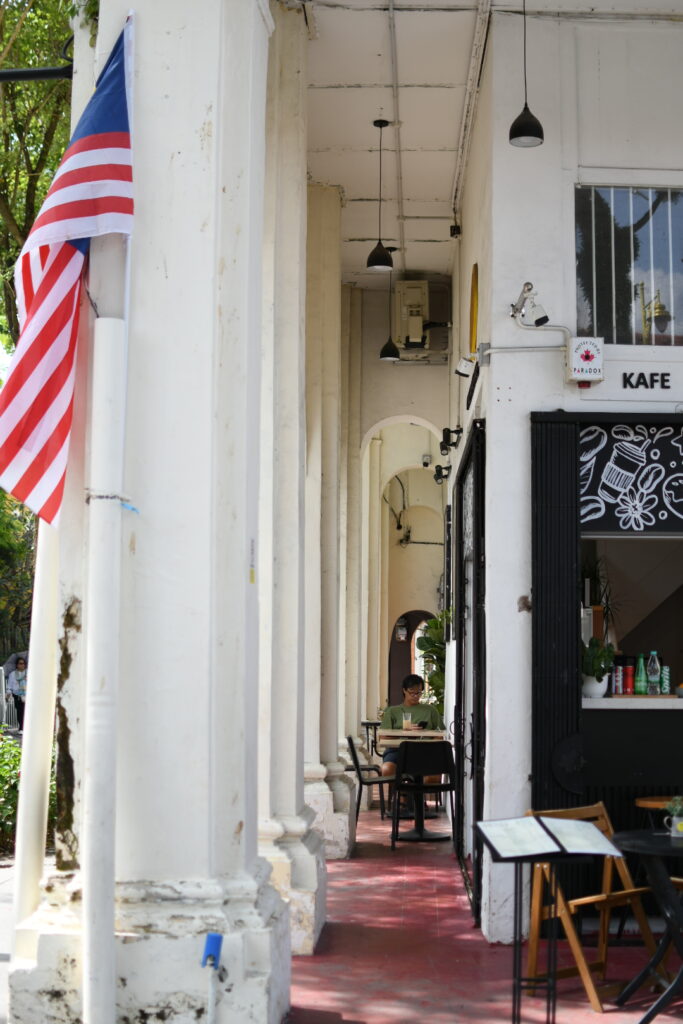
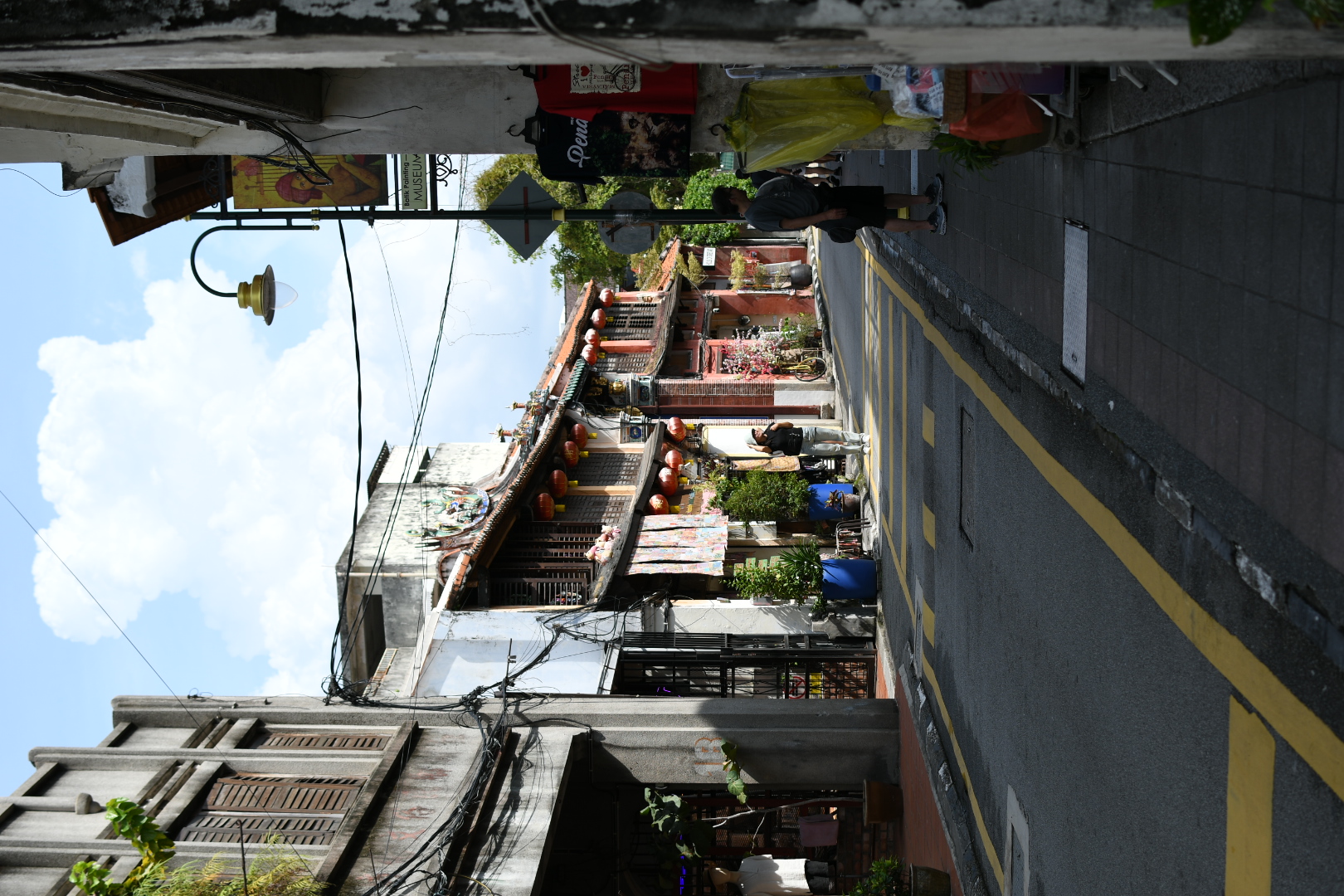
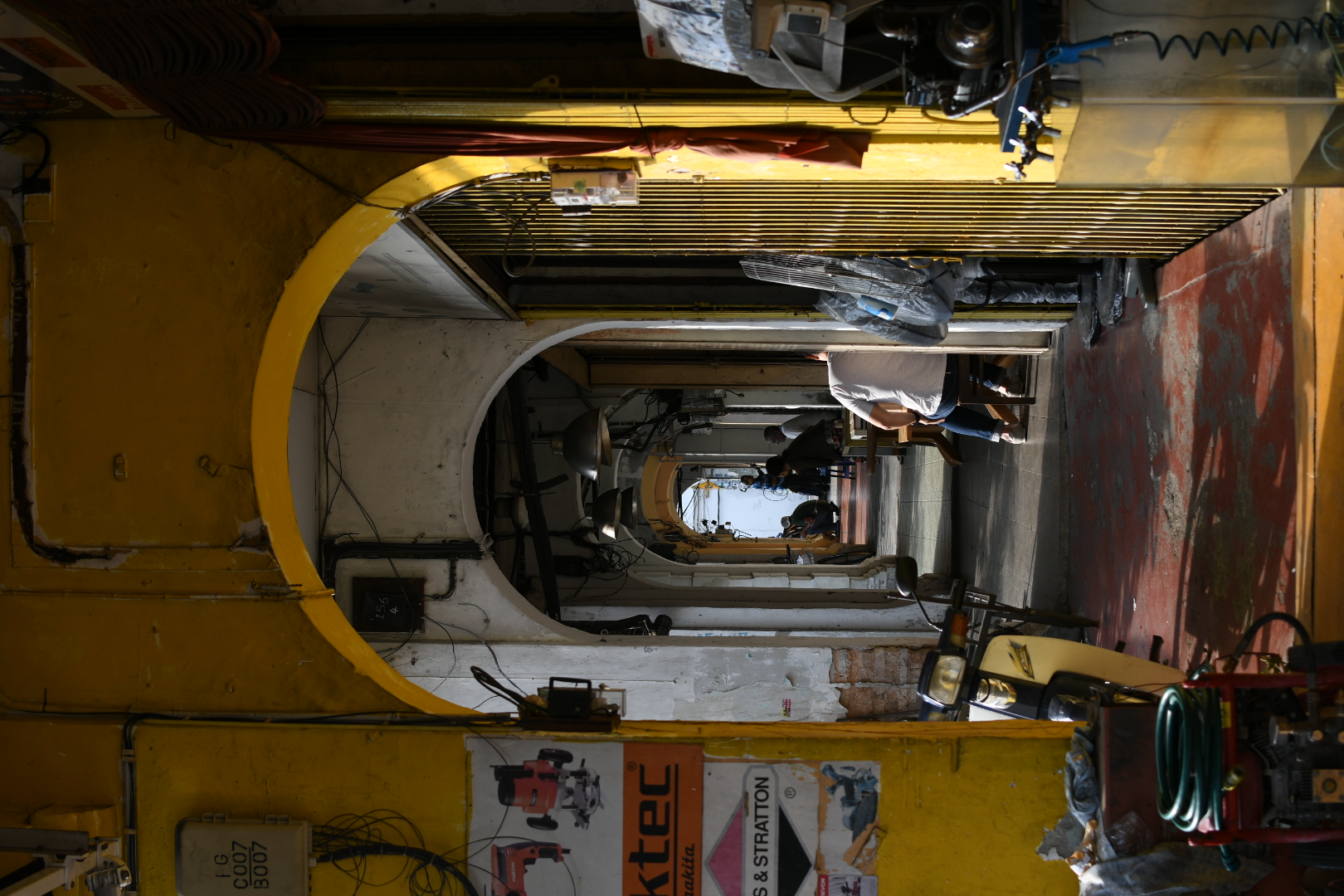
Georgetown is the heart of Penang, with its colonial buildings, rich cuisine, Chinese temples, and historic quays. The small archways and alleys invite you to stroll around and spend a little money on things you probably don’t need but will make charming souvenirs. In between shopping, you can step into a Clan Jetty or a mosque. The cultural heritage in Penang is extraordinary and ensures you won’t get bored. And if you’re feeling hungry, you can hardly go wrong. Our favorite cuisine was Baba Nyonya – a unique Chinese-Malay blend.
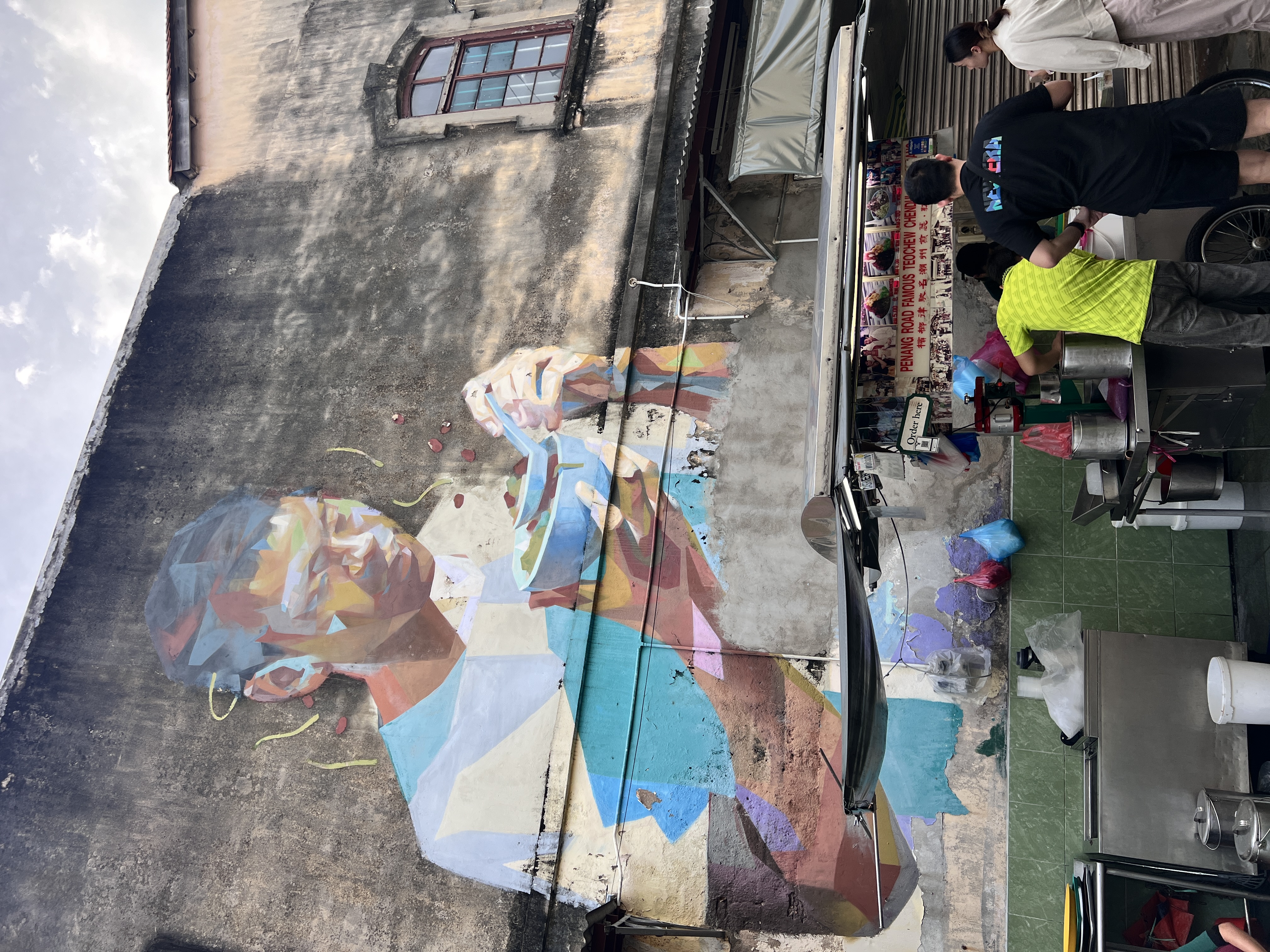
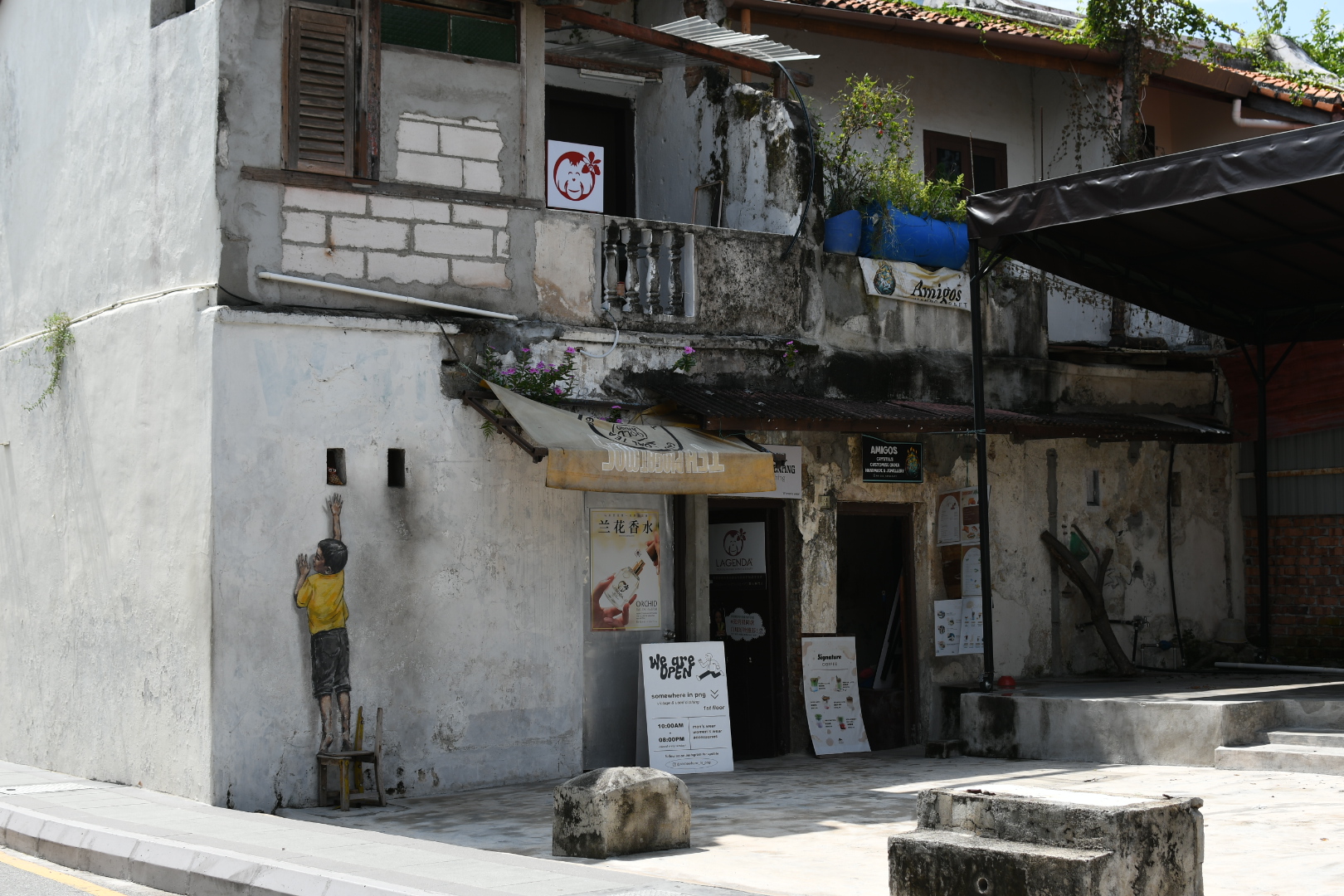
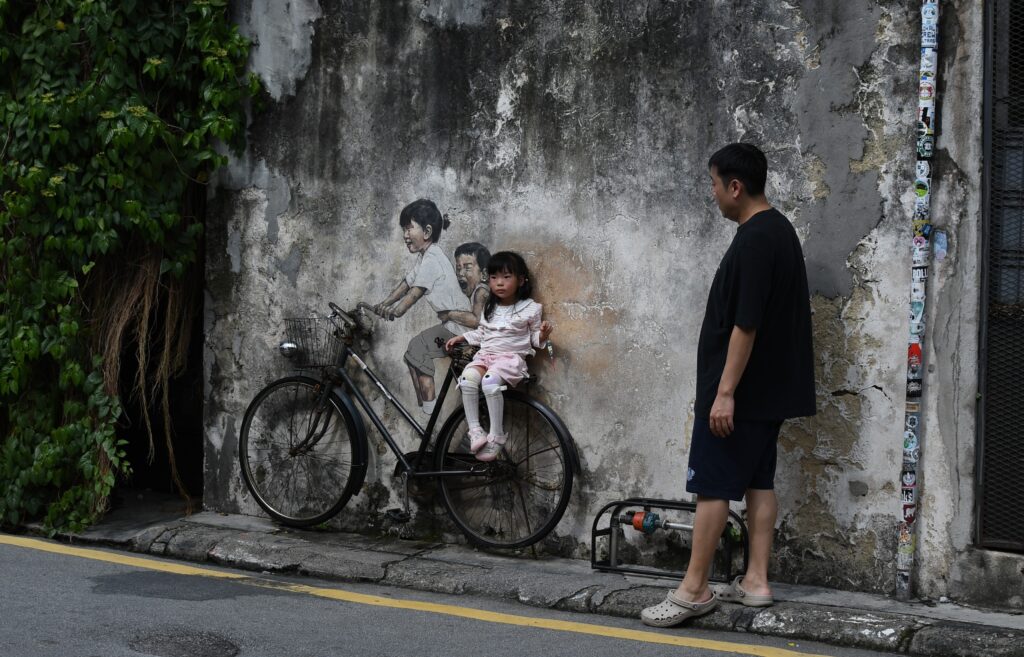
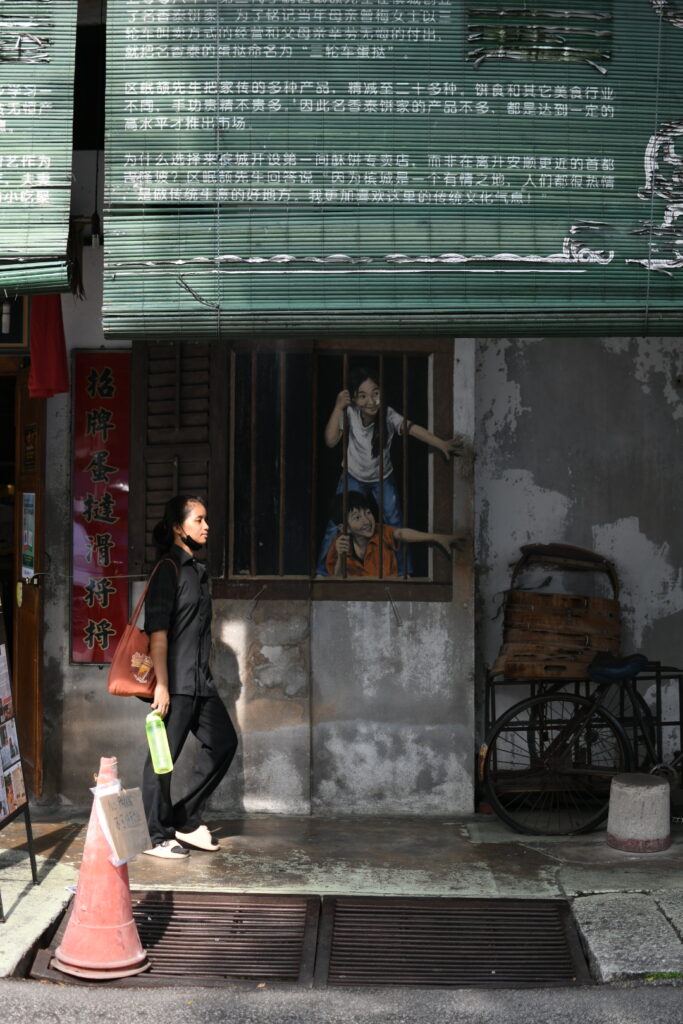
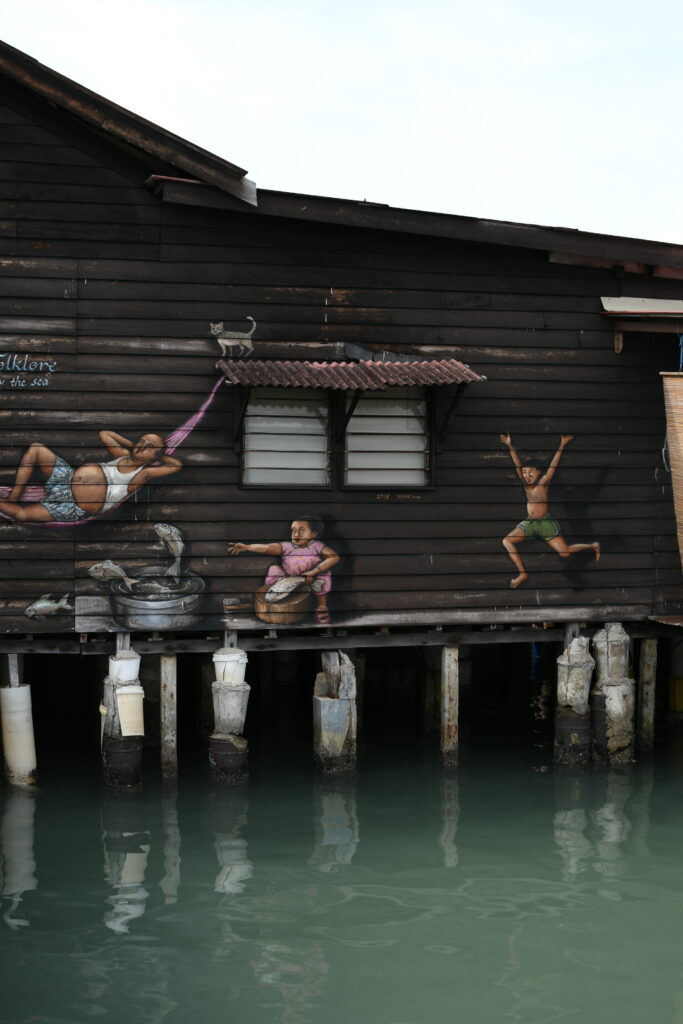
Penang is also famous for its murals. Keep your eyes open—you’ll most likely spot them easily, as small crowds usually gather around to capture the typical postcard shots. Be sure to explore one of the many clan jetties – it’s not just about the mural that you´ll find on one of the quays, but also the surrounding area is cool and vibrant, making it well worth a visit. Along the quays you’ll find plenty of shops selling souvenirs and fancy refreshments.
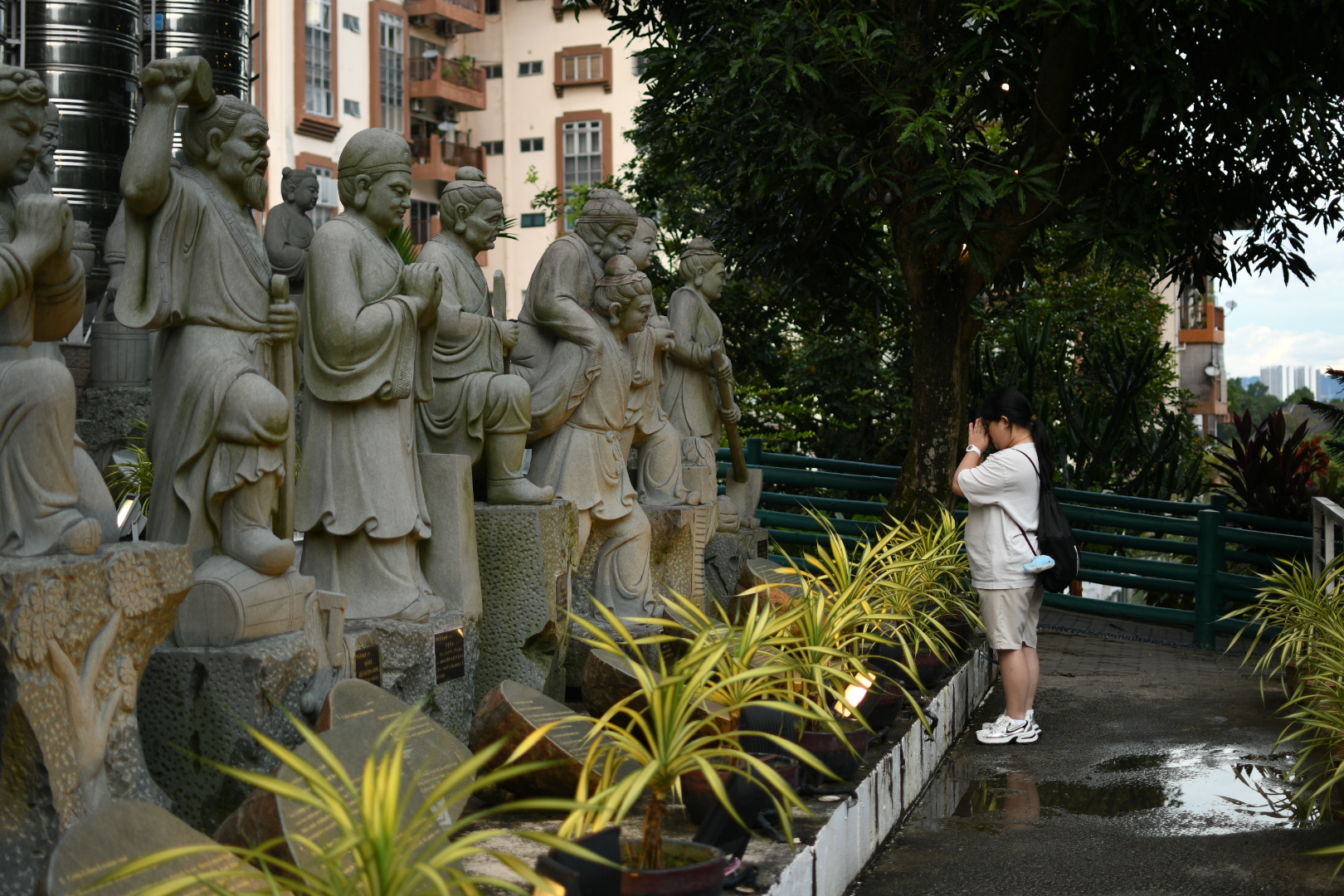
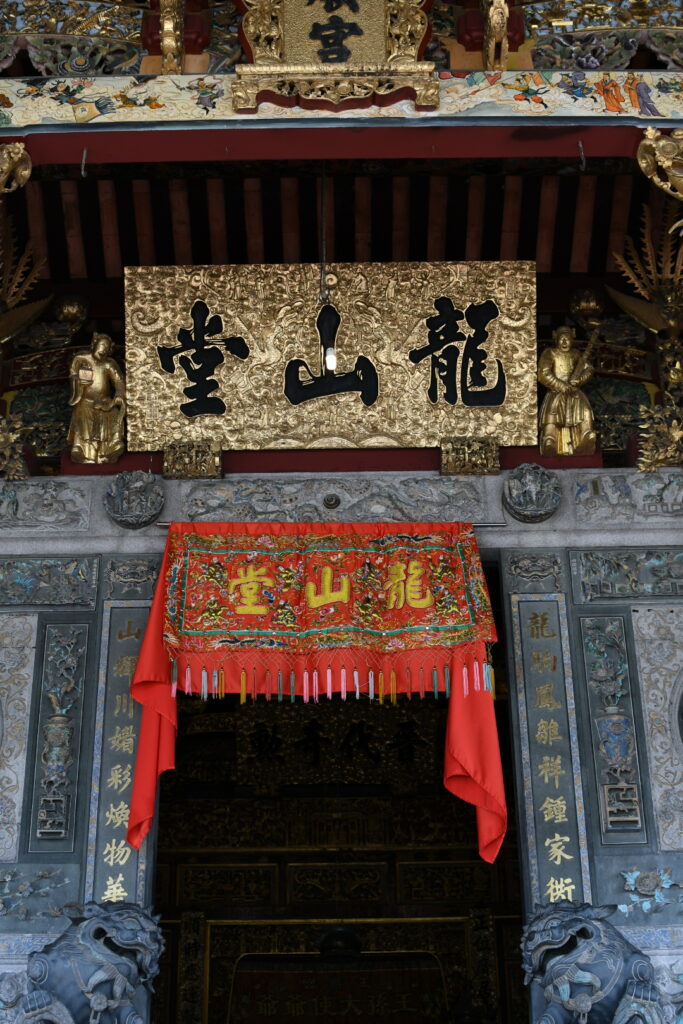
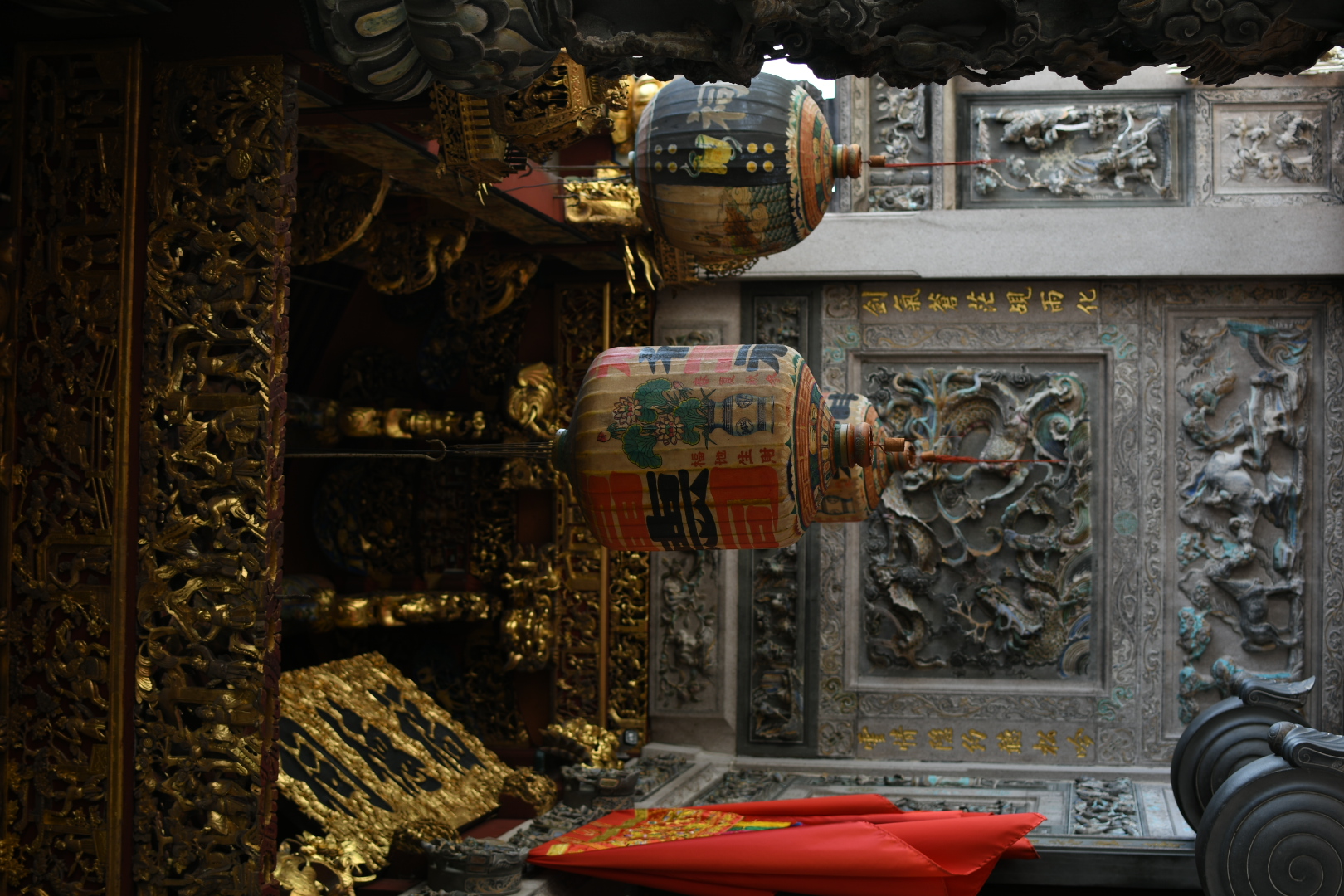
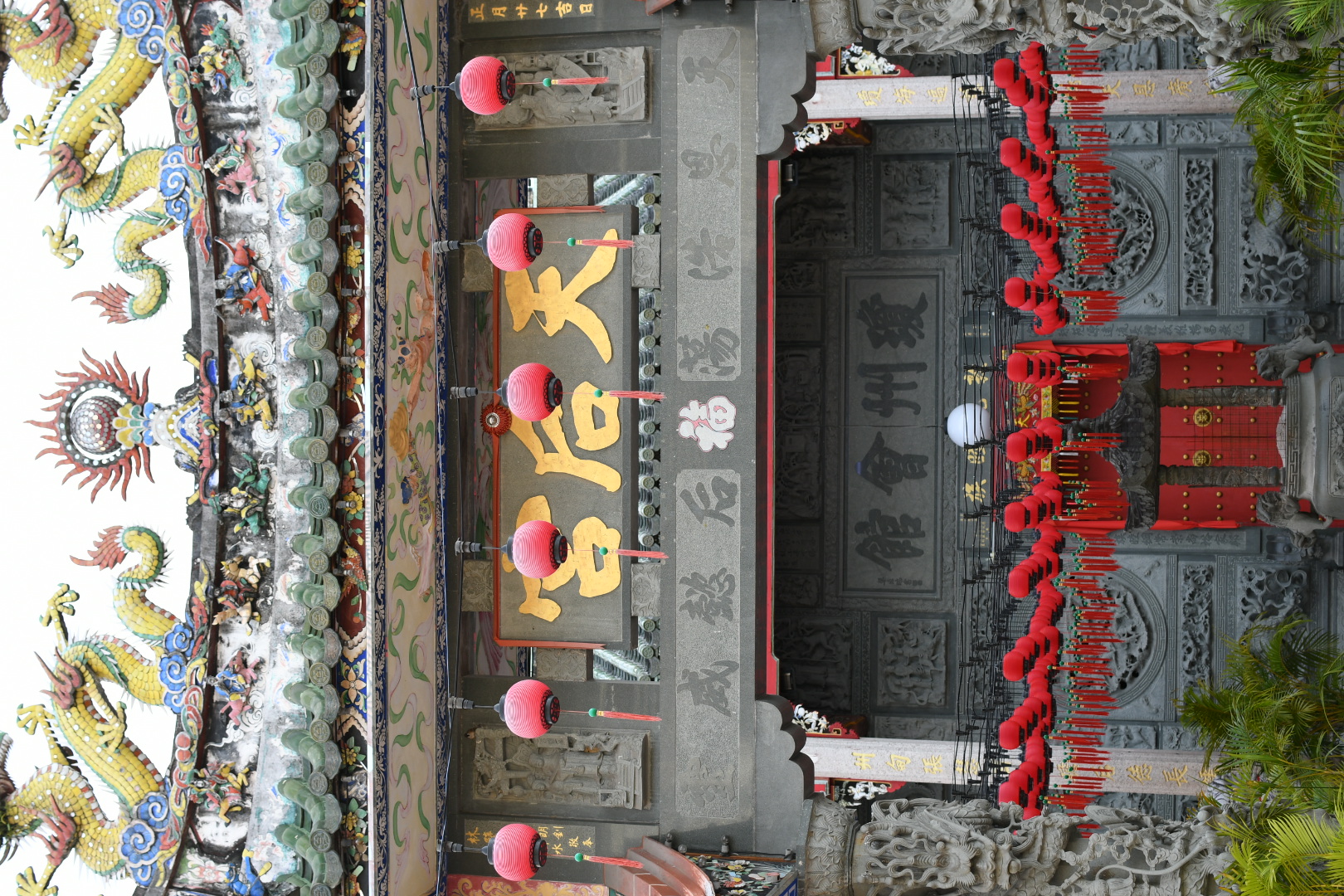
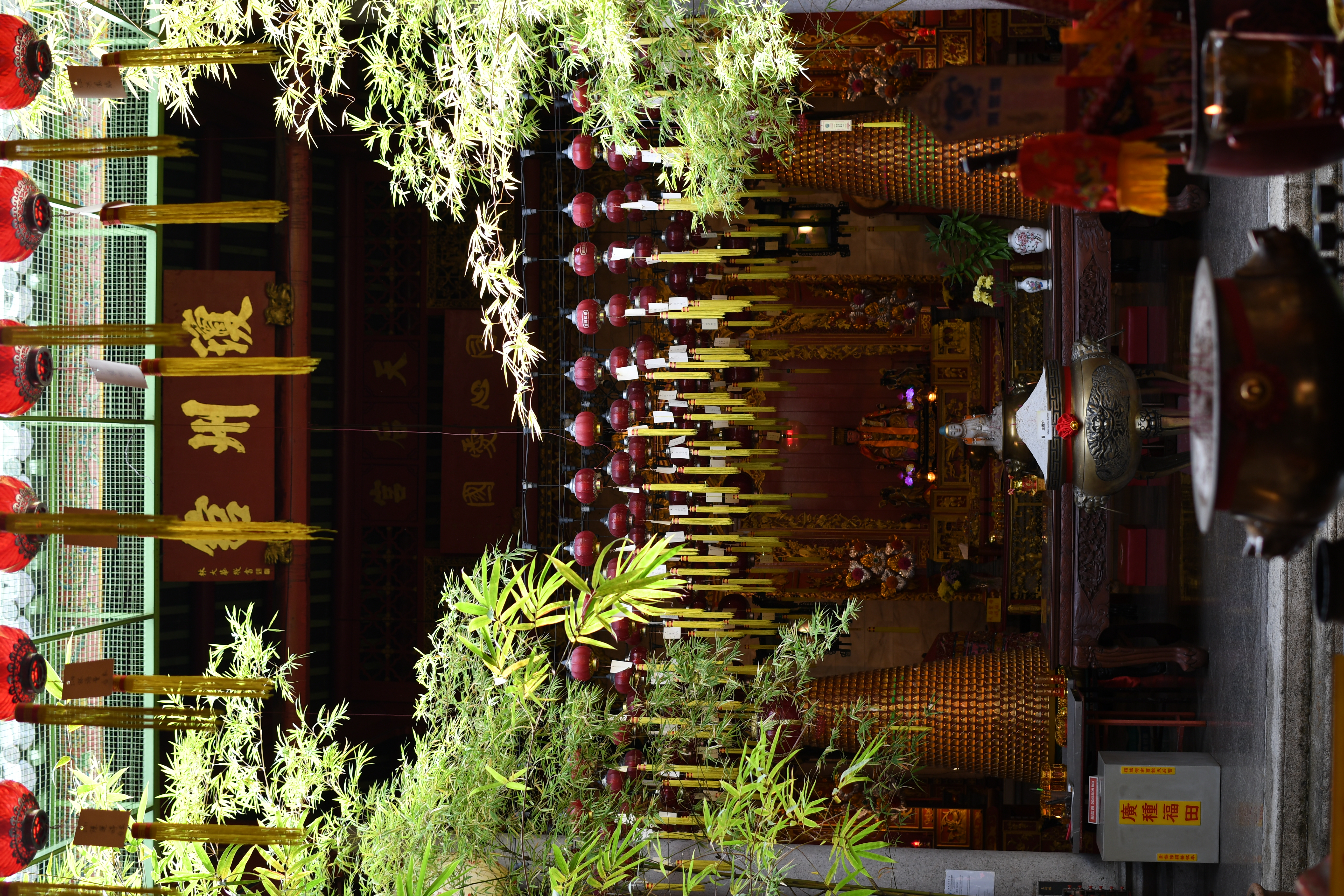
Please also don´t forget about the clan houses and Chinese temples which are truly impressive. My favorites were Khoo Kongsi and the Hainan Thean Hou Temple.
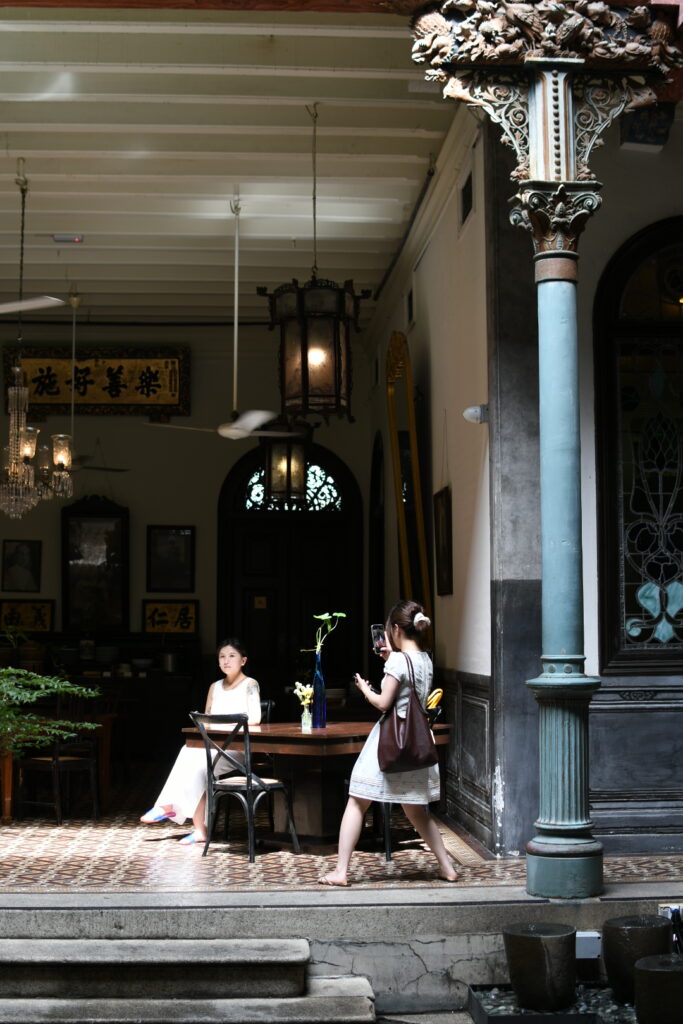
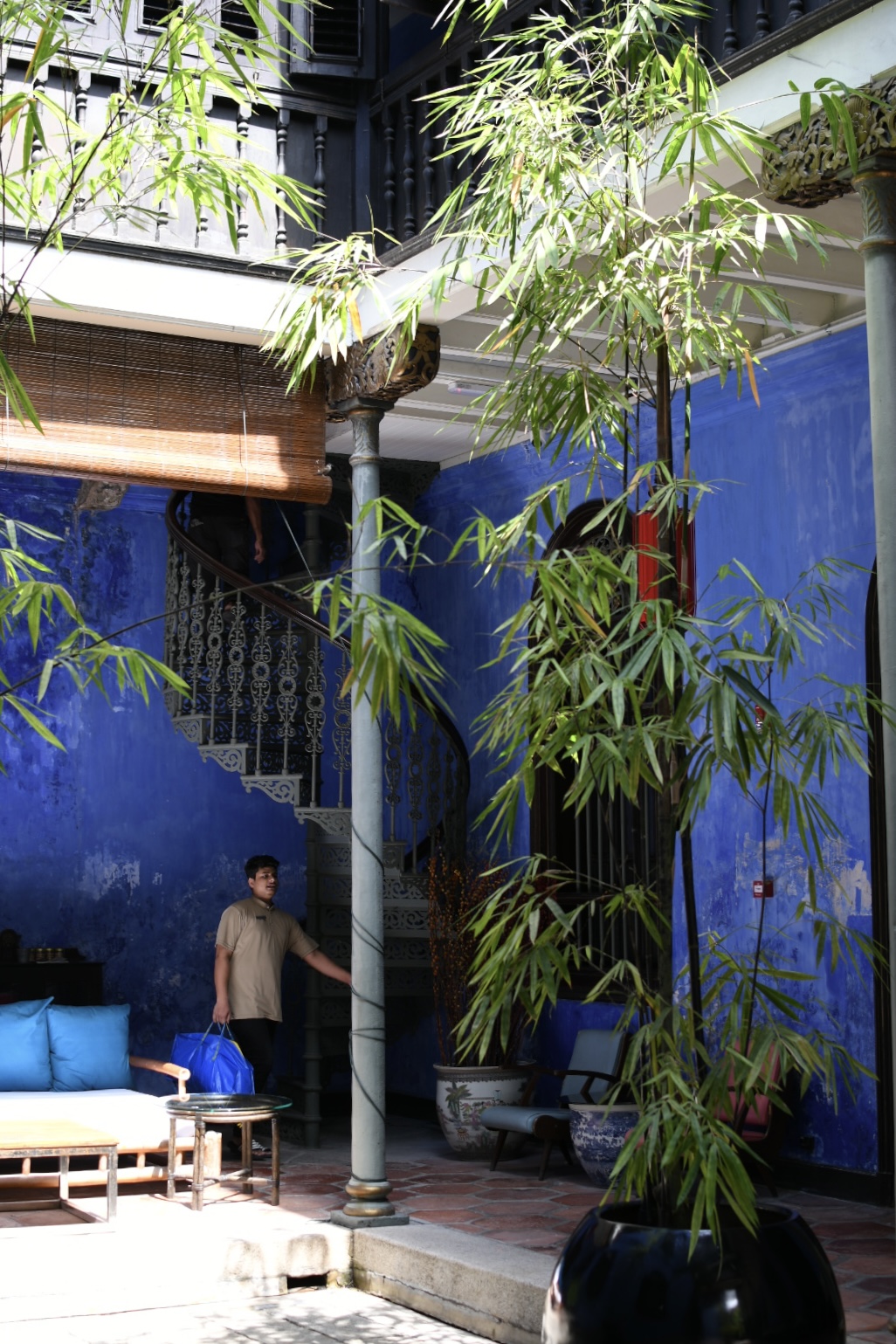
Following another recommendation, we also visited the Blue Mansion. Personally, I didn’t find it worth the entry fee, though it was quite pretty and its history somewhat interesting.
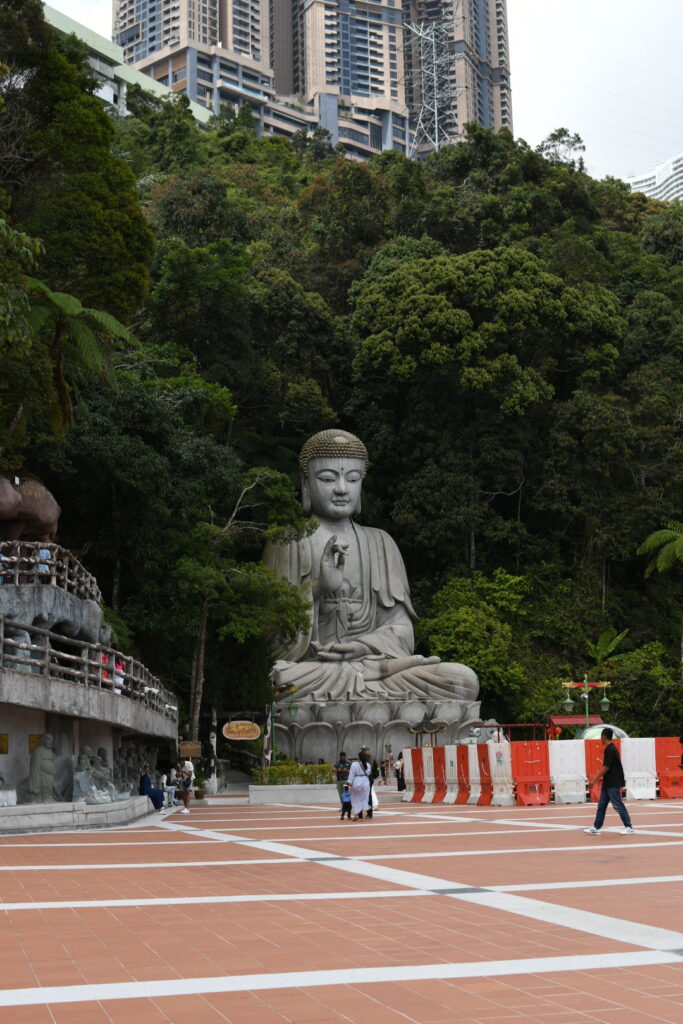
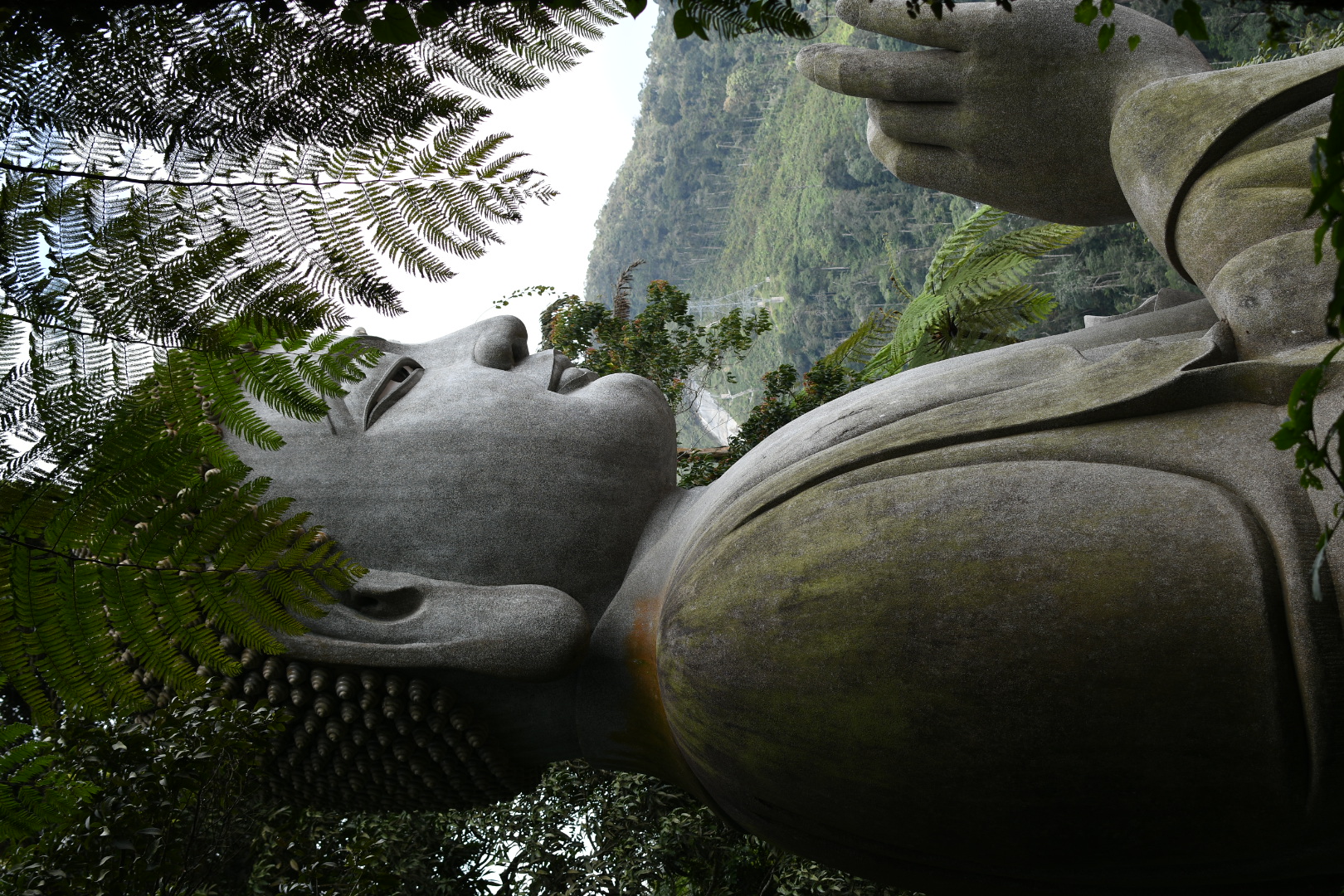
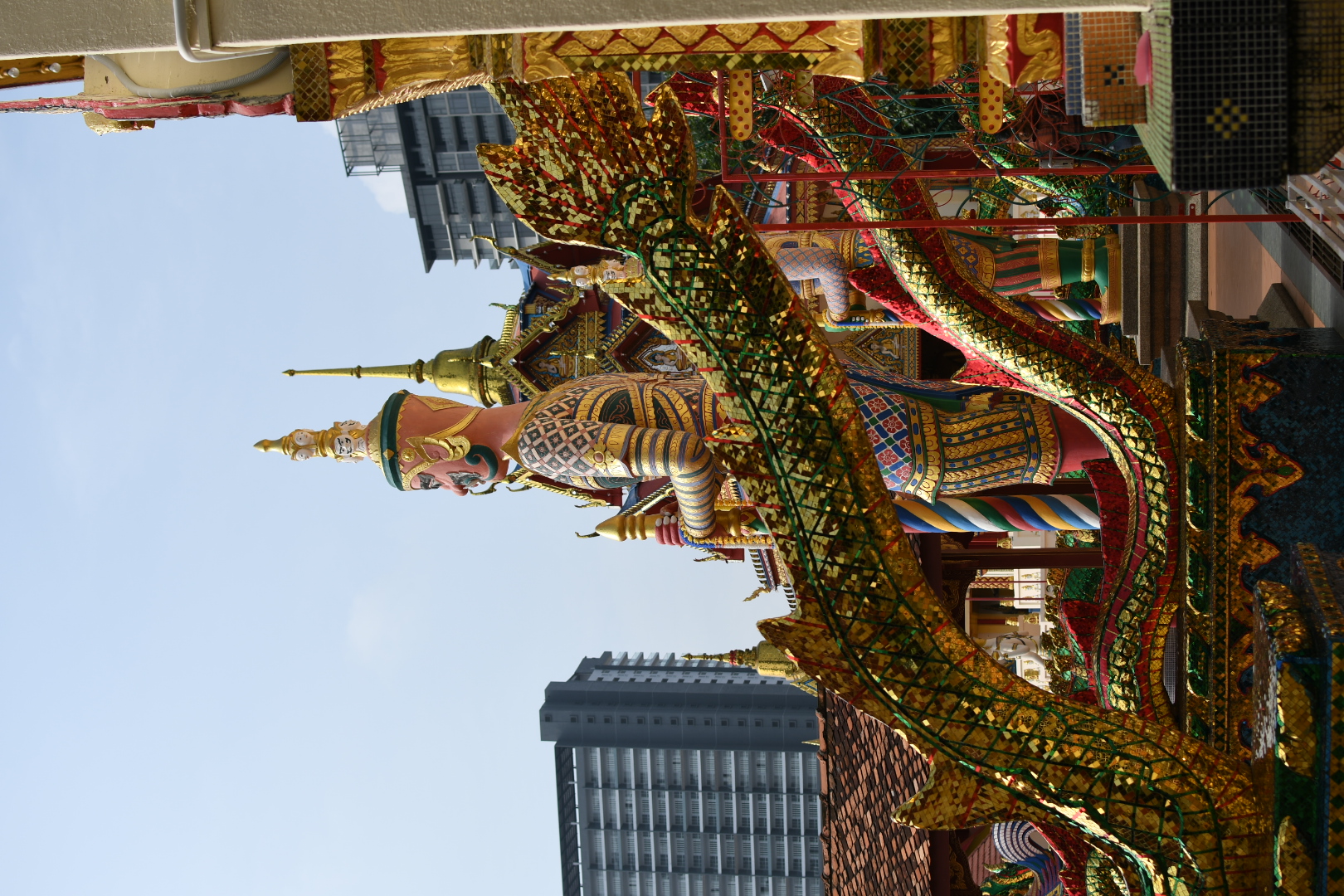
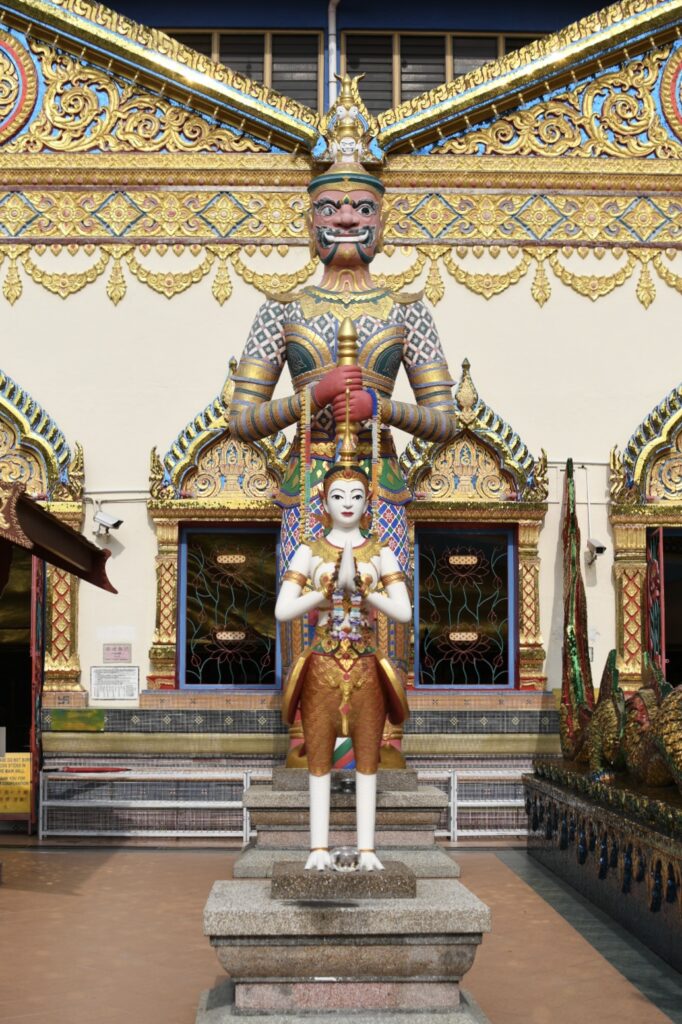
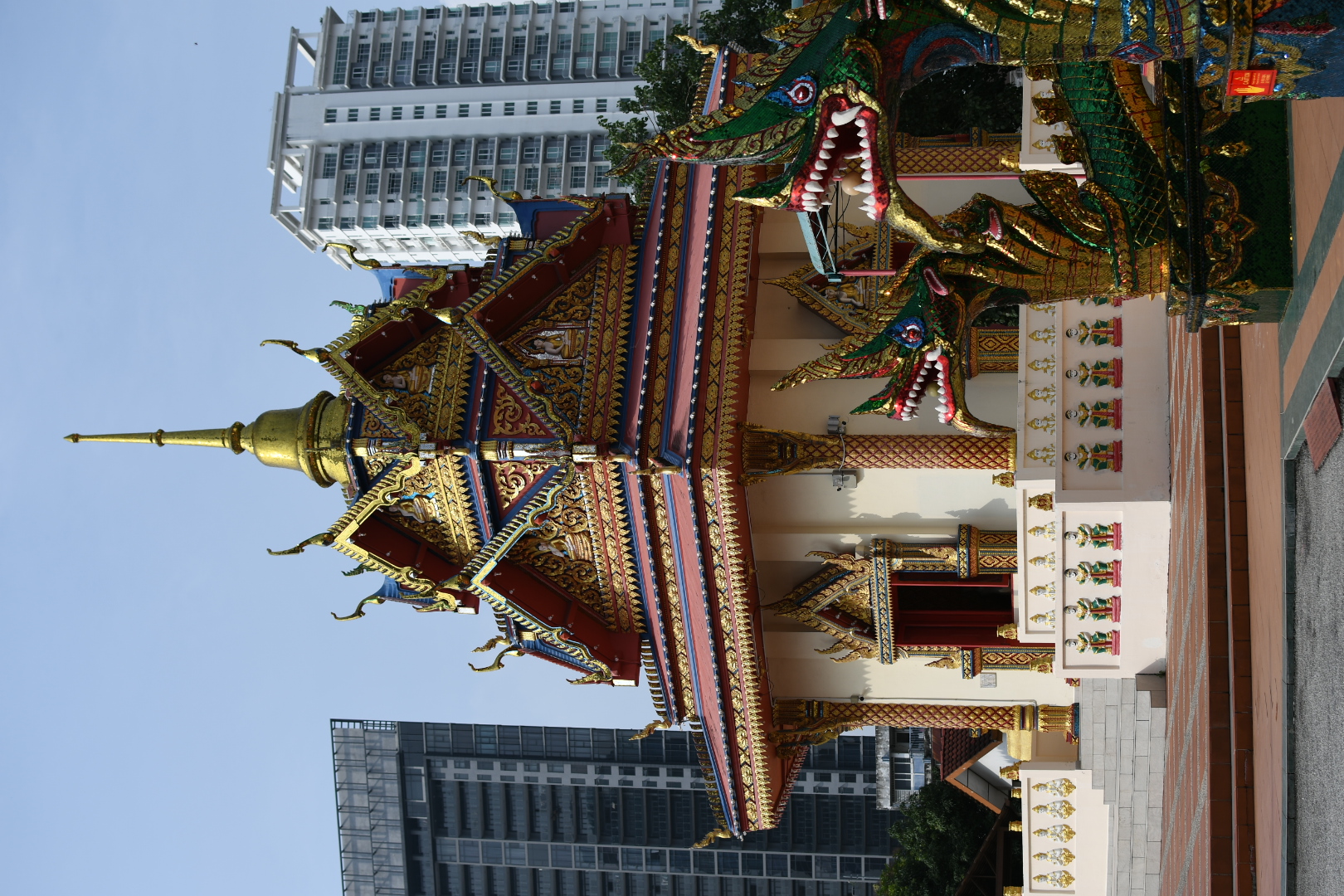
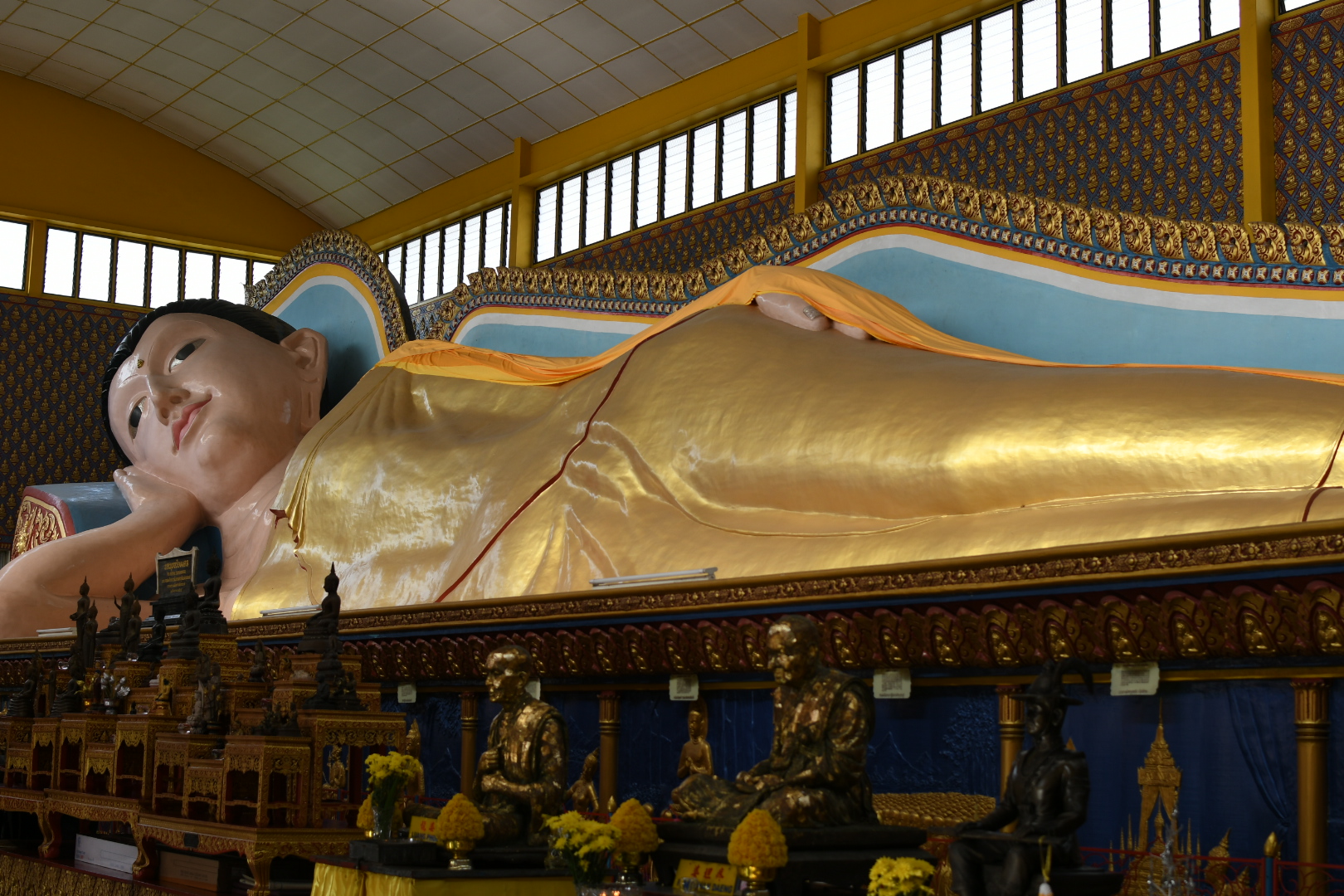
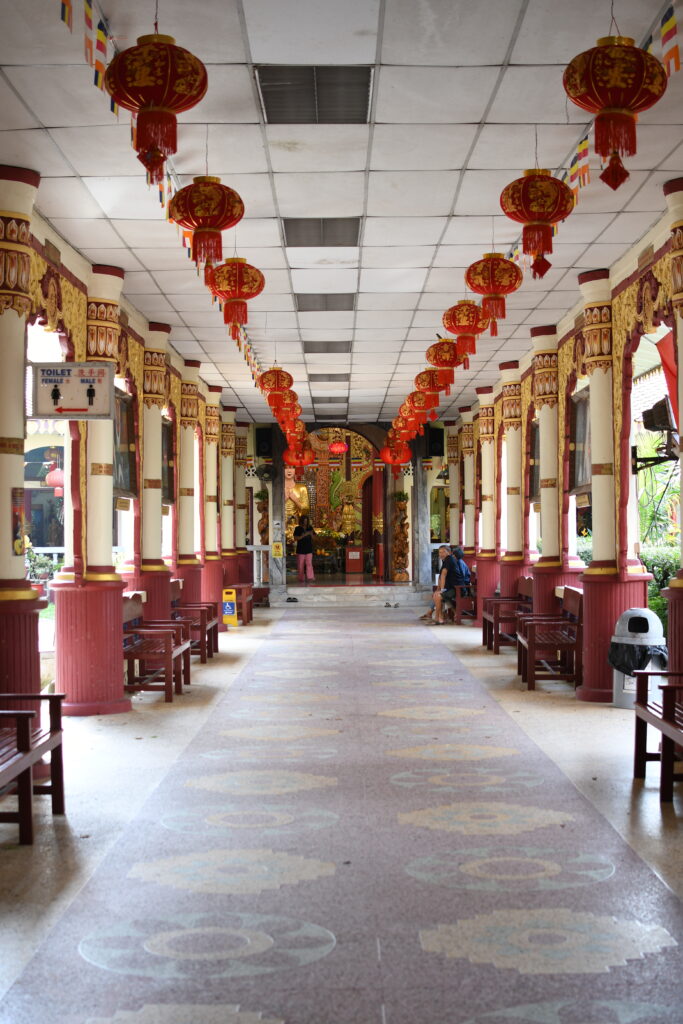
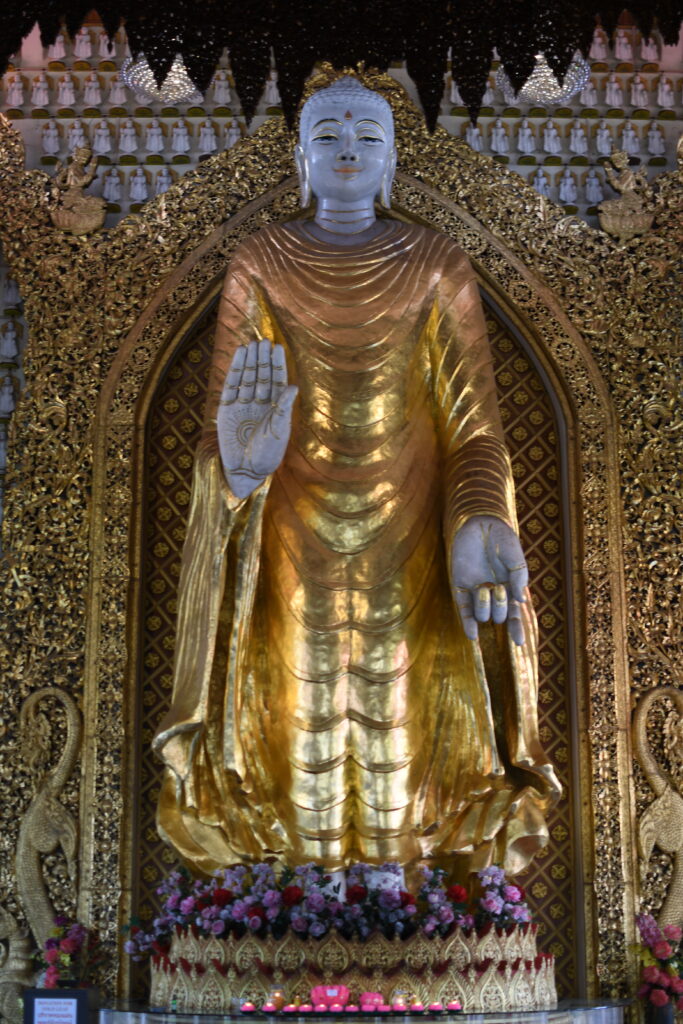
A bit further away from the busy streets of Georgetown’s central district, you can find two beautiful Thai Buddhist temples. In one of them stands an impressive reclining Buddha statue. Directly across the street, you’ll discover a huge standing Buddha.
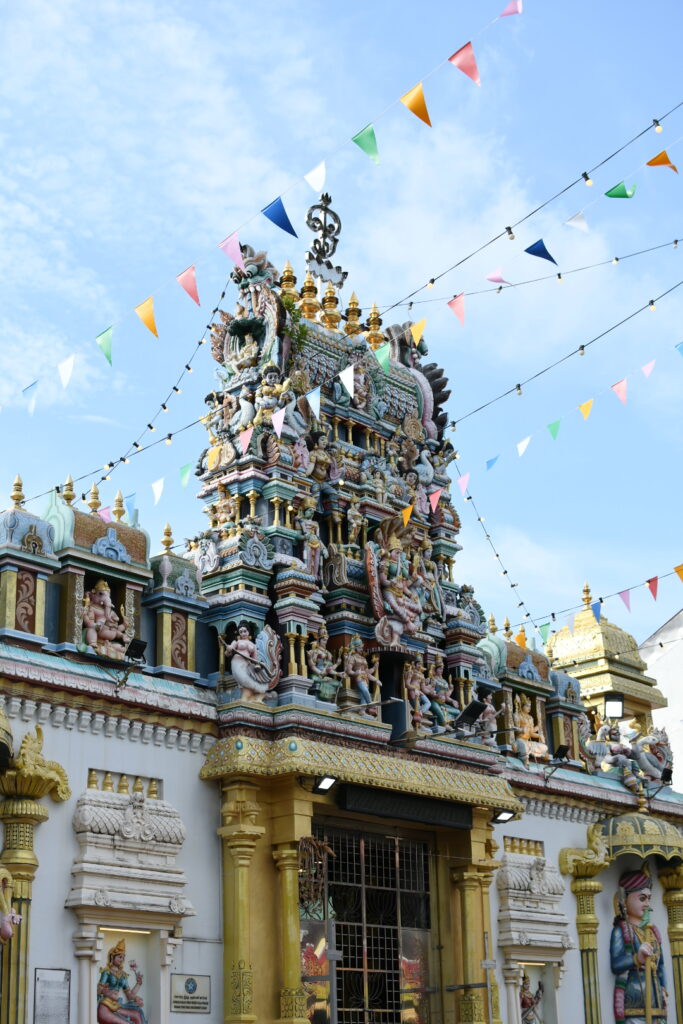
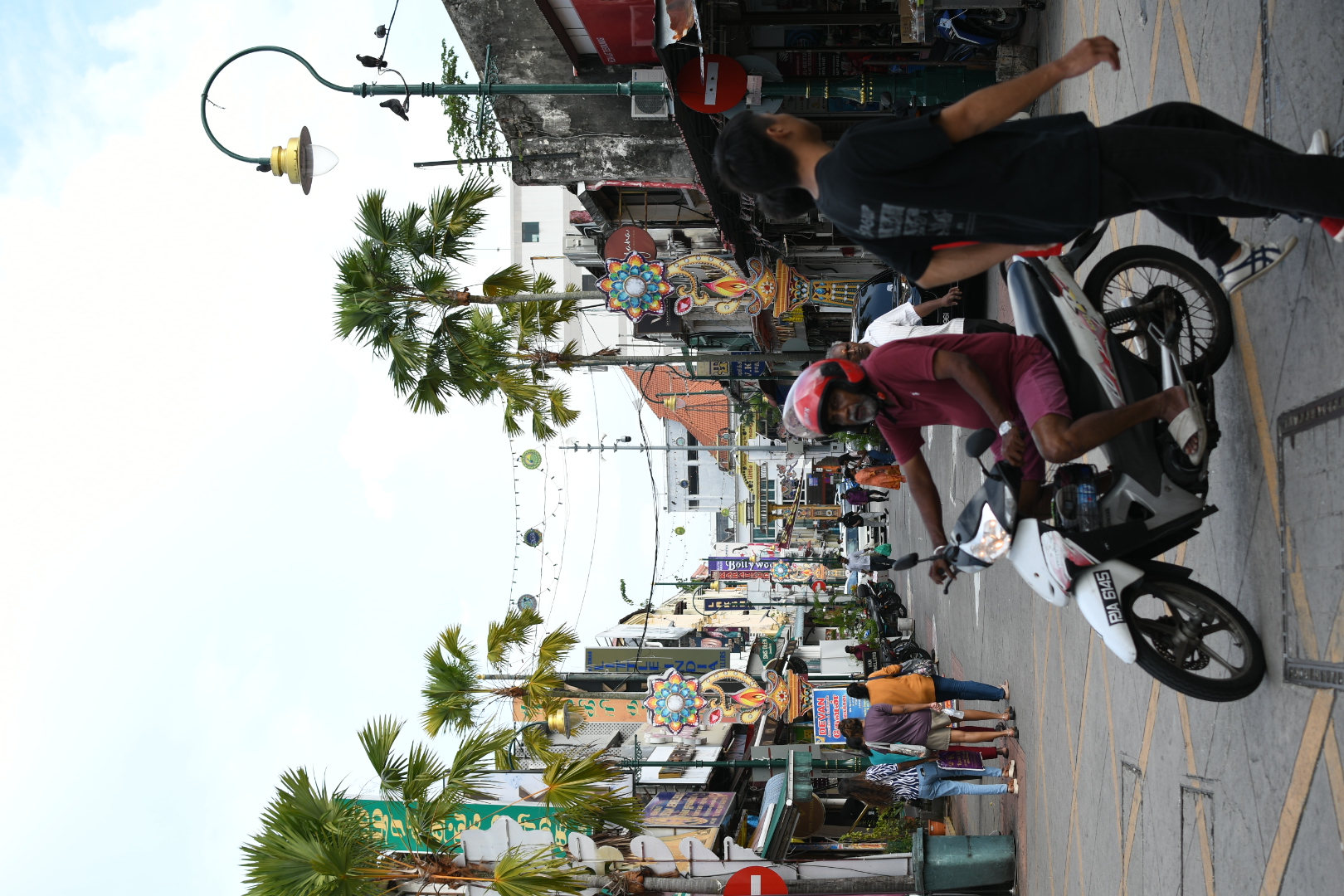
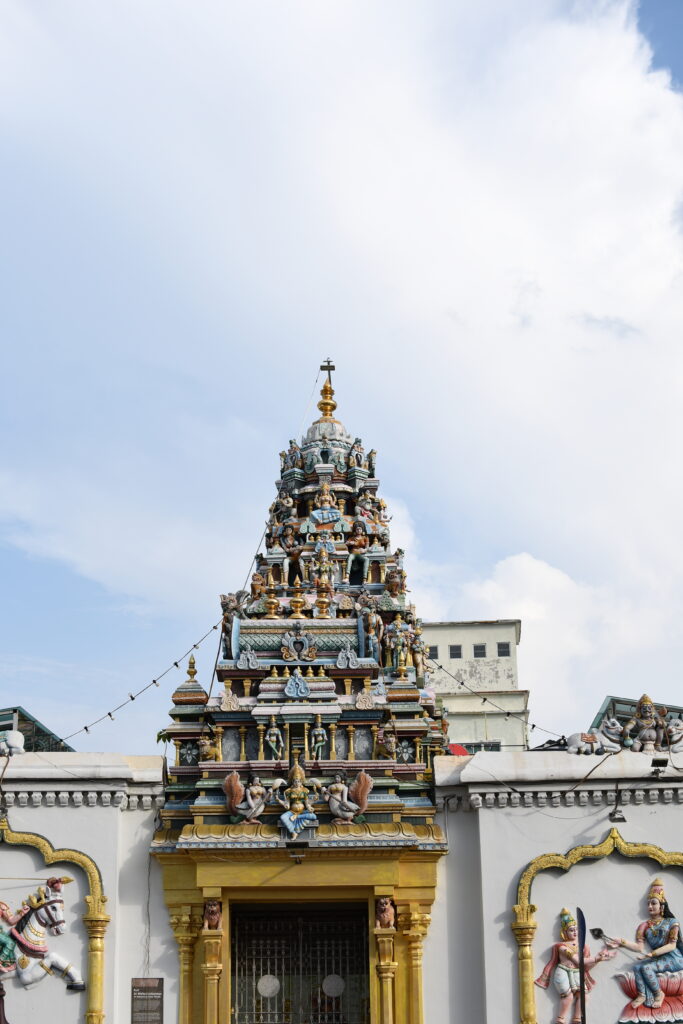
Once you feel like you’ve seen enough Buddhist temples and mosques, no problem at all – you can simply turn the next corner and find yourself in Little India. The area isn’t all that “little” after all, and it’s truly amazing how the vibe shifts. The people, colors, and scents metaphorically transport you into another world. Buddhist temples give way to Hindu temples, and souvenir shops are replaced by gold and jewelry stores. Malaysian Indian women wear long, colorful robes, while men serve up spicy Indian curries from behind their street food stalls.
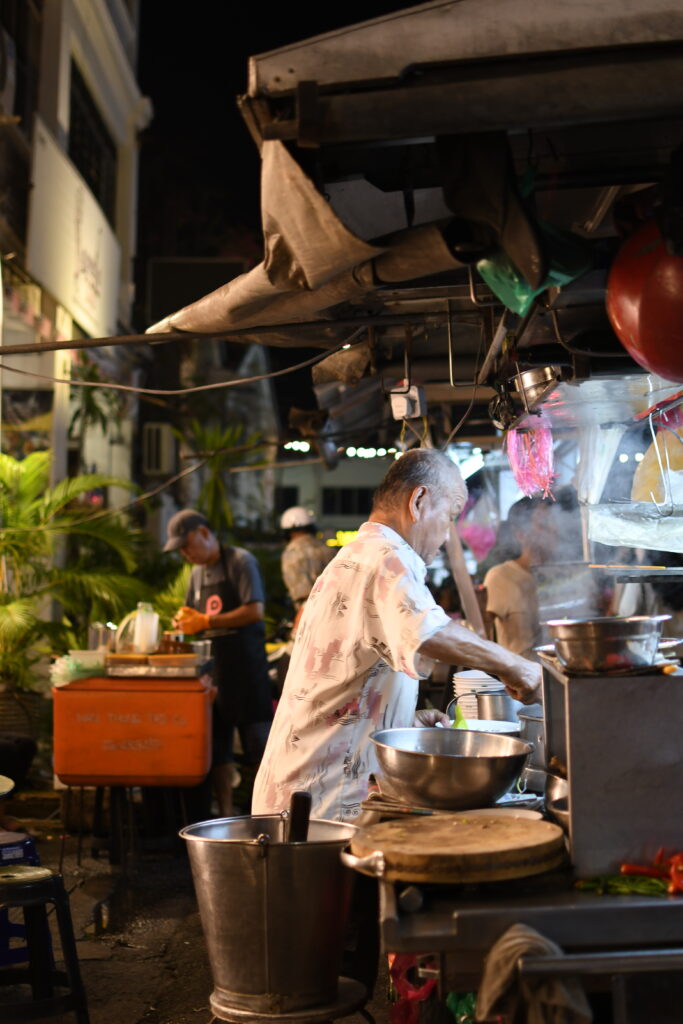
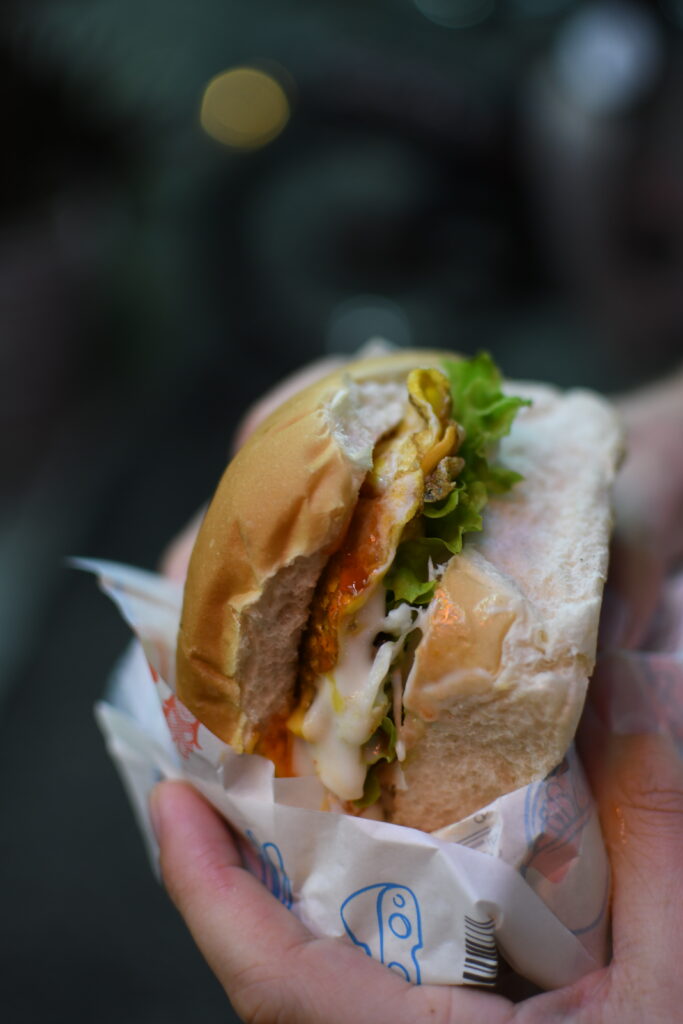
Sticking with street food, let’s talk about nightlife in Penang. While you can find tasty street food everywhere, at any time, the dishes you’ll discover once the sun sets will elevate your Penang food experience to another level. Be sure to save some space in your stomach – you’ll need it for Char Kway Teow, Hokkien Mee, and Curry Mee, as well as Lor Bak and a Ramly Burger.
Other Parts
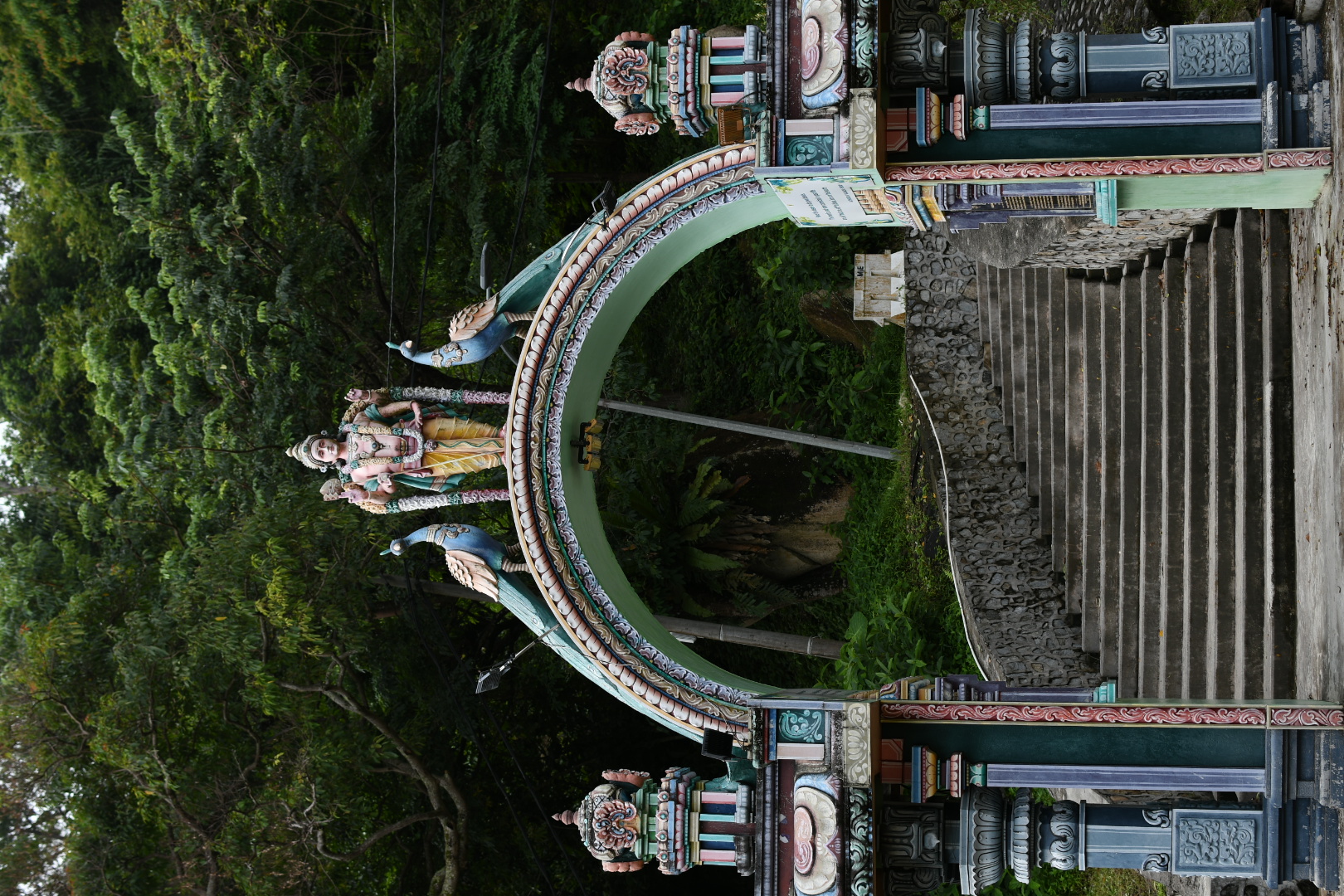
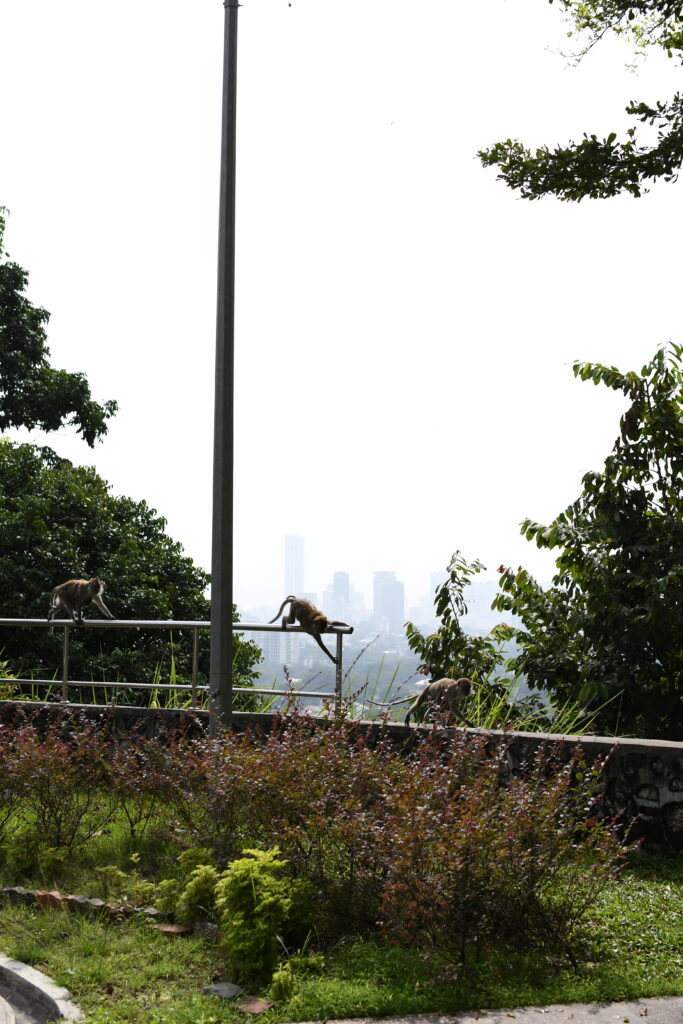
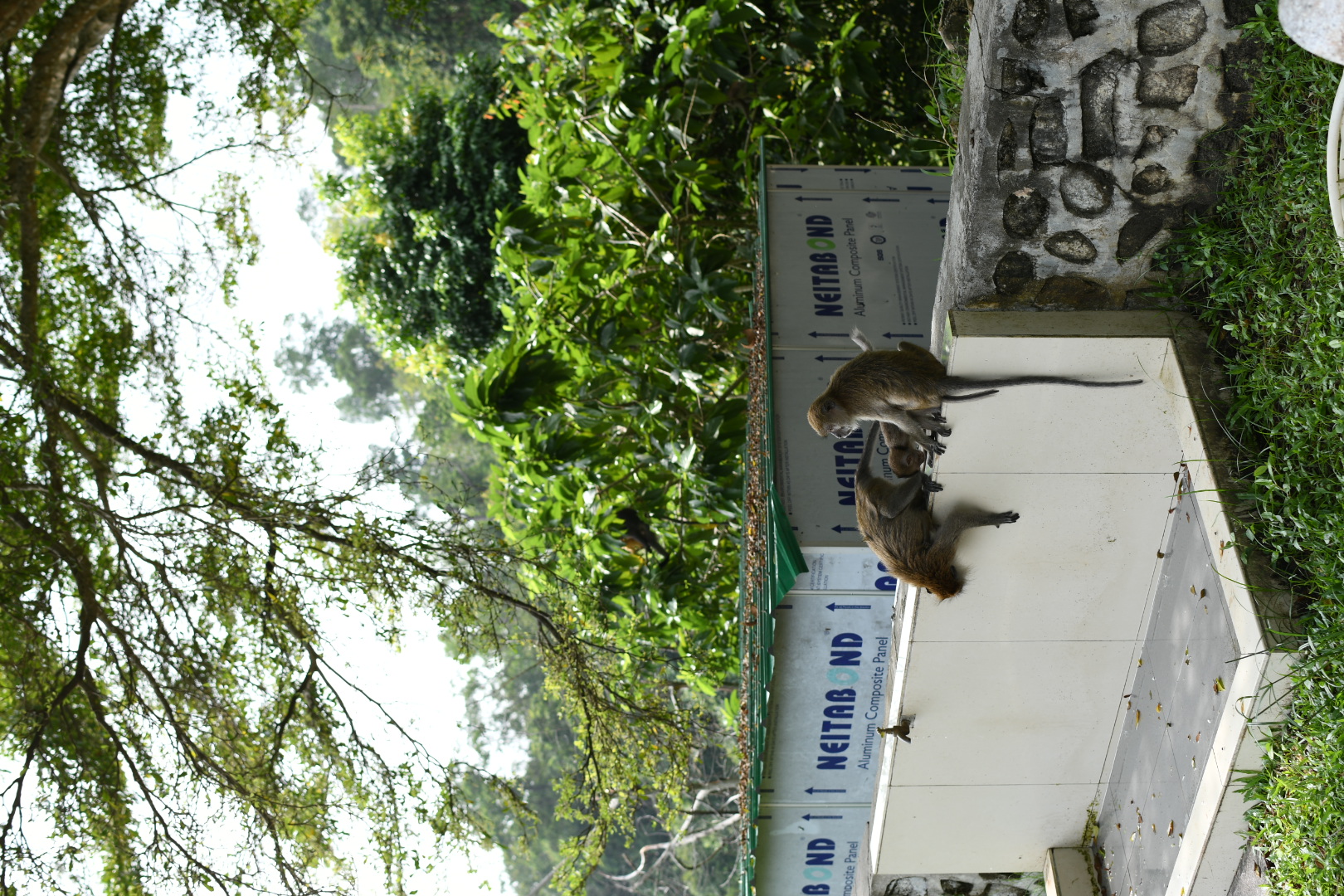
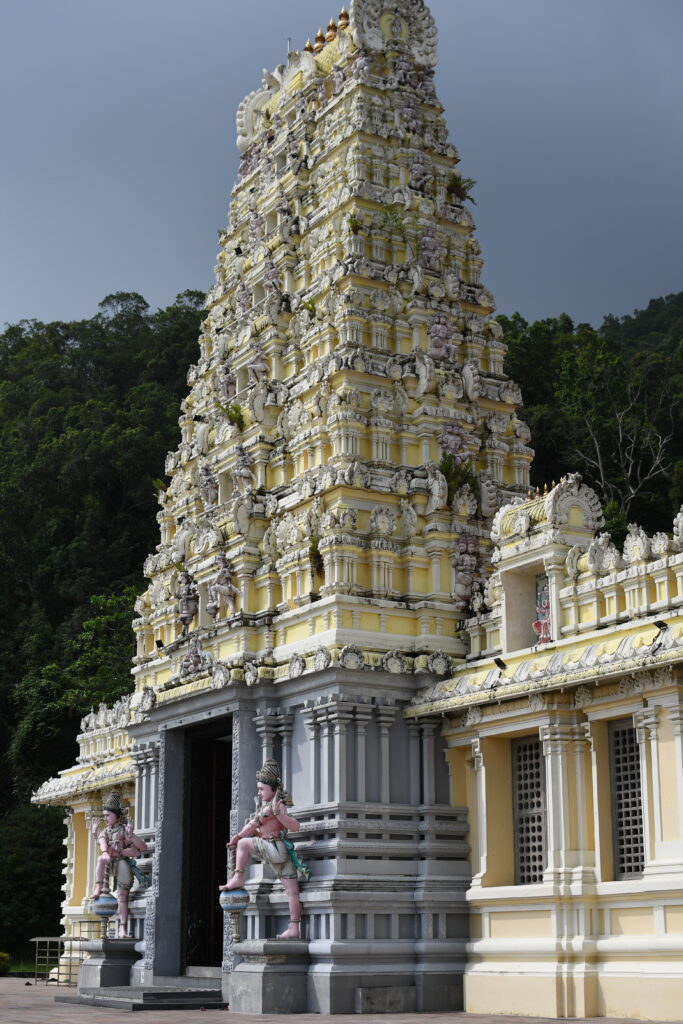
One of my highlights in Penang was a temple recommended by a caring Malaysian Indian colleague: Thaneermalai Shree Balathandayuthapani Devasthanum. I don’t expect you to memorize the name, but I do recommend paying it a visit if you can. The whole area is quiet and peaceful. Several hundred stairs lead the way up to this serene temple, comfortably shaded by the surrounding trees. Just be mindful of the trees’ inhabitants- monkeys will follow you if you’re carrying food or anything hidden in a plastic bag. If they decide they want it, you’ll have to hand it over.
Kek Lok Si
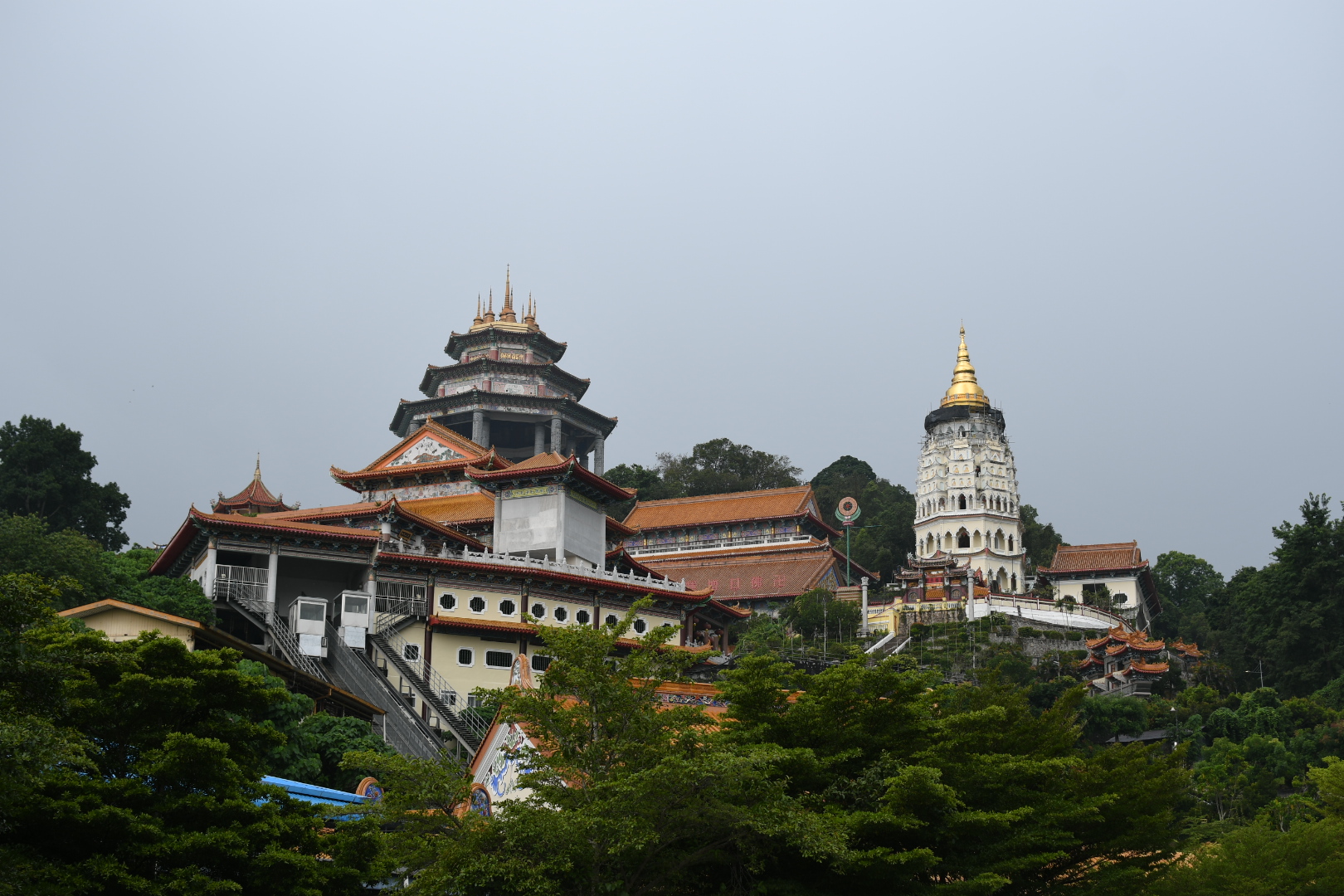
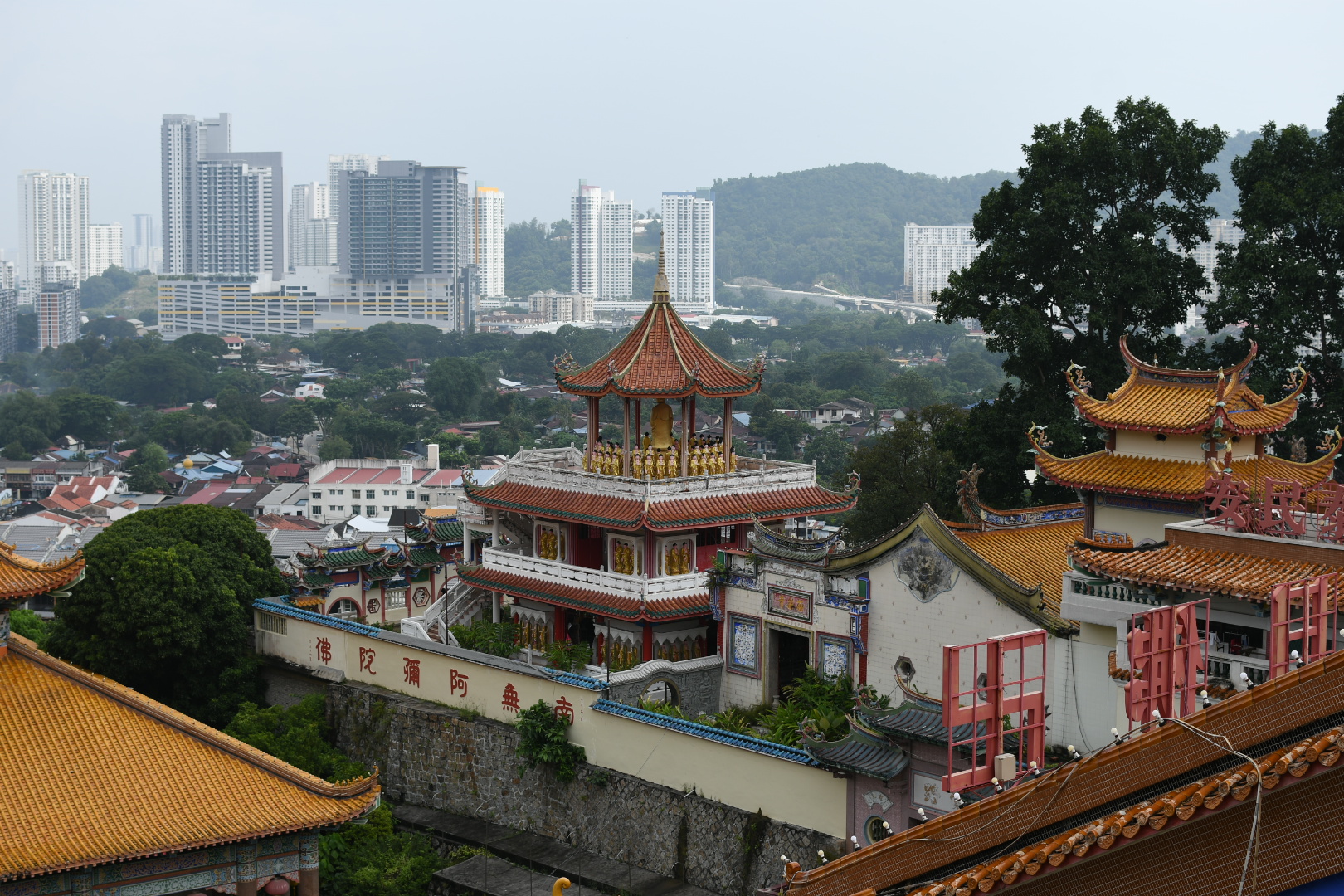
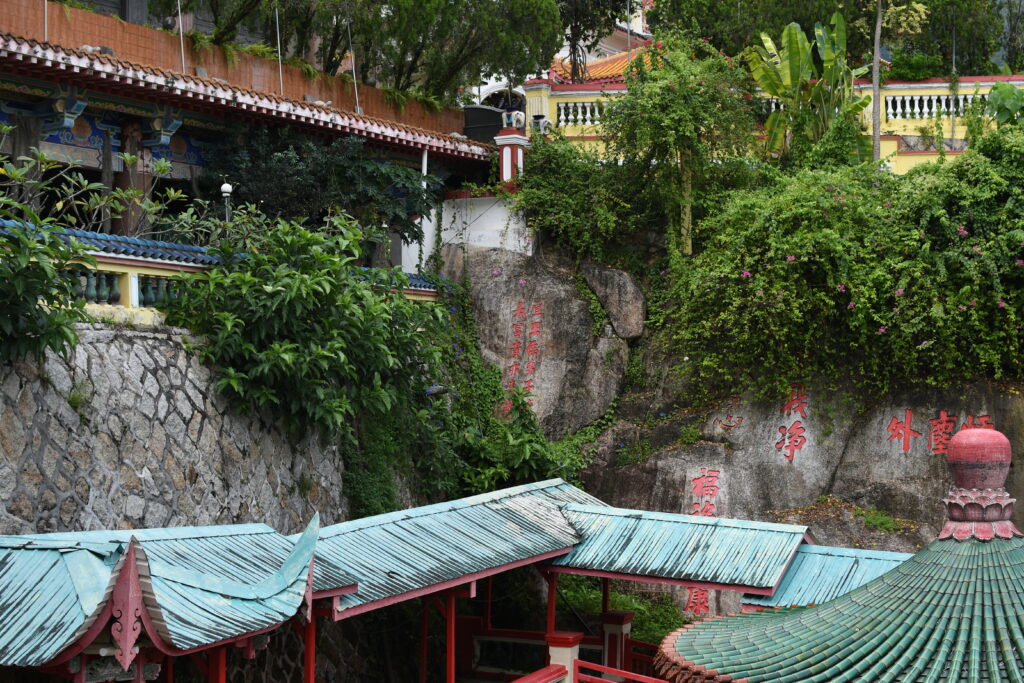
If you have more time in Penang, make sure to visit the Kek Lok Si Temple. It’s a sprawling Buddhist temple complex on the outskirts of Georgetown, close to Penang Hill. The entire site is enormous, and at its base you’ll find a turtle pond – I had never seen so many turtles in one place before in my life. The temple complex itself feels like a bit of a maze, but if you’re not pressed for time (and you shouldn’t be on holiday), it can be fun to simply let yourself get lost. We did, and it turned out to be a lovely afternoon!
Penang Hill
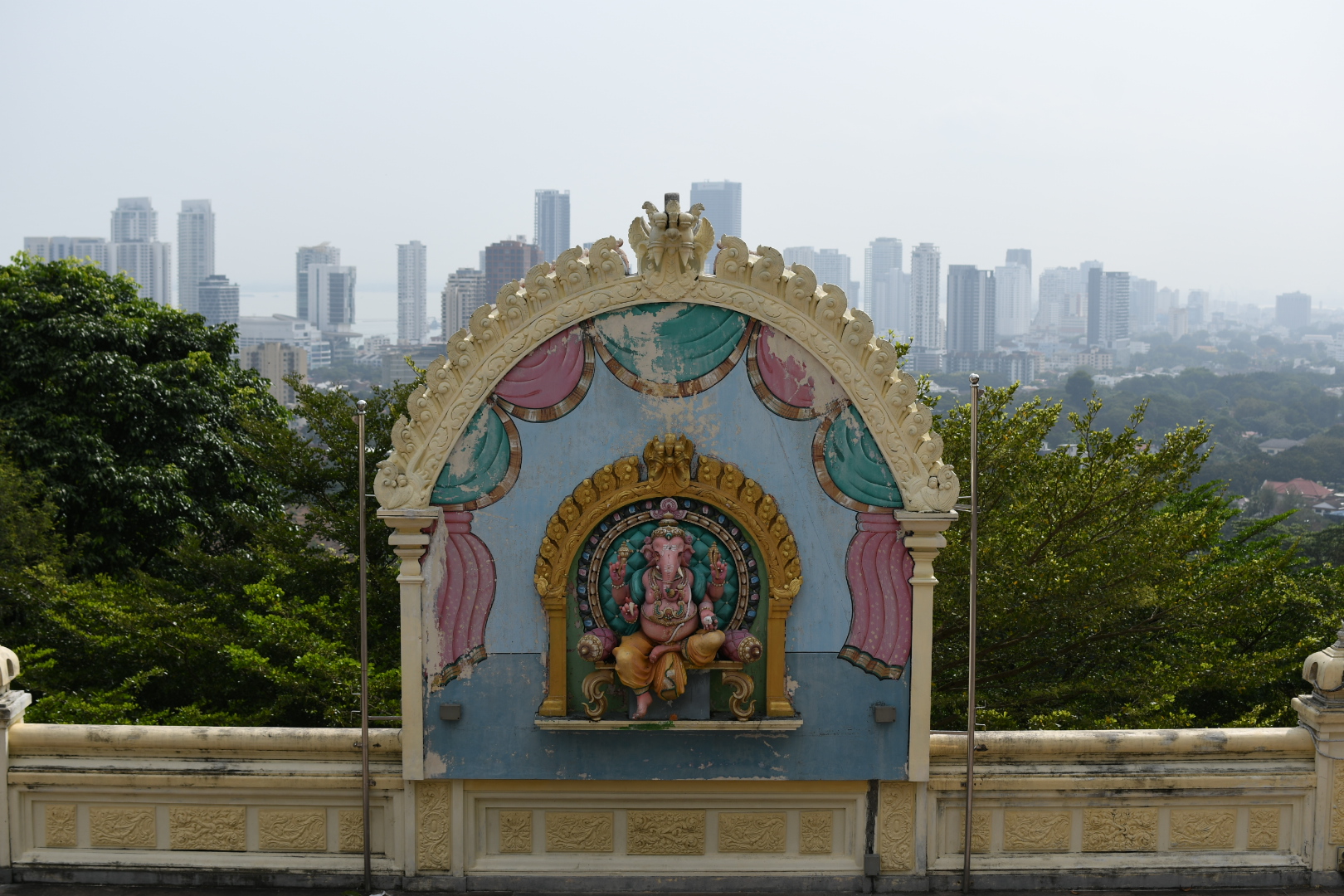
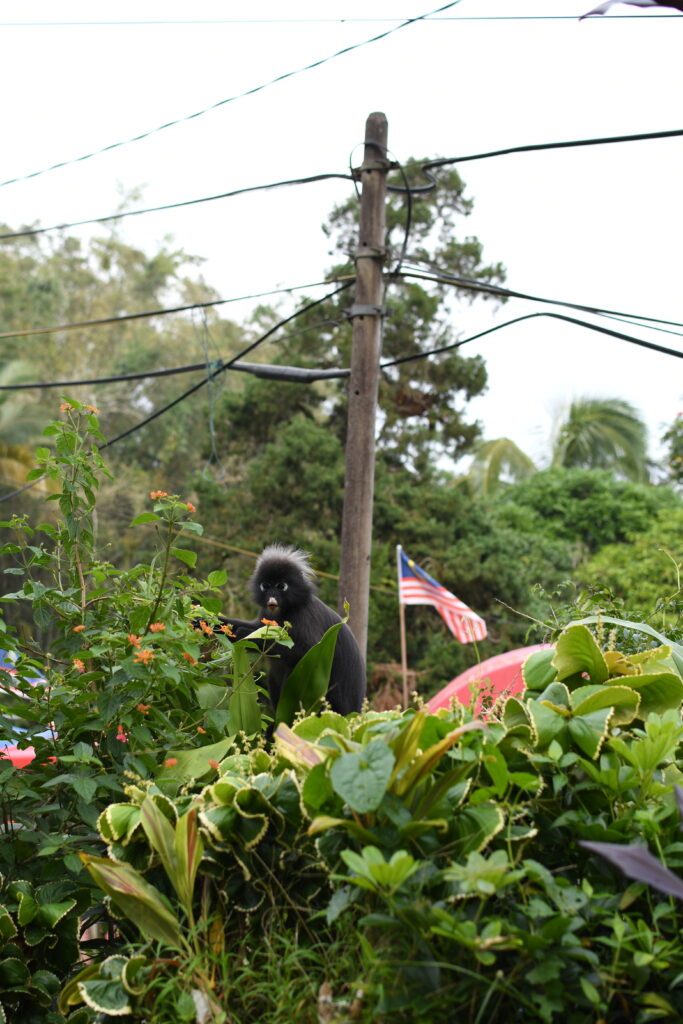
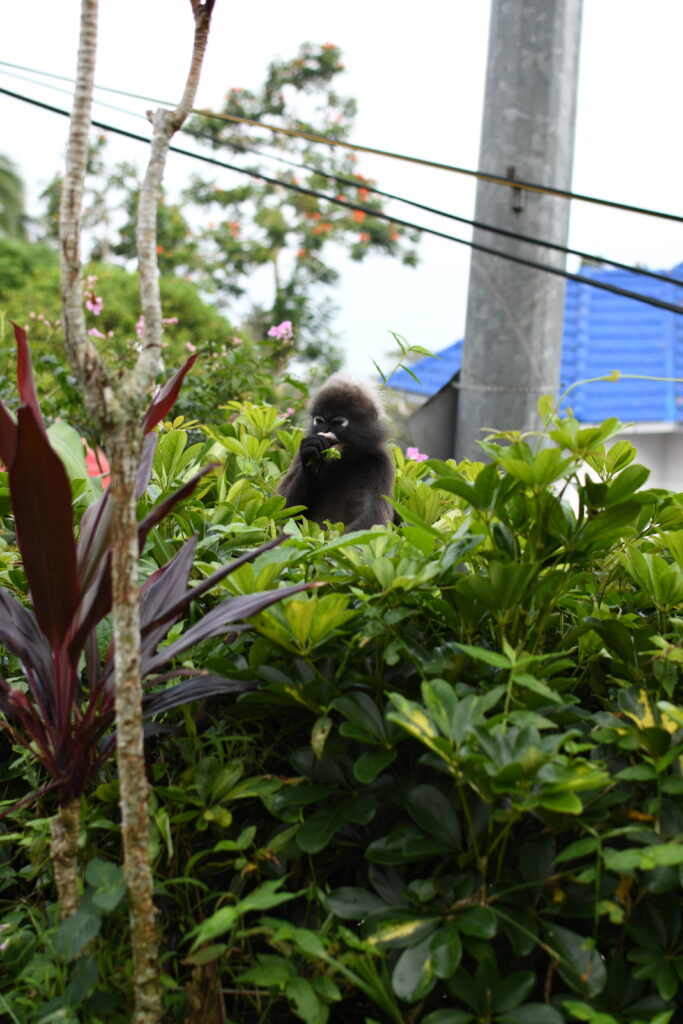
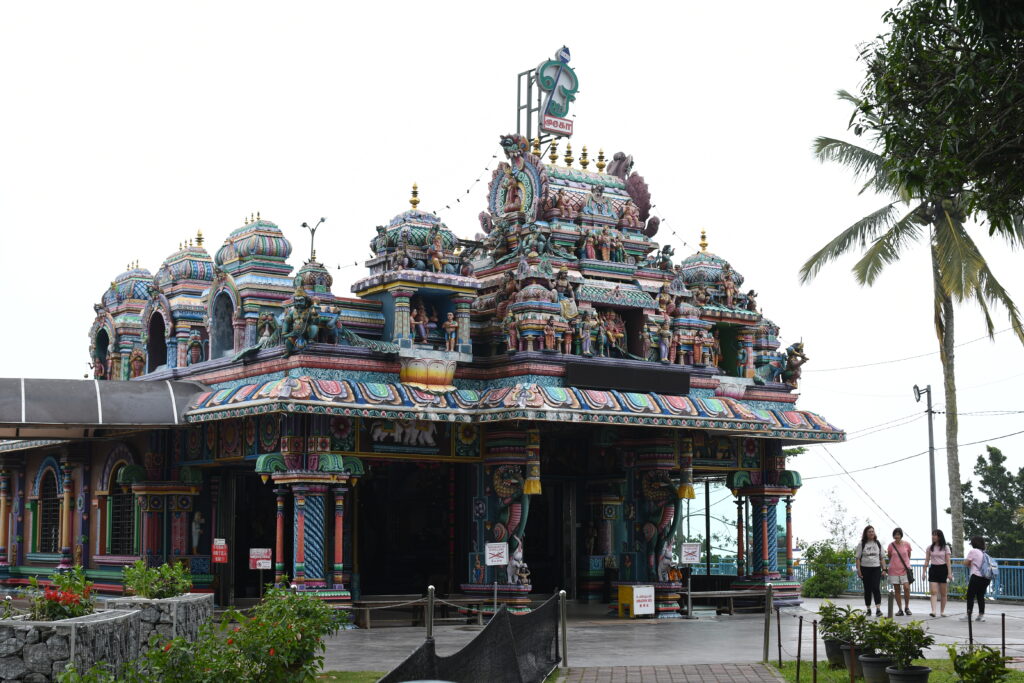
We took the famous cable car up to the top of Penang Hill. The skywalk offers beautiful views over Penang and the bridge connecting the island with mainland Malaysia. You’ll also find food stalls and a beautifully ornamented Hindu temple. What left me fully in awe, however, was the high population of dusky leaf monkeys (often called “spectacled langurs”). I mentioned earlier that I had seen my first – and only – one in the KLCC Botanical Gardens. On Penang Hill, I was lucky enough to encounter many more, eating casually and curiously watching their bystanders, including me. And I watched them. We kept watching each other. If it were up to me, I could have stayed there forever. They are the cutest little creatures, with their big eyes and fluffy black fur. I’ve read that their babies are golden, and I hope to see a happy wild one someday. What I like most about them is how chill they are. No offense to other monkeys, but I’d take a dusky leaf monkey over a macaque anytime. If you want to know why, keep reading.
Taman Negara Pulau Pinang
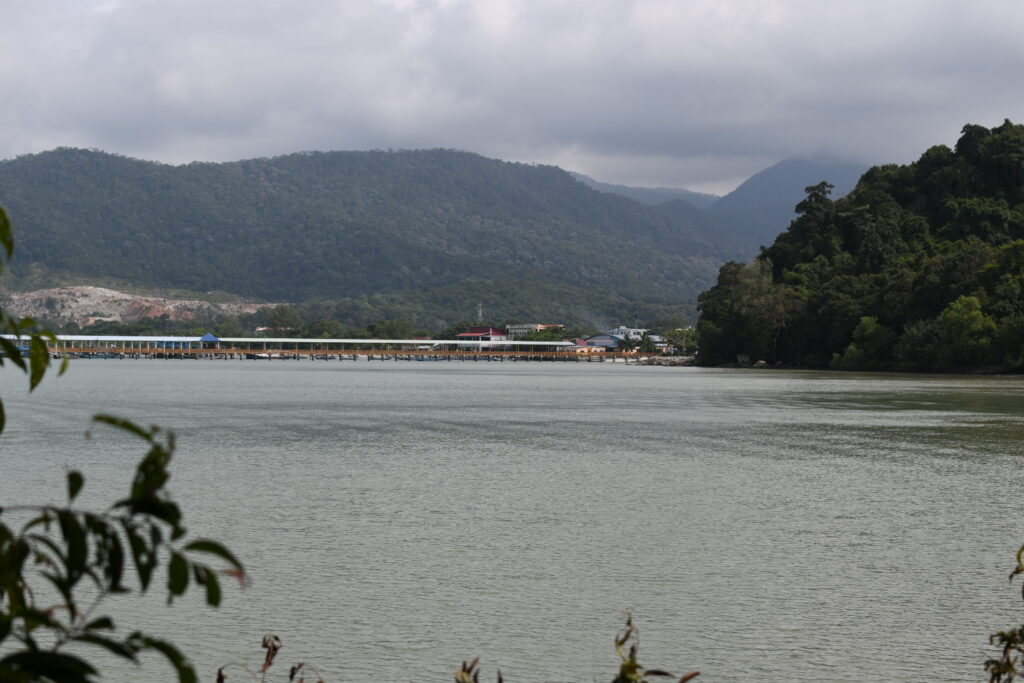
Our last stop in Penang – and thereby in Malaysia – was Penang National Park, located in the northwest of the island. You have to pay an entry fee and register. When we arrived, the staff member in charge was on a lunch break, so we had to wait. As we were still in Penang, it was easy to keep ourselves busy by trying more food.
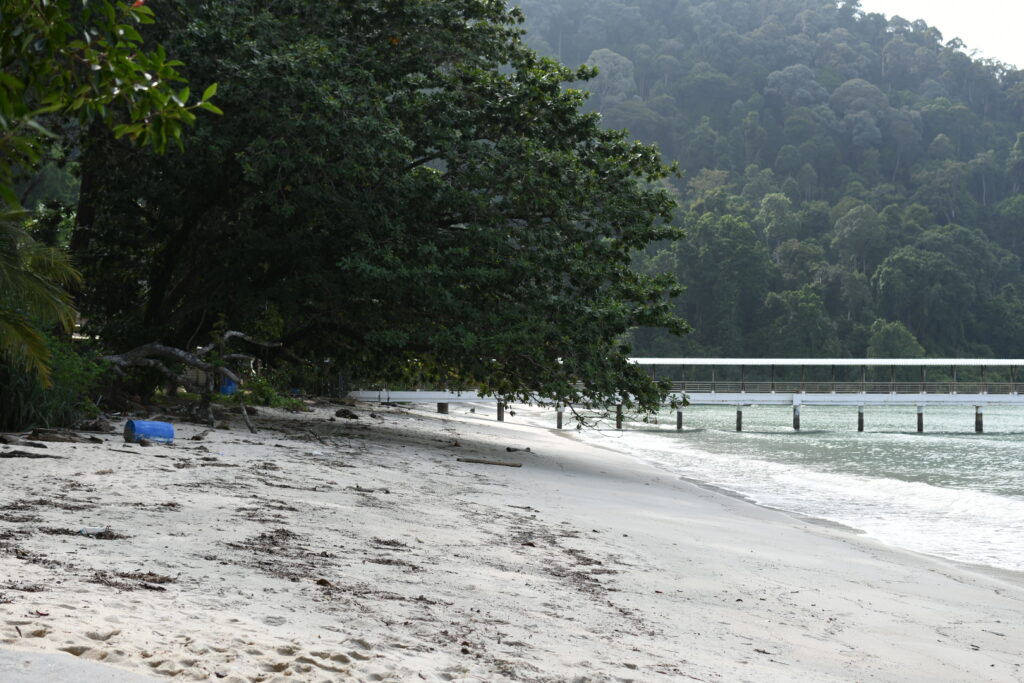
Once inside, we walked along better and worse paths from one beach to another. The beaches weren’t the prettiest, but they were peaceful and natural. The calmness was really enjoyable, and I decided to go for a swim. The water wasn’t the clearest, but it was wonderfully warm. I enjoyed myself – the view of the beach from the shore, the coastal breeze. Everything felt picture-perfect until a little macaque sneaked up and grabbed my dry bag, which contained my most valuable (material) belongings: my phone and camera.
It was definitely my fault for being careless enough to pack those important items in a plastic-looking bag. Still, I wasn’t ready to accept my time in Malaysia ending on such a note. We confronted the curious but bold monkey. Not so little anymore, it showed its teeth, hissed, and snorted, trying to escape with my bag. My companion – hero and savior – grabbed a large piece of wood and threatened to throw it. The monkey was ready to attack. We yelled. It was ridiculous, yet very upsetting.
In the end, the monkey gave up. I secured my precious belongings, and we left in a hurry. Asking ChatGPT later, we realized we had basically done everything wrong and could have triggered a group aggression. Luckily, we didn’t. However, I’ve been severely wary of macaques ever since.
conclusion
As Malaysia has been an overall truly fantastic experience, I’m not willing to end this entry with my traumatizing monkey encounter. My trip was shaped by the kindest people, a diverse culture, rich beliefs and architecture, and of course by a decadent amount of divine food. So what better way to conclude than with food – food I shared with my newfound friends.
Hot Pot Traditional KopiNasi LemakPork NoodleBanana LeafButter Kaya + Half Boiled Egg