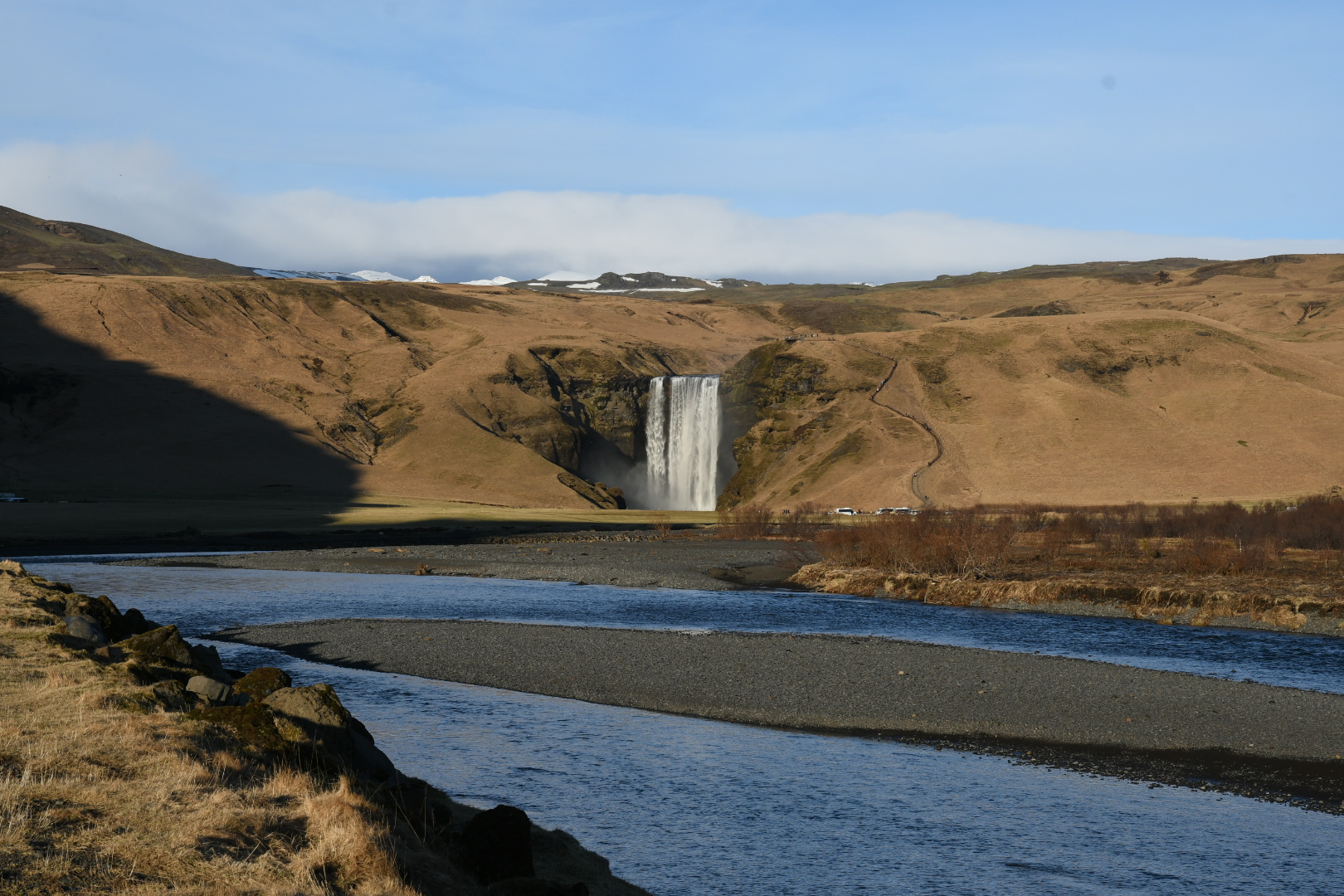
Iceland is a land of ice and fire, capable of rivaling the beauty of Chile and Argentina. Its dramatic landscapes feature breathtaking canyons, towering waterfalls, and geothermal steam, creating an enchanting and diverse scenery.
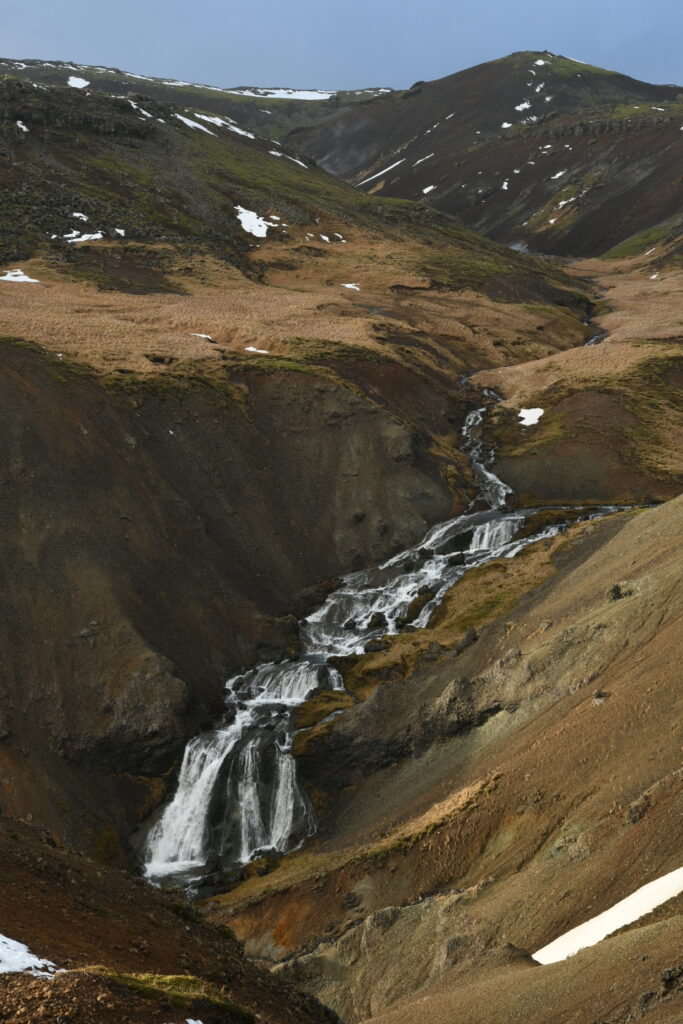
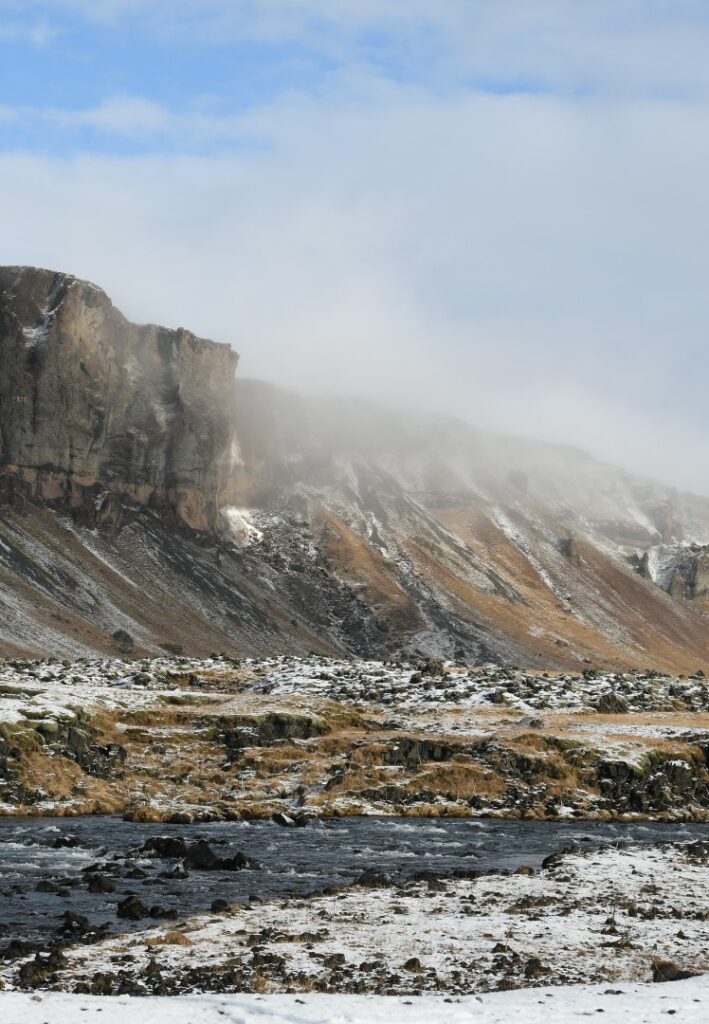
About my trip: I visited Iceland in the last week of February 2025. We already had good daylight hours (approximately 9 AM to 7 PM) and were lucky enough with the weather. However, Iceland’s weather is highly unpredictable- you can experience all four seasons in a single day. We dressed in multiple layers, with the outermost being wind- and waterproof, which worked perfectly. In just six days, we covered 1,700 km, reaching as far as Höfn along the south coast. If you plan to do the entire loop, you should allow at least 10 days or more.
Reykjavík
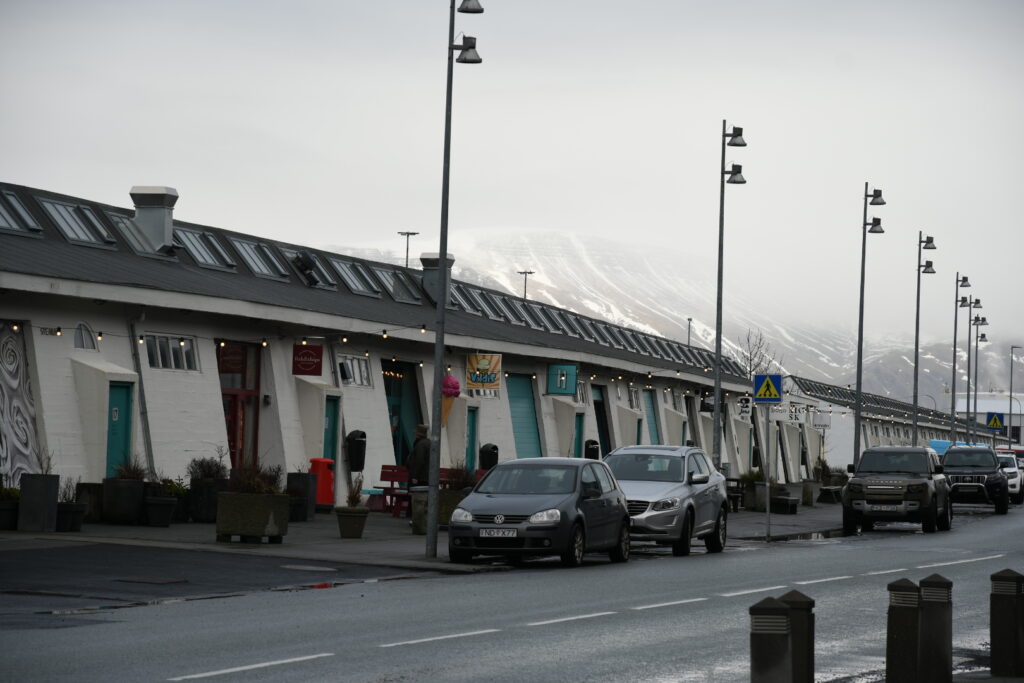
We only had about half a day in Reykjavík, which we spent exploring some of its highlights, including Hallgrímskirkja, the town hall, and the old town district. We dined at the Grandi Mathöll food hall, which offered lovely views of the harbor and across the bay. Unfortunately, we didn’t have time to visit any museums, but we did pass by the Phallological Museum, which looked intriguing.
Hvammsvik Hot Springs
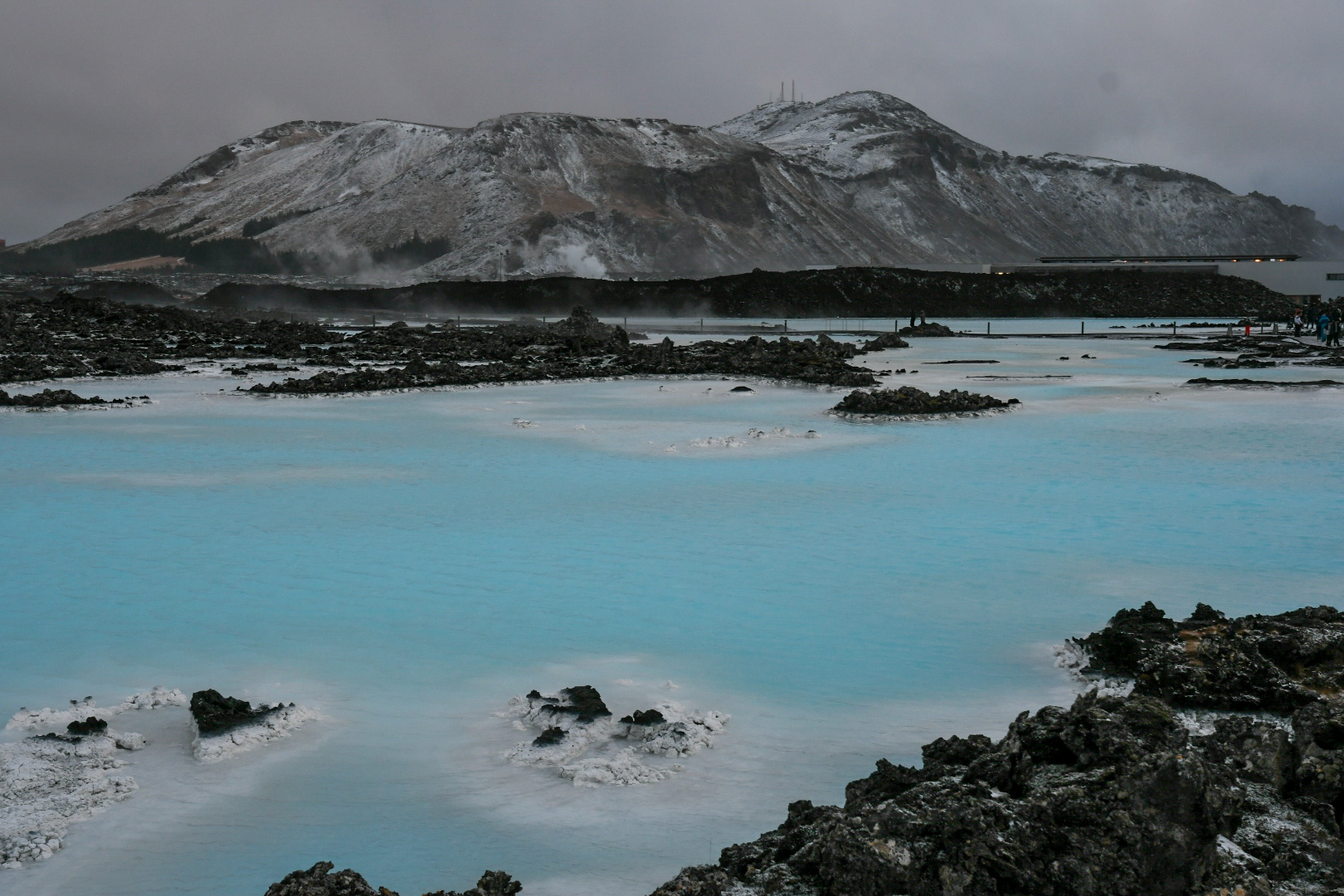
We took a slight detour northwest for a relaxing spa retreat before starting our road trip south. Instead of visiting the famous Blue Lagoon, we opted for a more local alternative, saving some money in the process. The surroundings were beautifully picturesque, with multiple pools and an outdoor steam bath. It’s a great stop if you’re already headed that way, but I wouldn’t say it’s worth a detour- especially since there are other great options along the south, such as the Sky Lagoon or the Secret Lagoon. Of course, we couldn’t resist taking a quick look at the Blue Lagoon, which definitely lives up to its name (see below).
The Golden Circle
After our detour, we headed toward Þingvellir National Park. Like most attractions along the route, it has well-maintained public parking lots, which you can pay for online via an app- and you should. There are cameras, and fines are issued surprisingly quickly (so we’ve heard 😉 ). Parking is usually around EUR 7, making the site itself free to visit.
I’m not sure if it was the weather, my jet lag, or Þingvellir’s ‘half-day trip from Reykjavík’ vibe, but it was my least favorite stop on the Golden Circle. If you’re particularly interested in the geological aspect of seeing two continental plates drifting apart, I’d actually recommend visiting Miðlína Bridge instead- it’s a great alternative and can be easily done on the way back to Keflavík Airport.
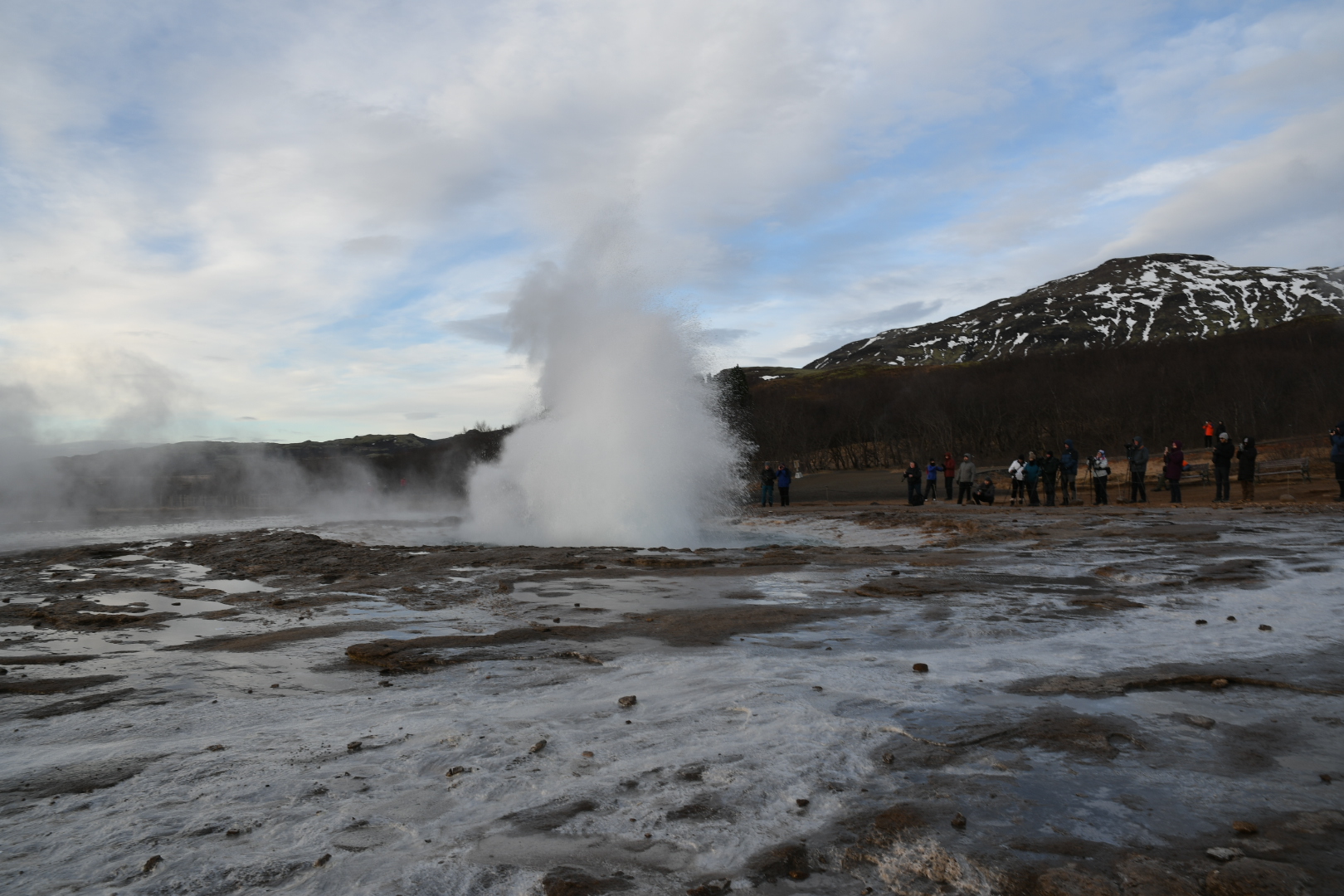
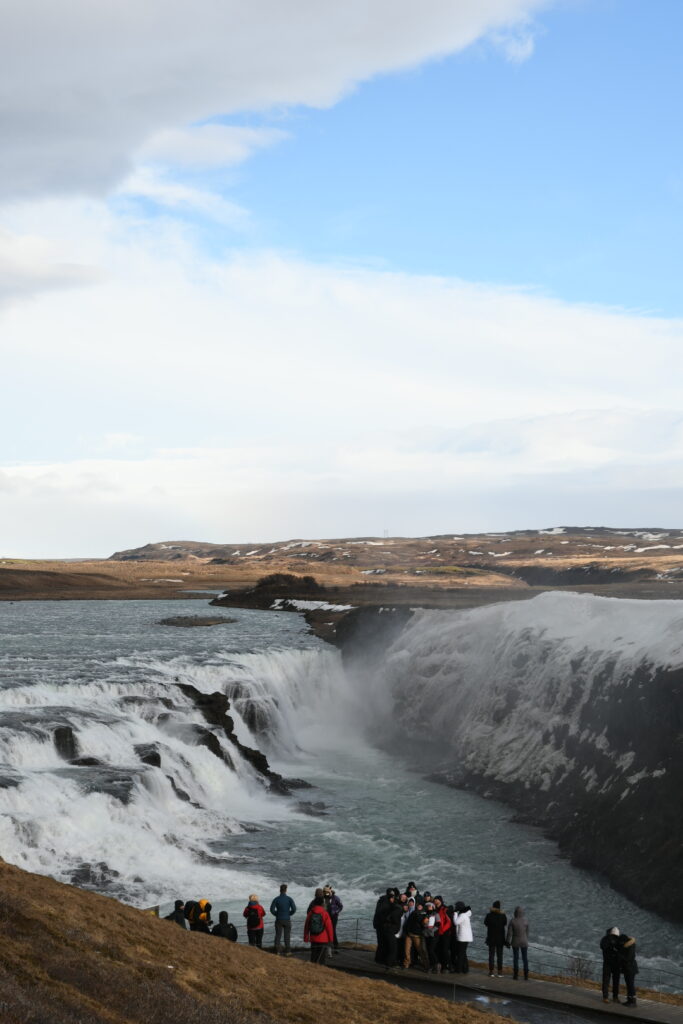
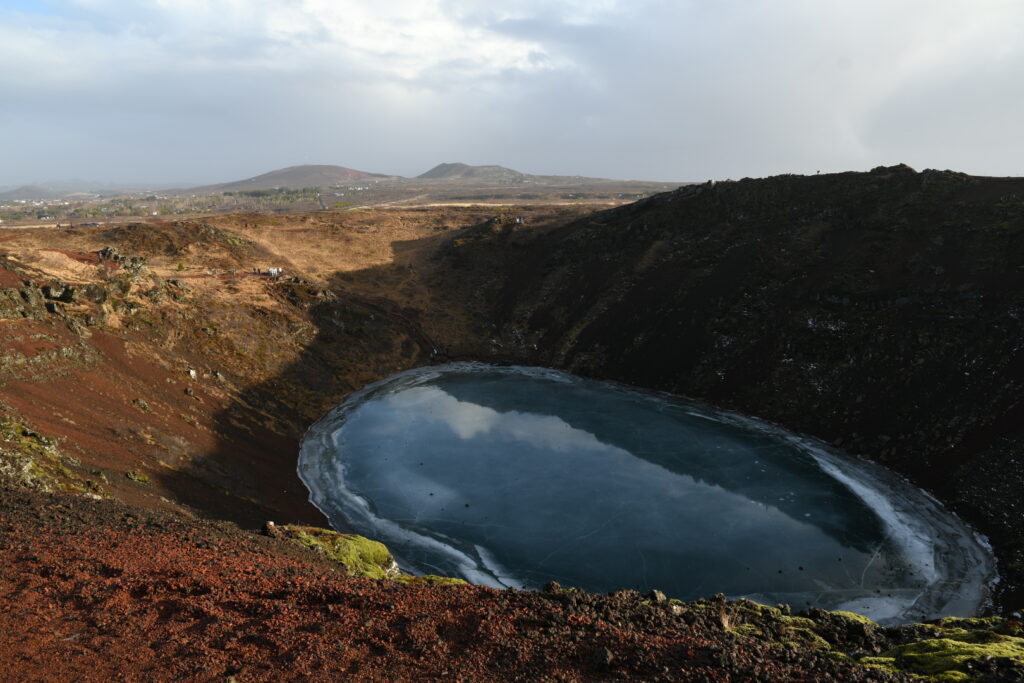
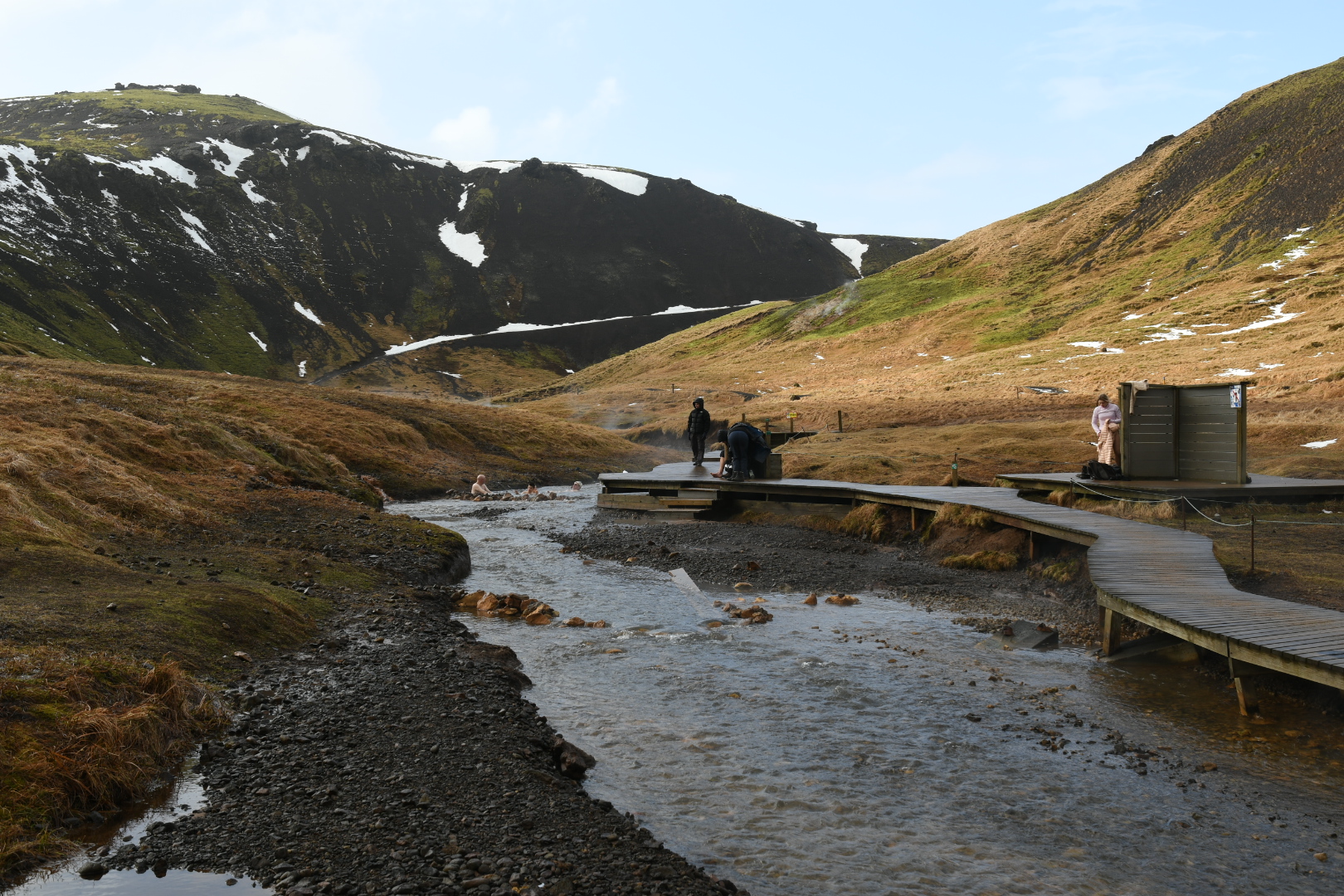
The true highlights of the Golden Circle were Geysir and Gullfoss (pictures above), as well as the Kerið Volcanic Crater and the Hot River (pictures below). The Hot River is exactly what it sounds like- a naturally warm river. To reach the ideal bathing spot with the perfect temperature, you’ll need to hike uphill for about 1.5 hours. It’s an easy-to-moderate trek, offering stunning views along the way, and you will be rewarded with an once-in-a-lifetime experience of changing in the middle of the mountains, and soaking in a free, natural hot bath.
Skyr
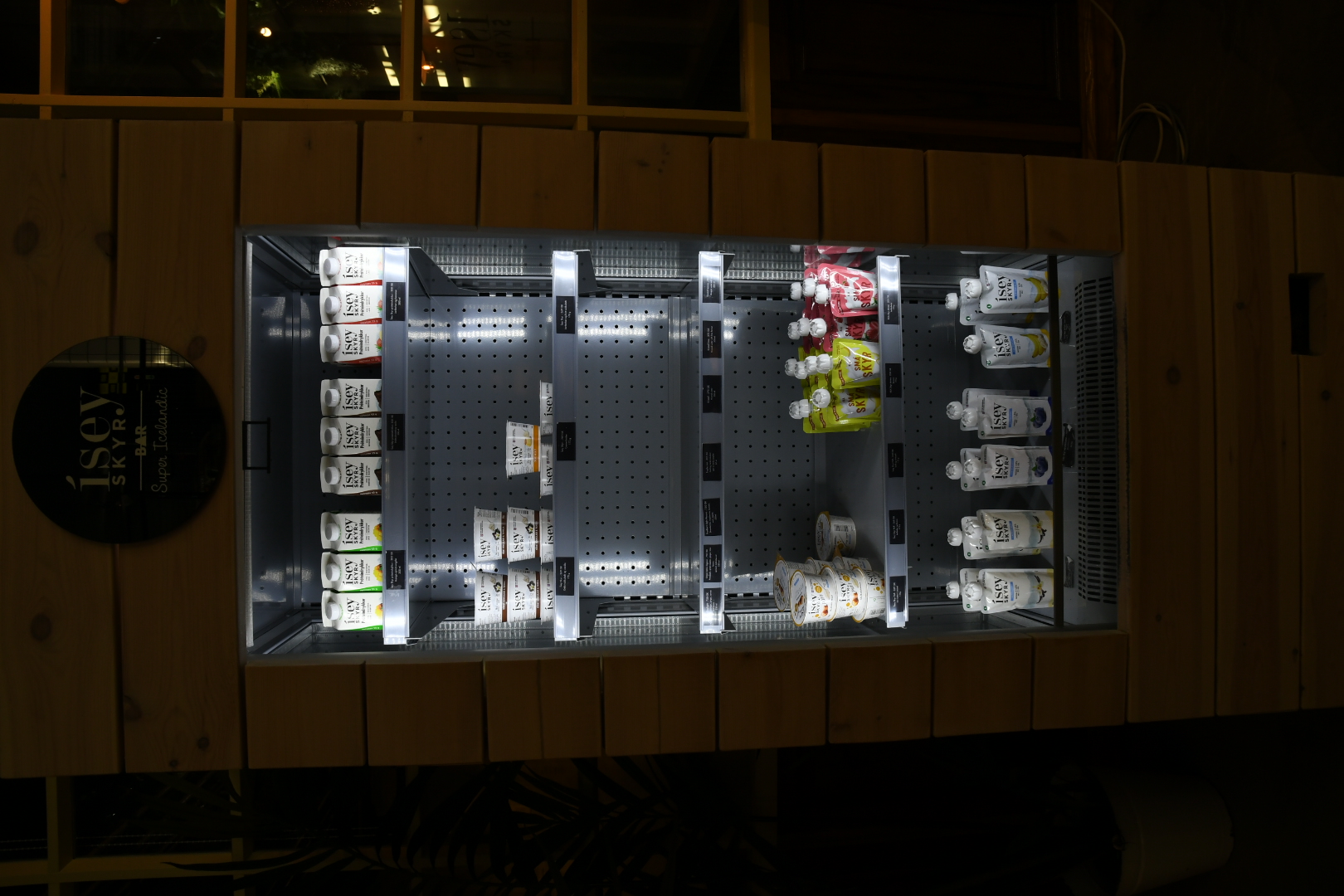
We spent one night in Selfoss at a charming B&B with a hot tub and sauna and took the opportunity to visit Skyrland. Skyr had been a nutritious and constant companion throughout our trip. This protein-rich, naturally low-fat dairy product has been part of our diet for years, so it was fascinating to see how proud Icelanders are of their national heritage.
Skyrland is an interactive museum where we got to sample small but delicious Skyr bowls with various flavors and toppings. The visit was well worth it- both tasty and informative! You can find Skyr in all supermarkets, available in different textures. We tried and loved them all, and won´t be able to think about Iceland without craving Skyr ever again.
Keldur
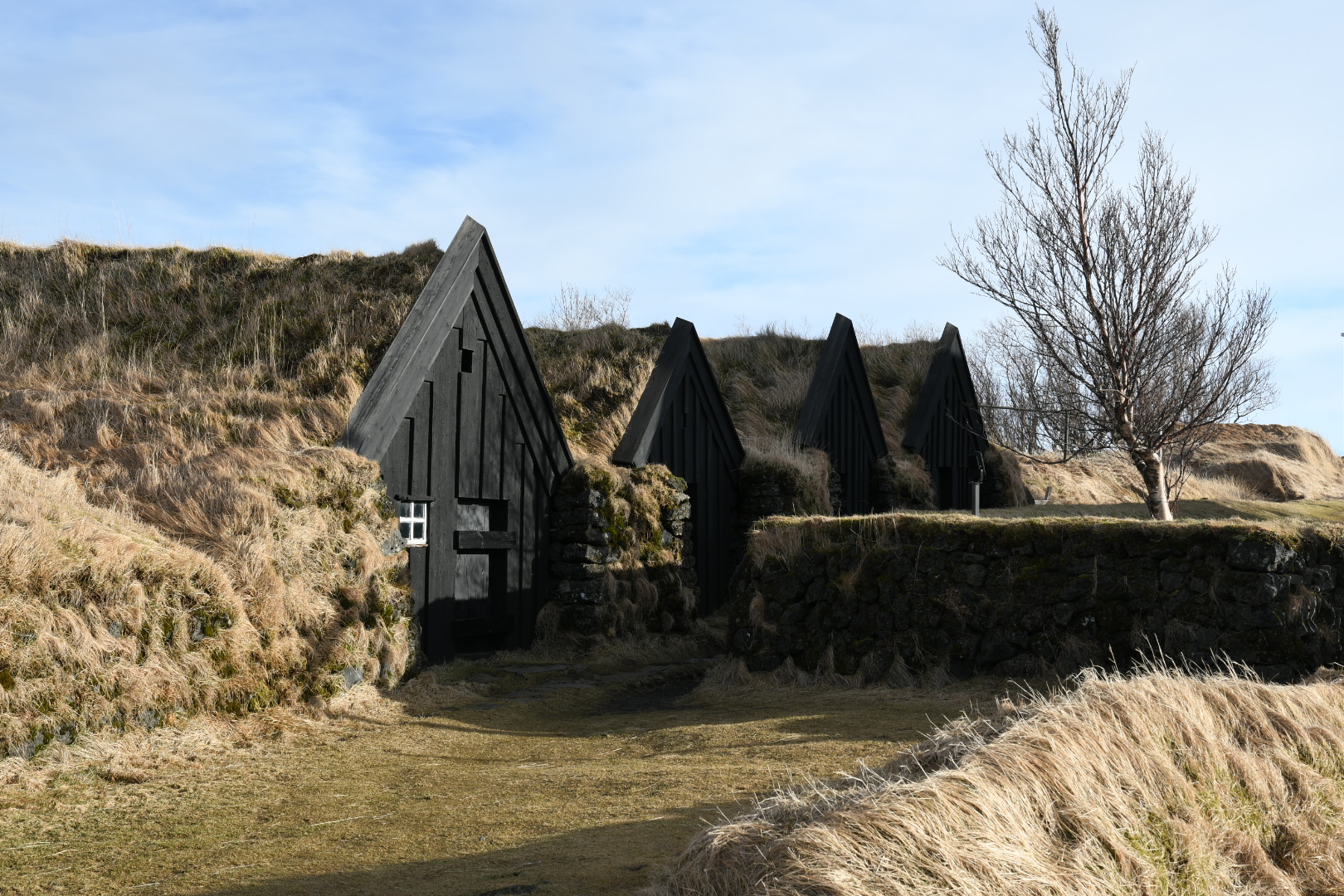
Before heading to Vík, we made a quick stop at Keldur to see some traditional turf houses. Unlike other tourist spots, Keldur was anything but crowded- we were the only ones there, which made the detour completely worthwhile.
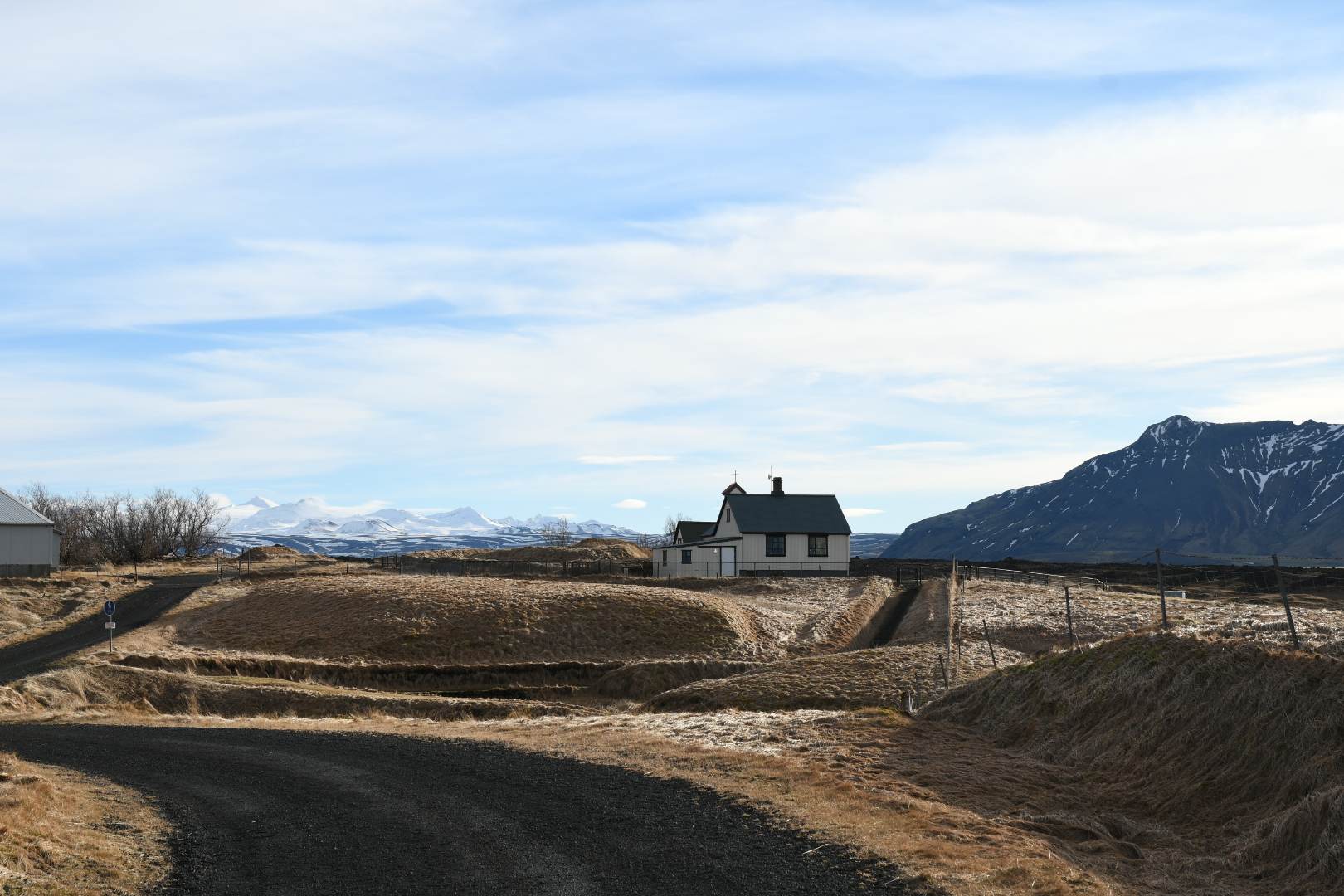
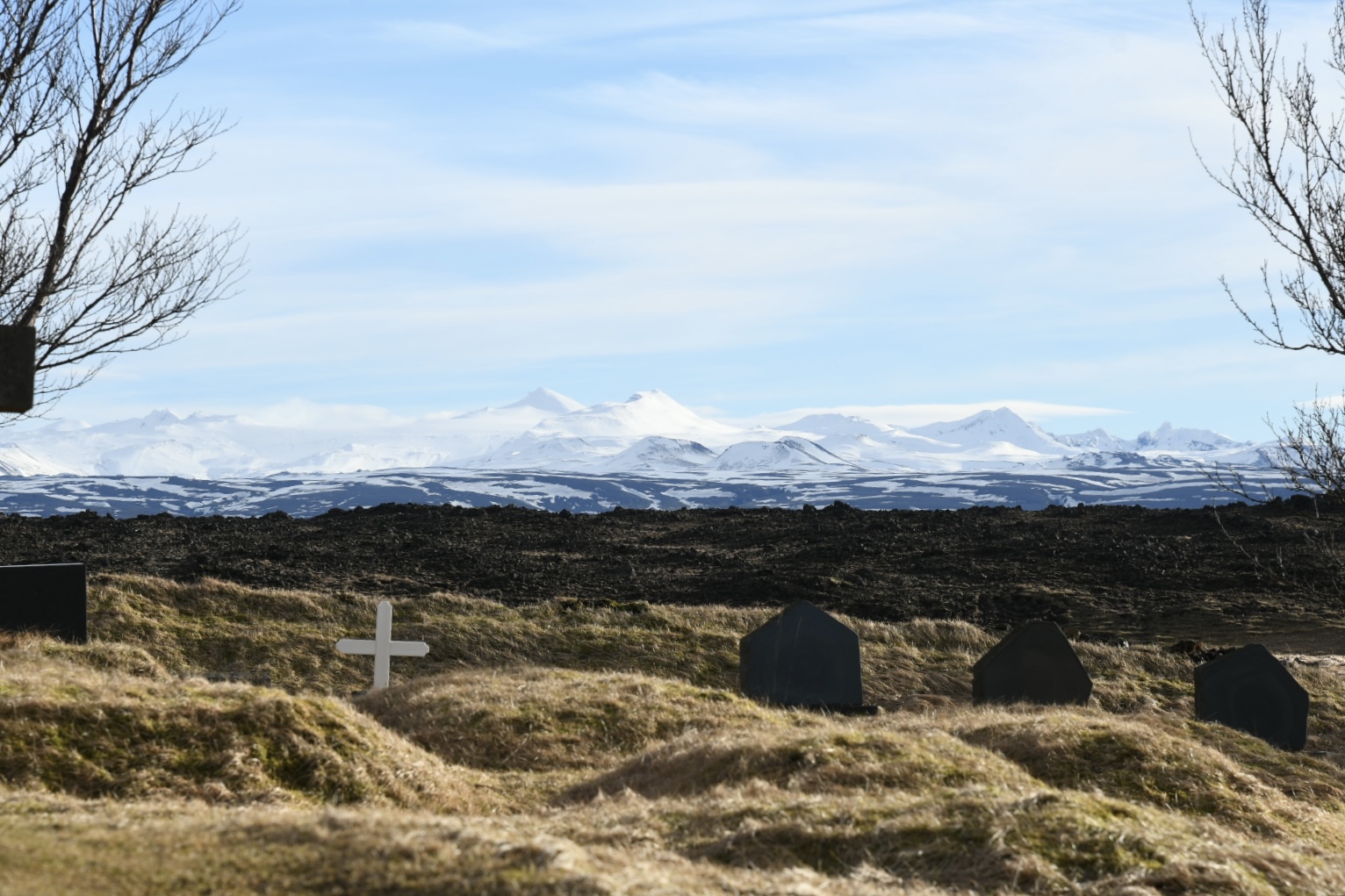
So much -Foss
On our way from the Golden Circle to Vik, we passed a ridiculous amount of truly picturesque waterfalls. We´ve figured that any sight on Google Maps ending with -foss means waterfall. We stopped at Þórðarfoss, Gljufrabui, Seljalandsfoss, Skógafoss and Kvernufoss (see below from top left to bottom right).
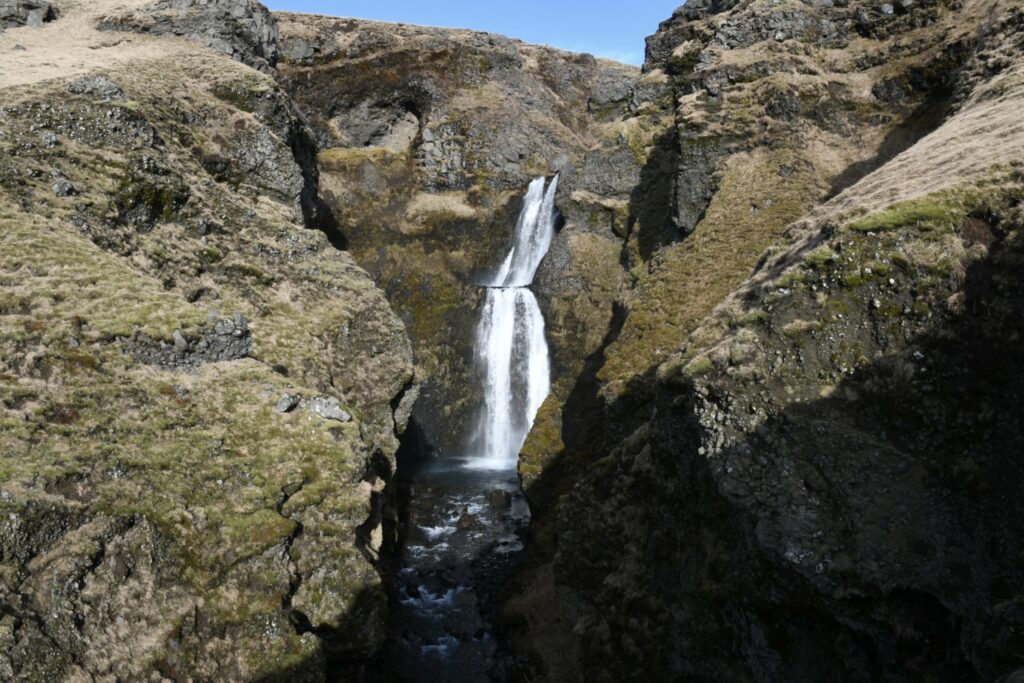
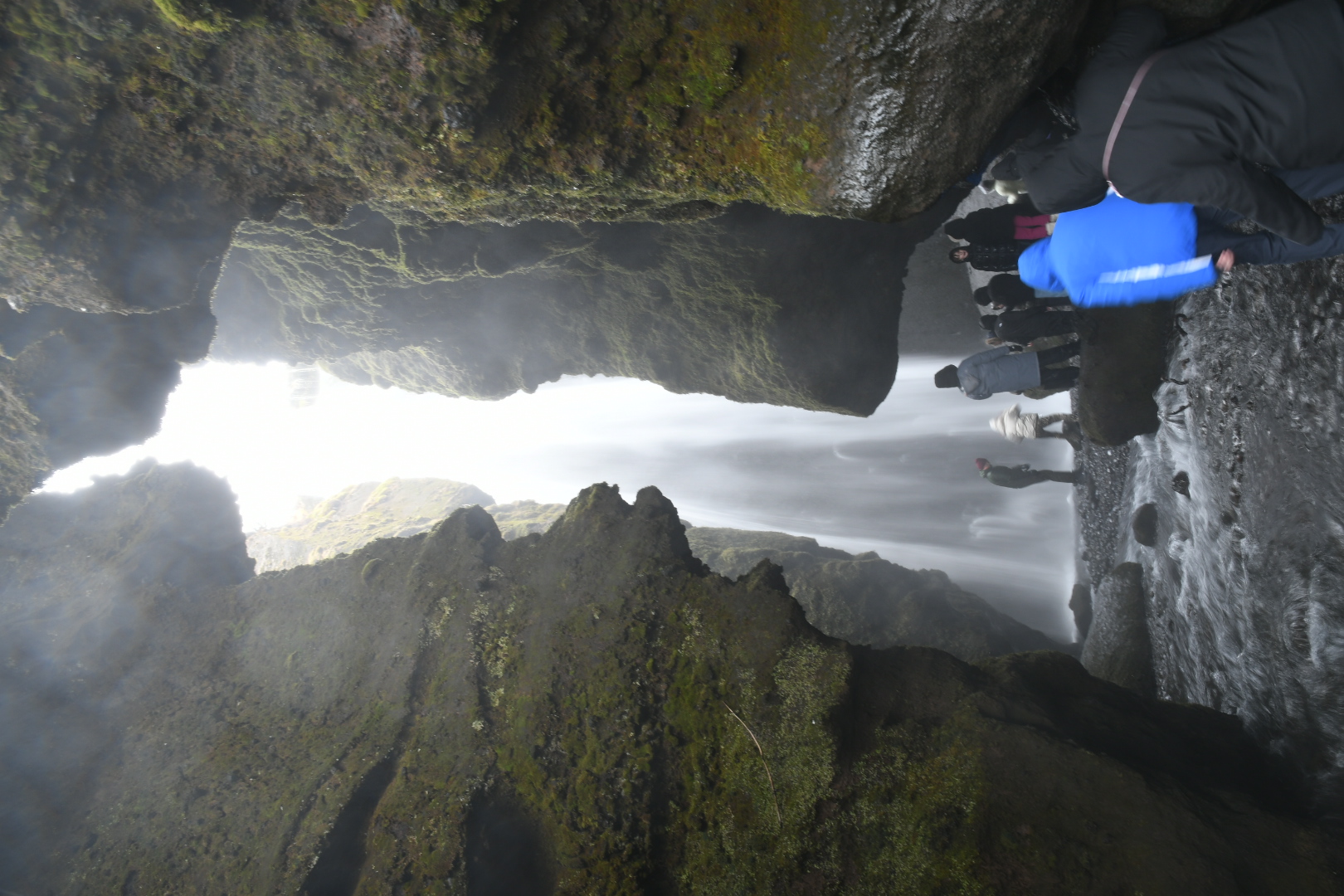
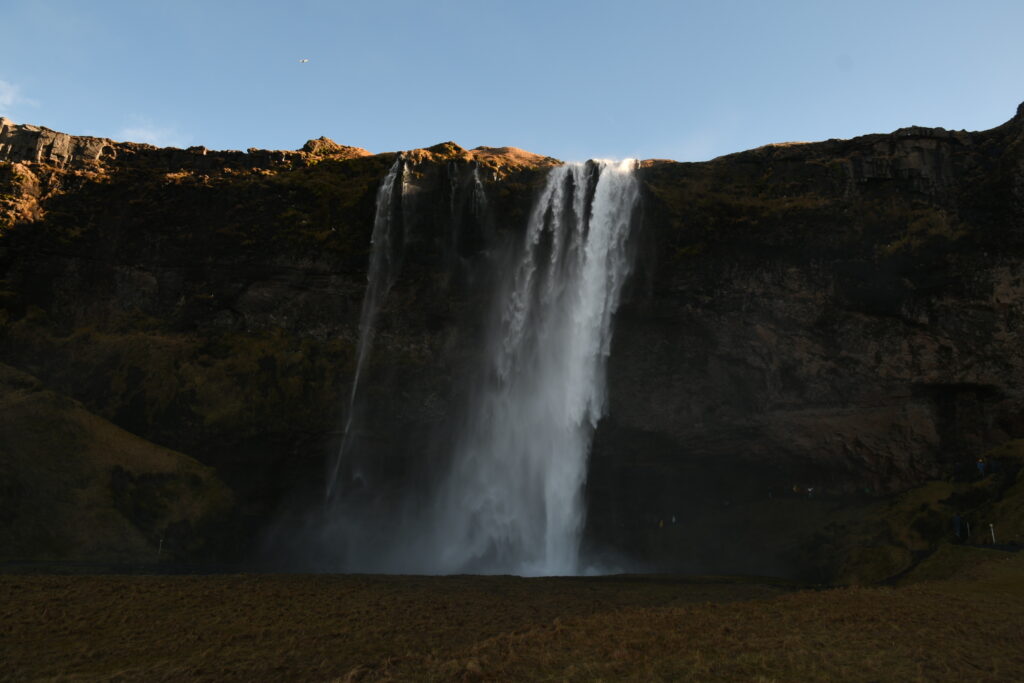
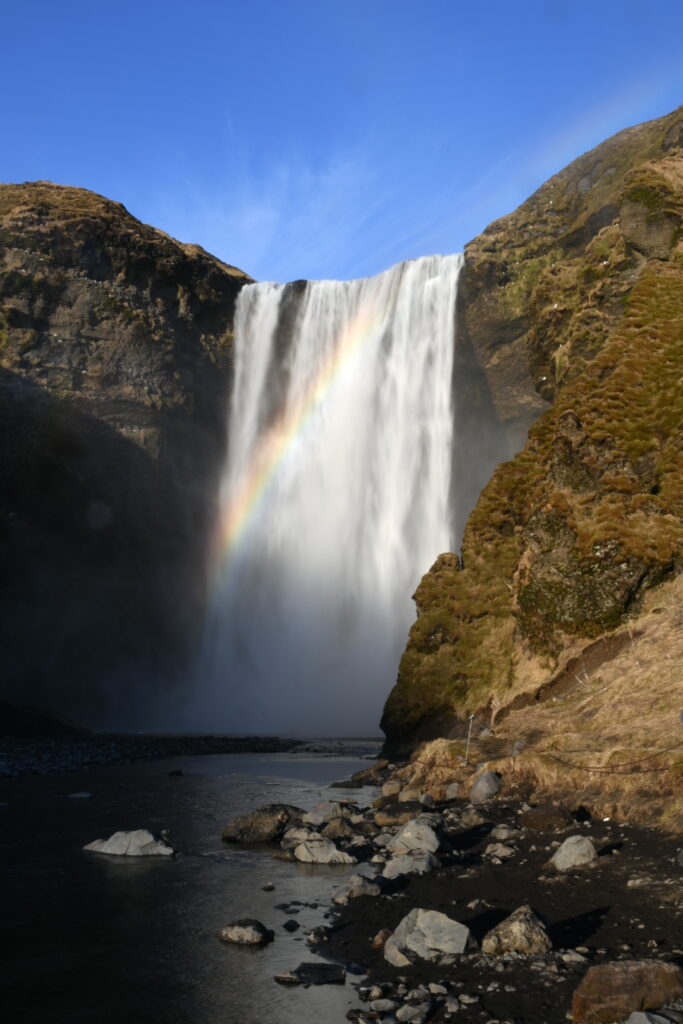
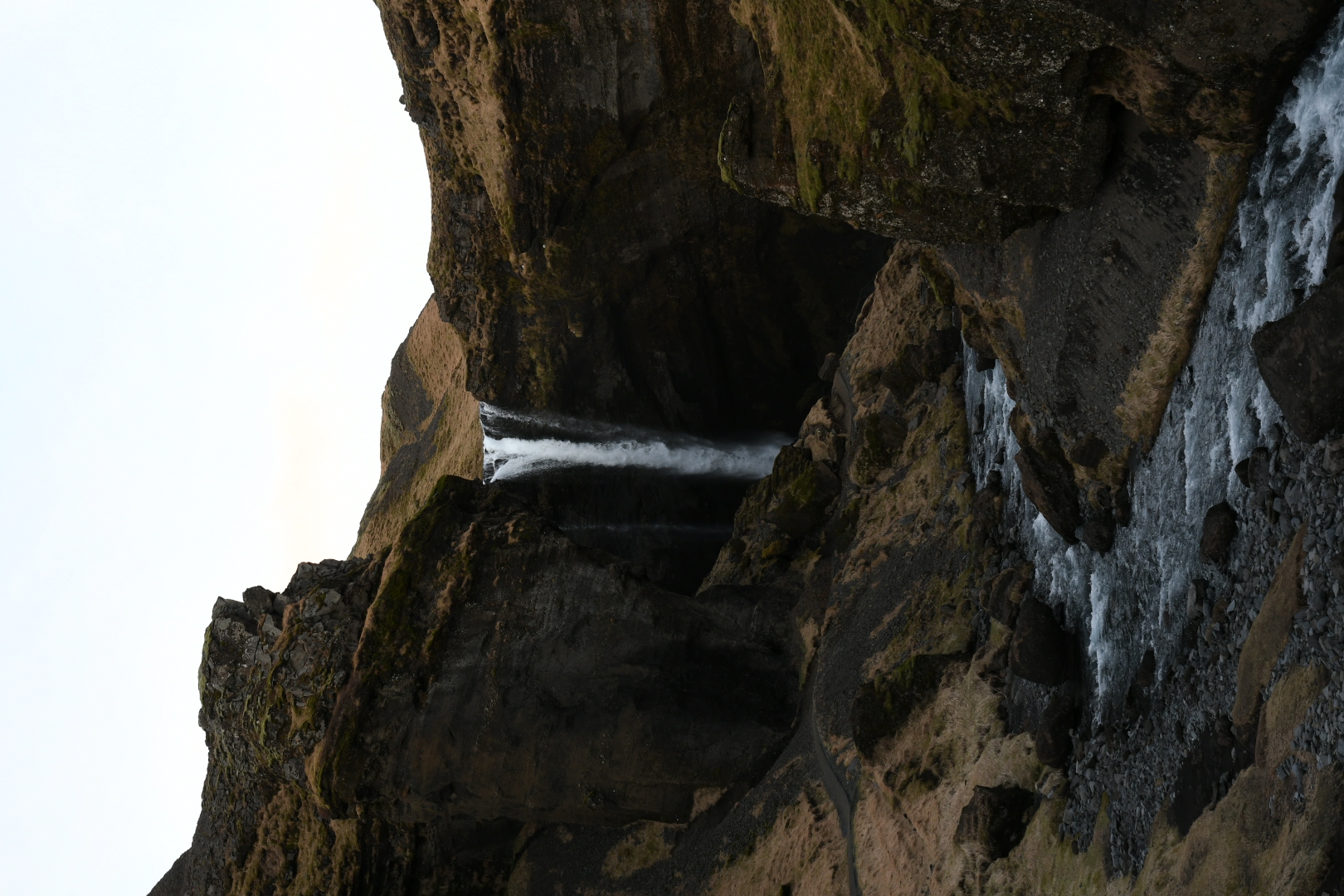
Those waterfalls were the most stunning I have ever seen, and each of them were a fab stop to stretch your legs, grab a coffee and be flashed by beauty. At Þórðarfoss I can highly recommend to hike up the hill on the right. What you can see from the car park is only half of the show. The hike is short but steep, and definitely worth it! The walk to Kvernufoss is also well worth your time. It’s an easy stroll from the car park into the tiny canyon, and you might even be able to walk behind the waterfall.
Vik
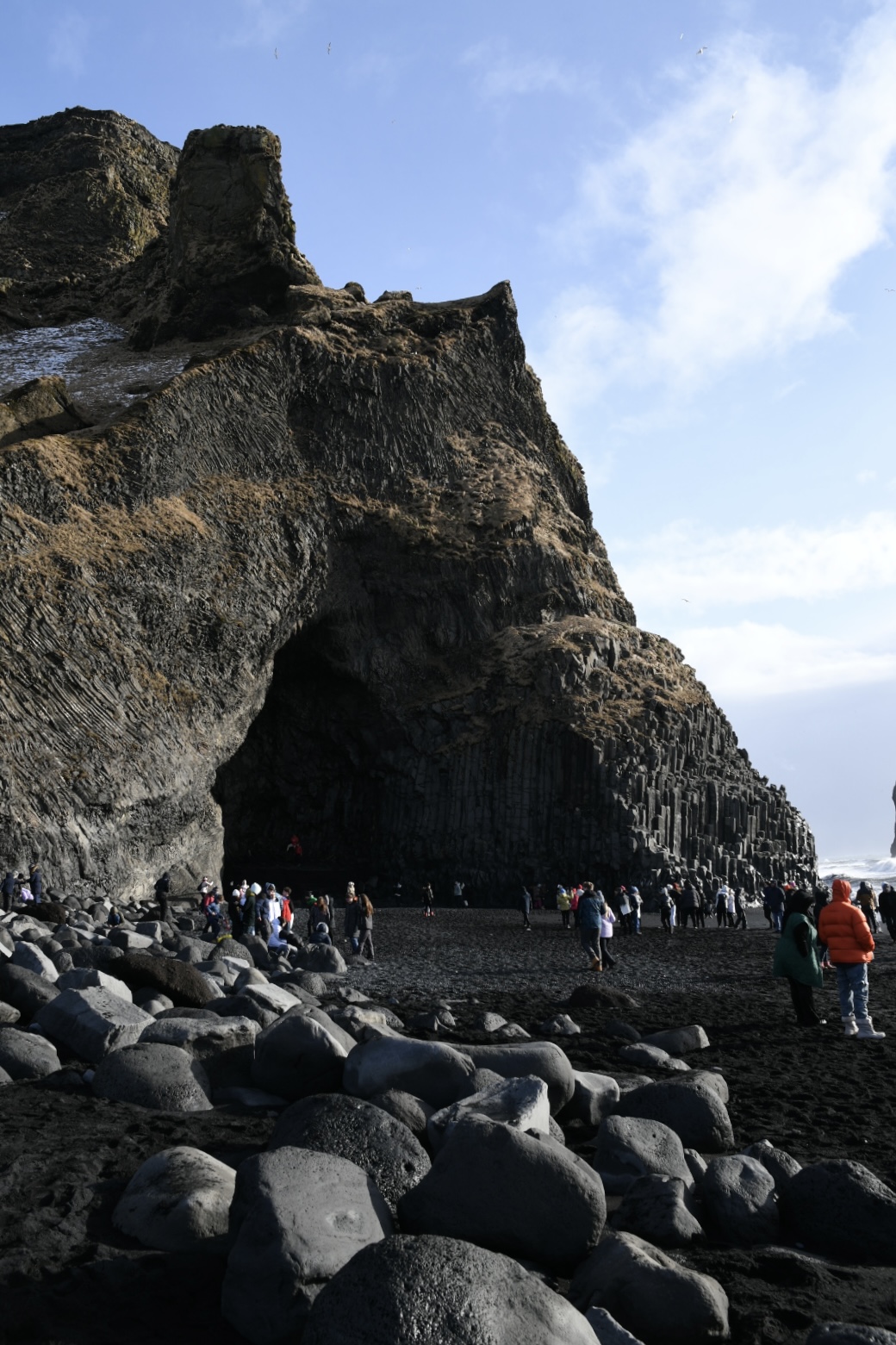
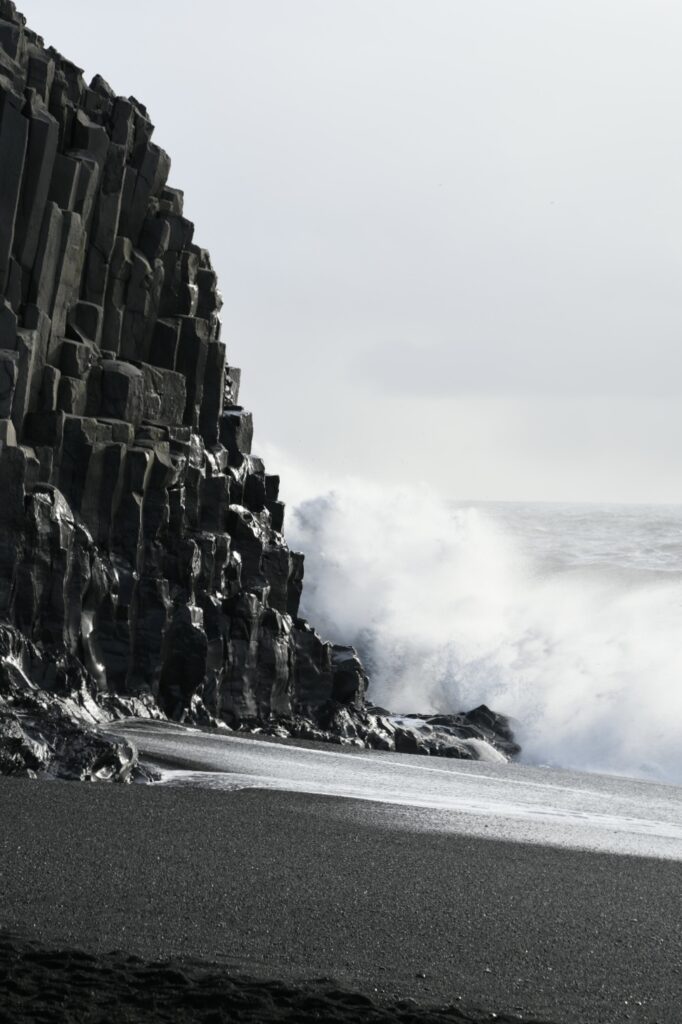
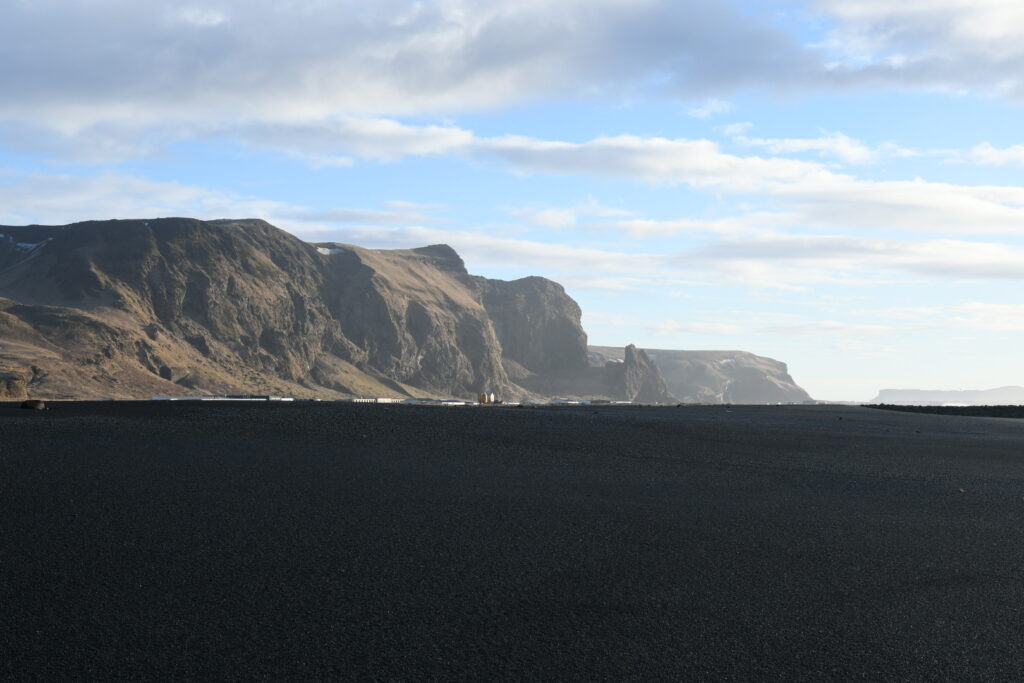
For us, Vík was only a random spot for shelter, being well located on the loop road and close enough to some other sights. We quickly stopped at the very touristy Hálsanefshellir Cave (first picture below) and the less touristy Black Sand Beach on the other side (last picture below). While we were basically alone at the latter, of course, from that side, you won’t be able to see the famous basalt columns.
Vik to Höfn
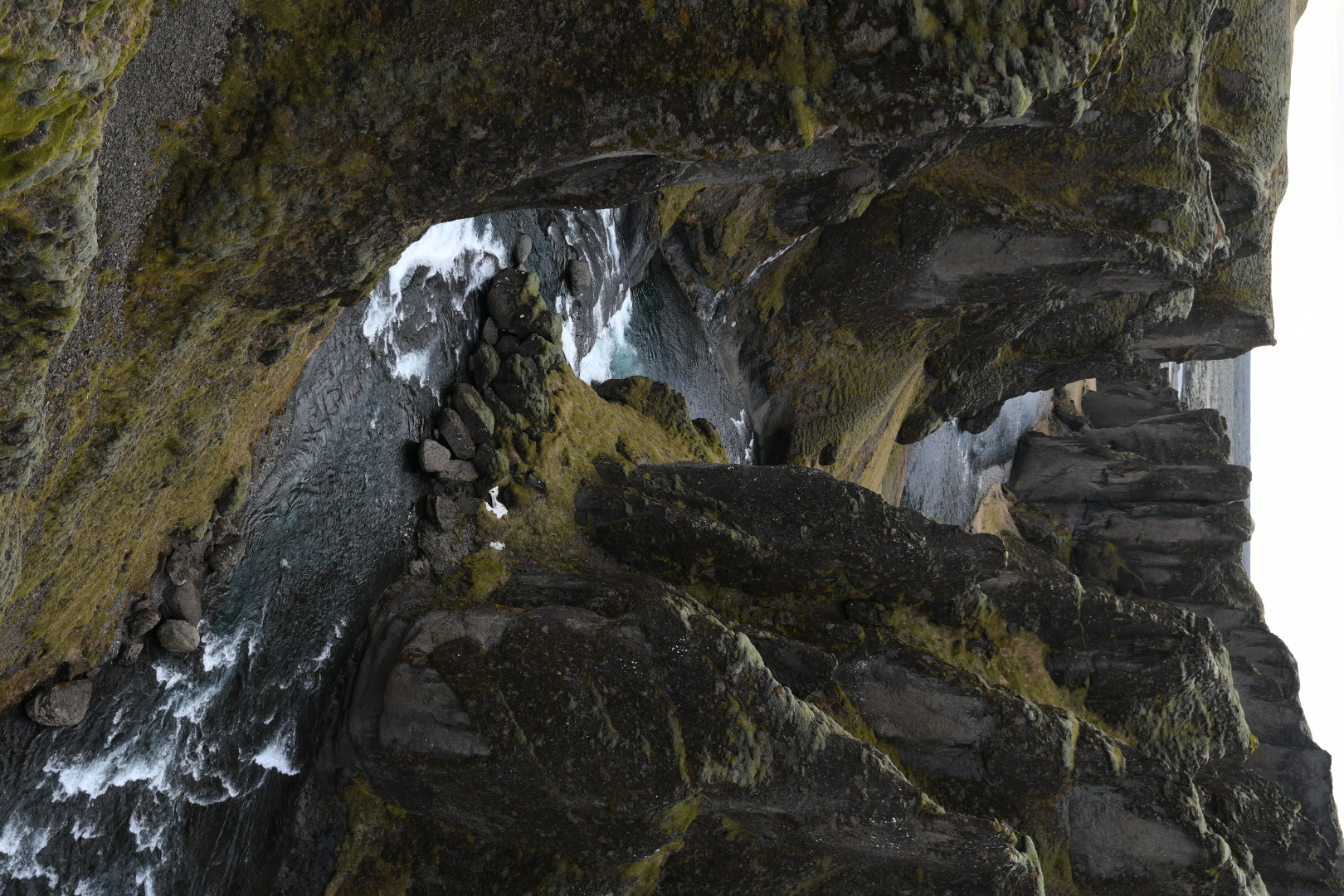
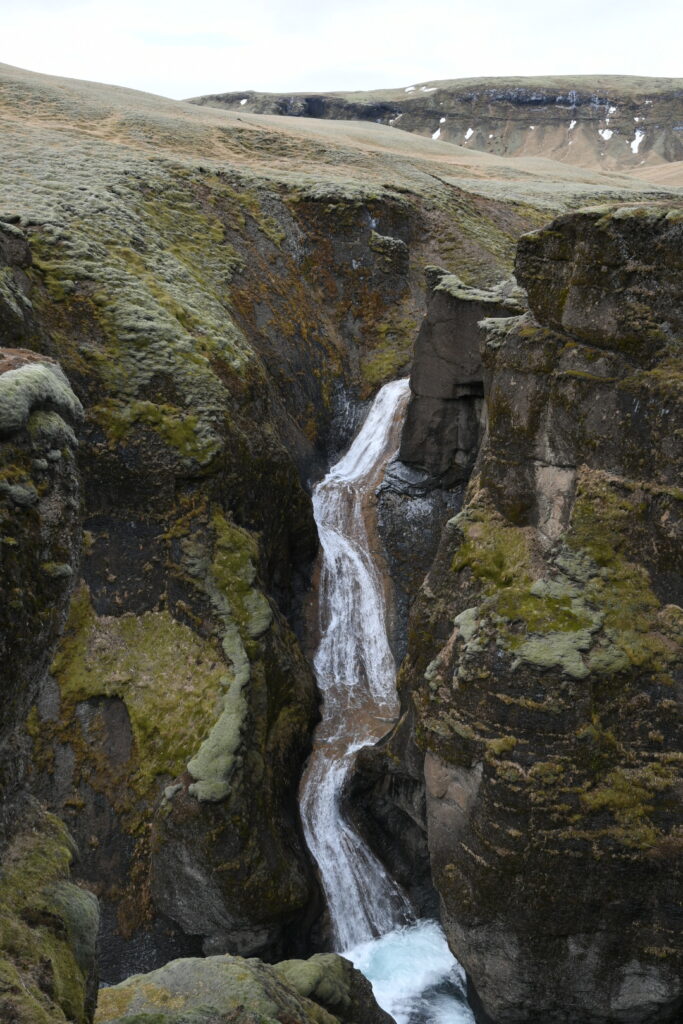
We continued our journey northeast and passed, among other places, the Fjaðrárgljúfur Canyon and Skaftafell.
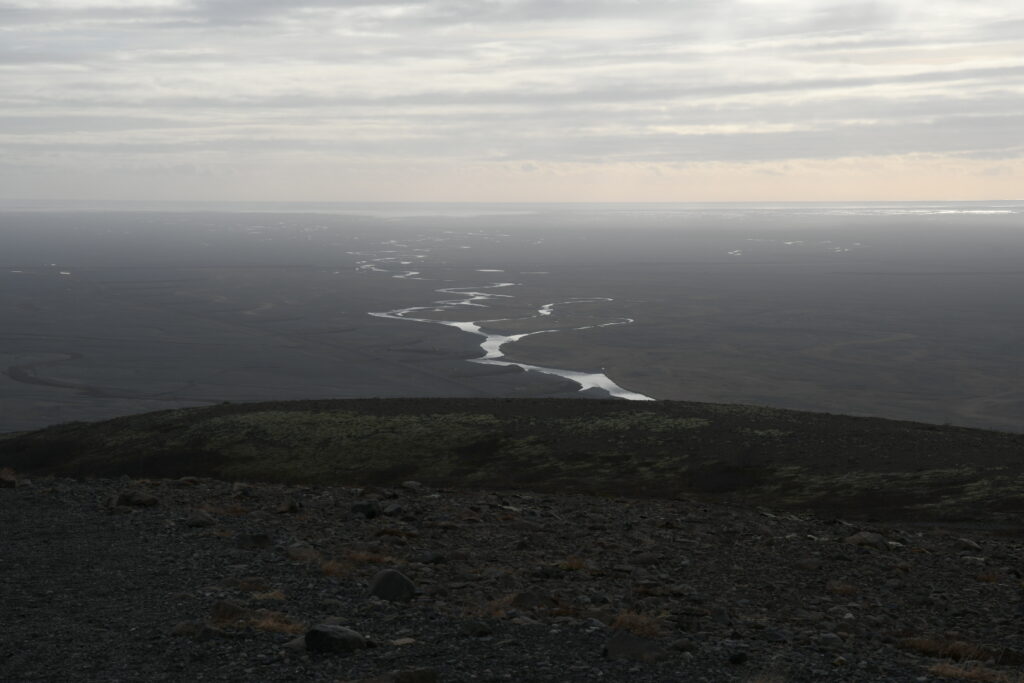
The road to the canyon took us through fantastically alien landscapes in shades of black and pastel green, and the canyon itself was breathtaking. The hike up was easy, offering brilliant views of the canyon and its gorgeous surroundings. The trail was well-maintained, despite its steep and rugged nature.
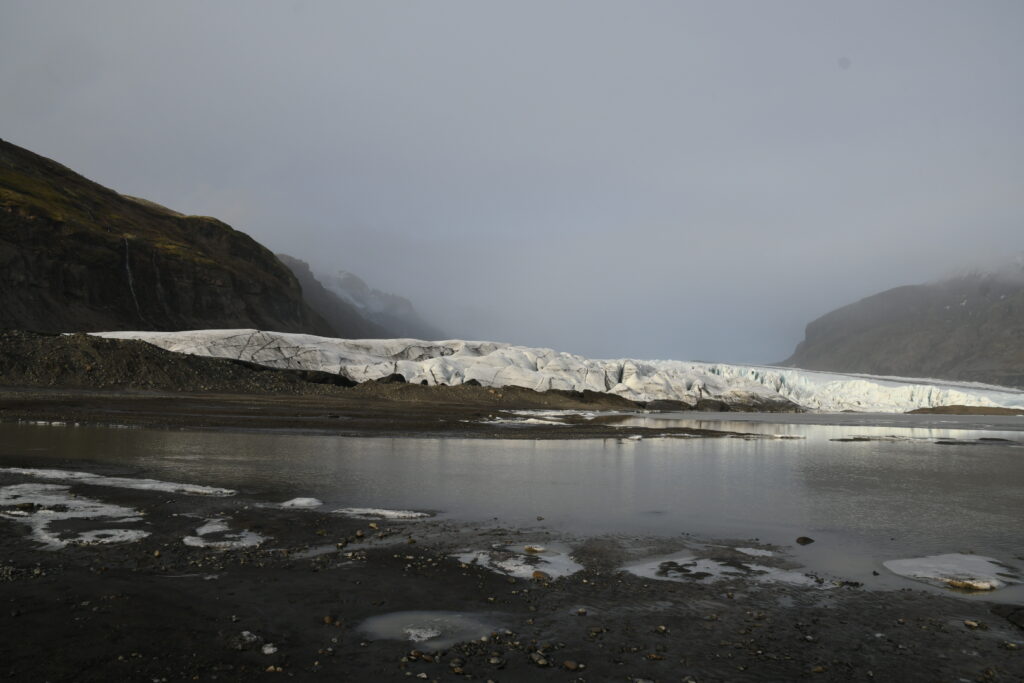
Skaftafell has a tourist information center, from where the most famous hiking trails begin. We ventured west (trail S2, I believe) to Svartifoss, and later east (S1, I believe) to one of Vatnajökull’s arms. Both hikes take some time, so be sure to plan accordingly, but the views are rewarding, and I can recommend both.
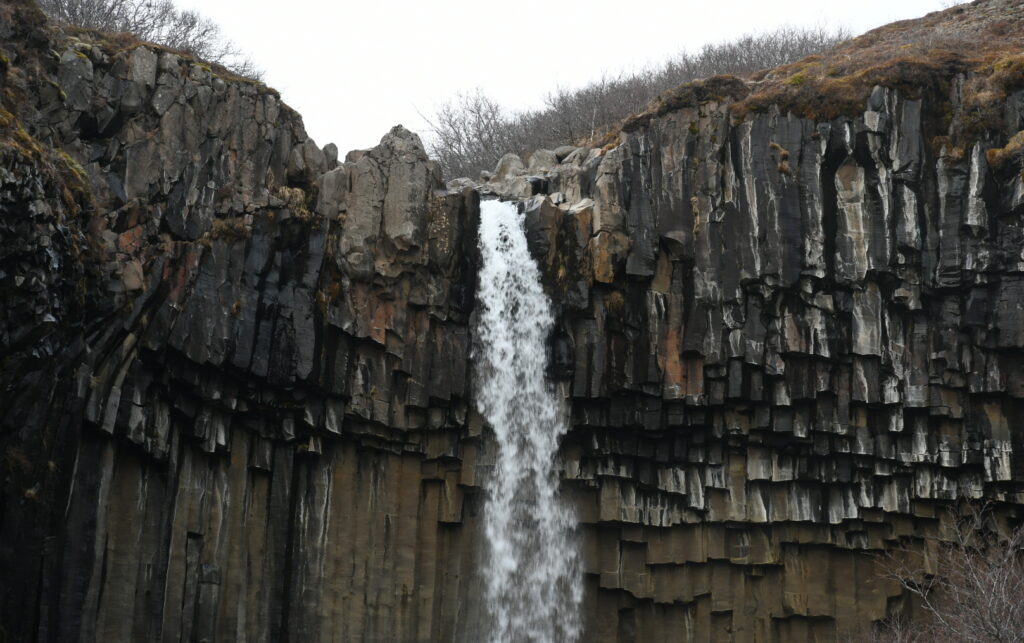
Svartifoss is another stunning waterfall, which is further highlighted by the basalt columns around it. The hike continues uphill, offering great views over the valley.
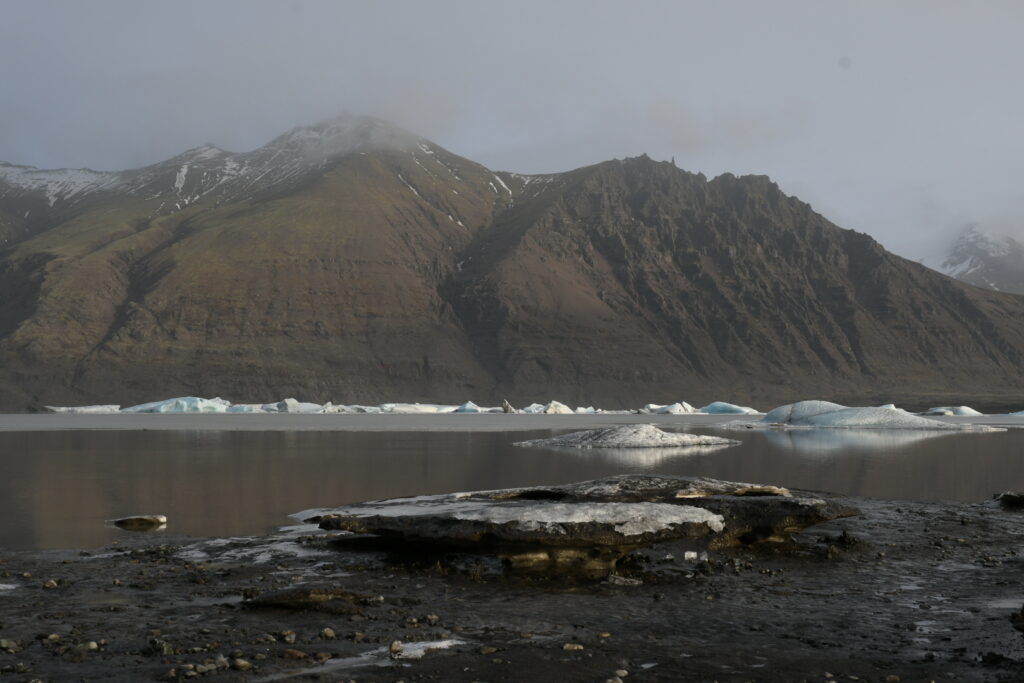
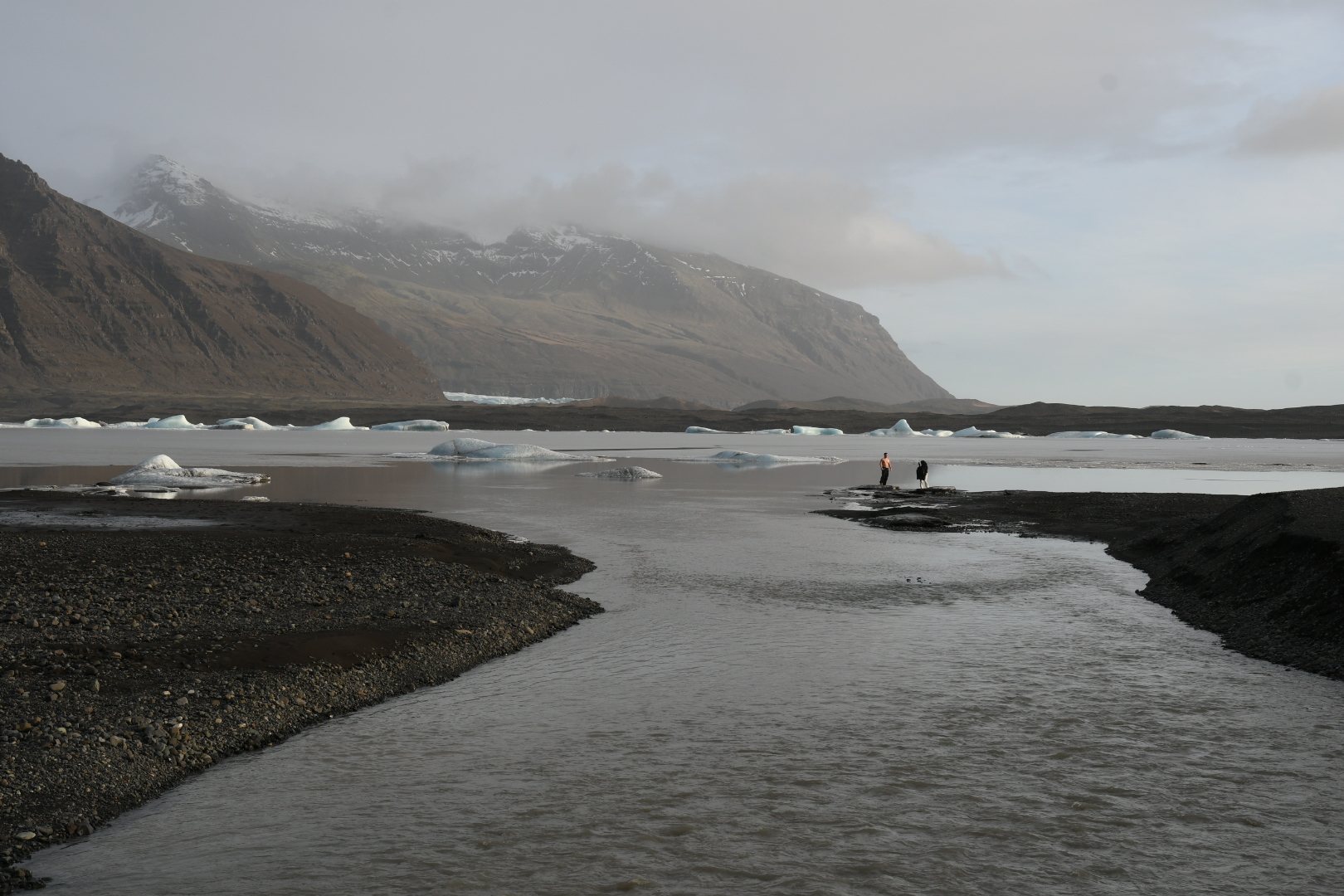
Venturing west from the tourist information center, you’ll reach a hidden glacier lake. The walk might feel lengthy after a long day, but at least it’s even and easy. Once you catch sight of the glacier arm, you’ll forget your exhaustion. The arm is nestled between green-black mountains, and the lake is fed by smaller waterfalls running from all sides. We saw baby-blue ice floes floating in front of the scenic mountain ridge as the sun set, and silence fell over this alien landscape.
Jökulsárlón
Another highlight on our trip was the glacial lake Jökulsárlón, where you can watch ice floes making their journey from the glacier’s arm through the lake and into the sea (unless they’re washed back as huge crystals onto the infamous Diamond Beach).
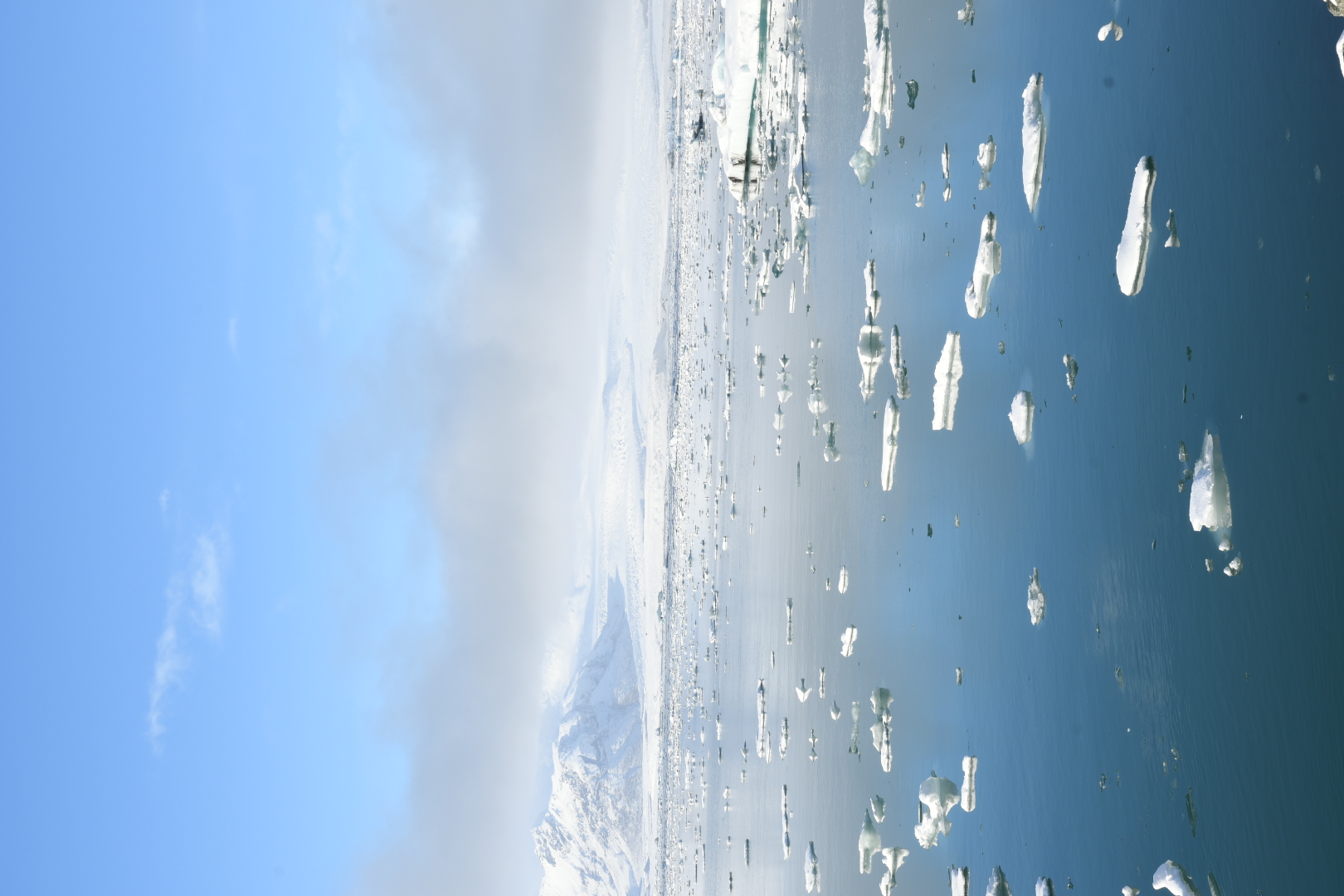
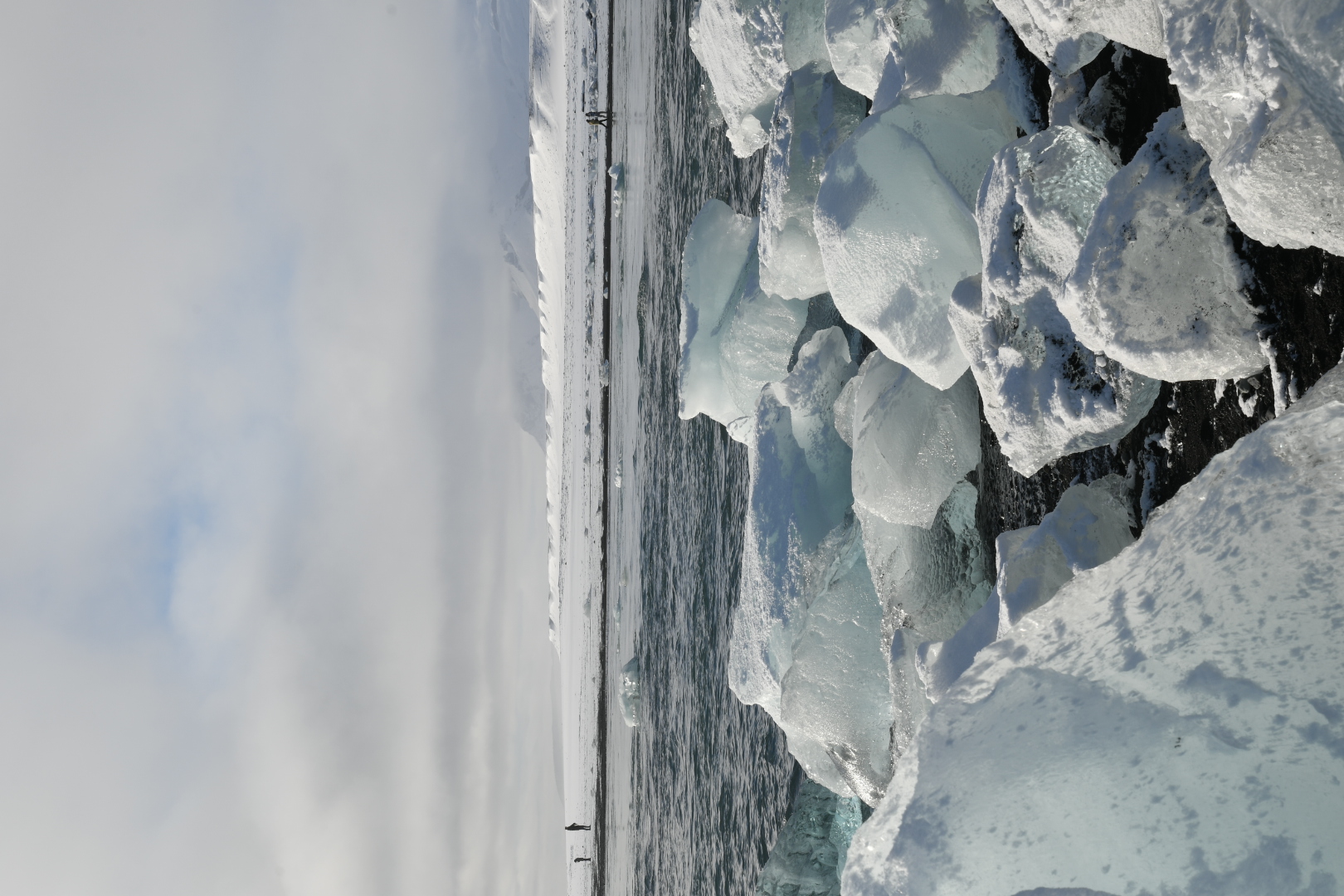
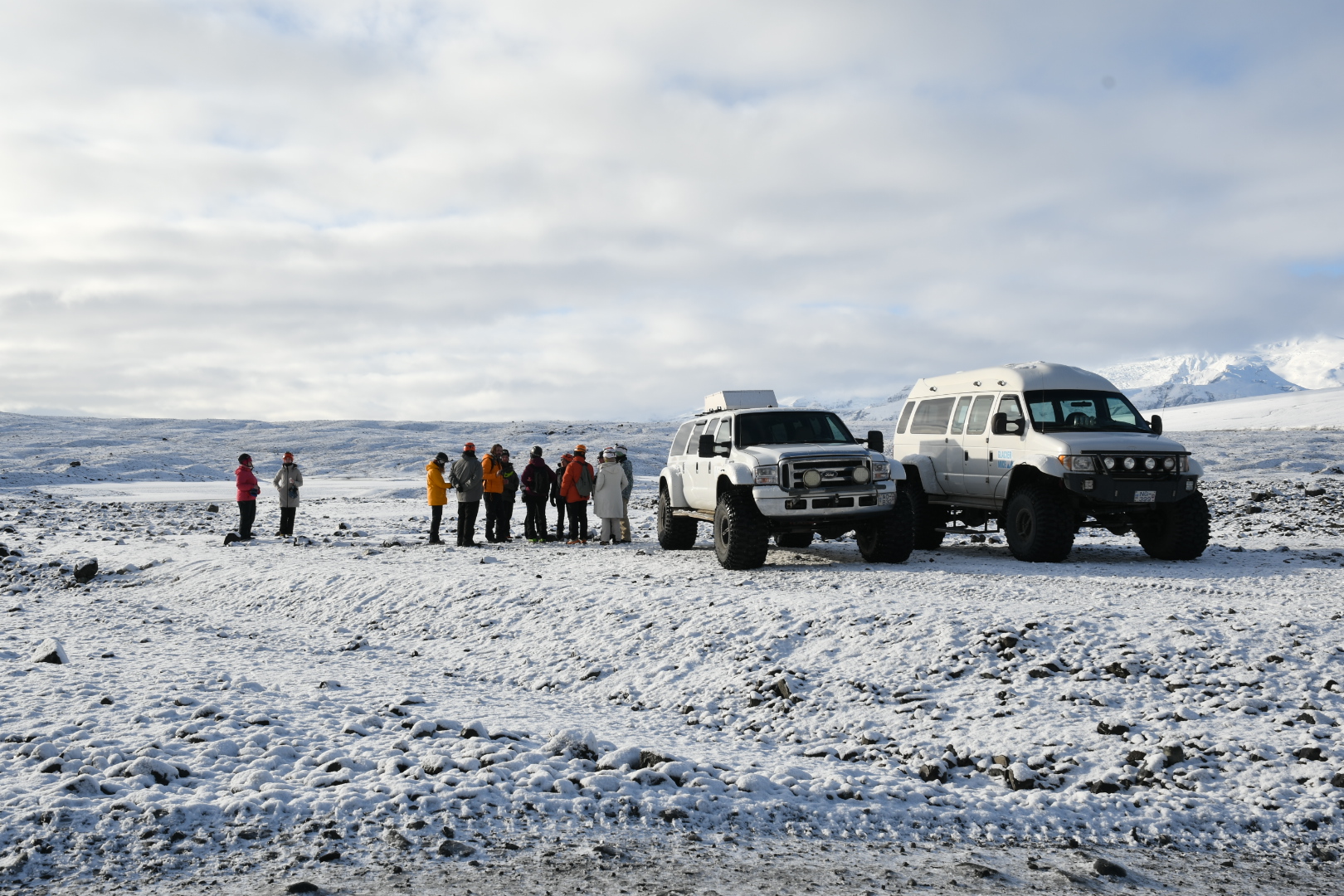
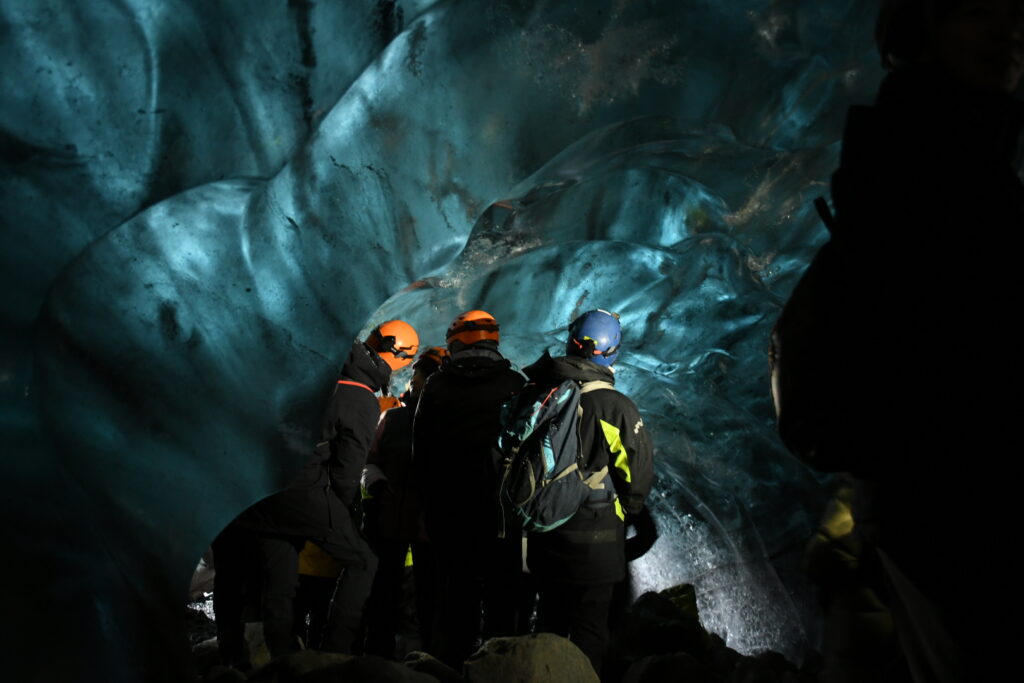
Since we were traveling in Iceland during winter, we wanted to take advantage of the natural spectacles unique to this season. Therefore, we took the opportunity to visit an ice cave in Jökulsárlón. Most ice caves last only one season and are constantly changing. It was a fantastic experience worth the money. We spent about 1.5 hours in a massive cave, and we were lucky enough to explore it, as there’s never a guarantee whether the next season will reveal marvelous or rather disillusioning caves.
Northern Lights
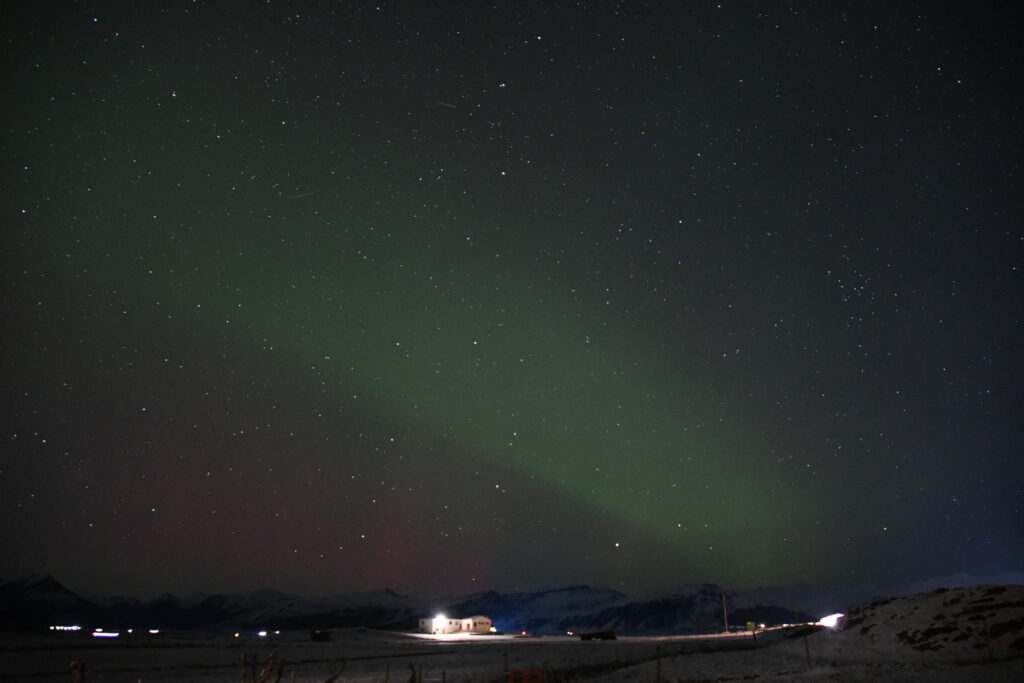
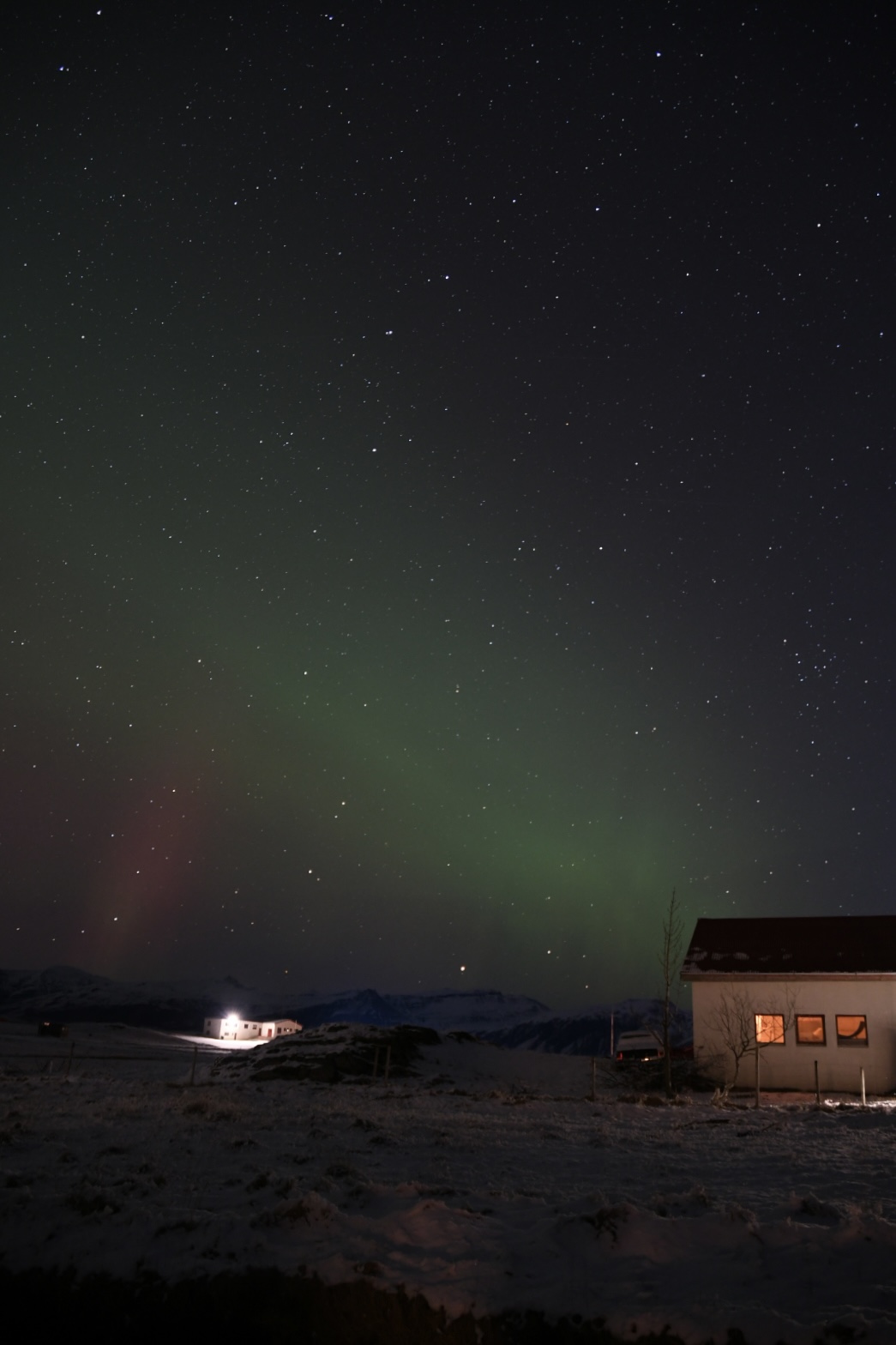
When talking about natural spectacles, you can’t think of Iceland without thinking of the Northern Lights. Traveling in winter increases your chances of seeing them, but it’s still not guaranteed. Two main factors- beyond your control- are required to get their timing right: solar activity and clear weather conditions.
The other thing you can control is, once those conditions are met, to go on a hunt. Meaning: stay awake, be prepared, and be willing to drive to a remote place and spend hours in the cold. One more thing: forget about the illusion of seeing them with the naked eye. You’d need the best conditions to do so. It’s more likely that you’ll spot them using your phone with long exposure.
We were lucky enough to see them three nights in a row. With our eyes, we saw a milky, cloudy something floating through the air. Through the camera, it was vibrantly green. However, the night we had the best view from our hotel room, the moment we stepped outside, they disappeared behind the clouds. Only one night did we get an actual great view, and it was class! It’s a sight you will never forget!
Around Höfn
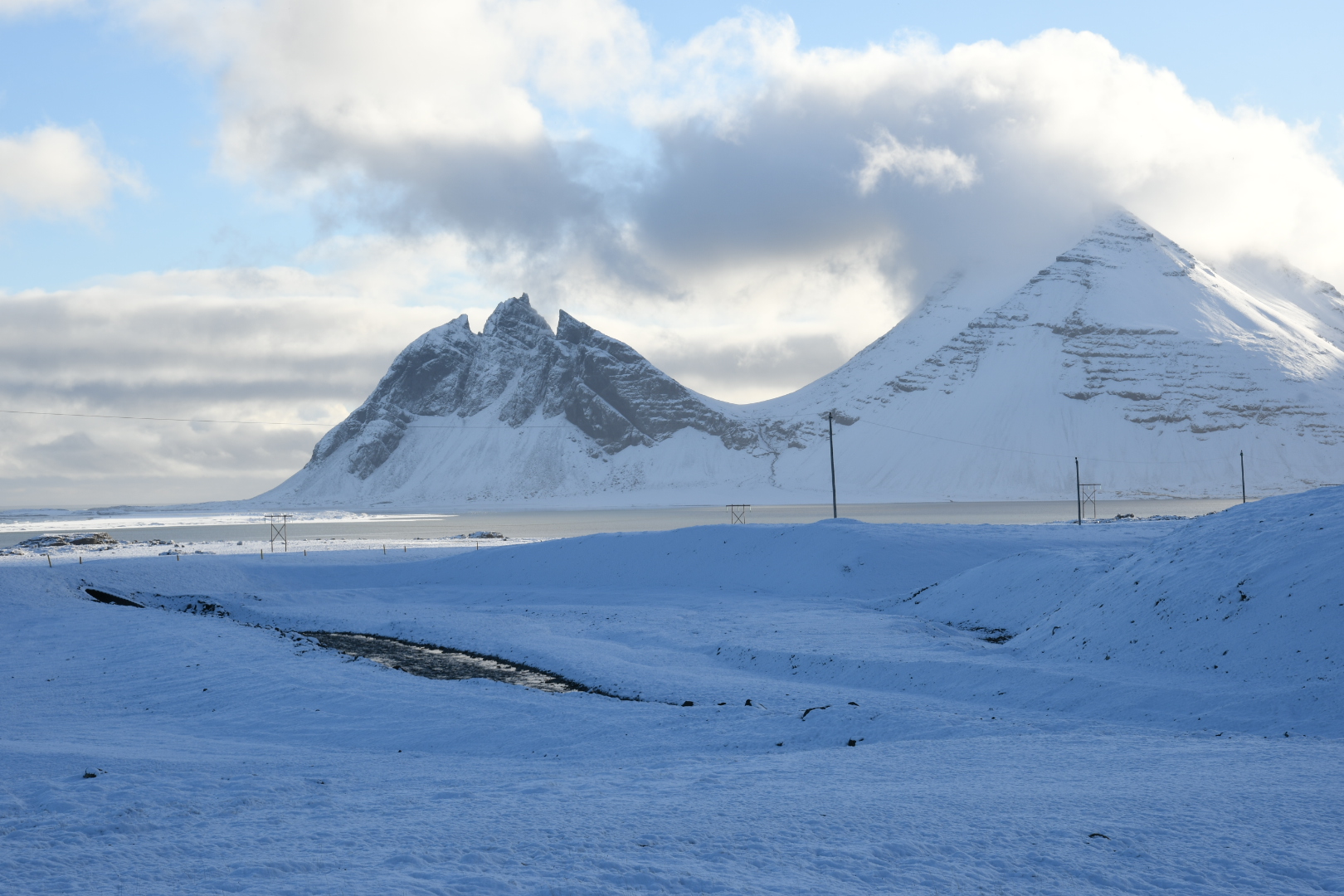
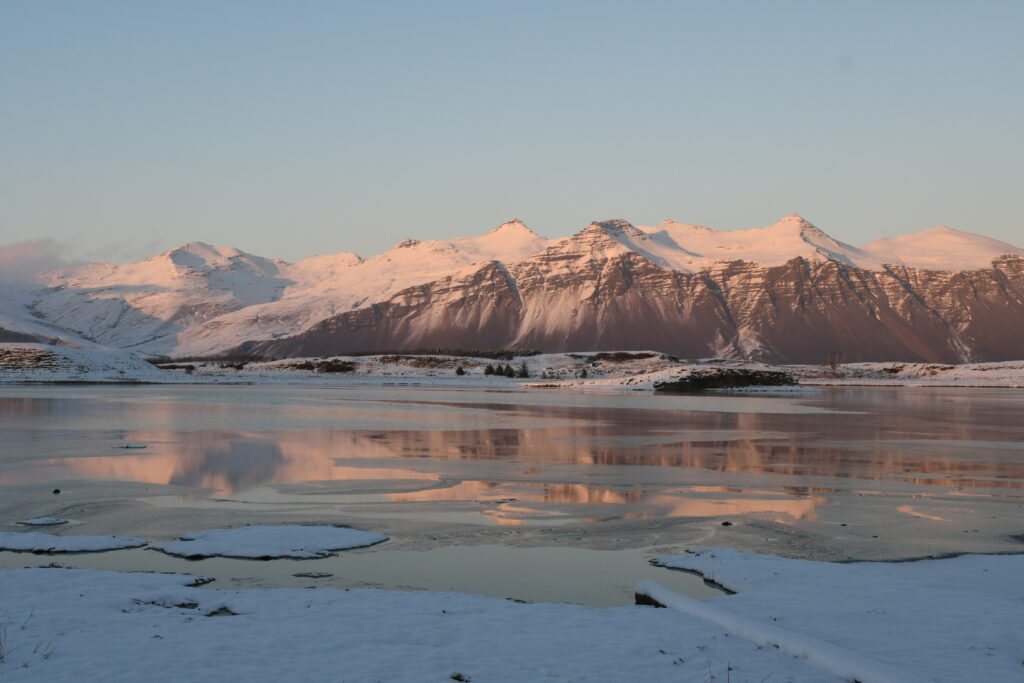
The area around Höfn was the most winter-like we had seen on our journey. As mentioned before, the weather changes really quickly on the island, and while we had encountered snow earlier, it never lasted long. The closer we got to Höfn, the more snow we found, and it once again transformed the landscape, offering us another facet of Iceland. Most impressive was Vestrahorn, seen from all its angles.
Iceland Ponies
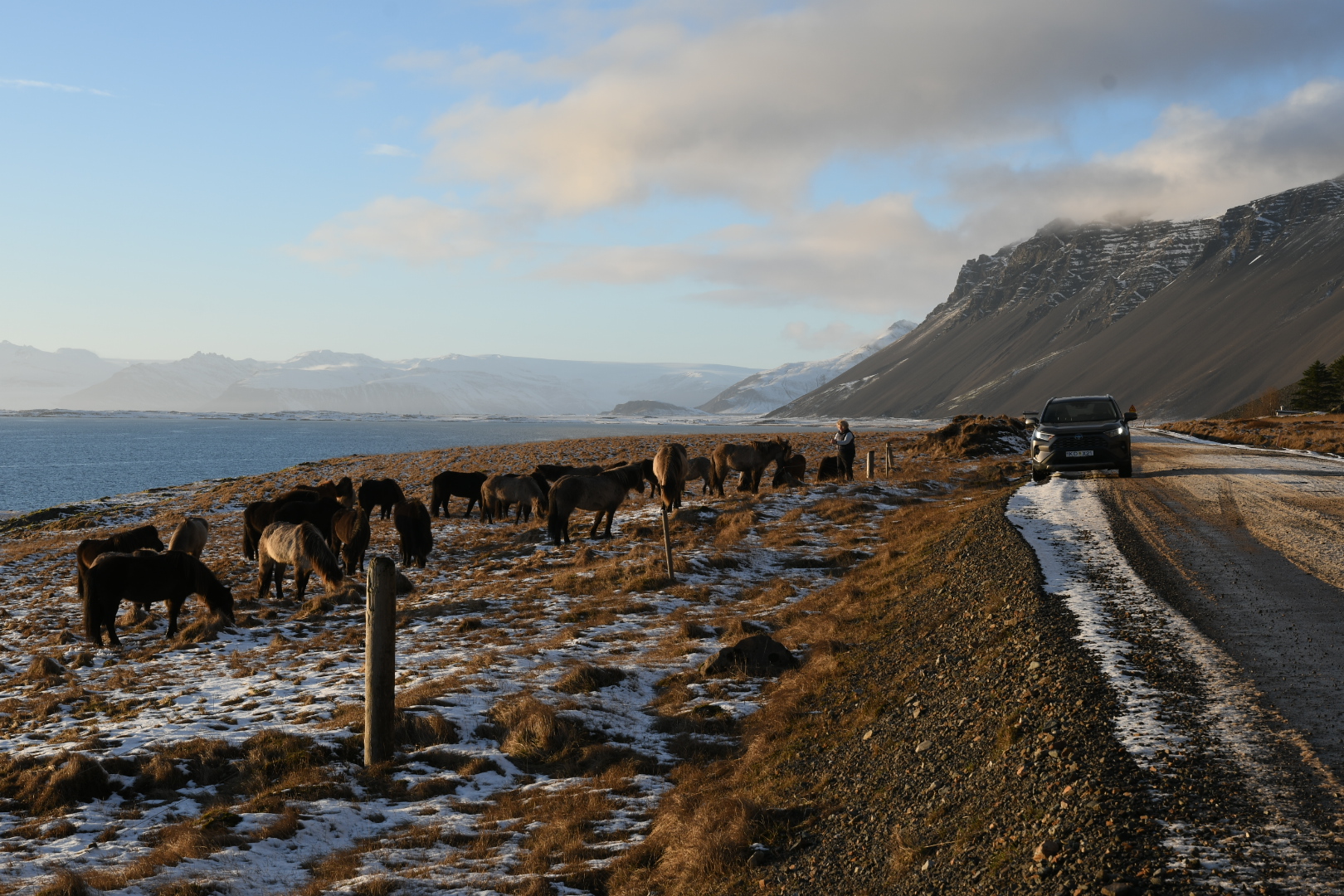
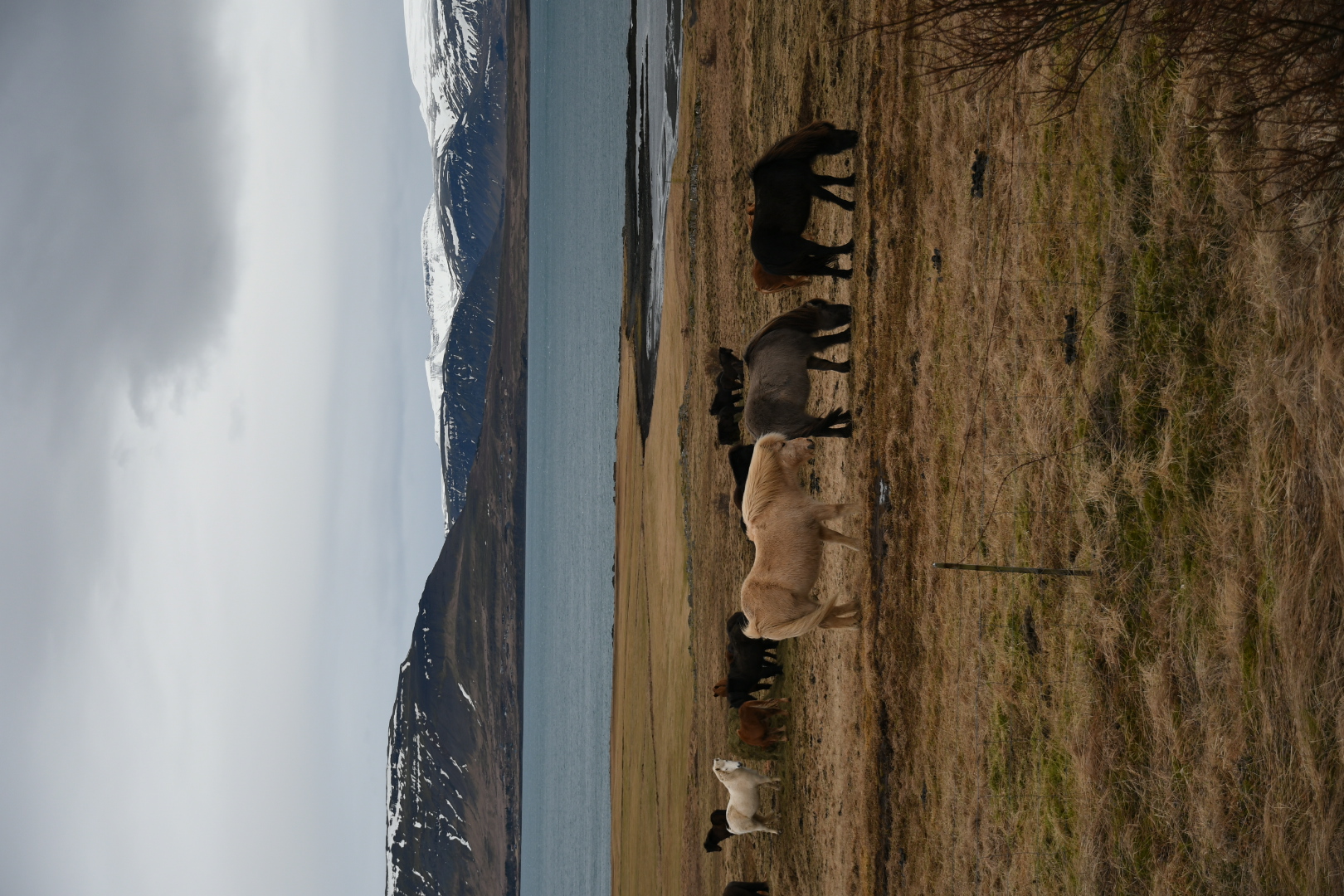
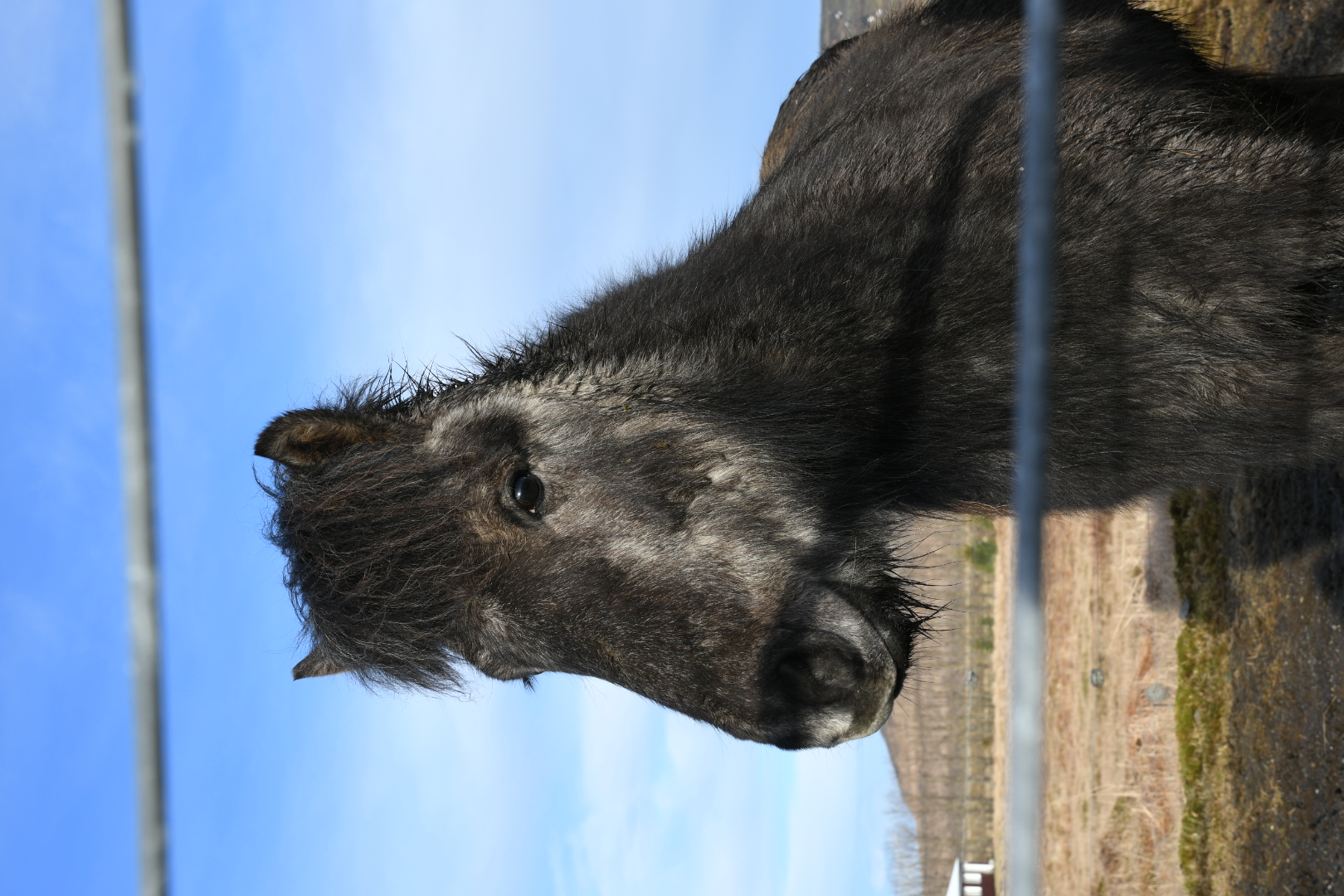
Last but not least, and to satisfy all stereotypes, of course, we also saw loads of ponies along our trip. Given that they’re pretty darn cute- and tough little creatures, considering the harsh seasonal conditions they live through- I don’t want to deprive you of them.