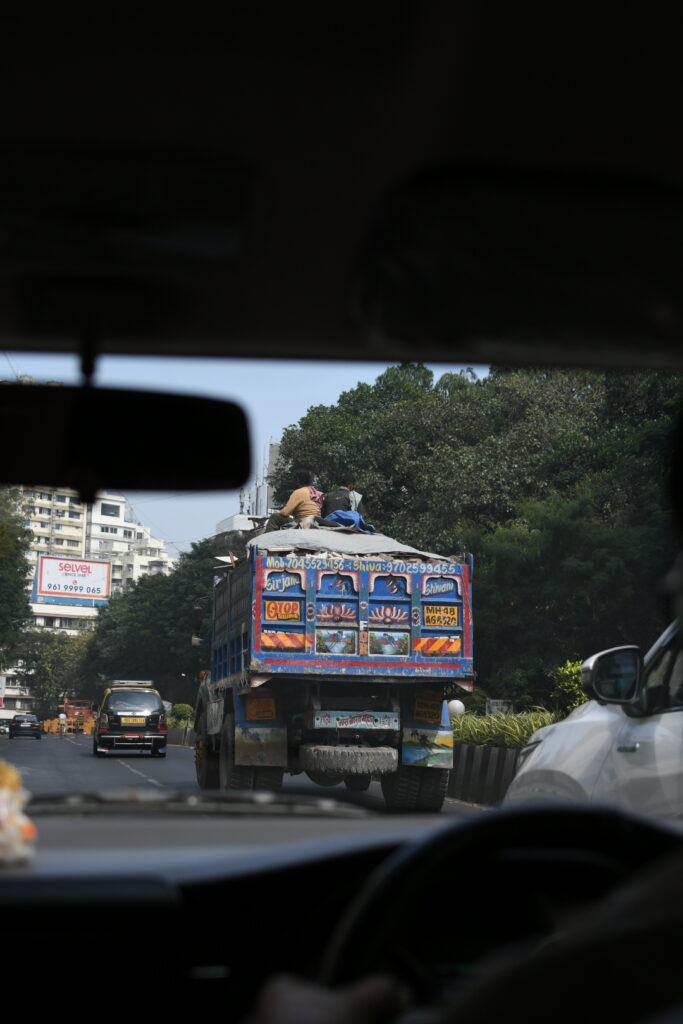
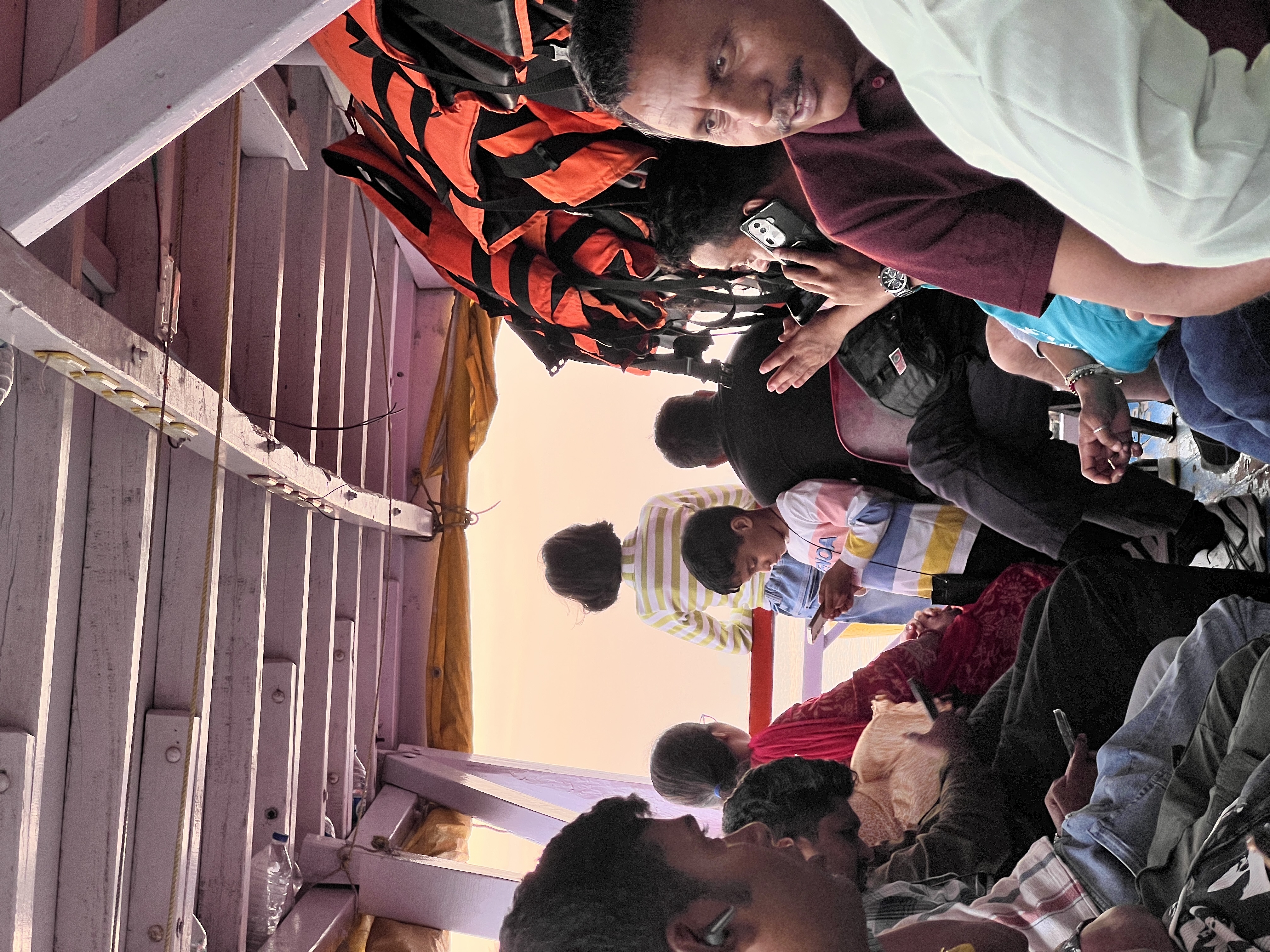
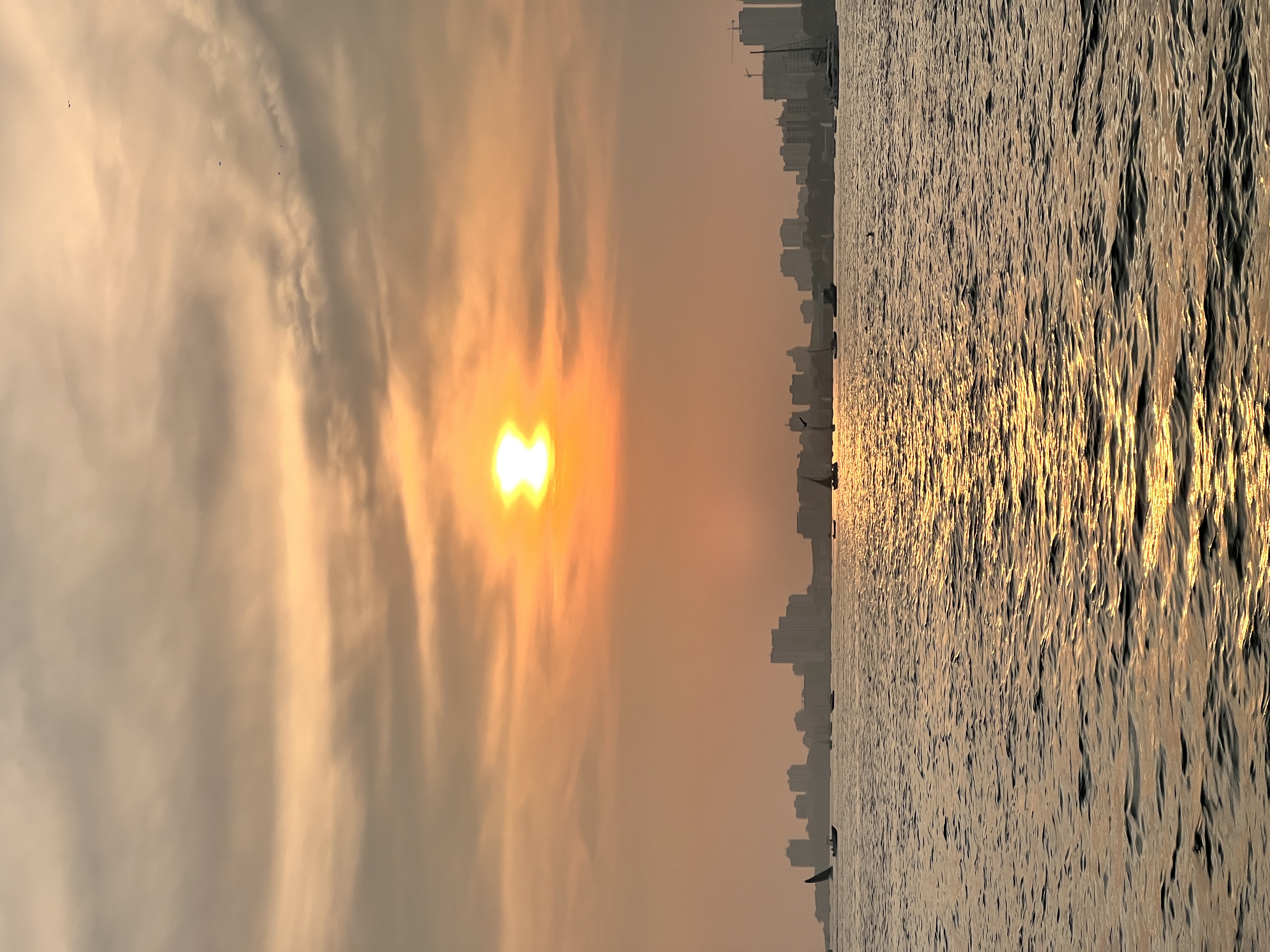
India is a country of shocking contrasts, colourful culture, great food, and incredible diversity. Planning a trip to India can be overwhelming, but in my opinion, it is worth the effort. The country is huge and offers countless different things to explore. We opted for the Himalayan North and a short trip to Mumbai and Pune further south-east. Our trip started with uncertainty but quickly turned into a fantastic adventure.
About my trip: We went to visit India directly after and from Singapore in mid-November 2025. We flew into Bangalore Airport, spent one week in West Bengal and Sikkim, took a plane to Pune, spent five days there, and one weekend in Mumbai. We travelled through different climate zones: temperatures in the North ranged from -5 degrees Celsius at Zero Point to a humid 25 degrees Celsius in Siliguri. Temperatures in Pune and Mumbai were consistently humid-hot at around 30 degrees Celsius.
Which was unexpected, was the bureaucracy in India and the patience you need to bring along. We had to learn this the hard way. Our flight from Singapore was scheduled for 4 a.m. on a Saturday. Until 5 p.m. on Friday, we didn’t know whether we would be able to take it because our visa approval was still pending. Visas and permits accompanied our entire India trip, as did long waiting times, and useless waste of paper copies.
As of now, in 2025, as a German you need a visa to enter India. You can apply for one on the official government website for USD 25 or through a third-party provider for USD 125+, and you should do so at least one week in advance – if not more. Frankly, I gave up on the official website after several hours of severe frustration, entering the most absurd information about my parents and my job, only to be kicked off the site and forced to start all over again. I eventually went with a third-party provider, which cost me a fortune but promised visa issuance within five days and required only a handful of information.
Our airport check-in was overly investigative and time-consuming, and we had to prove and show many things before receiving our boarding passes. Lengthy processes like this followed us throughout Sikkim. You need different permits for different areas, which require not just paper copies of all sorts of documents but also printed photos – only for them to be briefly reviewed and then neither kept nor copied by local officials. We left India with a ridiculous number of passport copies and biometric photos that we will never need, unless we´ll one day return to the country of bureaucratic madness.
In addition to the strict permit situation, there are other regulations in place that left us wondering more than once. In Sikkim, you need a local driver – which actually made absolute sense given the infrastructure and road conditions. In the very north of Sikkim, you also require a local guide to accompany you, which, tbh, didn’t make any sense at all. This guide sat in the back of our car for two days, and that was basically it. Also in the north of Sikkim, you have to stay at least two nights. You are not allowed to leave earlier, and don’t expect a heads-up or a satisfying answer as to why. The response you’ll usually get is simply: “Because there’s a regulation.”
WEST BENGAL AND SIKKIM
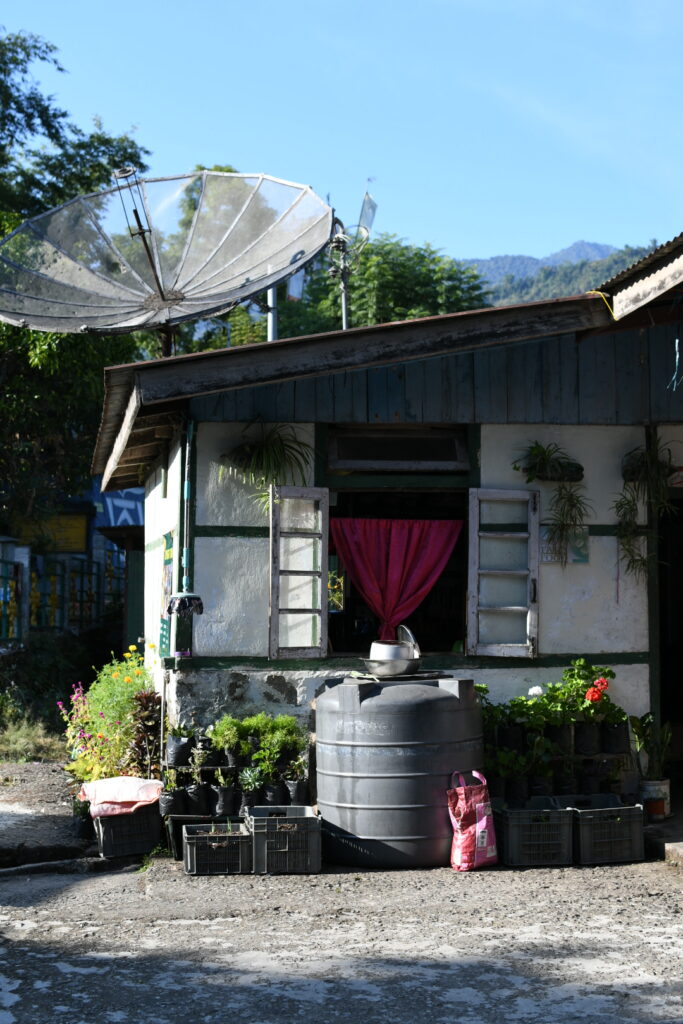
To say the least, travelling through West Bengal and Sikkim feels like – what I´d expect – travelling to Nepal minus the tourist crowds would feel like. I wouldn’t have thought such a place still existed, but this part of the world was the least visited by white people I have ever witnessed. For days on end, we were the only non-Indian tourists, and even Indian tourists were few. This resulted in an unmatched ease and travel experience I will never forget. Not just because we felt like Western stars, Indians were excited to take pictures with (although that certainly played a role in my admittedly biased positive experience), but also because it felt extraordinary to find a place with no Starbucks and no troops of social media soldiers queuing for the same frame. Especially after Singapore, this felt incredibly refreshing.
Which leads me to two more mentionable topics: remoteness and soldiers.
One cannot travel through West Bengal and Sikkim without noticing the high military presence. Armed soldiers, tanks, and camps appear around every corner, which is as interesting as it is intimidating.
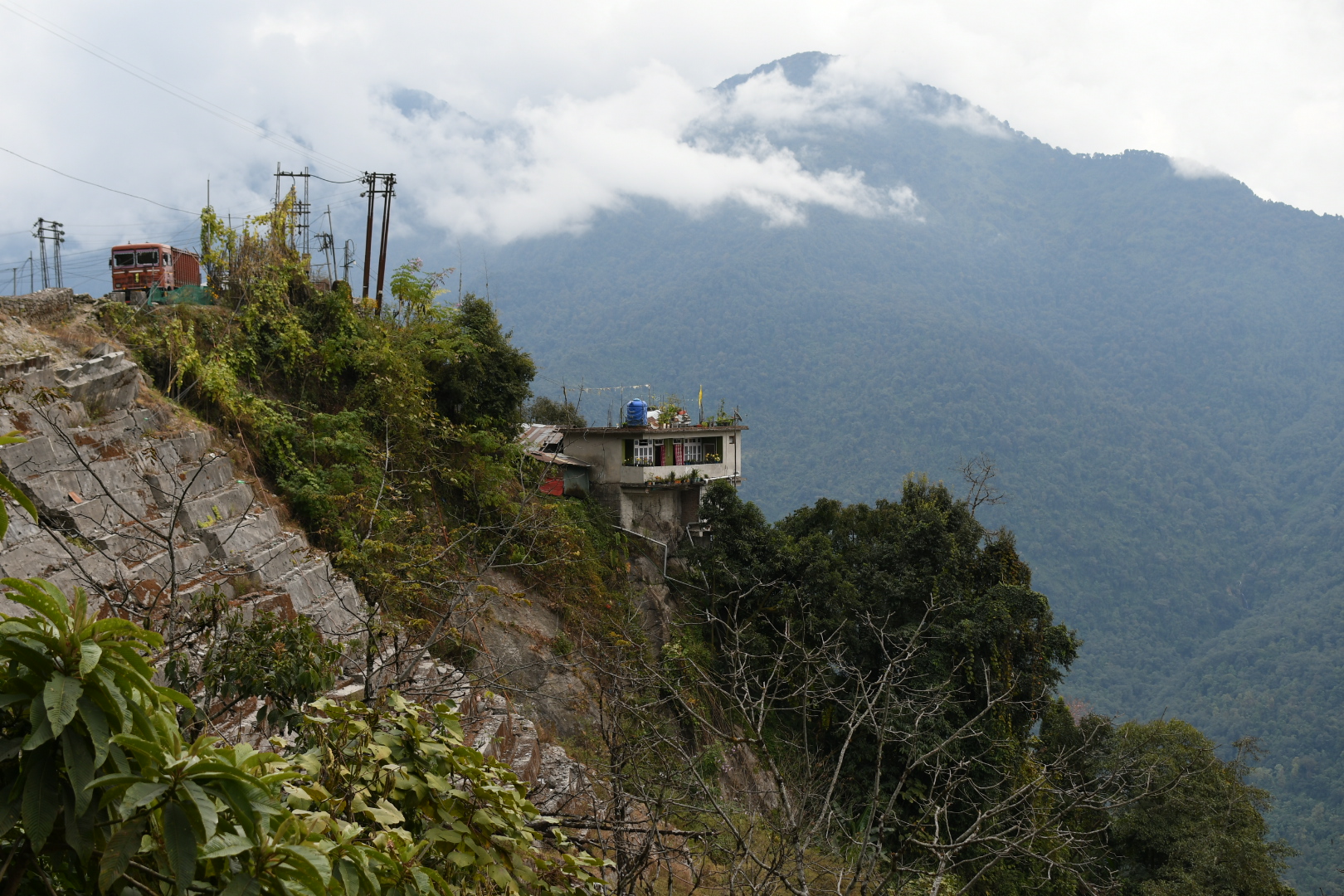
As unique as the remoteness felt, it naturally came with some downsides – the biggest being infrastructure and road conditions. We moved slowly and bumpily. While it was impressive that there are roads reaching even the tiniest mountain villages, most main roads were potholed, flooded, washed out, or all of the above. I gripped the car’s handles tightly all day long while being road-raged for a solid week.
I was deeply thankful for our (second) driver. He seemed fully in control of his car, and his driving under such poor conditions was unreal. He was our local driver from day two until the end. We booked the whole trip, meaning drivers, fuel, local tour guide and permits via an agency which cost us a total of EUR 800. This price also covered our driver on the first day and the transfer from Bangalore Airport to Darjeeling. That first ride nearly broke me though. No seatbelts, enormous speed on what were essentially one-lane roads, steeply ascending higher up dark mountains, constantly on the edge of drop-offs. I didn´t enjoy that first ride and couldn’t relax at all, but genuinely wondered whether this entire trip had been a huge mistake. All worries vanished the next morning when I woke up in Darjeeling.
Darjeeling
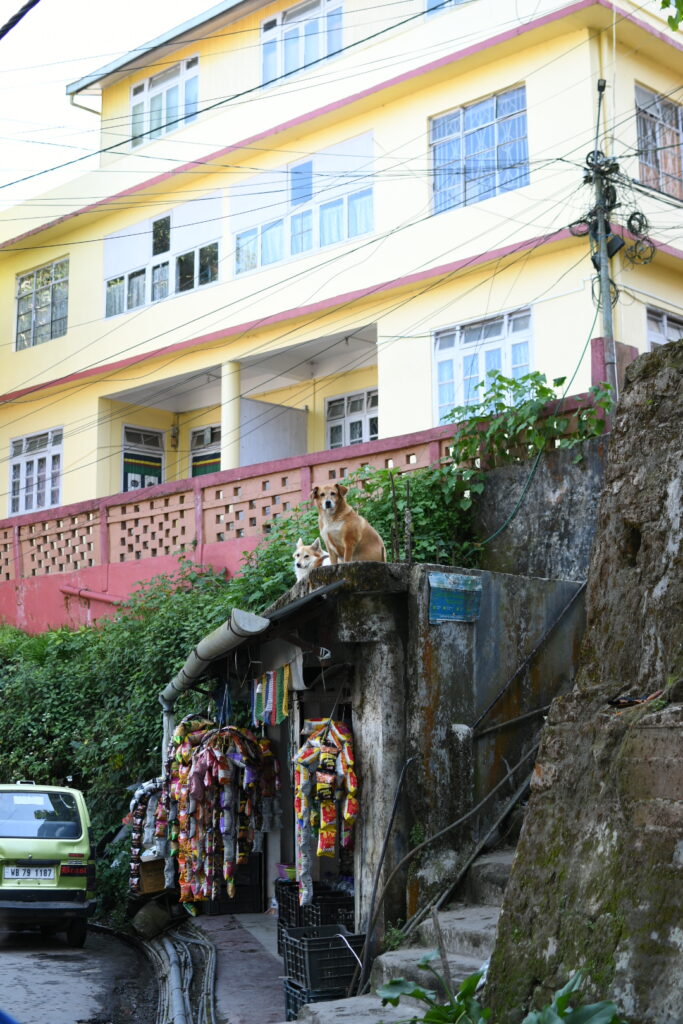
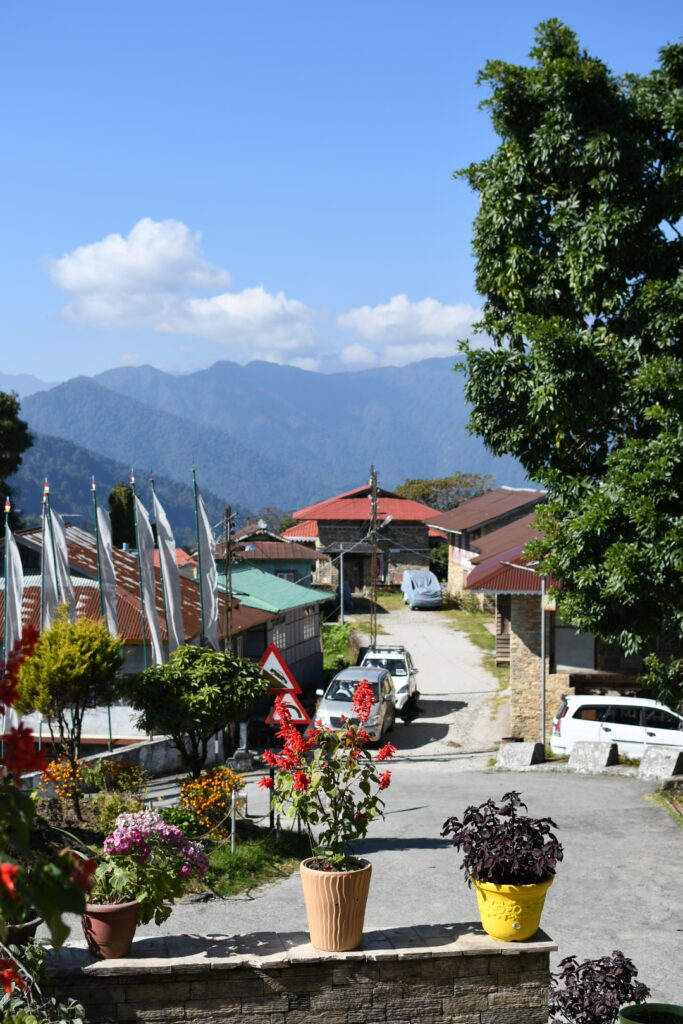
We arrived in Darjeeling after dark – which, it should be noted, is usually quite early – so we didn’t see much beyond steep, narrow roads in what is essentially a large mountain village. BUT we had our first of many hot ginger lemon honey teas before we went to bed, and which felt exactly right in the cool, fresh mountain air.
Our homestay was located high up and promised amazing views. I was so excited that I rose early with the sun.
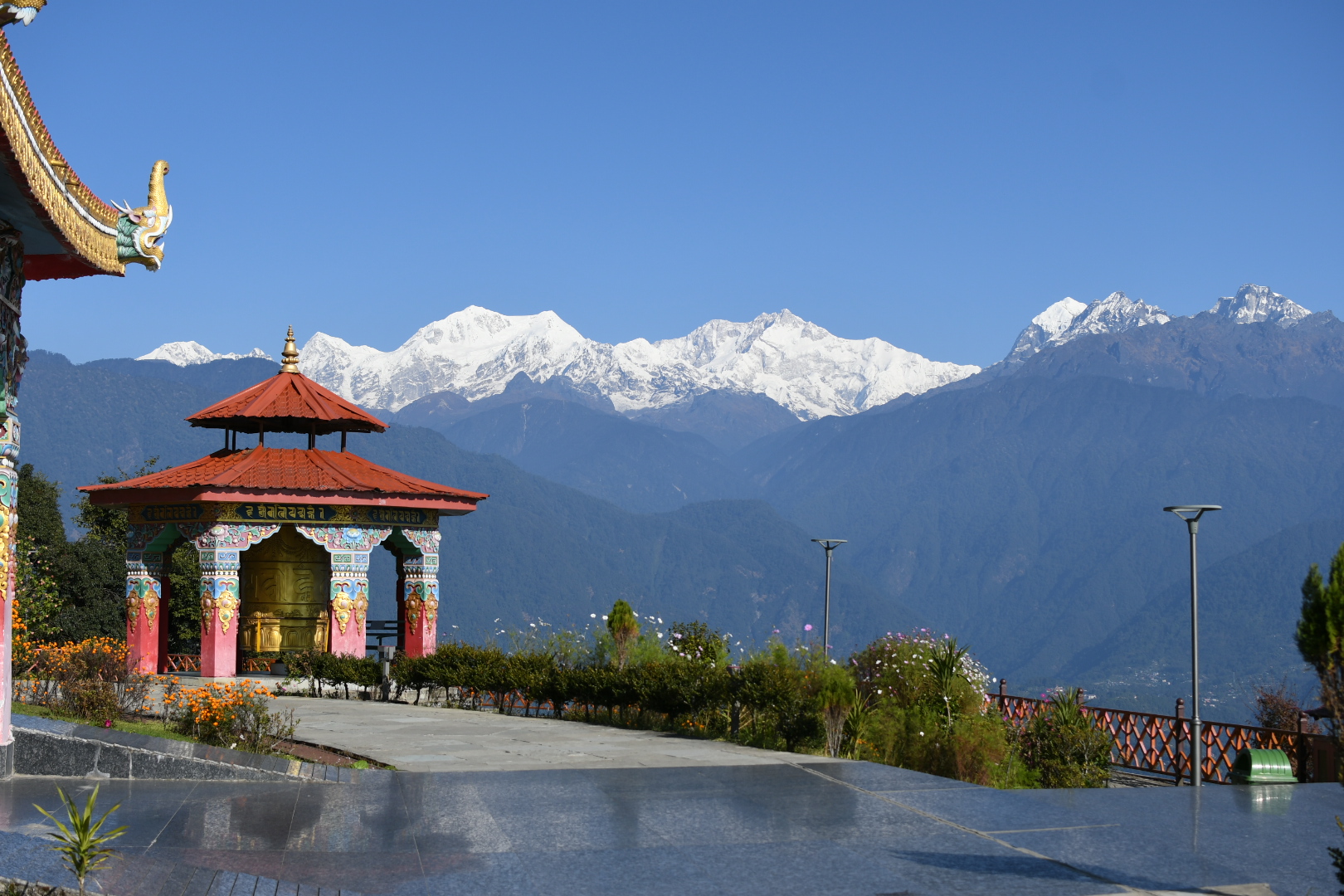
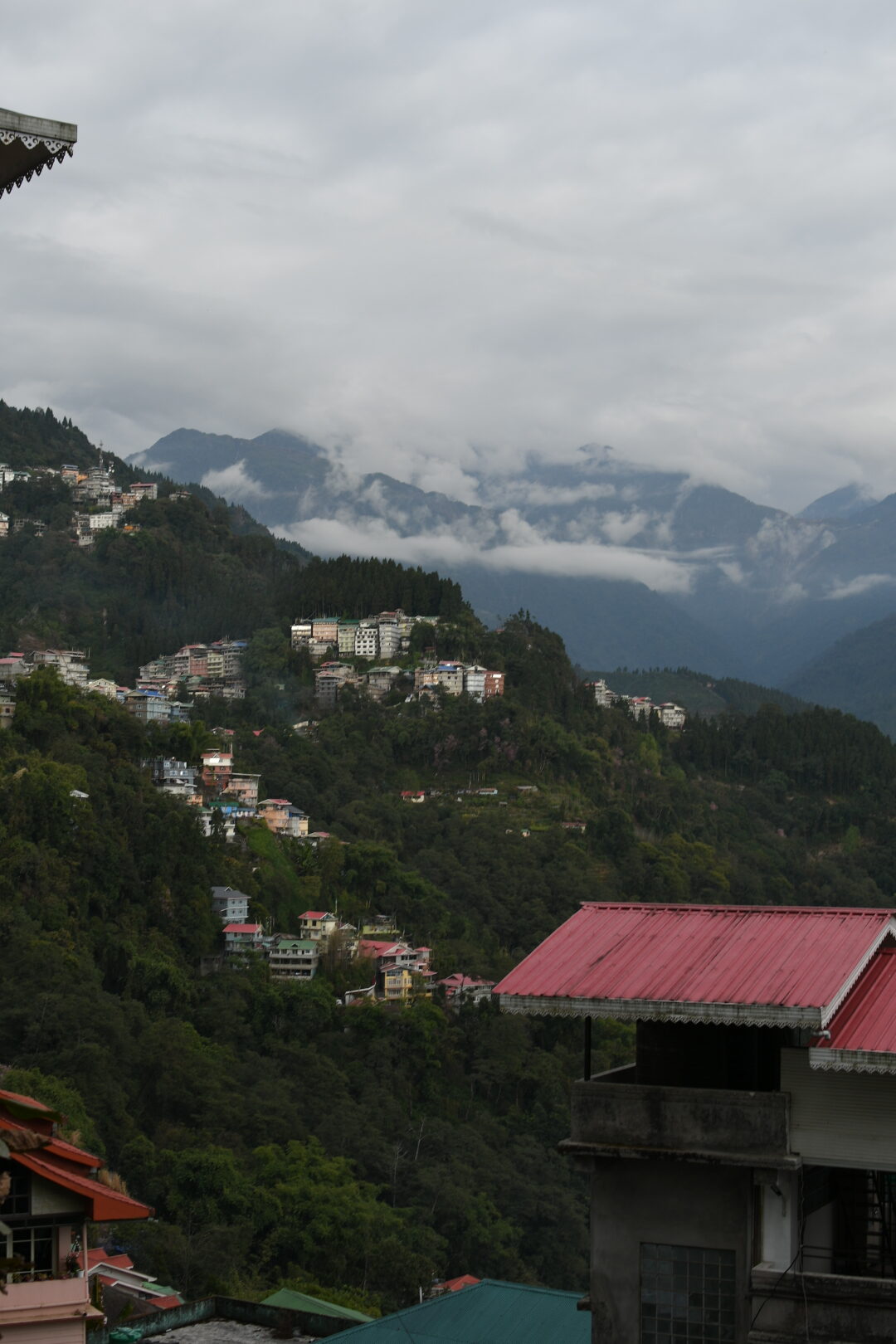
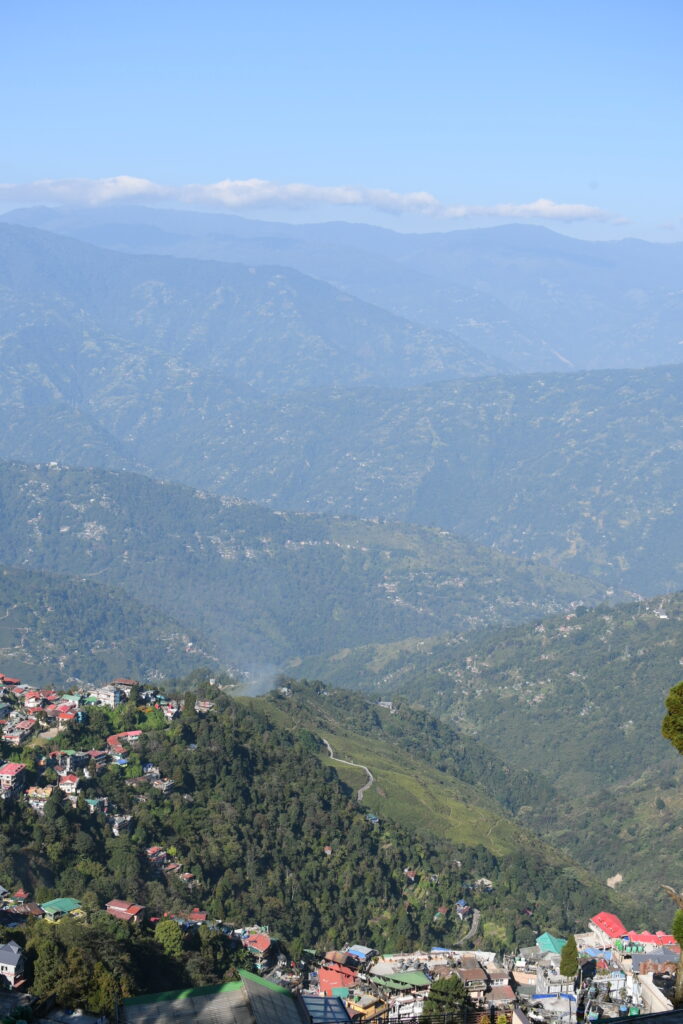
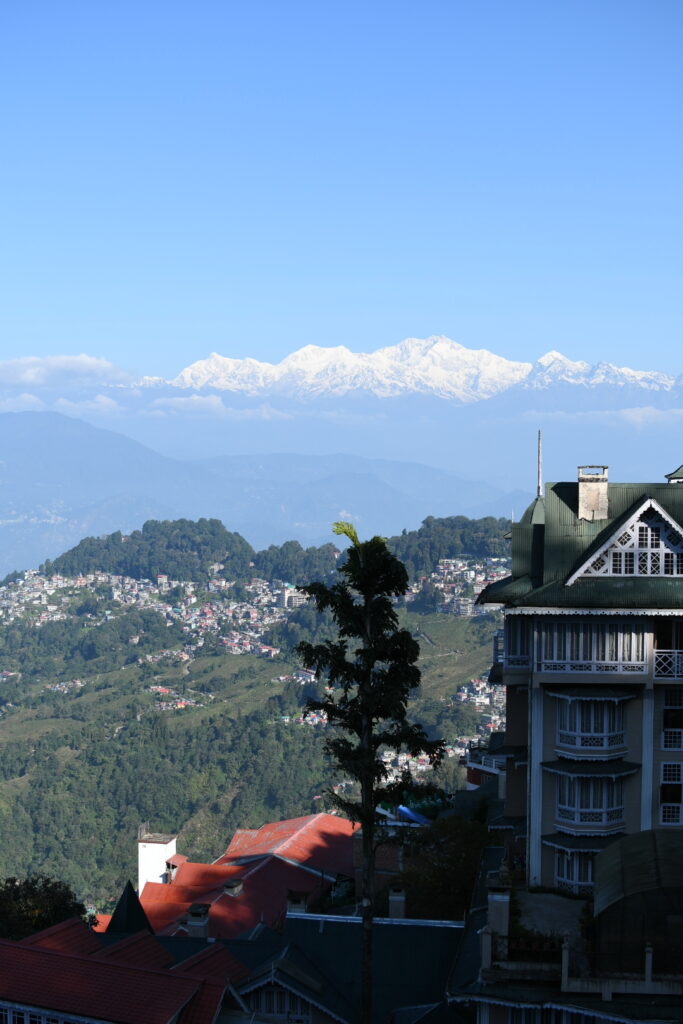
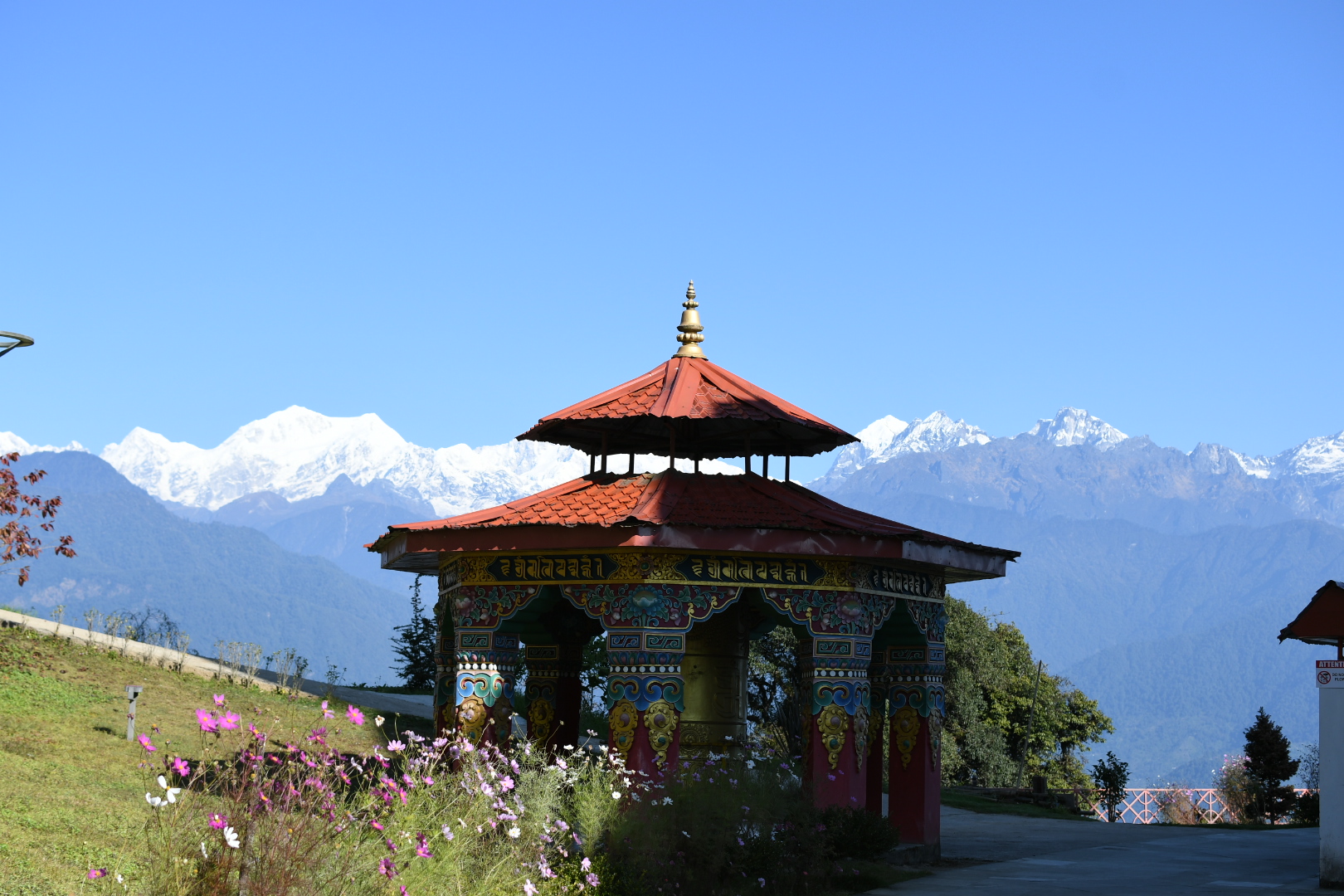
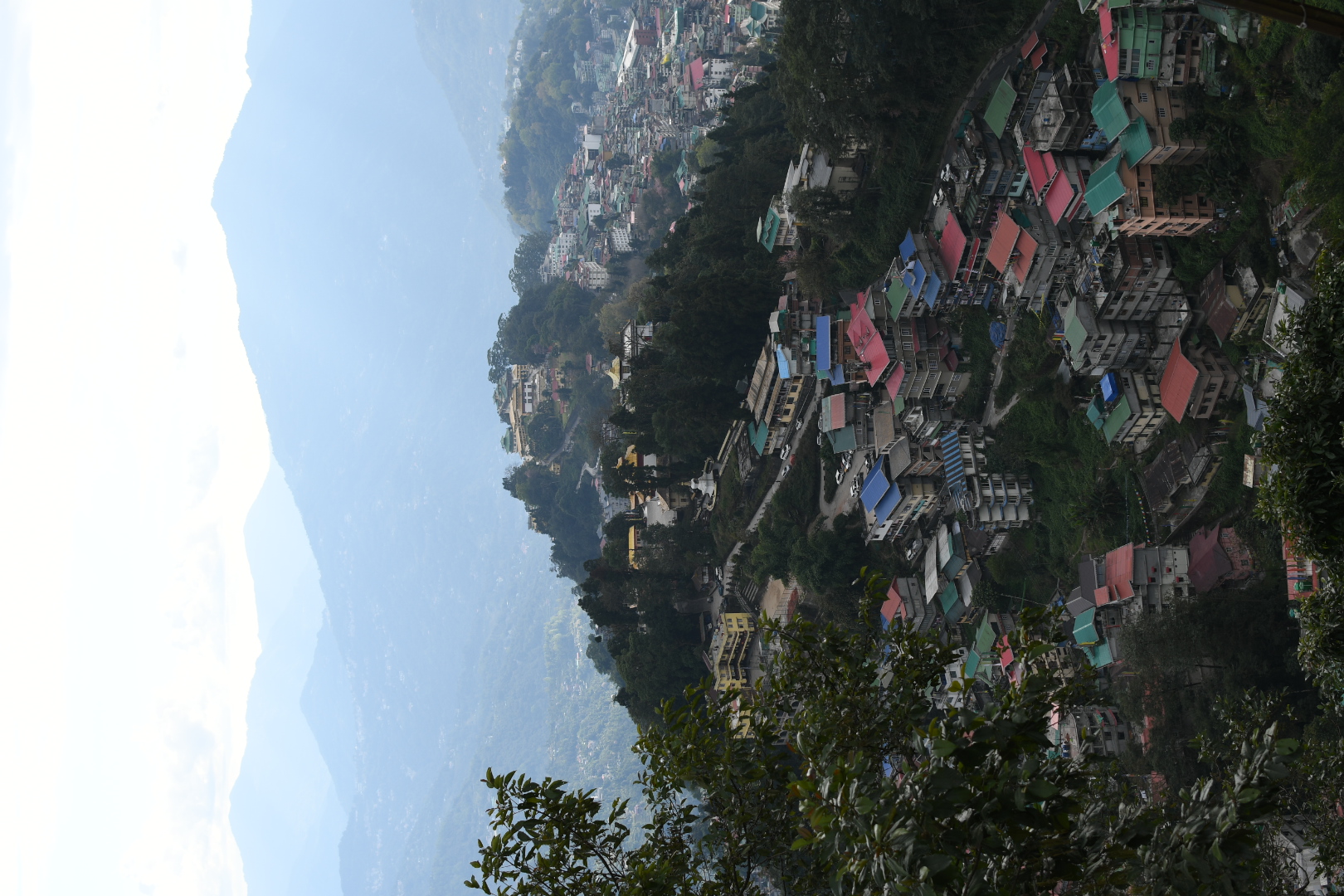
Green mountains dotted with colourful houses, blue skies, and on the horizon: Kangchenjunga. My first glimpse of an 8,000-metre mountain couldn’t have been more spectacular. After the nightmarish ride the day before, the sight of this stunning giant instantly felt worth the “risk”. Finally, a calm and quiet confidence settled over me, followed by the content excitement to explore more.
Unfortunately, we only got to spend a few hours in Darjeeling before being picked up by our – now local – driver and companion for the rest of the week. He spoke a little English and was around our age (late 20s/early 30s). A good guy, kind-hearted, but slightly unorganised.
At the border to Sikkim, we needed our first local permit. We had sent all required documents to the agency beforehand, and the plan was that the driver would bring them printed to sort the permits. He didn’t, and left us waiting between heavily armed military officials for over an hour. The border control staff were very friendly. They even had a printer there, but whatever. One of those things you learn not to question.
After an hour, the staff grew worried for us, mentioned there was a copy shop only ten minutes away, and asked whether we could try calling the driver – who, by the way, had left us with only the few items we carried on us. Moments like this are fascinating: hopeful trust fighting learned uncertainty. We stayed surprisingly calm, and our finally-proven-to-be-messy-but-trustworthy driver eventually returned. The officials, eager to call it a day, handed us the permits without keeping any of the copies at all, which I guess is Indian bureaucracy for you.
Jorethang
Due to this unplanned delay, the sun was already sinking, and we had to accept that we wouldn’t make it to Tashiding Monastery – our intended destination for the day. A change of plans was required, and we were grateful we hadn’t booked anything yet. Usually, we didn’t plan much in advance anyway, but booked accommodations on the day of arrival once we could foresee where we’d end up.
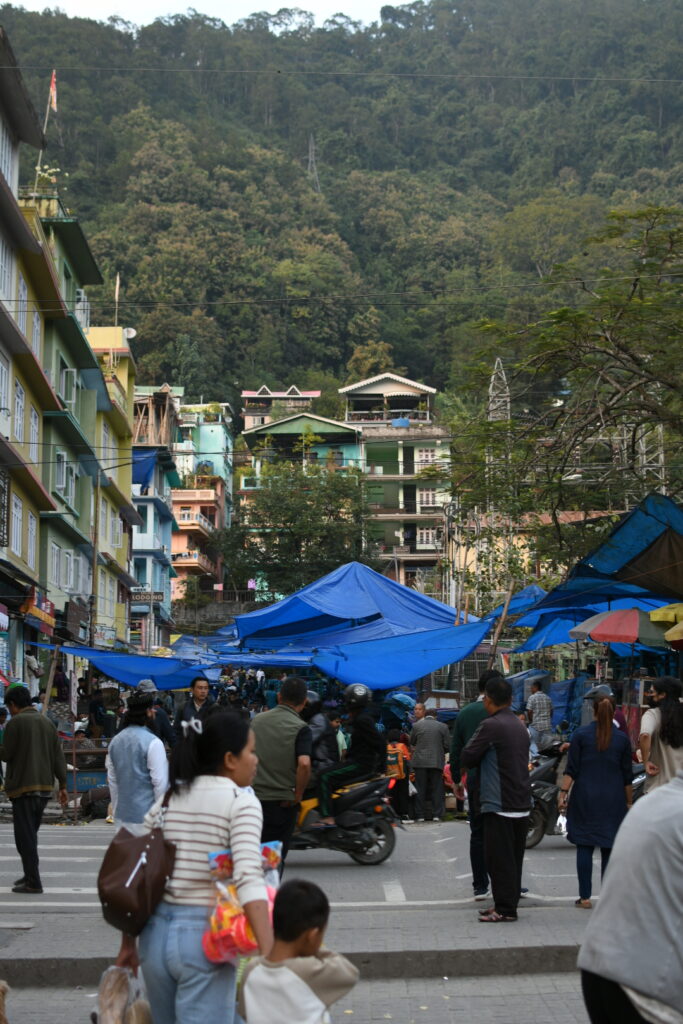
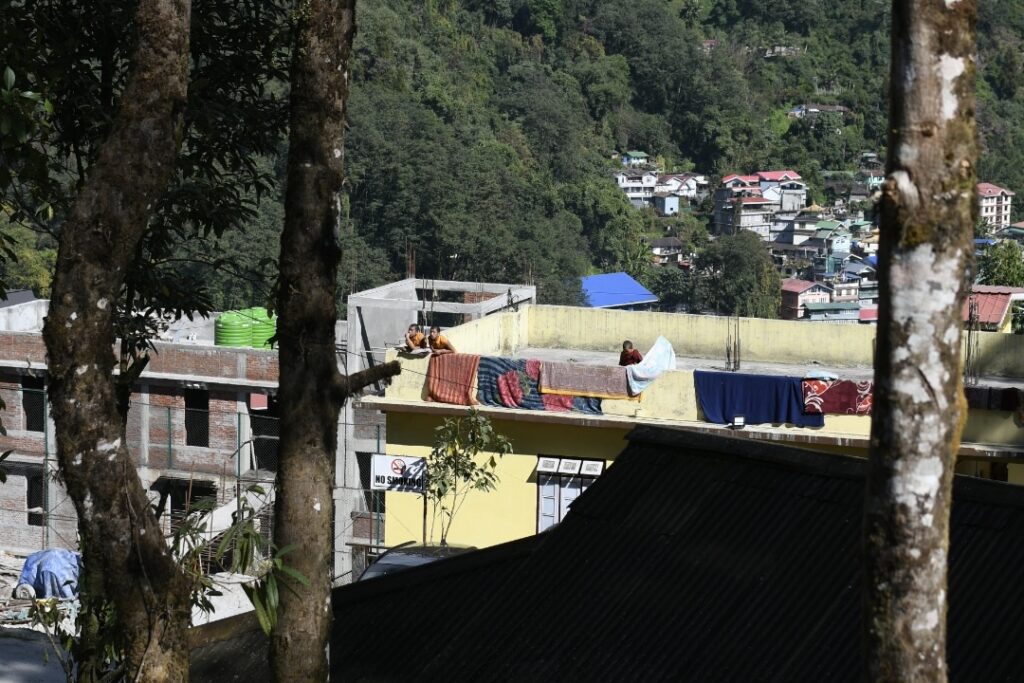
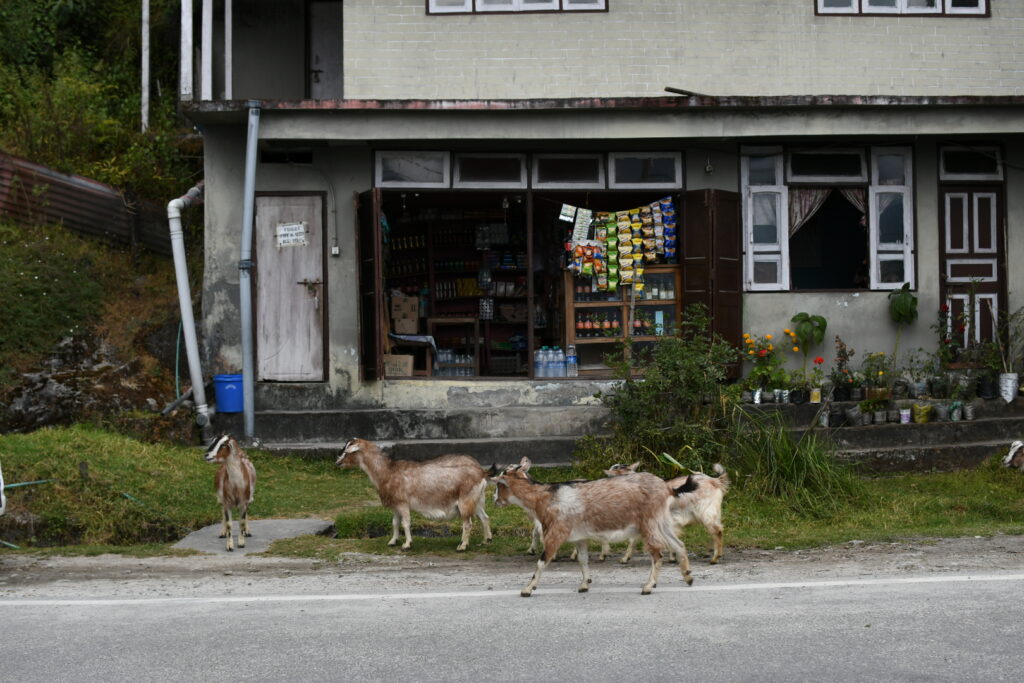
Since this was our first involuntary change of plans, we were briefly disappointed. That disappointment vanished completely when we passed through Jorethang and decided to stop there for a snack and stroll. I guess, you can’t go wrong in Sikkim – any village you pick can make you feel like diving into a new world – one only a few have ever seen.
Pelling
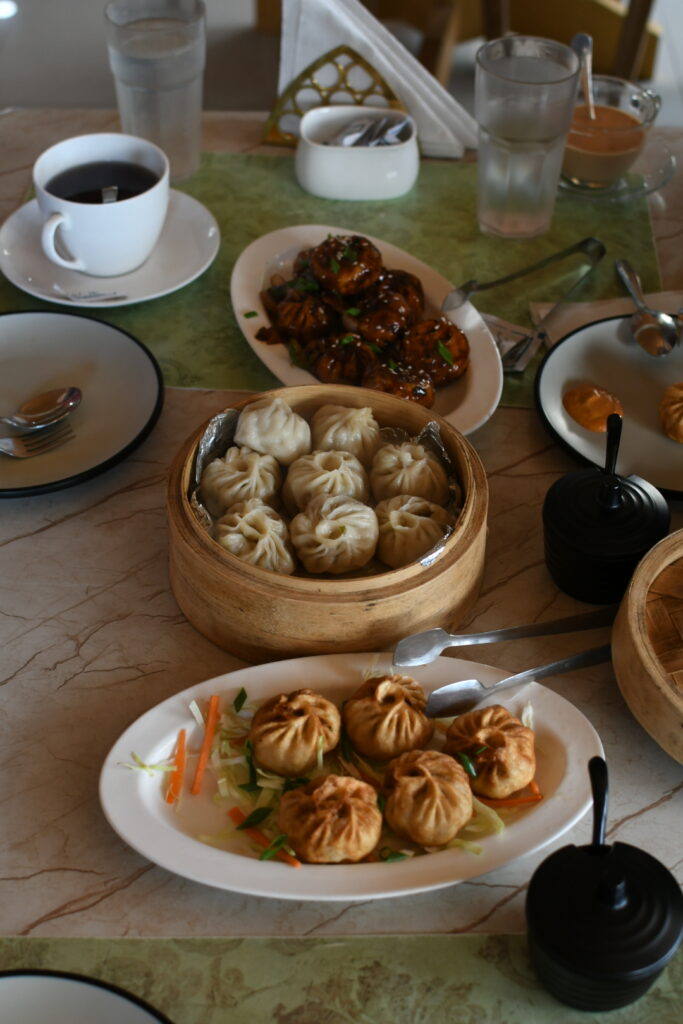
We ended our second day in Pelling, where we had dinner at one of the few restaurants still open. The momos were delicious, and as a pleasant surprise, some local lads settled at the table next to ours with a microphone they had brought along. They started singing – and soon invited us to do the same. What was supposed to be a quiet night turned into an unexpected evening of songs, laughter, and new acquaintances. Our friend who picked up some Hindi – including some Hindi Rap – over the past two years was the star of the night. In my opinion well deserved.
Buddha Sky Walk
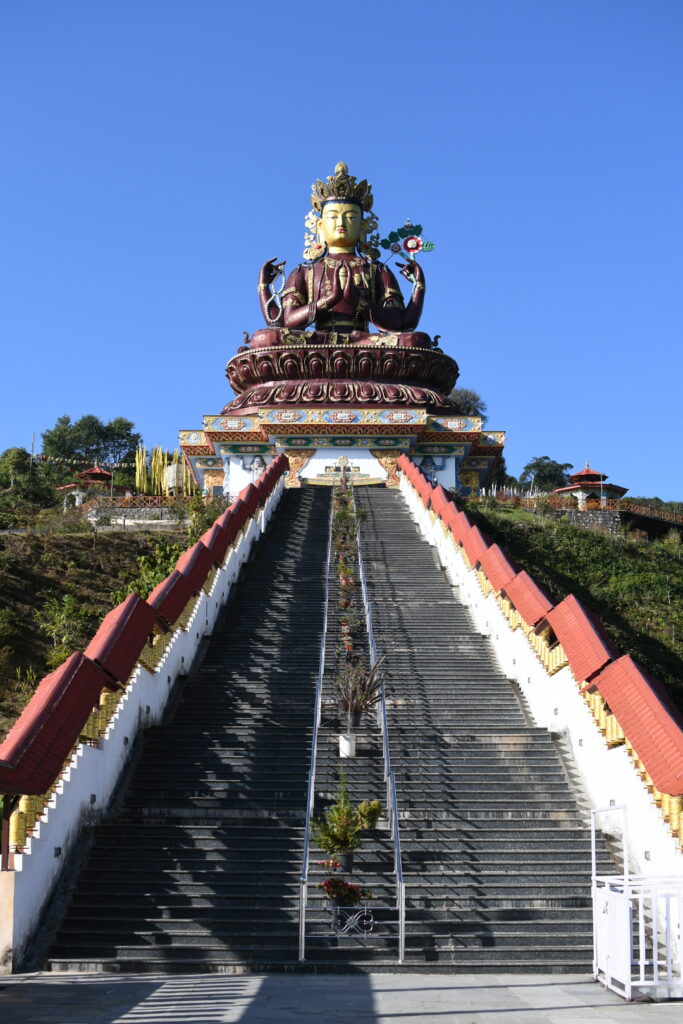
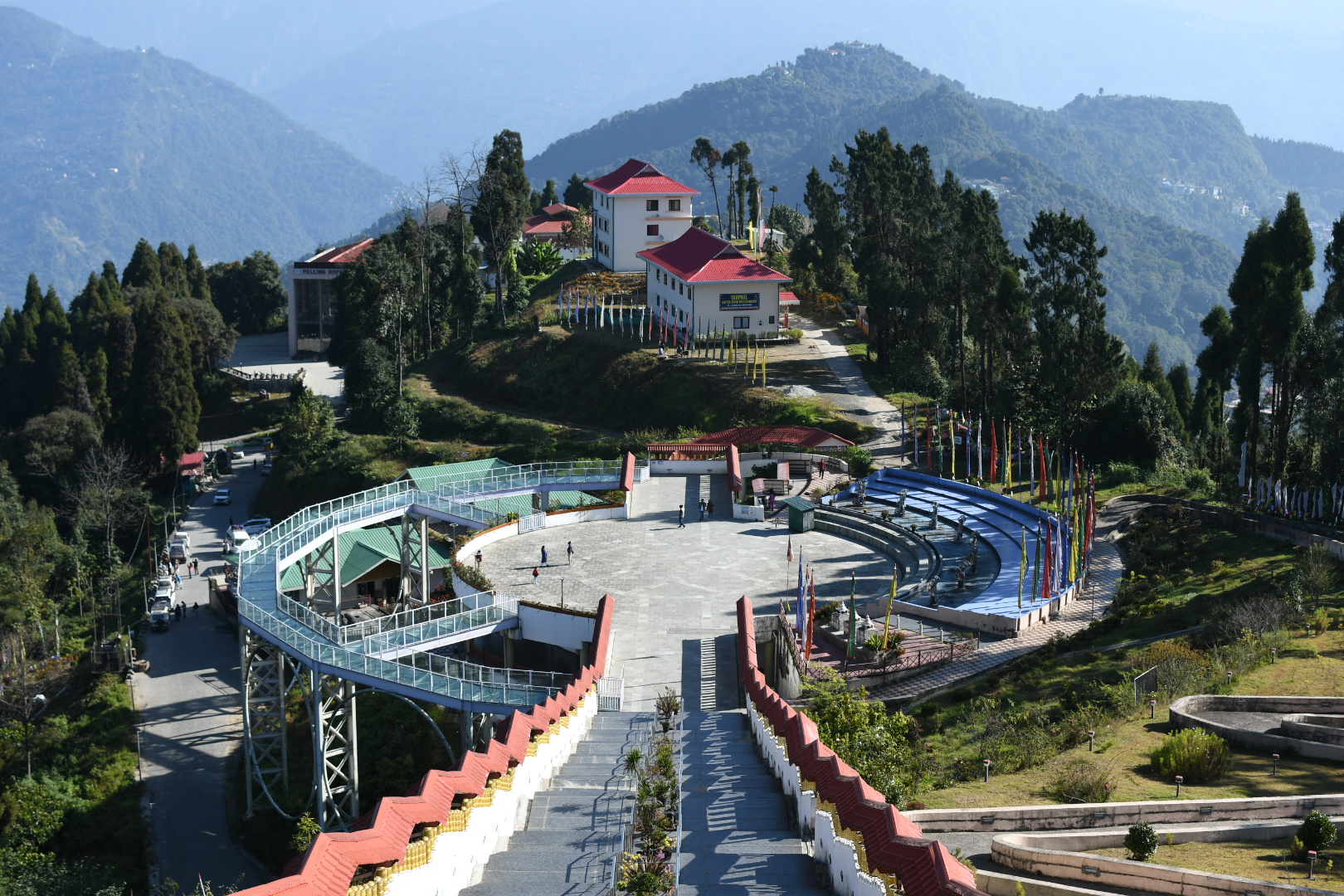
The next morning, we started early to visit the Buddha Sky Walk. This stop was rather spontaneous as well, given that we had never planned to end up in Pelling in the first place. The Sky Walk itself was… fine. But the surrounding site turned out to be one of the most memorable places of the trip.
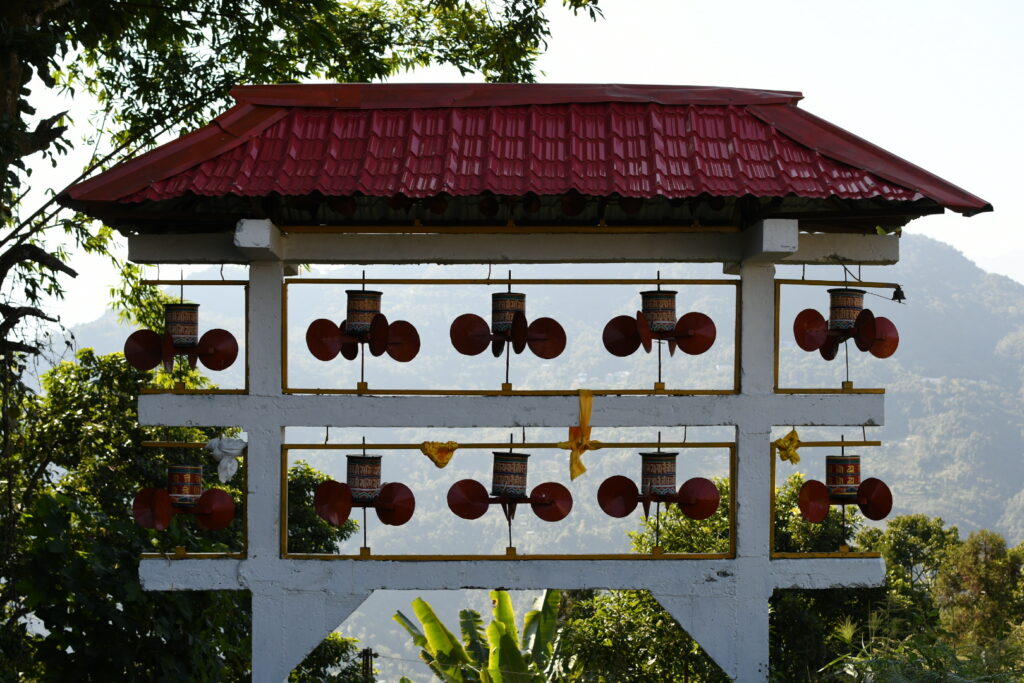
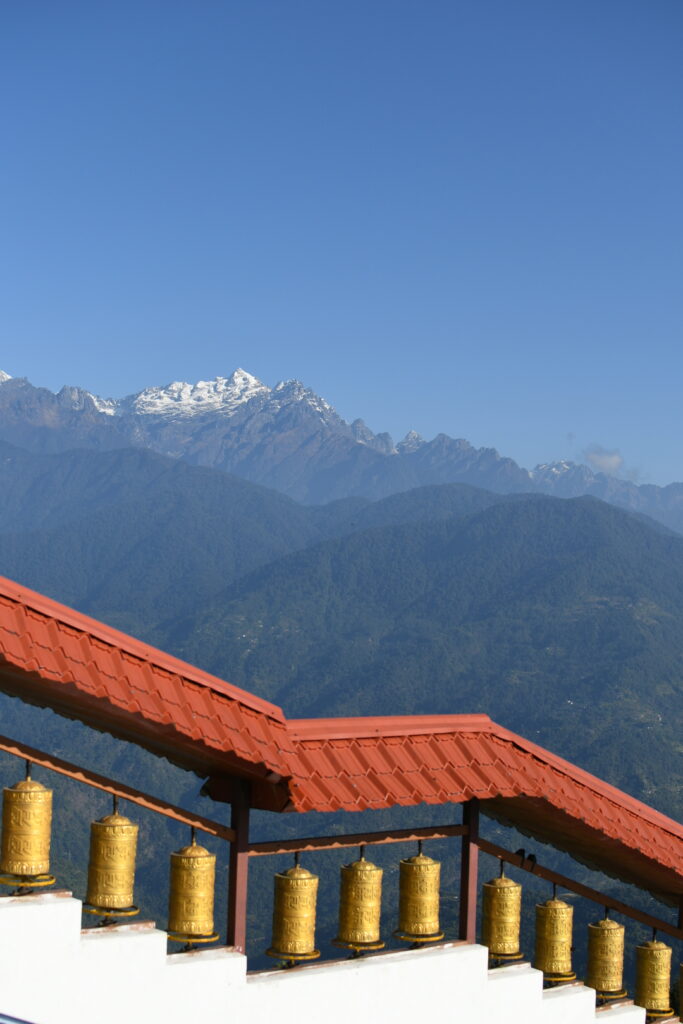
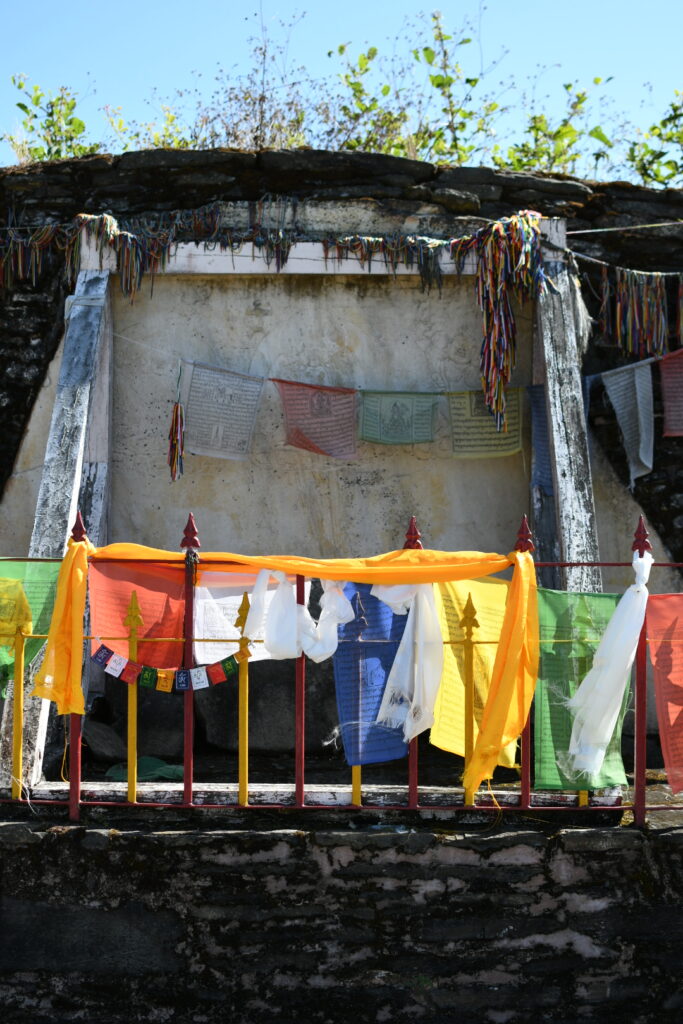
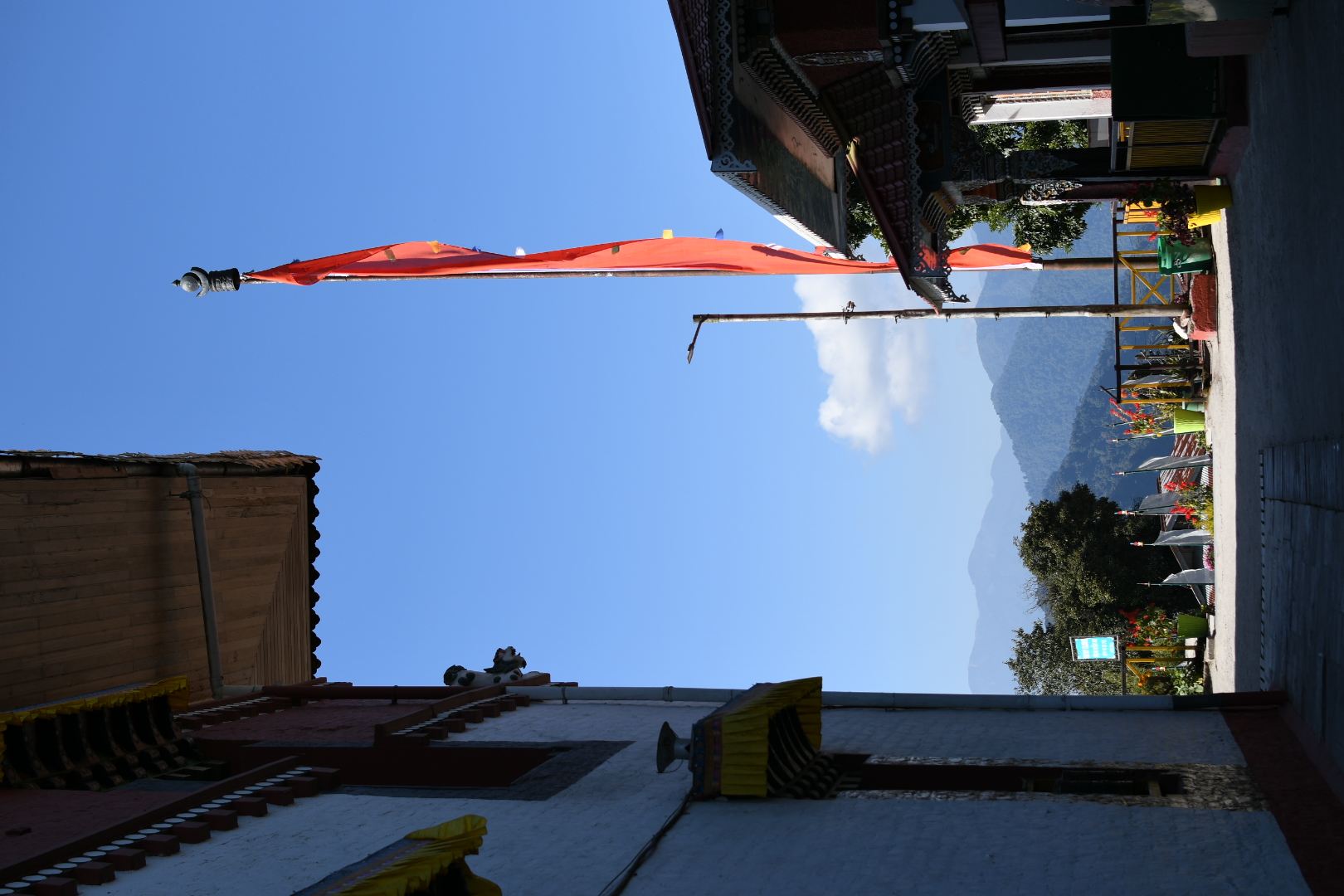
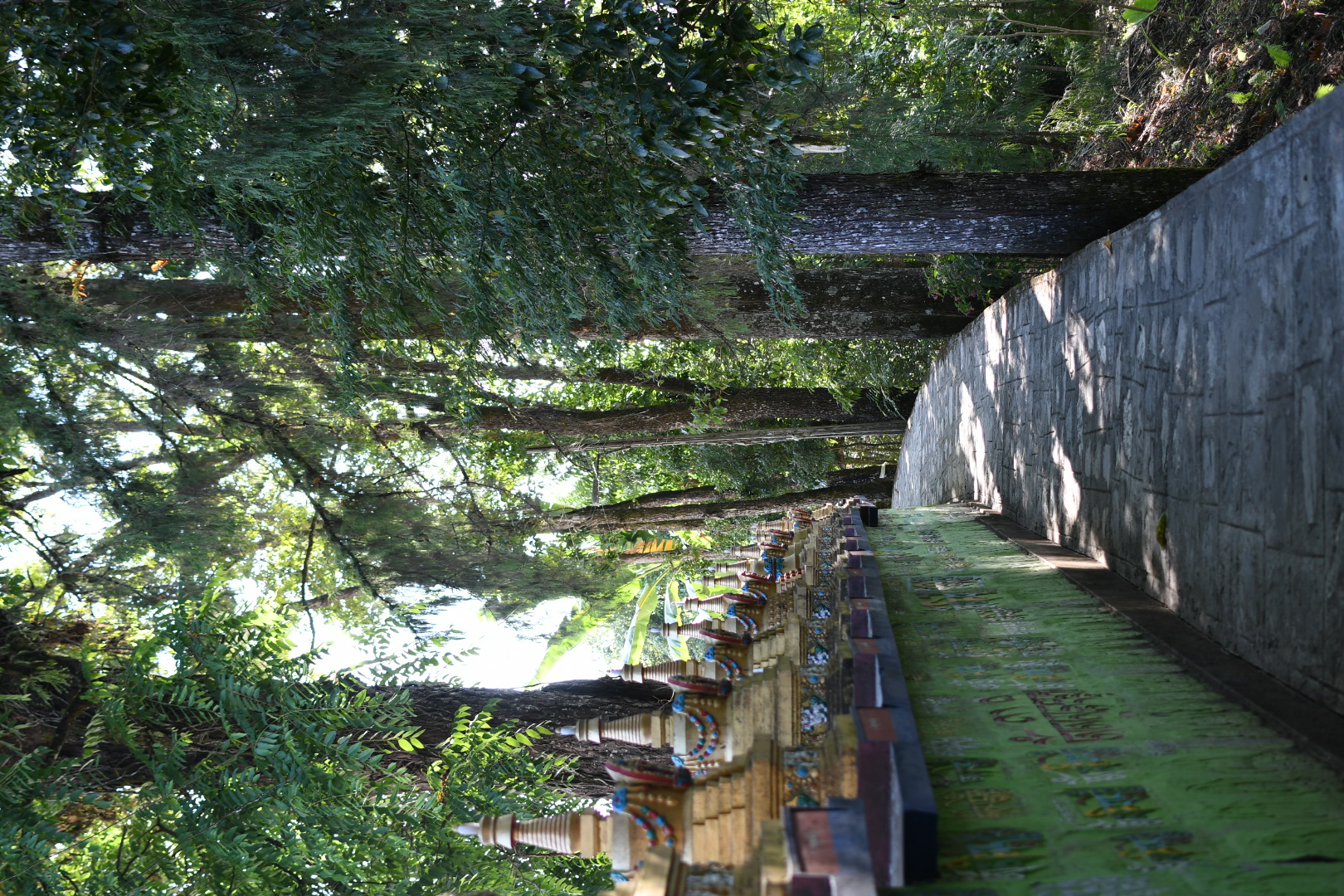
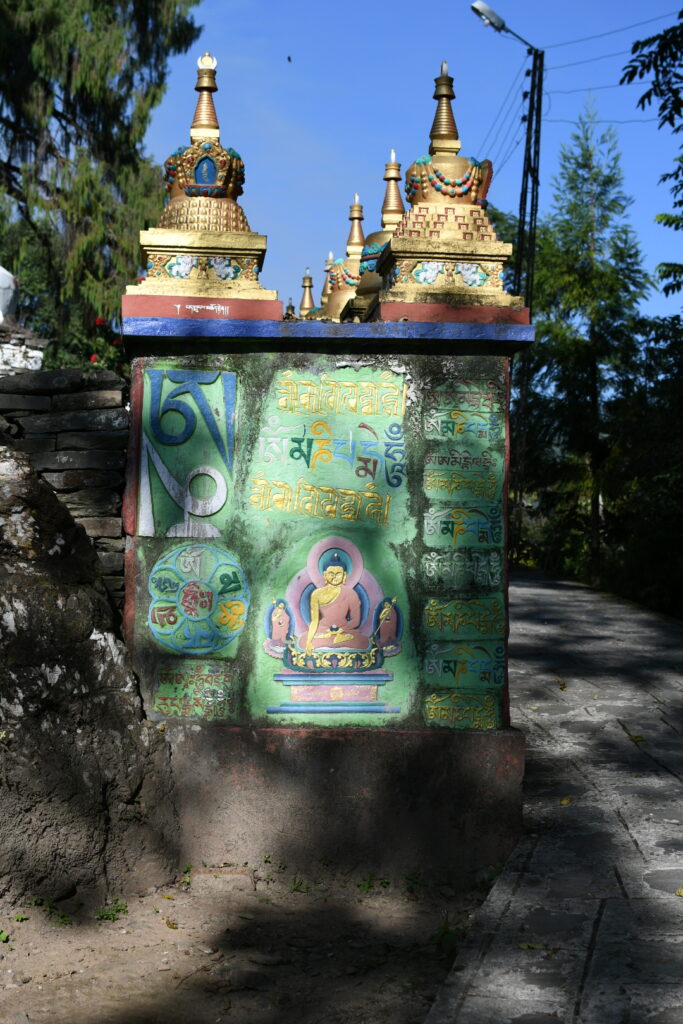
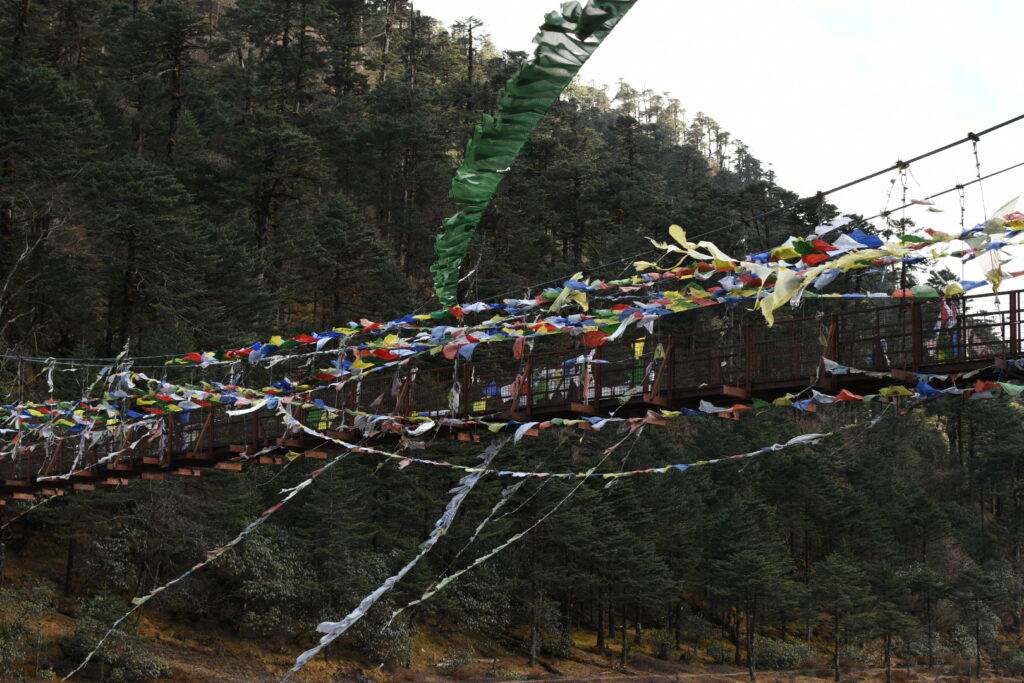
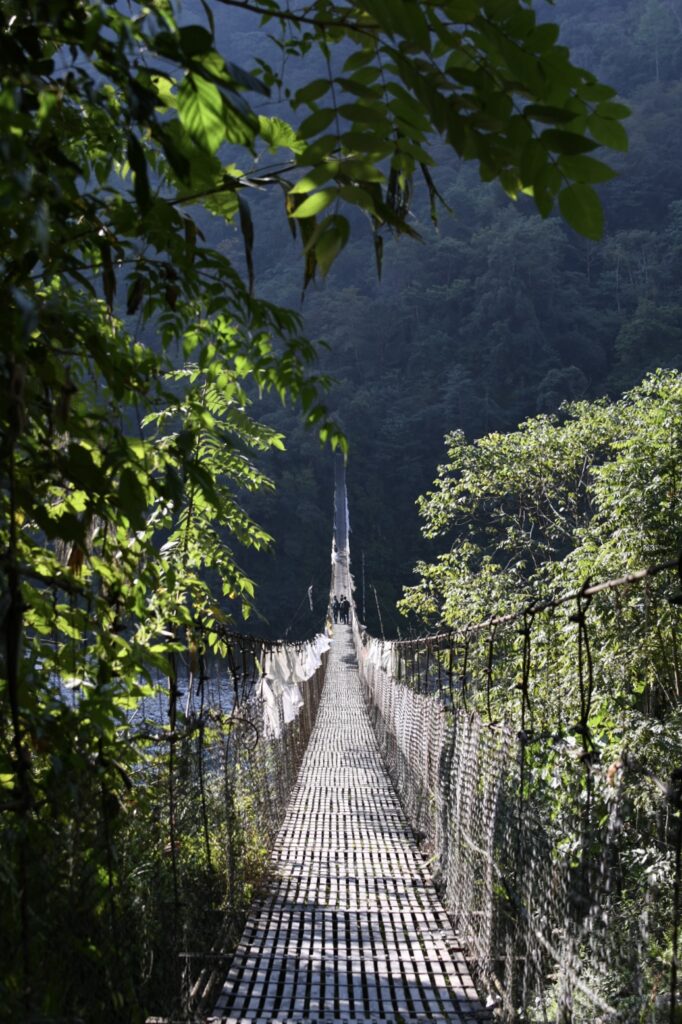
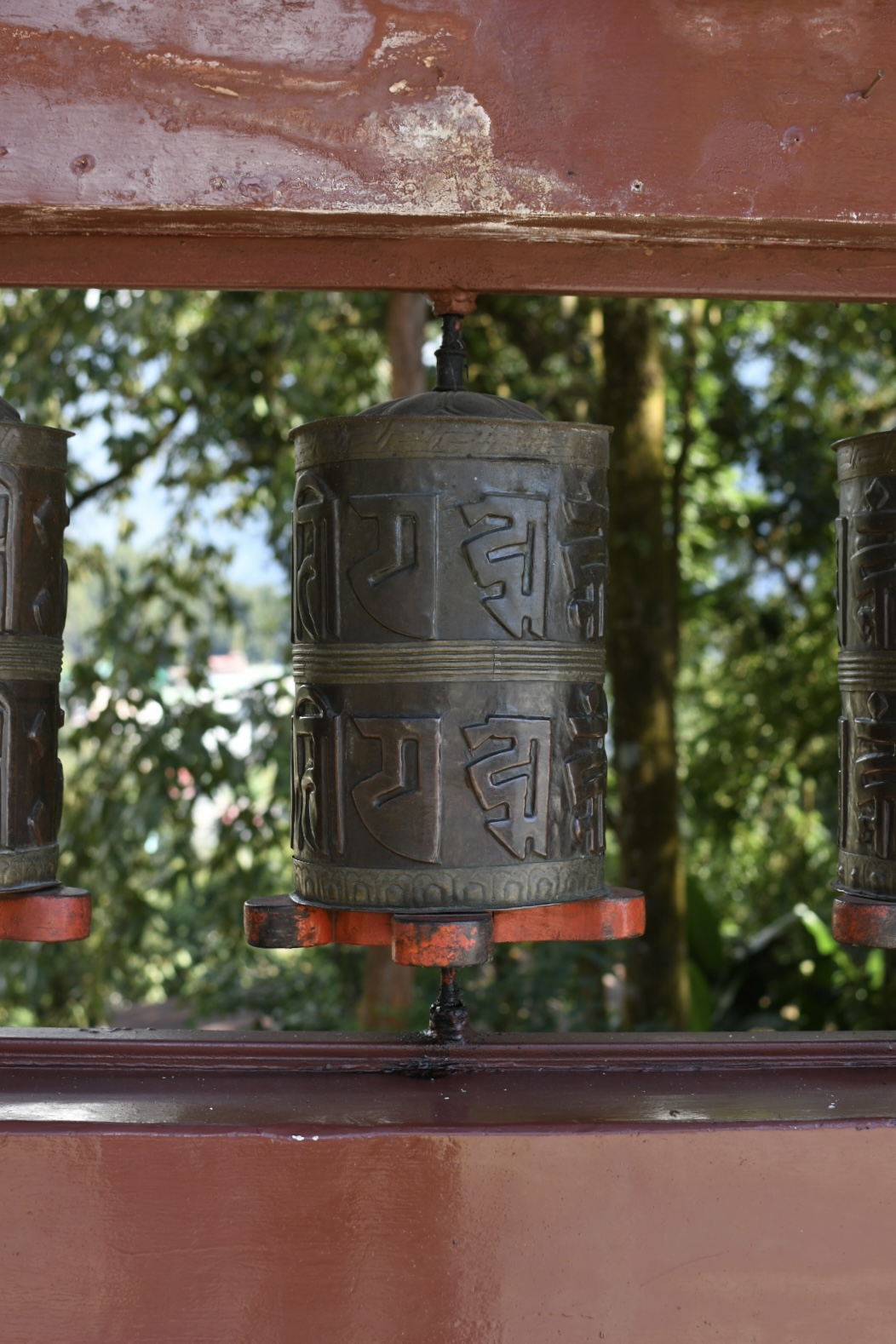
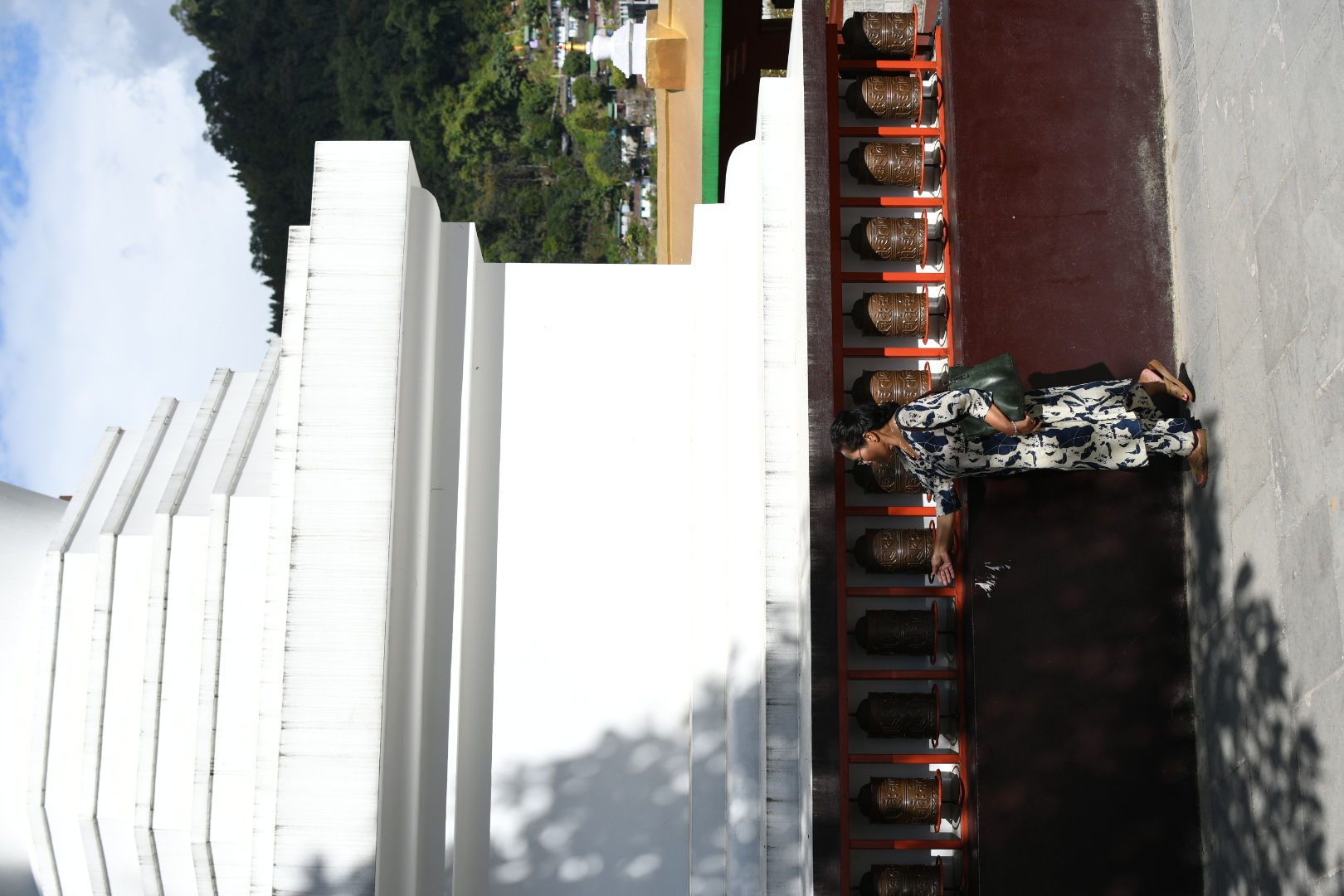
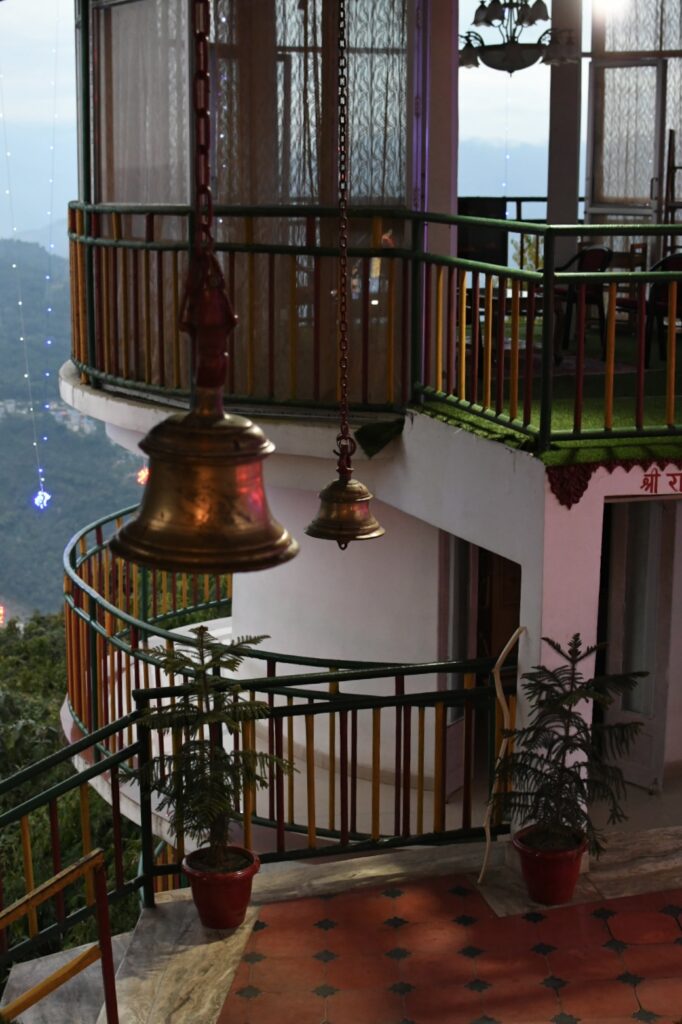
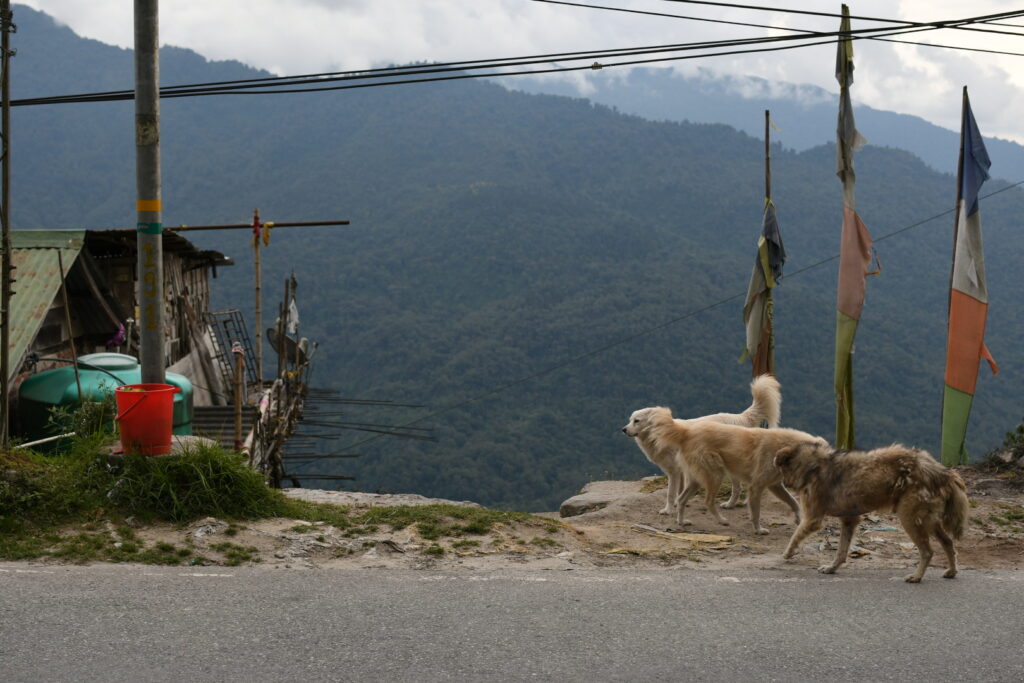
We were the first people to arrive. Cool morning air, unobstructed views of Kangchenjunga, and the sound of nothing but the occasional prayer bell. Colourful prayer flags fluttering in the wind. I’m afraid I had never felt so content before.
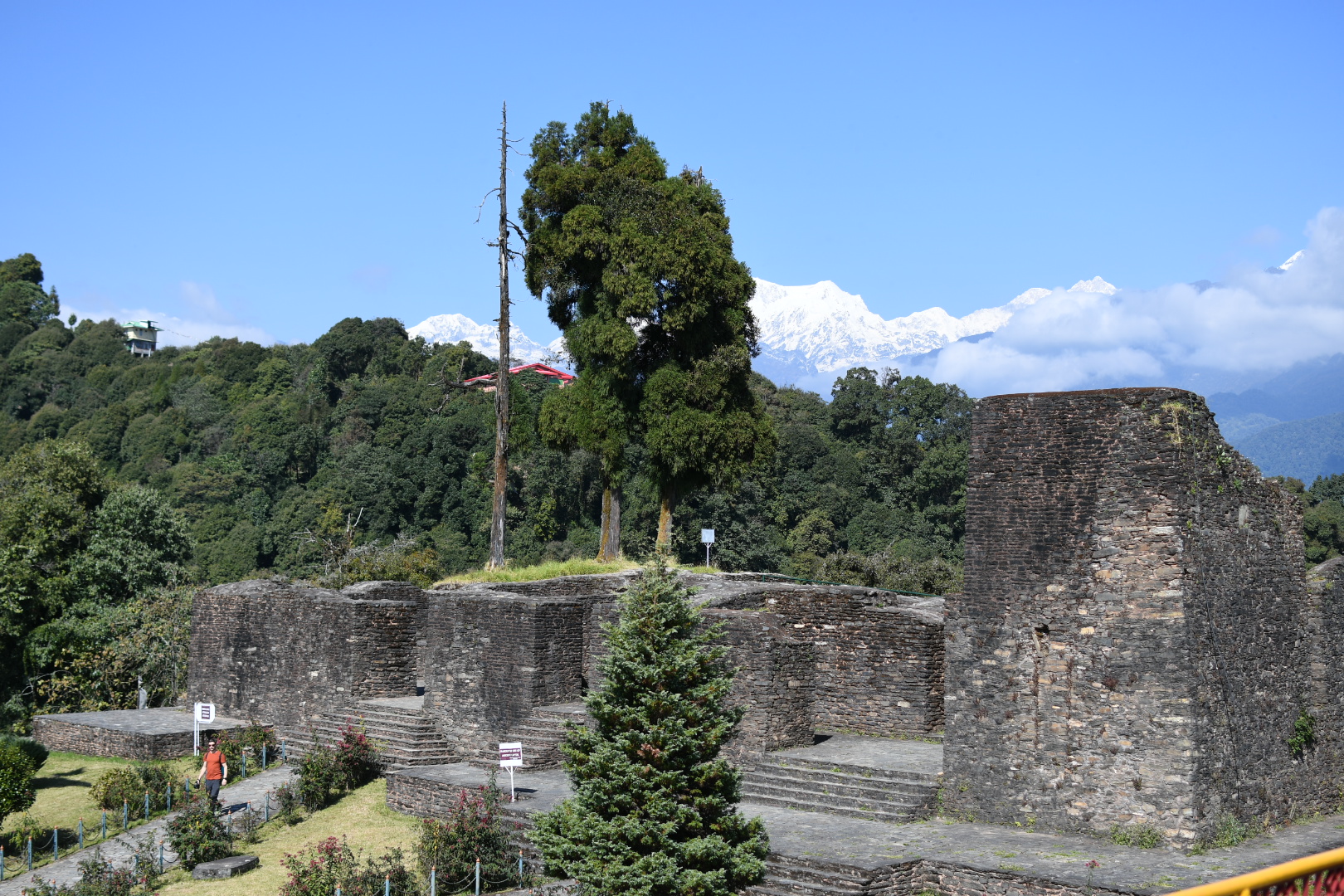
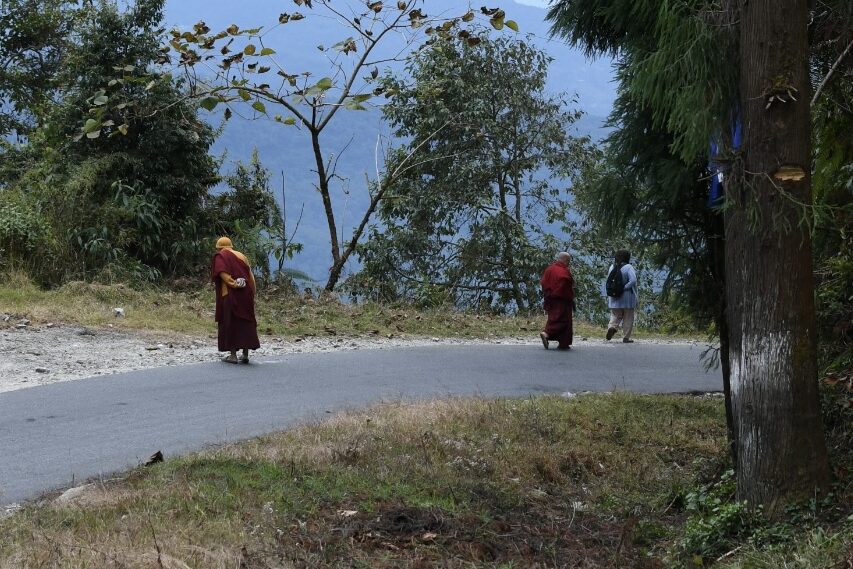
Only reluctantly, we retreated and let our driver take us to Tashiding. On the way he took us to the Rabdentse Ruins and another monastery along the road. The morning’s tranquillity followed us, and – spiritually speaking – for a little while we managed to only exist in the moment; unconcerned with past or future. A brilliant feeling.
Tashiding
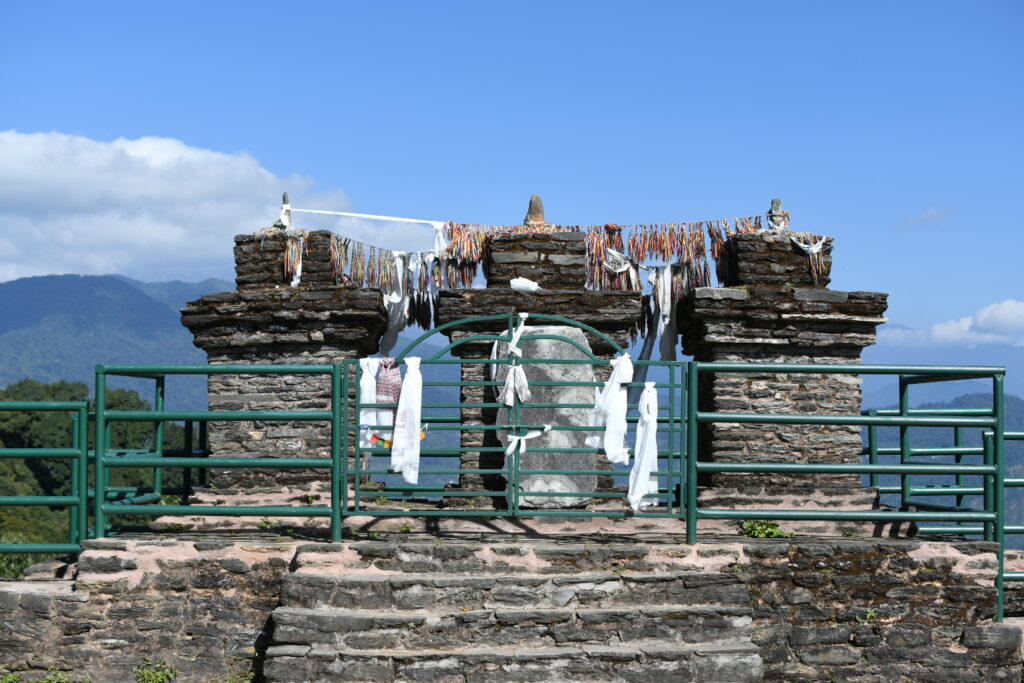
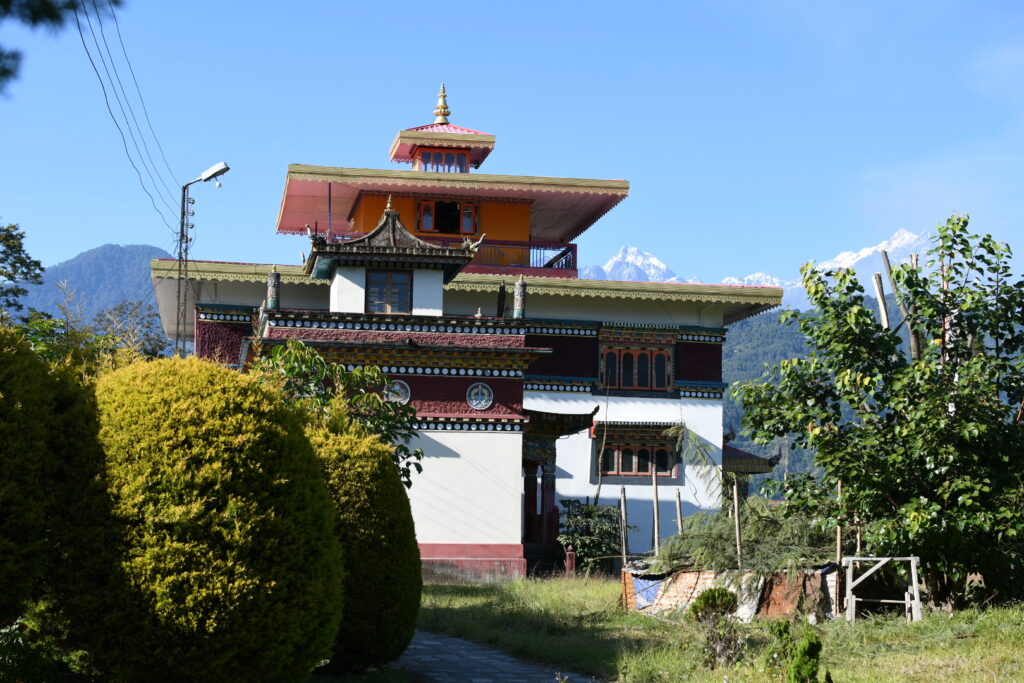
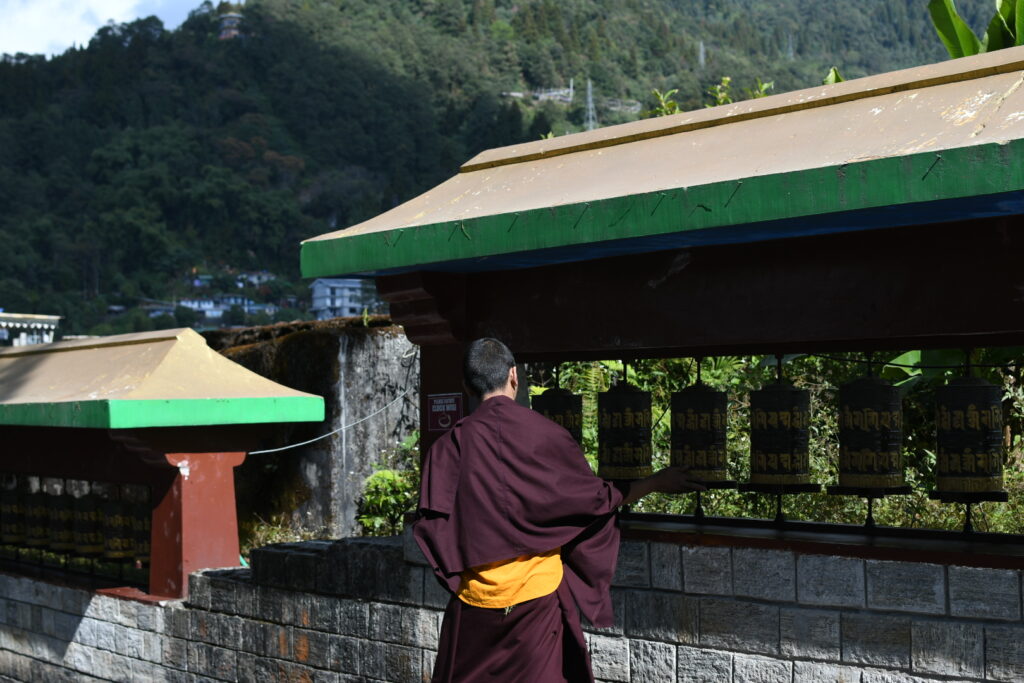
Eventually, we arrived at Tashiding Monastery. Tbh, by that point we wouldn’t have minded whether we arrived at all – we already felt overwhelmed by the impressions of the day. Still, exploring the monastery rounded off the day perfectly.
Looking back, this was the only place where we encountered other white people during our time in Sikkim . A small group seemed to be working on the monastery’s land and facilities. I’m not sure whether it’s part of a retreat programme for Westerners, but it certainly looked like one. I can absolutely see the charm.
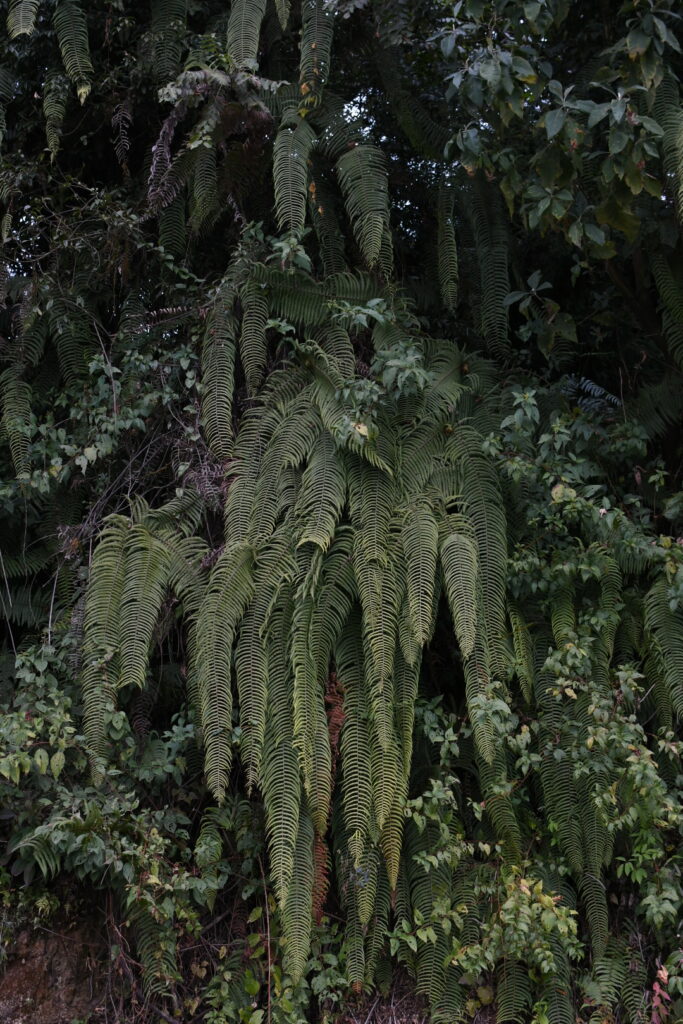
Due to extremely poor road conditions, our driver couldn’t take us all the way to the entrance. So, for once, we were allowed to walk a little and the ascend led past a few, wee houses. It felt so alien, impossible to describe. Hours of driving through nothing but remoteness, bumpy mountain roads, the thickness of the jungle and yet people found a way to build a life there. Entire lives unfolding far away from anything and the life we know.
Ravangla
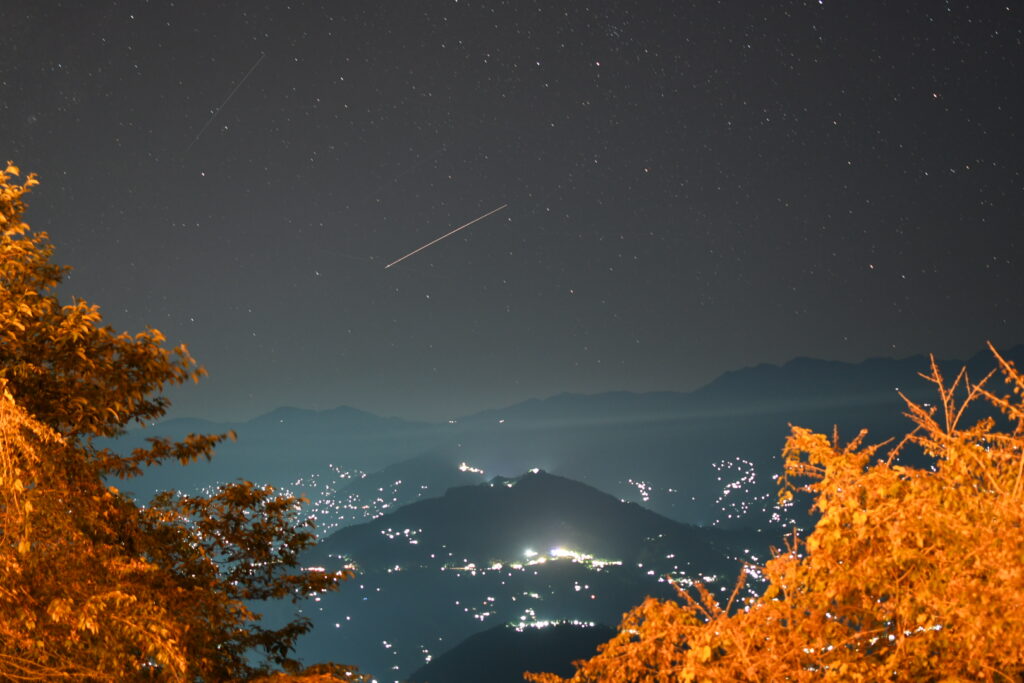
When we left Tashiding, we were treated to the prettiest light. The sky glowed in oranges and reds, fading into pinks and blues. A day like this leaves your heart and mind entirely at peace. As night fell, the views became even more dazzling – we couldn’t tell the starry sky from the flickering village lights scattered across the mountains.
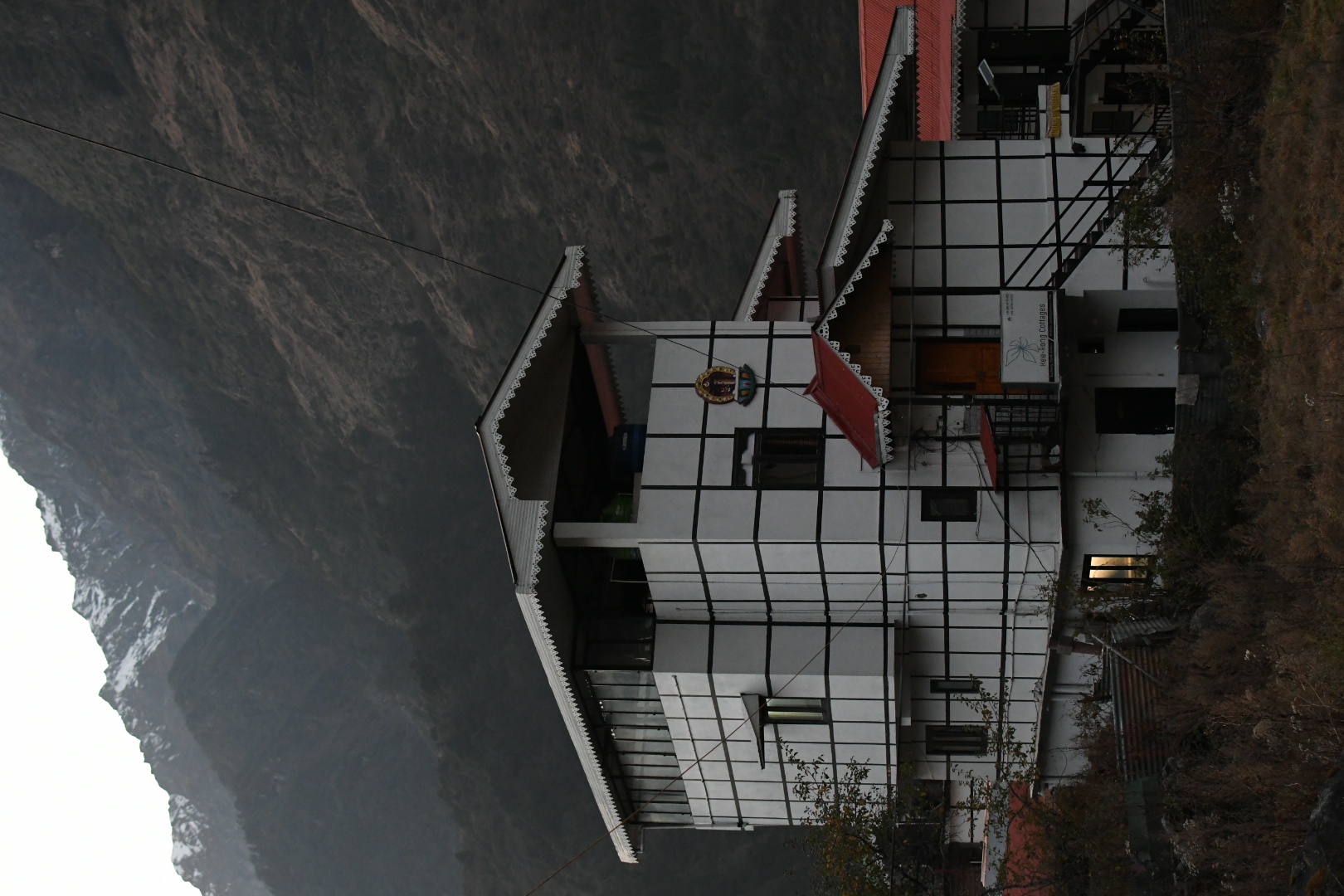
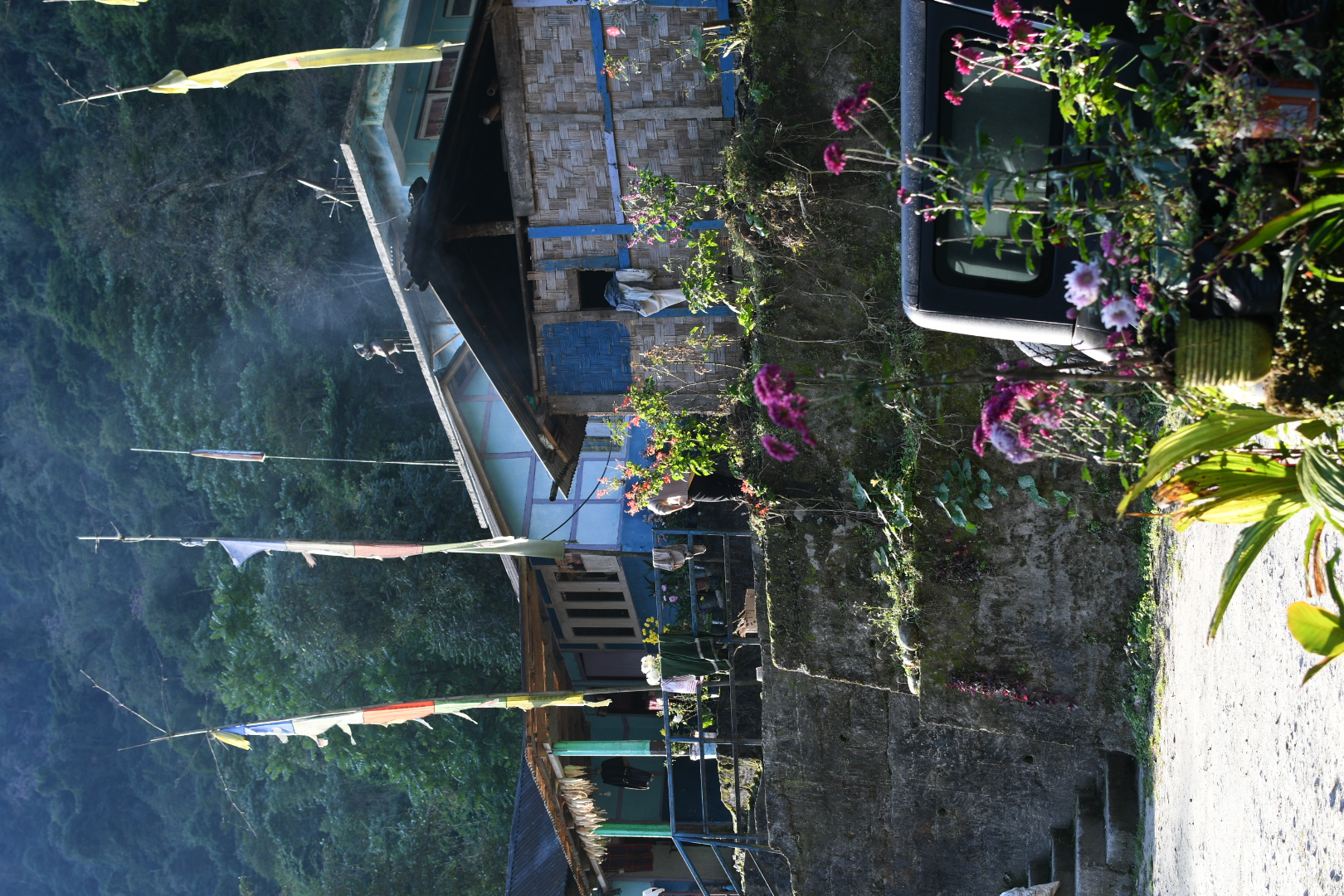
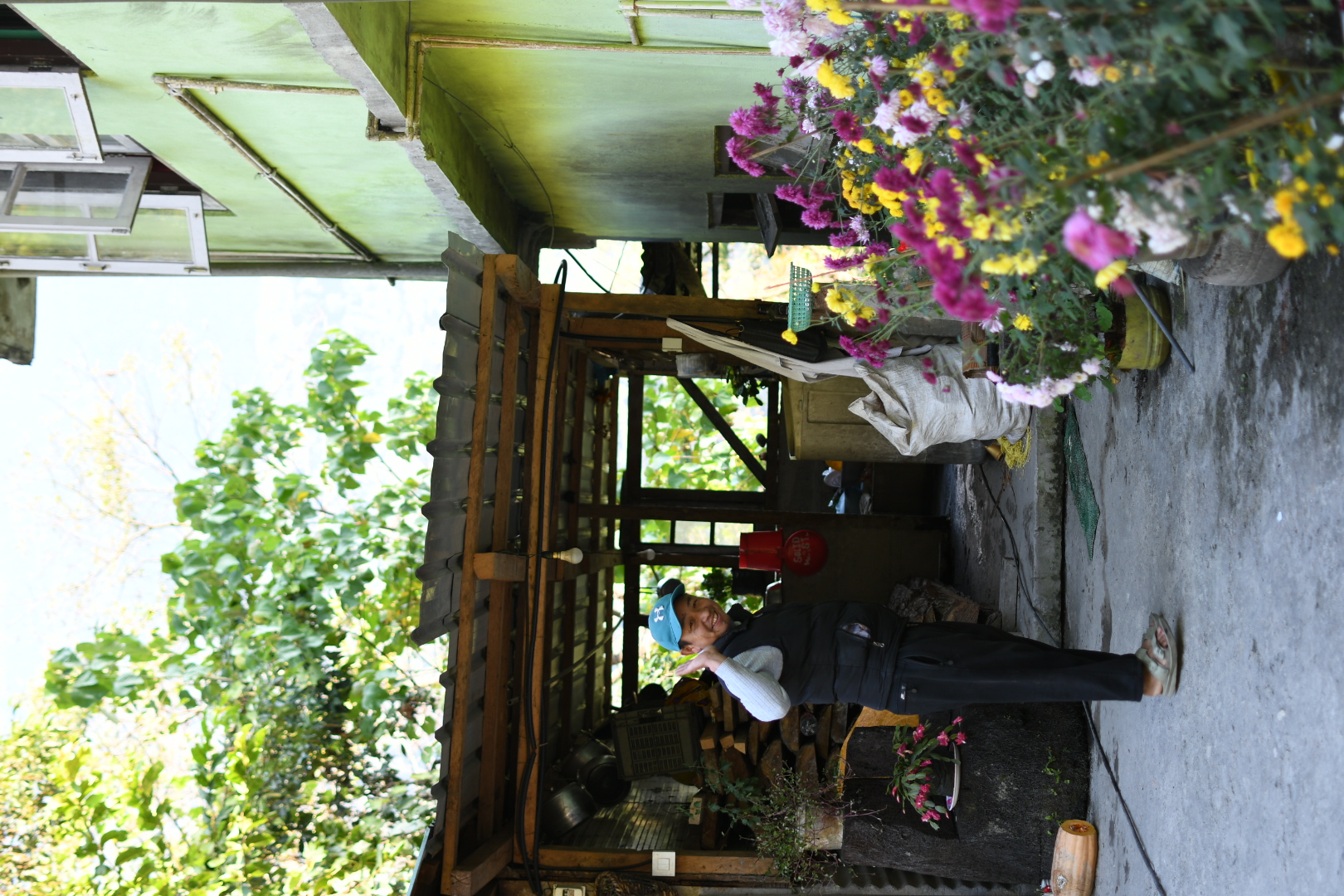
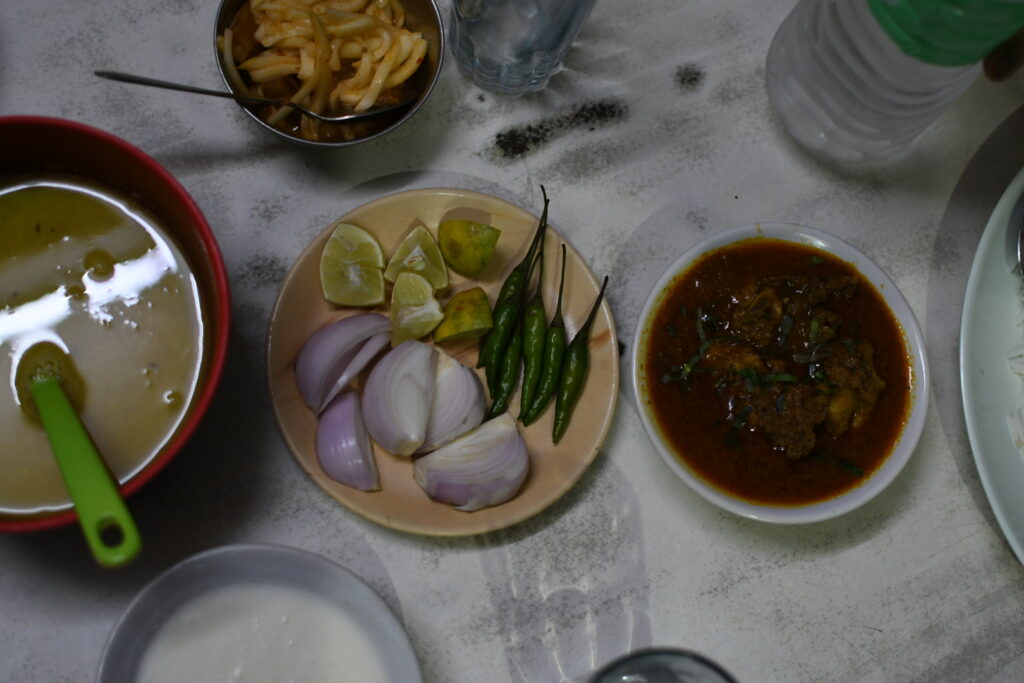
We booked a homestay in Ravangla and visited Buddha Park before dinner. Our host in Ravangla was a prime example of great hospitality you may encounter in India. Despite our late booking and arrival, he called us personally and prepared dinner. The homestay consisted of guest rooms on the ground floor of his house, while he and his wife lived upstairs. They proudly showed us their new kitchen and cooked a delicious home-made meal for us in what felt like their most private space. They prepared the same meal for our driver and made sure we all ate together. Later that week, our host even called again – just to check in and see whether everything was going well.
Buddha Park
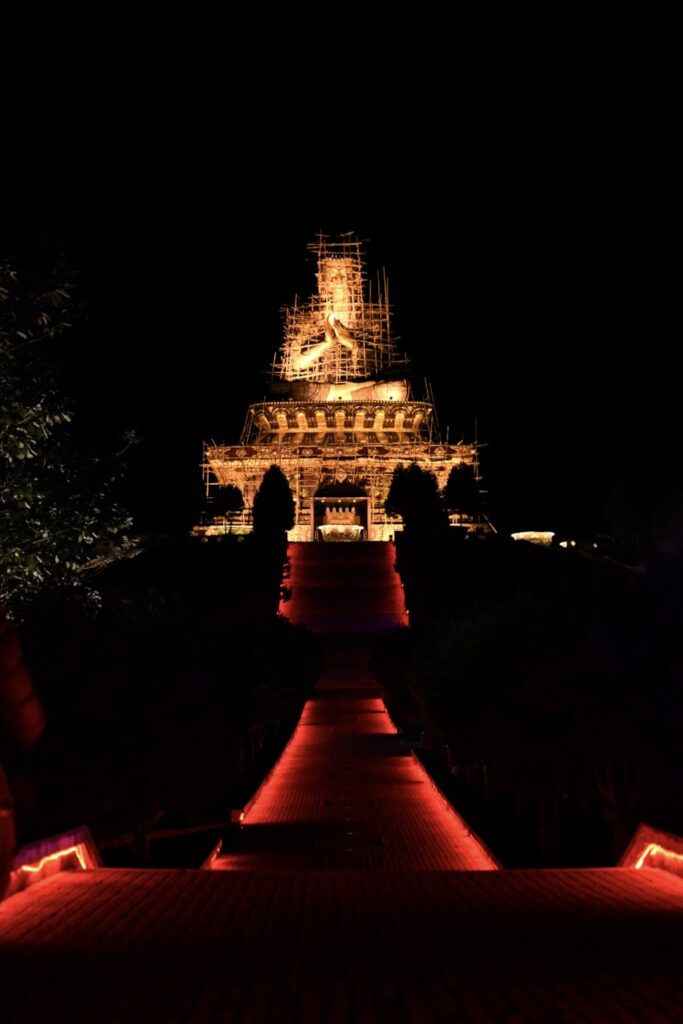
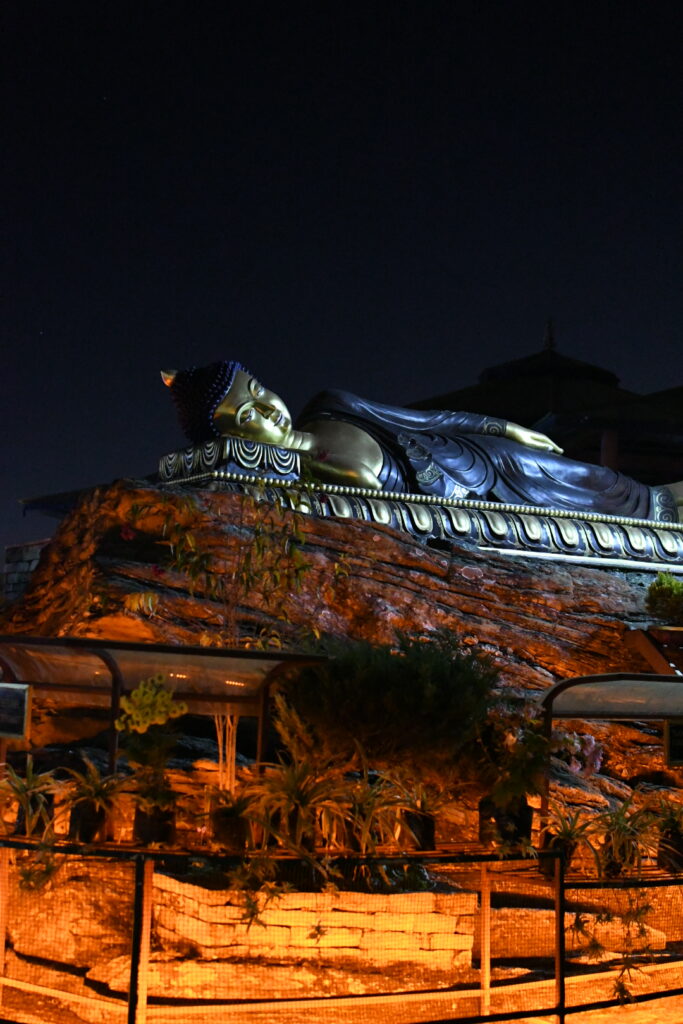
Buddha Park is a large complex with multiple outdoor Buddha statues. Since we arrived fairly late, we got to enjoy them illuminated, along with the small food stalls scattered throughout the park.
Lachung
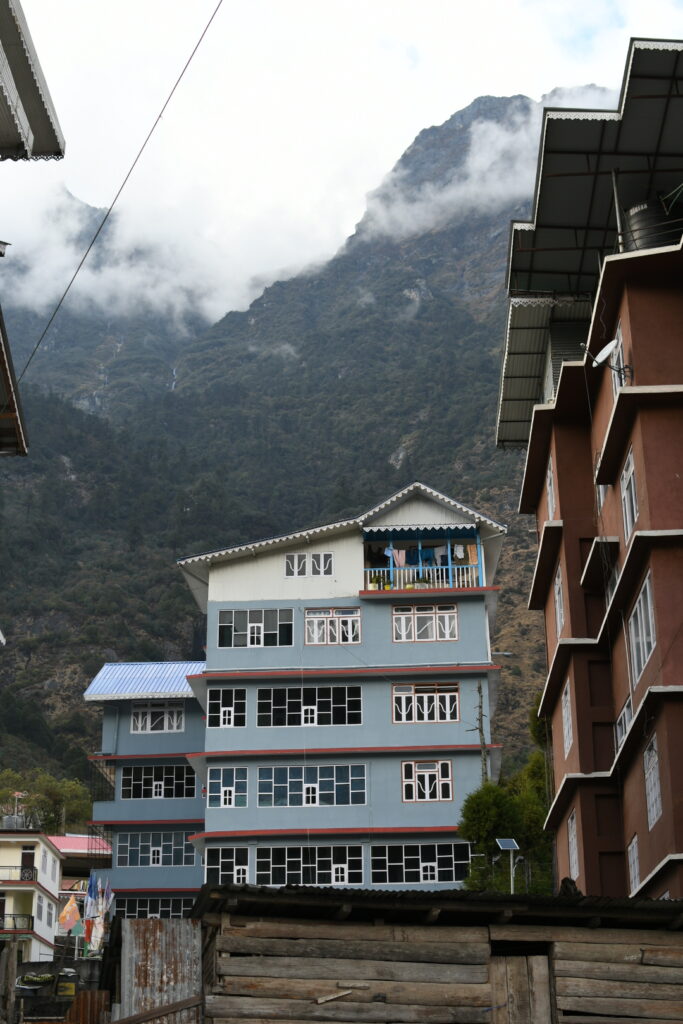
We were all very much looking forward to Lachung. We left the humid jungle behind, drove into higher altitudes and swapped green hills for white sprinkled mountains. Another mountain village, with yet a completely different vibe. Lachung reminded me a little of Ushuaia: brisk air, unreal remoteness, and a foreign tongue spoken in an unlikely place.
That same day, we learned – quite unexpectedly – that we were allowed to visit Zero Point. Information online had been inconsistent, and some sources even claimed foreigners weren’t allowed to go. Neither our driver nor our guide knew for sure until that evening. By then, we had fully accepted uncertainty as our loyal travel companion, so this came as a pleasant surprise.
Chungthang Valley
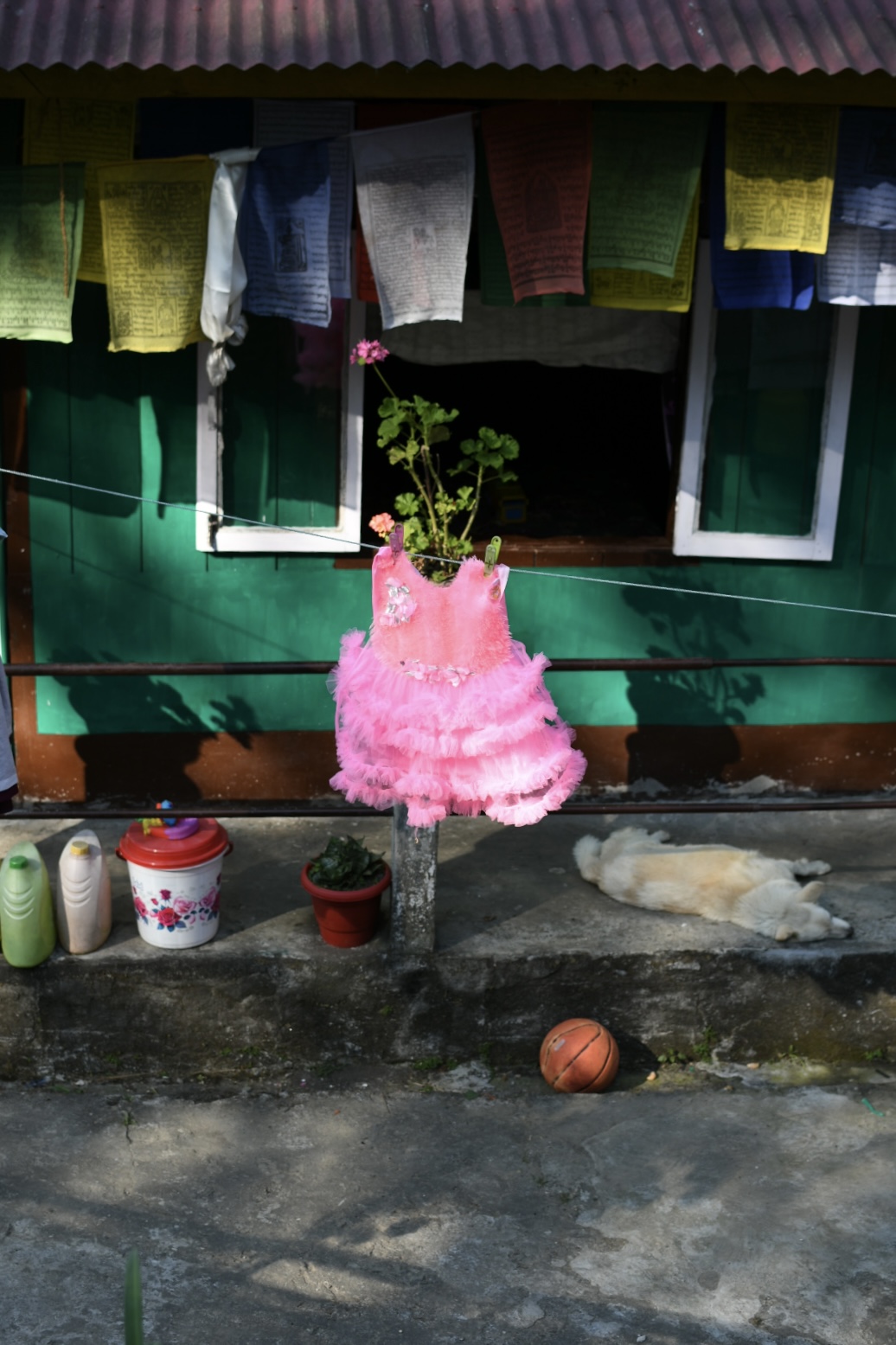
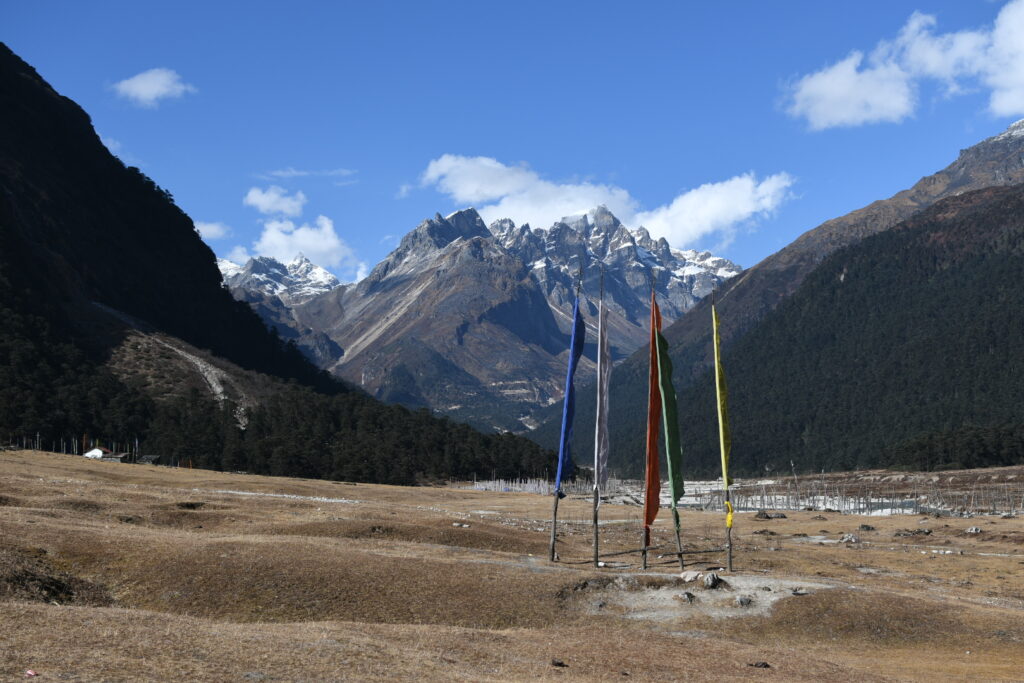
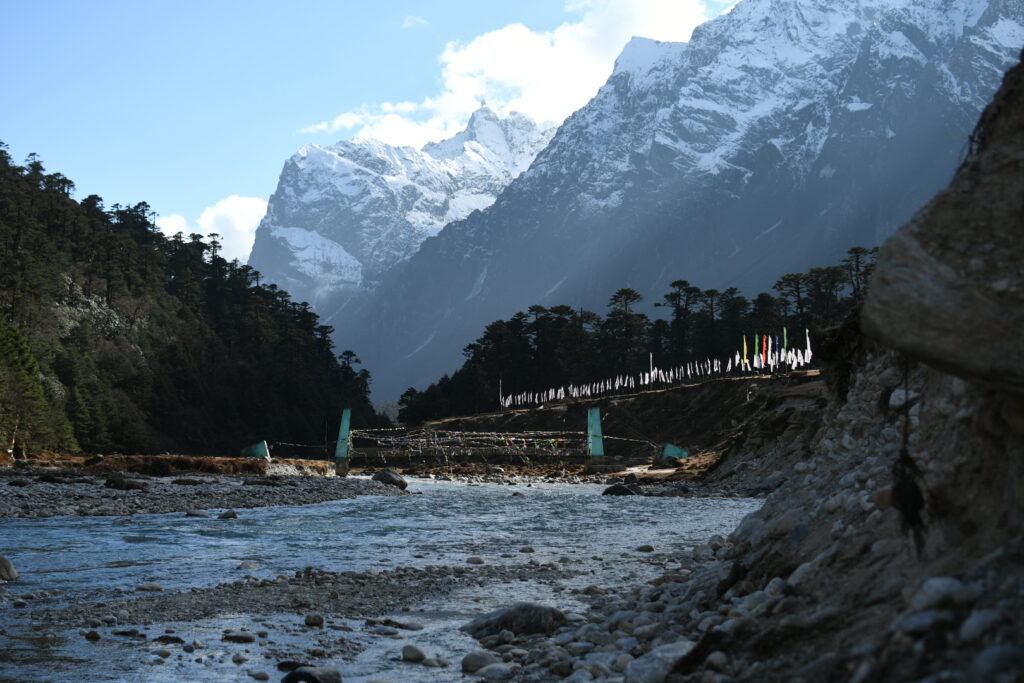
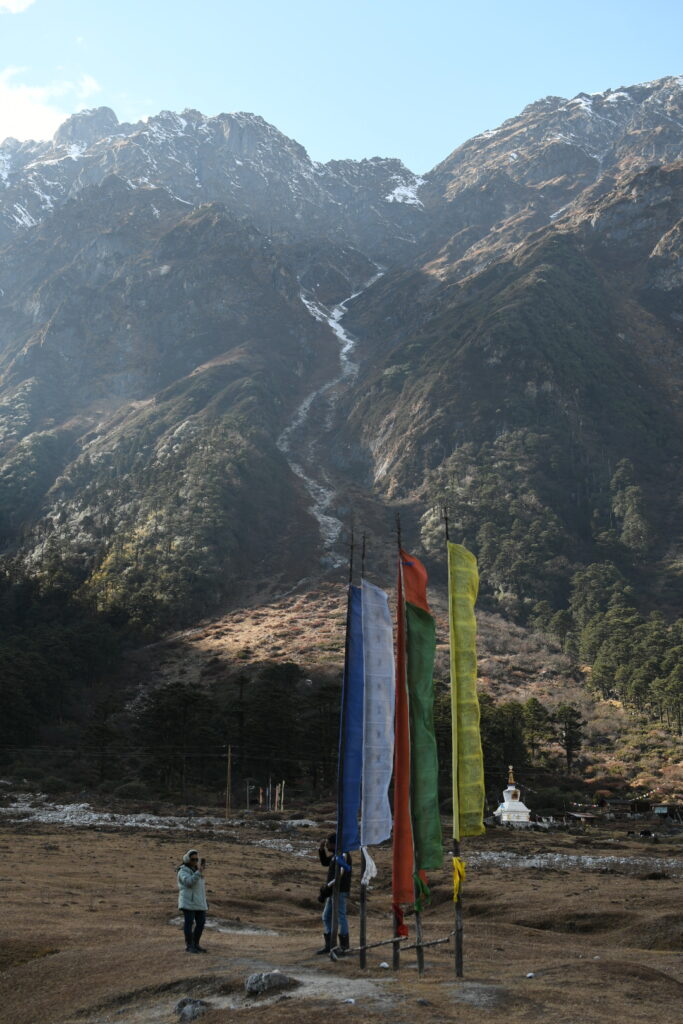
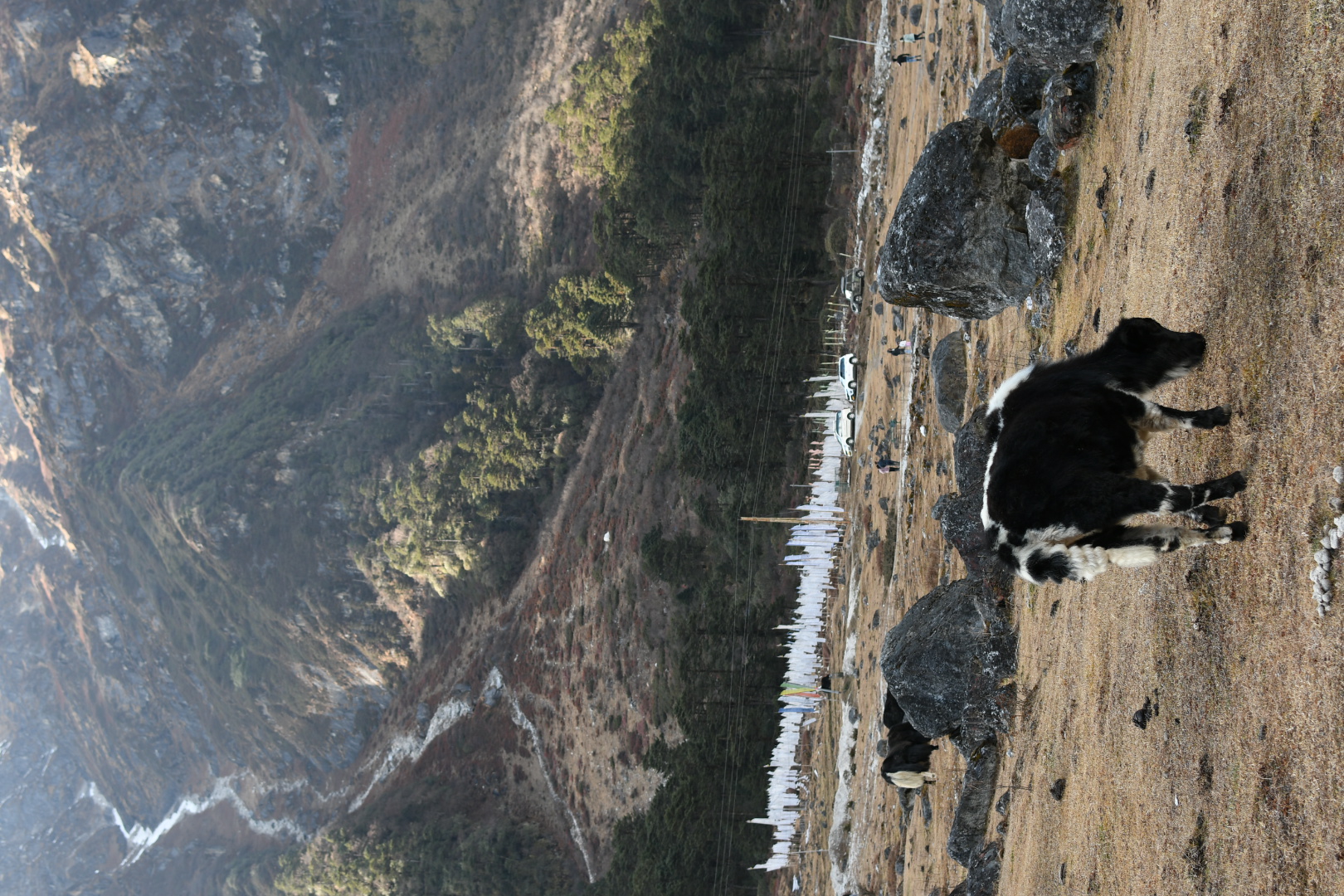
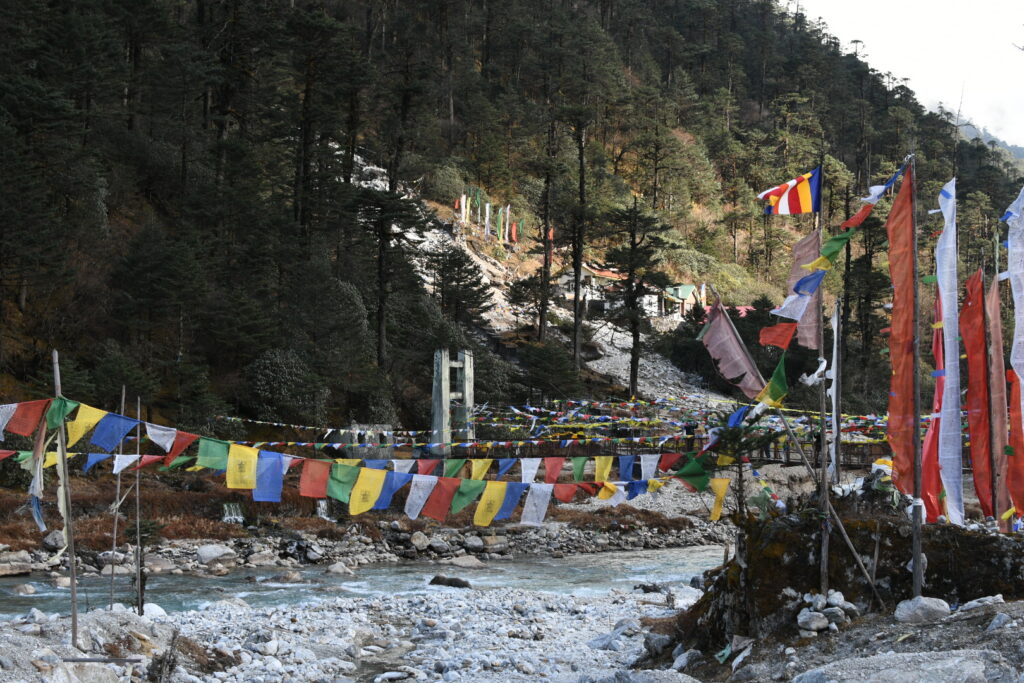
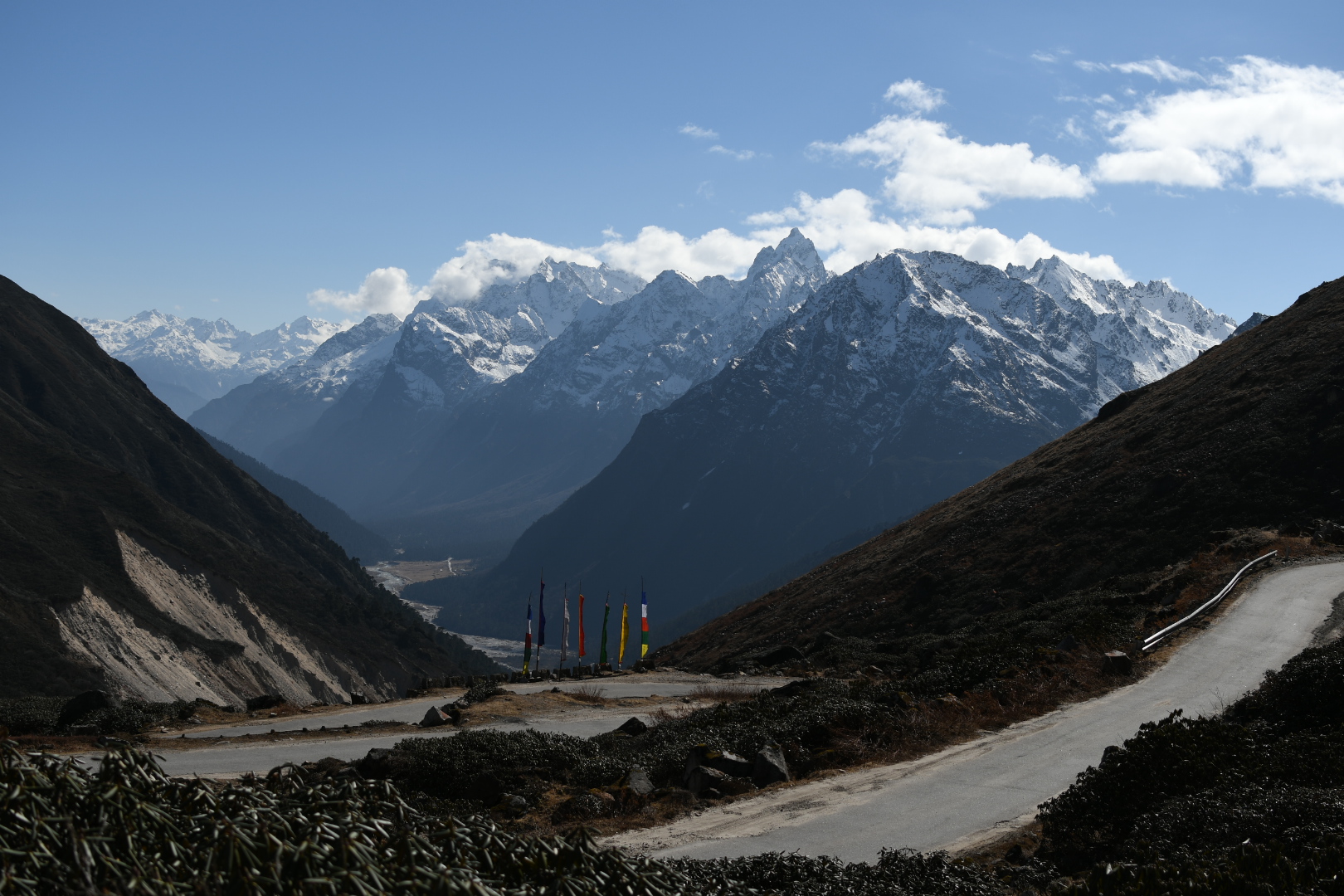
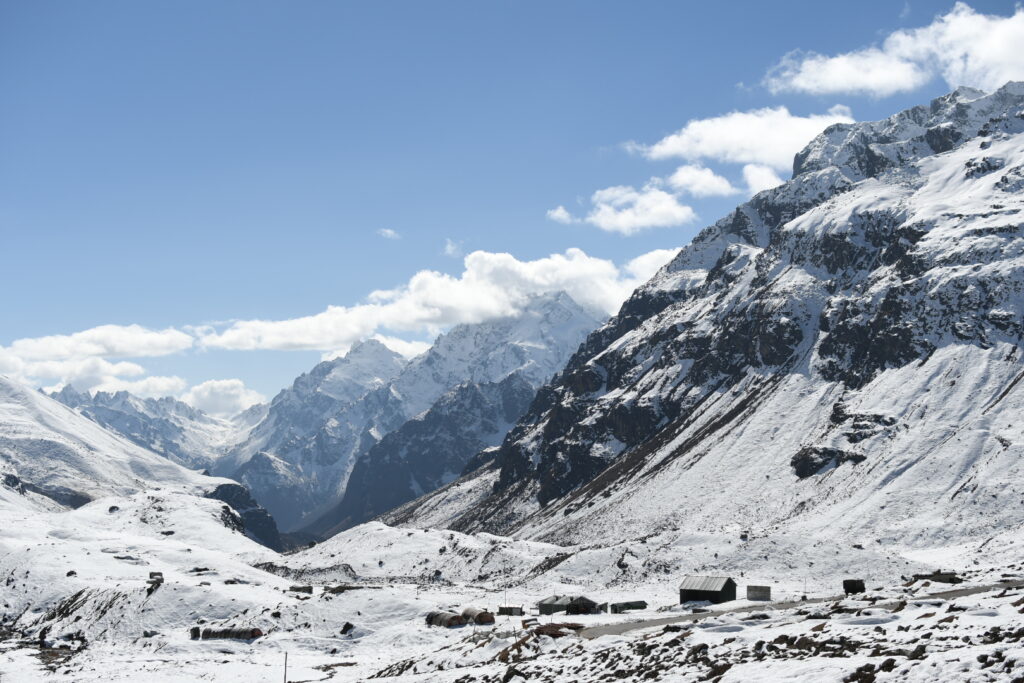
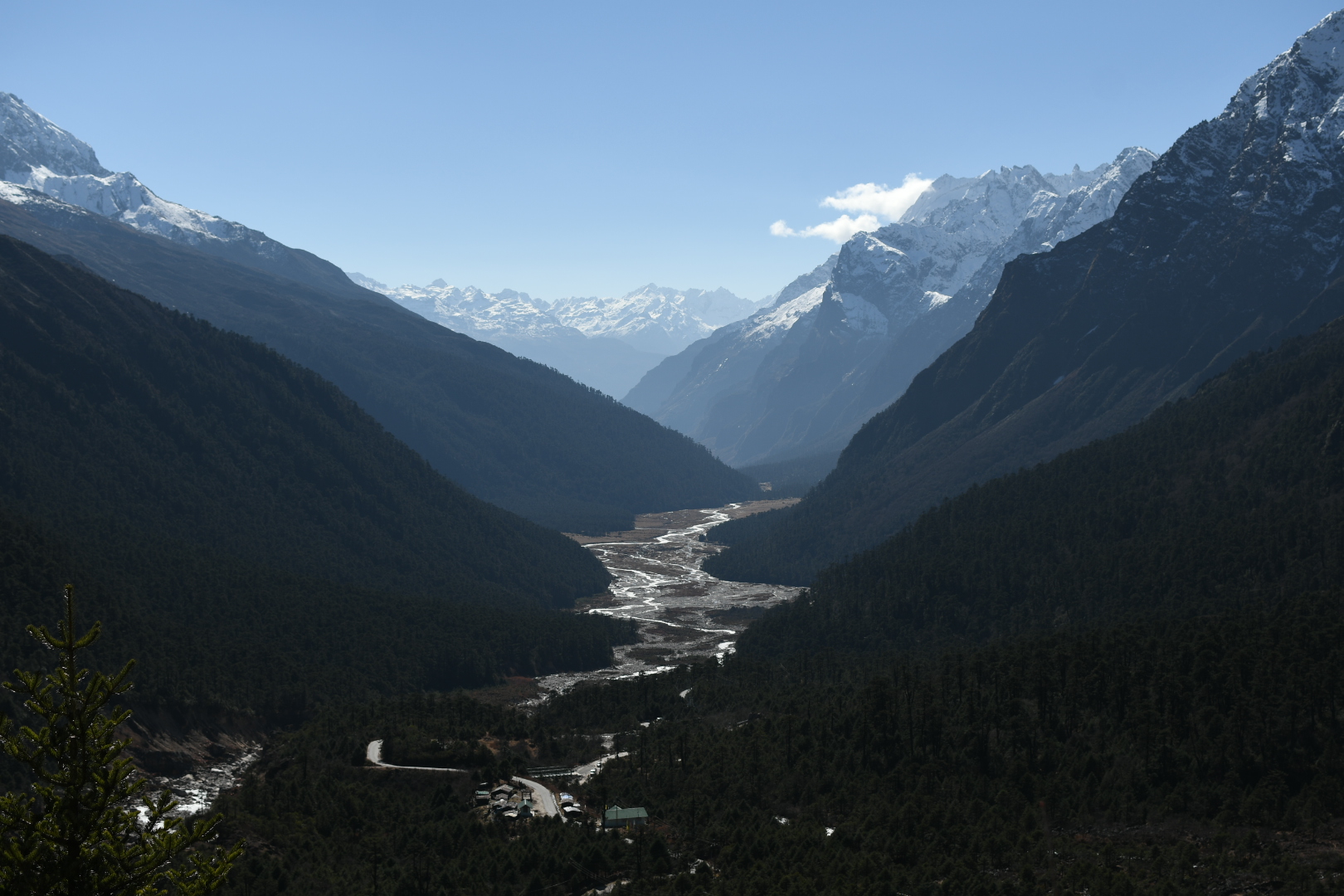
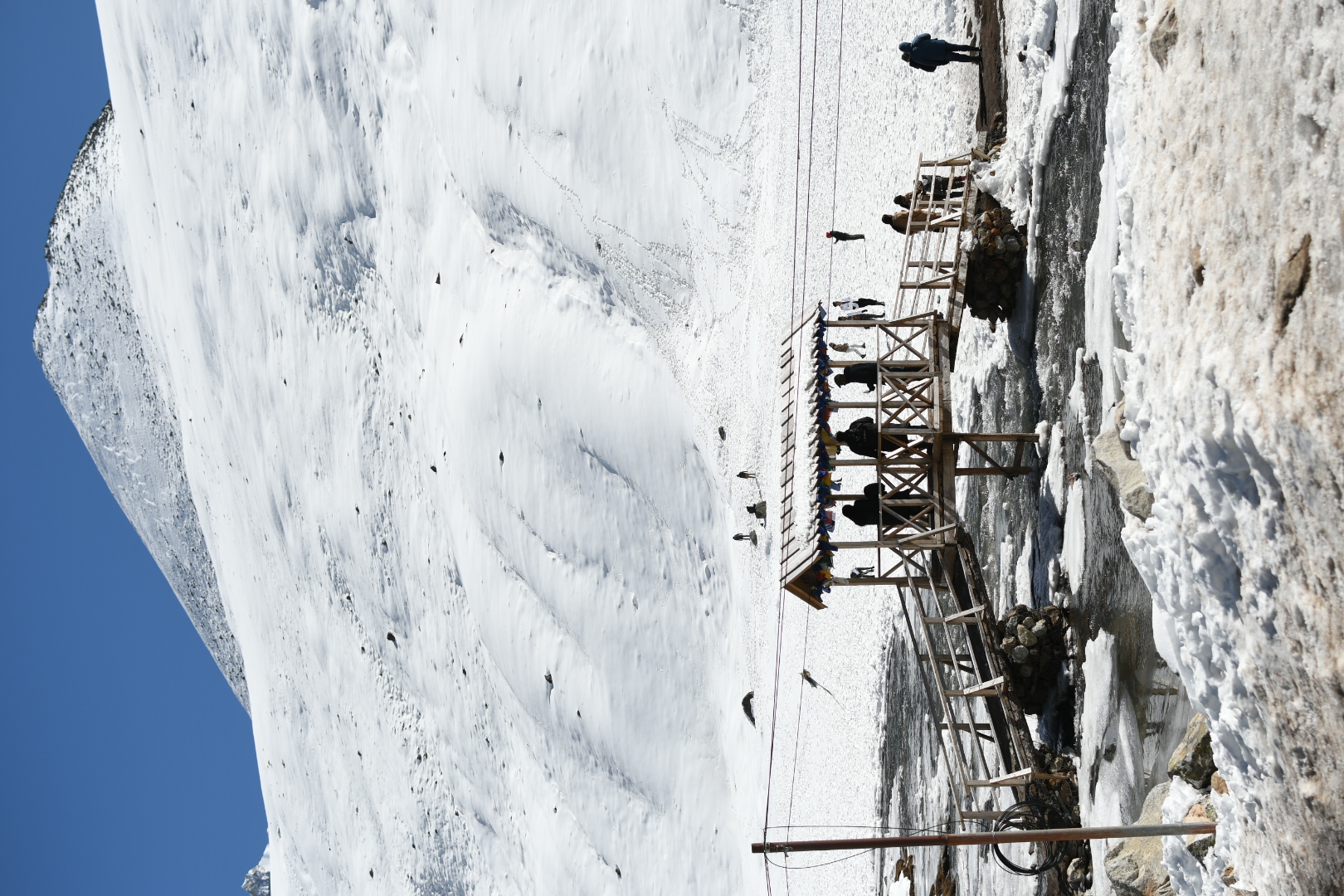
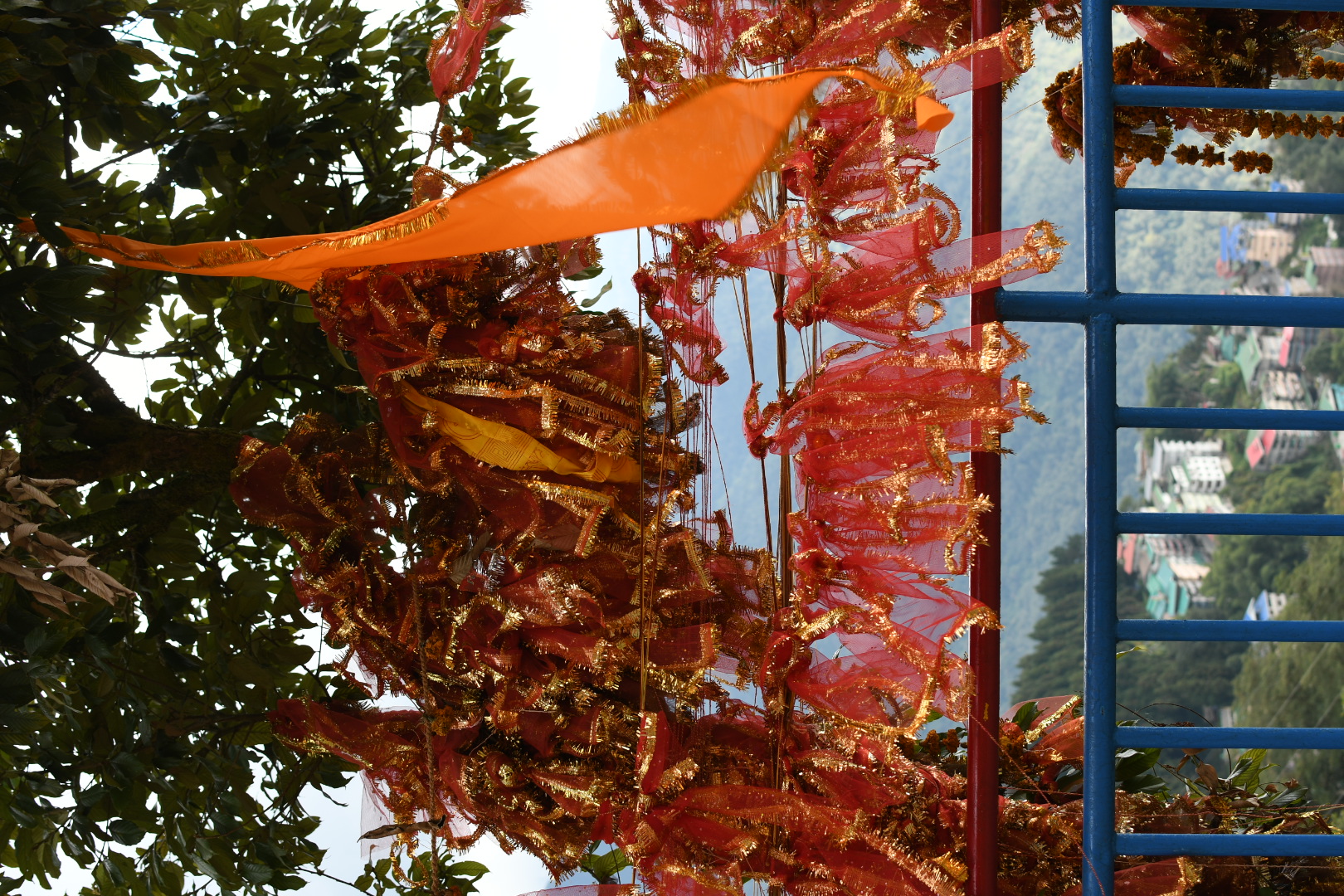
On our way to Zero Point, we passed through Chungthang Valley. The scenery was beautifully raw, v peaceful and naturally dramatic. The valley lies between white-capped mountains, and its only inhabitants are yaks. In between, countless colourful Buddhist prayer flags (representing the five elements: sky, air, earth, fire, and water) were strung across the landscape, along with even more white flags.
Usually, you’ll find 108 white prayer flags, known as Manidhar or Darchog, which are traditionally raised to honour the deceased, symbolising purification, remembrance, and the peaceful journey of the soul.
If you have the time, you might consider stopping at the local hot springs. When we visited, the place appeared to be under “restoration.” Though “restoration” might be a generous term, considering we’re essentially talking about one, maybe two privately owned shacks with a shallow pool in the middle. It’s certainly not a luxurious retreat, but all the more memorable for it.
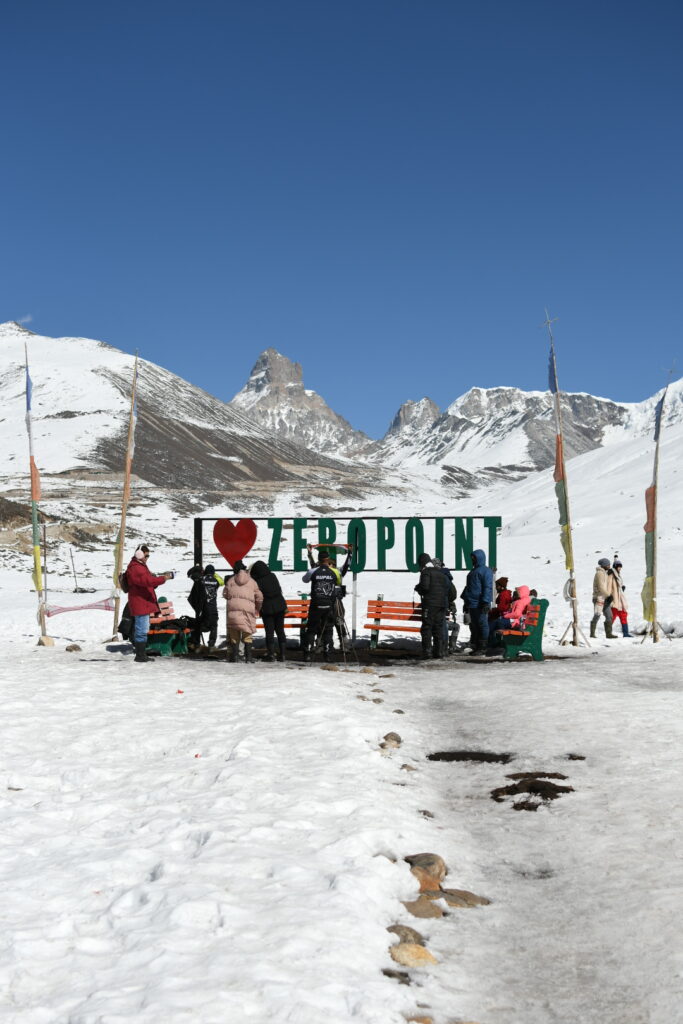
Zero Point
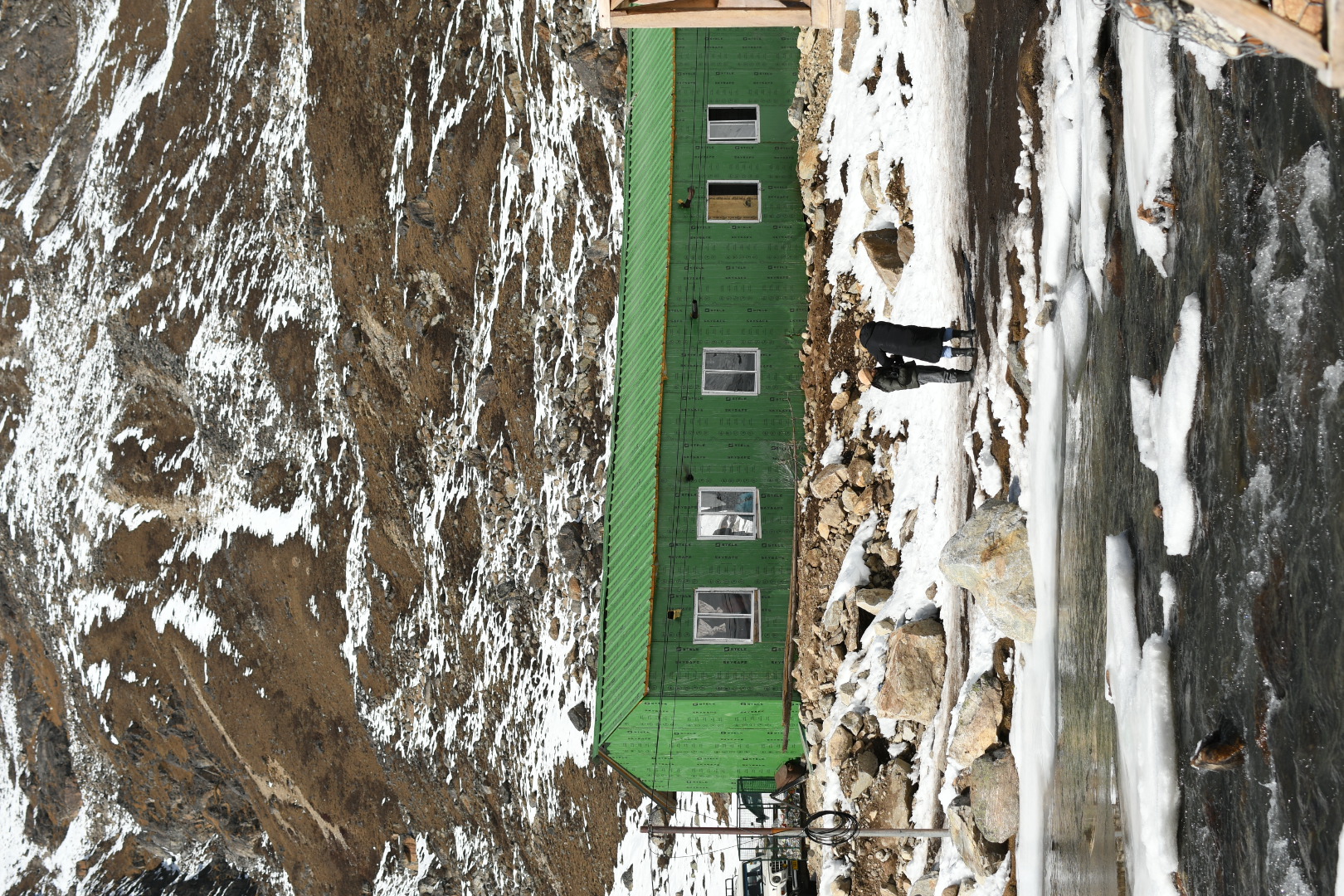
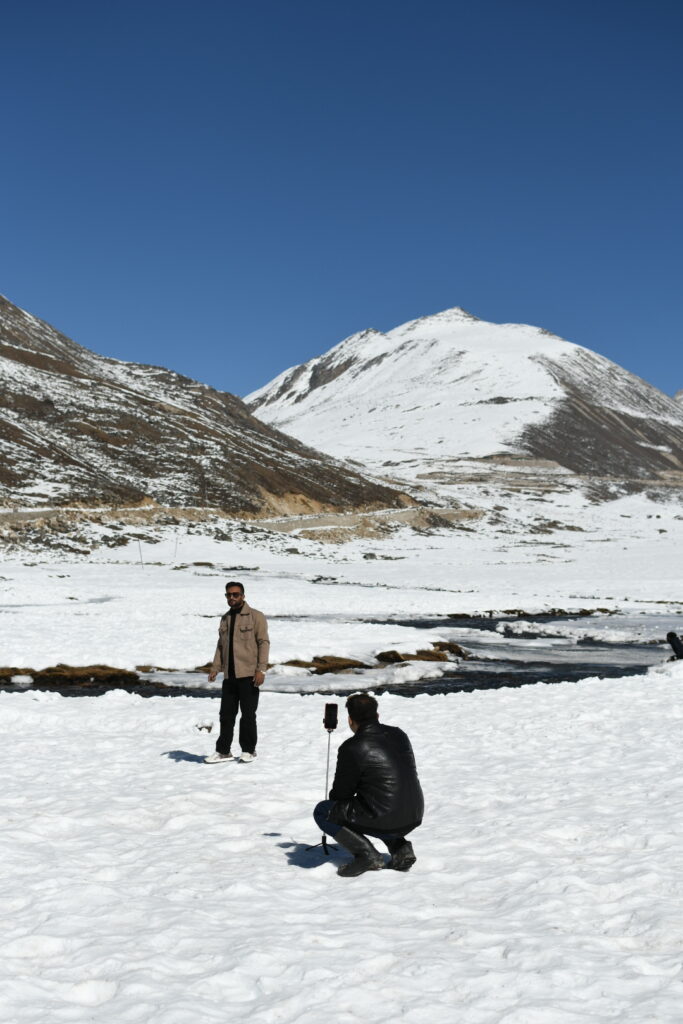
The drive up the serpentines was steep; the views were absolutely mad. If you’re a mountain lover, this will rejuvenate you. I was worried about the altitude, having experienced altitude sickness before during the Salkantay Trek in Peru at around 4,700 metres. This time, however, my fear didn’t materialise. I only felt the thinness of the air while walking around Zero Point, but taking it easy made it perfectly manageable.
We reached an altitude of 4,773 metres (according to my friend’s smartwatch), which marked a new personal record – the highest I’ve ever been.
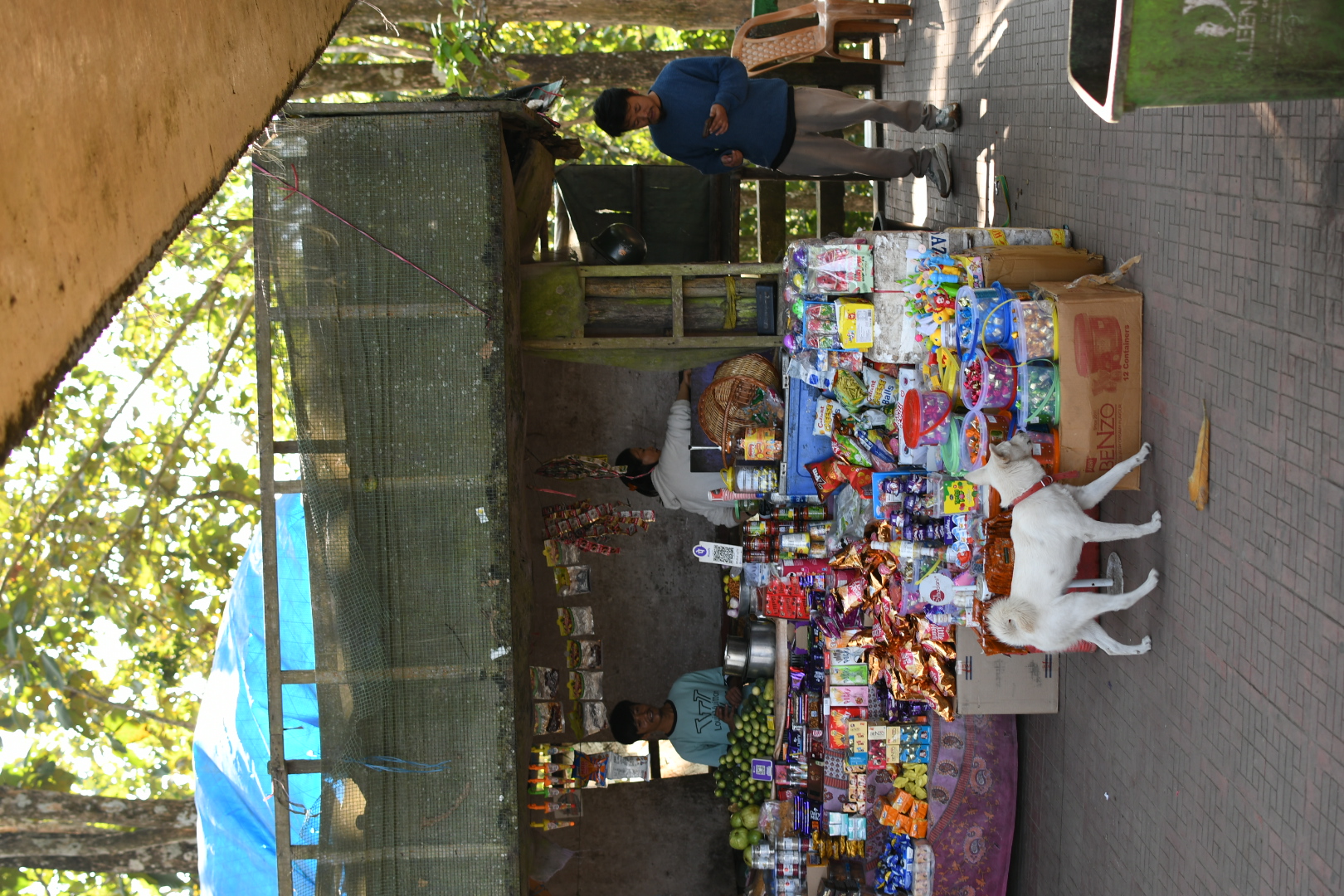
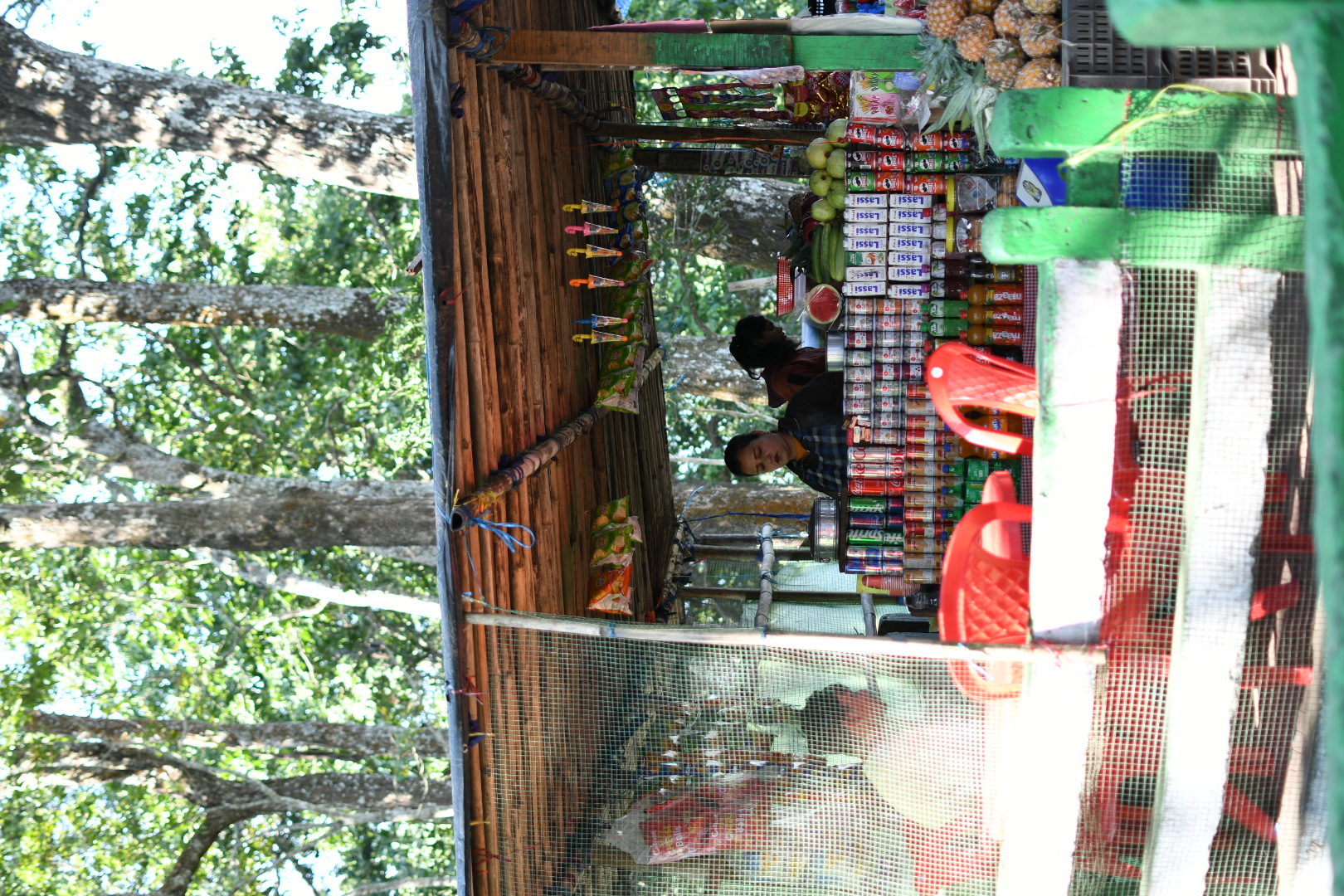
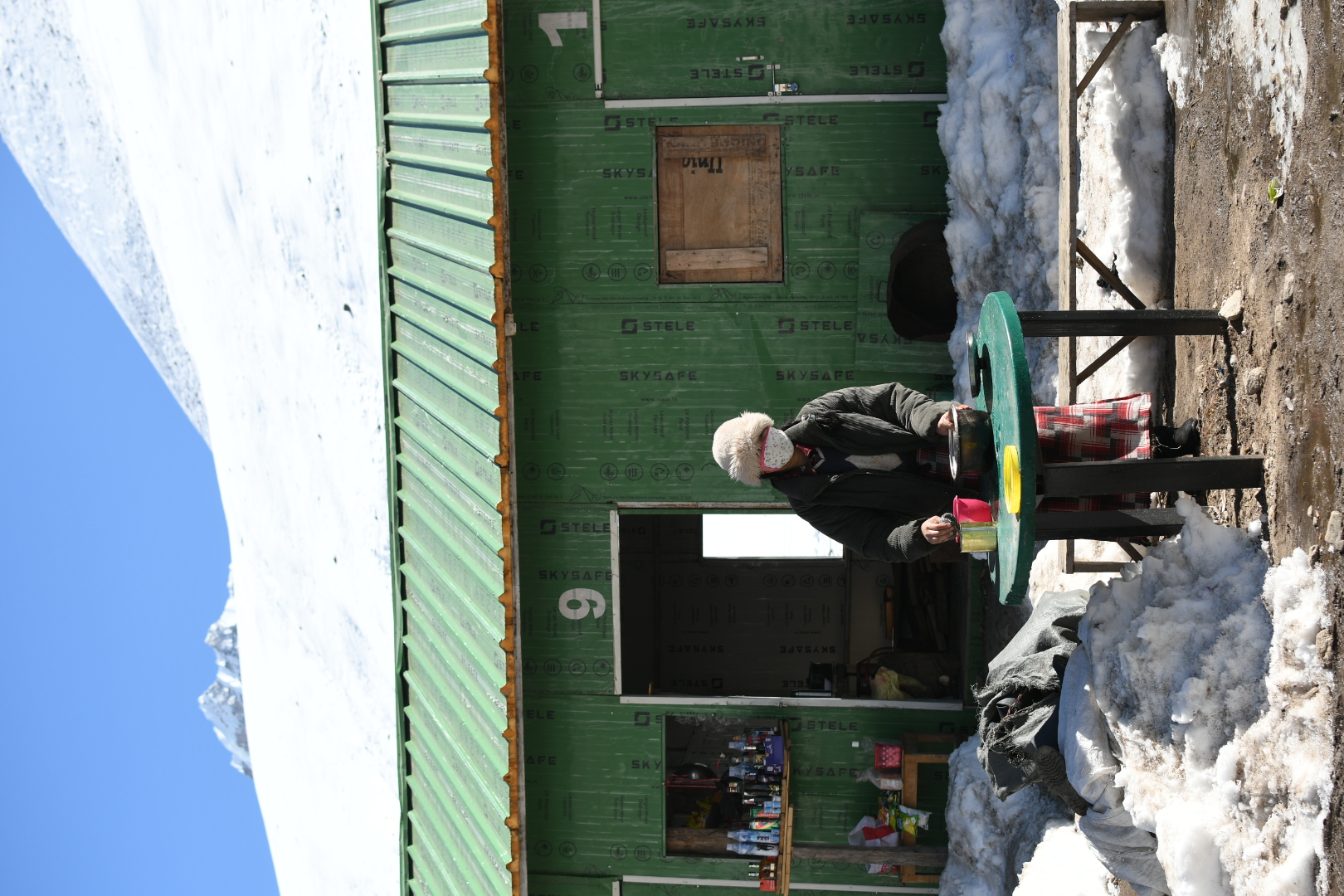
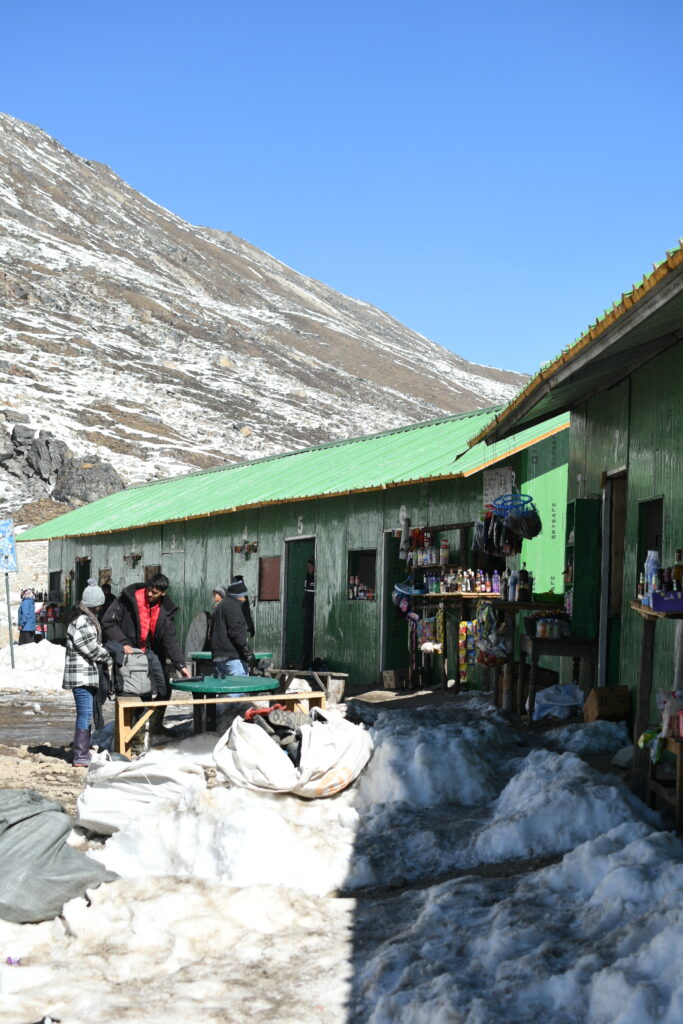
Frankly, there isn’t much to do up there, and the car park is rather chaotically crowded. Still, while internalising where you are, you can warm up with a spicy hot chai and some tasty momos.
Dzongu
Dzongu- a place you might not even find on Google Maps. This left us partly curious and partly frustrated. It was the only stop on our itinerary that wasn’t based on our input but included by the agency.
It took suspiciously long for us to learn that we had to go there because we had spent only one night in Lachung. Apparently, in the north you must stay at least two nights, and you are not allowed to leave earlier. Why? Because there are regulations saying so. So we accepted our fate, were brought to a homestay deep in the jungle, and it turned out to be another lovely experience we didn´t hope for.
Gangtok
Gangtok was our final stop before heading back to Bangalore Airport. We had just arrived when we decided to stay two nights and skip Siliguri altogether. Gangtok turned out to be a perfect place to round off our trip through West Bengal and Sikkim.
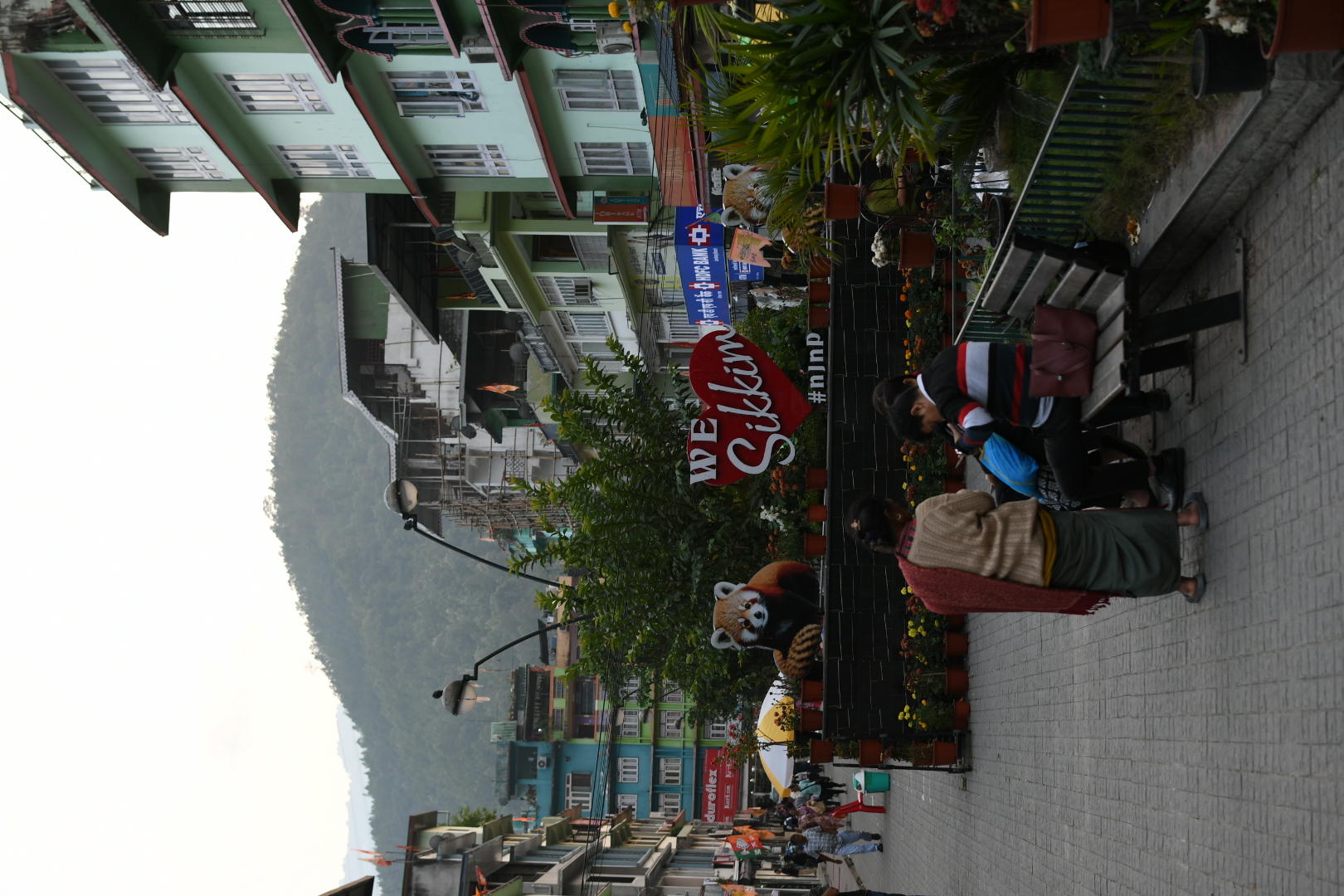
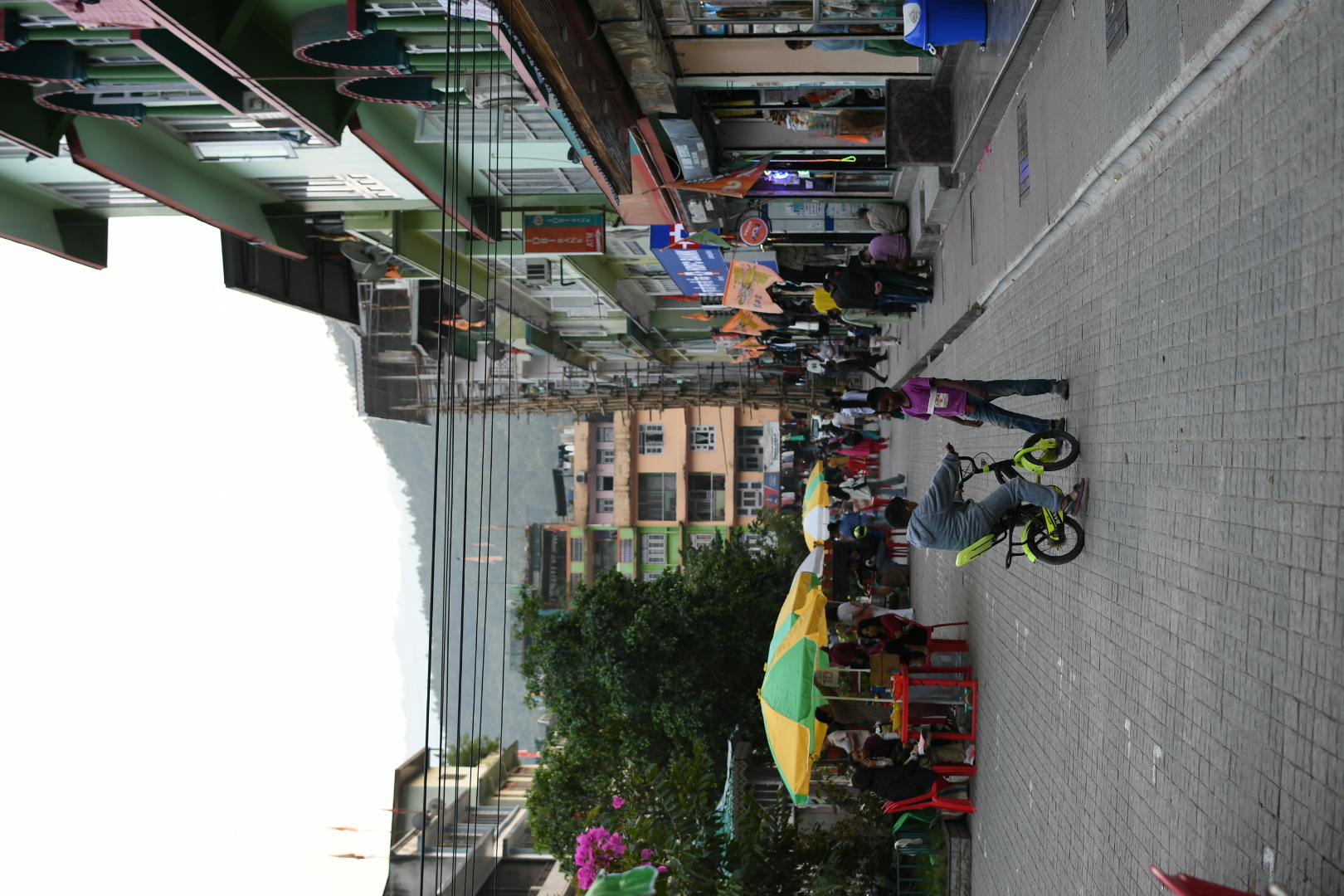
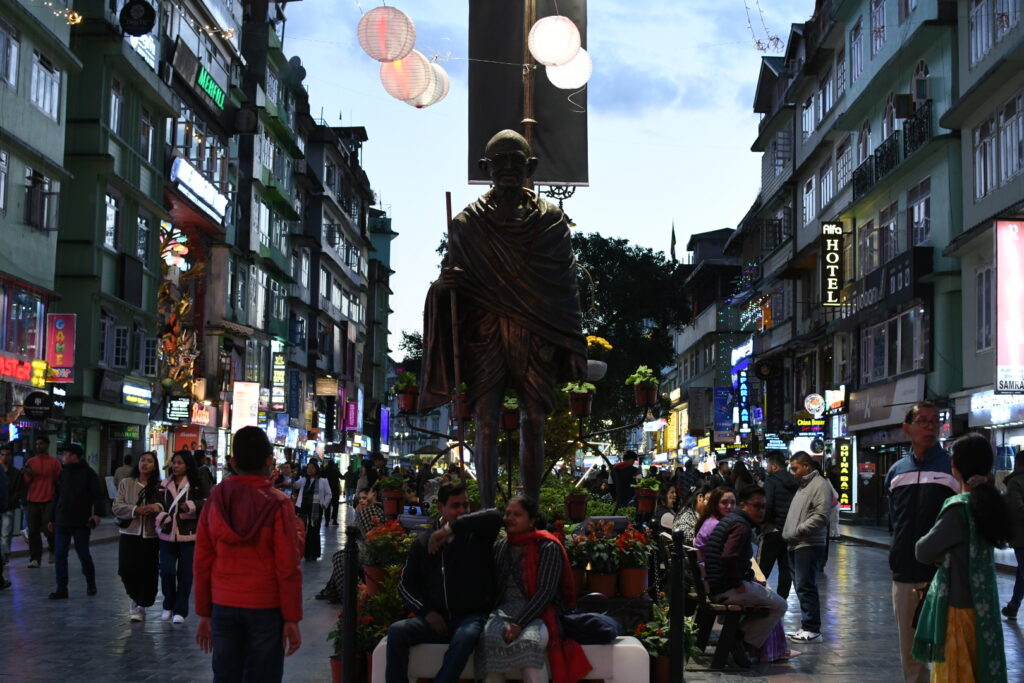
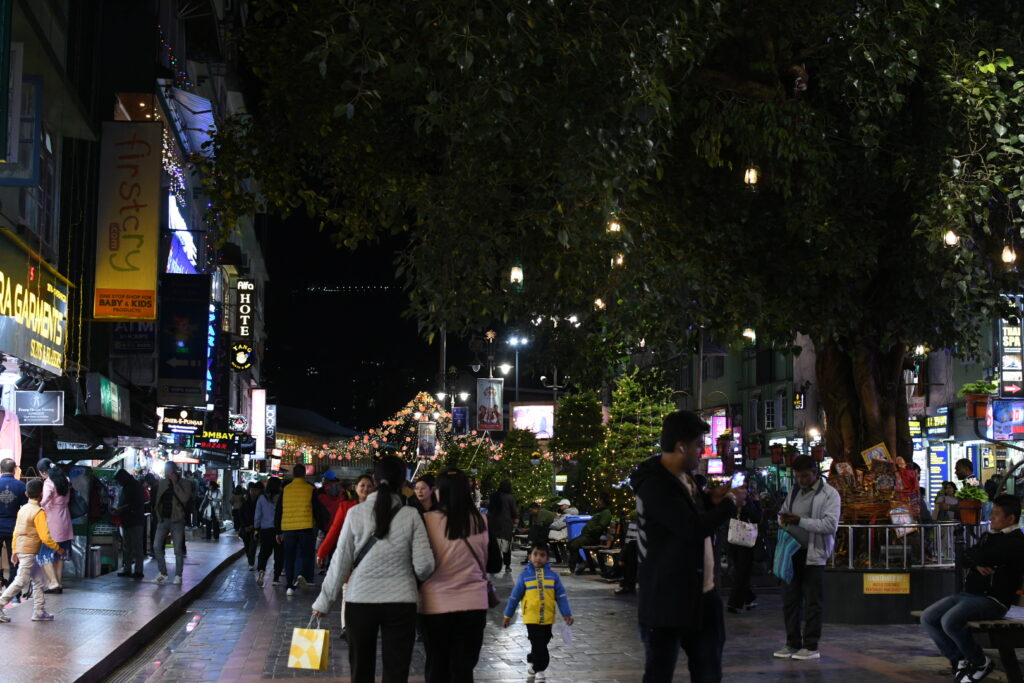
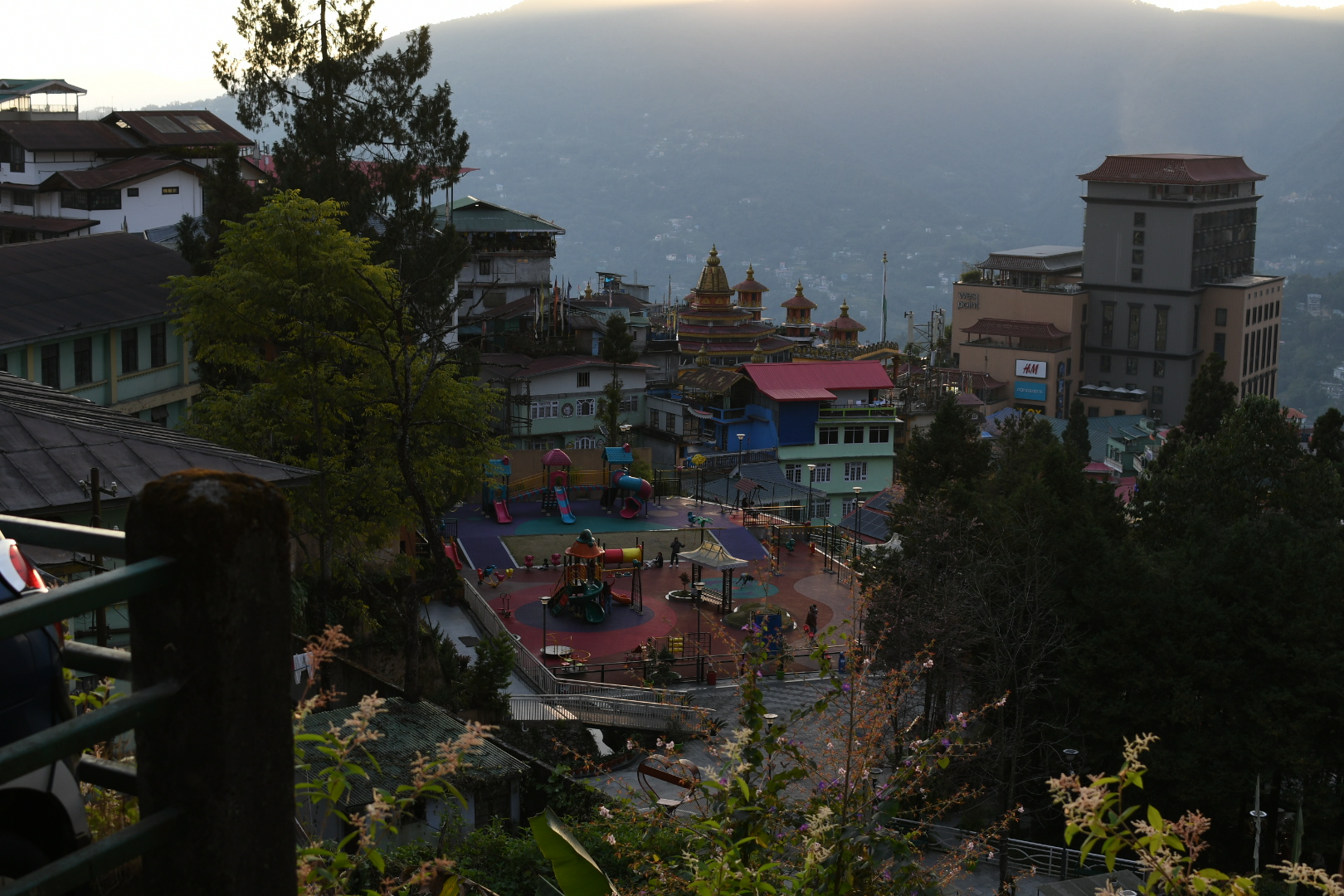
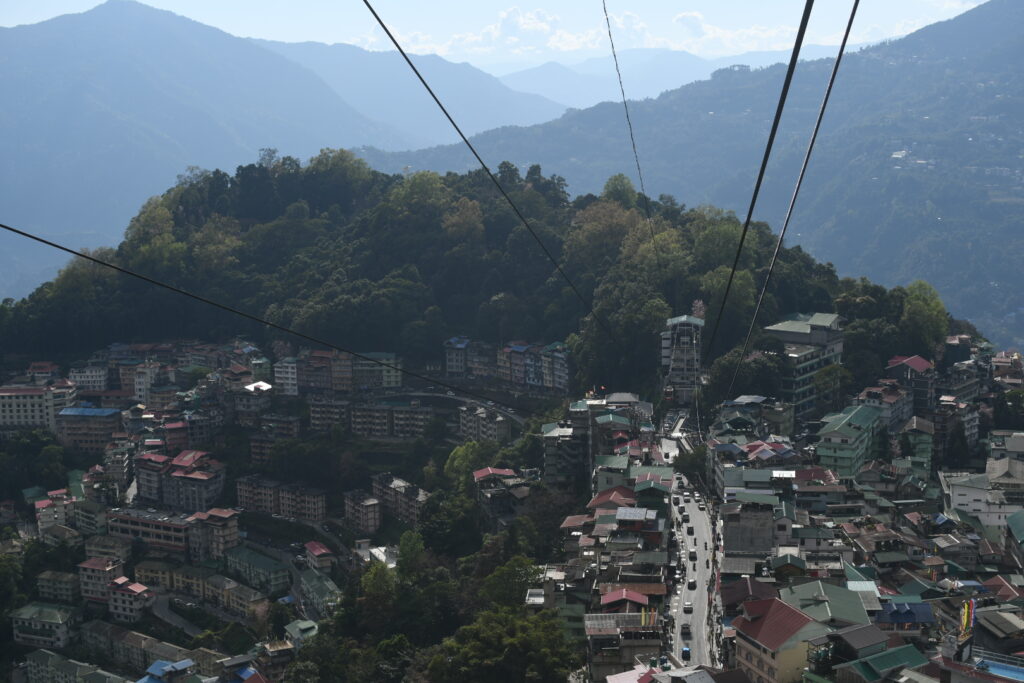
Unlike other places we´d visited, I wouldn’t call Gangtok a “mountain village,” even though it shares a similar vibe and appearance from different viewpoints. It’s a proper city though, large in comparison really, with a university, a mall, and lively and upbeat downtown area.
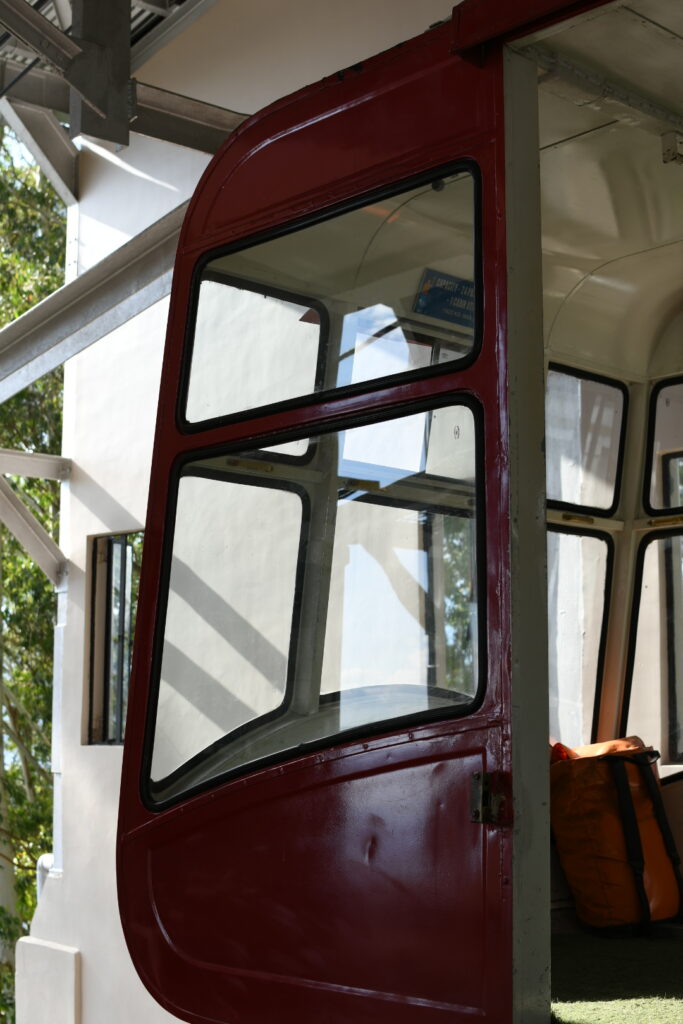
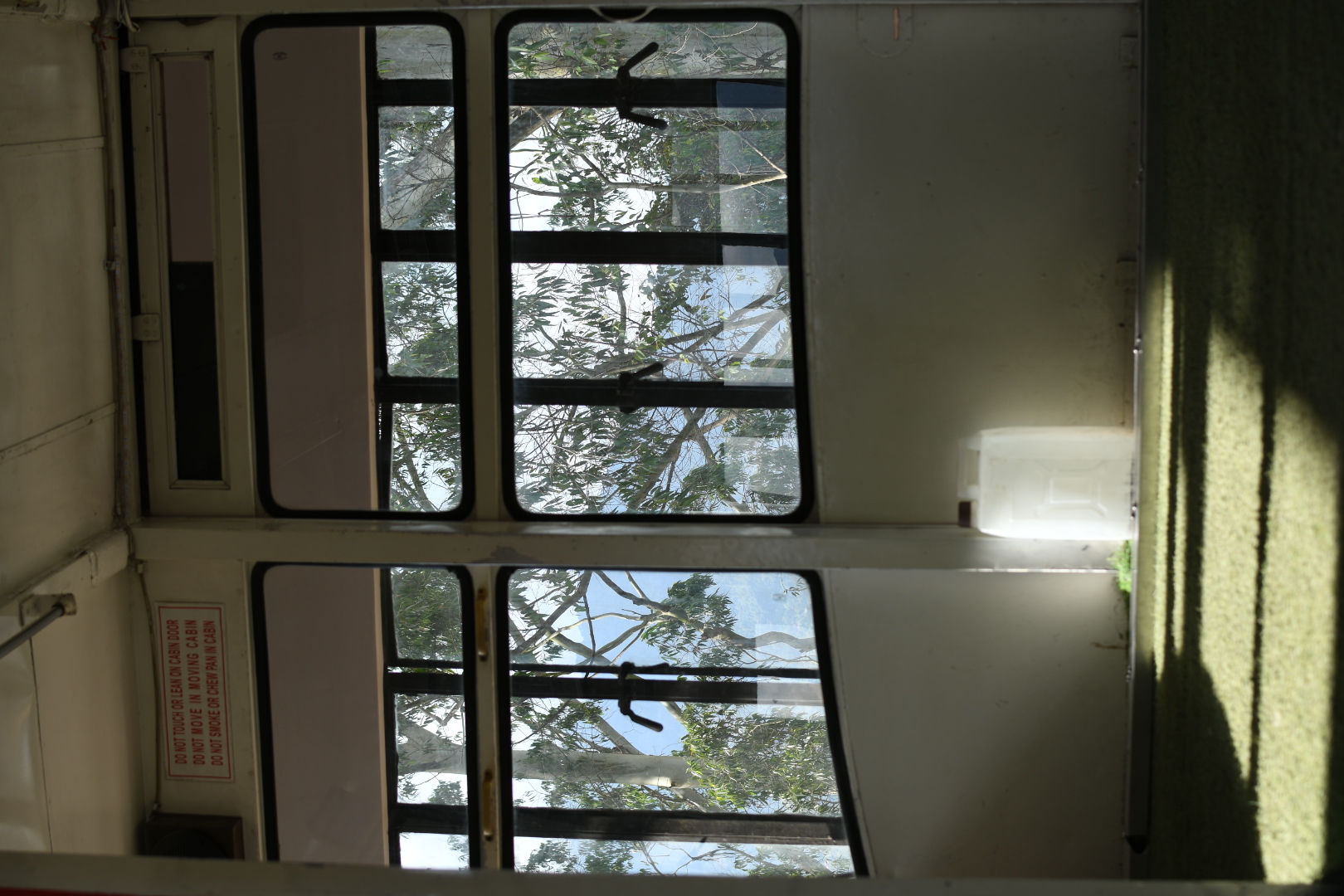
There’s also a cable car, which not only serves as a convenient means of transport but also offers stunning views over the city. You can purchase a roundtrip ticket for that purpose solely.
Since we decided to stay two nights, we gave our driver the day off and explored Gangtok on foot. Again it felt very unlikely: after flying halfway across the world, navigating bumpy mountain roads for days, witnessing extreme remoteness, you suddenly find yourself in a lively urban environment perched in an almost impossible setting. Humankind truly doesn’t cease to amaze.
We checked Google Maps for “popular” sights and put together a casual 15-kilometre day hike through the city. For those considering a visit, I’d recommend the following highlights:
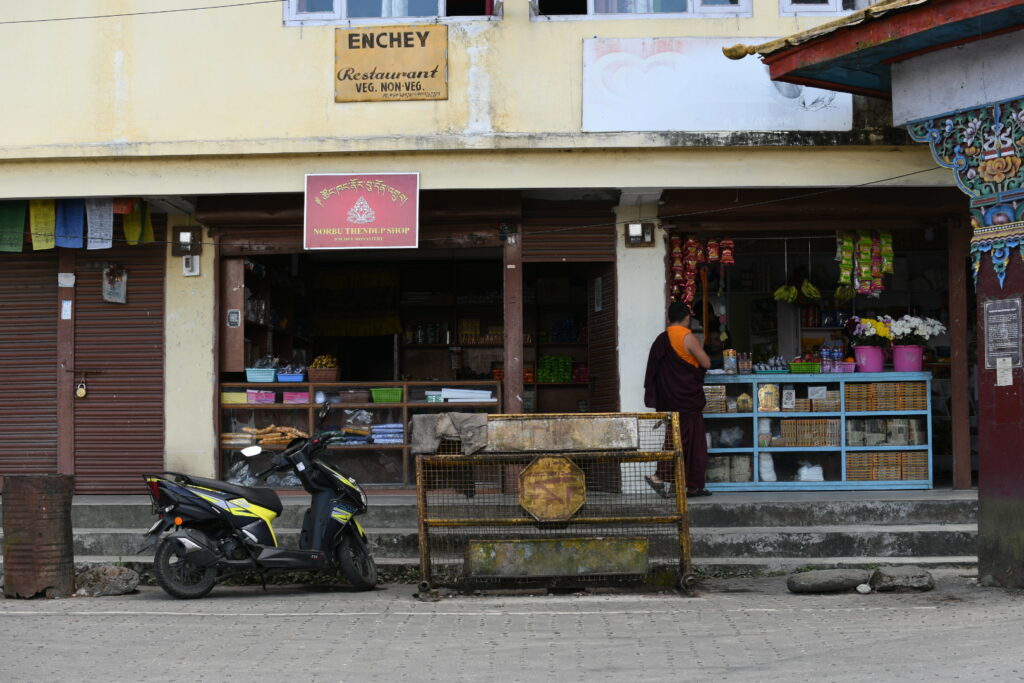
Enchey Monastery
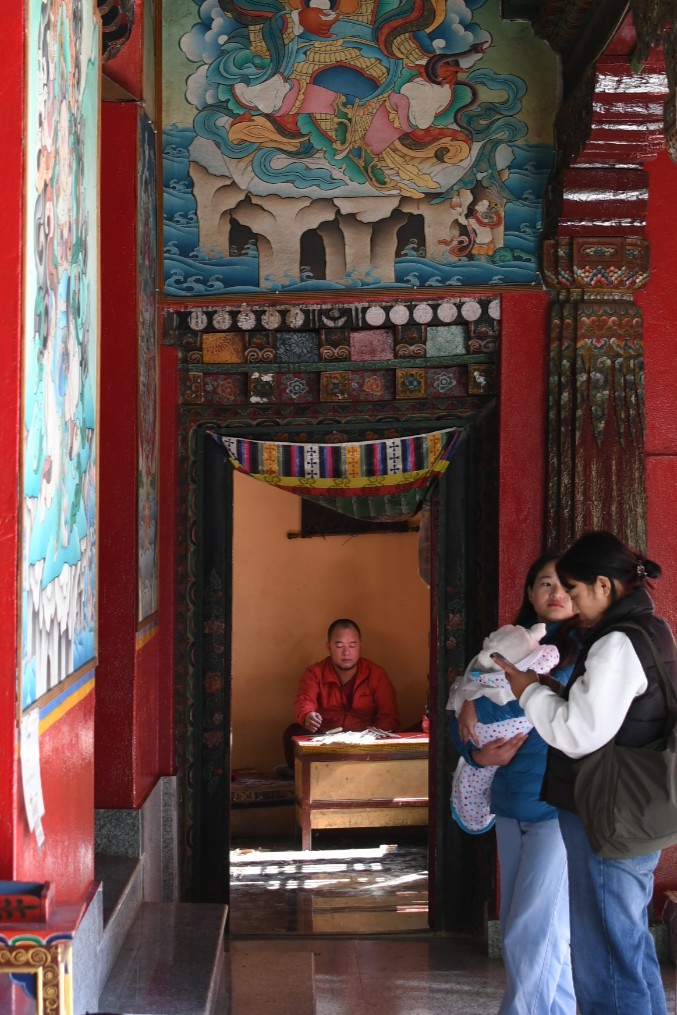
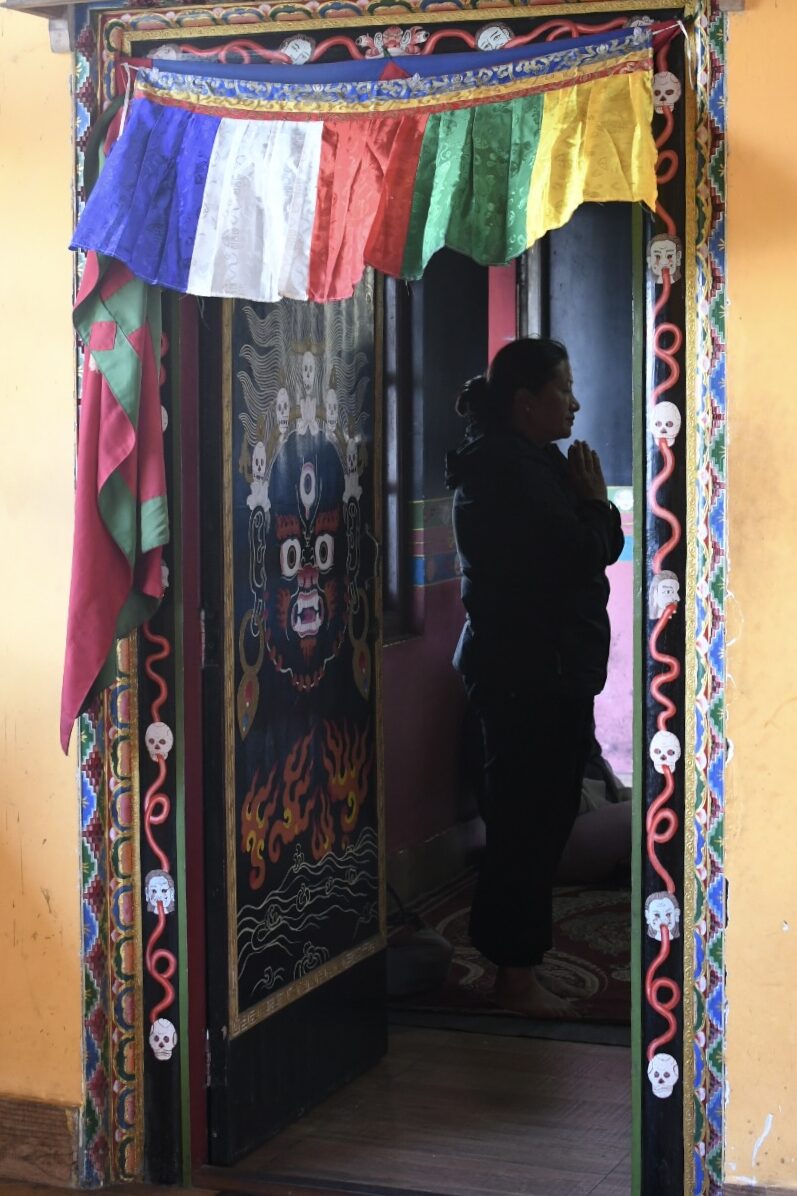
We were lucky enough to stumble into an ongoing blessing ceremony – the second one on our trip. Respectfully, visitors are allowed to sit in and listen to the monks’ repeated, uniquely rhythmic mantras. An impressive experience.
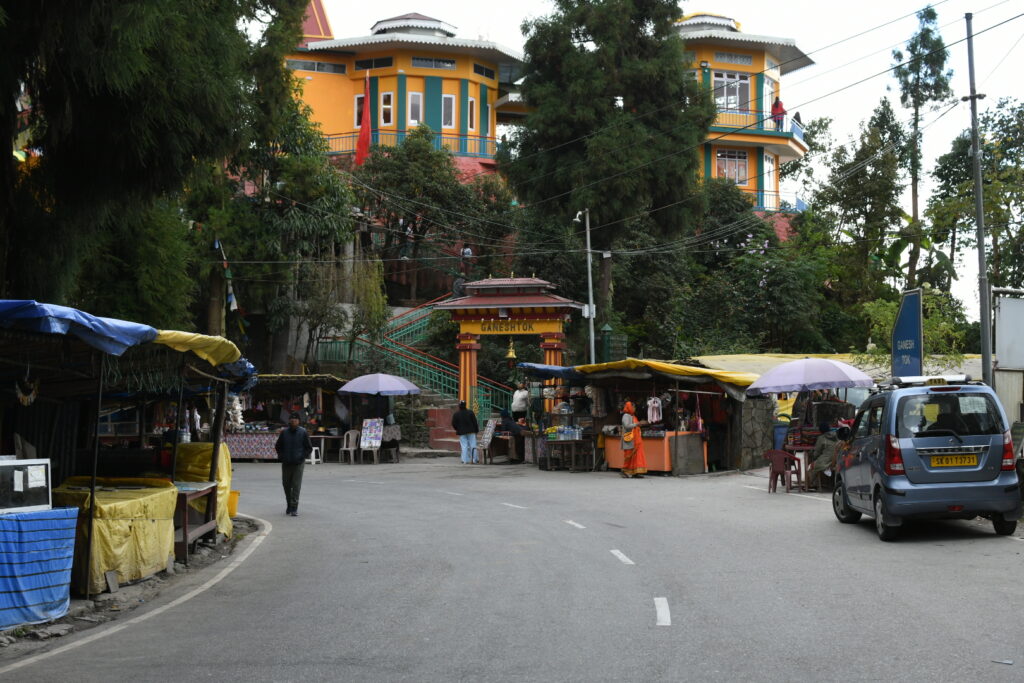
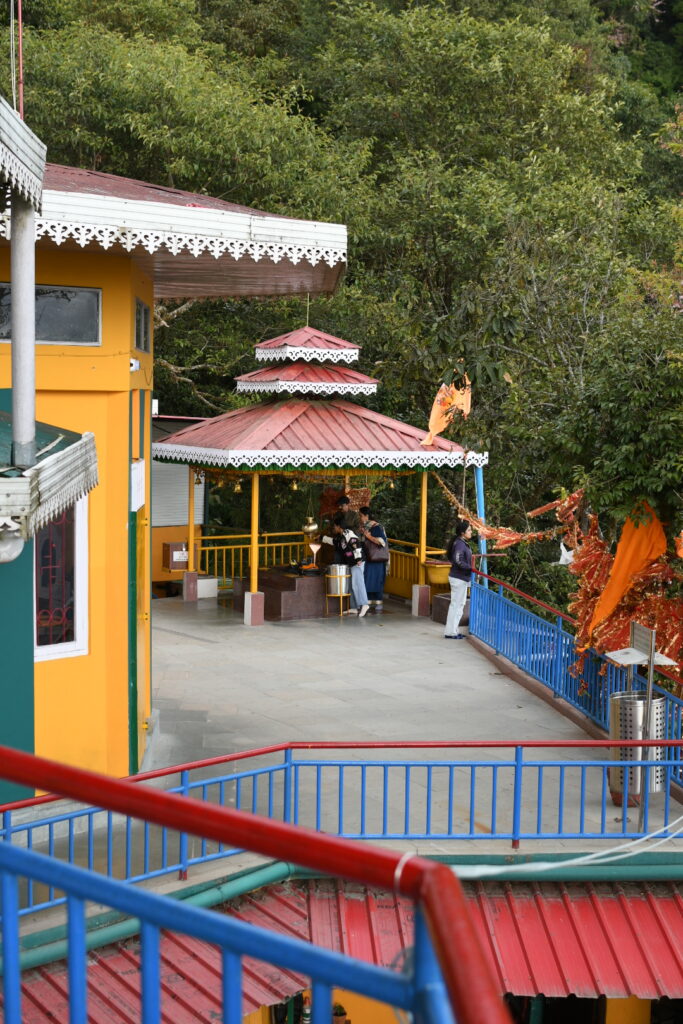
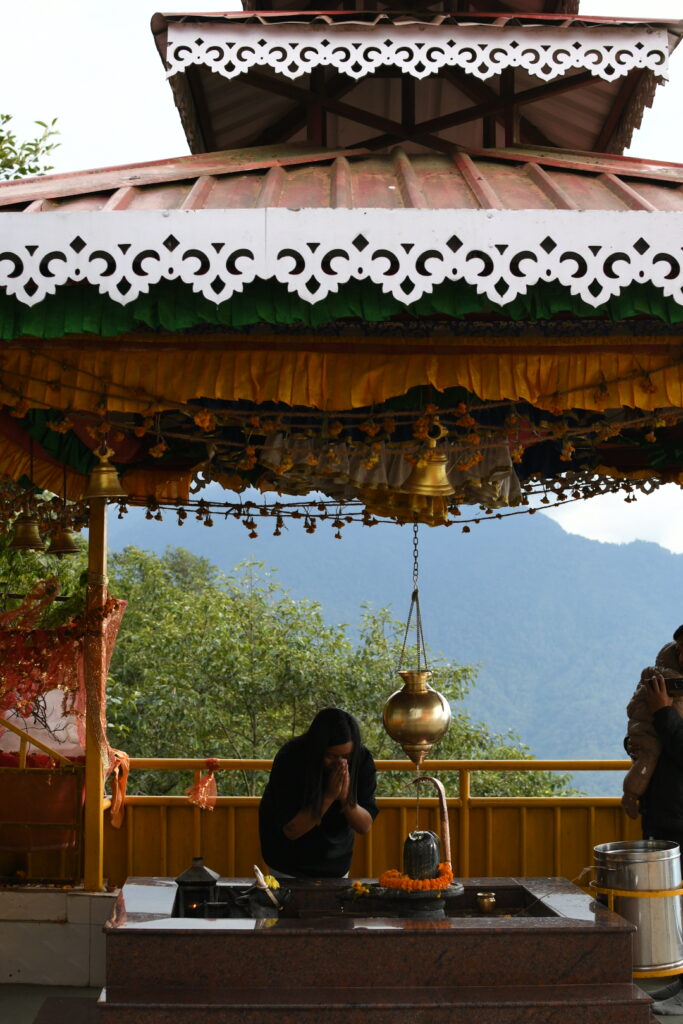
Ganesh Tok
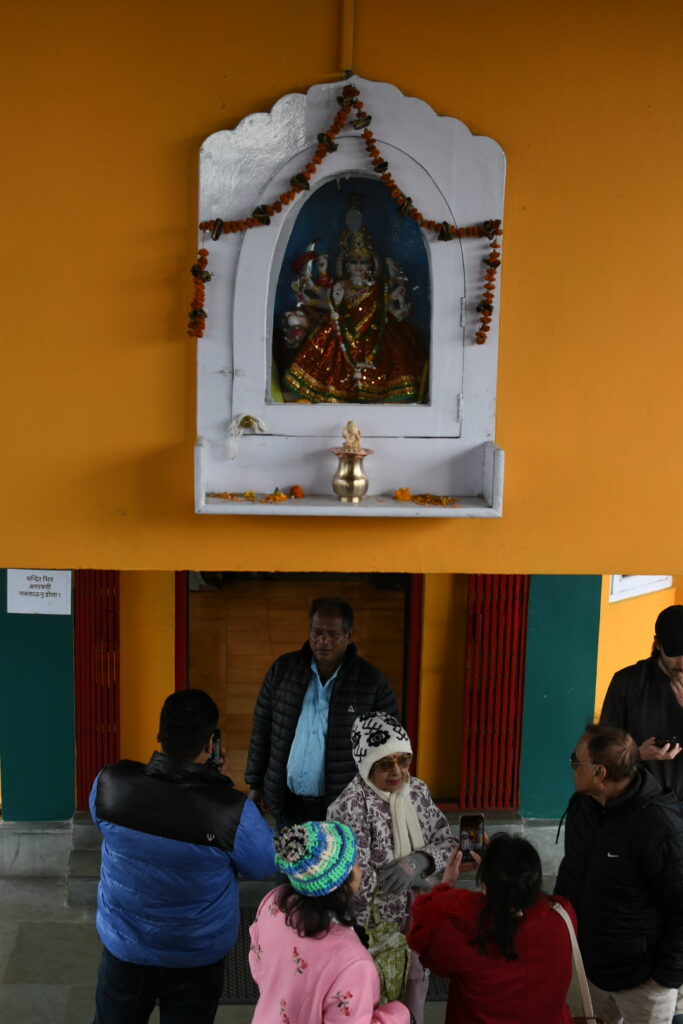
Ganesh Tok is a small, revered Hindu temple dedicated to Lord Ganesha, situated on a hill, offering a tranquil retreat, food stalls and panoramic views oveer Gangtok.
Hanuman Tok
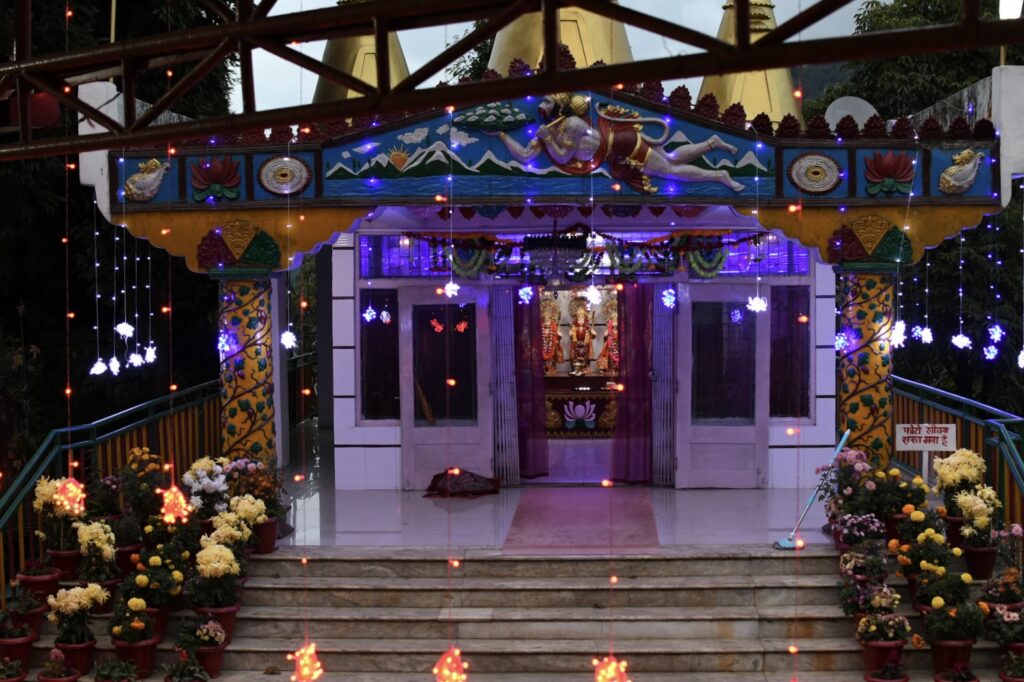
Hanuman Tok is a popular Hindu temple and viewpoint in Gangtok, located at 2,194 m and maintained by the Indian Army.
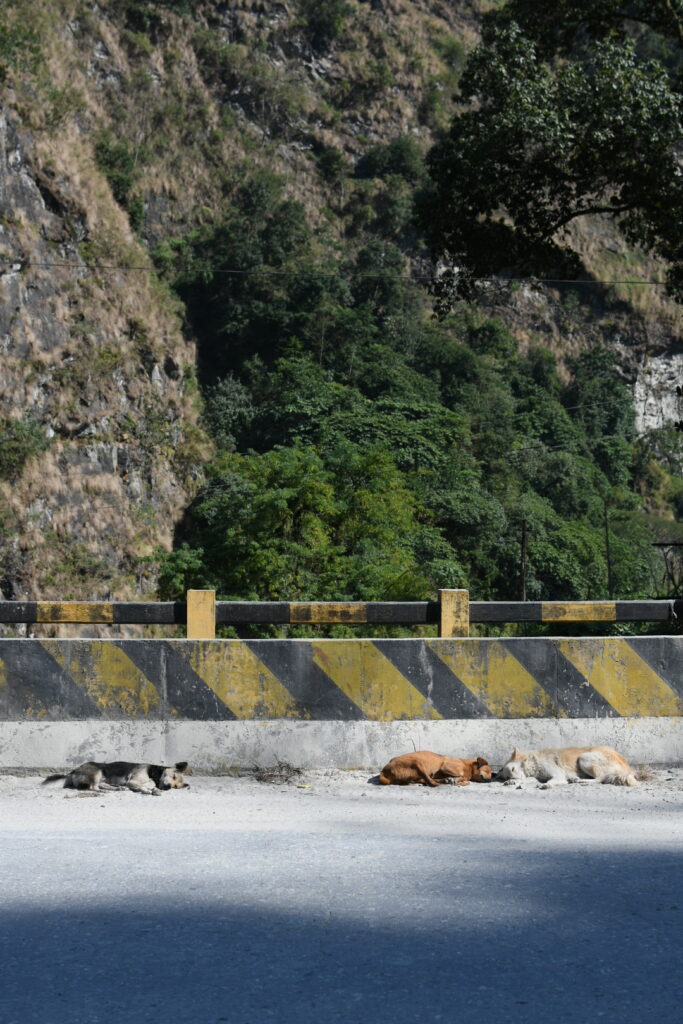
The views along the way to Hanuman Tok were incredibly rewarding. The only downside came at the temple, where we encountered a pack of street dogs that were likely not expecting visitors so late in the day. It was the first and only time during our entire trip that we felt unsave. Thankfully, nothing happened, and military staff working at the temple rushed to help us.
As our time in Sikkim came to an end with Gangtok, so does my story. Before moving on to Pune and Mumbai, however, there are two more things I´d like to mention:
1. Please eat local. I can’t deny that I was worried about food poisoning before travelling to India. I’m incredibly grateful that our friends, who had been living in India for over two years and accompanied us throughout, exorcised that fear from day one. They encouraged us to eat street food and trust, among others, the free (filtered) water served with any meal. And I’m glad we did. Everything we tried was delicious and we were doing just fine throughout the entire trip – and believe me when I tell you that we ate a lot. So please: be open. Use common sense, of course, but be brave, and not irrational.
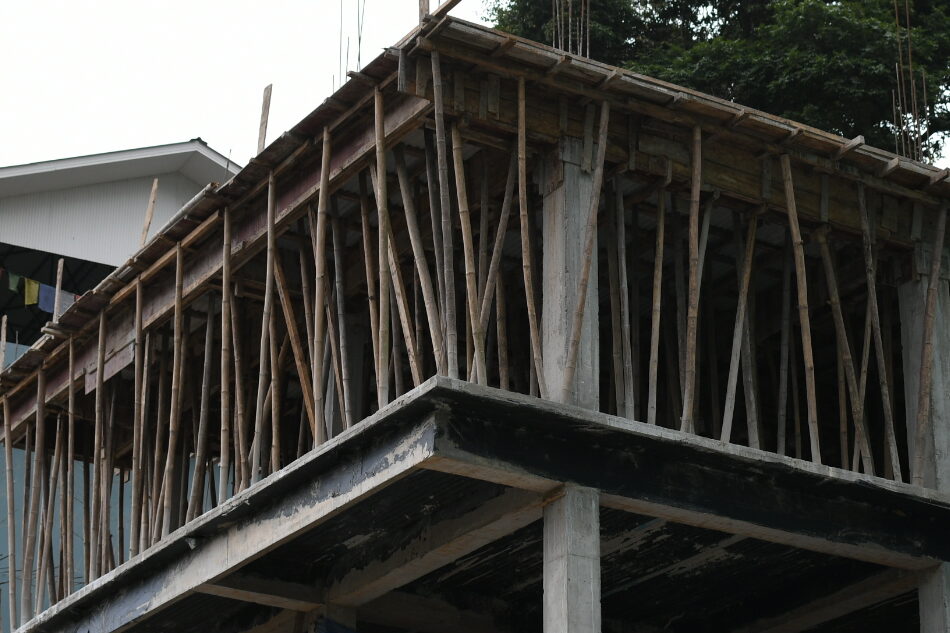
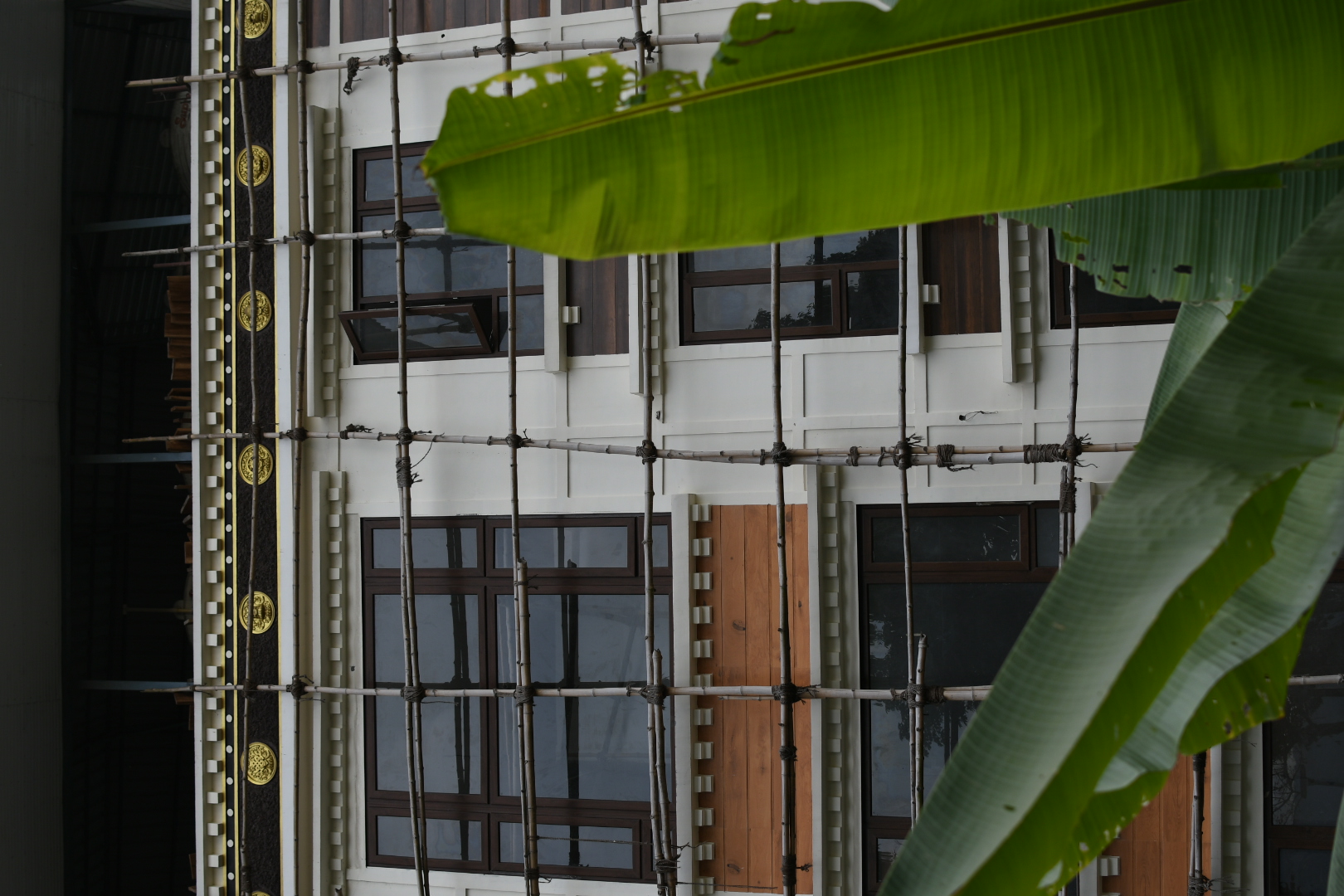
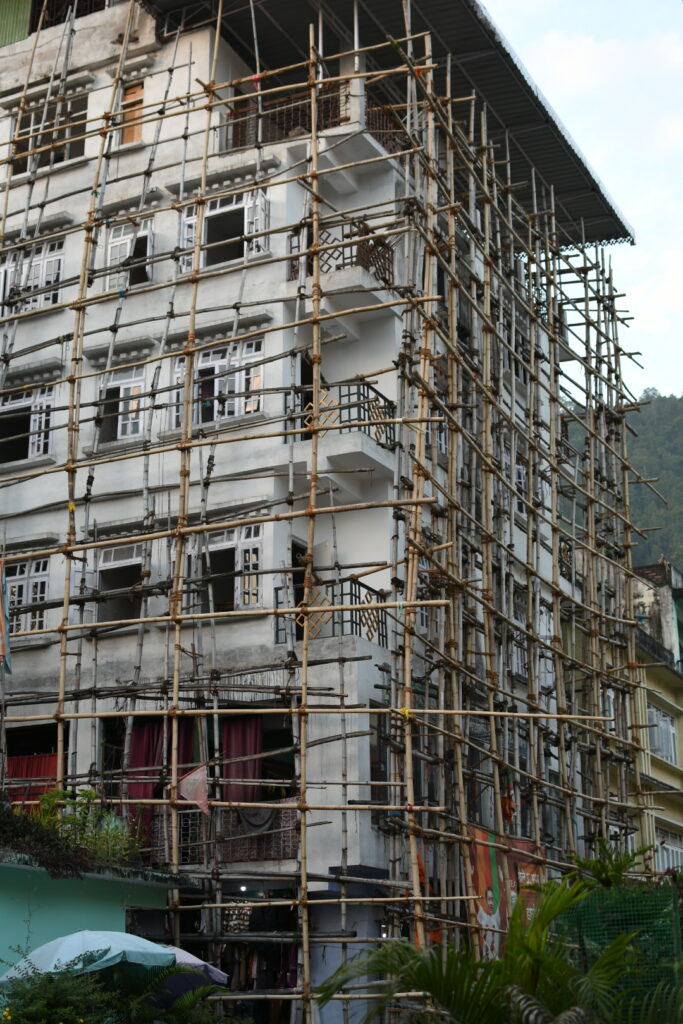
2. Admire the bamboo construction. Take a moment to look at how builders create enormous bamboo scaffolding and complex structures from it. I had never seen anything like it before and was left speechless multiple times. It looks equally dangerous and aesthetic.
Pune
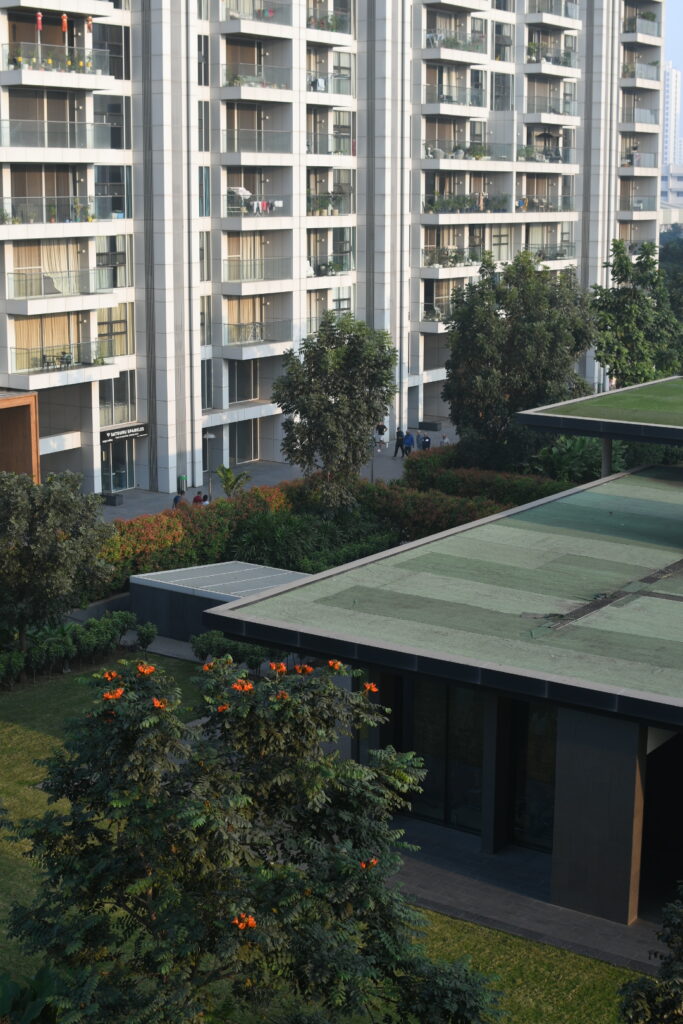
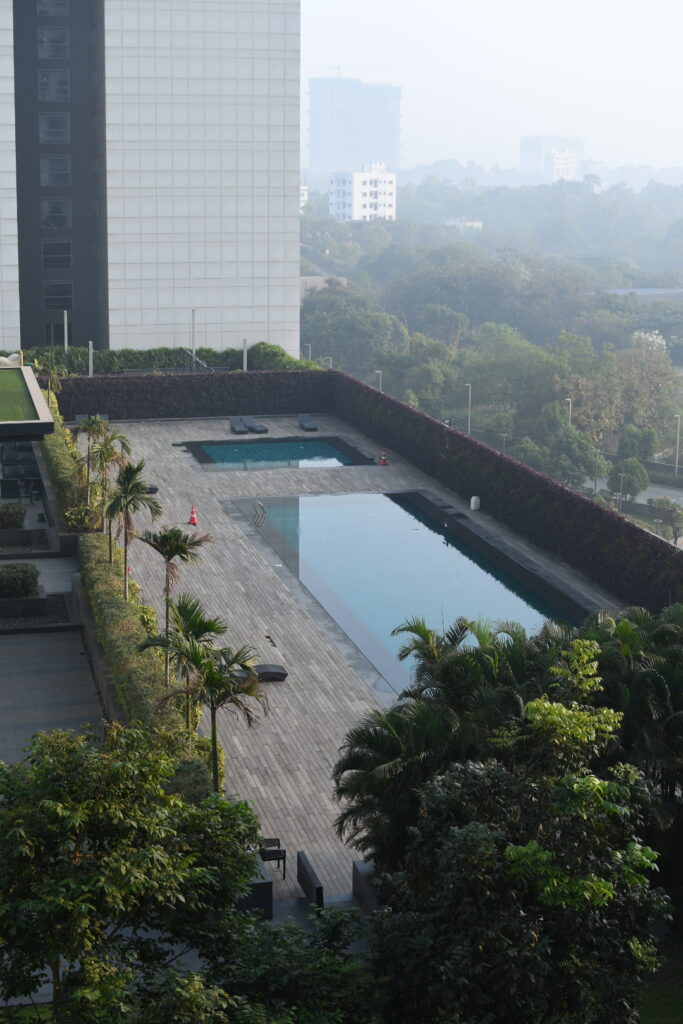
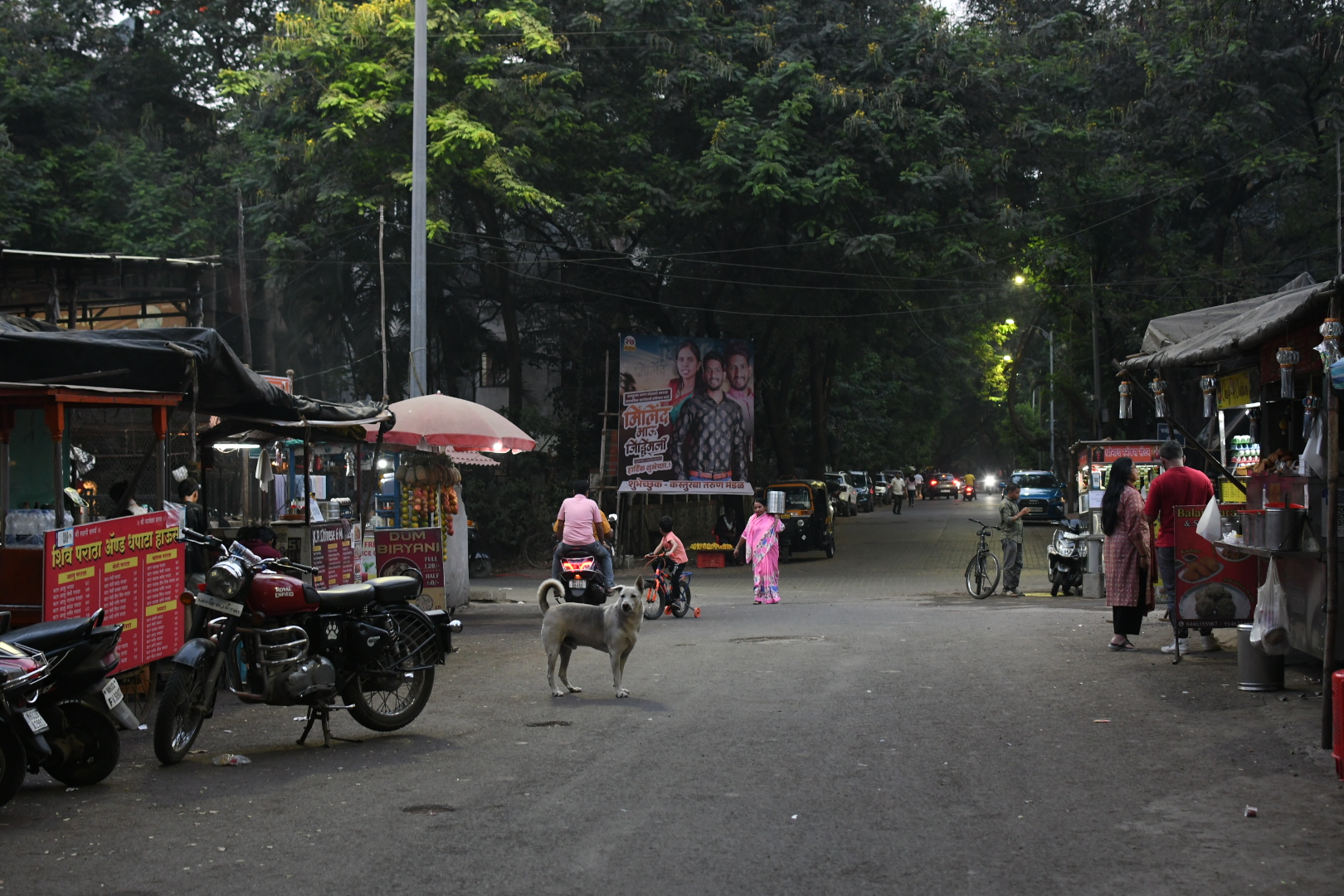
We visited Pune because that’s where our friends were residing at the time. Apparently, it’s known as a hub for IT expats. Most expats live in gated communities; complexes of multiple apartment buildings with shared facilities such as usually a gym, pool, convenience store, and communal areas for socialising.
This was our first real glimpse of the famous gap between rich and poor in India – a gap that continues to widen, with depressingly little prospect of change. One of the many inequalities and painful unfairnesses in our world. If you know what we could do against those, please let me know – urgently.
What did we do in Pune? Mainly, we participated in that very unfairness. On our first day (a Sunday), we attended a “cookout.” It’s essentially a day-drinking event: you pay around EUR 25 and get all-you-can-eat food and beer. Multiple DJs play music, the “upper class” gets wasted and dances, and by 5 p.m. everyone happily stumbles home to attend their jobs the next day.
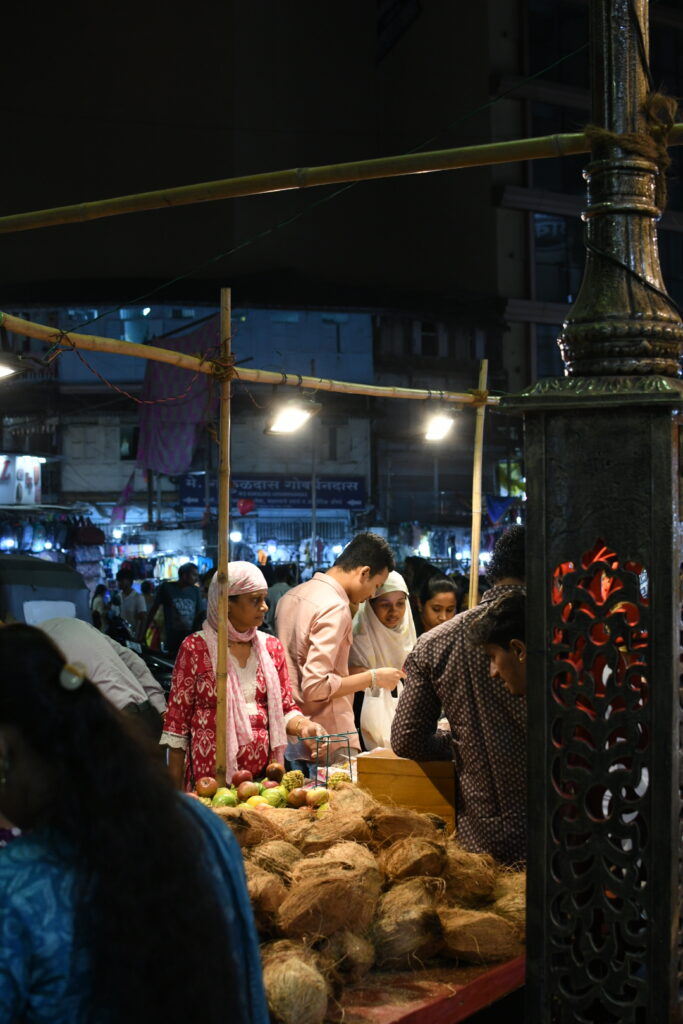
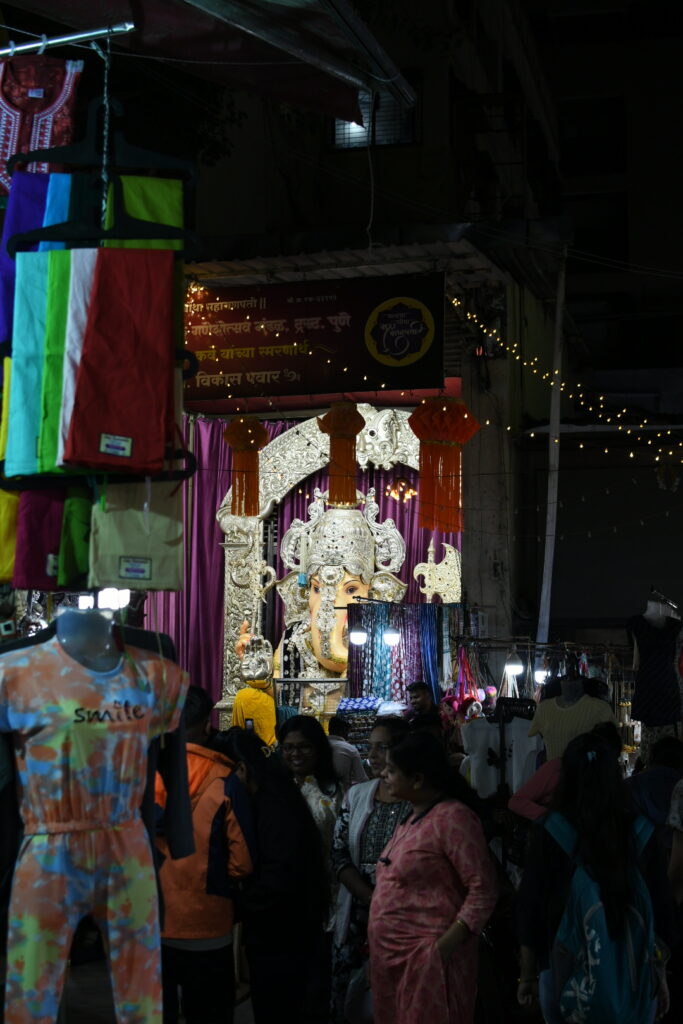
We also did some sightseeing: we visited the Aga Khan Palace (where Gandhi was imprisoned), the old town area around Shaniwar Wada and its market, and dined with other expats in KP (Koregaon Park) area known by some for the Indian mystic or “guru” Bhagwan Shree Rajneesh and his ashram.
Another thing we tried in Pune was Indian cinema. We chose a 4D screening of Kantara, an Indian action film. I wouldn’t call it a great experience, but it’s certainly one I’ll never forget. We were advised to eat our popcorn before the movie and the 4D action started, which says a lot about what followed.
Our seats started moving and basically physically assaulted us. The movie itself felt about three hours long, and while my mind wanted to fall asleep, the violent seat movements made sure that didn’t happen. The director also starred as the main actor and created for himself a rather… interesting role.
I don’t know enough about Indian cinema to arrogate any judgement of quality. What fascinated me most, though, was the realisation that it didn’t matter whether we ignorant Westerners liked the movie or not. There are currently about 1.45 billion people who might. A fully independent universe – one that neither asks for nor needs our approval.
Mumbai
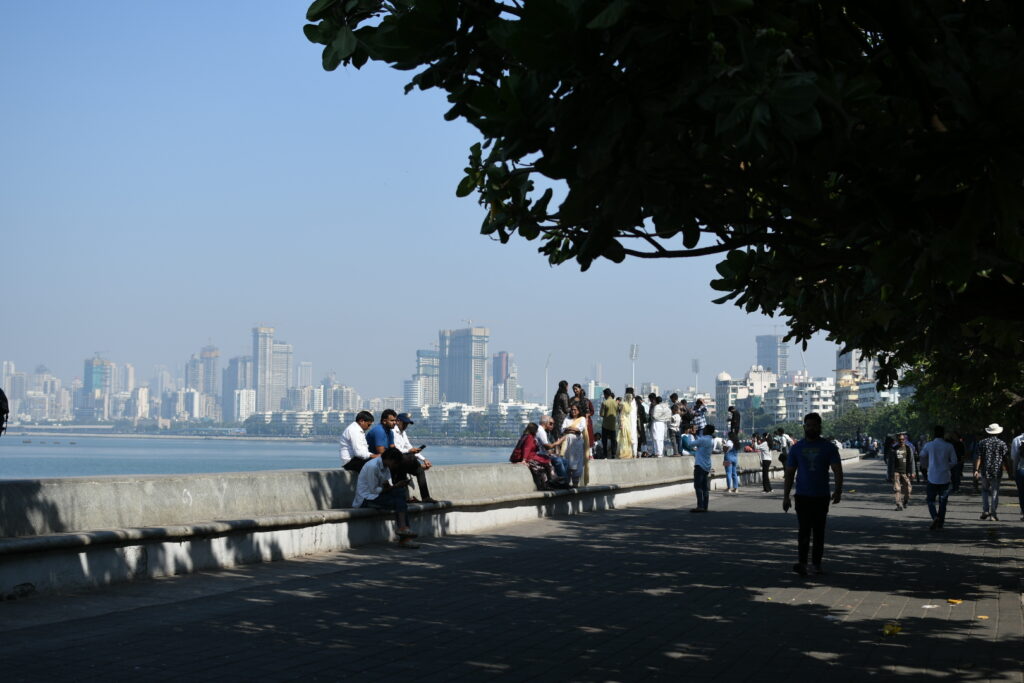
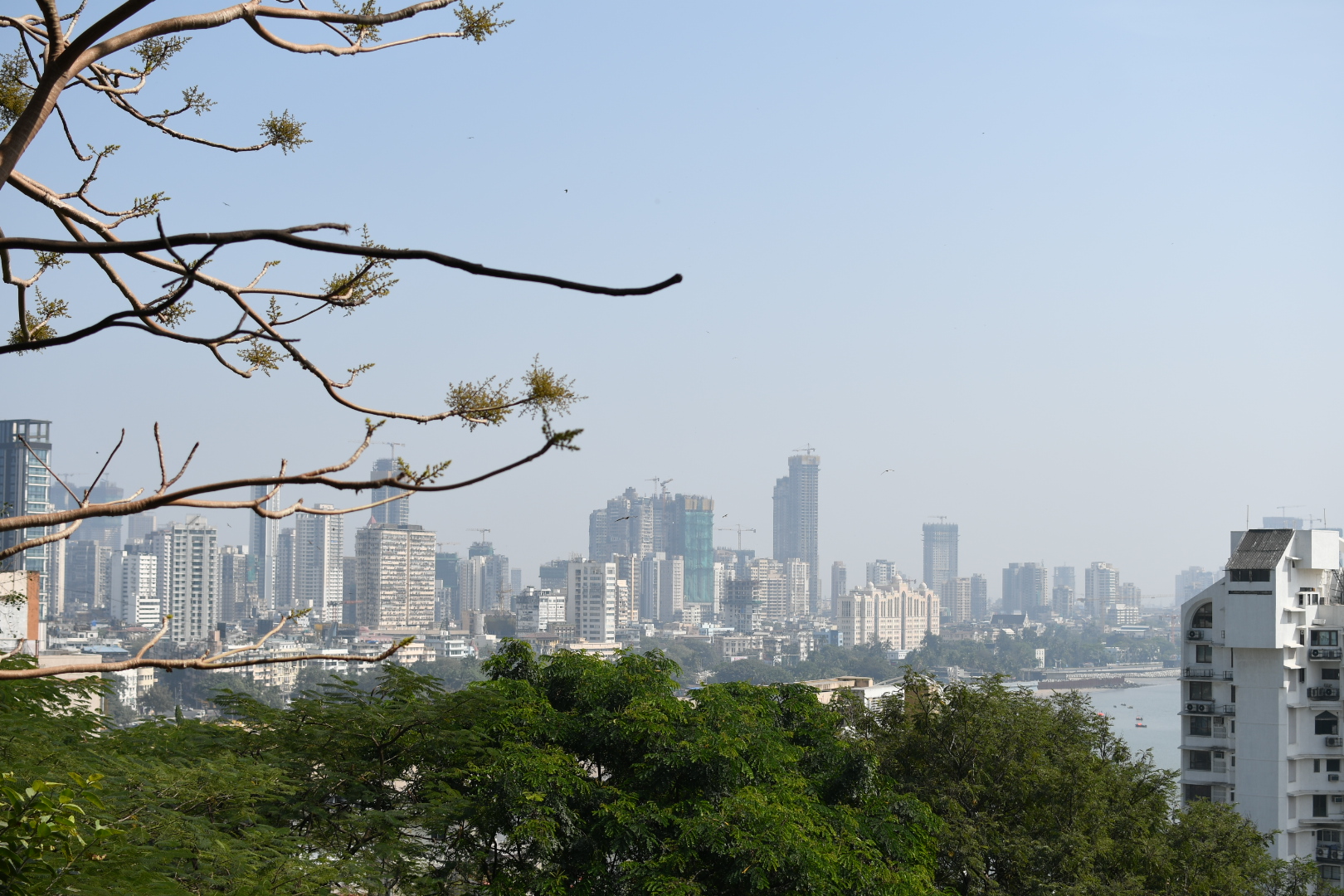
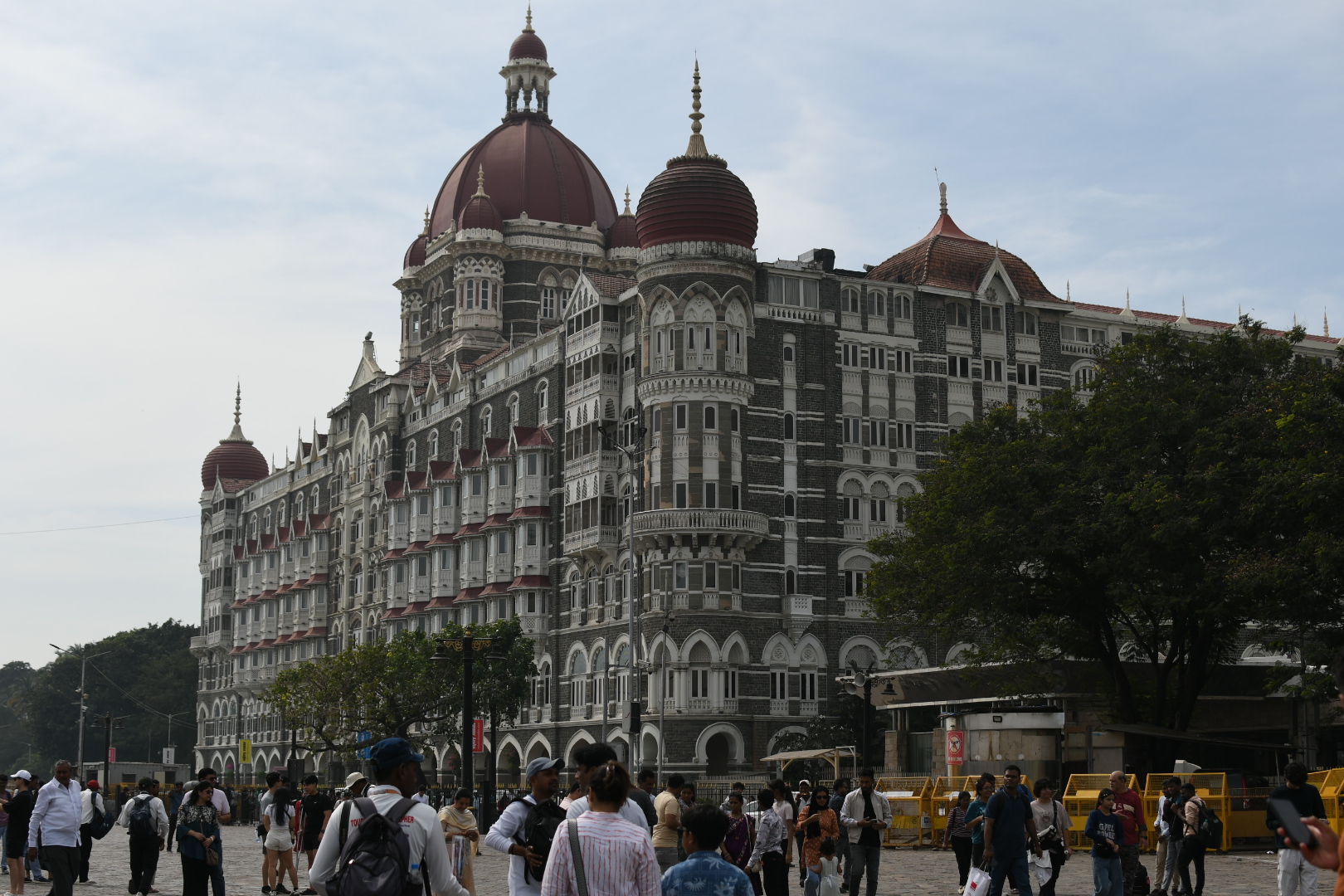
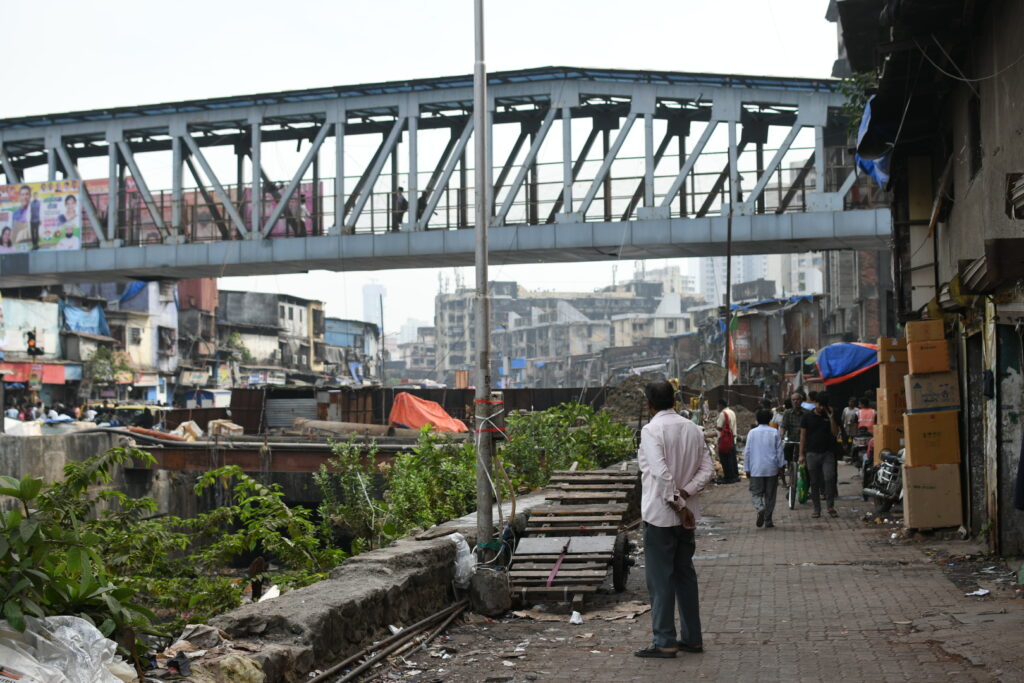
If contrasts were visible in Pune, they were impossible to miss in Mumbai. Mumbai is vibrant and lifestyle-chic. You have impressive colonial buildings, shopping malls, and a beautiful skyline that slowly unfolds as you stroll along the shiny promenade. You also have the largest slum in the world. Some of the richest people on earth live here – alongside some of the poorest. Neighbours from two different worlds, sharing one city.
Unfortunately, we had only „two half days“ in Mumbai. One of these halves we spent on a sightseeing tour called “Full Mumbai Sightseeing Tour in 5 Hours.” And that’s exactly what it was. We had a private tour guide from Mumbai who showed us the main attractions in the city centre and its surroundings. If you have limited time, I can highly recommend that tour.
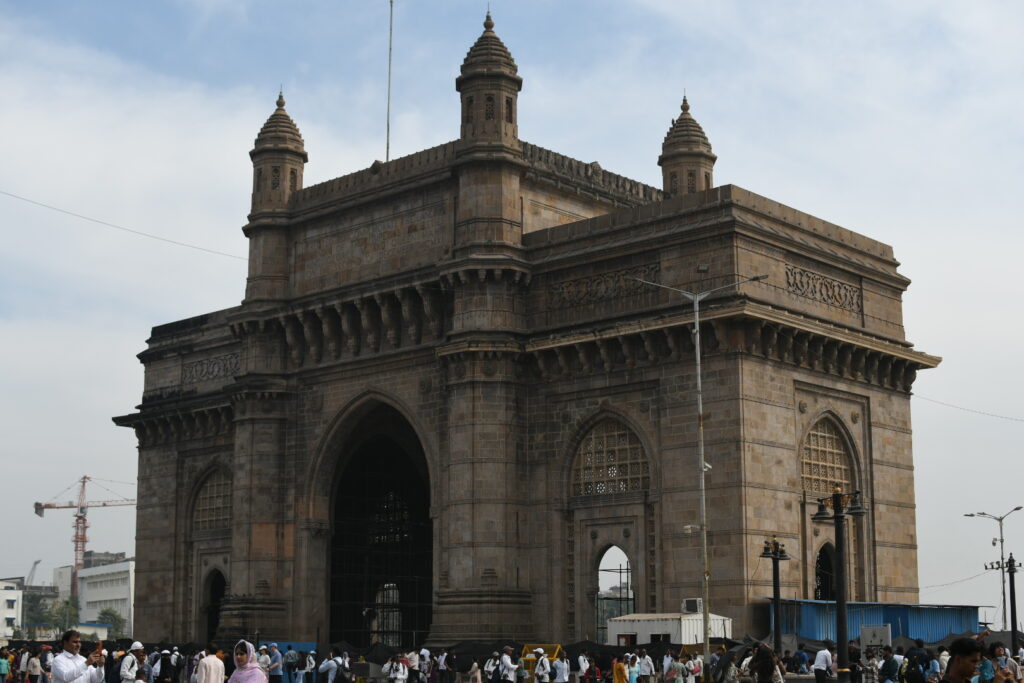
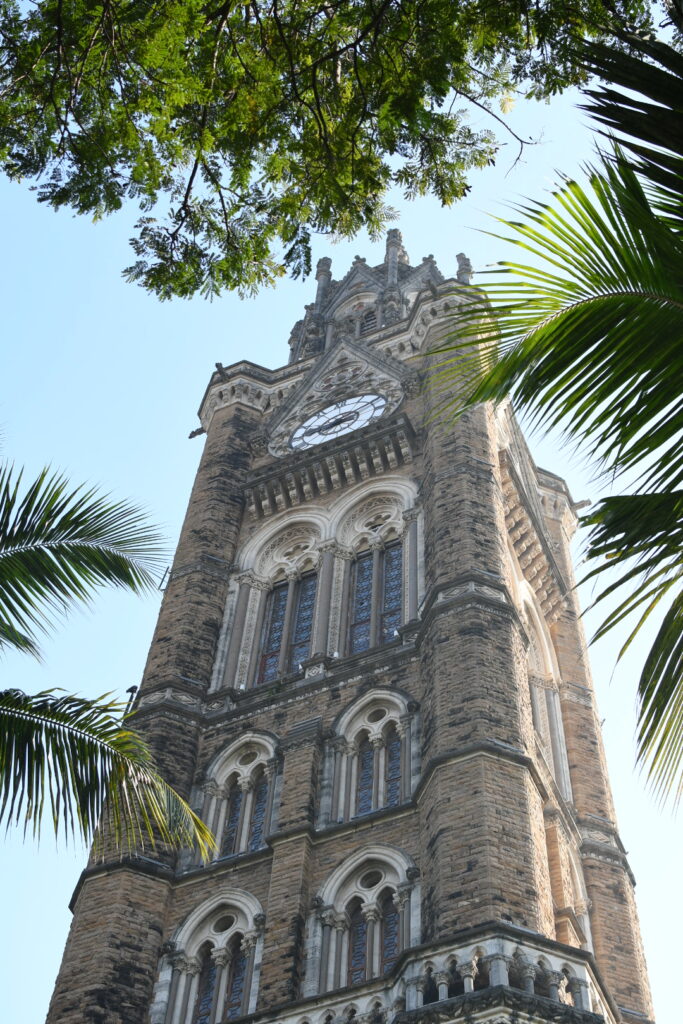
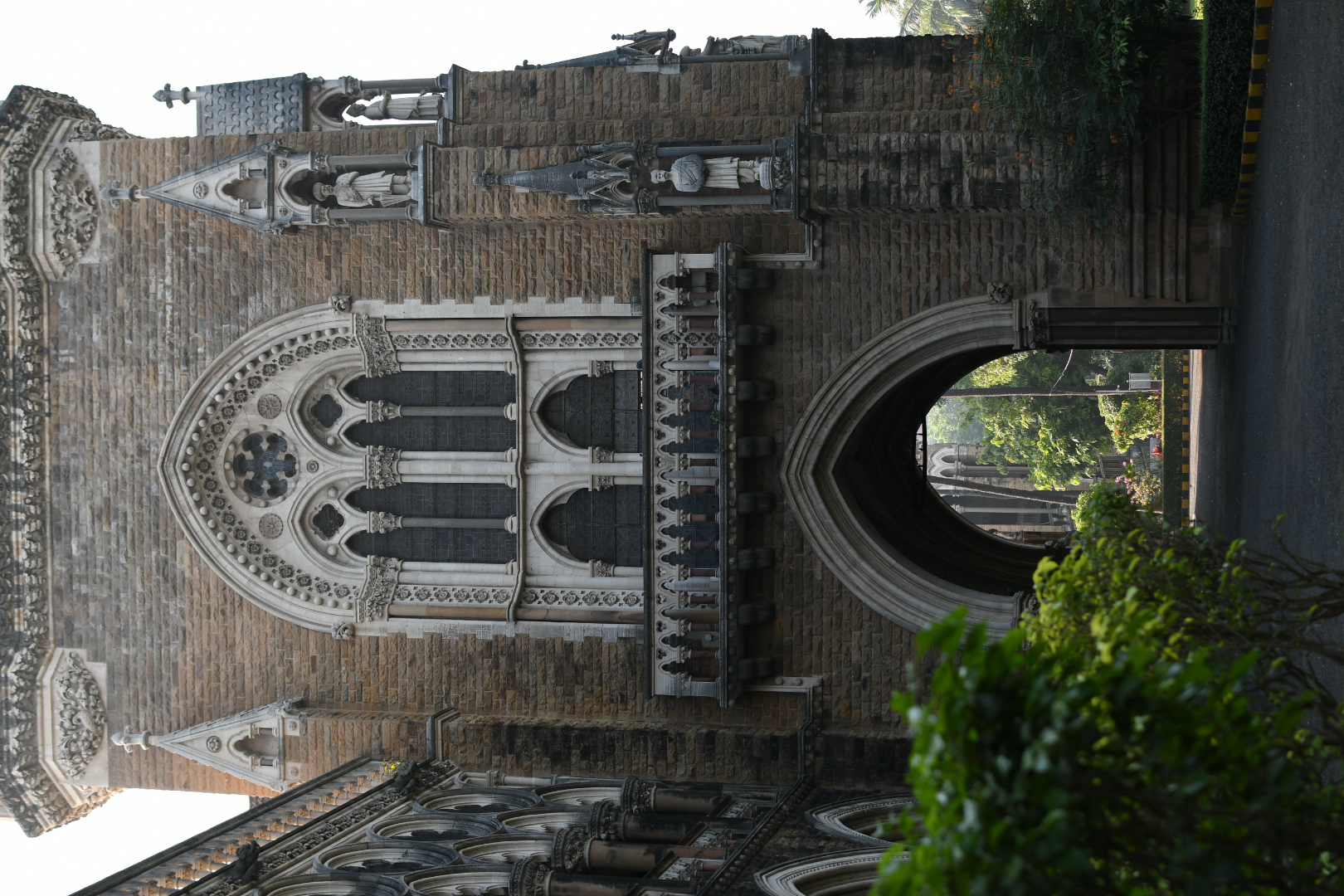
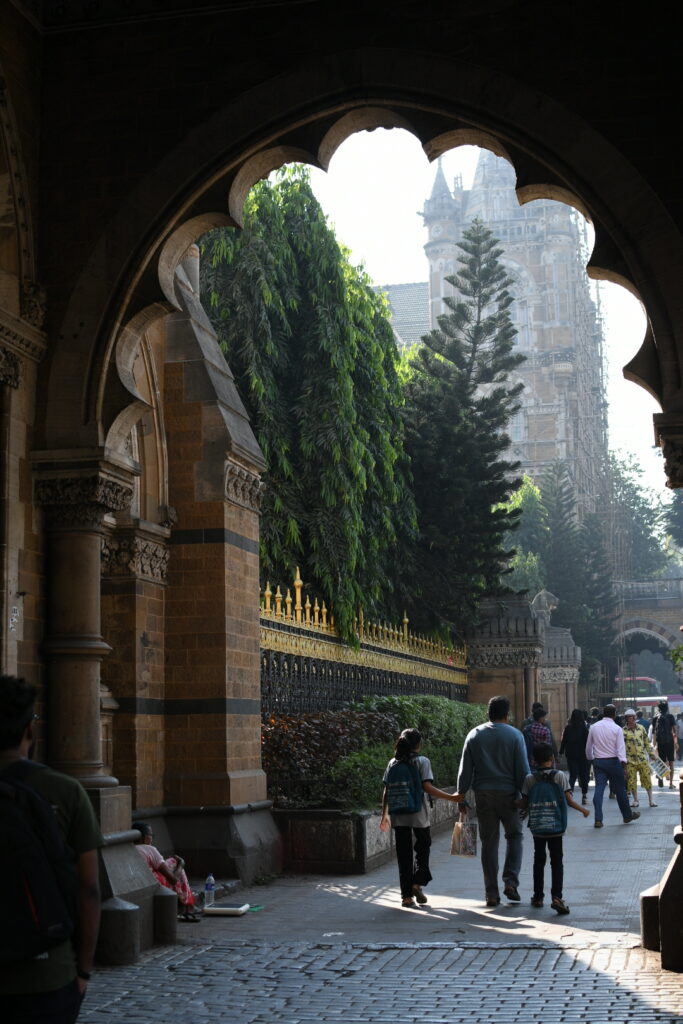
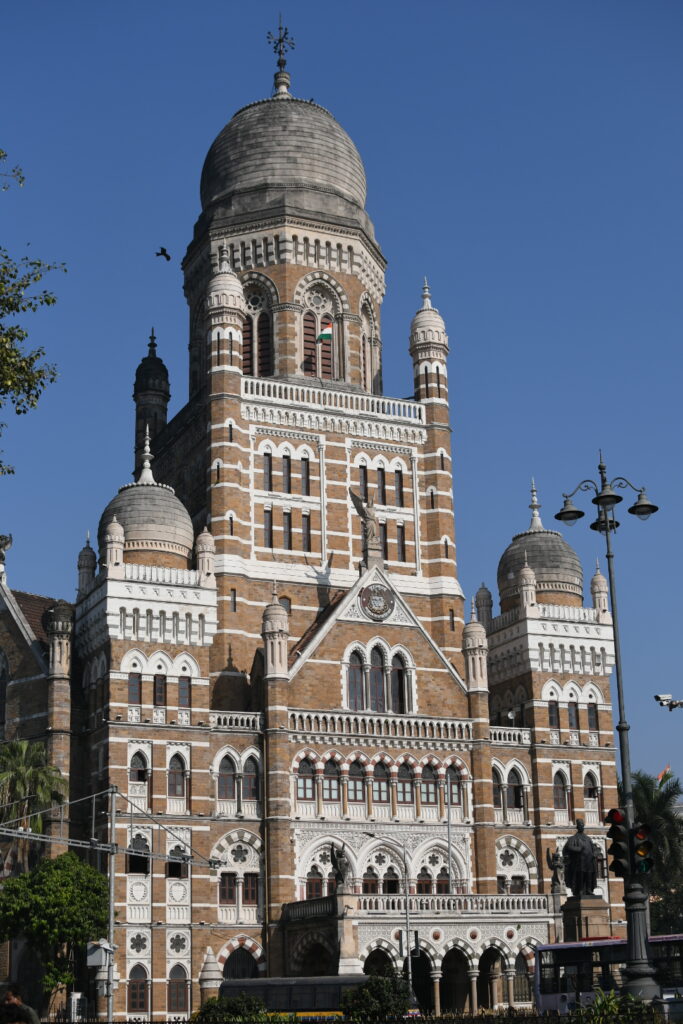
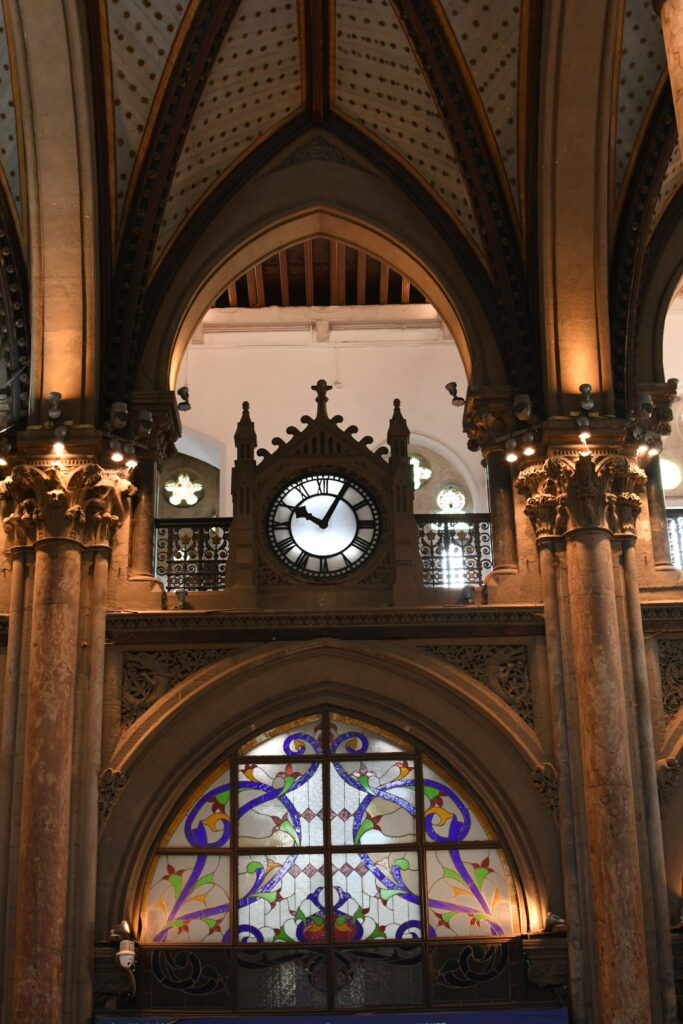
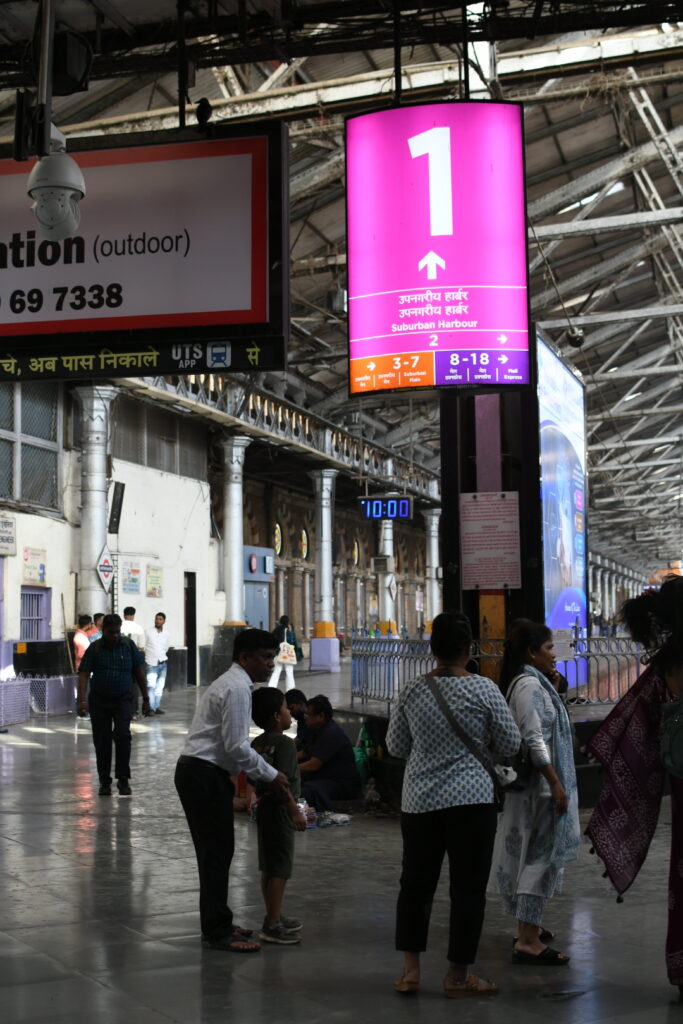
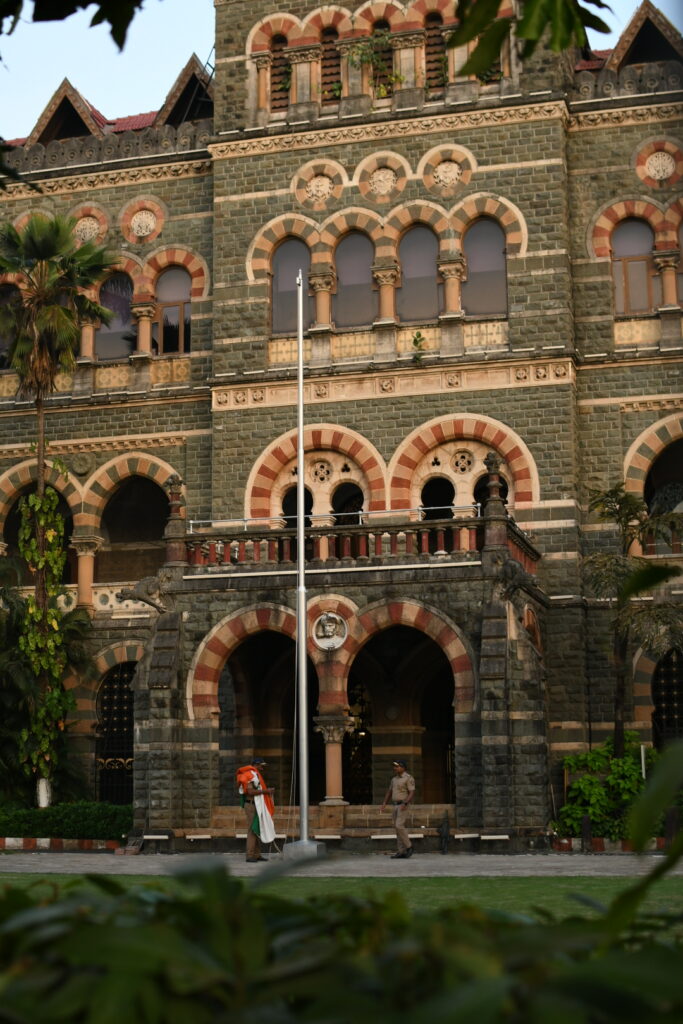
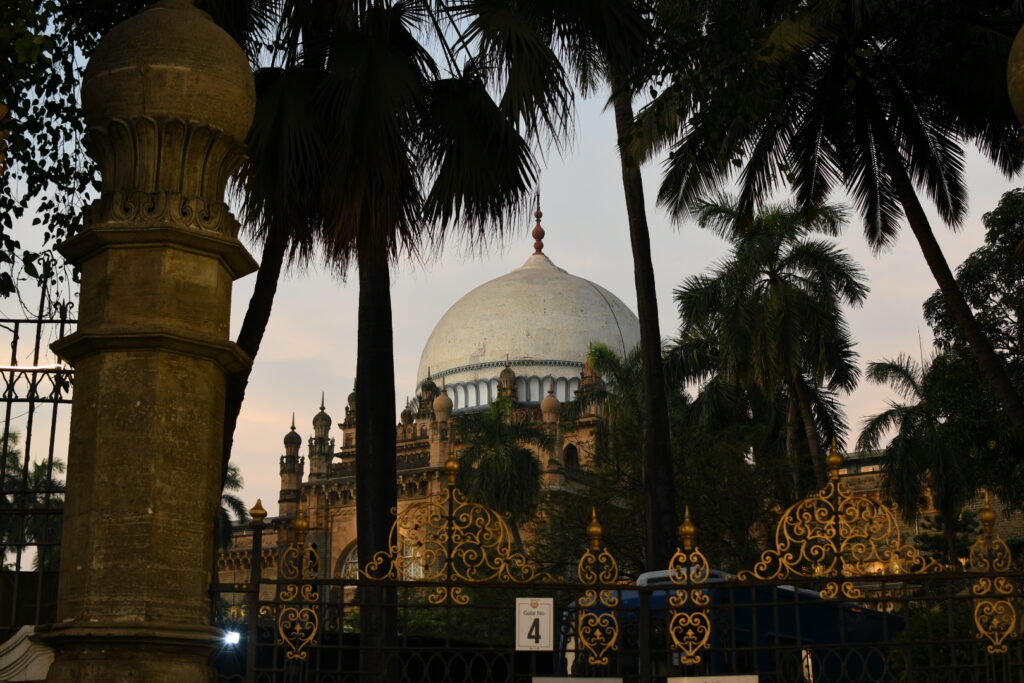
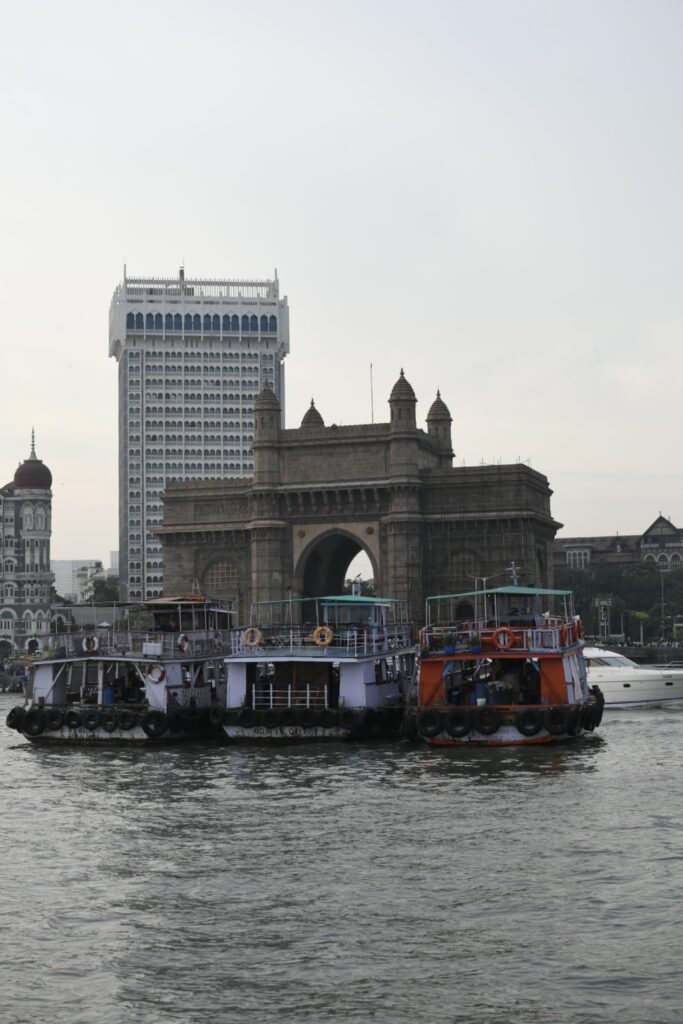
Of all the colonial buildings, I found the university, courthouse, train station, and the Gateway of India most impressive. Another place that stuck with me was the Hanging Gardens. There’s a small park up there offering beautiful views over Mumbai’s skyline. If you want to understand why it’s called the Hanging Gardens, google that together with “Tower of Silence”, and if you’re still curious afterwards, look it up on Google Maps. I had heard about this tradition from a Chinese friend before, but being so close and seeing vultures circling above us, that´s a whole different story.
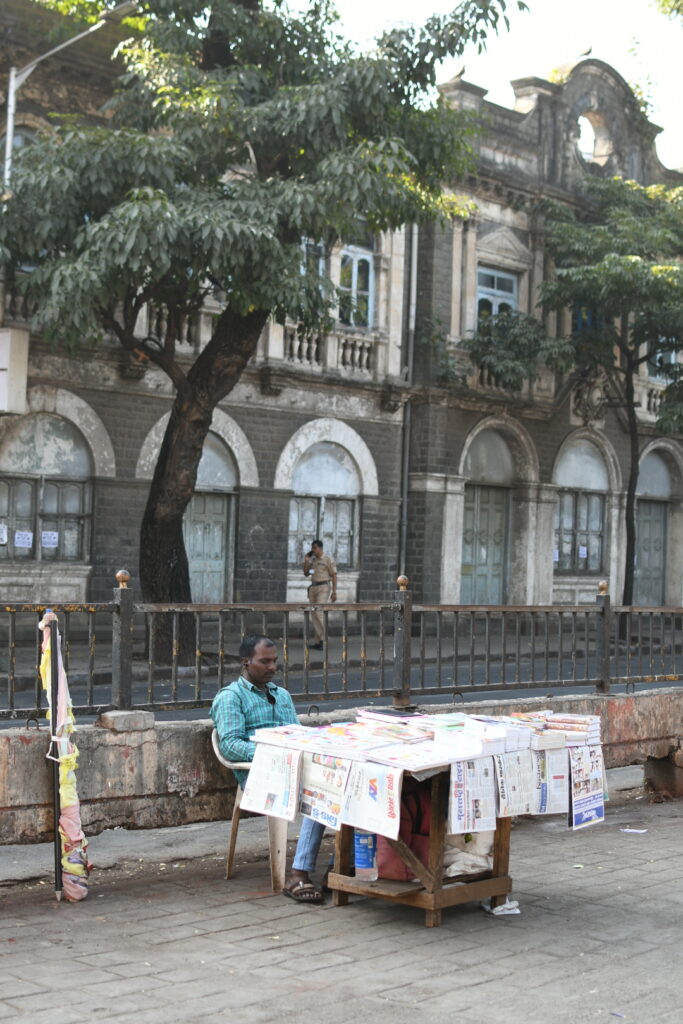
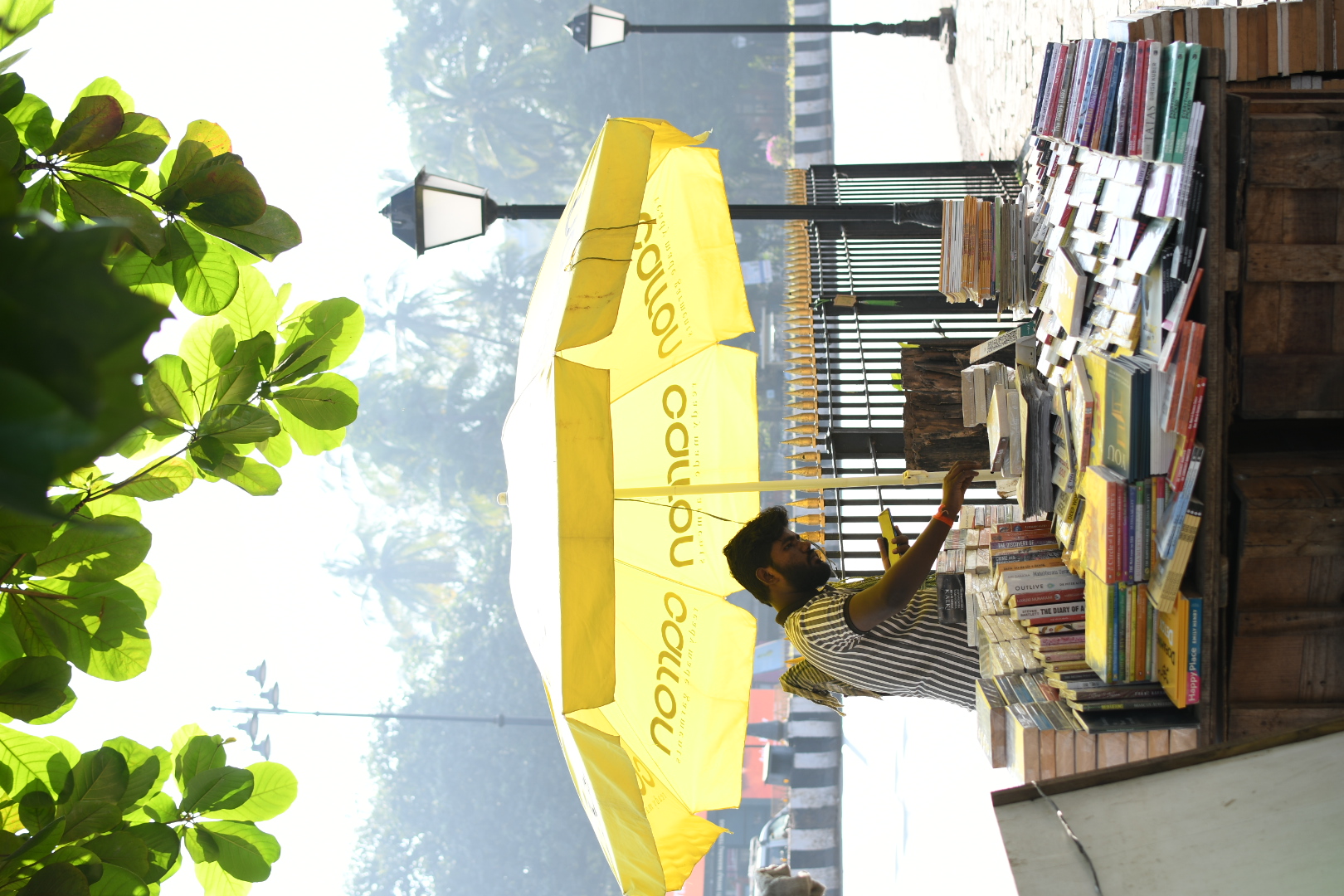
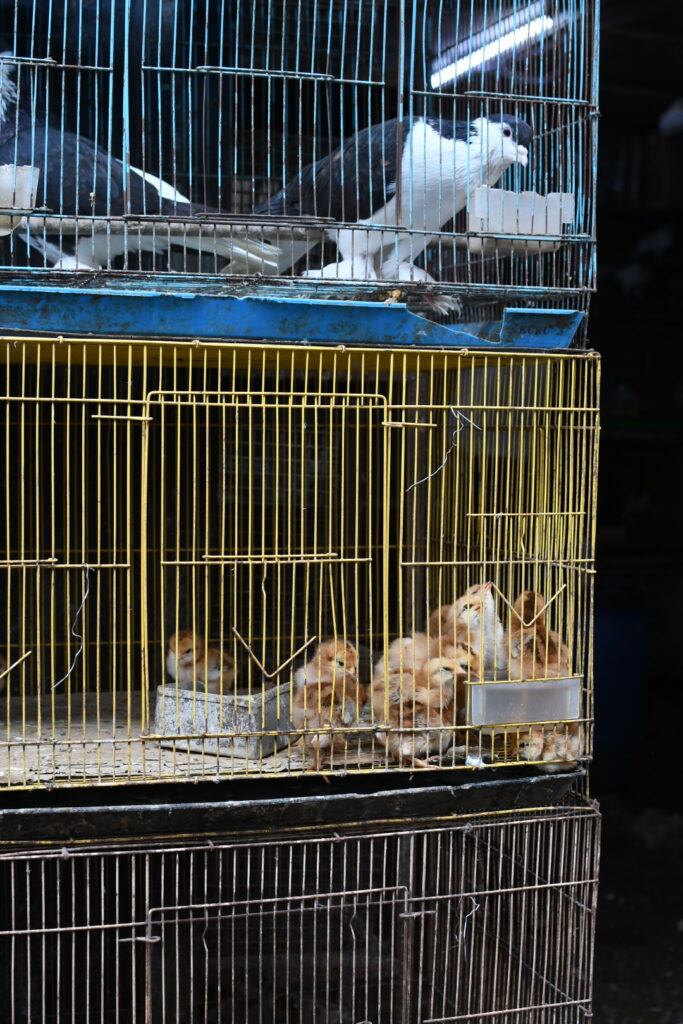
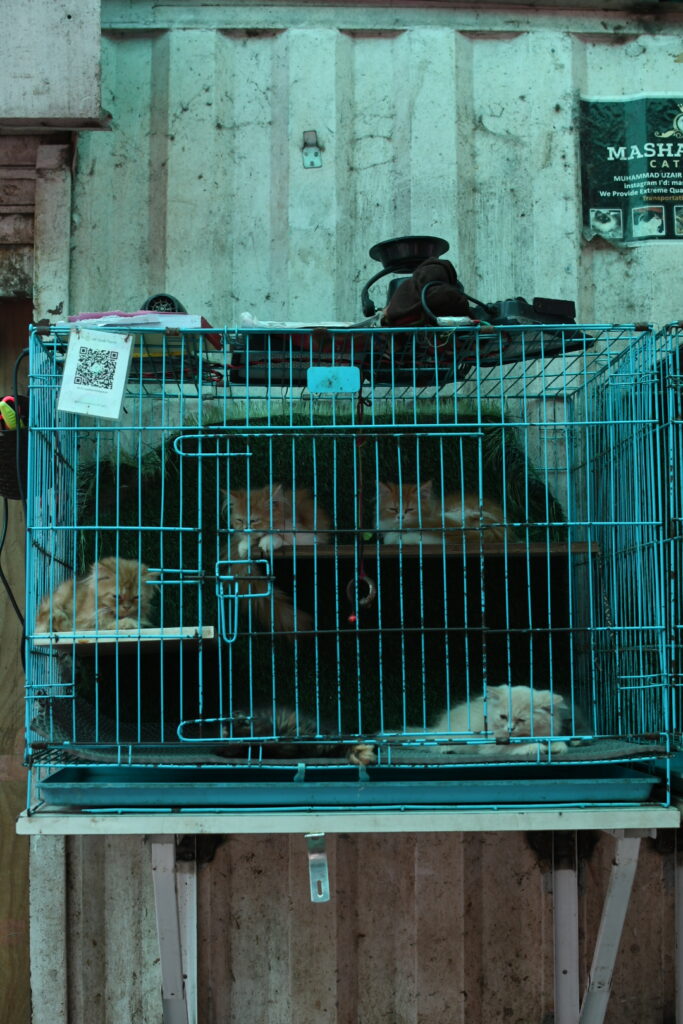
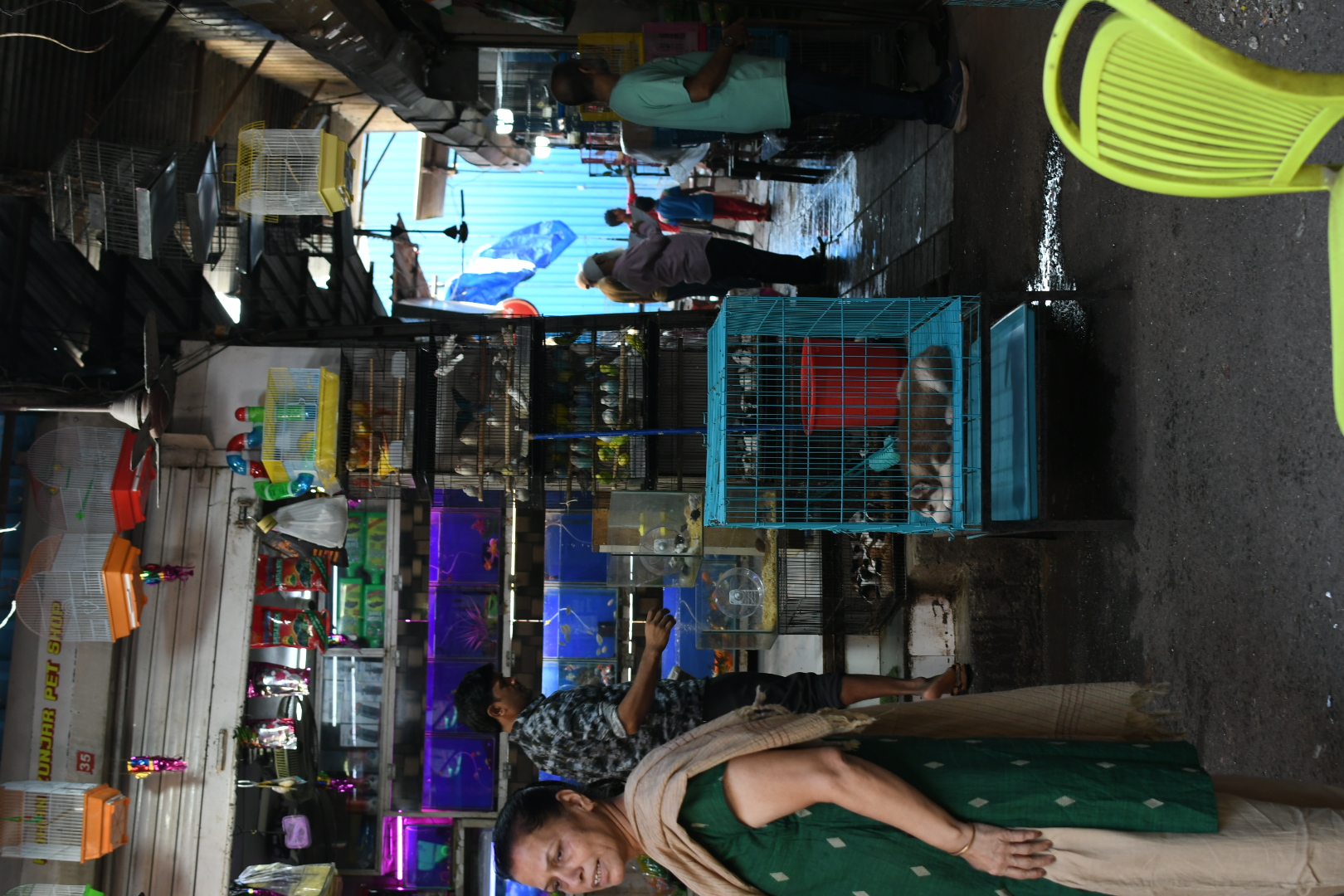
Less impressive was the market. While the market itself was fine, the pet market left a memorably sad impression on me.
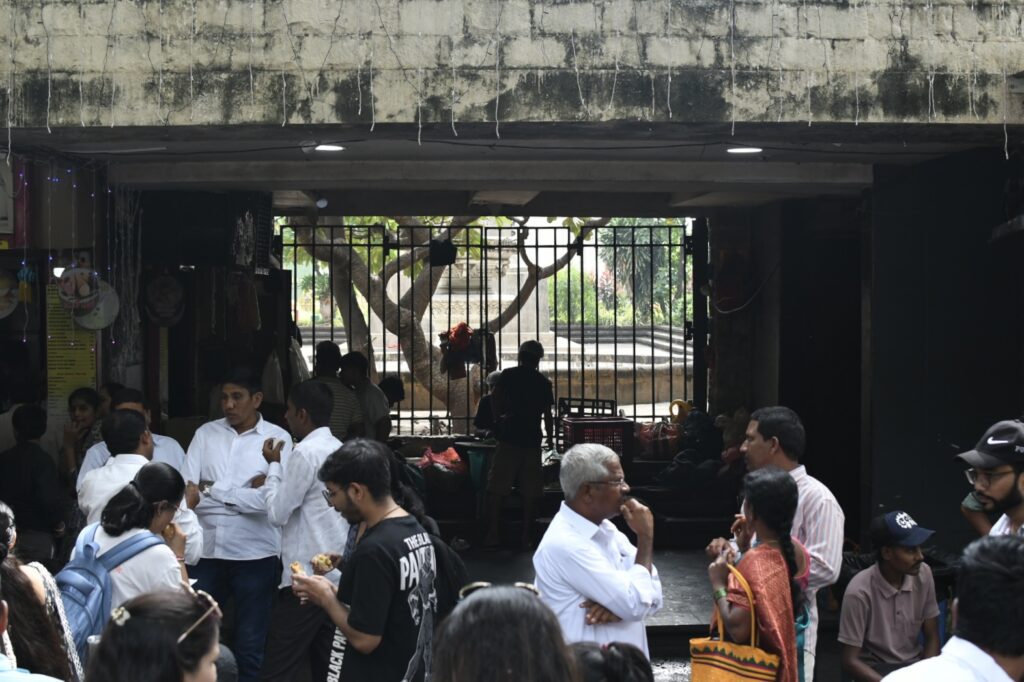
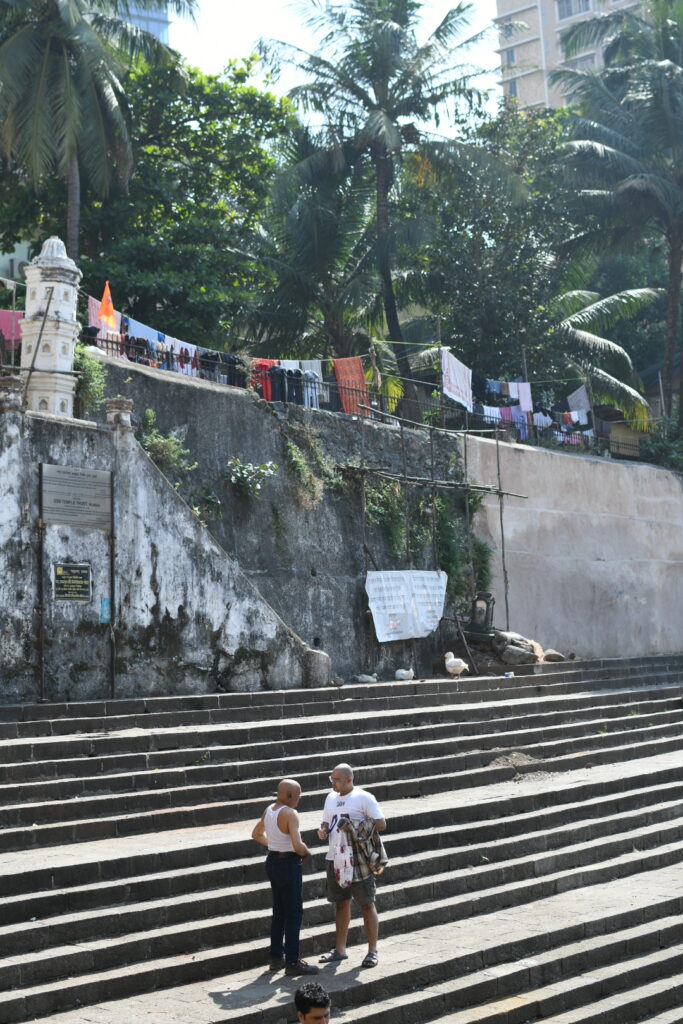
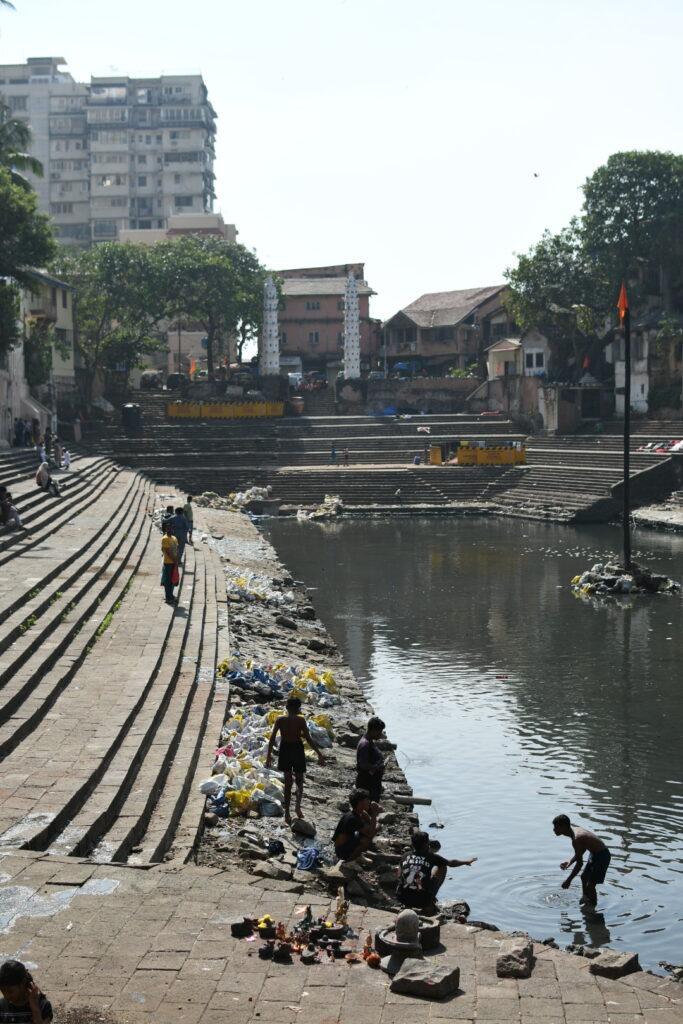
Our guide also took us to one of India’s holy springs: Banganga Tank, a sacred and ancient water tank located within the Walkeshwar Temple complex. Legend has it that Lord Rama shot an arrow into the ground, causing a tributary of the Ganges to spring forth and create this holy site. It serves as a revered, quiet place for rituals.
Children were bathing playfully in the spring itself, while others performed rituals in the tank. We learned that one such ritual involves disposing of the ashes of a family member in the water. Only men are allowed to participate, and they must shave their heads. While we were there, we got to witness such ritual – men dispersing human ashes just a few metres away from us.
As a German, coming from a country where we aren’t even allowed to keep the ashes of loved ones at home, this felt deeply different. I can’t fully explain why, but witnessing this in person made me feel very humble.
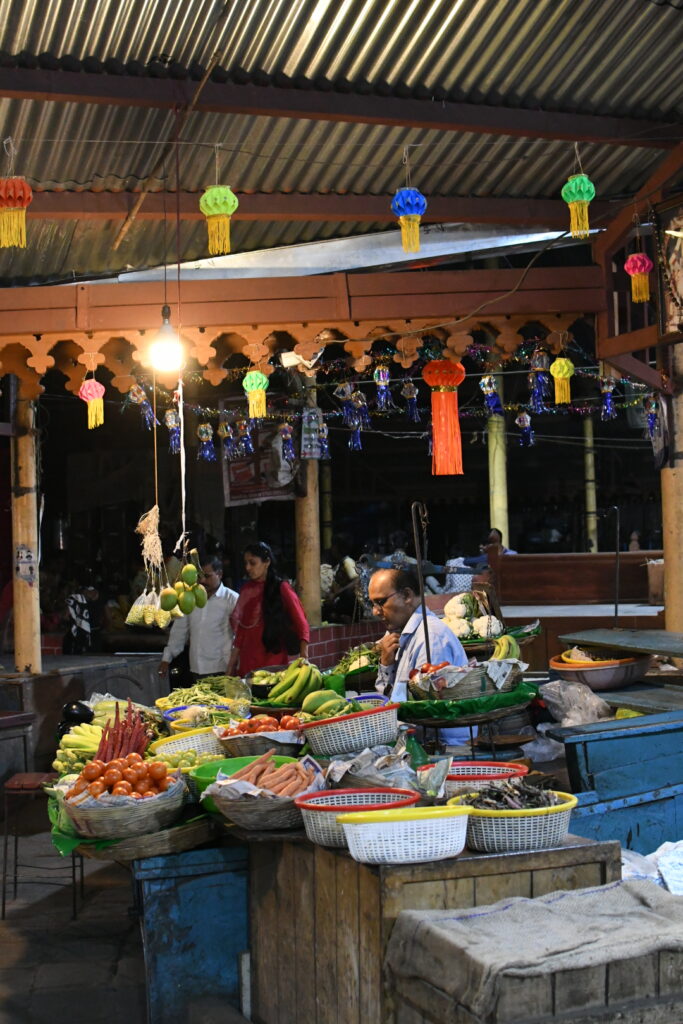
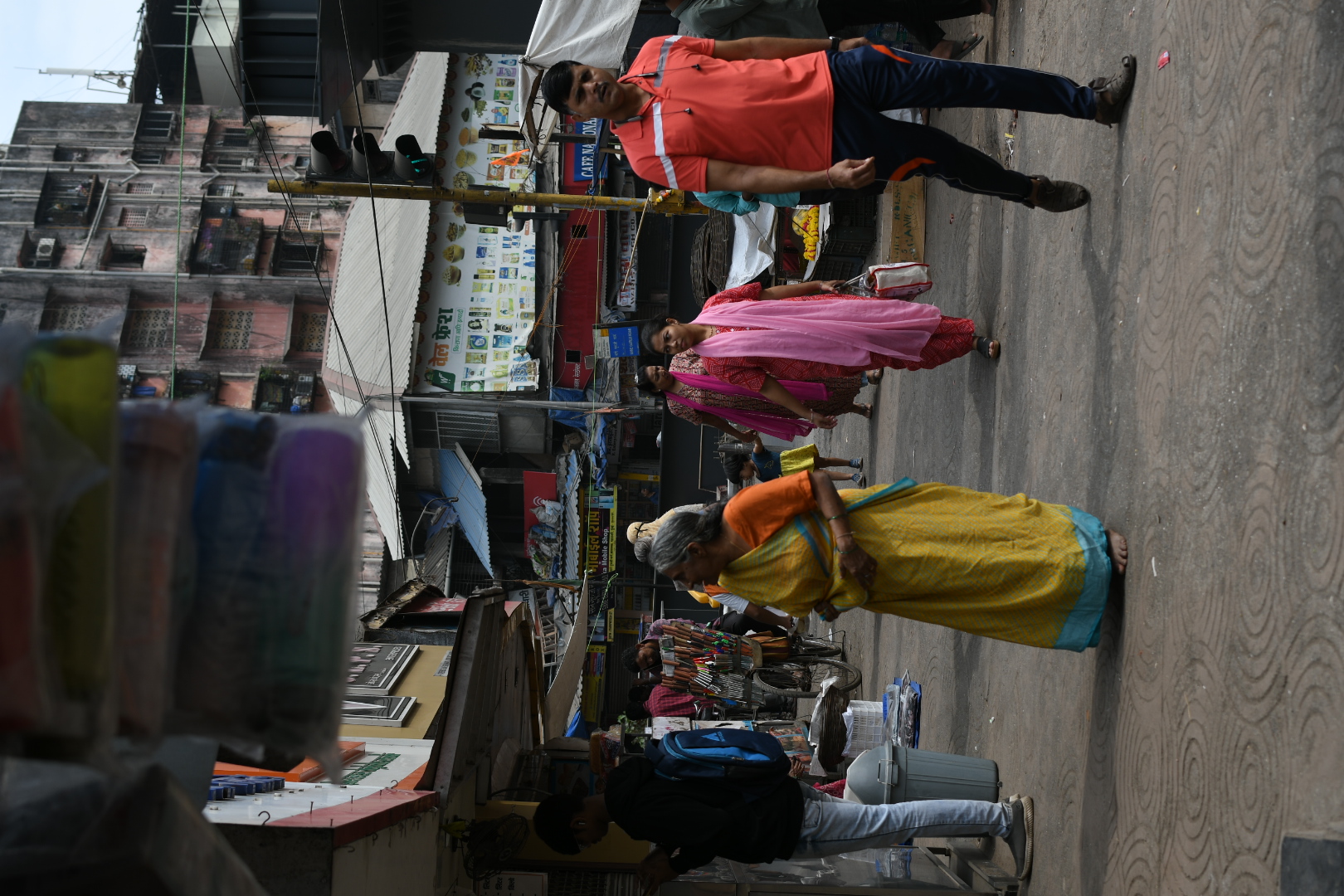
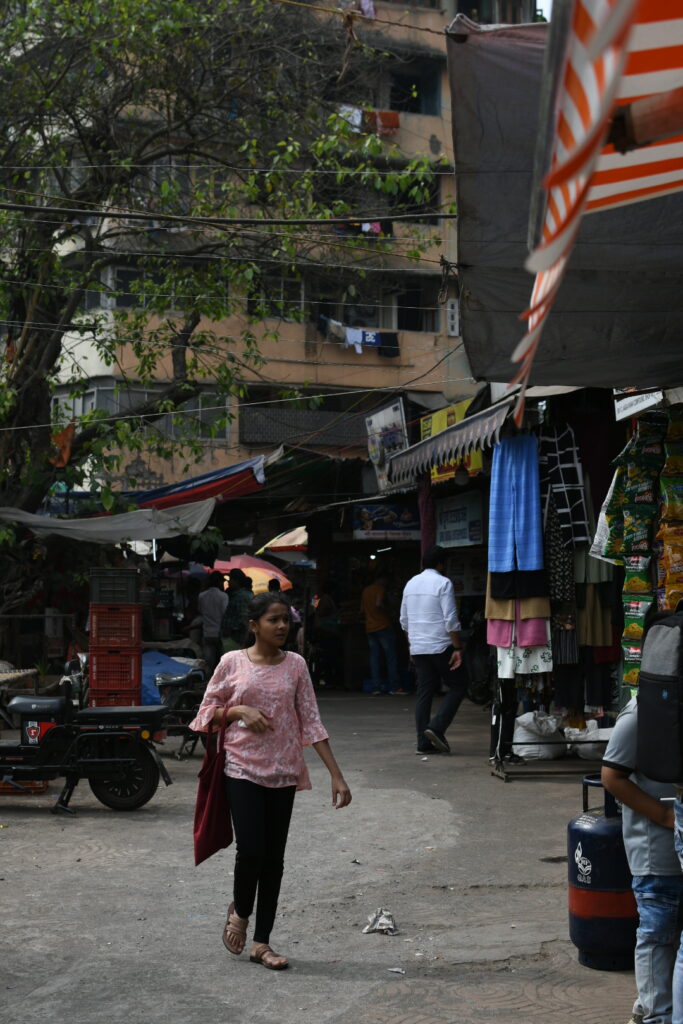
Mumbai is also wonderful for simply wandering around and eating. I felt safe at all times, and everything I tried was truly tasty.
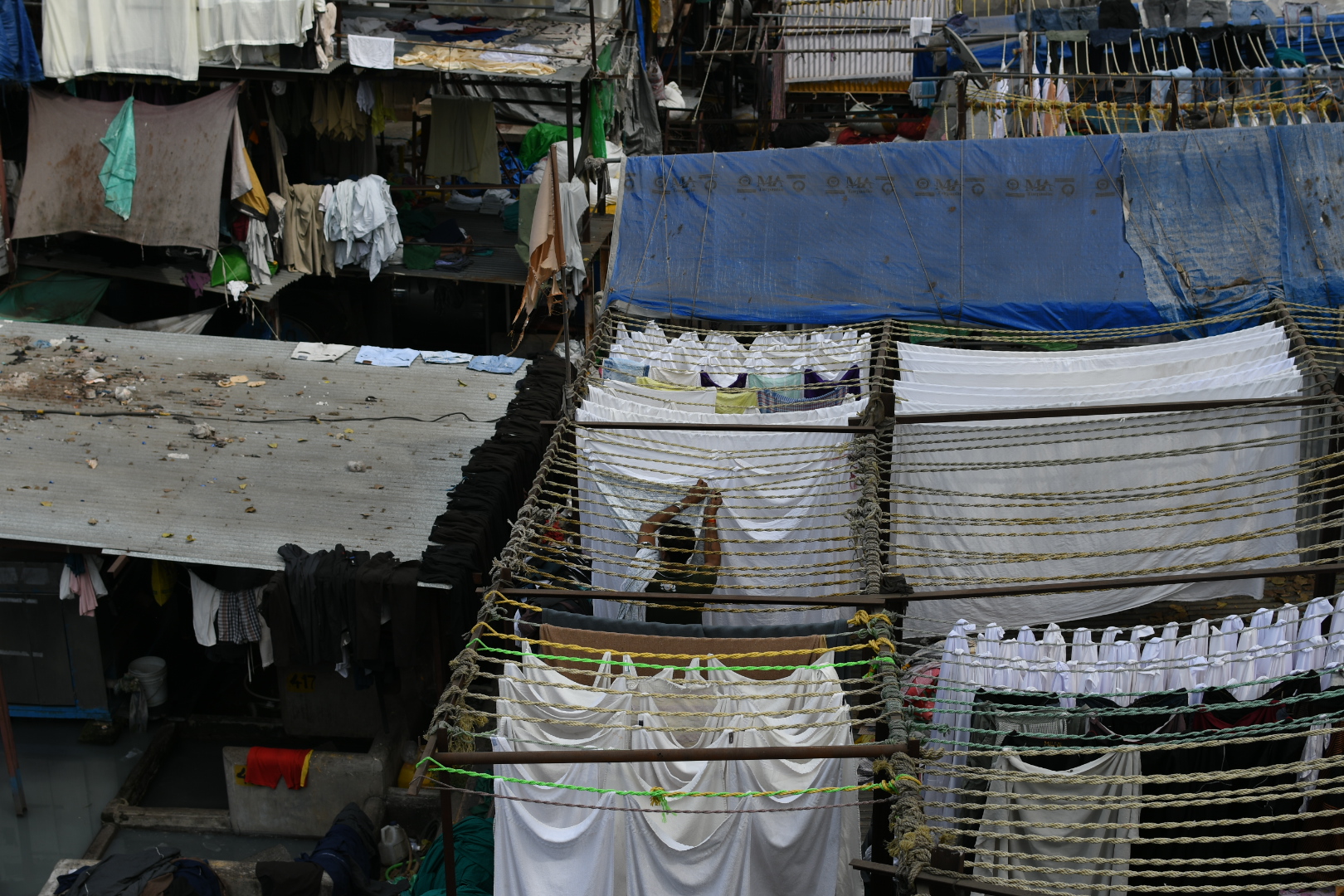
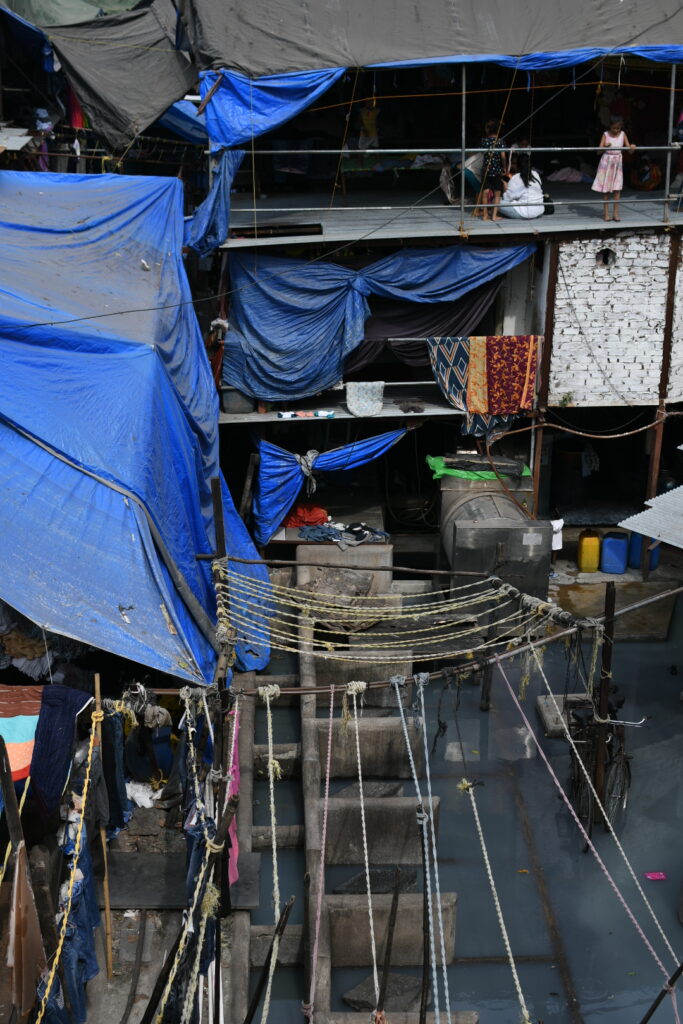
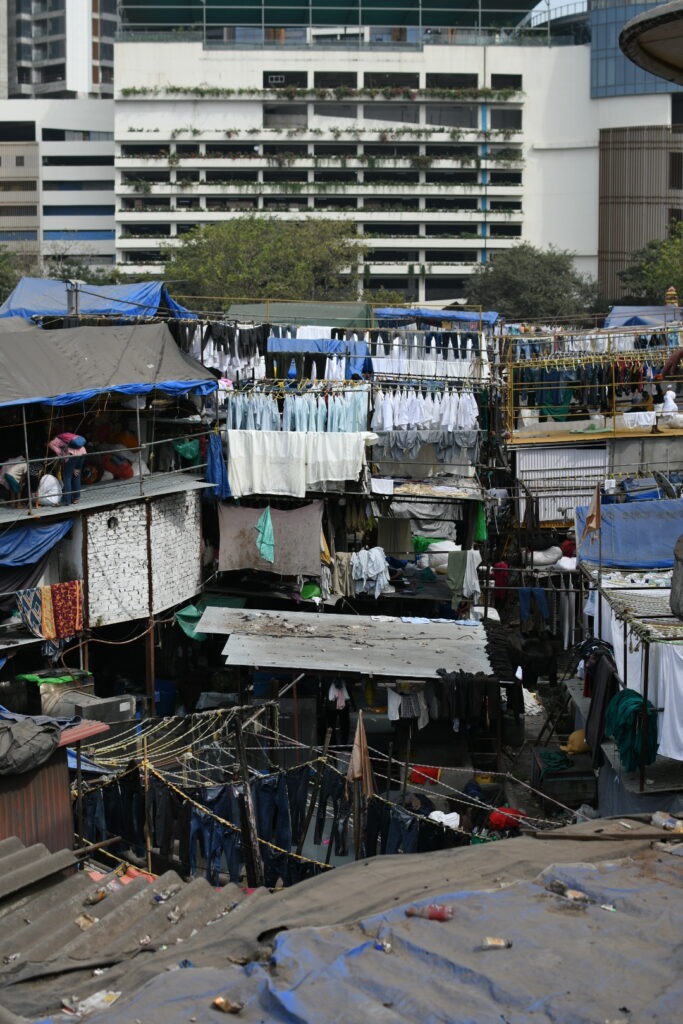
On our tour, we also visited Dhobi Ghat, the largest open-air laundry in the world. Here, hundreds of washermen (dhobis) manually wash clothes from hotels and homes using traditional methods. An impressive sight, to say the least.
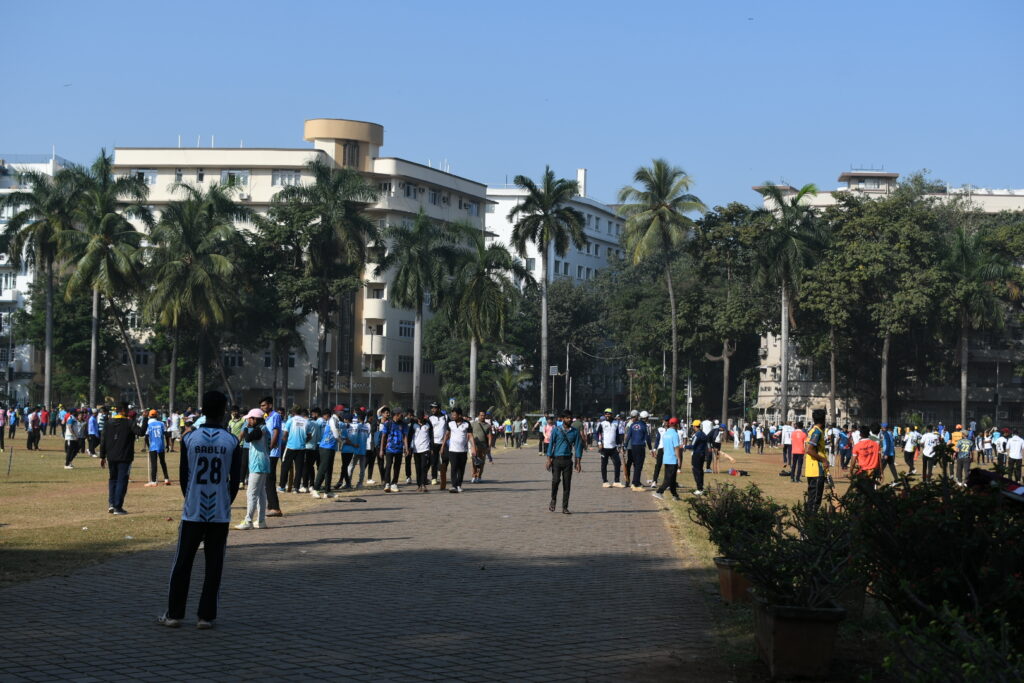
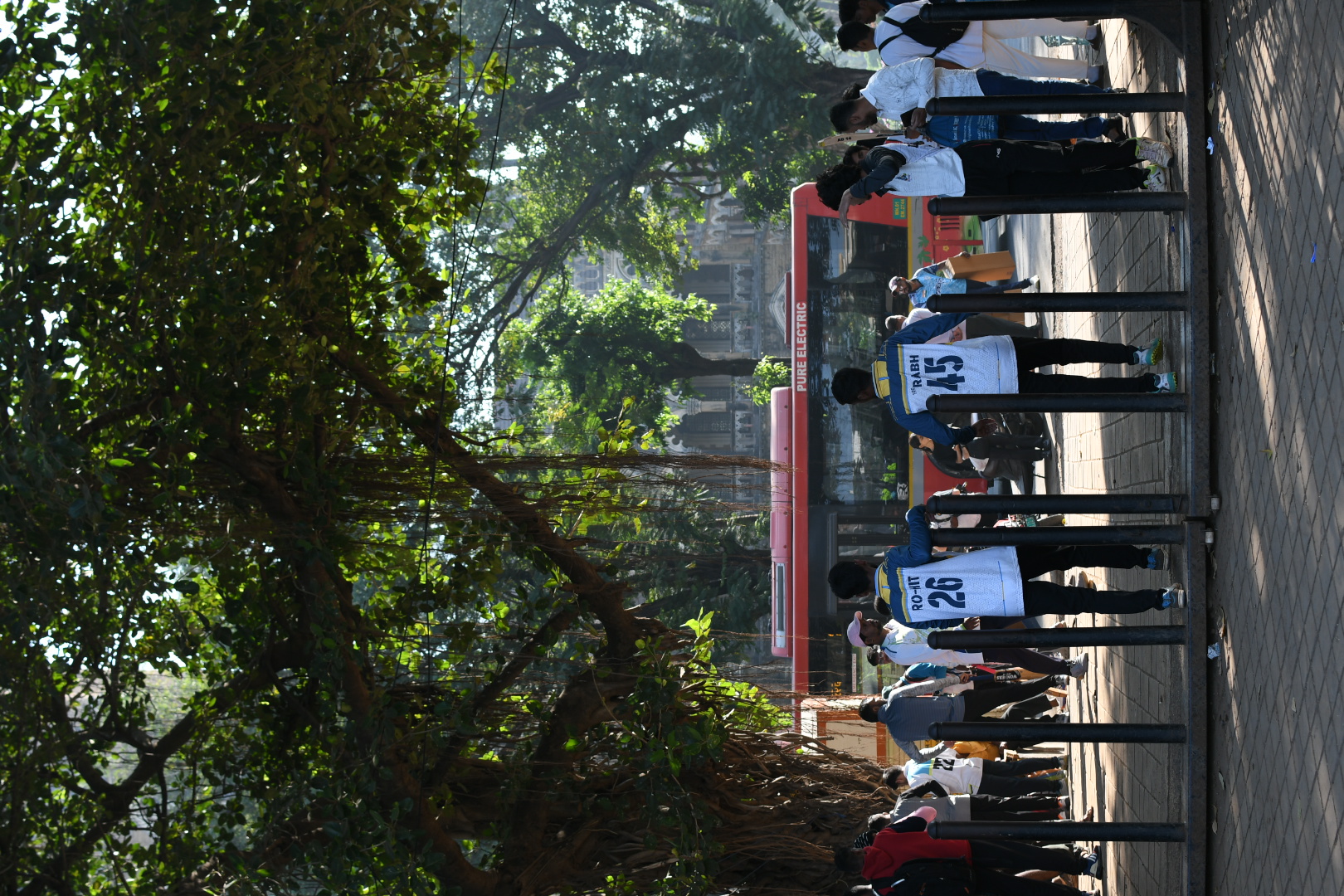
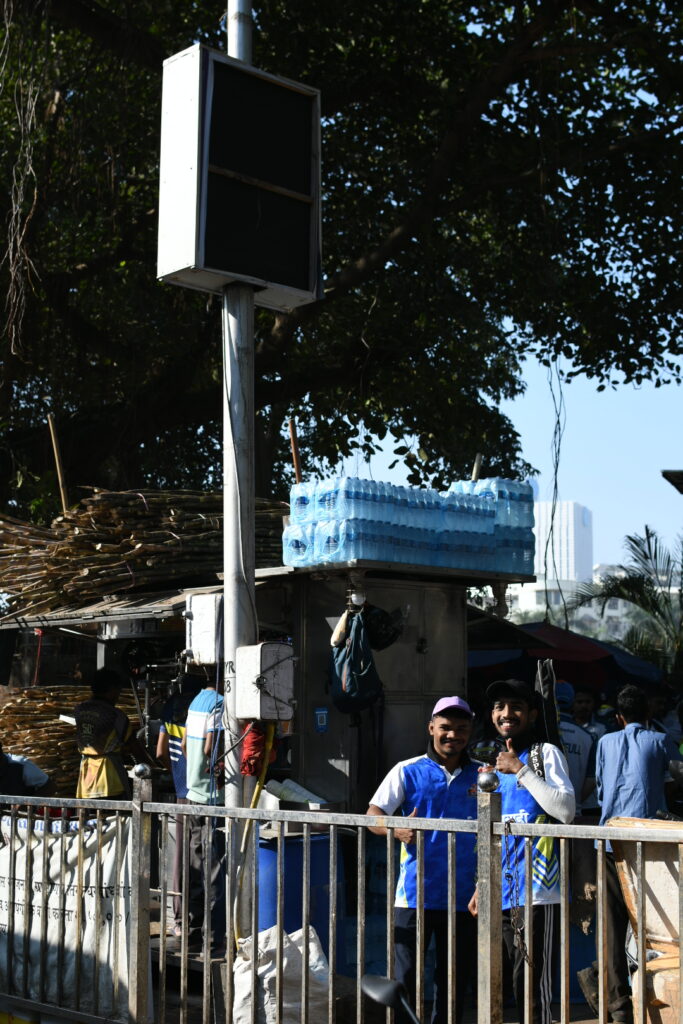
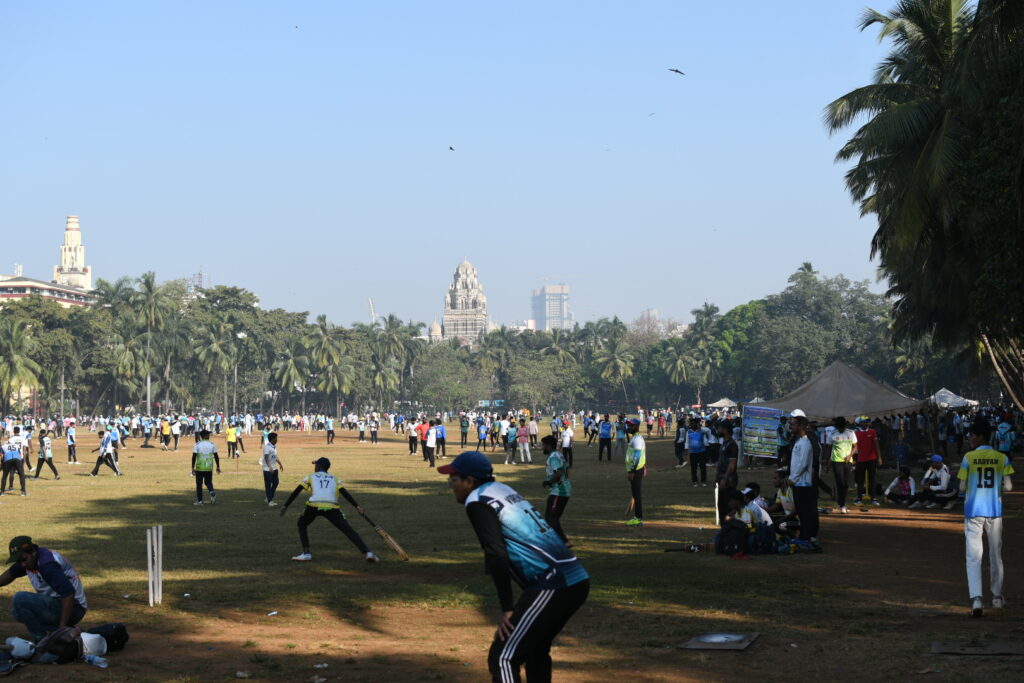
Sundays are for cricket. And men. I have never seen that many men in one place at the same time – ever! I was more surprised than worried, but it was by all means an overwhelming amount of men. Everywhere, as far as you could look.
Dharavi
At the beginning of our Old Town tour, our guide had mentioned that he grew up in a slum. After asking many questions about his experience and the life in a slum in general, he offered to add an extra hour to our tour and show us around his childhood neighbourhood. So, during our little time in Mumbai, we got invited to visit one of the world’s largest slums: Dharavi.
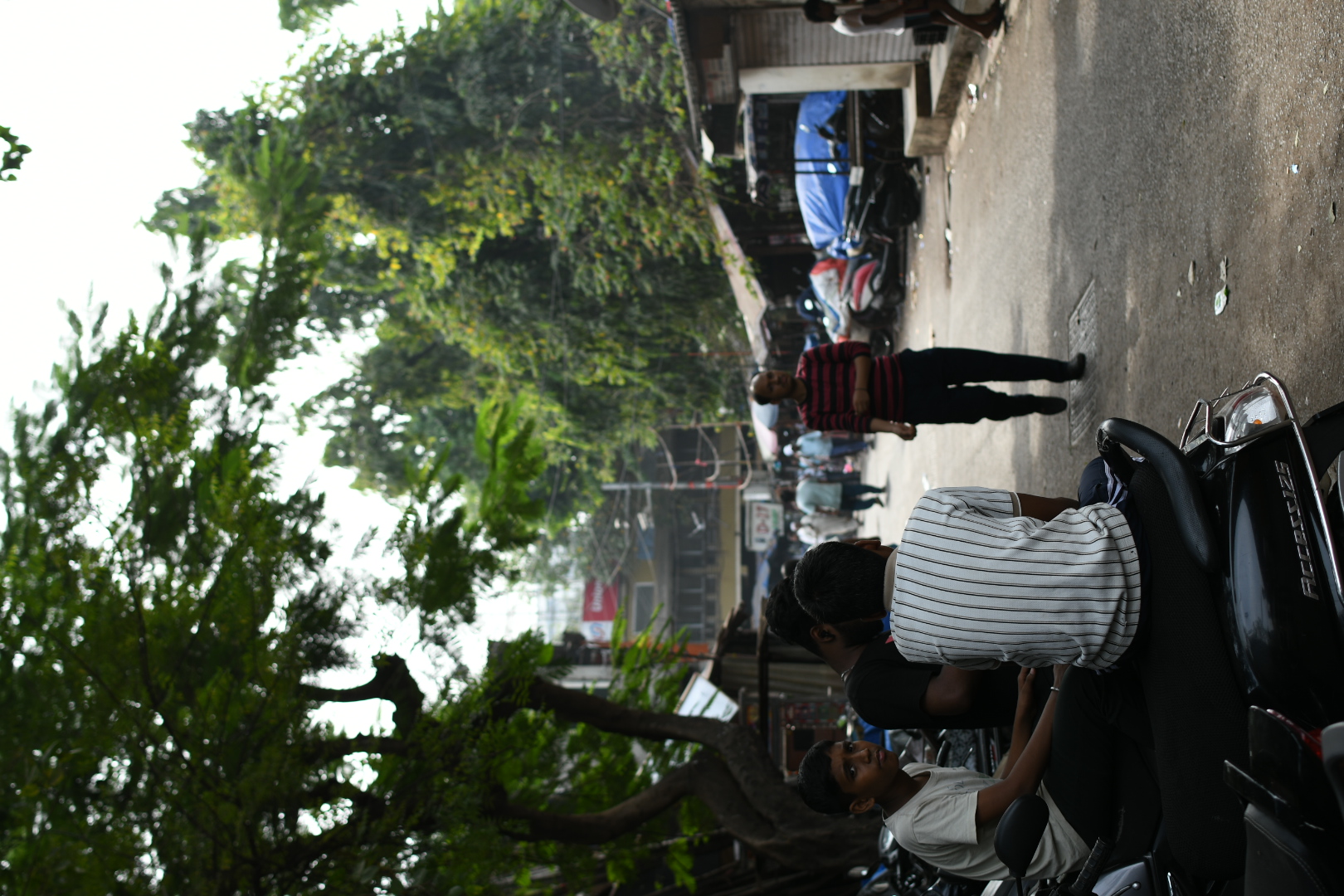
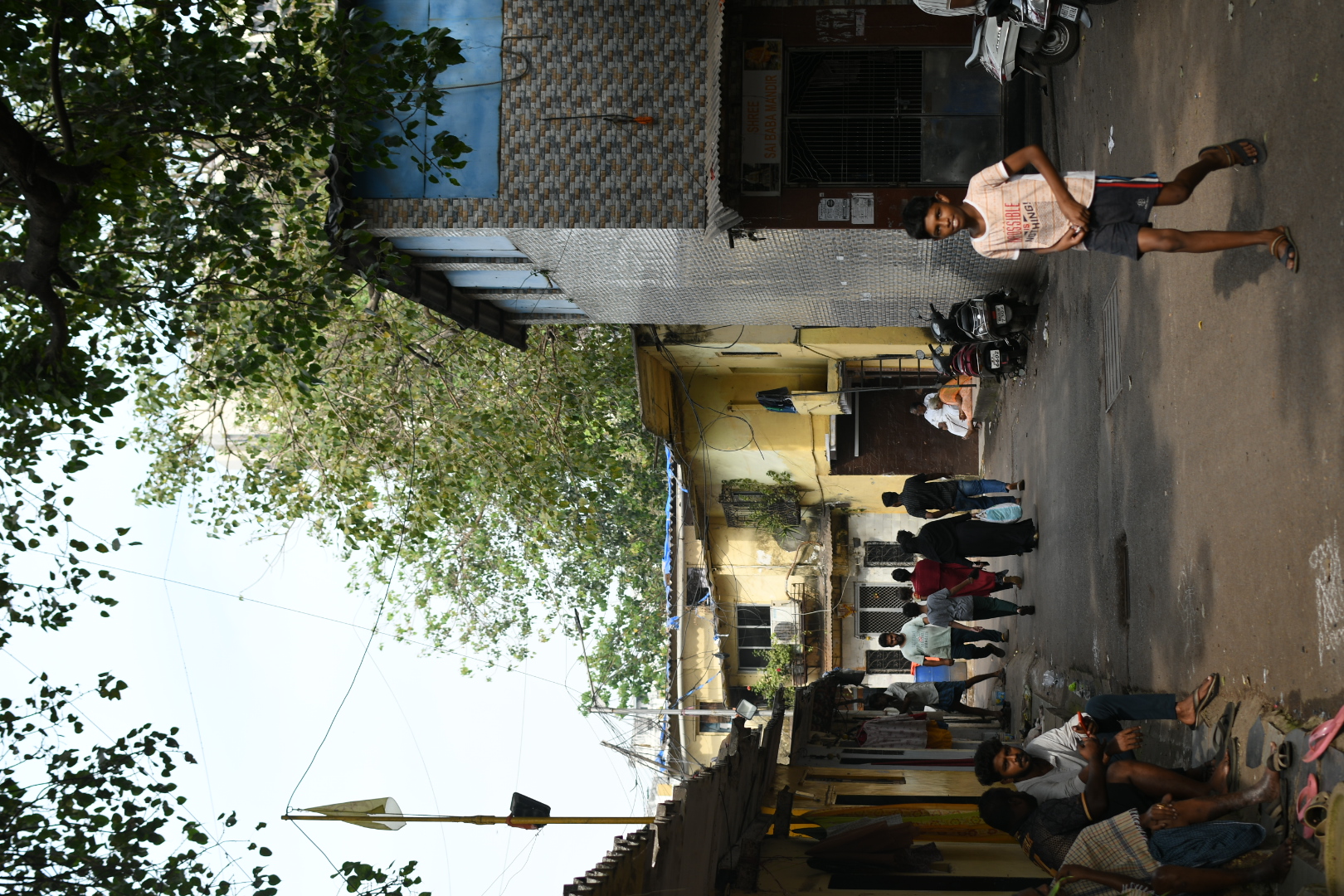
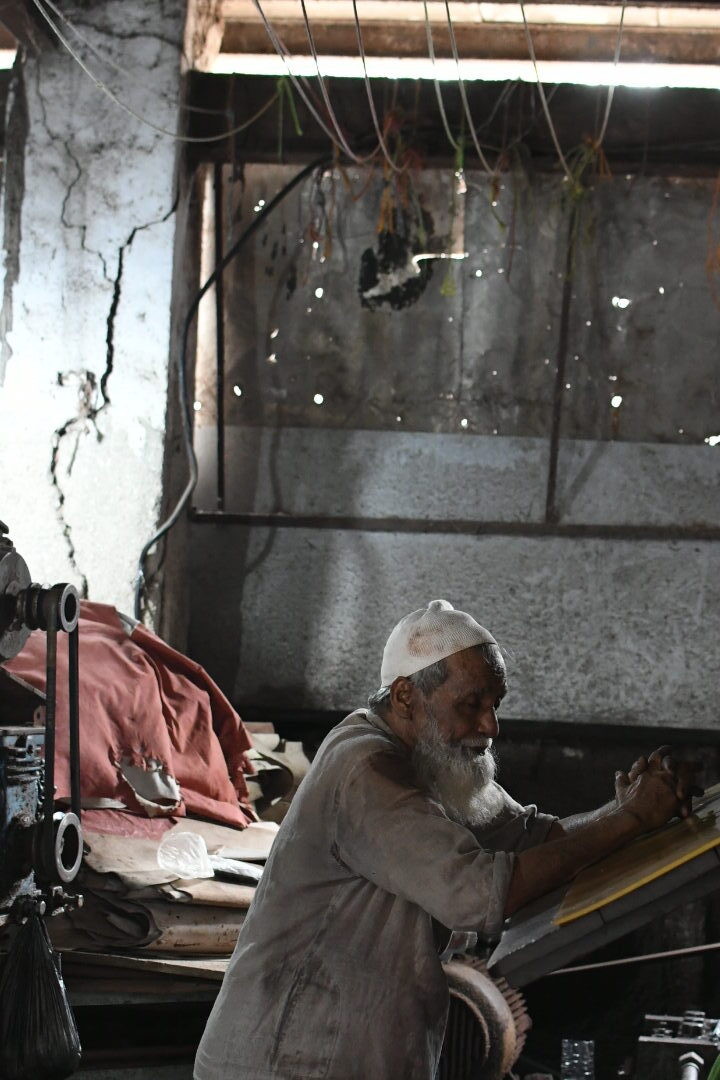
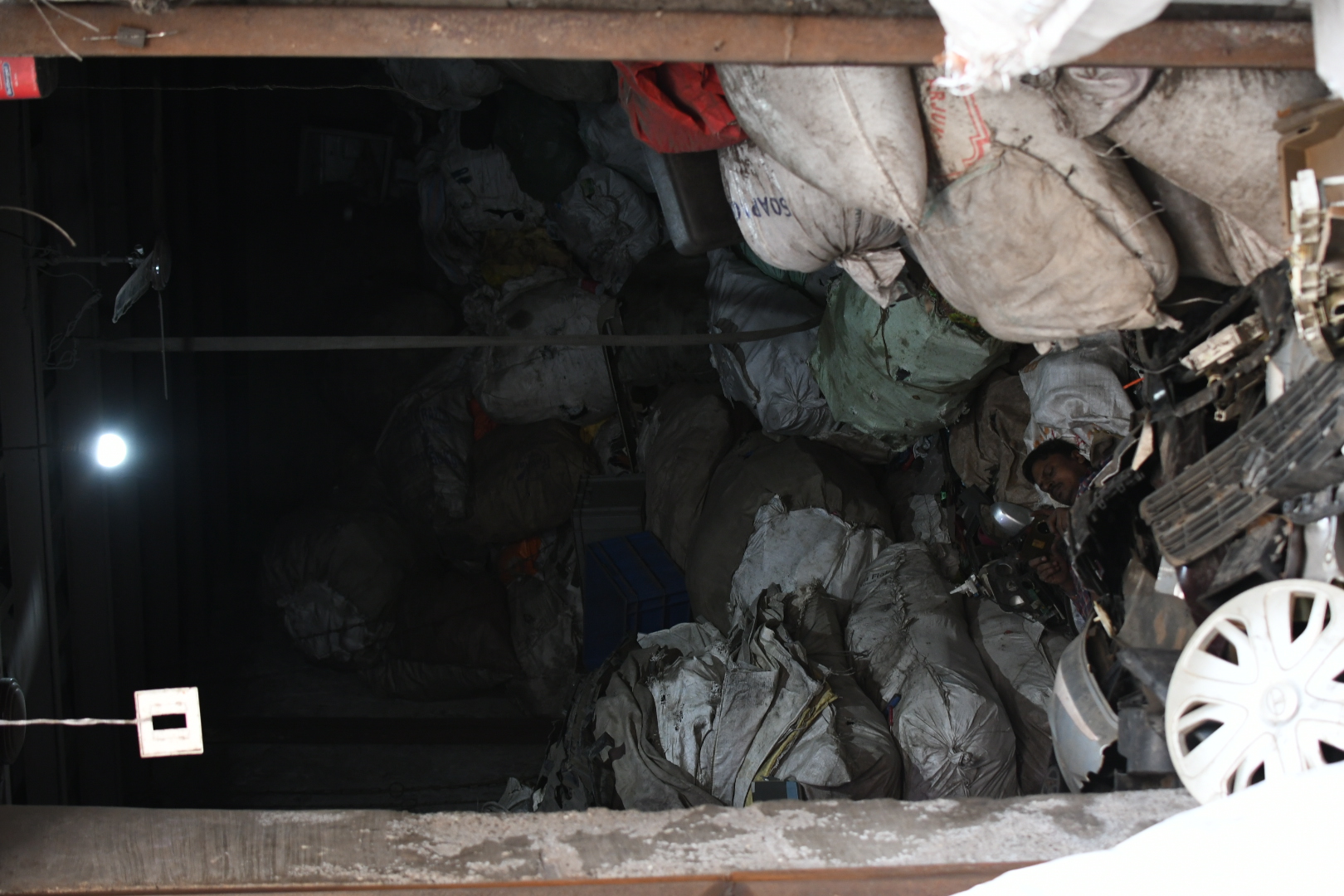
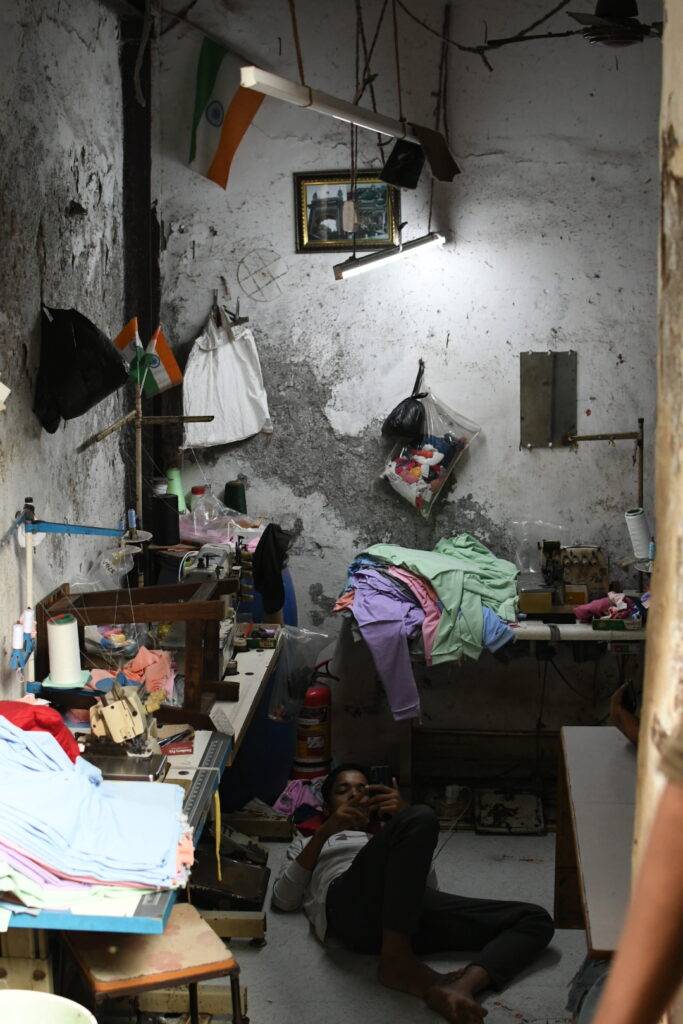
Walking through Dharavi was everything and nothing I expected. Yes, there was poverty. Yes, we saw terrible working conditions. But there was also joy and laughter. In German, I told my friends: “Ich sah Armut, aber kein Elend.”
One tormenting fact our guide shared: the main industries in Dharavi are textiles, leather, and recycling. Some large fashion brands have their clothes produced here. So far, no secret anymore. However, many of the workers aren’t locals from the slum but economic refugees from even poorer regions of India. Meaning: you find yourself in the middle of one of the poorest communities on earth – and still find there are even poorer. Again, if anyone of my few readers got an idea, what one could possibly do against such absurdity, please contact me.
Elephanta Caves
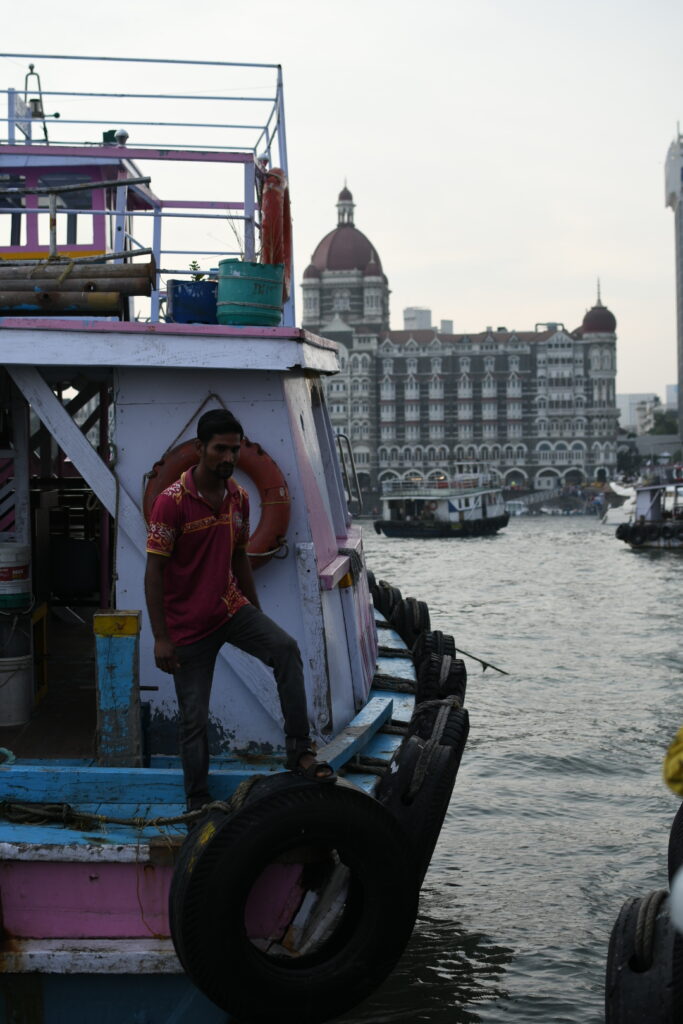
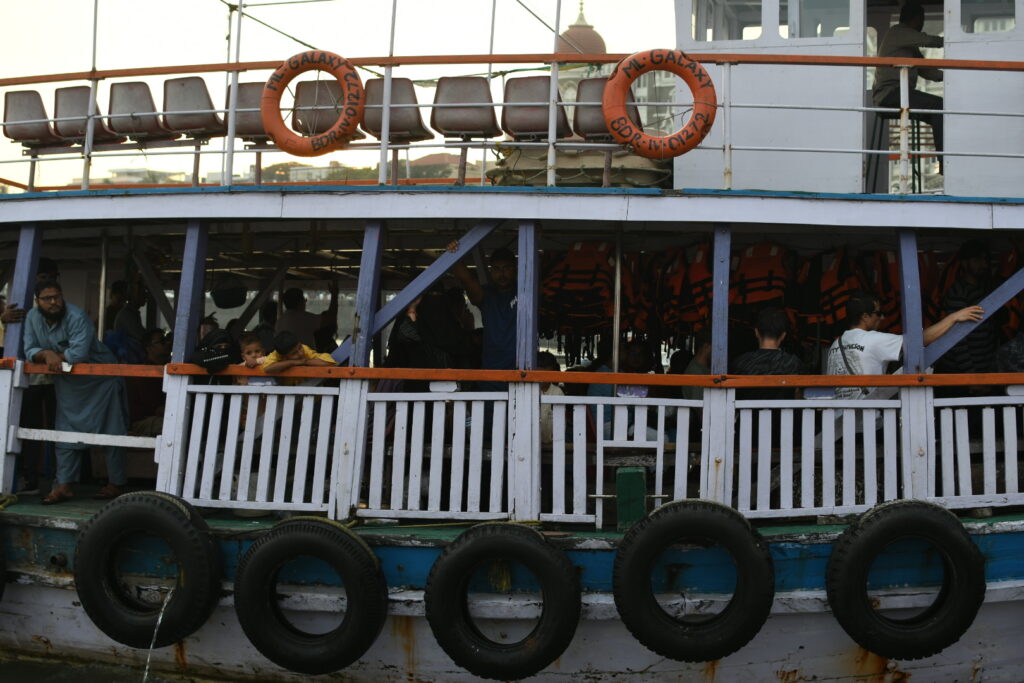
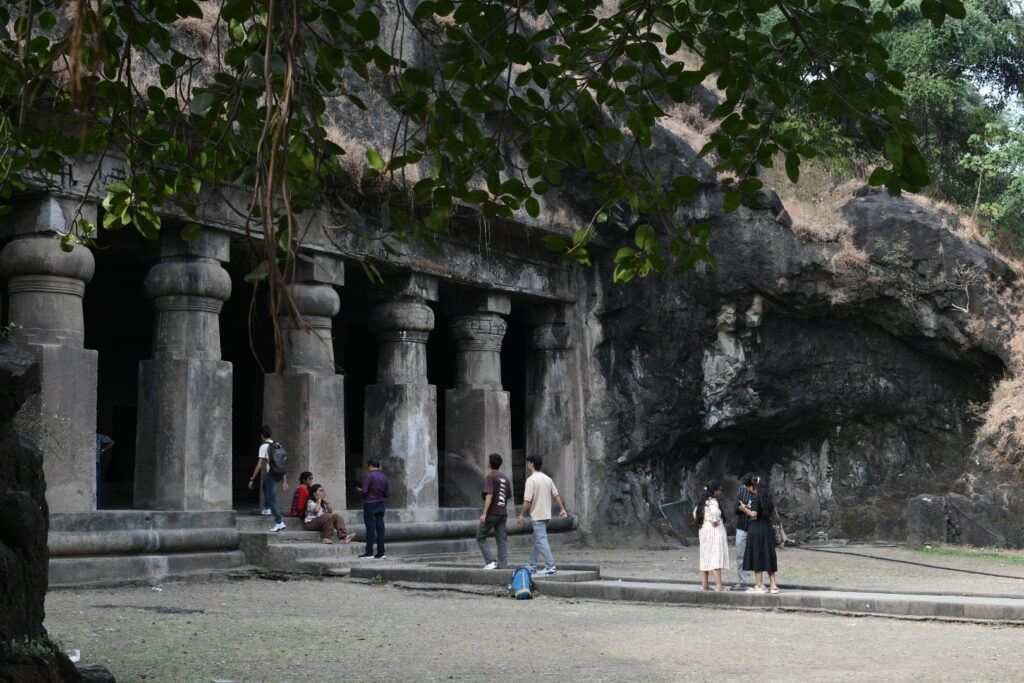
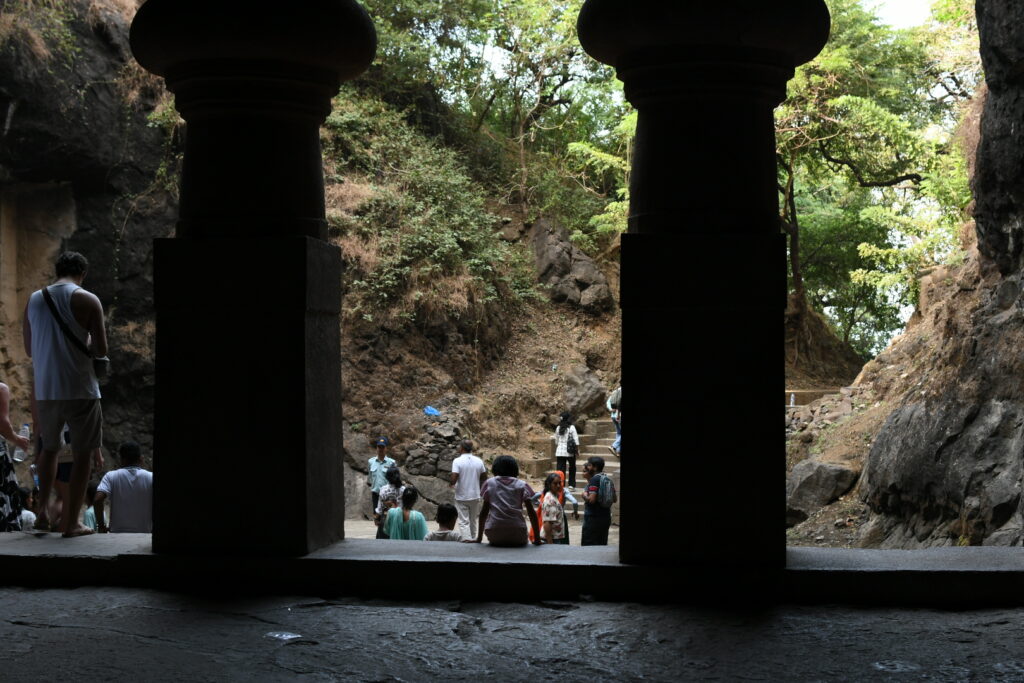
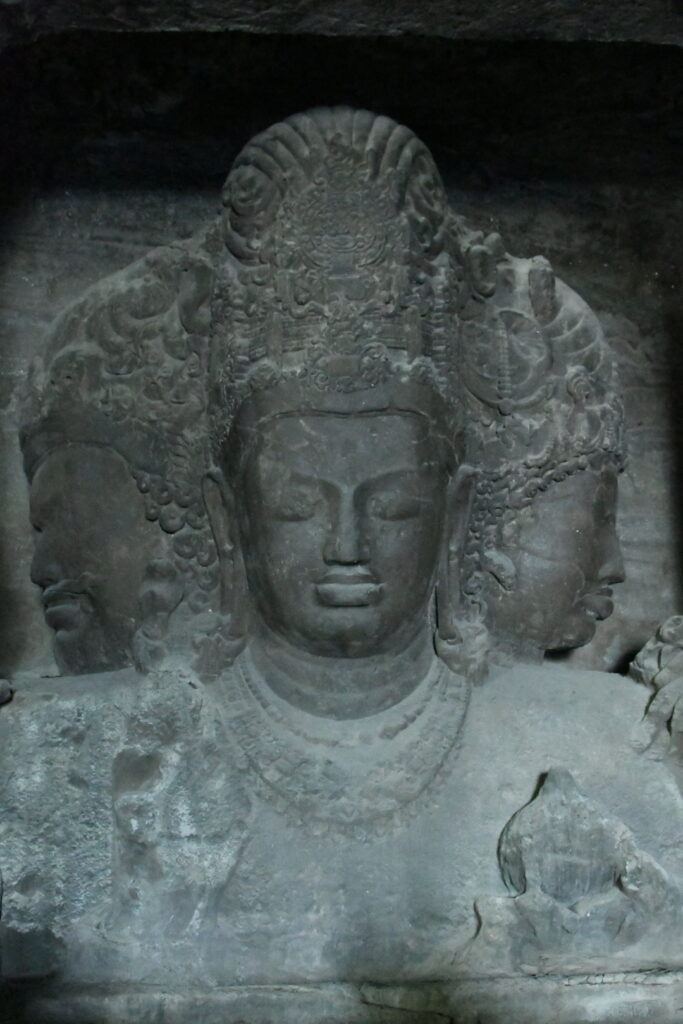
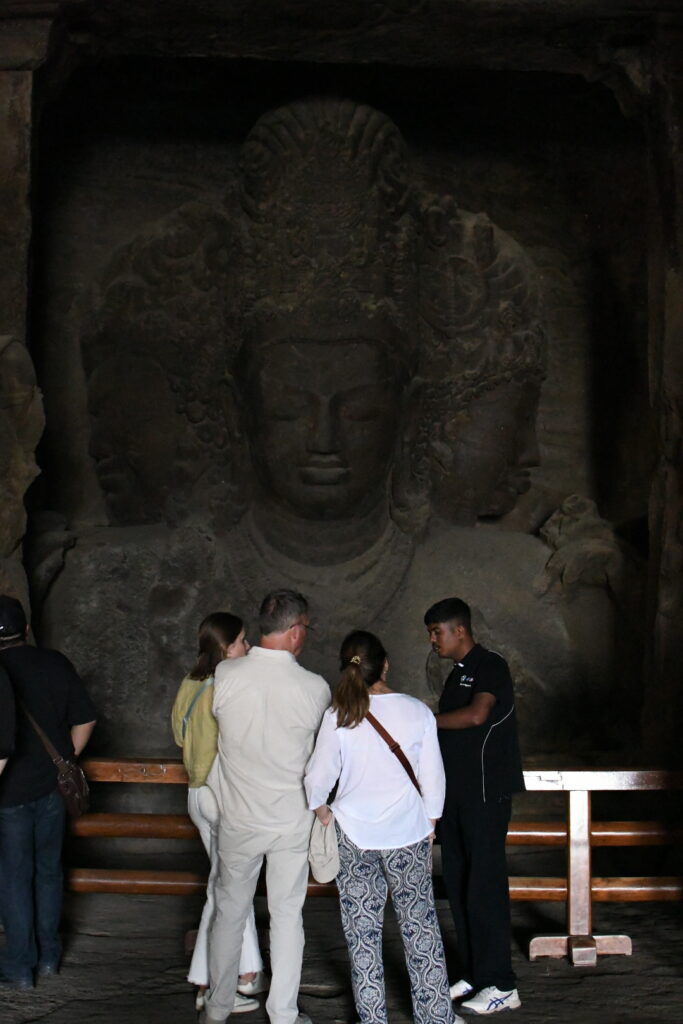
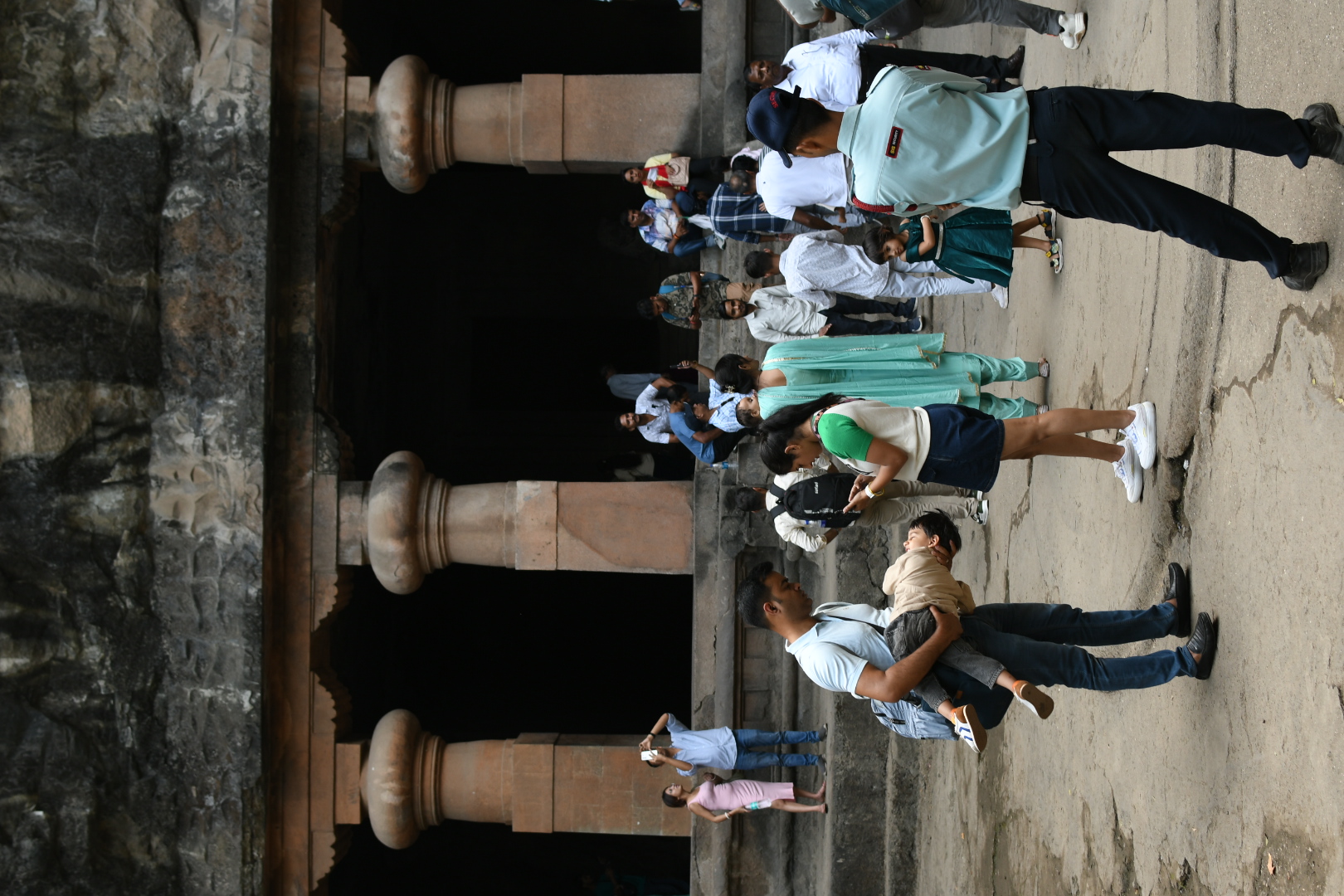
The other of our „two half days“, we visited the Elephanta Caves, a UNESCO World Heritage Site located on Elephanta Island. The caves feature rock-cut temples from the 5th–8th centuries, primarily dedicated to Shiva. To get there, simply head towards the Gateway of India, where you’ll find countless carriers offering boat rides to the island.
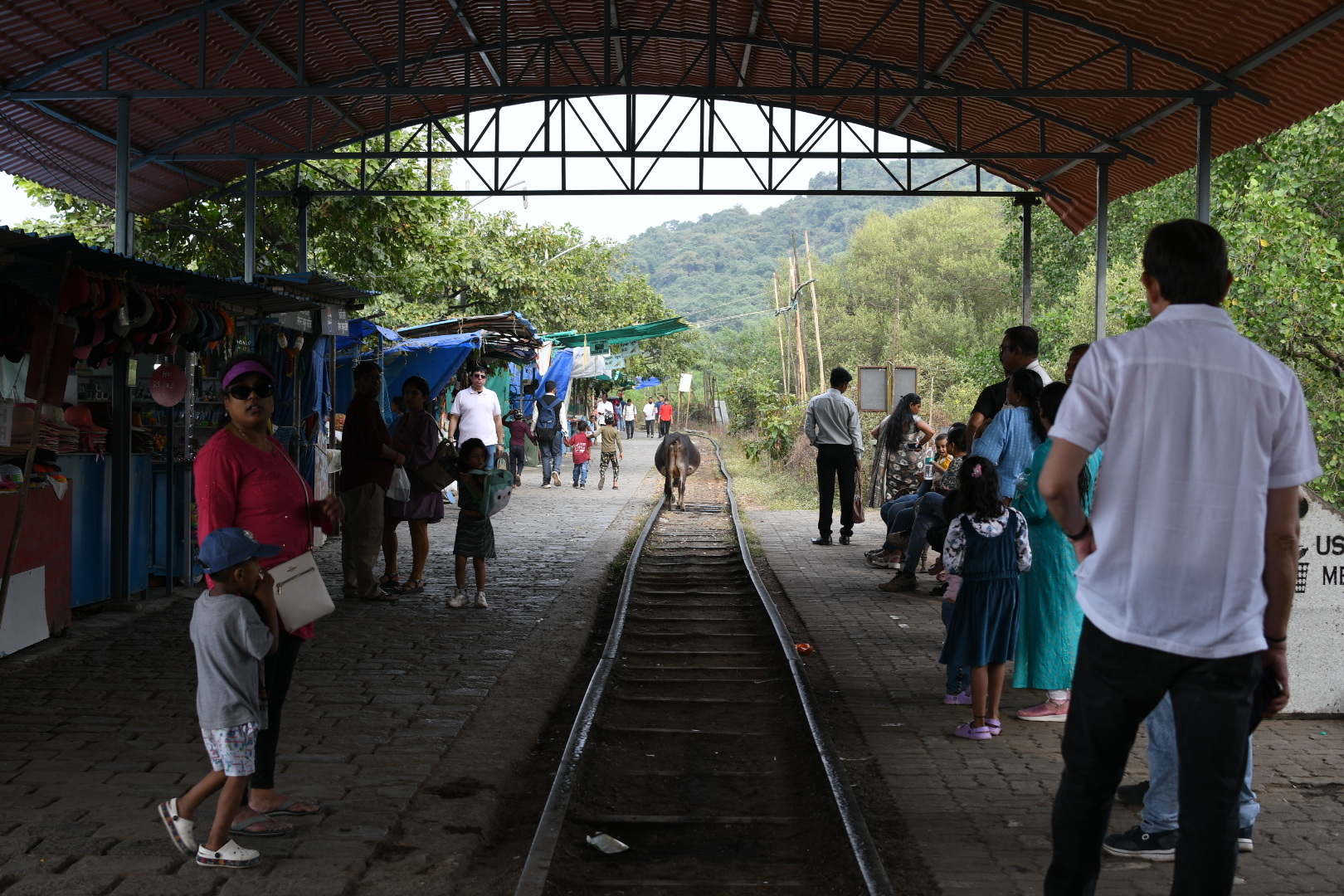
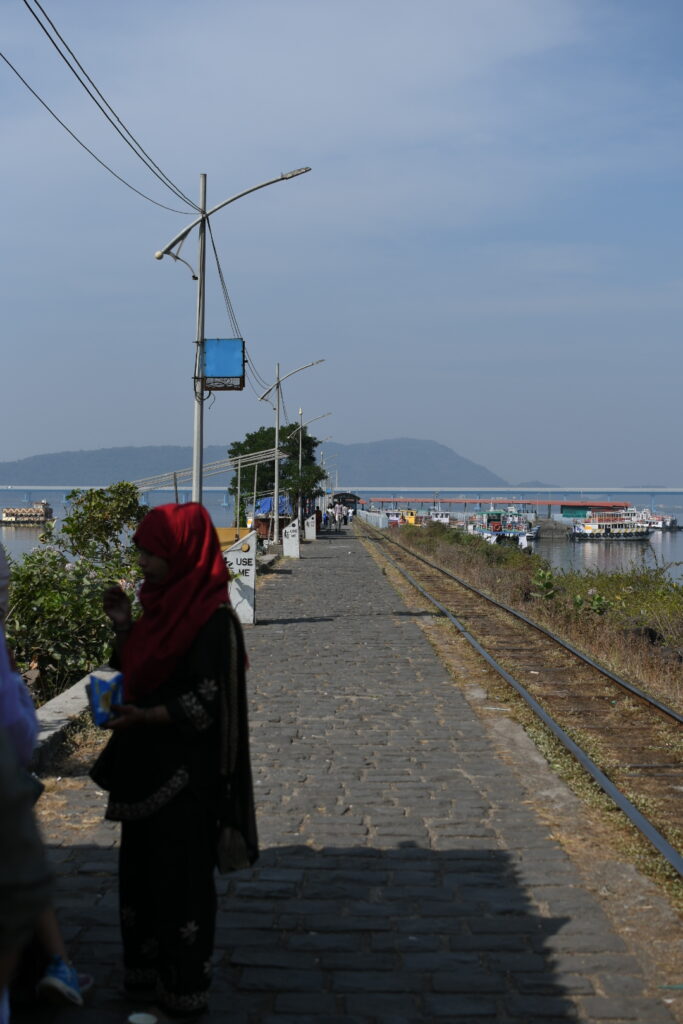
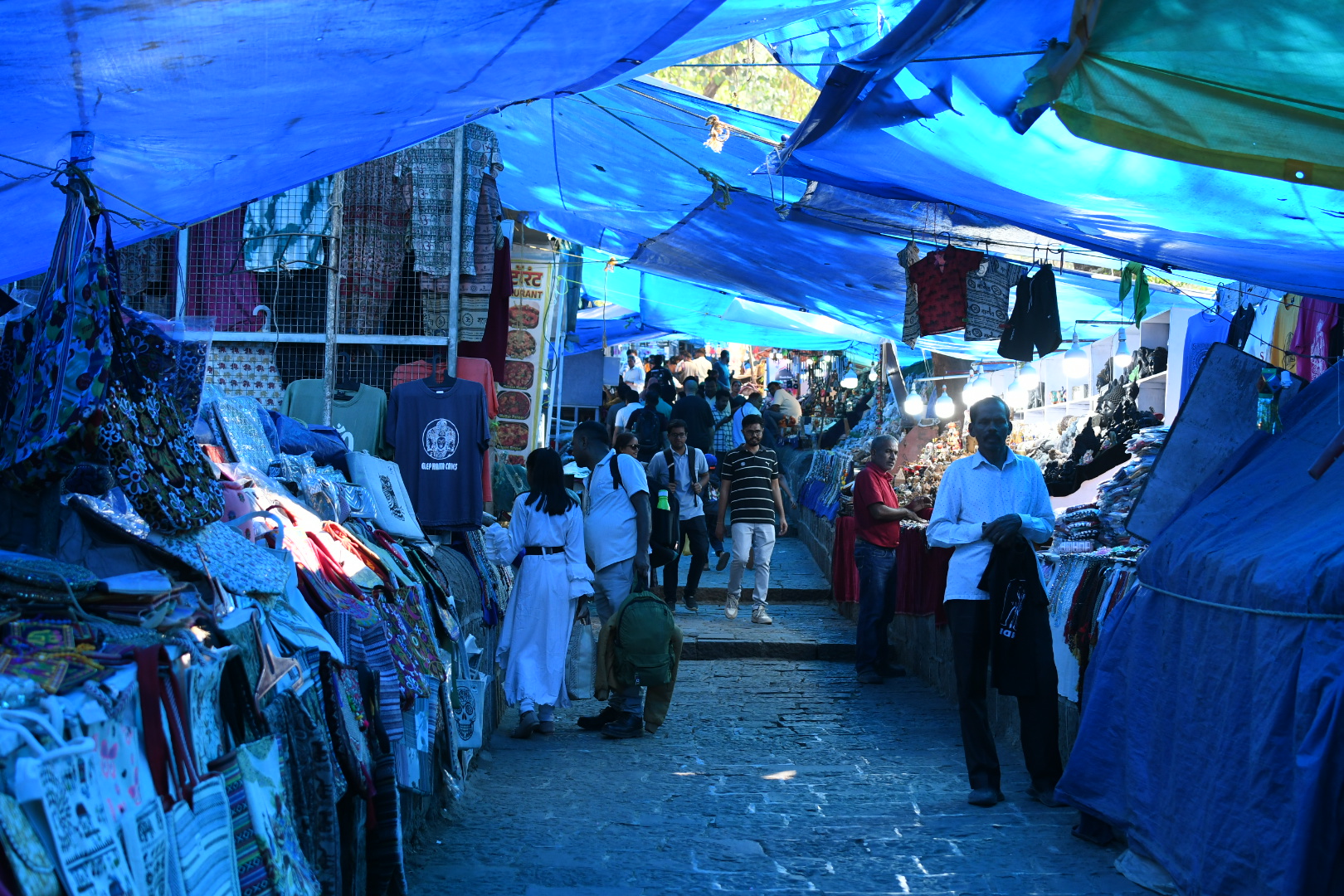
On Elephanta Island, you can either walk a short distance or take a small train to the site’s entrance. You’ll pass markets and climb stairs before reaching the caves, where you’ll need to pay the entrance fee or show your online ticket. You may also be asked to pay a small island tax.
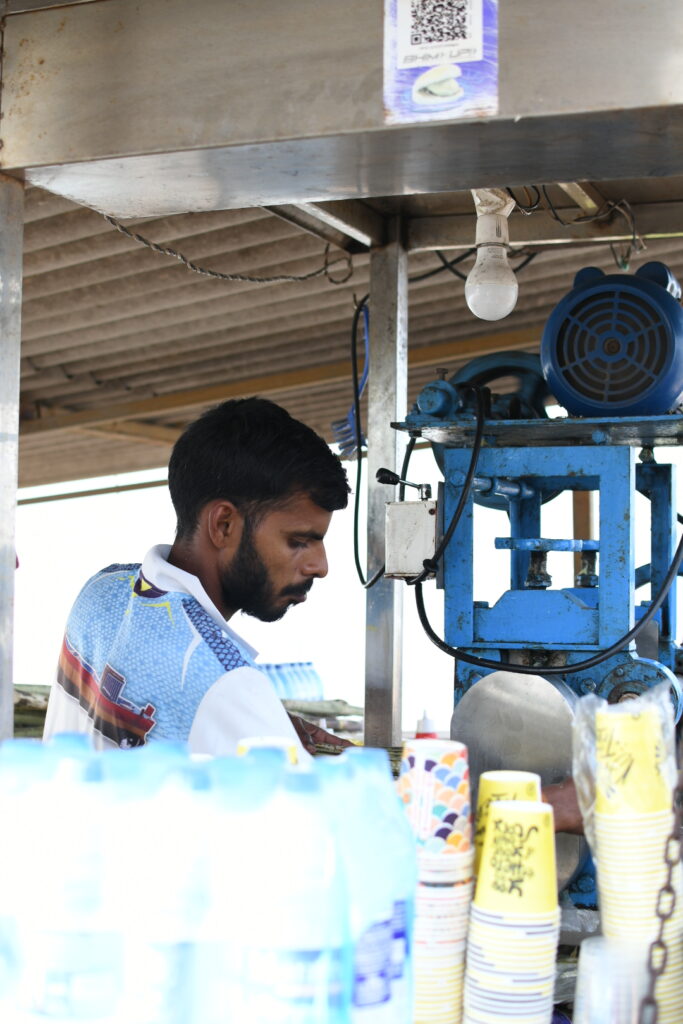
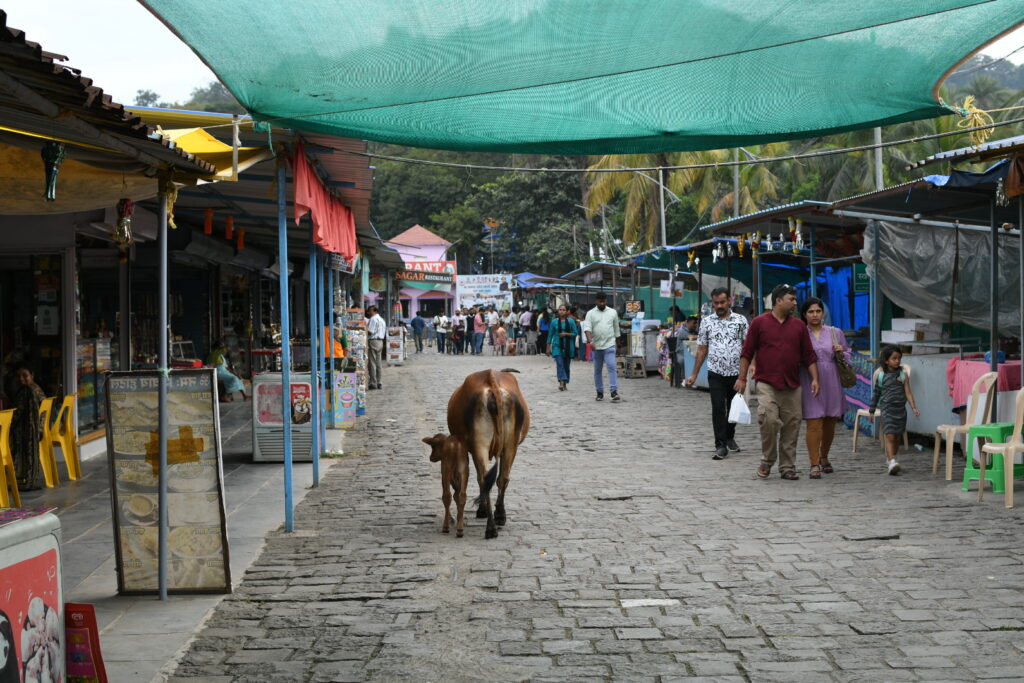
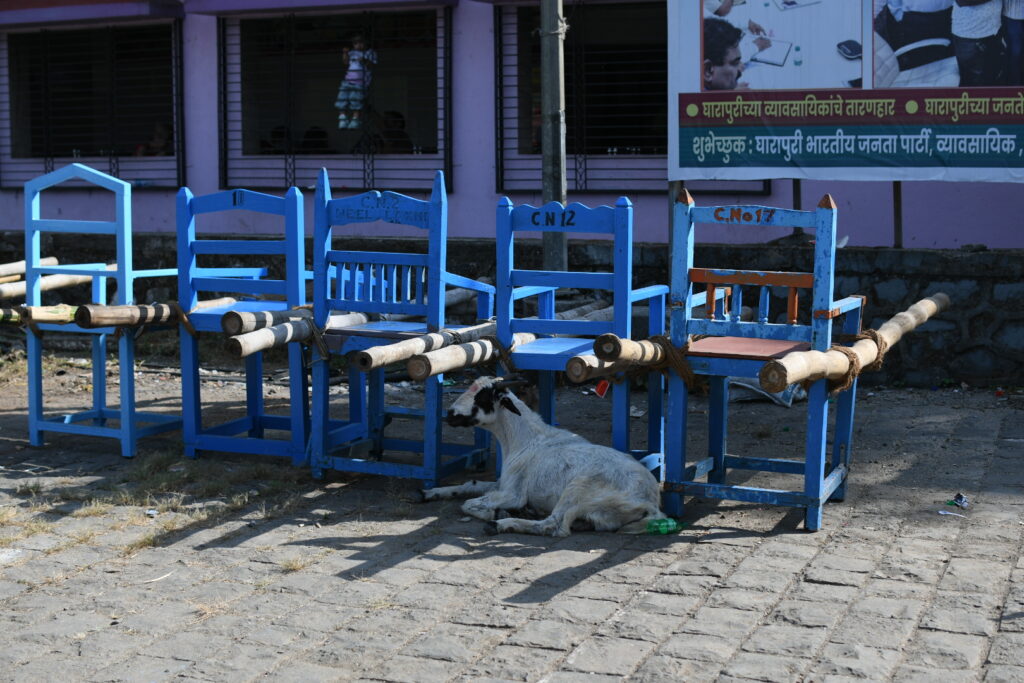
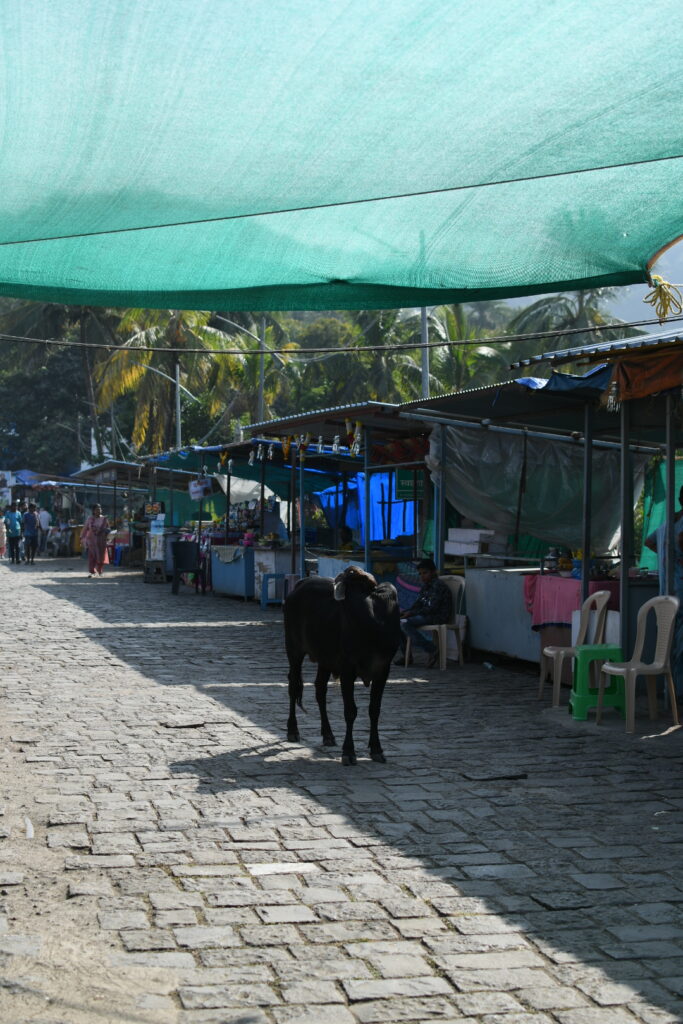
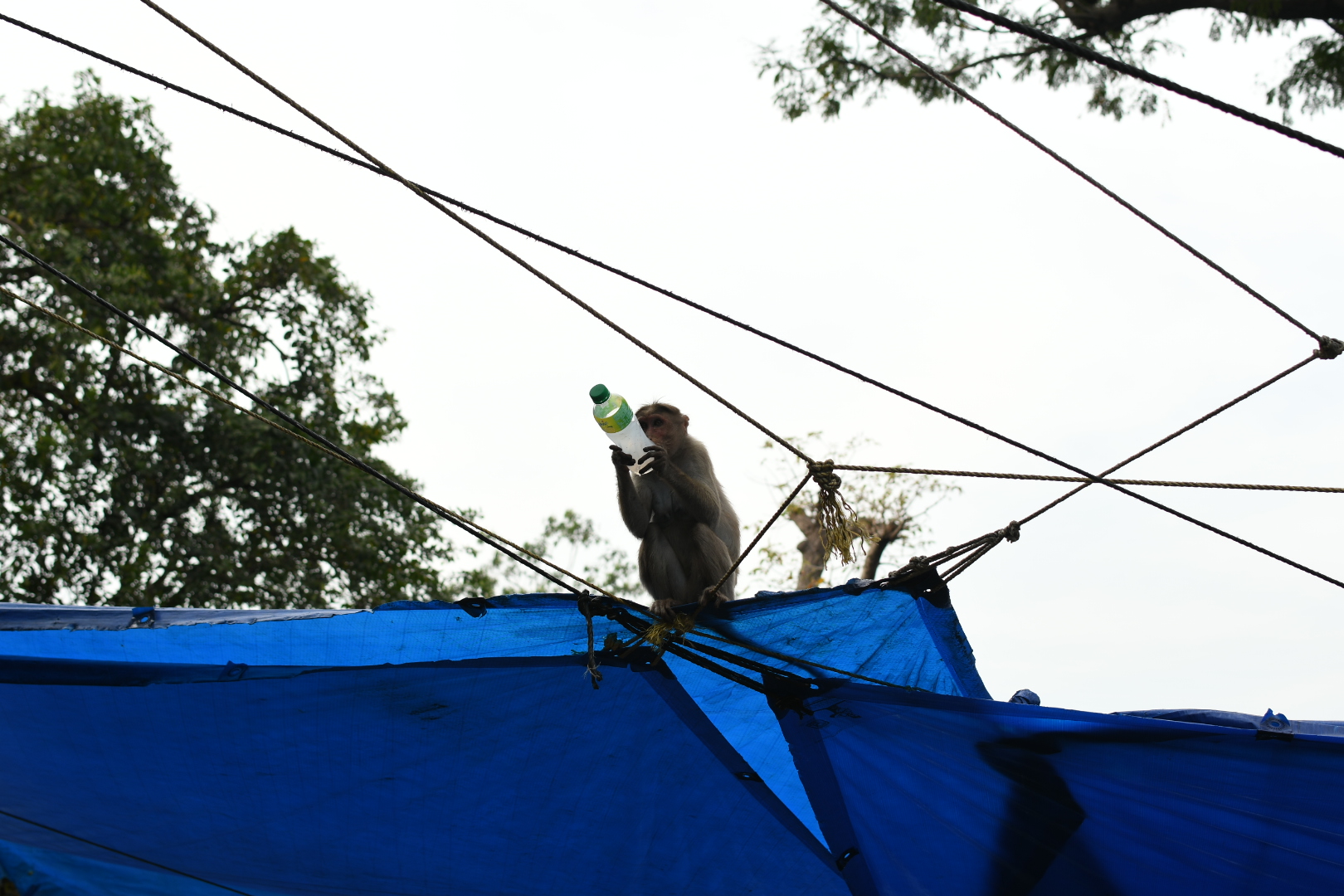
The caves themselves were interesting, but what stuck with me most was the island itself: sugarcane juice, roaming cows, and aggressively curious monkeys. You shouldn’t carry plastic bags or bottles—chances are real high they’ll be robbed off you.
The caves offered a serene atmosphere and a glimpse into the past and present importance of Hindu gods. I can recommend the trip as a peaceful retreat from the city’s constant buzz.
The end of our weekend in Mumbai marks the end of our time in India. After two weeks, I can only genuinely recommend travelling there, and I can confidently confirm that I’d love to return. I’ve seen only a tiny fraction of this enormous country, and I´d be curious to see more. The culture, people, customs, beliefs, and traditions are so different from much of the world that I used to know that I momentarily forgot I was still on planet Earth.
Of course, not everything in India is great: the caste system is a major no-go (even if it’s allegedly no longer practised), the gap between rich and poor is heartbreaking, and the way you’re treated can differ greatly depending on your gender.
But there are also many positives: warm, welcoming people who will challenge your worldview and expand your understanding of a world that is very much part of ours, and not some distant universe. For that reason alone, everyone should venture there at least once and make up their own mind before judgeing something they might not understand in the first place.